
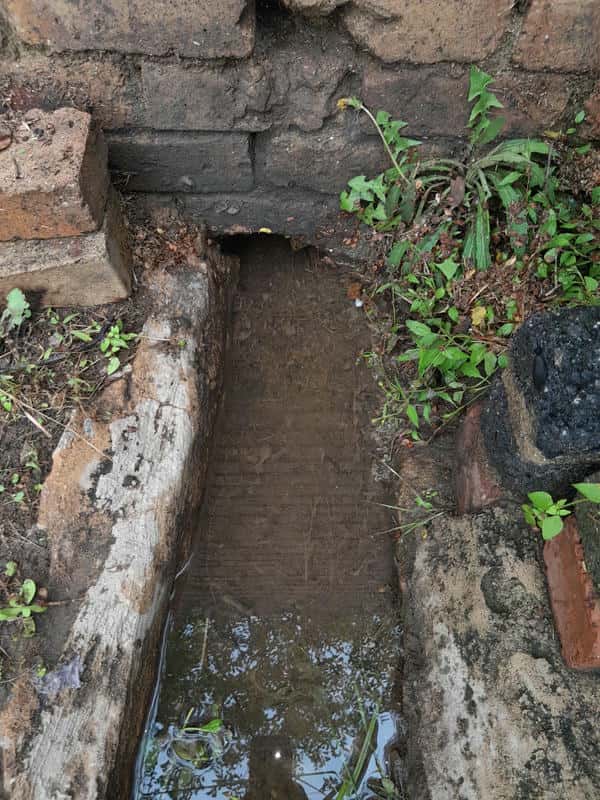
Standing water from leaks might seem like a minor nuisance at first glance, but it can lead to a range of serious and costly problems if left unaddressed. Whether it’s from a dripping pipe, a leaking appliance, or a hidden plumbing fault, stagnant water can create the perfect environment for bacteria, mold, and mildew to thrive—posing significant health risks, especially for those with allergies or respiratory conditions.

Can sewer gas from a faulty drain make me sick?
Water leaks in a home may seem minor at first, but they can quickly develop into serious health hazards if left unchecked. When water seeps into walls, floors, or ceilings, it creates the perfect environment for mold growth—especially in dark, poorly ventilated areas. Mold thrives in damp conditions and can begin growing within 24 to 48 hours after a leak occurs.

How do water leaks lead to mold and respiratory problems?
Water leaks in a home may seem minor at first, but they can quickly develop into serious health hazards if left unchecked. When water seeps into walls, floors, or ceilings, it creates the perfect environment for mold growth—especially in dark, poorly ventilated areas. Mold thrives in damp conditions and can begin growing within 24 to 48 hours after a leak occurs.
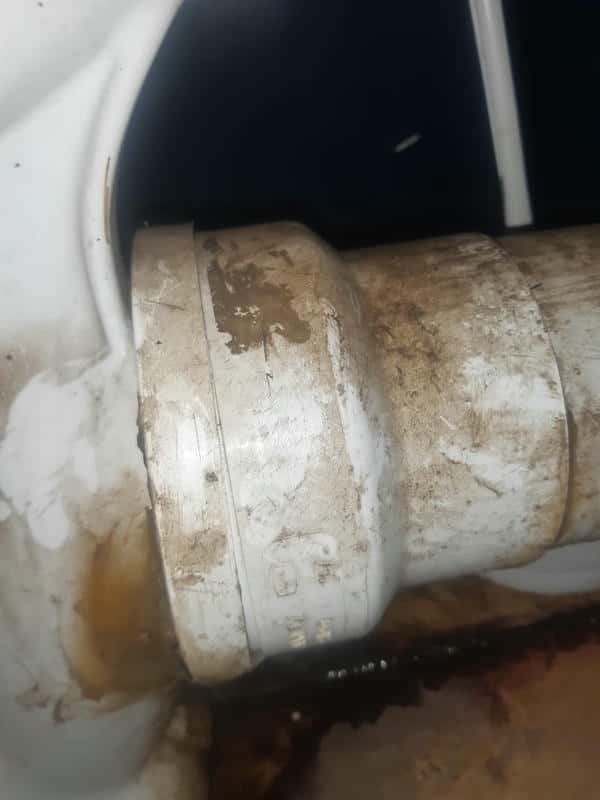
Is sewage smell in bathroom dangerous?
A sudden sewage smell in your bathroom can be alarming—and with good reason. While many people assume it’s just an unpleasant inconvenience, the truth is that sewage odours may signal deeper issues within your plumbing system. More importantly, they could pose real health and safety risks to you and your family if ignored.

Why does my bathroom smell bad?
Few things are as unpleasant as stepping into your bathroom only to be met with a lingering bad smell. While bathrooms are naturally exposed to moisture and waste, a persistent foul odour is not something you should ignore. In most cases, it’s a sign that something is wrong—and the longer it’s left unresolved, the worse the smell (and the potential damage) can become.
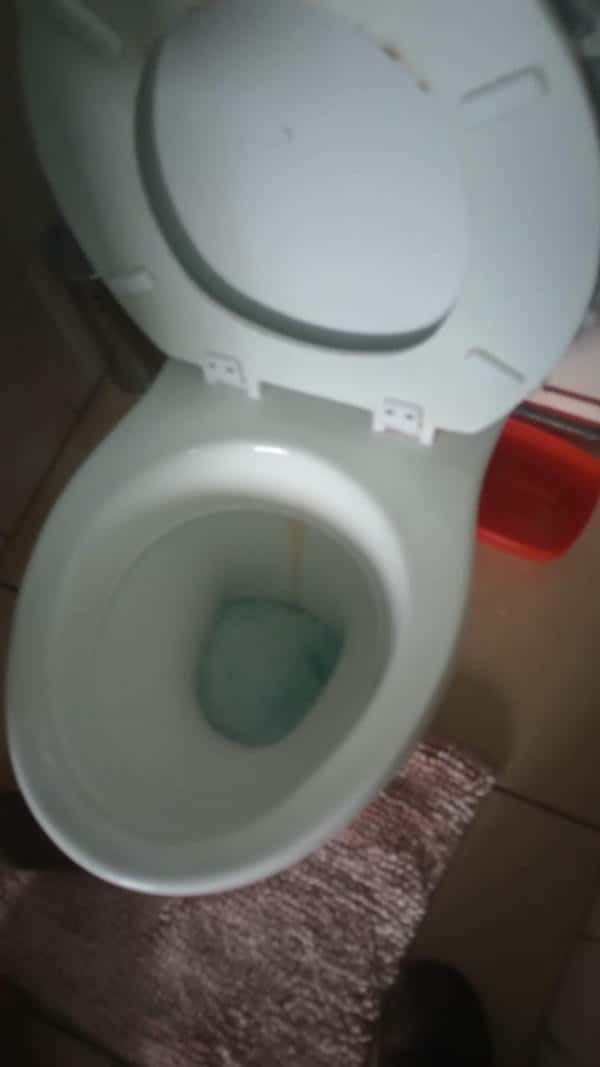
Can flushing too much toilet paper cause blockages?
If your toilet keeps clogging again and again, it’s a clear sign that something isn’t right—and it’s more than just a nuisance. Repeated clogs can be caused by several underlying issues, and identifying the root of the problem is key to finding a long-term solution.

Why does my toilet keep clogging repeatedly?
If your toilet keeps clogging again and again, it’s a clear sign that something isn’t right—and it’s more than just a nuisance. Repeated clogs can be caused by several underlying issues, and identifying the root of the problem is key to finding a long-term solution.

How do I prevent my toilet from getting blocked?
A blocked toilet is one of the most common and inconvenient plumbing issues faced by homeowners. Fortunately, most blockages are entirely preventable with a few simple habits and routine care. If you’ve ever asked, “How do I prevent my toilet from getting blocked?”—you’re not alone. Understanding what causes clogs and how to avoid them can save you time, money, and the hassle of emergency plumbing calls. In this guide, we’ll share practical tips and preventative steps to keep your toilet running smoothly and help you avoid those unwanted surprises.

Can I unblock a toilet myself, or do I need a plumber?
A blocked toilet is a common household issue, and when it happens, many people wonder: Can I unblock a toilet myself, or do I need a plumber? The answer depends on the severity of the blockage and the tools you have on hand. While minor clogs can often be cleared with a plunger or some basic DIY methods, more stubborn or recurring blockages may require professional help. Knowing when to try it yourself and when to call a plumber can save you time, money, and a lot of mess. In this guide, we’ll explore how to approach a blocked toilet safely and when it’s best to leave it to the experts.

What should I do if my toilet is blocked?
A blocked toilet can be an unpleasant and stressful situation, especially when it happens unexpectedly. Whether it’s due to too much toilet paper, foreign objects, or a deeper drainage issue, knowing how to respond quickly can help prevent overflow, water damage, and unnecessary mess. Many homeowners ask, “What should I do if my toilet is blocked?”—and the good news is, there are immediate steps you can take before calling a plumber. In this guide, we’ll walk you through what to do when your toilet is blocked, how to clear minor clogs safely, and when it’s time to call a professional for expert help.

