Pause and look
Check whether the water is clean, dirty, hot or cold. Listen for hissing or running water. Do not place your hands near wet electrical fittings.
If water is running where it should not be, take a breath. Most plumbing emergencies become far easier to manage once the correct supply is isolated and the next steps are clear.
This page has been written for homeowners, tenants, landlords, businesses, workshops, facilities teams and anyone facing a plumbing problem for the first time. It explains what you can safely do now, what to avoid, and what a plumber will check when help arrives.
You do not need to understand plumbing before you call. Our job is to listen, make the situation safer and explain the repair in plain language.
Check whether the water is clean, dirty, hot or cold. Listen for hissing or running water. Do not place your hands near wet electrical fittings.
Close the main stopcock if it is safe and accessible. For one leaking fixture, a local isolation valve may be enough. Do not force a seized valve.
Move children, pets, electronics, stock, rugs and important belongings away from spreading water. Use containers or towels only where it is safe.
Take two or three photographs, note the time the problem started and tell us whether the water stops after the supply is closed.
People react differently when plumbing goes wrong. Some immediately look for the stopcock. Others freeze because the noise, water and uncertainty are overwhelming. Neither response means the person has failed. Many plumbing faults develop inside walls, beneath floors, in roof spaces or underground where no homeowner could reasonably see them coming.
In Boksburg, plumbing help may be needed in family homes, flats, townhouses, shops, offices, workshops, warehouses and managed properties. A burst pipe can interrupt a household within minutes. A blocked drain can stop a business from using toilets or wash areas. A leaking geyser can affect ceilings, electrical fittings and rooms below. The practical response is the same: make the area safe, isolate what can be isolated, identify the true source and explain the repair before unnecessary work begins.
Proper diagnosis matters because the first visible sign is not always the failed component. Water may travel along a pipe or ceiling board before dripping. A drain may overflow at the lowest opening even though the obstruction is further away. Low pressure may come from a municipal interruption, a closed valve, a hidden leak or a restriction inside the property. Guessing can waste time and money; calm testing provides direction.
Customers should avoid forcing old valves, repeatedly applying sealant to pressurised leaks, using aggressive drain chemicals when water is already standing, or opening walls without first narrowing down the source. These actions can create additional hazards and make professional diagnosis harder. Instead, note what changed, what still works and whether neighbours or other parts of the property are affected.
When a plumber arrives, you should expect to be listened to. Your observations matter. A good repair process includes safe isolation, fault tracing, an explanation of the available options, compatible materials, careful testing and respectful treatment of the property. The purpose is not only to stop the immediate leak. It is to return the home or workplace to a stable condition and help the people inside feel that the situation is under control again.
Our first goal is to prevent the situation from becoming worse. Our second is to help you understand what is happening. Only then do we move into the permanent repair. You will not be expected to know technical terms, and you should never feel embarrassed for asking the same question twice.
We will explain what needs immediate attention, what can safely wait, and what we are testing before we recommend work. Clear information gives people back a sense of control, and that matters as much as the tools in the van.
We ask what you can see, whether the water is still running, which fixtures are affected and what has already been switched off. Your description helps us decide whether the problem is urgent and what guidance can be given immediately.
Where possible, we guide you toward the correct isolation point and explain what not to touch. In complexes or commercial sites, we may also suggest contacting security, a caretaker or facilities representative.
We separate the symptom from the fault. That may involve checking pressure, meter movement, valves, visible joints, waste connections, drain flow or the route of concealed pipework.
Some faults need immediate repair. Others can be stabilised and planned. We explain the difference so the customer can make an informed decision rather than feeling pressured during a stressful moment.
The repaired section is checked under normal use. Supply pipes are tested for leaks and stability; drains are checked for flow; fixtures are operated repeatedly where practical.
Before leaving, we explain what was repaired, what warning signs to watch for and whether any follow-up work or reinstatement should be planned.
A burst pipe can sound dramatic and spread water quickly, but the situation often becomes manageable once the supply is isolated. The first task is to determine whether the failed pipe is on the hot supply, cold supply, geyser line or another pressurised section.
Common causes: failed joints, corrosion, accidental damage, pressure changes, ageing flexible connectors or pipe movement. Warning signs: hissing, a moving meter, sudden pressure loss, damp ceilings, water under cupboards or unexplained wet paving.
What you can do: close the main stopcock if safe, move belongings away and avoid opening walls. What the plumber does: trace the failed section, open only where necessary, replace compatible components and pressure-test the repair. Learn more about burst pipe repair.
When sewage or dirty water rises, people understandably feel alarmed. Stop using the affected fixtures and keep children and pets away. A blockage may be local to one trap or further along the main drain.
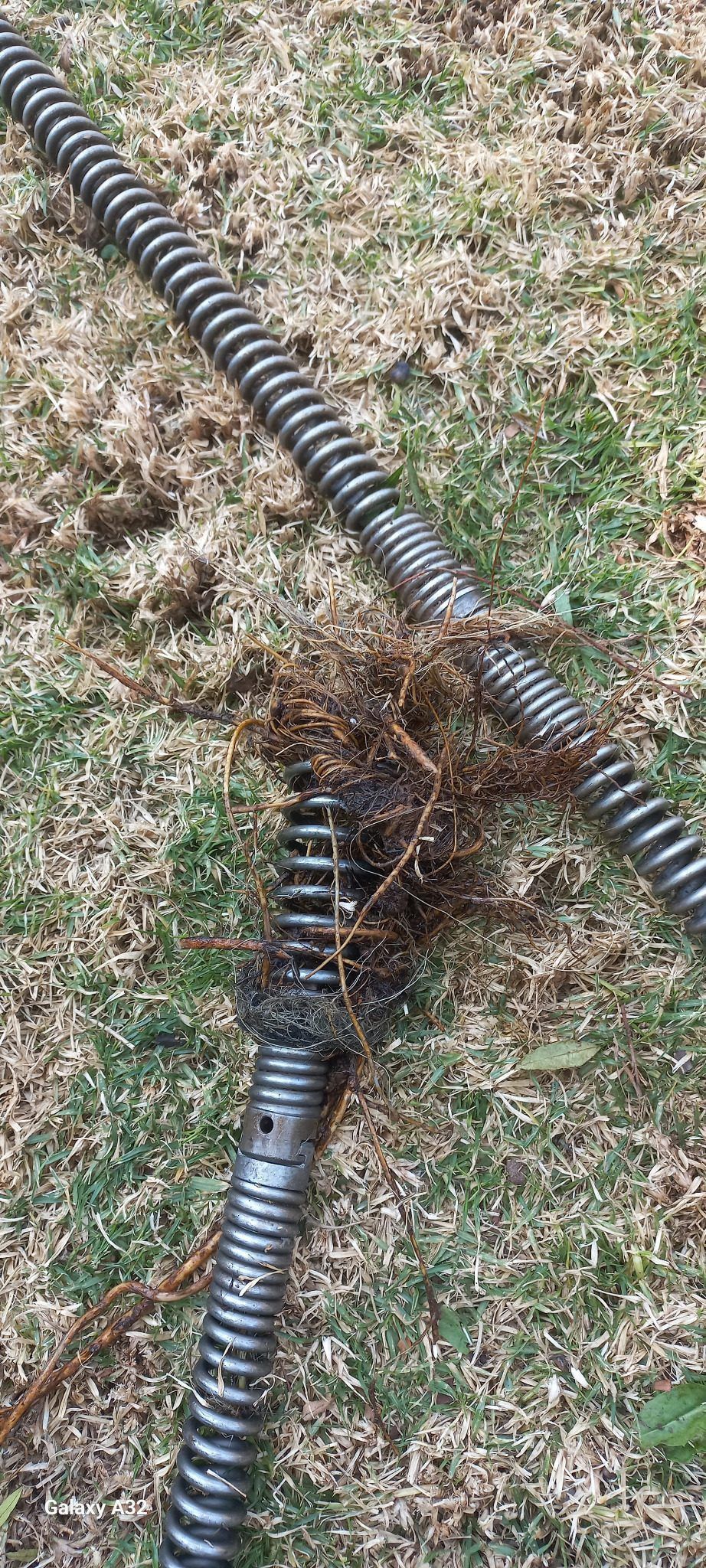
Common causes: grease, wipes, roots, damaged pipework, poor fall, building debris or collapsed sections. Warning signs: gurgling, slow drainage, outside gully overflow, repeated smells or several fixtures backing up together.
What you can do: do not add chemicals to standing water and do not keep flushing. What the plumber does: identify the affected line, clear the obstruction safely and recommend inspection when the problem is recurring. Read about blocked drain cleaning.
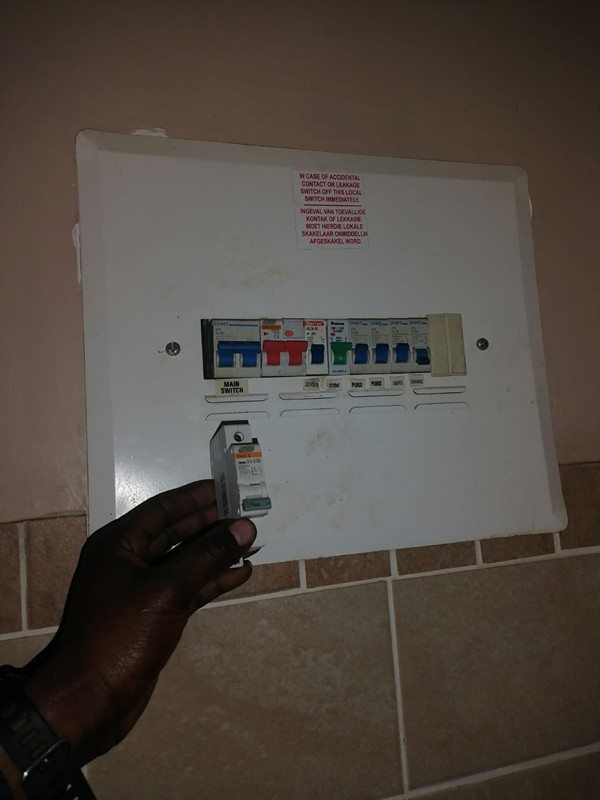
Water near a geyser can be frightening because plumbing and electricity are close together. Do not touch wet electrical fittings. If the electrical area is dry and you know the correct switch, the geyser supply can be isolated while help is arranged.
Common causes: leaking valves, failed seals, pressure-control faults, element or thermostat issues, pipe connections or cylinder failure. Warning signs: ceiling stains, continuous overflow discharge, hissing, no hot water or water near the unit.
What the plumber does: identify which component is discharging or leaking, check pressure and safety controls, and separate plumbing faults from electrical faults. See geyser repair guidance.
Hidden leaks often create anxiety because the water appears far from its source. A damp patch does not automatically mean the entire wall or floor must be opened. The route can often be narrowed down first.
Common causes: pinhole leaks, failed joints, cracked waste pipes, leaking shower connections or underground supply failures. Warning signs: rising bills, meter movement, warm patches, mould, peeling paint or recurring dampness.
What you can do: close all taps, note the meter and photograph the area. What the plumber does: compare pressure, temperature, meter behaviour and likely pipe routes before recommending access. Learn about leak detection.
Toilet problems can feel urgent because the fixture is essential and contamination may be involved. Stop using an overflowing toilet. If the problem is clean water running into the pan, a local isolation valve may control it.
Common causes: blocked outlets, failed inlet valves, worn flush seals, pan connector leaks or damaged cistern parts. Warning signs: repeated refilling, water around the base, weak flushing, bubbling or a rising water level.
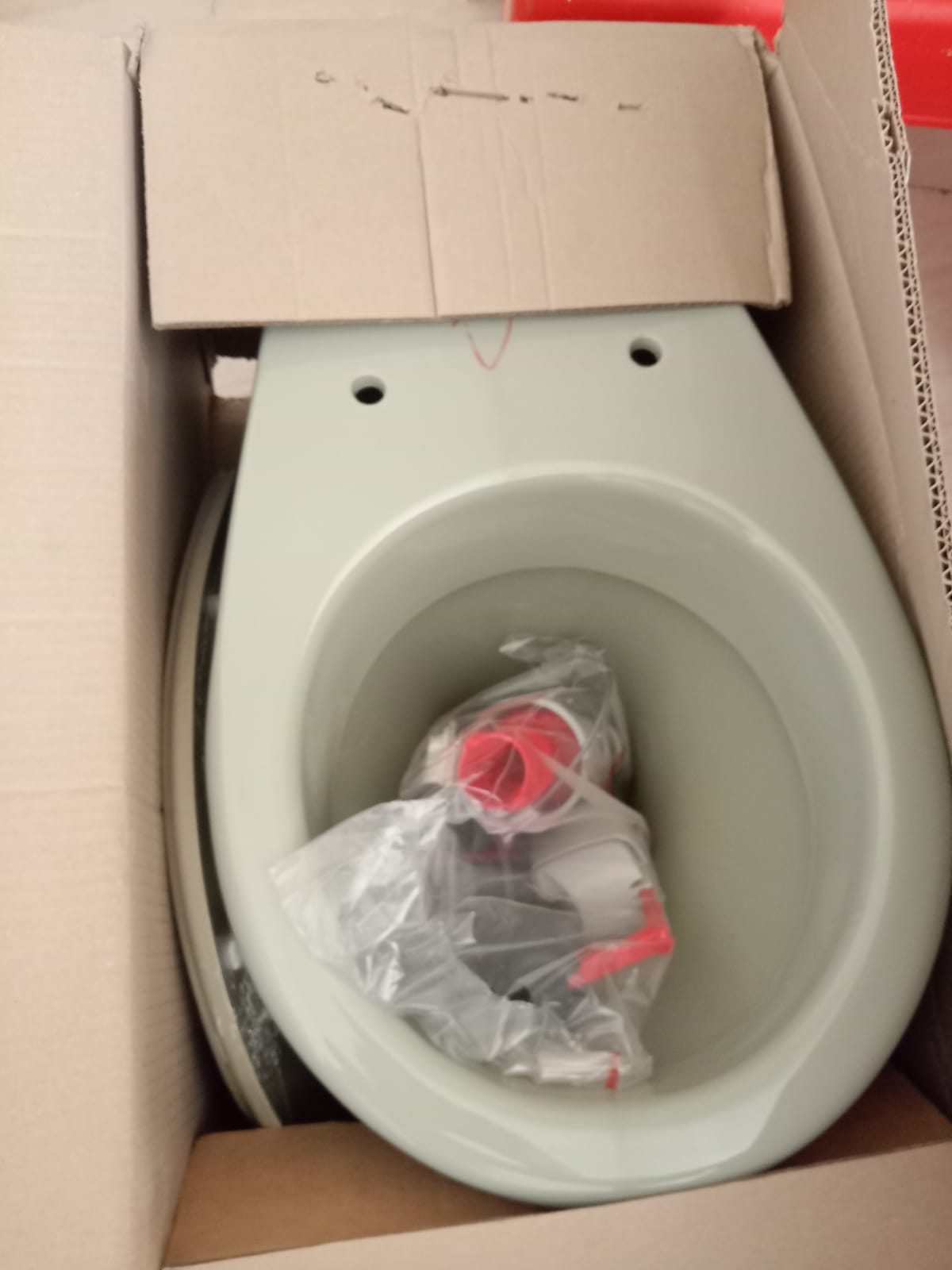
What the plumber does: determine whether the issue is in the cistern, pan, connector or drain and test the fixture after repair. More information is available under toilet repairs.
Low pressure does not always mean a pipe has burst. The cause may be outside the property, at the main valve, in a pressure-control component or at one blocked outlet.
First checks: ask neighbours whether they are affected, compare several taps and check whether the main stopcock is fully open without forcing it. Warning signs: sudden whole-property pressure loss, meter movement or pressure that changes when fixtures are used.
What the plumber does: separate municipal supply issues from property faults and test valves, strainers, pressure controls and likely leak points. See low water pressure guidance.
Closing the main stopcock does not repair a burst pipe, but it can dramatically reduce the amount of additional water entering the property while help is on the way.
A ceiling drip may begin several metres away from the visible stain because water can travel along pipes, beams and boards before falling.
A constantly running toilet can waste a large amount of clean water without creating an obvious puddle because the water escapes directly into the pan.
Recurring drain blockages are often a sign of an underlying problem such as roots, damage or poor fall rather than simply “too much paper”.
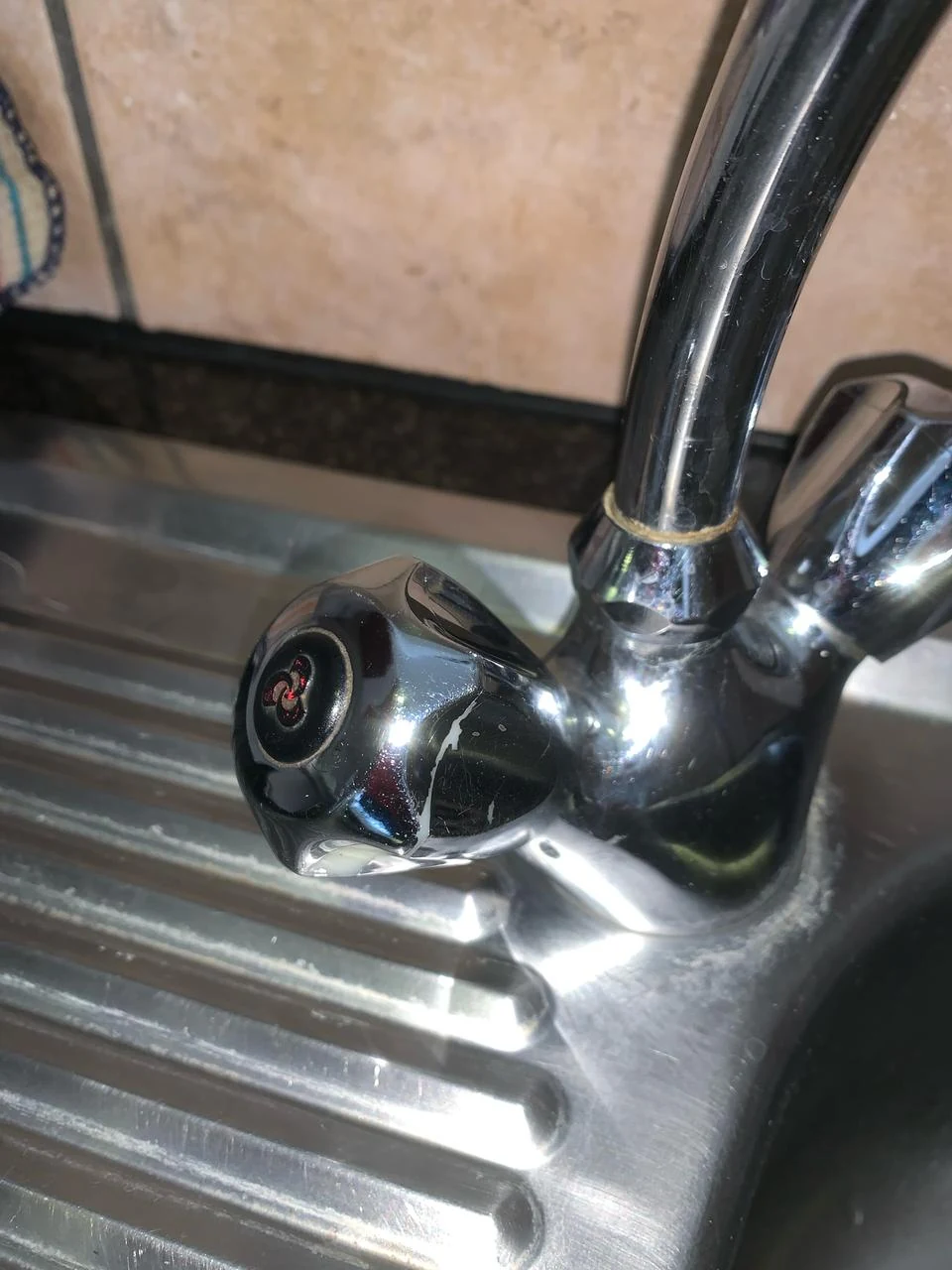
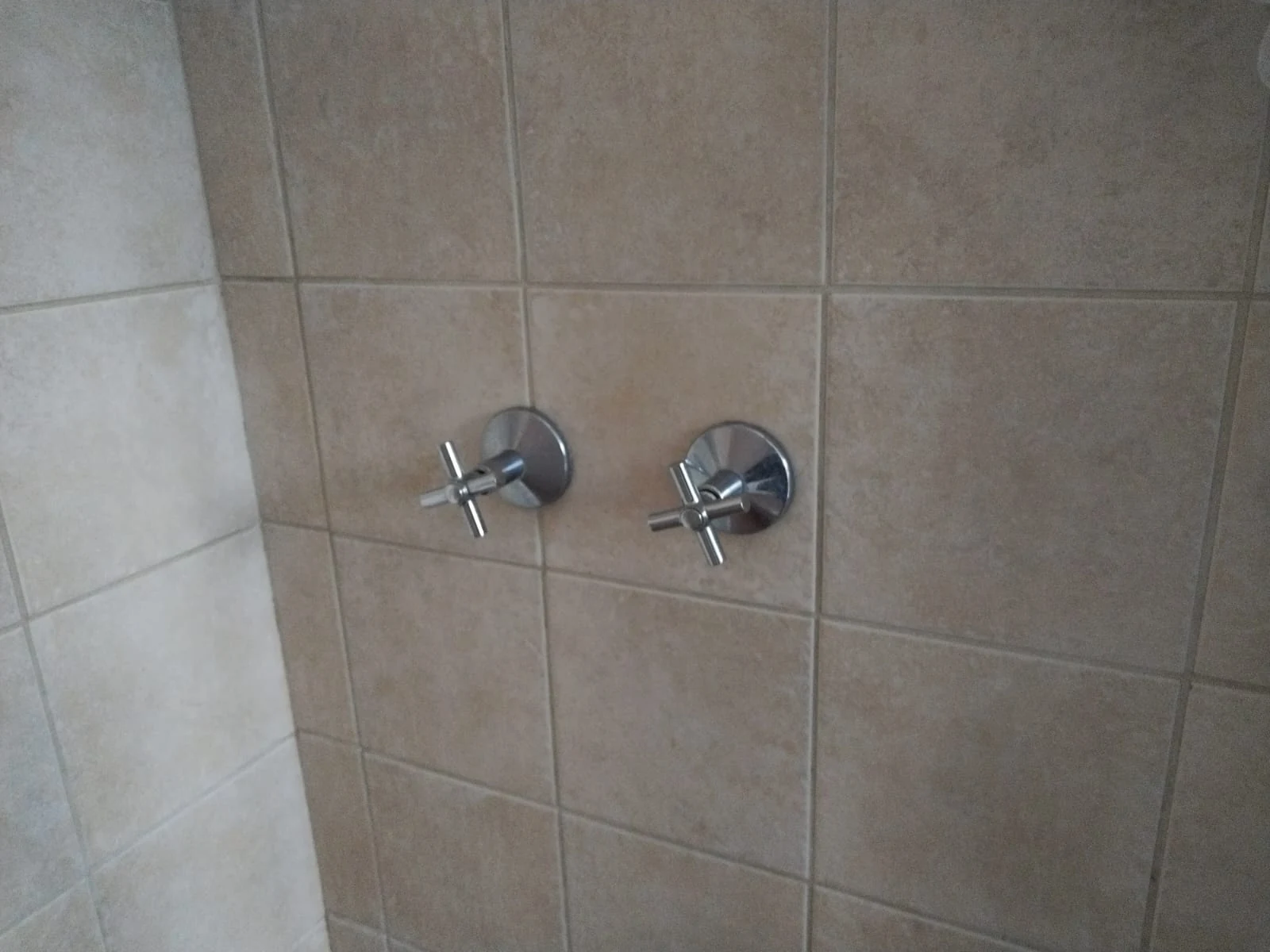
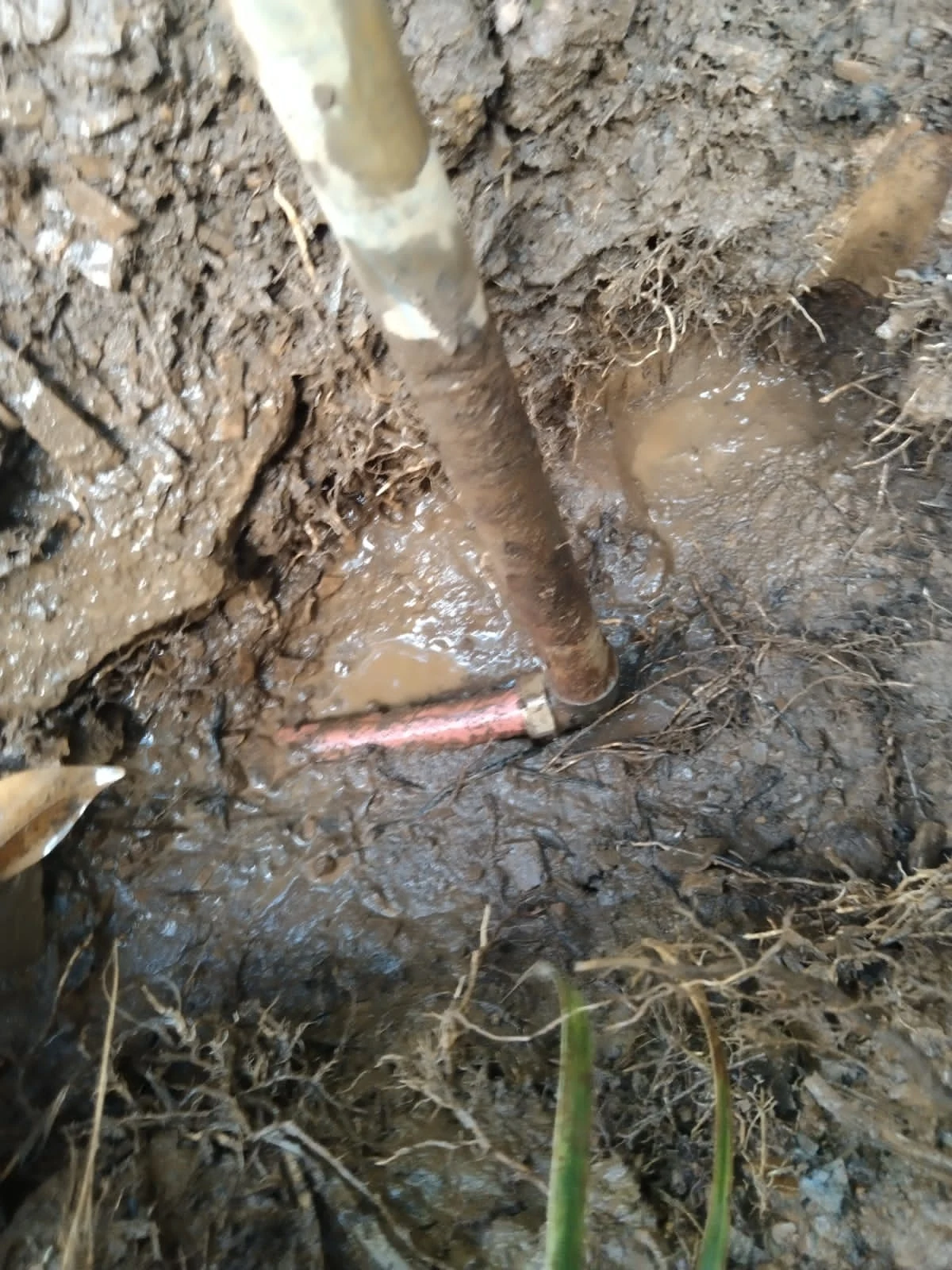
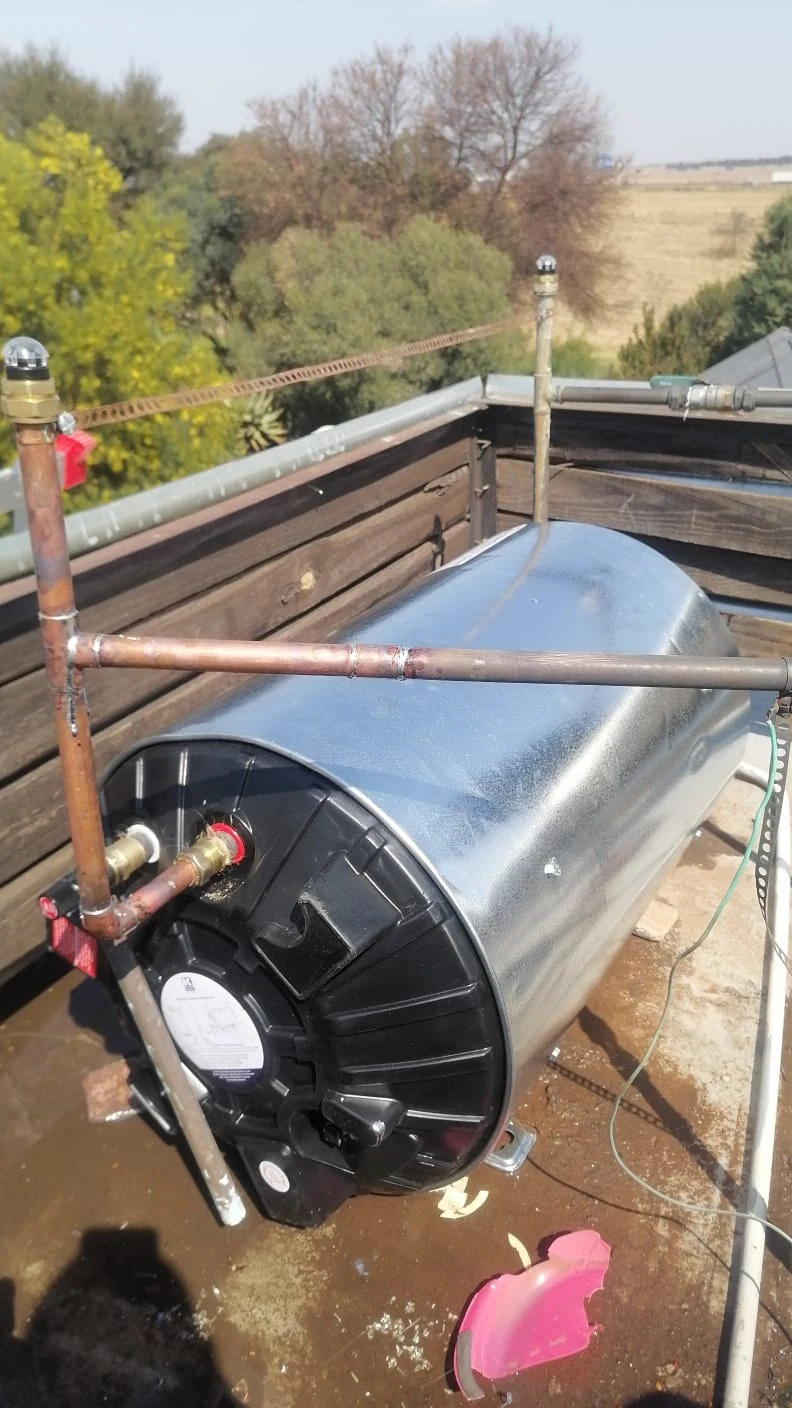
These photographs show genuine plumbing work. Each repair began with a person, family, tenant, landlord, business owner or facilities team needing the situation made safe and understandable. The value of a repair is not only the new fitting or pipe. It is the moment water is under control, normal routines return and people can breathe again.

The customer was dealing with moisture appearing through a finished wall, but the source was not visible. The wall was opened only after the likely pipe route had been narrowed down. Exposing the section carefully allowed the failed area to be inspected without turning the entire room into a construction site.
The lesson for property owners is that visible dampness is only a clue. Do not assume the wettest point is the source. Note when the mark grows, whether the meter moves and whether the area becomes warmer when hot water is used.

A failed joint can release water quickly and make the whole room feel out of control. Once the supply was isolated, the damaged section could be assessed calmly, removed and rebuilt with compatible components.
Homeowners can help by knowing the stopcock location and avoiding temporary tape on a pressurised leak. Tape may slow a drip for moments, but it should never create false confidence that the line is safe.

Drainage repairs are about more than making water disappear. The branch angle, support, sealing and route all influence whether waste will move reliably without repeated smells or blockages.
For households and businesses, recurring drainage trouble should not be normalised. Gurgling, slow flow and repeated odours are early warnings that deserve investigation before a full backup occurs.

An overflowing outside gully can make a family fear that sewage will enter the home. The immediate response is to stop using affected fixtures, keep people away from contaminated water and clear the line using suitable equipment.
Once flow returns, the important question is why the blockage happened. If the same gully fills again, further inspection may be needed for roots, damaged sections or poor fall.

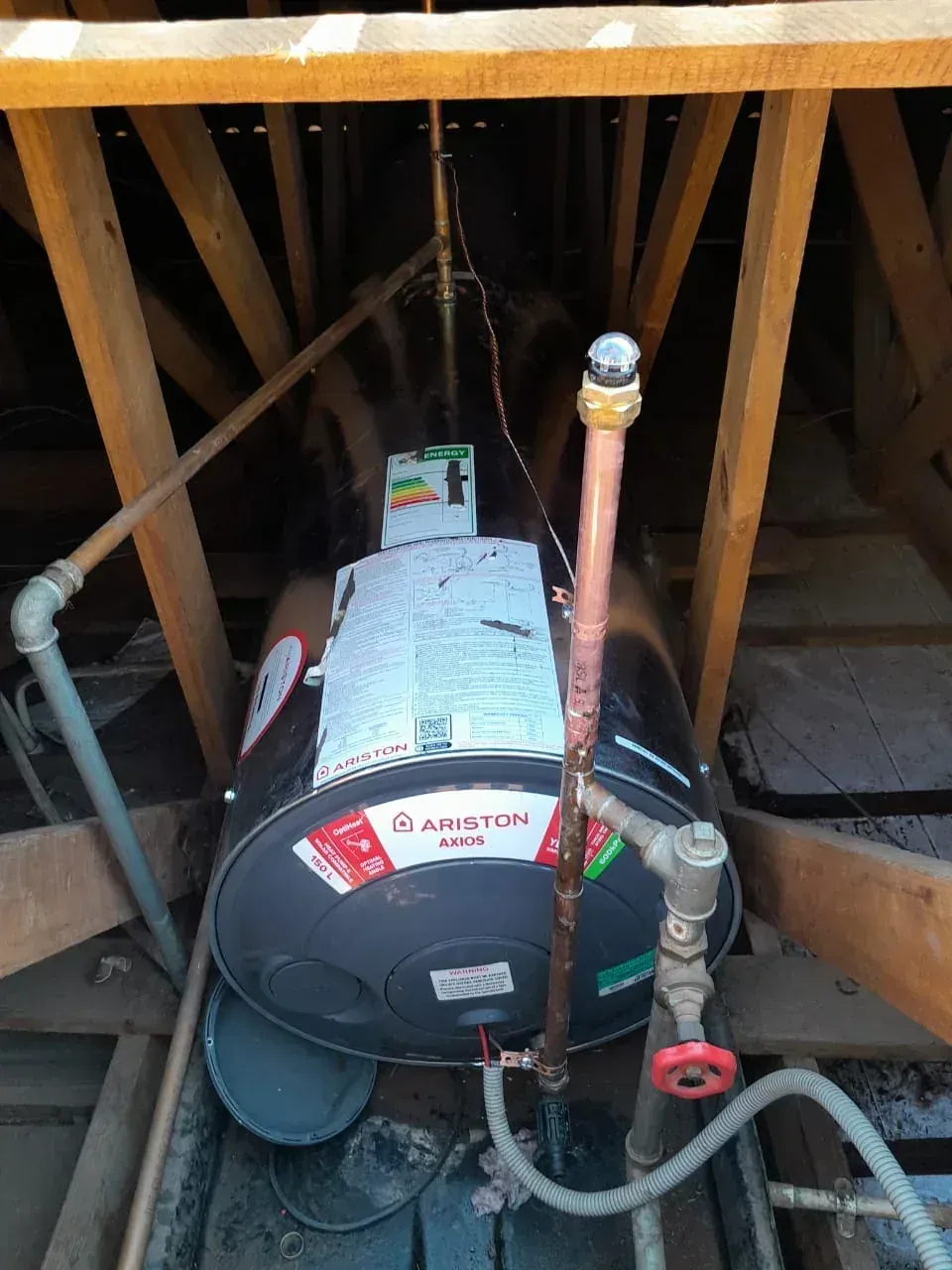
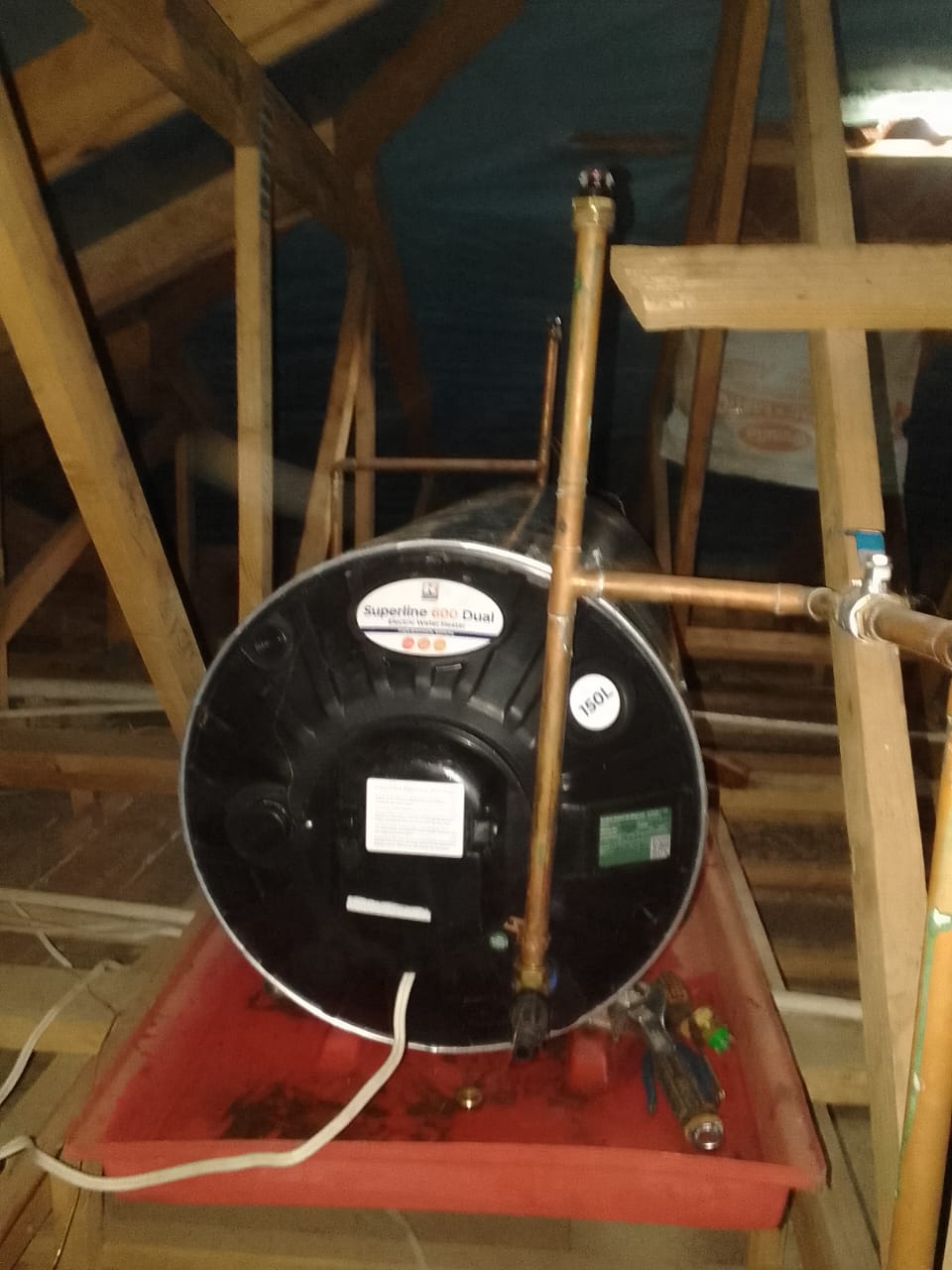
Loss of hot water can disrupt bathing, cleaning, caregiving and business operations. In a roof space, the plumber must consider the cylinder, safety valves, supports, discharge routes and surrounding electrical risks.
Customers should never block an overflow or safety pipe because it is discharging. The discharge is information that helps identify pressure, temperature or valve problems.

No hot water does not automatically mean the geyser cylinder has failed. Careful testing can distinguish between a thermostat, element, supply issue, safety control or plumbing fault.
This prevents unnecessary replacement and helps the customer understand why the repair route was chosen. Water and power should always be treated cautiously around a geyser.

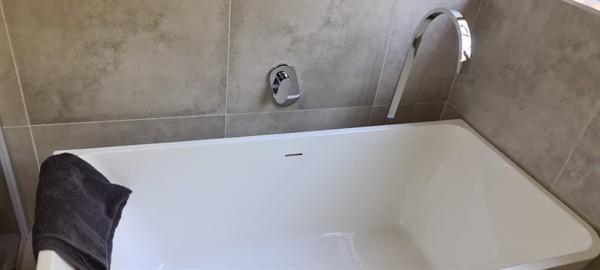
A leaking mixer may seem minor, but water can soak cabinet boards, cause swelling and create mould long before the volume looks serious. The repair involves checking the cartridge, seals, flexible connectors and mounting.
Place a dry sheet of paper beneath the sink overnight if you suspect a slow leak. Small drops are easier to spot on paper than inside a dark cupboard.

Underground repairs can worry property owners because they expect widespread digging. The best approach is to narrow down the fault first and expose only the section that needs attention.
Soft ground, repeated wet patches, sinking paving and returning blockages are useful clues. Photographs taken before reinstatement can also help with future maintenance.

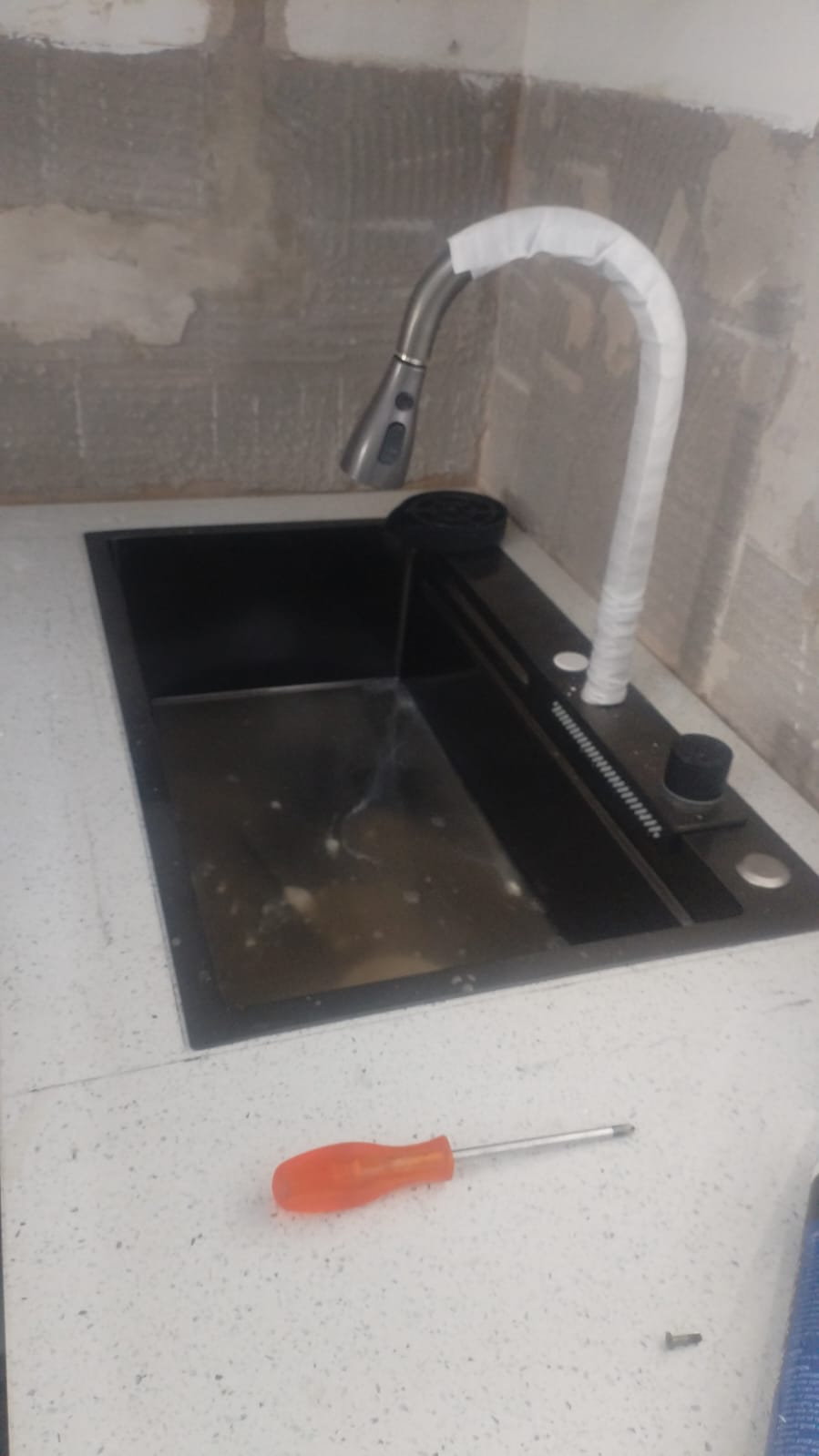
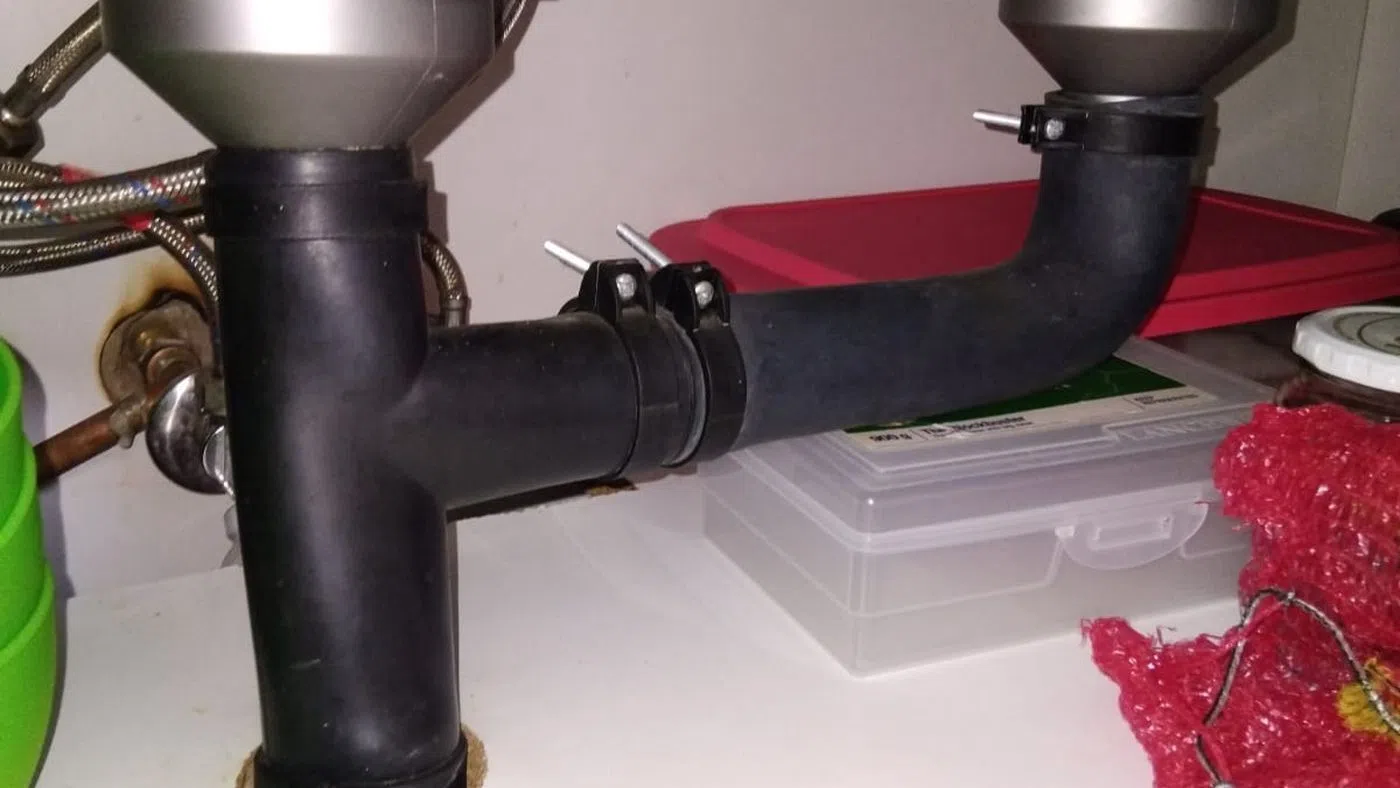
Some leaks remain invisible until a sink is emptied. Waste fittings can loosen, seals can distort and pipe alignment can place strain on the connection.
Fill the sink partially and release the water while checking below with a torch. If water appears, stop using the fixture until the waste connection is repaired and tested.

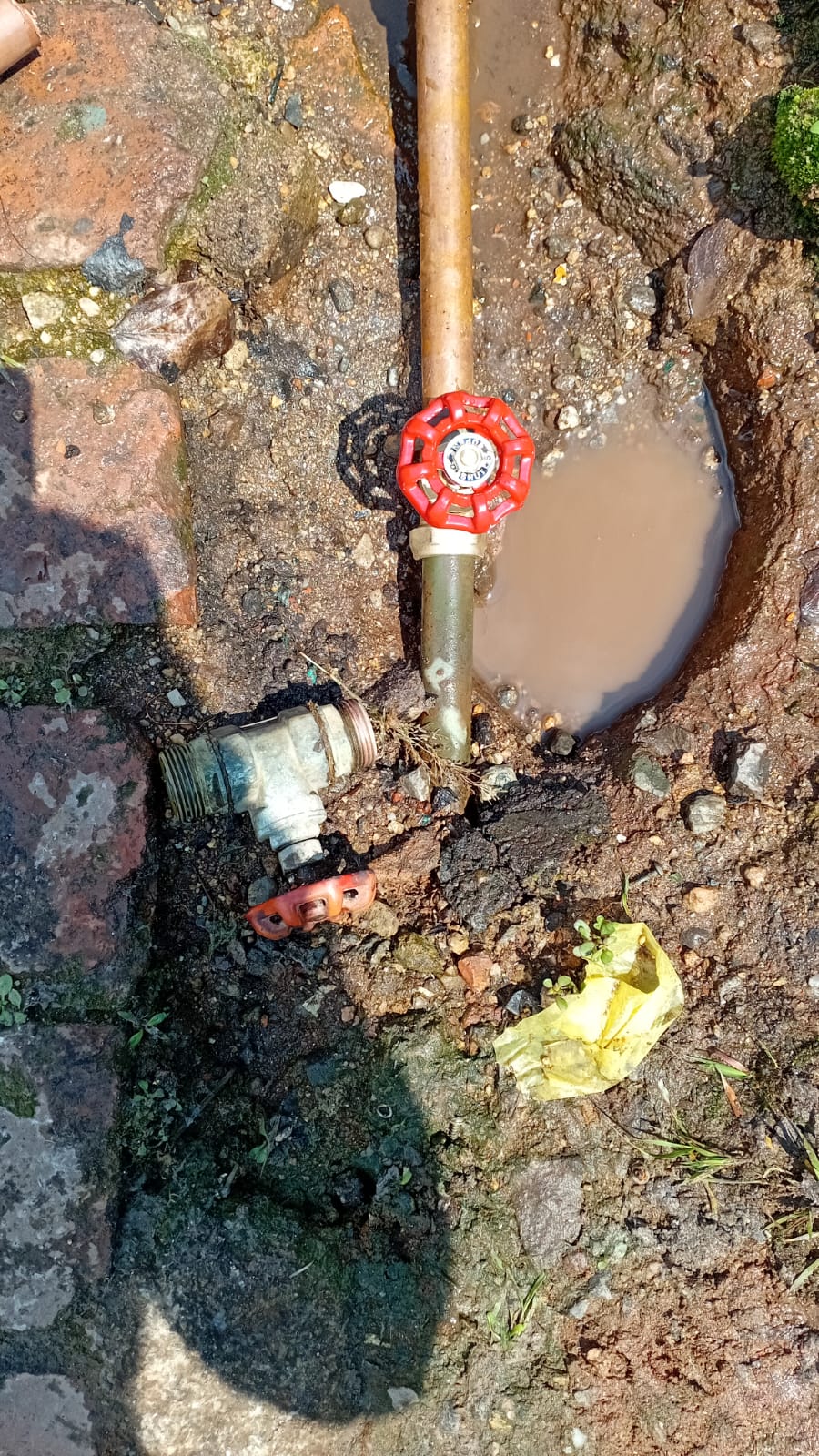
Outside taps often fail through impact, movement, corrosion or poor support. A secure installation protects the pipe from strain when hoses are attached and removed.
If an outside tap feels loose, do not keep twisting it. Movement can transfer force into the concealed connection and create a leak inside the wall.

A running toilet can keep families awake, increase water use and create anxiety about the bill. The inlet and outlet must be tested separately so the correct worn component is replaced.
Listen after the cistern has filled. If water continues moving or the toilet refills without being used, arrange an inspection rather than ignoring the sound.

Water or odour around the base of a toilet may come from the pan connector, the supply, condensation or a blockage. The pan must be assessed carefully before resealing.
Do not simply apply more sealant around the base. Surface sealant can hide the symptom while contaminated water continues escaping beneath the toilet.
A patch may slow visible water without correcting pressure, movement, damaged pipework or a failed connection. A repair should address the cause rather than only hiding the symptom.
Different pipe systems and fittings must be joined correctly. The cheapest part is not always the safest choice when the surrounding system is old or under pressure.
Pressure testing, repeated fixture use and drain-flow checks confirm that the repair performs in real conditions. A dry fitting before the water is restored is not enough.
Work areas should be protected, unnecessary opening avoided and the customer told what will happen before finishes are disturbed. People should feel respected inside their own home or workplace.
Take one slow breath and focus on the next safe action rather than the entire repair. Keep people away from the water if electricity may be involved. Close the main stopcock when it is safe and accessible, then move valuables out of the path of the water. You do not need to find the broken pipe yourself. Once the supply is controlled, the situation usually becomes much more manageable.
Call for help and explain whether the water is hot or cold, clean or dirty, and whether it stopped after the valve was closed. Those details help the plumber prepare and guide you while travelling to the property.
Do not pull on unfamiliar valves or enter unsafe areas. Check near the water meter, outside wall, kitchen, garage or property entrance, but layouts differ. In a complex, contact security, a caretaker, landlord or managing agent because the isolation point may control more than one unit.
While waiting, move belongings away from the water and use containers only where there is no electrical danger. After the emergency, label the stopcock so it is easier to find in future.
Not every ceiling leak causes collapse, but a ceiling that is bulging, sagging, cracking or heavily saturated should be treated cautiously. Keep people out of the area and do not stand beneath it. Water may have travelled from a geyser, roof-space pipe, bathroom or another source before becoming visible.
Do not puncture the ceiling unless a qualified person has assessed the electrical and structural risks. Isolate the water supply where possible and arrange urgent inspection.
The inlet valve may not be closing, the outlet seal may be leaking into the pan or the float level may be incorrect. The sound can be stressful at night, but it is usually a repairable cistern fault. If there is a working local valve and it turns easily, isolate the toilet until help arrives.
Do not force plastic parts. A plumber can test the inlet and outlet separately, replace only the failed components and confirm the water level and shut-off operation.
Some discharge can occur as water heats and expands, but continuous or heavy flow needs investigation. The source may be a pressure-control valve, temperature-and-pressure safety valve, thermostat issue or excessive supply pressure. Never cap or block the pipe because it forms part of the geyser safety system.
Tell the plumber whether the discharged water is hot, how long it runs and whether the geyser is heating normally. This helps identify the correct control before parts are replaced.
Wastewater and sewage can contain harmful organisms, so avoid direct contact and keep children and pets away. Stop using the affected fixtures, ventilate the area if safe and wash hands thoroughly after any accidental contact. Do not mix drain chemicals or cleaners because dangerous fumes can form.
A plumber should restore flow and investigate recurring blockages. Surfaces affected by sewage may also need appropriate cleaning after the plumbing problem is controlled.
Ask whether neighbours are affected, because municipal work or an area interruption may be responsible. If only your property is affected, compare several taps and check that the main valve is open without forcing it. A single weak outlet may have a blocked aerator, while whole-property loss can suggest a leak, valve problem or restriction.
Note whether the water meter moves when all fixtures are closed. That information helps the plumber decide whether to investigate a hidden leak.
Not always. Good fault finding aims to narrow down the source before opening finishes. Meter tests, pressure checks, temperature clues, visible pipe routes and drainage behaviour can all reduce the search area. Some concealed faults do require access, but the reason and likely location should be explained first.
Ask what evidence points to the proposed opening and how the area will be protected. Clear communication reduces uncertainty and helps you prepare for reinstatement.
Provide the exact building or unit, access instructions, affected fixtures, operating hours, isolation locations and whether customers, staff or production areas are involved. Photographs and a short incident timeline are valuable. Mention if the plumbing serves shared bathrooms, kitchens, machinery or fire-sensitive areas.
This allows the plumber to plan for access, safety, downtime and communication with responsible staff. It also helps separate an urgent containment repair from work that can be scheduled.
The repaired section should be tested under normal use. Supply lines should remain dry and stable under pressure; fixtures should fill, close and drain correctly; drainage should flow without backing up. The plumber should explain what was repaired and what signs would justify follow-up.
Keep photographs and repair notes, especially for concealed or underground work. Monitoring the area over the next few days provides additional reassurance.
Call 067 895 4361 for urgent assistance, phone 067 657 6109 for general plumbing support, or WhatsApp 072 139 8945 with photographs and a short description. We will help you identify the safest next step.
In Boksburg, a small business may is comparing repair options. For a maintenance concern, the inspection should consider access to the affected pipework and before the water is restored. A practical response is to separate urgent work from optional improvements; this supports a clearer explanation of the fault. The client should receive a plain explanation of what was confirmed, what remains uncertain and why the recommended next step is appropriate.
In Boksburg, a site manager may needs to limit disruption. For a diagnosis concern, the inspection should consider any earlier temporary repairs and before the water is restored. A practical response is to keep the affected area accessible for inspection; this supports a practical plan for monitoring the system. The client should receive a plain explanation of what was confirmed, what remains uncertain and why the recommended next step is appropriate.