A geyser repair page should help a customer decide what is happening, what to switch off, what information to share, and when a repair is no longer the sensible answer. A faulty geyser is not only a hot-water problem. It can become a ceiling, electrical, pressure, insurance and safety problem if the first signs are ignored.
Our geyser repair process starts with fault-finding before parts are changed. That matters because a customer may report “no hot water”, but the real cause could be an element, thermostat, isolator, wiring fault, pressure valve, failed flange seal, solar controller, or a tank leak. The repair must match the actual fault, not only the symptom.
Geyser Repair That Starts With Proper Diagnosis
Many geyser problems look similar from inside the house. A damp ceiling, cold water, tripping power or dripping overflow pipe all create stress, but each one points to a different repair path. We first isolate the risk, check where the water or fault is coming from, and then decide whether a component repair, pressure correction, leak repair or full replacement is the right next step.
This is also where honest advice protects the customer. A repair is useful when the tank is sound and the failed part can be replaced safely. A repair becomes poor value when the cylinder has already corroded, split or started leaking from the tank body. In those cases, Burst Geyser Replacement or Geyser Installation may prevent repeat call-outs and further property damage.
No Hot Water From The Geyser

When a geyser stops heating, the first assumption is often that the element has failed. That is common, but it is not the only possibility. The thermostat may not be switching correctly, the high-limit safety may have tripped, the isolator may have failed, the wiring may be heat damaged, or the geyser may be losing hot water through a plumbing fault somewhere else in the system.
A proper repair checks the sequence. Is power reaching the geyser safely? Is the thermostat calling for heat? Is the element drawing current correctly? Is the water overheating, underheating or not heating at all? This avoids replacing a part only to discover that the same fault returns a few days later.
Heating Element Replacement

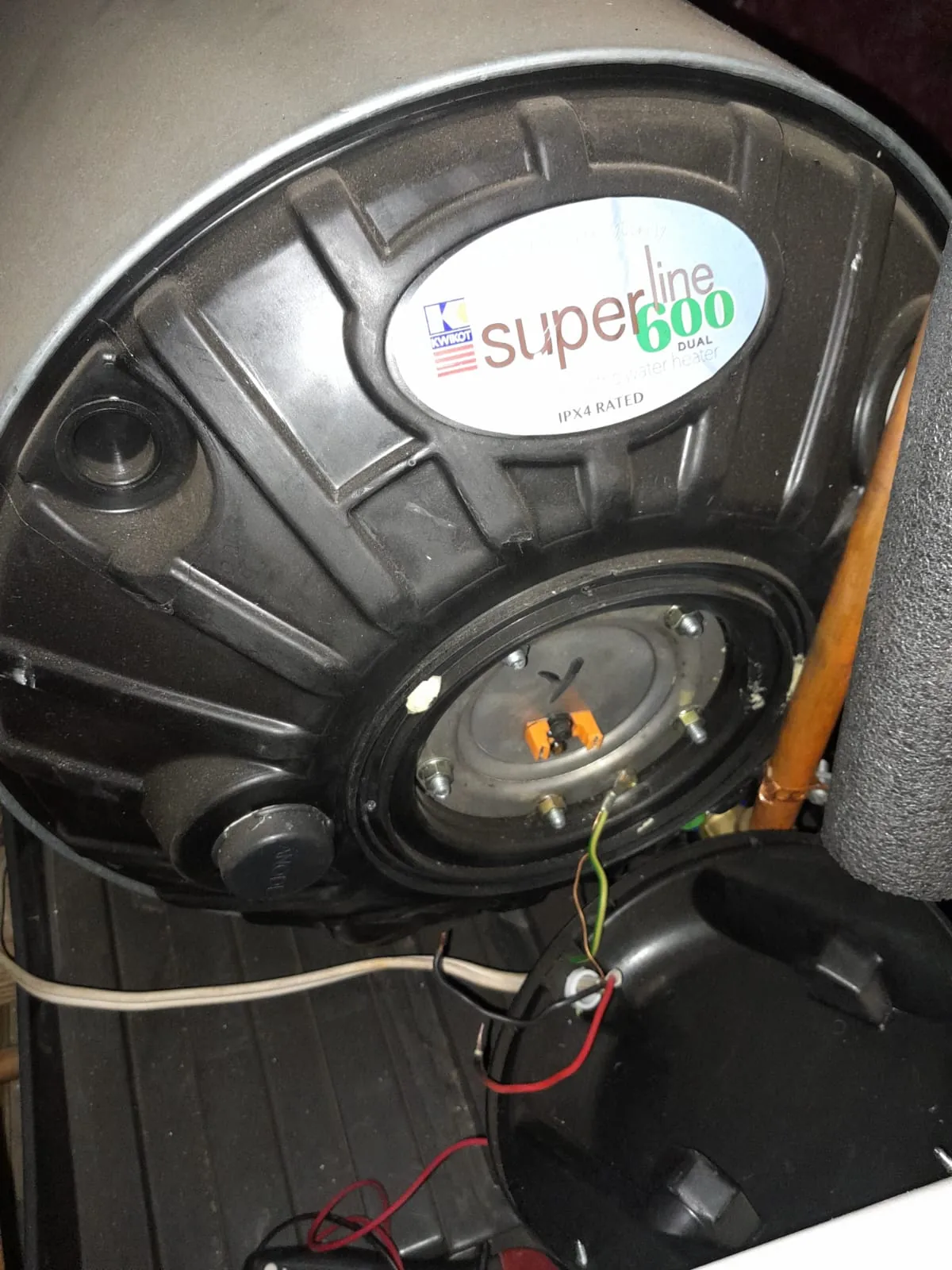
A damaged element can leave the home without hot water and may also increase electricity use if it is struggling before it fails completely. Replacing the element is not only a matter of fitting a new part. The geyser must be isolated, drained to the correct level where needed, opened safely, and checked for signs of corrosion, scale build-up, water inside the electrical cover or damage around the flange.
Where element failure keeps repeating, the cause may be deeper than the element itself. Sediment, thermostat problems, incorrect temperature control, wiring damage or poor water conditions can shorten the life of new parts. This is why element replacement should include a quick system check rather than a simple part swap.
Thermostat Repairs

A thermostat controls when the element switches on and off. When it fails, the customer may experience cold water, overheating, very hot water, inconsistent temperatures or repeated safety cut-outs. Re-calibrating or replacing the thermostat restores temperature control, but it must be matched with the correct geyser rating and checked against the element and wiring condition.
One useful customer clue is temperature behaviour. If the water is sometimes hot and sometimes cold, the thermostat may be losing control intermittently. If there is no heating at all, both the thermostat and element need testing before a decision is made.
Geyser Tripping The Power

A geyser that trips the power should not be reset over and over. Repeated tripping can point to a failed element, water entering electrical components, a damaged thermostat, burnt wiring, moisture in the cover, or a problem at the isolator or circuit. Because water and electricity are close together on a geyser, this is one of the faults that should be treated as a safety issue first.
The repair process normally starts by switching the circuit off, opening the cover only when safe, checking for visible water, burn marks or loose wiring, and then testing the component that is causing the trip. Where the fault extends beyond plumbing components, Electrical Services may be needed to make the installation safe before the geyser is returned to service.
Water Dripping From The Overflow Or Safety Valve

A dripping overflow or safety valve is often ignored because the water may run outside or into a drain where it is not immediately disruptive. That can be expensive over time. Constant discharge may waste water, increase water bills, stain exterior walls, and show that pressure control or valve performance is no longer correct.
The important part is understanding why the valve is discharging. A valve can fail mechanically, but it can also release water because the system pressure is too high or unstable. Replacing only the visible valve without checking pressure can lead to the same problem returning. This is where geyser repair overlaps naturally with pressure diagnostics and Gauteng Low Water Pressure or pressure control work.
Leak Detection And Repair
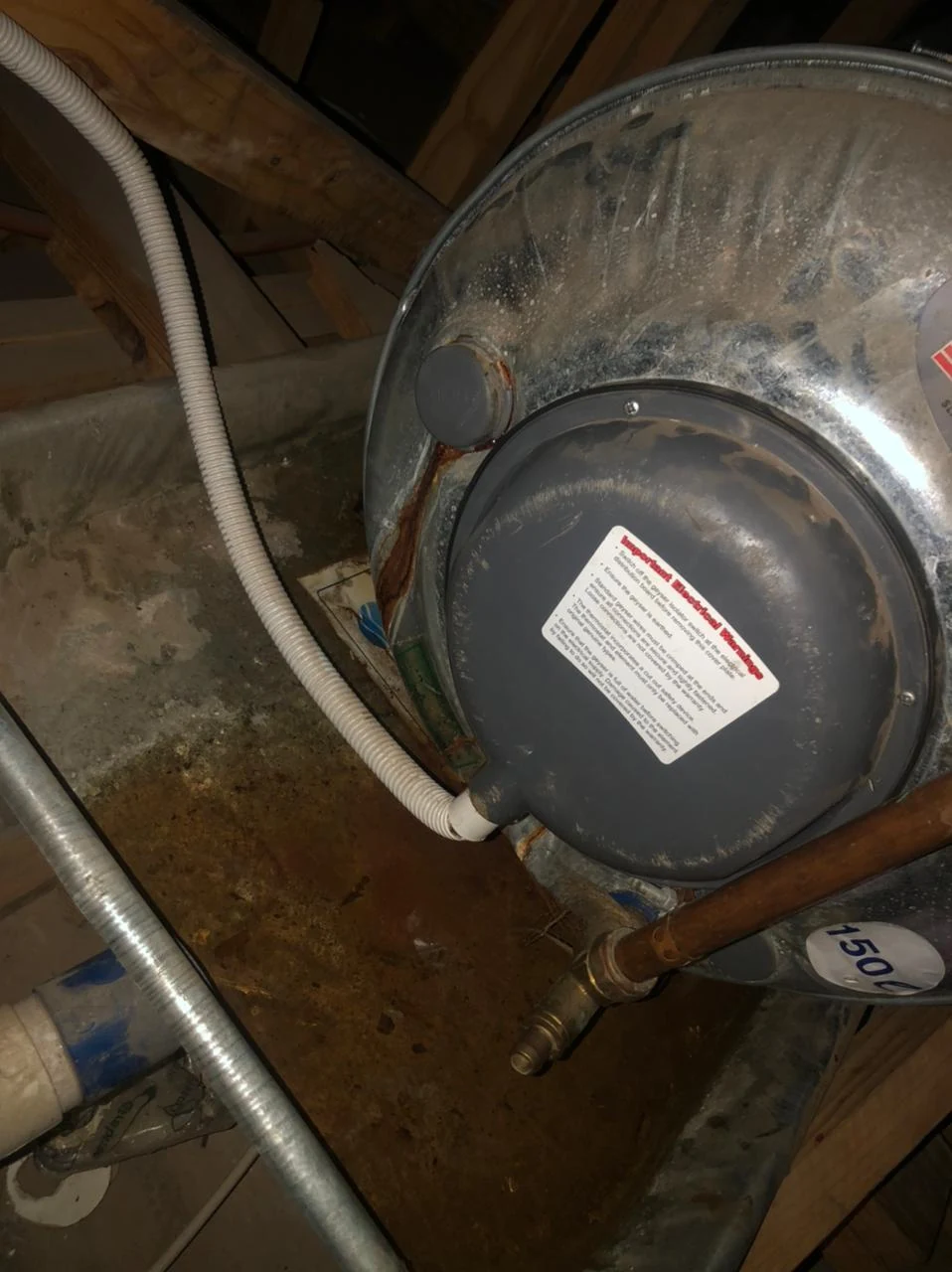
Geyser leaks are not always obvious at the cylinder. Water can come from valves, pipe joins, flanges, vacuum breakers, overflow lines, drain points or the tank body. In roof spaces, water may run along timber and insulation before appearing far from the actual fault. That is why leak source identification is so important.
When the visible ceiling mark does not line up with the geyser position, or when dampness continues after a basic repair, Leak Detection can help trace the source. This prevents unnecessary ceiling repairs before the leak has truly been stopped.
Pressure Valve Repairs

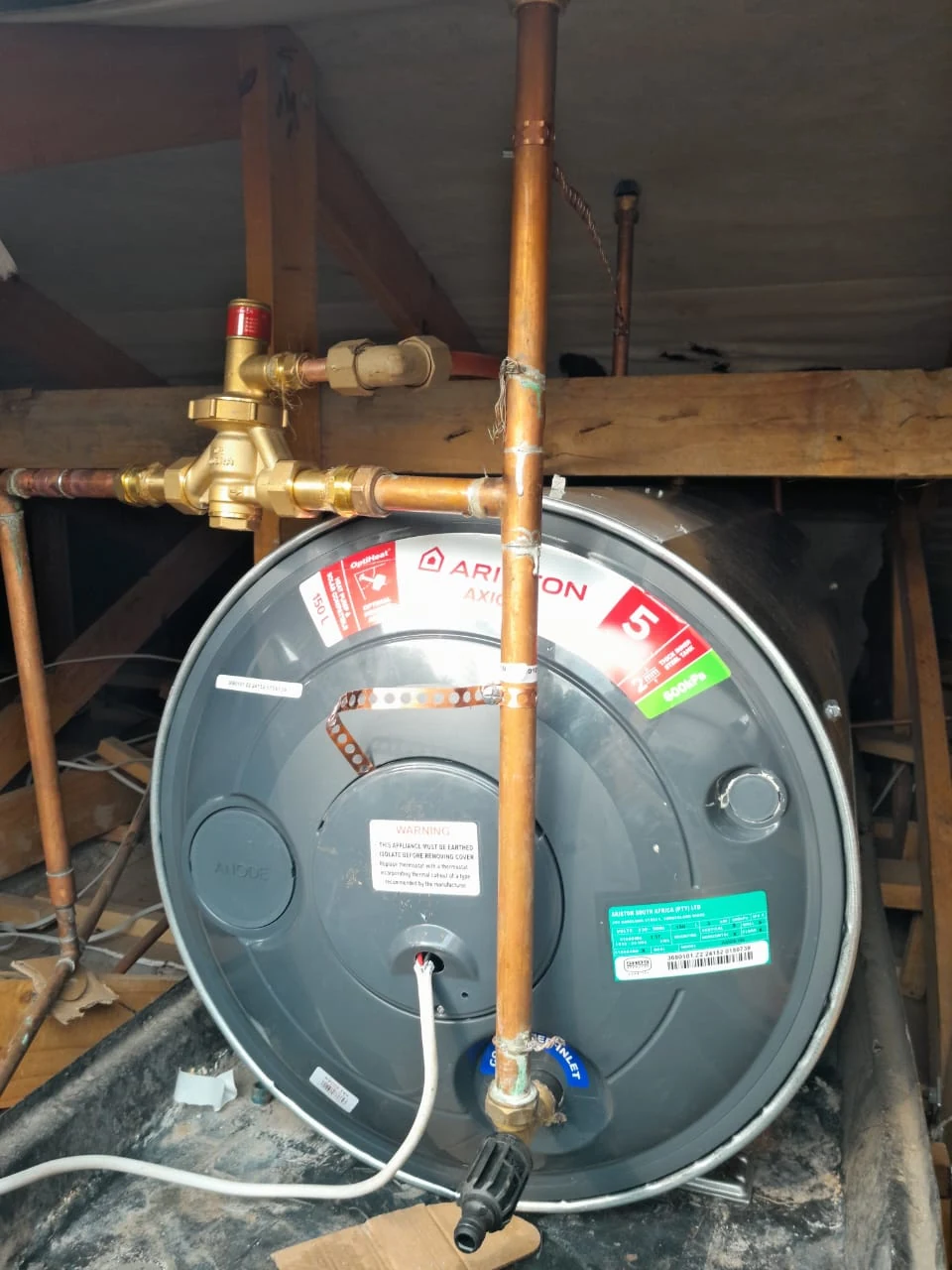
Pressure relief and pressure control components protect the geyser from unsafe operating conditions. They are small compared with the cylinder, but they play a major role in the life of the system. A valve that drips, sticks, leaks or fails to control pressure can contribute to repeated geyser problems.
Good valve repair includes checking the direction of flow, discharge route, correct rating, visible leaks, and whether the valve is reacting to a bigger pressure issue. This helps keep the geyser compliant and reduces the chance of another fault developing shortly after the repair.
Geyser Leaking From The Tank

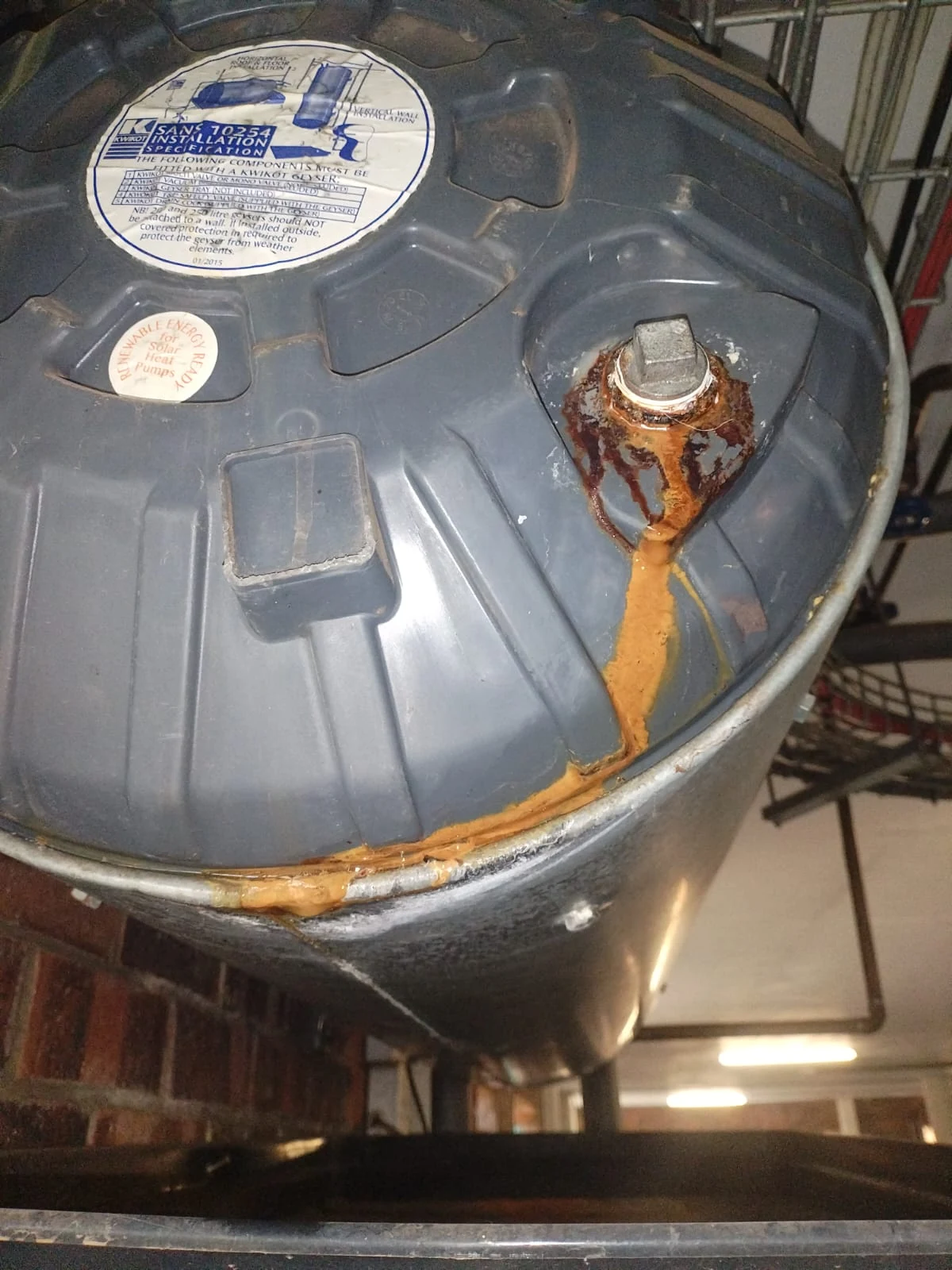
A leak from the geyser tank itself is different from a leaking valve or pipe fitting. Once the cylinder has corroded, split or started leaking from the body, a lasting repair is usually not realistic. Temporary patches may slow the symptom, but they do not restore the strength of the tank.
This is where repair-versus-replacement advice matters. If the leak comes from a replaceable part, repair can make sense. If the tank has failed, Burst Geyser Replacement is usually the safer long-term solution, especially where the geyser is above ceilings, cupboards, electrical points or finished living areas.
Ceiling Dampness Below A Geyser

A small ceiling stain can be the only visible clue that a geyser problem has been active for some time. Water can travel across ceiling boards, roof timber, insulation and conduits before it appears below. The stain may therefore be some distance from the actual leak.
When a ceiling mark appears below or near a geyser, the safest next step is to reduce water and electrical risk, then inspect the roof space. Early attention can limit ceiling collapse, mould growth, damaged insulation, swollen cupboards and electrical hazards. This also helps separate a geyser fault from other plumbing leaks covered under Water Leak in Gauteng.
Burst Geyser Repairs And Replacement
When a geyser bursts, the first priority is not paperwork or parts. The first priority is stopping the water, making the area safe and limiting property damage. After isolation, the plumber checks whether the failure is the cylinder, a valve, a pipe connection or another component that only appears to be a burst tank.
If the geyser is confirmed to have failed, replacement is normally the correct route. The new installation must be sized correctly, connected safely, pressure controlled, and installed so future maintenance is possible. Customers can read more on Geyser Installation and Burst Geyser Replacement when the repair is no longer the best option.
Solar Geyser Faults

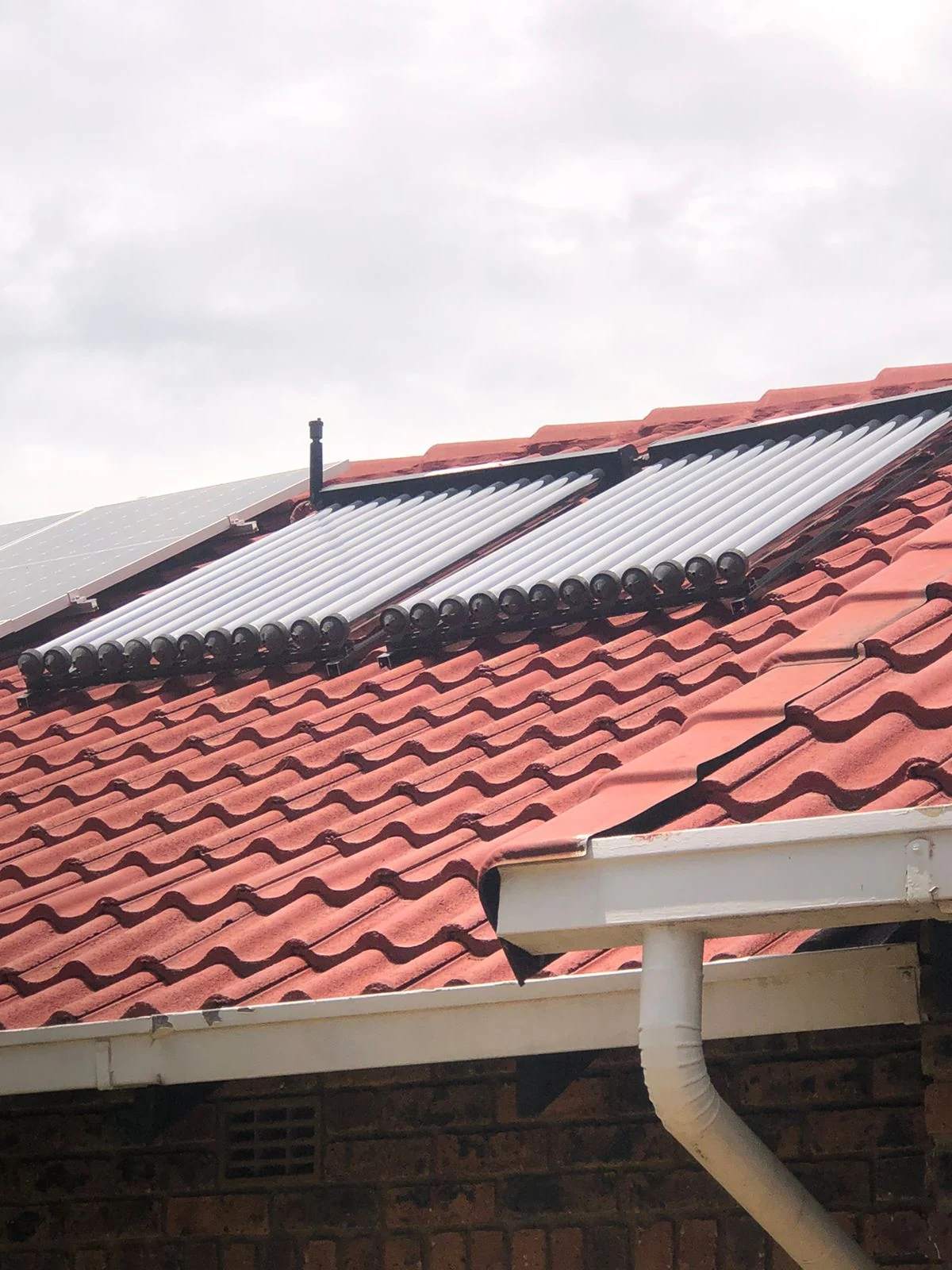
Solar geyser faults can be misleading because the customer may only notice the same symptom: poor hot water. The cause, however, may be on the solar side, the electrical backup side, the pump, controller, sensor, collector, valve arrangement or circulation path. Replacing a standard element may not solve the issue if the solar system is not transferring heat correctly.
A useful repair approach looks at when the water is cold. Morning, evening, cloudy-day and midday faults can all point to different causes. If the issue is solar-specific, Solar Geyser Repair is the more relevant service path than ordinary electric geyser repair alone.
Full Geyser Servicing
Routine servicing is not only about extending the geyser lifespan. It is also about catching the small clues that often appear before a failure. During servicing, the plumber can check valve discharge, corrosion marks, flange condition, pipe supports, overflow routing, electrical cover condition, temperature behaviour and signs of roof-space dampness.
Servicing is especially useful in rental properties, complexes and busy households where the geyser works hard every day. A short inspection can prevent long downtime later and help the owner plan repairs before emergency damage occurs.
Benefits Of Professional Geyser Repair
Professional geyser repair gives the customer more than hot water. It gives clear fault identification, safer work around pressure and electricity, fewer repeat breakdowns, better energy performance and a lower chance of property damage. It also helps avoid unnecessary replacement where a repairable component is the real problem.
Good repair work should leave the customer understanding what failed, why it failed, what was replaced or repaired, and what warning signs to watch for next. That level of communication is often what separates a reliable repair from a temporary fix.
Signs You Need Immediate Geyser Repair
Immediate help is sensible when water is visible around the geyser, the ceiling is stained, the overflow pipe is running constantly, the geyser trips the power, hot water stops completely, or the water temperature becomes unsafe. These signs can involve water damage, pressure problems or electrical risk.
If the situation is active and worsening, use Emergency Plumbers Near Me or 24/7 Emergency Plumbing Services rather than waiting for normal business hours. Fast isolation often reduces the final repair cost.
Why Choose Expert Geyser Repair Specialists
Expert geyser repair is not about replacing the first part that looks suspicious. It is about reading the symptoms, checking the system, explaining the options, and doing the repair in a way that protects the property. This is especially important where the geyser is hidden in a ceiling, installed above cupboards, connected to solar components, or linked to recurring pressure faults.
For customers comparing options, the best repair advice is practical and plain: repair the component when the cylinder is sound, replace the geyser when the tank has failed, and always check the pressure and safety components before closing the job.
Restore Comfort With Reliable Geyser Repair
Hot water affects daily routines more than most people realise. Bathing, cleaning, laundry, kitchens, tenants, staff and guests are all affected when a geyser fails. Reliable repair restores comfort, but it should also reduce the chance of the same fault returning.
Whether the problem is a failed element, faulty thermostat, leaking valve, ceiling stain, tripping power or suspected tank failure, the right repair starts with a proper inspection and clear advice. For broader hot-water help, see Geyser Repairs Near Me, Geyser Plumbers Near Me or related Plumbing Services.
Frequently Asked Questions About Geyser Repair
What are the first signs that a geyser needs repair?
No hot water, water marks on the ceiling, rusty water, dripping valves, tripping power and uneven temperature are common warning signs. A proper Geyser Repair inspection checks whether the fault is a component, pressure problem, leak or failed cylinder.
Why does my geyser have no hot water?
No hot water is often linked to a failed element, faulty thermostat, tripped isolator, wiring issue or safety cut-out. The safest approach is to switch the geyser off if anything looks burnt, wet or damaged and have the electrical side tested before parts are replaced.
Can a geyser element be replaced without replacing the whole geyser?
Yes, when the tank is still sound and the element housing is safe, the heating element can usually be replaced. The plumber should still check the thermostat, flange area, wiring and water condition so the new element does not fail again soon after installation.
How do I know if the thermostat is faulty?
A thermostat fault can cause water that is too cold, too hot or inconsistent. Sometimes it trips repeatedly or fails to switch the element correctly. Testing matters because replacing the element alone will not solve the problem if the thermostat is the real fault.
Is water dripping from the overflow pipe serious?
A light discharge after heating may be normal on some systems, but constant dripping can point to pressure valve trouble, excessive pressure or a failing safety component. If the dripping increases, book Gauteng Low Water Pressure or pressure-related geyser fault checks before damage spreads.
Can a leaking geyser still be repaired?
Sometimes. Leaks from valves, unions, flanges, vacuum breakers or pipework may be repairable. A leak from the tank body usually means the cylinder has failed and Burst Geyser Replacement may be the better long-term option.
Why is there a damp mark on the ceiling below my geyser?
Ceiling dampness can mean a small geyser leak has been running in the roof space for some time. Water may travel along timber, insulation or conduits before showing below. If the source is unclear, Leak Detection can help trace it before ceiling and electrical damage becomes worse.
What should I do if my geyser is tripping the power?
Switch the geyser circuit off and do not keep resetting the breaker. Water around electrical parts, a failed element or burnt wiring can be dangerous. Geyser repairs may need support from Electrical Services where electrical safety is involved.
When is geyser repair an emergency?
It is urgent when water is entering ceilings, the geyser is tripping power, the tank is leaking, or hot water has failed completely in a property that cannot wait. For active leaks or unsafe faults, use 24/7 Emergency Plumbing Services or Emergency Plumbers Near Me.
Do solar geysers need different fault finding?
Yes. Solar geysers may involve collectors, circulation, controllers, pumps, valves and backup electrical heating. A normal element replacement may not solve the issue if the solar side is not moving heat properly. See Solar Geyser Repair for related support.
How does a plumber decide between repair and replacement?
The decision depends on the leak source, tank condition, age, pressure history, part availability and the cost of repeated repairs. If the cylinder is sound, repair may be best. If the tank is corroded or split, Geyser Installation or replacement is usually safer.
Can high water pressure damage a geyser?
Yes. High or unstable pressure can stress safety valves, unions and the cylinder over time. A good repair should include pressure control checks, not only the visible leaking part, because repeated valve failures often point to a pressure problem.
Will servicing help prevent geyser failures?
Servicing cannot prevent every failure, but it can reveal early warning signs such as valve discharge, corrosion, loose wiring, worn seals and pressure problems. Finding these issues early usually costs less than repairing ceilings and replacing a failed cylinder later.
Do you repair geysers in rental properties and complexes?
Yes. Geyser faults in flats, rentals and complexes need clear reporting, safe isolation and practical repair-or-replace advice. The same service can link with Geyser Plumbers Near Me when property managers need broader hot-water support.
Which related services may help if the geyser is not the only problem?
Geyser faults often connect with ceiling leaks, water pressure, electrical trips, and wider plumbing issues. Useful related pages include Water Leak in Gauteng, Plumbing Services, Geyser Repairs Near Me and Burst Geyser Replacement.
Related Geyser Services
Geyser Installation
Use this when the tank has failed, the geyser is too old to repair sensibly, or a safer new installation is the better long-term answer.
Read MoreGeyser Repairs Near Me
A useful page for customers who need nearby hot-water fault finding, valve repairs, thermostat checks, element replacement or leak support.
Read MoreBurst Geyser Replacement
Best when the cylinder has failed, water is damaging the property, or repair is no longer safe or economical.
Read MoreNeed A Plumber Right Now?
If the geyser is leaking, the ceiling is wet, the water has gone cold, or the power trips when the geyser is switched on, it is better to act before the damage spreads. Switch the geyser off at the isolator or DB board if it is safe, avoid touching wet electrical areas, and send us a photo of the geyser, valve area, ceiling stain or fault if you can. Call 067 895 4361 for emergencies, phone 067 657 6109 for general enquiries, or WhatsApp 072 139 8945 for a fast response.
What to tell us when you call or WhatsApp
- Whether there is no hot water, a leak, a dripping overflow, a tripping breaker, or ceiling dampness.
- Where the geyser is installed, such as roof space, cupboard, garage, outside wall, or roof-mounted solar position.
- Whether the water leak is constant, only when heating, or only from a valve or overflow pipe.
- Whether you have already switched off the water or power to the geyser.
This helps us arrive prepared and gives you clearer repair-or-replacement guidance from the start.