Need plumbing help? Speak directly to our team 24/7.
300 Litre Solar Geyser Evacuated Tube Conversion System
300 LITRE SOLAR GEYSER CONVERSION SYSTEMS

300 Litre Evacuated Tube Solar Geyser Conversion

Trusted 300 Litre Evacuated Tube Solar Geyser Conversion from a team that earns confidence through evidence, not promises. We diagnose carefully, confirm pricing with you first, and verify flow, pressure, or heating before we consider the job complete. Call 067 657 6109 for urgent help or request a free call-out online.

Free call-out feesFree quotes24/7/365 serviceSame-day service

Get help with 300 litre evacuated tube solar geyser conversion

Send your details for a quick callback and practical next steps.

By submitting, you ask our plumbing team to contact you about this request. Do not include banking details or passwords.

Fast ResponseHelp when it matters most.
24
Available 24/7Day or night, we’re ready.
Trusted ApproachClear, honest and professional.
Capacity and household fit

Why Choose a 300 Litre Evacuated Tube Solar Geyser Conversion?

A 300 litre evacuated tube solar geyser conversion is designed for properties with substantial daily hot-water demand. It can be a strong option for large households, multi-bathroom homes and selected commercial or hospitality settings when the existing geyser is serviceable and the roof layout supports efficient solar collection. Instead of replacing a sound cylinder unnecessarily, the conversion allows available sunlight to provide much of the energy used to heat stored water.

Assessing Capacity for Larger Households

Our plumbers assess the complete installation before recommending a system. We inspect the cylinder, valves, roof position, water pressure, pipe routes and household usage. This protects customers from buying a conversion that is too small, poorly positioned or incompatible with the existing plumbing. Honest advice at the beginning is one of the most important parts of a dependable installation.
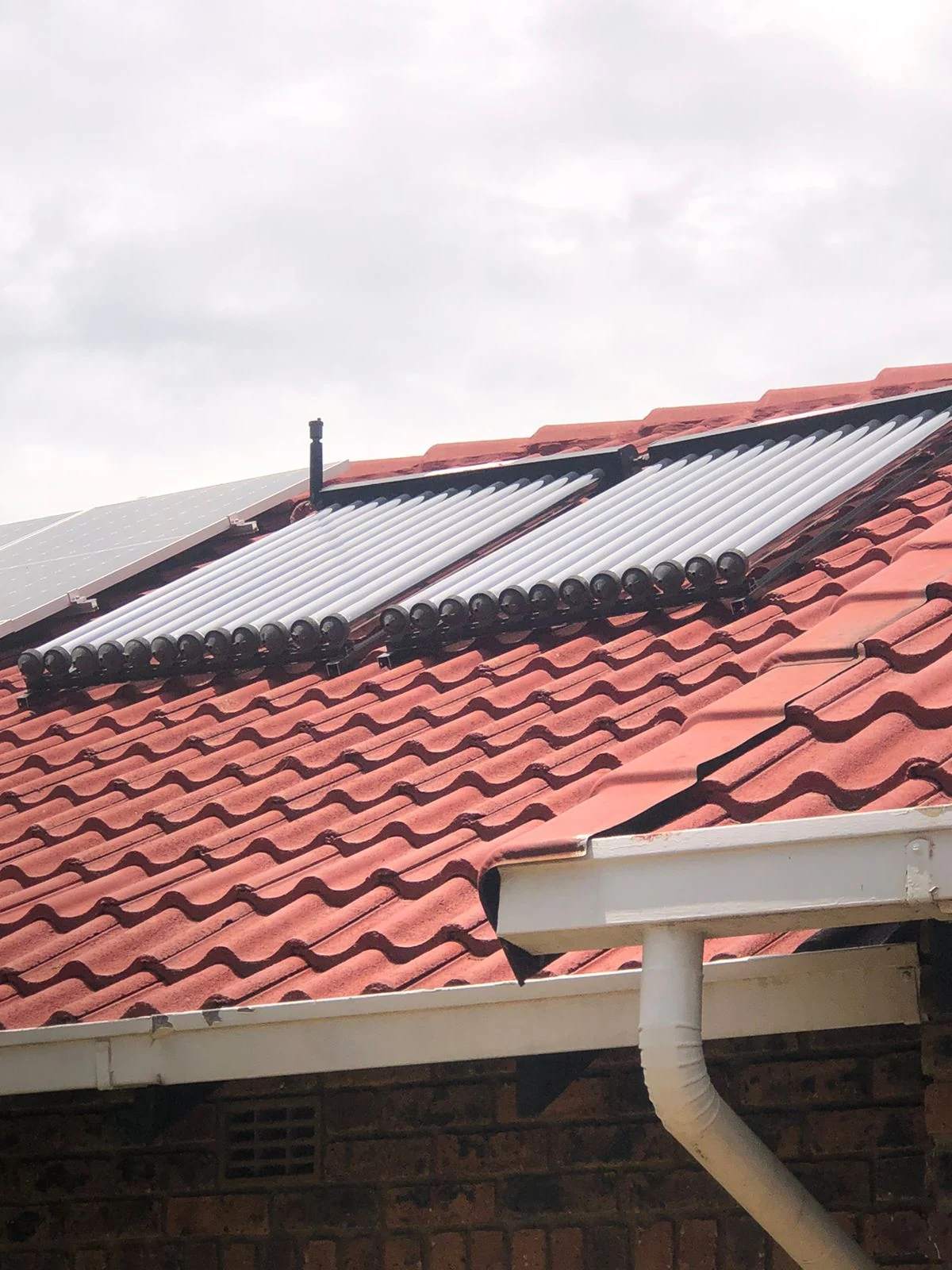
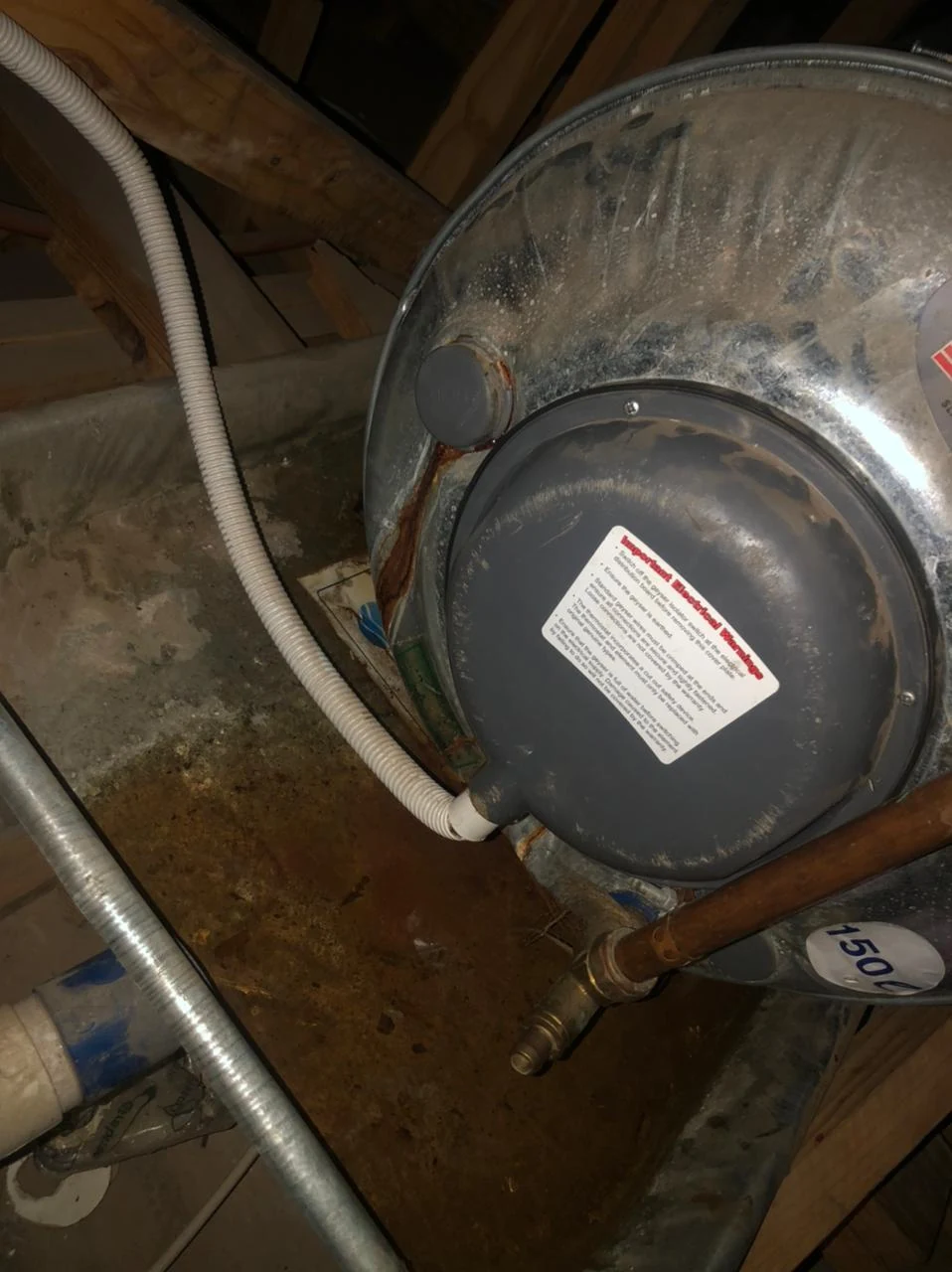
What We Check Before Recommending 300L

A larger system needs disciplined planning. Collector size, mounting strength, circulation, insulation and backup heating must work together. We focus on these practical details so the finished conversion supports comfort, efficiency and long-term reliability rather than simply adding equipment to the roof.

How conversion works

Is a 300 Litre Solar Geyser the Correct Size for Your Property?

A 300 litre unit is commonly considered for five or more people or properties with consistently high demand, but household numbers are only a starting point. Shower duration, bath use, flow rates, laundry routines, guest accommodation and simultaneous demand can all change the required capacity. Related professional help is available through 200 Litre Evacuated Tube Solar Geyser Conversion.

Matching 300L to Real Peak Demand

We discuss how the property actually uses hot water and compare that demand with the existing geyser performance. A system that is undersized may rely heavily on electrical backup, while an oversized installation can cost more without delivering proportionate benefit. Correct sizing keeps the recommendation practical. Related professional help is available through 150 Litre Evacuated Tube Solar Geyser Conversion.

Daily Demand, Peak Demand and Recovery Time

We review both total consumption and the busiest periods of the day. This helps determine whether the proposed capacity and collector arrangement can recover effectively between heavy-use periods. Related professional help is available through Convert Your Existing Geyser to Solar.

Planning for Winter and Electrical Backup

Solar contribution changes with weather and seasonal sunlight. We explain how backup heating can support the system during low-sun periods without allowing the electrical element to run unnecessarily. Related professional help is available through Solar geyser systems and plumbing products.

Practical system knowledge

How an Evacuated Tube Solar Geyser Conversion Works

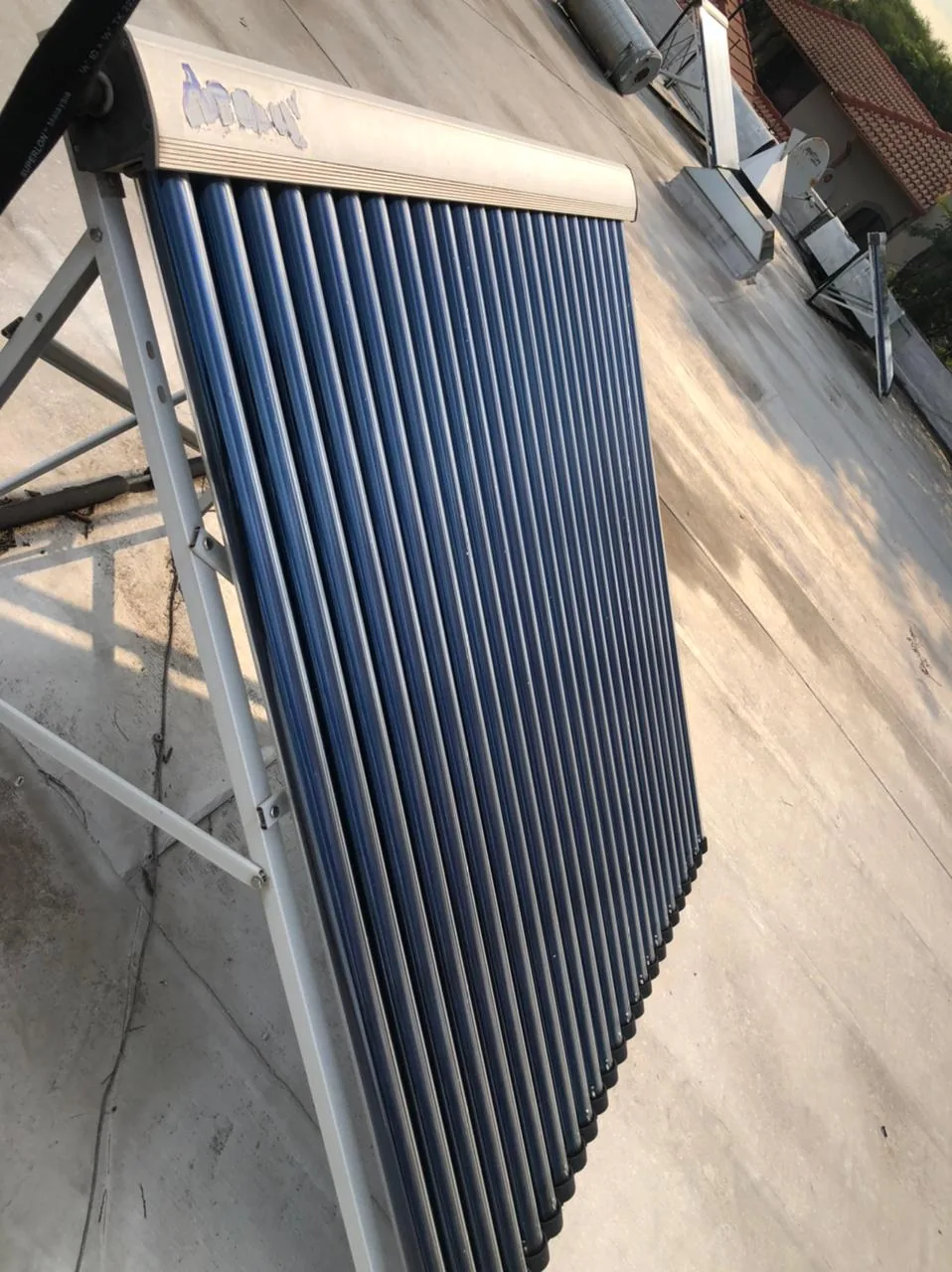
Evacuated tubes collect solar energy through an absorber protected by a vacuum layer. The vacuum limits heat loss to the surrounding air, helping the collector retain useful heat even when outdoor temperatures are lower. That energy is transferred through the solar circuit and used to heat water stored in the geyser. Related professional help is available through Solar Geyser Repairs in Gauteng.

How Evacuated Tubes Support Higher Demand

Performance depends on the entire system, not only the tubes. Roof orientation, collector angle, circulation, pipe diameter and insulation all influence the amount of useful heat that reaches the cylinder. Poor installation can waste energy and create maintenance problems even when good equipment is used. Related professional help is available through Solar Geyser Repair.

Why Tube Quality and Collector Position Matter

The collector needs reliable exposure to sunlight and secure support. We evaluate shading, roof direction and mounting points before positioning the array.

Why Heat-Loss Protection Matters

External pipework must be insulated and weather-protected. Heat lost between the collector and cylinder reduces efficiency and may increase dependence on electrical backup.

Choices that affect performance

Our Solar Geyser Conversion Installation Process

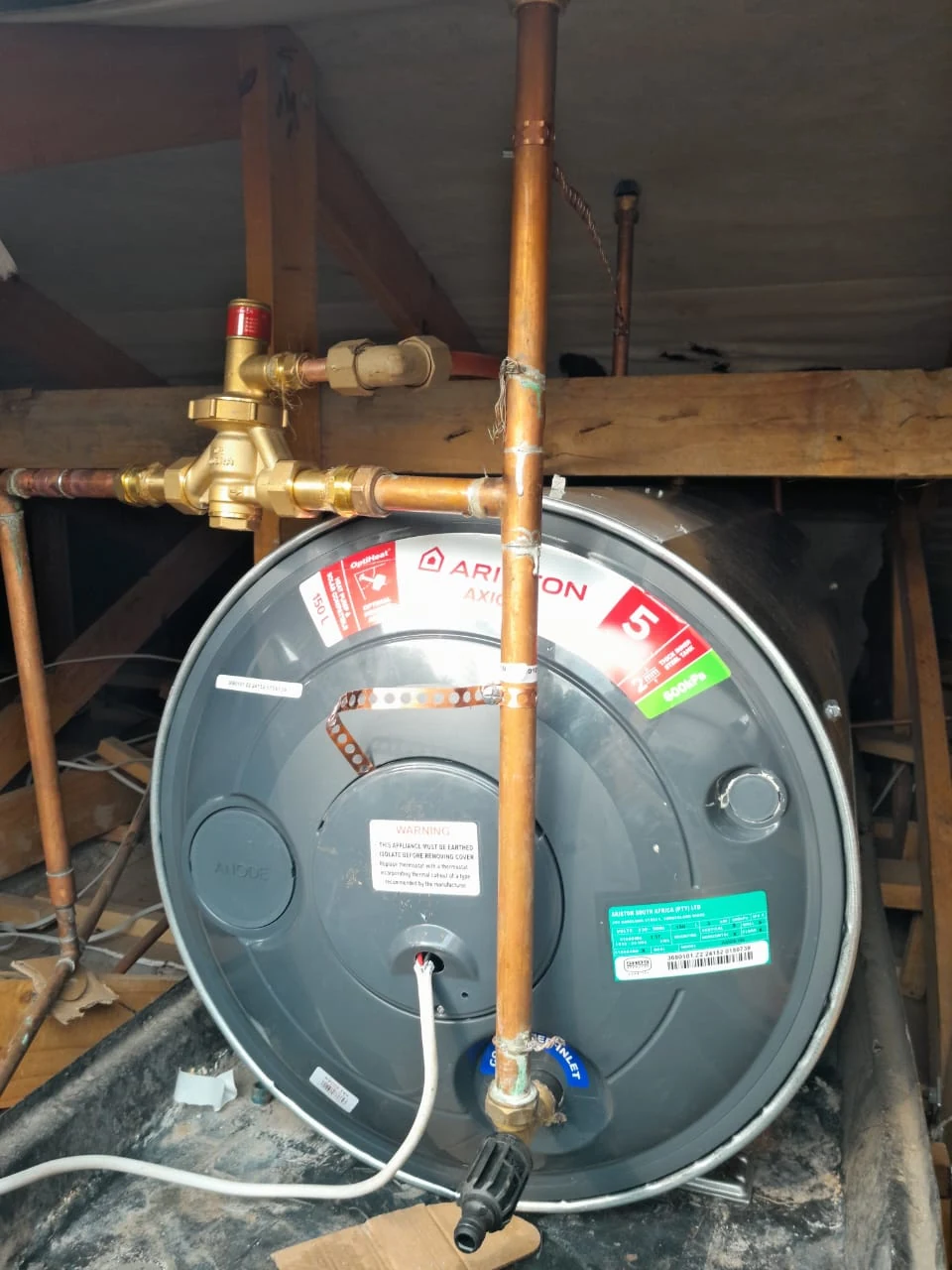
We begin with a technical inspection and a discussion about household expectations. The condition of the existing geyser and safety components is checked, roof access is assessed and suitable collector placement is identified. We then explain the recommended work and provide a clear quotation before installation starts.

Planning Collector and Pipework for 300L

During installation, the mounting system is secured, pipe routes are planned neatly and all exposed lines are insulated. Connections, valves and controls are installed according to the system design. We avoid rushed shortcuts because larger-capacity systems need sound support and reliable circulation.

Commissioning the Completed System

Commissioning includes leak testing, circulation checks and confirmation that backup heating and controls operate correctly. We also explain the completed installation to the customer so normal operation, practical settings and warning signs are understood.

Assessment and Written Scope

The customer receives a clear explanation of what can remain, what must be replaced and why each item is included.

Secure Mounting and Neat Pipework

Roof work is planned carefully to protect the structure and produce a tidy, serviceable installation.

Testing and Handover

We verify system operation before leaving and provide practical guidance for daily use and future maintenance.

Protecting the installation

Benefits of a Professionally Installed Solar Geyser Conversion

Solar-assisted water heating can reduce the electricity used by the geyser, particularly when household routines and controller settings allow the sun to do most of the heating. Savings vary with demand, weather and system design, so we focus on realistic expectations rather than exaggerated claims.

Long-Term Value From Correct Specification

A conversion may also preserve the value of a serviceable cylinder. Where the existing geyser remains safe and structurally sound, retaining it can avoid unnecessary replacement while adding solar collection. Our inspection determines whether this is a responsible option.

Reduced Electrical Demand

Solar input can provide a meaningful share of daily heating and reduce unnecessary element use.

Comfort for Larger Households

Correct sizing helps maintain a dependable hot-water supply during normal family routines.

Long-Term Serviceability

A well-planned installation remains accessible for inspections, tube replacement, valve service and future repairs.

Long-term value

Maintenance, Repairs and Common Solar Geyser Faults

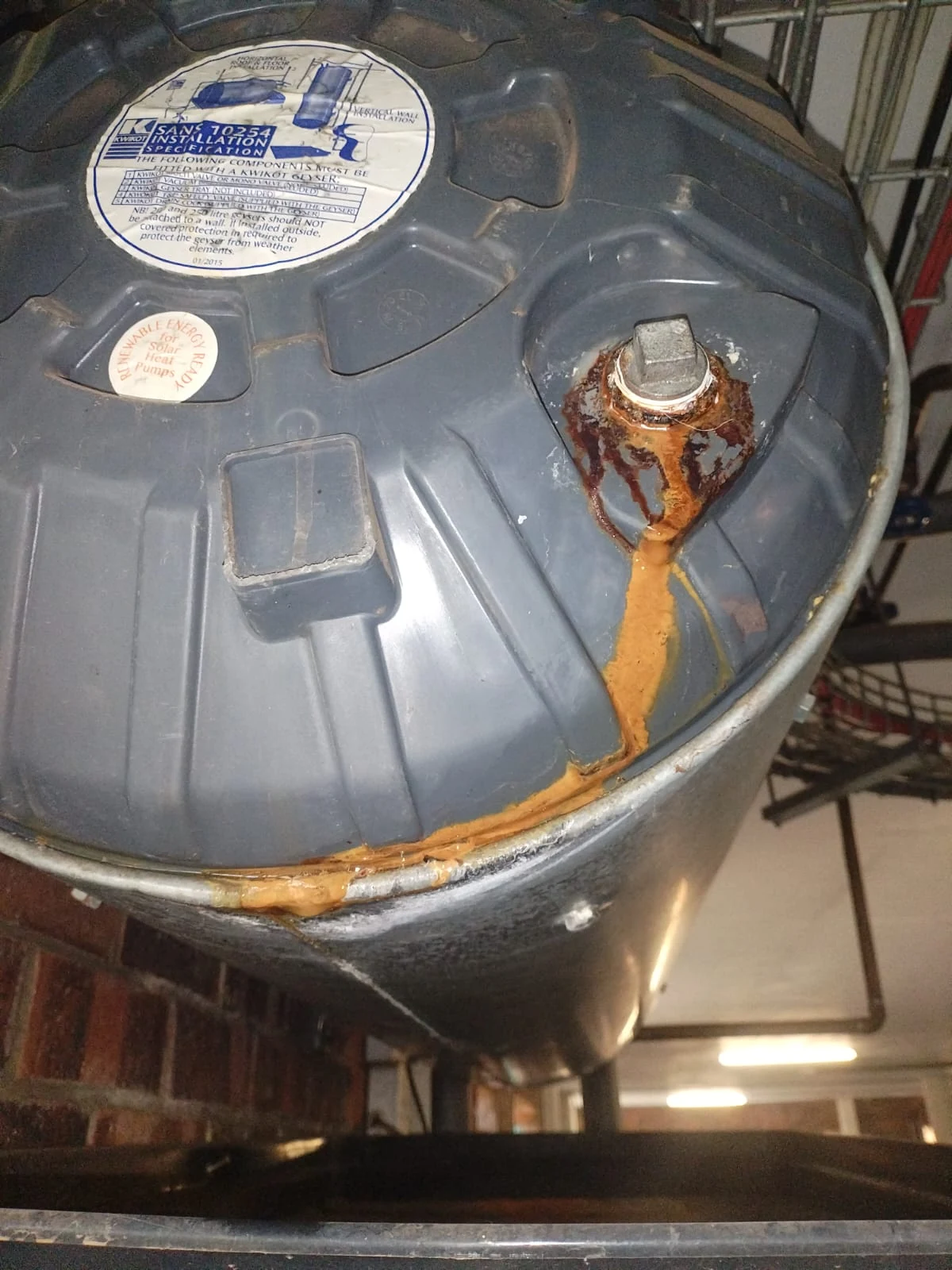
Solar geyser systems should be inspected when performance changes, electricity use rises unexpectedly or visible damage appears. Broken tubes, deteriorated insulation, leaking fittings, failed valves and control problems can all reduce efficiency or threaten the property.

Diagnosing Faults Before Replacing Parts

Our plumbers diagnose the full system before replacing components. Poor hot-water delivery may result from high demand, low solar input, circulation problems, electrical backup faults or safety-valve issues. Proper diagnosis prevents unnecessary part replacement.

Clear Repair Options Before Work Continues

We explain the fault, proposed repair and cost before proceeding. Customers should understand what failed and how the repair will restore safe, dependable operation.

Broken or Damaged Evacuated Tubes

Damaged tubes should be assessed promptly, but overall collector performance must also be checked.

Leaks and Weather-Damaged Insulation

Outdoor components face constant heat, sunlight and rain. Early repairs help prevent heat loss and water damage.

Control and Backup Heating Problems

Timer, thermostat or element faults can affect comfort and electricity use. We test rather than guess.

Clear answers

Why Homeowners Choose Our Solar Geyser Plumbers

Homeowners need more than technical equipment; they need a plumber who communicates, respects the property and takes responsibility for the result. We arrive with a clear plan, explain the work and keep the customer informed.

Honest Recommendations Without Pressure Selling

Our recommendations are based on the property and household, not on selling the largest available system. We explain alternatives honestly and obtain approval before additional work is completed.

Clear Quotations

We state what is included and identify necessary repairs before work begins.

Respectful Workmanship

Access, roof surfaces and interior areas are treated carefully throughout the project.

Ongoing Support

Customers can return to the same team for inspections, maintenance and fault diagnosis.

The next sensible step

Frequently Asked Questions About 300 Litre Solar Geyser Conversions

These answers provide a practical starting point. Final recommendations depend on the property, existing geyser and actual hot-water demand.

How many people can a 300 litre system serve?

It is often considered for five or more people or properties with consistently high demand, but usage patterns, bathrooms and peak demand must be assessed before confirming suitability.

Will it work during winter?

Evacuated tubes can collect heat in cooler weather, although backup heating may still be required when solar input is low.

Can the existing geyser be retained?

It may be retained if the cylinder, valves and installation are suitable. We inspect these components before recommending conversion.

How long does installation take?

Duration depends on roof access, pipe routing and required repairs. A realistic timeframe is provided after assessment.

What maintenance is required?

Periodic inspection of tubes, insulation, fittings, valves and controls helps protect efficiency and reliability.

Request a 300 Litre Solar Geyser Assessment

Speak to our plumbers about your household’s hot-water demand, existing geyser and roof layout. We will assess the system and provide a clear quotation before work begins.

Helpful plumbing guides

Learn more about 300 Litre Evacuated Tube Solar Geyser Conversion

Helpful reading on 300 litre evacuated tube solar geyser conversion: warning signs, first-response steps, and what to expect from a professional visit. Save time, reduce damage, and know when to call 067 657 6109.

Explore all plumbing guides