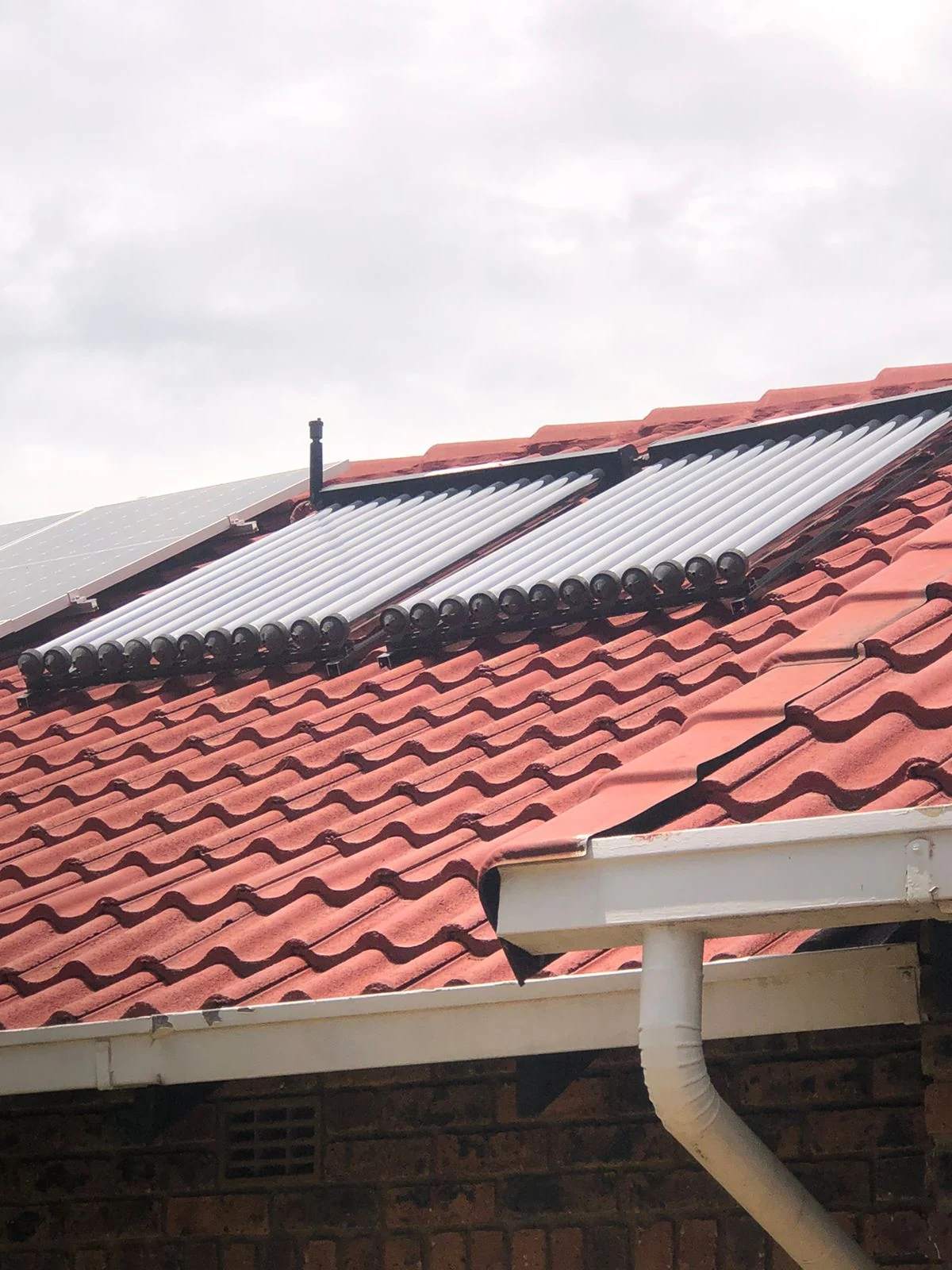
PROFESSIONAL GEYSER INSTALLATION
Safe and Reliable Geyser Installation
Trusted Safe and Reliable Geyser Installation from a team that earns confidence through evidence, not promises. We diagnose carefully, confirm pricing with you first, and verify flow, pressure, or heating before we consider the job complete. Call 067 657 6109 for urgent help or request a free call-out online.
Free call-out feesFree quotes24/7/365 serviceSame-day service
◴
Fast ResponseHelp when it matters most.
24
Available 24/7Day or night, we’re ready.
◇
Trusted ApproachClear, honest and professional.
GENERAL PLUMBING SUPPORT
your area: Repairs, installations and maintenance
For a plumbing visit in your area, from leaking taps and toilets to appliance connections, bathroom work and planned maintenance, we diagnose the cause, explain the repair, and test before leaving. Related professional help is available through Professional Geyser Repair for Reliable Hot Water.
View Plumbing Services ›🔧
URGENT SUPPORT
Emergency plumbing
In your area, active leaks, burst pipes, blocked drains, overflowing toilets and failed geysers need fast isolation and a workable remedial work plan. Related professional help is available through Reliable Geyser Repairs in Gauteng.
Request Emergency Help ›🚨
01
Tell usDescribe what you can see, hear or smell.
02
Free call-out feesNo charge simply for coming to assess the problem.
03
We quote for freeYou receive a clear price before any work begins.
04
We actRepair, test and explain the result.
💧
Fault-first diagnosisWe look for the cause, not only the symptom.
◷
Practical responseUrgent risks are isolated before repair.
✓
Clear approvalYou understand the work before it starts.
🧰
Repair verificationWater flow, drainage and sealing are tested.
PLUMBING HELP BUILT AROUND THE ACTUAL FAULT
The right service starts with the right diagnosis
Plumbing symptoms often overlap. A damp wall may be a concealed supply leak, a failed waste connection, roof ingress or a geyser discharge problem. We narrow the cause before unnecessary opening or replacement. Related professional help is available through Geyser Installation Requirements South Africa.
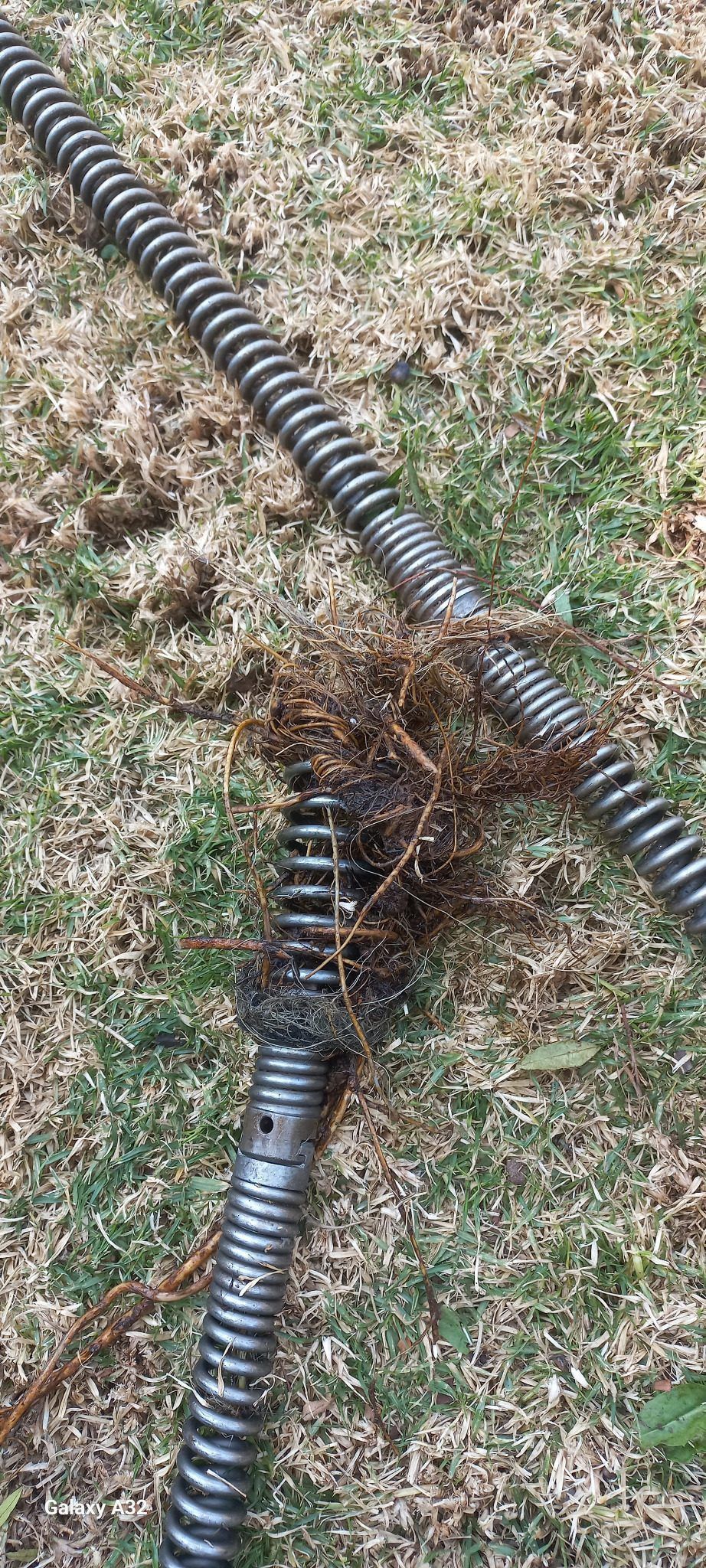
How we handle blocked drains and toilets in your area
At properties throughout your area, we determine whether the restriction is in the fixture, branch drain, gully or main sewer run, then clear and flow-test the line. Repeat blockages may justify camera inspection for roots, collapse or poor fall. Related professional help is available through Washing Machine Installation.
Blocked drain help ›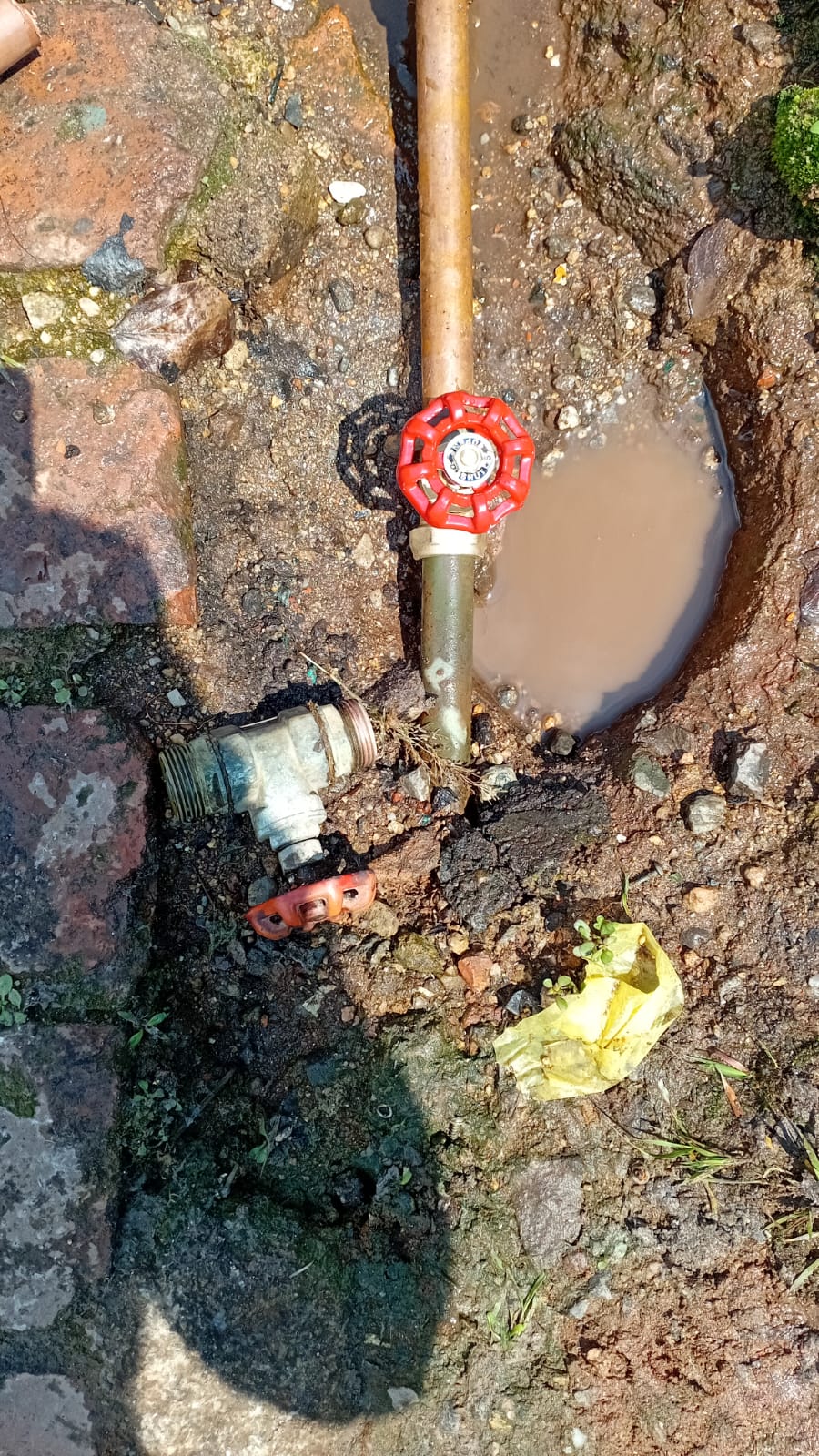
Leak detection and pipe repair across your area
In your area, for high water use, wet paving, damp walls or pressure loss, we use symptom review and controlled testing to reduce unnecessary damage before exposing and repairing the failed section. Related professional help is available through Trusted Geyser Plumbers in Gauteng.
Leak detection help ›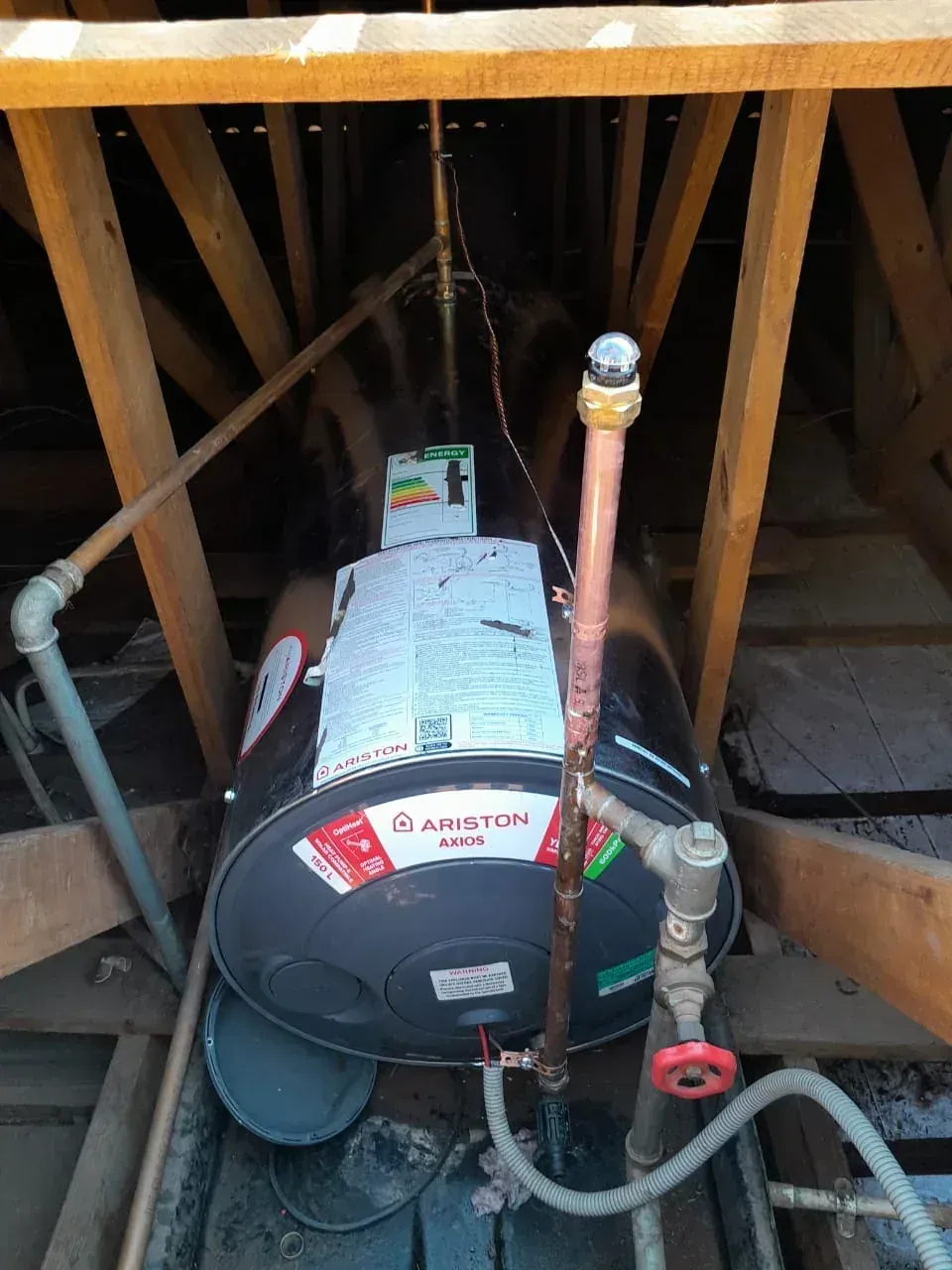
A local approach to geyser and hot-water systems in your area
In your area, we inspect the cylinder, element, thermostat, control valves, vacuum breakers, drip tray and discharge arrangement so the repair addresses both hot-water performance and system safety. Related professional help is available through Solar geyser systems and plumbing products.
Geyser services › View all plumbing services ›
LOCAL ROUTE AWARENESS
Coverage planned around Gauteng’s main roads and working corridors
Local response is not only about a suburb name. Access, peak traffic, security estates, industrial gates and roadworks affect arrival planning. When you contact us, include the nearest main road, gate, complex name or landmark so the team can identify the correct approach. Related professional help is available through Solar Geyser Repairs in Gauteng.
Johannesburg & Sandton:
M1, N1, N3, Rivonia Road, Oxford Road and Winnie Mandela Drive corridors.
Randburg & Roodepoort:
Beyers Naudé Drive, Malibongwe Drive, Republic Road, Ontdekkers Road and Hendrik Potgieter Road.
Midrand & Centurion:
N1, R21, New Road, Olifantsfontein Road, Old Johannesburg Road and Botha Avenue.
East Rand & Alberton:
N12, R24, N17, R21, Atlas Road, North Rand Road and Heidelberg Road.
Useful details to send before the plumber travels
For customers in your area, the fastest description is often practical rather than technical.
- Nearest shopping centre, hospital, school, industrial park or major intersection.
- Estate or complex name, gate number and access instructions.
- Whether the water can be isolated at the stopcock or meter.
- In your area, a photo or short video showing the leak, drain level, geyser valve or damaged fitting.
- For businesses, the loading entrance or security contact who will provide access.
REAL TYPES OF WORK
Repairs and installations across homes, complexes and commercial properties
These examples show the variety of access, fittings and testing involved in everyday plumbing—not generic stock illustrations.
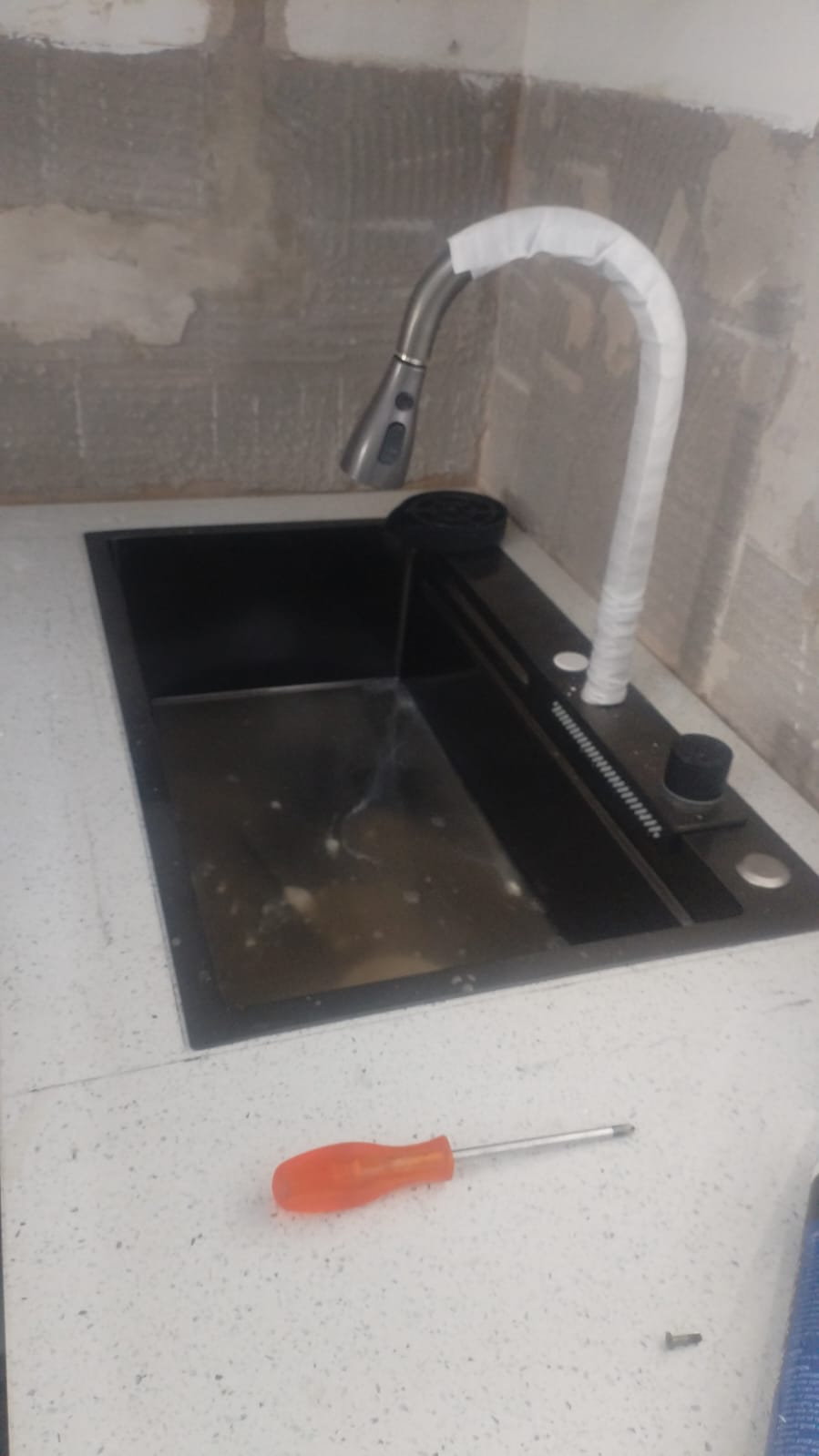
Tap workCompleted
Kitchen mixer installation
Across your area, supply isolation, secure mounting, flexible connection inspection and leak testing under working pressure.
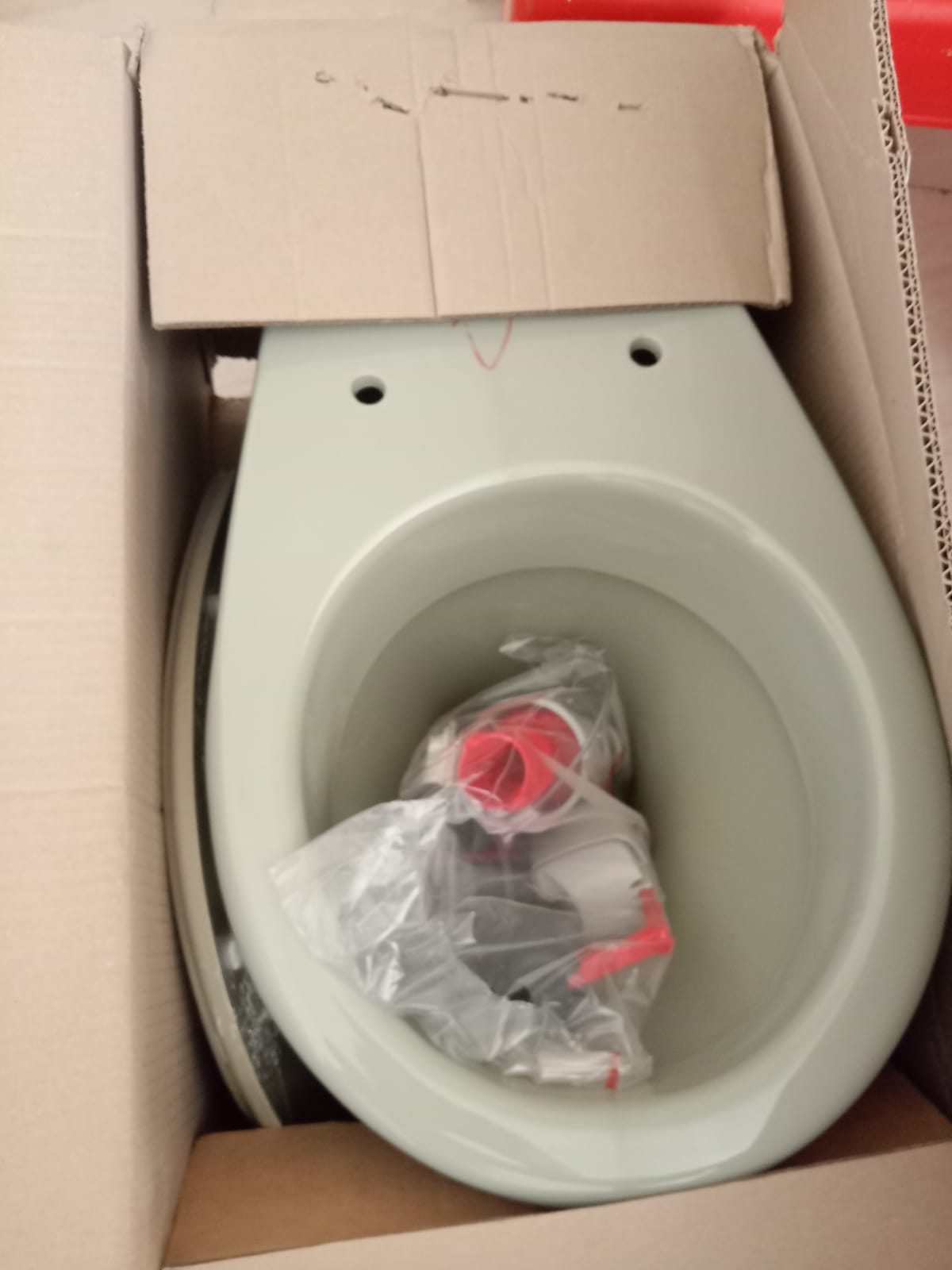
Toilet workCompleted
Toilet installation and repair in your area
Across your area, pan stability, inlet control, cistern adjustment, sealing and repeated flush testing before handover.
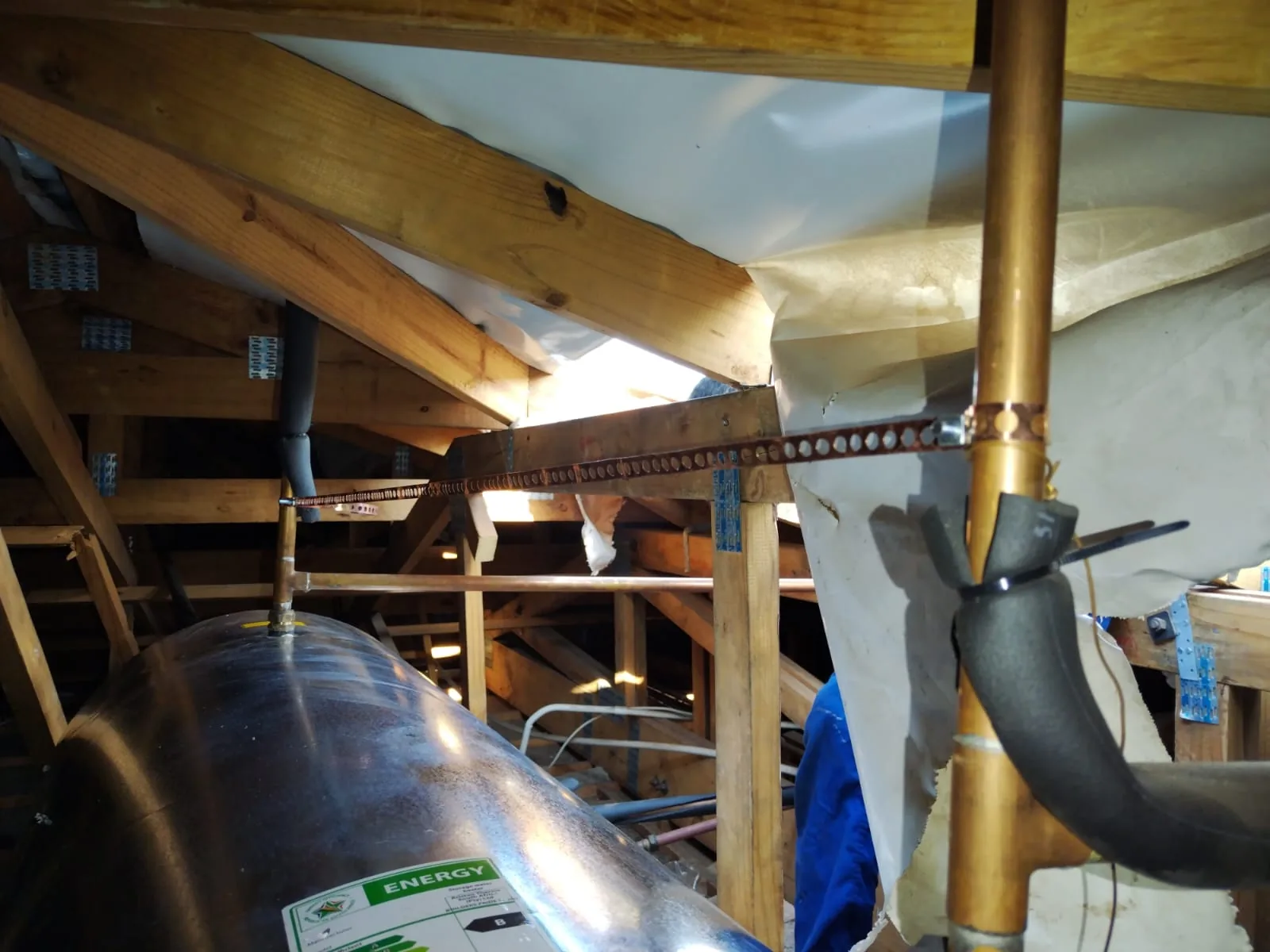
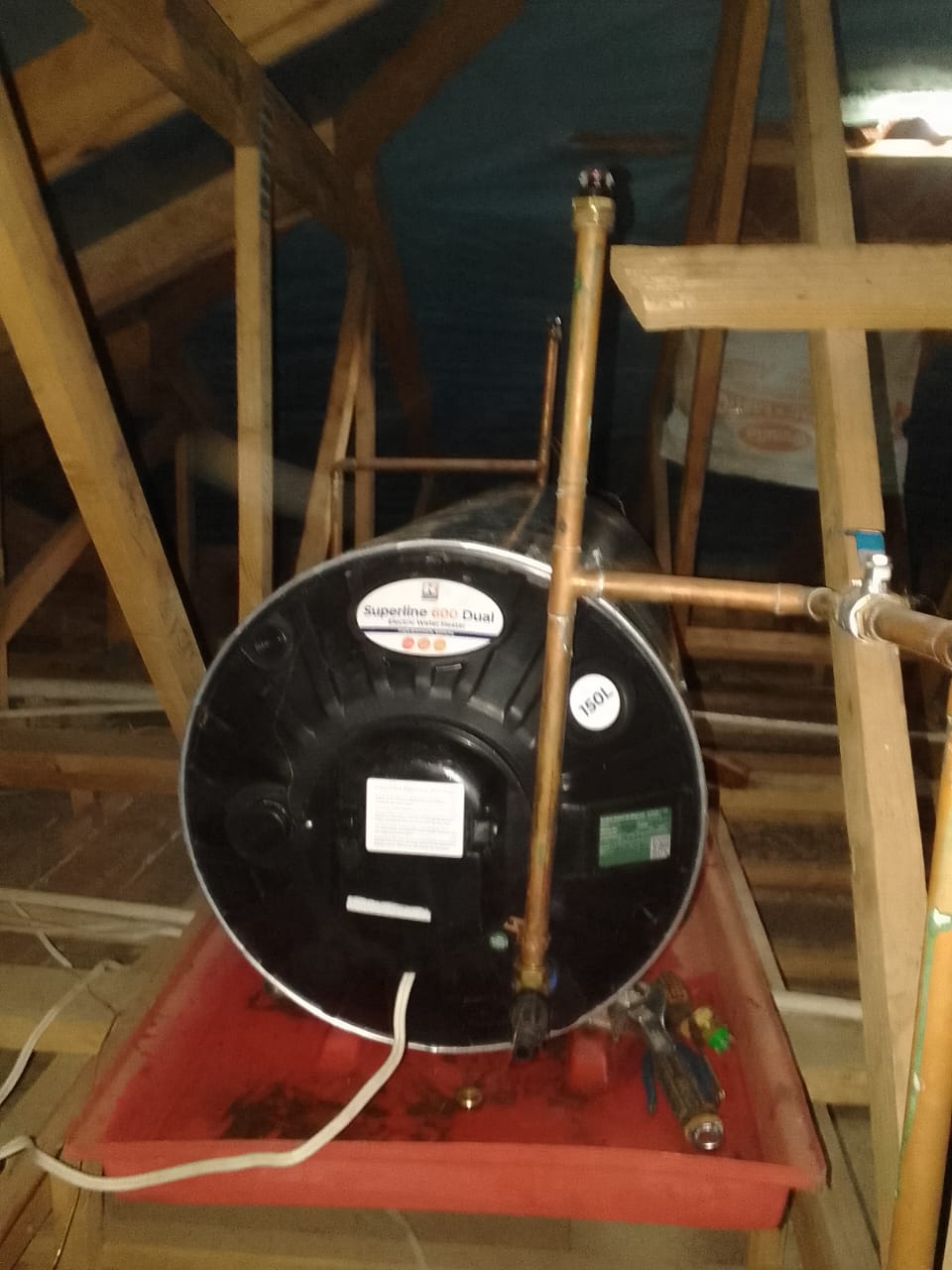
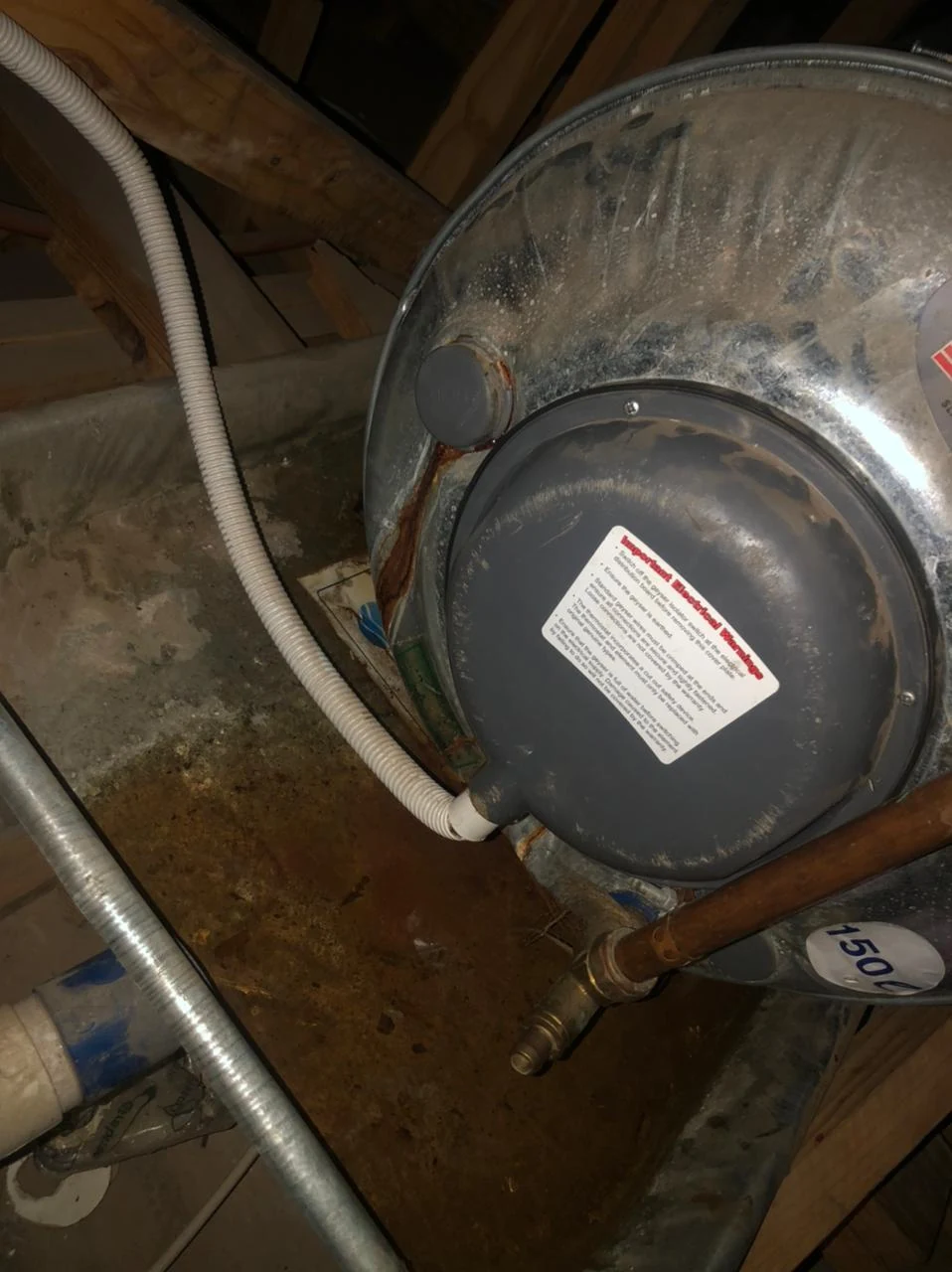
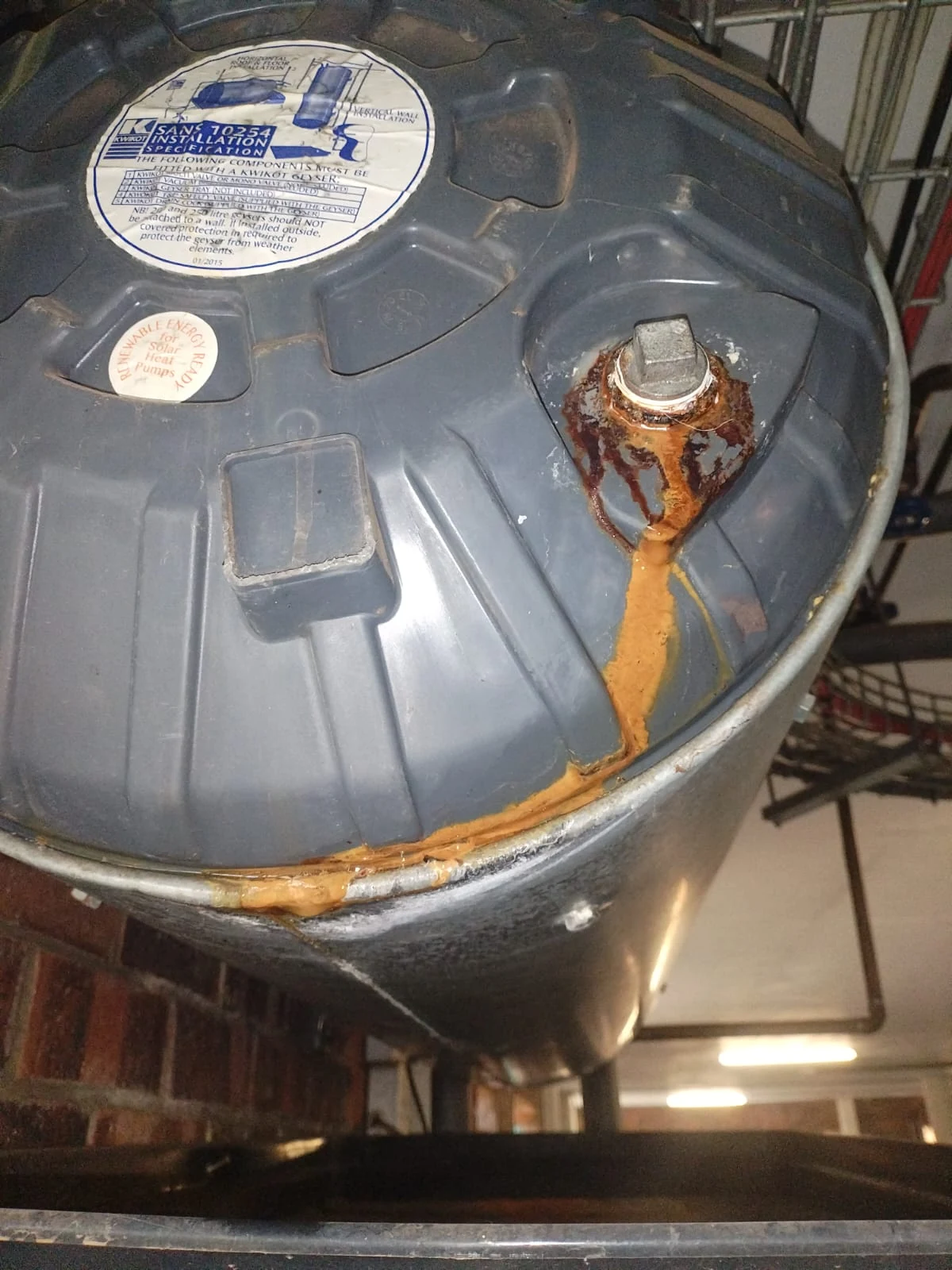
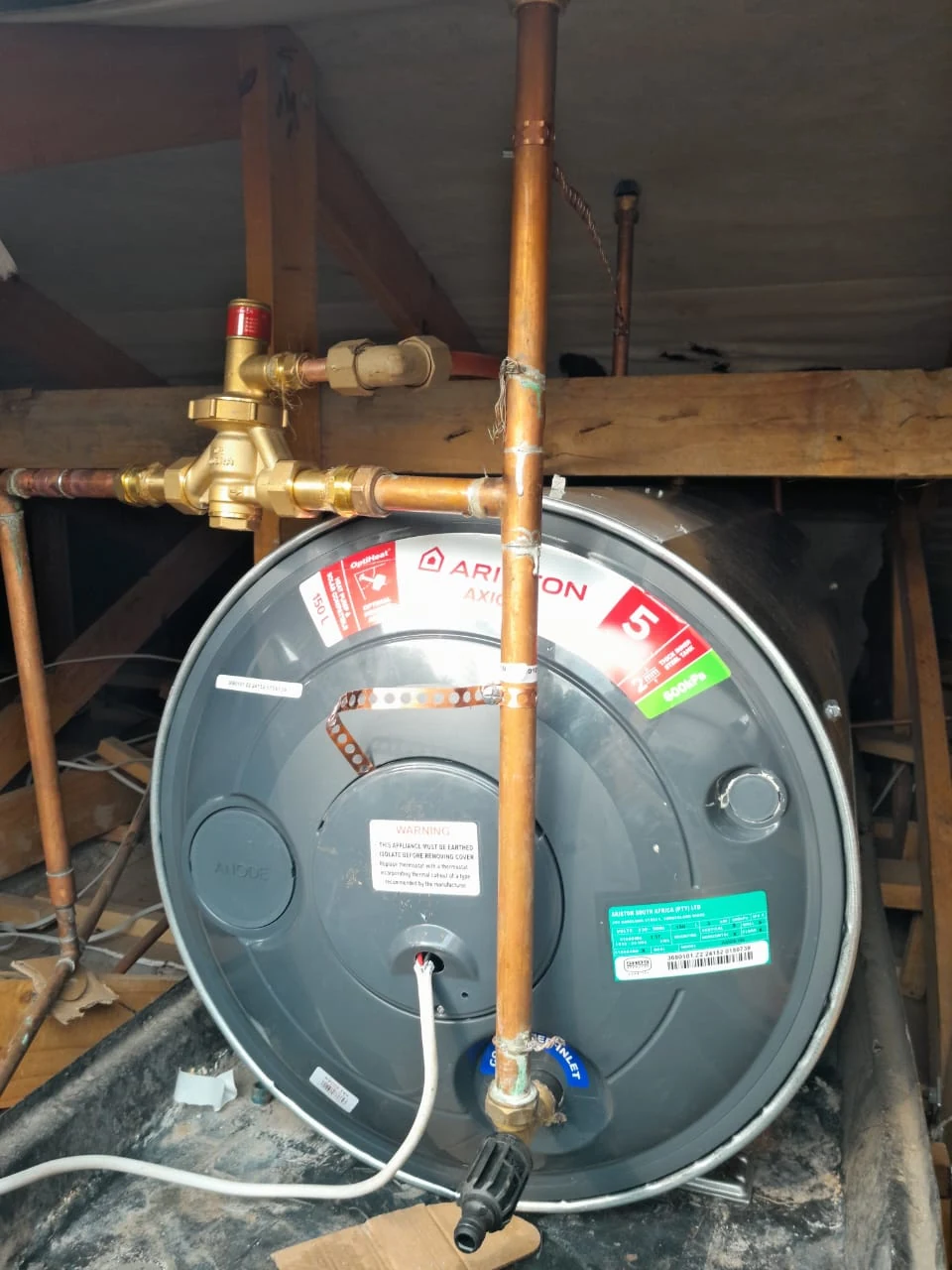
Geyser workCompleted
Roof-space geyser work
For a plumbing visit in your area, safe access, valve and discharge inspection, pipe support, insulation and functional hot-water testing.
BEFORE WE ARRIVE
Small actions can limit damage without making the repair harder across your area
Active pipe leakClose the nearest isolation valve or main stopcock if it is safe and accessible. Move valuables away from the wet area.Get practical help › Blocked drainStop using connected sinks, toilets or appliances. Do not keep flushing when water is rising or backing up.Get practical help › Geyser leakSwitch off the geyser electrical supply at the distribution board and close the cold-water feed where safely possible.Get practical help › Low water pressureCheck whether neighbours are affected and whether every fixture or only one outlet has reduced flow.Get practical help › COMMON QUESTIONS
What clients usually need to know first
Do I need to know exactly what the plumbing fault is?
No. Tell us what you see, when it started, whether the water can be isolated and which fixtures are affected. That information is often more useful than guessing the technical name.
What should I send with a plumbing request?
Your name, cell number, suburb, nearest landmark or main road, access instructions and a clear photo or video of the affected area where possible.
Can you help with repeat drain or leak problems?
Yes. Repeated faults normally require more than clearing or patching. The repair plan may include pressure testing, camera inspection, route tracing or examination of previous joints and reinstatement areas.
What happens before work begins?
The immediate risk is assessed, the likely cause is explained, and the repair scope is agreed before non-emergency work proceeds.
Water is still running, rising or causing damage?
For active flooding, sewage exposure, failed isolation or water near electricity, call immediately. For a contained fault in your area, WhatsApp the location, a short description and a photo where practical. The call-out and quotation are free, and repair work only proceeds after the scope and price are approved.