Plumbers Near Me logo
Fast drain clearing and emergency response

Blocked Drain Cleaning

Blocked drain cleaning for homes, restaurants, offices, bathrooms, kitchens, yards, and urgent drainage overflows

Blocked drain cleaning using structured diagnosis, mechanical clearing, drainage testing, and verification to restore proper flow and prevent repeat blockages.

Free call-out messagingFree quotes24/7/365 availabilityEmergency response for overflows
  • Phone: 067 657 6109
  • Emergency: 067 895 4361
  • WhatsApp: 072 139 8945

Quick tips before we arrive

  • Stop using the affected fitting if wastewater is backing up.
  • Avoid chemical drain cleaners that can damage pipes or seals.
  • Call early when you notice bad smells, gurgling, or slow drainage.
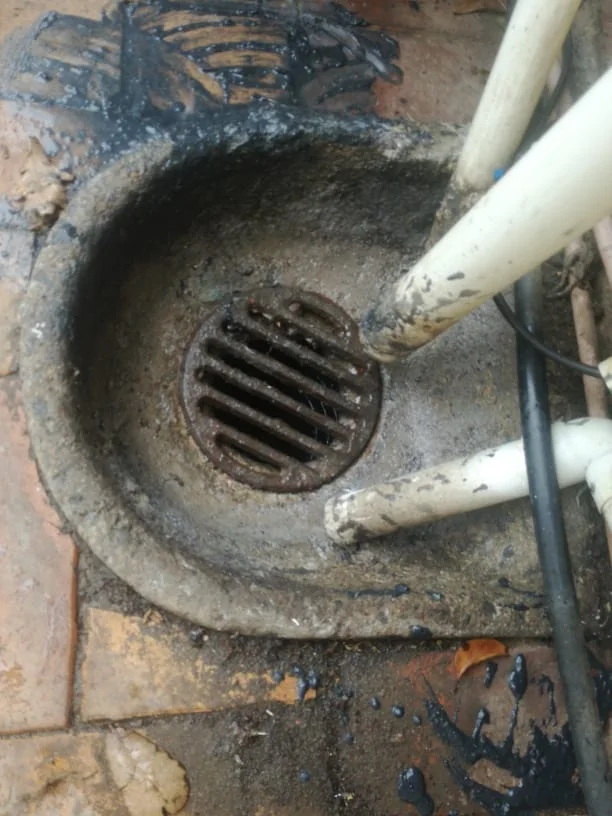
Outside drain gully used for blocked drain cleaning diagnosis

Blocked Drain Cleaning That Starts With The Cause

A blocked drain is rarely just a slow pipe. It can be a warning sign of grease build-up, hair and soap residue, silt, root intrusion, poor pipe fall, a damaged sewer line or a local waste problem that has been getting worse over time.

Good drain cleaning starts by looking at where the water is backing up, which fixtures are affected and whether the problem is inside one fixture or deeper in the drainage route. This helps avoid quick temporary clearing that leaves the same blockage waiting to return.

For related help, see blocked sink cleaning, blocked shower cleaning, blocked toilet plumbers and video camera inspections.

Blocked drains are more than an inconvenience. When water stops leaving a sink, shower, bath, toilet, outside gully or main drain line, the problem can quickly affect hygiene, smell, flooring, cupboards and normal use of the property. The safest approach is to stop using the affected fixture, avoid chemical drain cleaners and arrange proper blocked drain cleaning before wastewater backs up into the home.

Our blocked drain cleaning process focuses on finding where the restriction is, clearing it correctly and testing the line afterwards. A drain may be blocked by grease, food waste, hair, soap residue, wipes, silt, roots, collapsed pipework or a foreign object. The symptoms often tell us whether the fault is local to one fixture or deeper in the drainage system.

What To Do When A Drain Starts Blocking

If water is draining slowly, bubbling, gurgling or coming back through another waste point, stop using that fixture as far as possible. Do not keep flushing a toilet that is already rising, and do not pour drain chemicals into a line that may need mechanical cleaning. Chemicals can sit in the pipe, damage seals and create a safety risk when the plumber opens the line.

Simple Checks Before We Arrive

Check whether the problem affects one fixture or several fixtures. A single slow basin may be a trap or waste-pipe restriction, while a toilet, shower and outside drain backing up together can indicate a deeper branch drain or sewer-line issue. Take a photo or short video of the affected area if it helps explain the problem, especially where water is overflowing outside.

How We Diagnose A Blocked Drain

Plumber checking an outside drain gully while diagnosing a blocked drain
How We Diagnose A Blocked Drain

The first step is to identify the most likely location of the blockage. A plumber will look at the affected fixture, nearby drains, outside gullies, inspection points and any signs of repeat failure. The goal is to avoid guessing. Clearing the wrong section may give temporary relief while leaving the main cause in place.

Local Fixture Blockages

Outside waste pipe access point used to check a local fixture blockage
Local Fixture Blockages

Local blockages usually affect one sink, basin, shower, bath or toilet. These are often caused by hair, soap, grease, food waste, scale, toothpaste, shaving residue or objects that should not have entered the drain. The plumber will clear the affected waste line and test the fixture under normal use to confirm that water leaves quickly and cleanly.

Main Drain And Sewer-Line Blockages

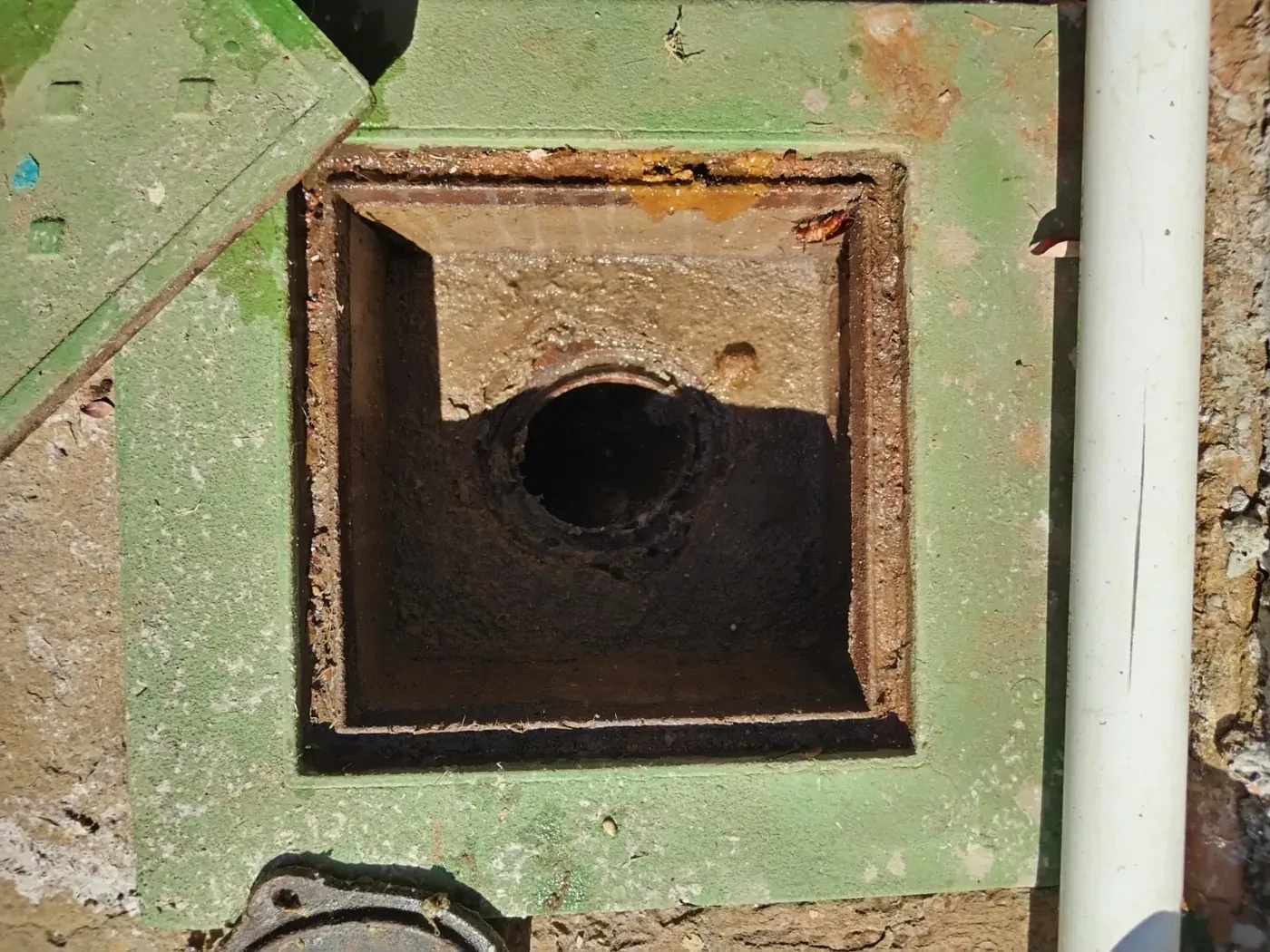
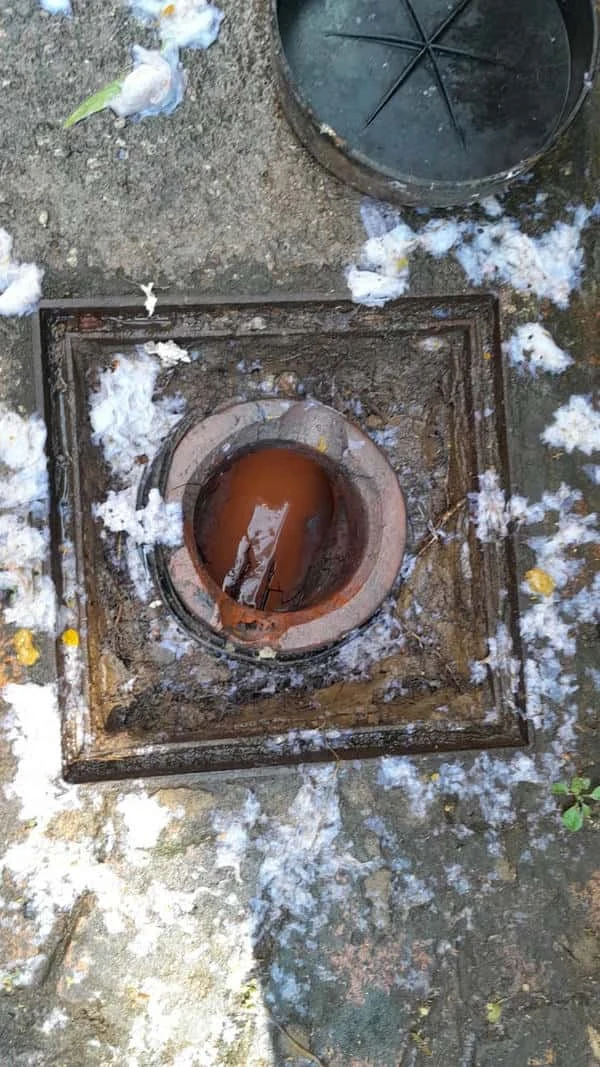
Open drain access point showing main drain and sewer line inspection
Main Drain And Sewer-Line Blockages

When several fixtures are affected at the same time, the blockage may be further down the drain line. This can involve a yard gully, main sewer pipe, root intrusion, damaged pipework or a heavy build-up inside the line. In those cases, the repair route may include sewer line cleaning, video camera inspections or sewer line repair and replacement.

Professional Drain Cleaning Method

A professional drain-cleaning job should do more than make the water disappear for a few minutes. The aim is to understand where the restriction is, clear the line with the correct method, test the drainage under normal use and decide whether the blockage is likely to return. A kitchen drain blocked by grease, a shower waste blocked by hair, an outside gully holding silt and a sewer line affected by roots all require different thinking. Using the same approach for every blockage can create temporary results instead of a proper repair.

The plumber first looks at the symptoms. One slow sink usually points to a local waste problem, while several fixtures backing up together can indicate a deeper branch drain or main sewer line. Smells, gurgling, rising toilet water, standing water around gullies and repeat failures all help identify the likely location of the problem. Once the likely route is understood, the plumber chooses the safest access point and the most suitable cleaning method.

Where possible, the line is cleared in a way that removes the restriction rather than forcing it further down the drainage system. After cleaning, the drain is tested with enough water to confirm real flow. If symptoms remain, or if the blockage returns soon after clearing, the next step may be video camera inspection, sewer line cleaning or sewer line repair and replacement.

Step One: Access The Blocked Line

Open drain line and access point used before clearing a blocked drain
Access The Blocked Line

Before any drain-cleaning equipment is used, the plumber identifies the safest and most effective access point. This may be through a sink trap, basin waste, shower waste, toilet connection, inspection eye, outside gully or dedicated drain access point. The correct access point matters because it allows the blockage to be approached directly and reduces the chance of pushing debris further into the system.

Good access also helps control mess and disruption inside the property. In a kitchen, the plumber may need to work from the trap or waste line inside the cupboard. In a bathroom, the access may be through the shower waste, basin trap or outside drain connection. For outside blockages, the best route may be through a gully or inspection point. The choice depends on where the blockage is likely to sit and which route gives the best chance of clearing it properly.

At this stage the plumber also looks for signs that the issue is larger than one fixture. Multiple slow drains, sewage smells, overflowing gullies, toilet bubbling and previous repair marks can all point to a deeper fault. Identifying those signs early helps avoid unnecessary dismantling and helps the customer understand whether the problem is a simple blockage or a possible sewer-line issue.

Step Two: Clear The Restriction

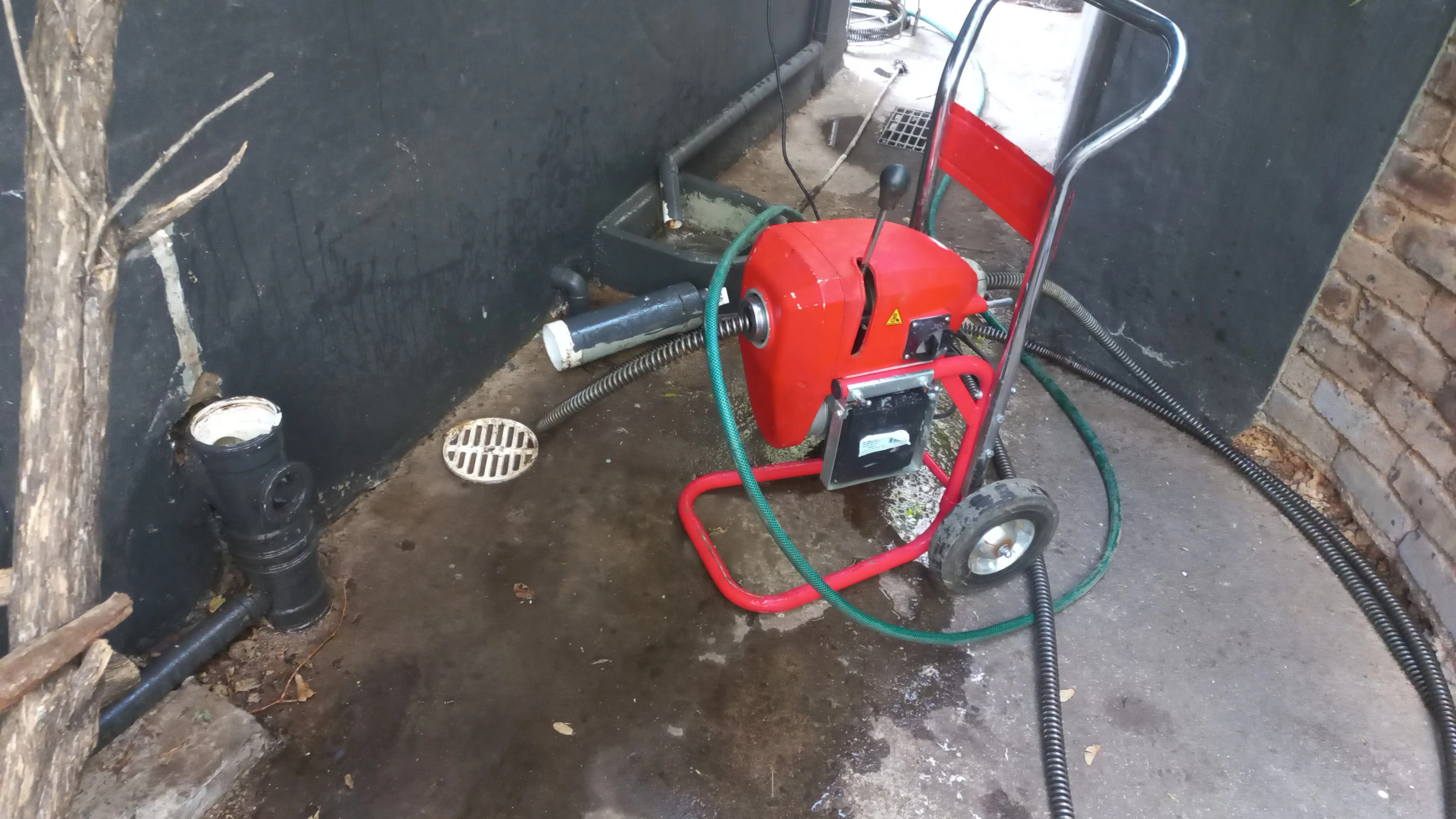
Once access is established, the plumber clears the restriction using a method suited to the pipe and blockage. Grease build-up in a kitchen drain may need to be broken down and flushed differently from hair and soap in a shower waste. A sewer line affected by roots, silt or collapsed pipework may need stronger equipment and further investigation. The goal is not simply to make a small hole through the blockage; the goal is to restore enough flow for normal use and reduce the chance of repeat failure.

During clearing, the plumber pays attention to how the line reacts. If water suddenly drops but then slows again, there may still be build-up in the pipe. If debris keeps returning, the blockage may be deeper or the pipe may be damaged. If outside gullies keep filling, the restriction may sit beyond the first access point. These clues guide the next step and help prevent a shallow temporary fix.

Professional clearing also reduces the risk caused by unsuitable DIY methods. Chemical drain cleaners may leave harsh liquid in the line, damage seals and hide the real problem. Excessive force from the wrong tool can damage fittings. A controlled drain-cleaning process protects the plumbing system while restoring flow.

Step Three: Test The Drain Properly

Testing confirms whether the drain has been cleared properly. After the blockage is removed, the plumber runs water through the affected fixture and checks how quickly it leaves. Where relevant, nearby fixtures are also tested because a deeper blockage can show itself only when more water enters the system. For example, a toilet may seem fine until the bath drains, or an outside gully may rise only when the kitchen sink and washing machine discharge water.

The plumber checks for remaining smells, slow water movement, gurgling, rising water levels and signs of wastewater backing up through another point. If the drain still reacts badly after cleaning, the issue may be deeper than the visible blockage. In that case, a camera inspection or sewer-line service may be recommended so the customer does not pay repeatedly for the same short-term result.

Good testing gives the customer confidence before the plumber leaves. It also gives clear aftercare advice: what not to put down the drain, which warning signs to watch for and when to call again if symptoms return. This is the difference between a drain that merely appears open and a drain that has been checked properly under normal conditions.

Kitchen Drain Blockages

Outside kitchen waste gully used for kitchen drain blockage cleaning
Kitchen Drain Blockages

Kitchen drains often block because grease, oil, food particles, coffee grounds and detergent residue collect inside the waste pipe. The sink may drain slowly at first, then begin to smell, gurgle or back up into the bowl. If a dishwasher shares the same waste route, water may also appear in the sink when the machine drains.

Kitchen drain cleaning should include the trap, waste pipe, appliance connection and line leaving the cupboard. Where the same sink blocks repeatedly, it may be worth checking the pipe fall, waste layout and whether grease is collecting in a deeper section of the drain. See also blocked sink cleaning and kitchen plumbing.

Bathroom Drain Blockages

Bath with slow wastewater drainage showing bathroom drain blockage symptoms
Bathroom Drain Blockages

Bathrooms collect hair, soap, toothpaste, shaving residue and body products every day. A shower can start holding water around your feet, a bath may empty slowly, and a basin can begin to gurgle or smell. These signs should be handled early because bathroom wastewater can quickly become unpleasant and unhygienic when it backs up.

Blocked Showers, Baths And Basins

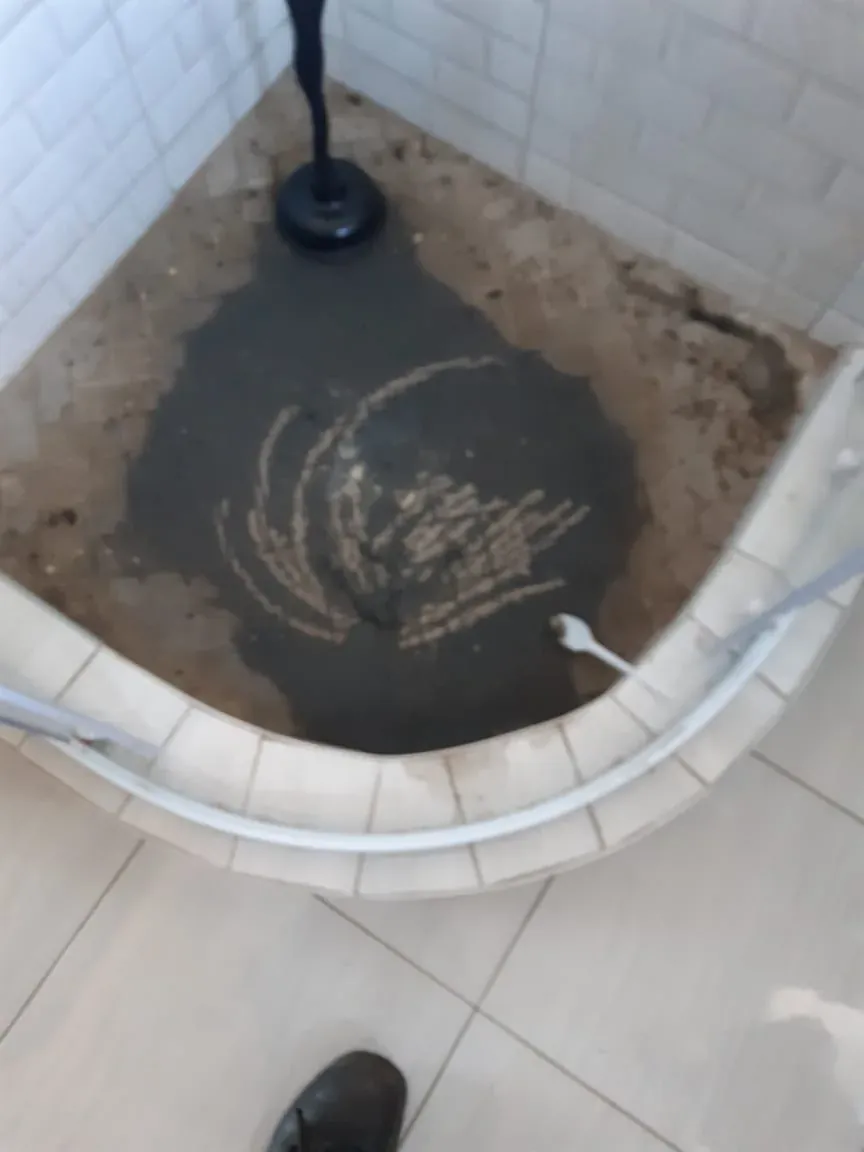
Shower floor with wastewater pooling from a blocked shower drain
Blocked Showers, Baths And Basins

Blocked shower and bath wastes are usually cleared by removing the build-up from the waste path and testing flow afterwards. Basins often need trap and waste-line cleaning because residue collects below the plug and inside the bend. Related pages include blocked shower cleaning, blocked bath trap cleaning and blocked basin cleaning.

Blocked Toilets

Blocked toilet bowl with standing water before toilet drain clearing
Blocked Toilets

A blocked toilet is urgent because it affects hygiene immediately. The water level may rise when flushed, the bowl may drain slowly, or wastewater may appear around another drain point. A toilet blockage can be inside the pan, behind the toilet, in the branch line or in the main sewer line, so the plumber should check the behaviour before clearing blindly.

If the toilet is rising, stop flushing it. Repeated flushing can overflow the pan and spread contaminated water onto floors. For toilet-specific faults, see blocked toilet plumbers and emergency toilet repair.

Outside Gullies And Yard Drains

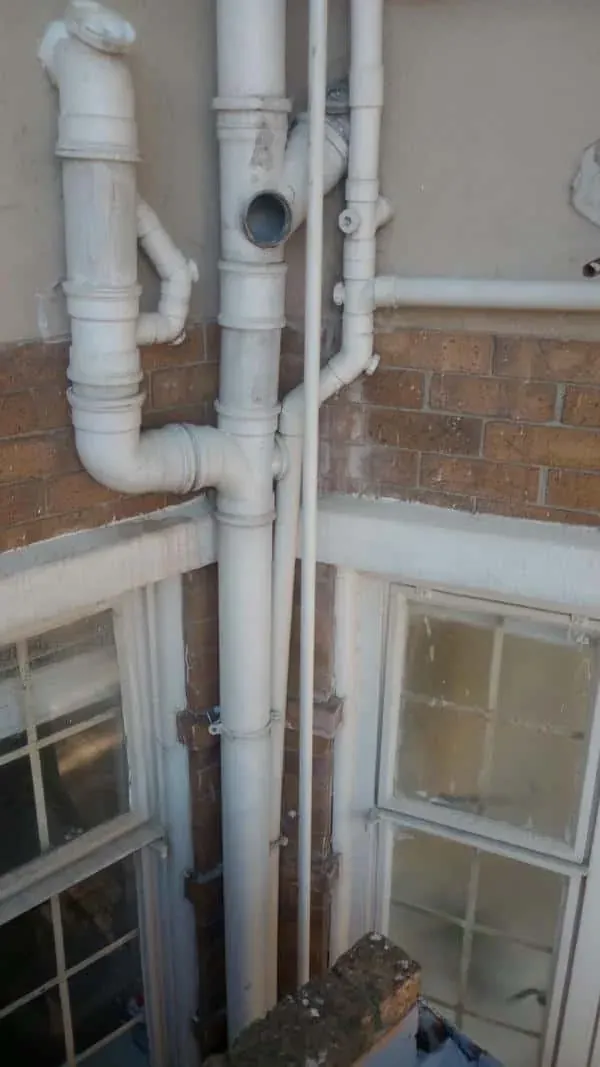
Outside gully drain with pipework and drain grate for yard drainage cleaning
Outside Gullies And Yard Drains

Outside drains and gullies often show the first visible signs of a deeper blockage. You may notice standing water, sewage smell, toilet paper outside, wastewater around the wall or water that rises when a toilet, bath or washing machine is used. This usually means the line needs prompt clearing before it affects the inside of the property.

When Outside Drainage Is A Warning Sign

If the gully fills when other fixtures are used, the blockage is often beyond the fixture itself. This may require drain cleaning through an outside access point and further investigation if the problem keeps returning. Repeated outside overflows can point to roots, broken pipework, poor fall or a section of pipe that catches waste repeatedly.

Why Drains Keep Blocking Again

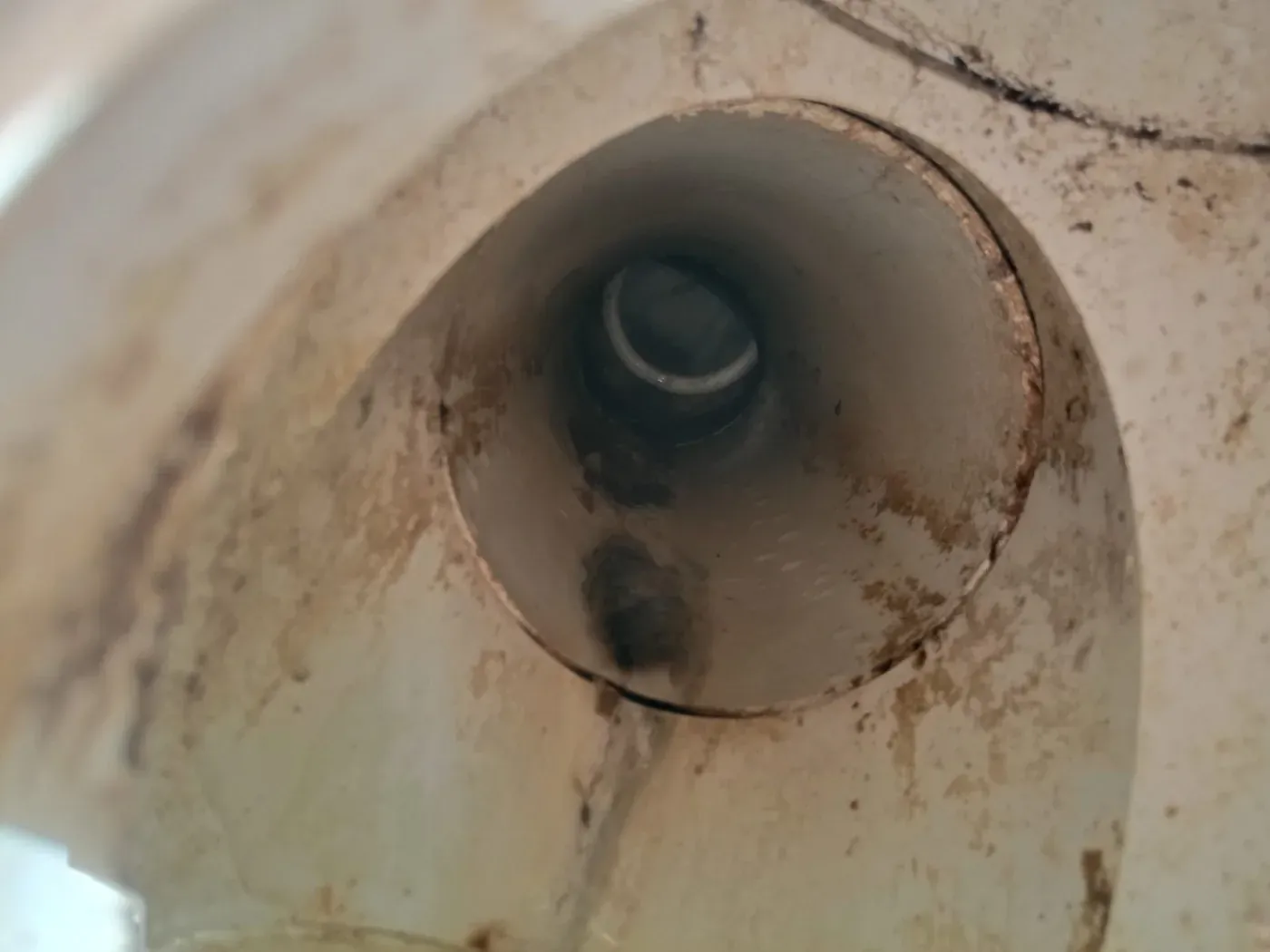
Drain access pipe showing build-up that can cause repeat drain blockages
Why Drains Keep Blocking Again

A drain that blocks again soon after clearing usually still has an underlying cause. Grease may be stuck along the pipe wall, roots may be entering through a joint, a pipe may be cracked or misaligned, or the line may have poor fall. In these cases, another quick clearing may not solve the real problem.

For repeat blockages, a camera inspection can help show what is happening inside the pipe. It can identify roots, scale, cracked pipework, displaced joints or a collapsed section so the next repair is based on evidence. See video camera inspections for this type of investigation.

Emergency Blocked Drain Cleaning

Outside drain overflowing with wastewater during emergency blocked drain cleaning
Emergency Blocked Drain Cleaning

Drain cleaning becomes an emergency when wastewater is overflowing, sewage is backing up into the home, a toilet cannot be used, or several fixtures are affected at the same time. These problems should not wait because water and sewage can damage flooring, cupboards, skirting, walls and nearby fittings.

When the issue cannot safely wait, contact emergency drain cleaners or use the emergency number on this page. The more clearly you describe the affected fixtures, smells, overflows and access points, the faster the plumber can prepare for the correct type of blockage.

How To Prevent Future Drain Blockages

Outside gully and drain grate showing maintenance access for preventing future blockages
How To Prevent Future Drain Blockages

Prevention starts with what goes into the drain. Avoid pouring grease and oil into kitchen sinks, keep hair out of shower wastes where possible, do not flush wipes or sanitary products, and pay attention to early signs like smells, gurgling and slow drainage. These small habits reduce build-up and help you notice problems before they become emergencies.

When Maintenance Makes Sense

Properties with old pipework, large trees, restaurants, shared drainage, rental units or repeat drain issues may benefit from periodic checks. A planned inspection is often less disruptive than waiting for sewage to back up during peak use. This is especially useful for businesses, complexes and homes with repeated drain history.

What You Get From Plumbers Near Me

Customers need clear next steps when a drain is blocked. We help with free quote messaging, free call-out messaging where applicable, same-day support where possible, emergency response for overflows and practical guidance before the plumber arrives. The focus is to clear the drain, test the result and explain what caused the problem where this can be identified.

Service Overview

A blocked drain can affect a single basin or the full drainage route through the property. Slow water, bad odours, bubbling toilets, overflowing gullies and recurring backups all give clues about where the restriction may be. Professional blocked drain cleaning restores flow, checks whether the problem is local or deeper in the line, and helps protect the property from water damage and hygiene risks. You can also explore blocked sink cleaning, blocked shower cleaning and sewer line cleaning for related help.

What You Get For Free

Need a reliable plumber you can trust? We offer free call-out messaging, free quotes, 24/7/365 service, same-day support where possible, guarantees, knowledgeable staff, and after-sales service.

  • Free call-out messaging
  • Free quotes
  • 24/7/365 availability
  • Emergency response for overflows

Why blocked drains need urgent attention

Blocked drains often start small, but they can quickly become much bigger problems. Slow water movement, recurring smells, gurgling sounds, and water backing up around gullies or fittings are usually early warning signs that the line needs professional attention before it overflows.

What professional drain cleaning should achieve

A proper drain-cleaning service should do more than offer a temporary fix. The goal is to clear the restriction, restore flow, reduce odours, and lower the risk of repeat blockages by checking what is actually causing the problem in the first place. Related help: Blocked Bath Trap Cleaning. You can also explore Blocked Basin Cleaning for closely related help.

Common blocked drain causes

Typical causes include grease build-up, food waste, hair, soap residue, paper products, tree-root intrusion, or a damaged section of pipe. Outdoor drains may also block because of silt, leaves, and debris washed into the system during rain.

When to call immediately

Call urgently when toilets or yard drains overflow, wastewater backs up into showers or baths, or when several fixtures stop draining at once. Those signs often point to a larger line blockage that needs prompt professional clearing. You can also explore Sewer Line Cleaning for closely related help.

Frequently Asked Questions

What causes blocked drains to keep coming back?

Blocked drains usually return when the original cause is still inside the line. Grease can harden along kitchen pipes, hair and soap can keep catching inside shower wastes, roots can enter underground drains, and damaged pipework can create a lip that catches paper and waste. A quick clearing may open a temporary path, but the same line can block again if the build-up, root entry or damaged section remains. When a drain blocks repeatedly, the next step is usually a more careful inspection, stronger cleaning method or a video camera inspection to see what is happening inside the pipe.

How do I know if the blockage is inside my property or in the main line?

A single slow sink, basin or shower often points to a local waste-pipe blockage. Several fixtures backing up at the same time usually suggests the blockage is deeper in the drainage system. For example, if the toilet bubbles when the bath drains, or an outside gully fills when the kitchen sink is used, the issue may be in a branch drain or main sewer line. A plumber checks which fixtures are affected, where the nearest drain access points are, and whether outside drains are holding water. If the signs point deeper, sewer line cleaning or inspection may be required.

Can tree roots block underground drains?

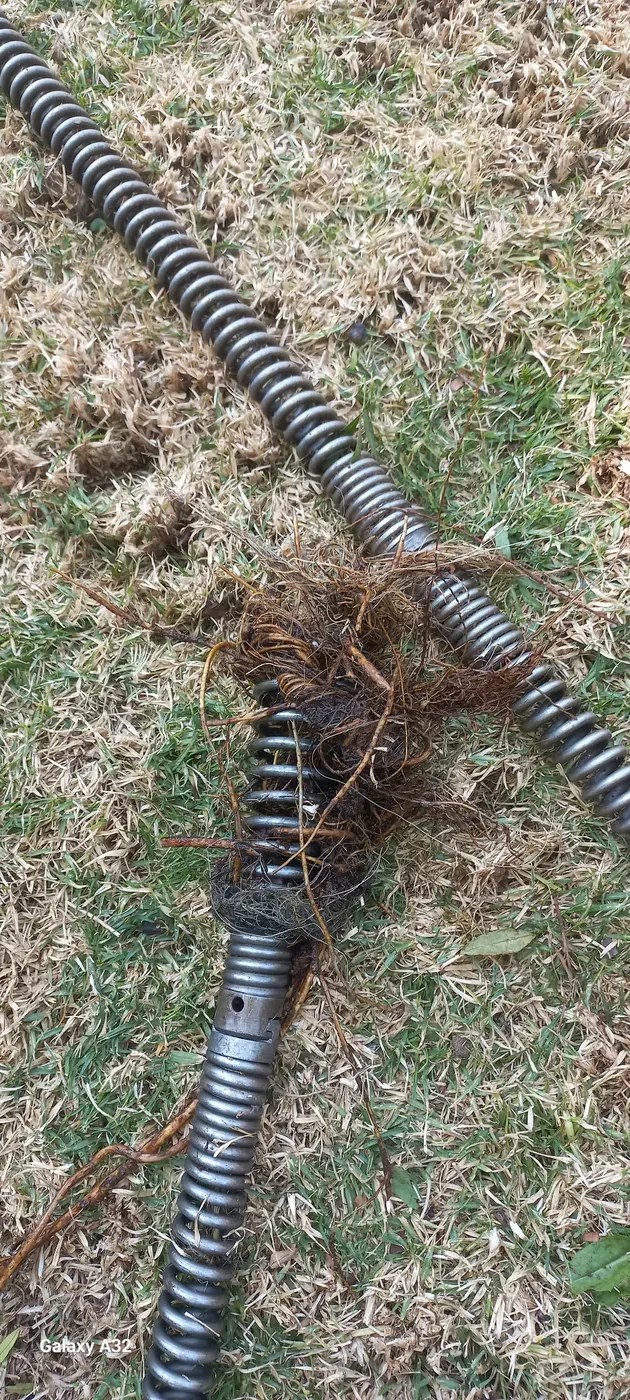
Yes. Tree roots are one of the most common reasons underground drains block repeatedly. Roots look for moisture and can enter through cracked pipes, displaced joints or weak seals. Once inside, they catch paper, waste and silt until the line narrows or blocks completely. Cleaning may restore flow, but if the root entry point remains open, the problem can return. Where roots are suspected, the plumber may recommend tree root removal plumbers, camera inspection or a targeted sewer-line repair instead of repeated temporary clearing.

Why does my shower smell even when it still drains?

A shower can smell even when water still drains because the waste line may contain hair, soap scum and body-product residue. That build-up can hold bacteria and create odours before the drain becomes fully blocked. Smells can also come from a dry trap, poor ventilation, a shared drain issue or wastewater sitting in a line with poor fall. If cleaning the surface grate does not solve the smell, the waste line should be checked and cleared properly. For shower-specific problems, see blocked shower cleaning.

Why does my toilet bubble when I use the bath or shower?

A bubbling toilet is often a warning sign that air is being forced through the drainage system because water cannot move freely. When a bath, shower or washing machine discharges water, pressure can build behind a partial blockage and push air through the toilet pan. This may mean the blockage is not inside the toilet itself but in the branch drain or sewer line. If the toilet bubbles, gurgles or rises when other fixtures are used, stop using the affected fixtures and arrange drain inspection before a backup occurs.

How long does blocked drain cleaning usually take?

The time depends on the access, blockage location and cause. A simple basin or sink waste blockage may be cleared quickly, while an outside gully, main drain or sewer-line blockage can take longer because the plumber must locate access points, clear the restriction and test the line properly. Repeat blockages, root intrusion, collapsed pipework or poor access can add time. The important point is not only how quickly water begins to flow again, but whether the line has been tested well enough to reduce the chance of the same blockage returning.

Can a blocked drain damage my house?

Yes. A blocked drain can damage a property when wastewater backs up into floors, cupboards, skirting, walls or bathroom areas. Kitchen backups can damage cabinets, shower backups can affect waterproofing, and sewer backups can create hygiene risks that need urgent cleaning. Outside gullies that overflow near walls can also contribute to damp and smells. Fast blocked drain cleaning helps reduce this risk by restoring flow before water spreads. If water has already reached walls or cupboards, it may also be worth checking for damp-related damage.

What happens during a drain camera inspection?

During a camera inspection, a small drain camera is sent through the pipe to show the inside condition of the line. This can help identify roots, cracks, collapsed sections, displaced joints, heavy scale, foreign objects or areas where waste is catching. Camera inspection is especially useful when a drain keeps blocking after cleaning or when the same outside gully overflows repeatedly. The goal is to replace guesswork with evidence so the next repair is targeted. You can read more on video camera inspections.

Is high-pressure drain cleaning safe for pipes?

High-pressure drain cleaning can be effective when used correctly, but it must be matched to the condition and type of pipe. Strong pressure may help remove grease, silt and soft build-up, but damaged, brittle or badly cracked pipework may need a more cautious approach. A plumber should consider the age of the drain, access point, suspected blockage and signs of pipe failure before choosing the method. The safest drain-cleaning job is the one that clears the blockage without causing avoidable damage.

Should I use chemical drain cleaner before calling a plumber?

It is better not to use chemical drain cleaner, especially when the blockage is serious or recurring. Chemical cleaners can damage seals, weaken pipework and leave harsh liquid sitting inside the line. They often open only a small hole through the blockage instead of removing the build-up properly, which means the drain can block again. They also create a safety risk when a plumber has to open the trap or drain. Mechanical clearing, proper testing and inspection are usually safer and more reliable.

What causes outside gullies to overflow?

Outside gullies overflow when wastewater cannot move away fast enough. The cause may be leaves, silt, grease, paper, roots, foreign objects or a blockage further down the drain line. If the gully fills when a toilet, bath, shower or washing machine is used, the problem may be deeper than the gully itself. Overflowing gullies should be handled quickly because they can create smell, hygiene risks and water pooling around walls. If it keeps happening, sewer-line cleaning or inspection may be needed.

Can heavy rain cause drainage problems?

Heavy rain can expose drainage weaknesses, especially where outside gullies, stormwater areas and sewer lines are already partly restricted. Rain can wash leaves, soil and debris into drains, and waterlogged ground can make existing pipe defects more obvious. If an outside drain only overflows during rain, the system may need clearing, inspection or separation from stormwater issues. Repeated rain-related drainage problems should not be ignored because they can point to poor fall, blocked gullies or damaged underground pipework.

When does a sewer line need repair or replacement?

A sewer line may need repair or replacement when cleaning no longer solves the problem or when camera inspection shows a structural fault. Common reasons include cracked pipework, collapsed sections, root-damaged joints, displaced pipes or sections with poor fall that catch waste repeatedly. If the same line blocks again and again, repeated cleaning can become more expensive than identifying and repairing the failed section. For deeper problems, see sewer line repair and replacement.

What should I do before the plumber arrives?

Stop using the affected fixture if water is backing up. Do not keep flushing a blocked toilet, avoid running more water into a blocked sink or shower, and keep children and pets away from wastewater. Take photos if the problem is visible and note which fixtures are affected. If you know where the outside drain access points are, keep them clear so the plumber can work quickly. Avoid chemicals because they can make the job unsafe when the line is opened.

When is blocked drain cleaning considered an emergency?

Blocked drain cleaning is an emergency when wastewater is overflowing, sewage is backing up into the home, a toilet cannot be used, a business cannot operate safely, or several fixtures are affected at the same time. These situations can create hygiene risks and property damage very quickly. Call early, describe the affected fixtures clearly and mention any outside overflow or sewage smell. For urgent help, see emergency drain cleaners or use the emergency phone number on this page.

Customer Reviews

Related Services

Blocked Sink Cleaning

Kitchen sinks often block because grease, food particles, coffee grounds and detergent residue collect inside the waste line. If the sink drains slowly, smells bad, gurgles or backs up when an appliance drains, the blockage may be in the trap, waste pipe or branch line. Our blocked sink cleaning page explains the warning signs and how kitchen waste restrictions are cleared.

Read More

Blocked Shower Cleaning

Showers usually block when hair, soap and body-product residue collect below the waste cover and deeper in the pipe. Water around your feet, smells after showering and slow drainage should be handled early before the waste line blocks completely. See blocked shower cleaning for shower-specific advice and repair steps.

Read More

Blocked Toilet Plumbers

A blocked toilet needs careful attention because it can involve the pan, the toilet connection, a branch drain or the main sewer line. If the water rises, bubbles or overflows, stop flushing and arrange help before contaminated water spreads. Our blocked toilet plumbers page explains what the warning signs mean.

Read More

Video Camera Inspections

When the same drain blocks repeatedly, a camera inspection can show what cleaning alone cannot confirm. Roots, cracks, collapsed sections, displaced joints and heavy scale can all cause repeat failures. Learn more about video camera inspections when a drain keeps coming back after clearing.

Read More

Emergency Drain Cleaners

Emergency help is needed when wastewater is overflowing, a toilet cannot be used, outside gullies are backing up or sewage smells are spreading through the property. Emergency drain cleaners can help reduce damage and restore safe drainage as quickly as possible.

Read More

Sewer Line Repair And Replacement

If cleaning only gives temporary relief, the drain may have a structural fault such as root intrusion, cracked pipework, poor fall or a collapsed section. Sewer line repair and replacement may be the right route when the same underground line keeps blocking.

Read More

Need a plumber right now?

Call immediately if wastewater is overflowing, a toilet cannot be used, a drain is backing up inside the home, or several fixtures are affected at the same time. These are not only convenience problems; they can create hygiene risks, damage flooring and cupboards, and spread odours through the property.

Before help arrives, stop using the affected fixture, keep children and pets away from wastewater, avoid chemical drain cleaners, and clear access to outside gullies or inspection points if you know where they are. Clear information helps the plumber arrive prepared with the right drain-cleaning approach.

Work We Have Done

WhatsApp iconCall icon