South Africa’s water crisis is not a future problem, it is a present-tense financial and operational pressure on every
Before You Worry
When it comes to municipal sewer systems, many homeowners often feel a sense of anxiety at the first sign of trouble. However, it’s essential to remember that not every issue is a cause for alarm. Understanding the distinction between your property’s plumbing and the municipal sewer system can alleviate stress. Municipal responsibilities typically cover the main sewer lines and treatment plants, while homeowners are usually accountable for the plumbing within their properties, including any lateral connections to the municipal system.
Before jumping to conclusions or incurring unnecessary expenses, it’s crucial to assess the situation. Many plumbing issues may seem severe at first but can be minor problems that require simple solutions. This article will guide you through the responsibilities associated with municipal sewers, helping you discern when the problem lies within your property or with the municipality.
Understanding the Problem
The municipal sewer system plays a vital role in managing wastewater for urban and suburban areas. Understanding your responsibilities concerning this system is critical for homeowners. The sewer system is designed to transport wastewater from homes and businesses to treatment facilities, where it is processed before being released into the environment.
Municipalities maintain the main sewer lines and treatment plants, but the responsibility for the lateral lines that connect your home to the main sewer often lies with the homeowner. This can lead to confusion when a blockage or failure occurs. It’s essential to determine whether the issue is within your property or part of the municipal infrastructure, as this can significantly impact how you proceed.
How to Recognise the Problem
Recognising a sewer problem early can save you time, money, and potential health risks. Common signs of a sewer issue include:
- Unpleasant odours emanating from drains or yard areas.
- Multiple drains backing up simultaneously, indicating a blockage in the sewer line.
- Slow drainage in sinks, tubs, or toilets.
- Gurgling sounds in toilets or drains when other fixtures are used.
- Wet or soggy areas in your yard, especially above where the sewer line runs.
If you notice any of these signs, it’s crucial to investigate further before they escalate into a more significant issue.
Common Causes
Several factors can contribute to sewer problems, and understanding these can help you prevent issues or identify them early. Some of the most common causes include:
- Tree Roots: Roots from nearby trees can infiltrate sewer lines, leading to blockages and breaks.
- Grease Buildup: Pouring grease down your drains can cause a buildup that restricts flow and leads to clogs.
- Foreign Objects: Items like wipes, feminine hygiene products, and toys can inadvertently make their way into the sewer system.
- Aging Infrastructure: Older pipes may corrode or collapse, causing significant issues.
- Heavy Rainfall: In some areas, excessive rain can overwhelm municipal systems, leading to backups.
By understanding these causes, you can take proactive measures to prevent sewer-related issues in your home.
What You Can Safely Check Yourself
While many sewer problems require professional assistance, there are some checks you can perform yourself to help identify the issue:
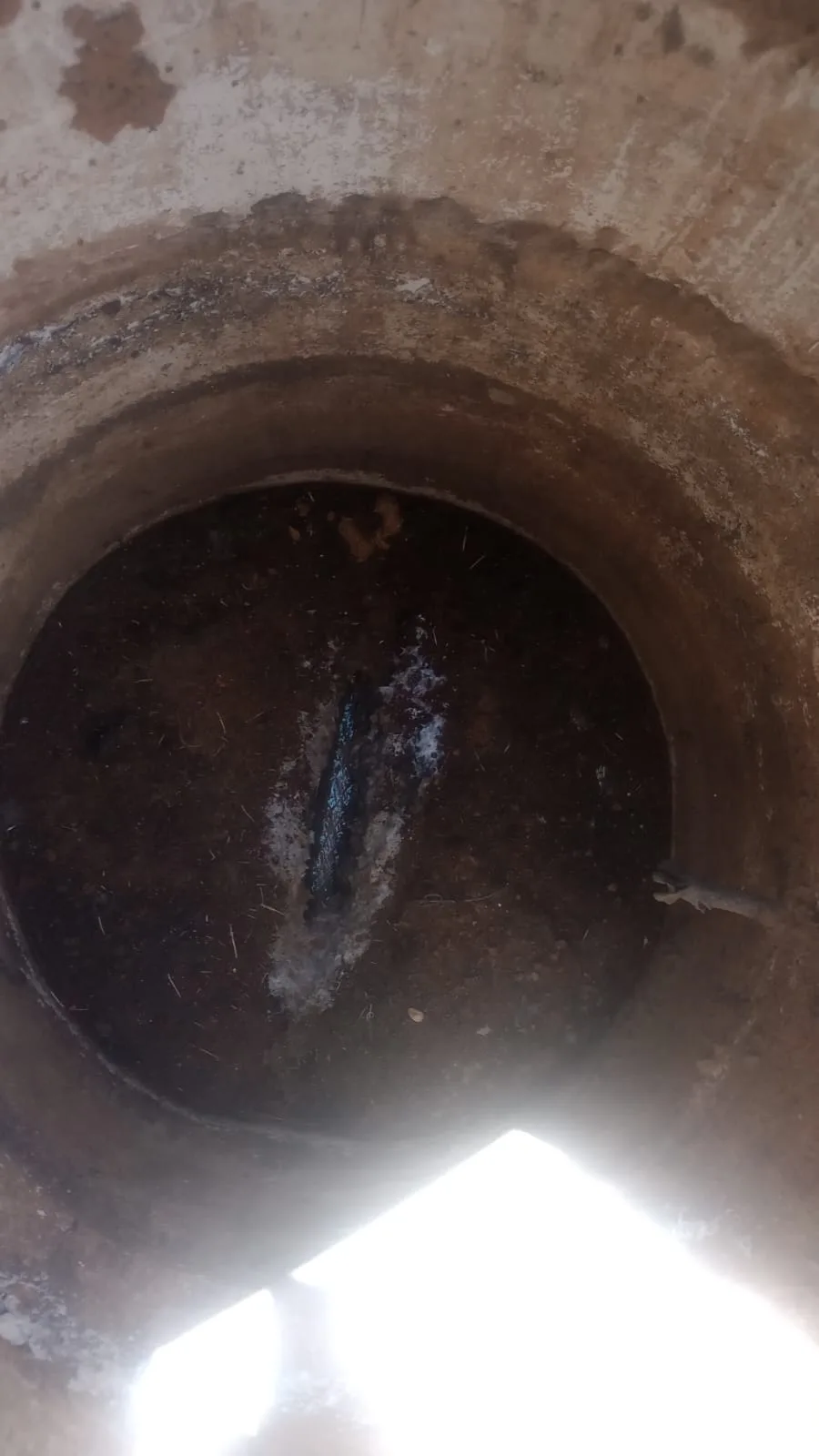
- Inspect Cleanouts: Locate the cleanout access points in your plumbing system and check for visible blockages.
- Check for Odours: If you smell sewage, inspect your drains and yard for signs of leaks.
- Look for Wet Spots: Examine your yard for unusual wet spots that could indicate a sewer leak.
- Monitor Your Toilets and Drains: Take note of any slow drainage or gurgling sounds.
While these checks can provide valuable insights, avoid attempting any repairs or removals beyond your skill level to prevent further damage.
What You Should Never Do
When faced with a sewer issue, it’s essential to avoid certain actions that could worsen the situation. Here are some things you should never do:
- Do Not Use Chemical Drain Cleaners: These can damage your pipes and may not effectively clear the blockage.
- Avoid Flushing Unapproved Items: Items like wipes, dental floss, and paper towels should never be flushed down the toilet.
- Don’t Attempt Major Repairs Yourself: If you suspect a significant issue, such as a collapsed pipe, always call a professional.
- Never Ignore Warning Signs: Dismissing early signs of sewer issues can lead to costly repairs and health hazards.
By avoiding these pitfalls, you can help protect your plumbing system and avoid unnecessary expenses.
When to Call a Plumber
Knowing when to call a plumber is crucial for addressing sewer problems before they escalate. You should call a professional plumber if:
- You experience frequent backups or slow drains in multiple fixtures.
- You notice water pooling in your yard or around your foundation.
- Strong sewage odours persist despite your efforts to locate the source.
- You are unsure of the cause of a plumbing issue and want a professional opinion.
- There is visible damage or deterioration of your plumbing system.
In South Africa, regulations stipulate that plumbing work must comply with SANS standards, and a licensed plumber can ensure that any repairs or installations meet these requirements.
How Plumb A Nator Solves the Problem
At Plumb A Nator, our team of skilled plumbers is equipped to handle all aspects of sewer issues. We utilise advanced technology, such as CCTV inspections, to accurately diagnose problems within your sewer lines. Once we identify the issue, we provide effective solutions tailored to your specific needs.
Whether it’s clearing blockages, repairing damaged pipes, or replacing outdated systems, our team works efficiently and with minimal disruption to your home. We also ensure that all work complies with local municipal bylaws and SANS standards, providing peace of mind and quality assurance for our clients.
How to Prevent It Happening Again
Preventing sewer issues is always more cost-effective than dealing with repairs after the fact. Here are some proactive measures you can take:
- Regular Maintenance: Schedule regular plumbing inspections to catch any potential issues early.
- Proper Waste Disposal: Dispose of grease and food waste properly, and only flush toilet paper.
- Monitor Tree Growth: Be aware of the location of trees near your sewer lines and consider removing or trimming them if they pose a risk.
- Install Backwater Valves: These can prevent sewage from backing up into your home during heavy rain or system overloads.
By taking these steps, you can help ensure a functioning sewer system and reduce the likelihood of future problems.
Contact the Plumb A Nator team today. Call 067 657 6109.Need professional plumbing assistance?
Speak directly to our team for practical advice, a free quotation and help arranging the right plumbing service.
CUSTOMER QUESTIONS
Who is responsible for a sewer line blockage?
Homeowners are usually responsible for the lateral line on their property. The municipality maintains the main sewer in the road reserve.
How can I tell if my sewer line is blocked?
Multiple drains backing up, slow drainage, gurgling, sewage odours and wet patches over the line are common warning signs.
What should I do if I suspect a sewer backup?
Stop using water and call a licensed plumber. Continued use can force wastewater into the property.
Can tree roots damage sewer lines?
Yes. Roots seek moisture and can enter joints, causing blockages and breaks on private laterals.
Should I use chemical drain cleaners on a sewer blockage?
No. Chemicals can damage pipes and rarely clear a main-line problem. Professional clearing is safer.
When should I call a plumber for sewer issues?
Call for recurring backups, persistent odours, yard wet spots, or any sign the blockage is beyond a single fixture.
Does heavy rain cause sewer backups?
It can, especially where systems are overloaded or private lines are already restricted. Backwater valves help in some properties.
What does a CCTV sewer inspection show?
It locates roots, collapses, offsets and grease so repairs can target the real cause instead of guessing.
How much does sewer line repair cost?
Costs vary with location, depth and damage extent. A site assessment and quote give a realistic figure for your property.
Can Plumb A Nator help with municipal vs private line questions?
Yes. Contact the team to diagnose the location of the fault and the correct next step under local practice in Gauteng.