
The plumbing is one of the most important parts of a successful bathroom renovation. Attractive tiles and sanitaryware mean little if the hot and cold supplies leak, the waste lines have the wrong fall, or a concealed shower mixer fails after the walls are closed. In Gauteng homes — many of which still rely on ageing copper or galvanised pipework — the renovation stage is the ideal time to correct routes, add isolation valves and install modern fixtures properly.
Plumb A Nator handles the plumbing component of a bathroom renovation across Gauteng and Cape Town. On a typical project that means an assessment of the existing supplies and drains, agreement on the new layout, first-fix pipework, a supply pressure test and drainage check before finishes close, coordination with waterproofing, then final fixture connections and a handover check. For a leaking tap, slow basin or failed flush without a layout change, see bathroom plumbing. Full-house renovation plumbing is covered under renovation plumbing. Suburb attendance is listed on service areas.
Our role in a bathroom renovation
Our renovation plumbing service covers water supplies, drainage, sanitaryware connections, fixture plumbing, testing and plumbing coordination. Building, tiling, painting, cabinetry and other non-plumbing work stay with the relevant contractor. We coordinate penetrations and fixture positions with that team where required.
What the plumbing service can include
- Hot and cold water pipework
- Waste and drainage alterations
- Toilet relocation, where fall and structure allow
- Shower, bath, basin and vanity plumbing
- Concealed mixer installation
- Isolation valves where the pipework allows
- Geyser or hot-water route changes, quoted separately
- Supply pressure testing, and a fall and leak check on drainage
- Final fixture connections
- Coordination with the builder, tiler and waterproofing contractor
Why plumbing decides the success of a bathroom renovation
Many post-renovation plumbing problems can be traced to decisions made before the tiles went on. Common problems include:
- Waste pipes installed without continuous correct fall — leading to slow drainage and odours
- Concealed shower mixers set at the wrong depth or without proper support
- Missing isolation valves that force a full house shut-off for a simple cartridge change
- Old galvanised or corroded copper left in place and later developing leaks behind new finishes
- Toilet soil connections graded incorrectly, causing incomplete clearance or seal failures
Proper first-fix and final-fix planning helps prevent these problems. The work is planned against the new layout, new water-supply pipework is pressure-tested before walls, floors or finishes are closed, and drainage is checked for fall and leaks. Coordinating that work with waterproofing and tiling reduces the risk of a plumbing fault requiring finished surfaces to be reopened. Where older supply lines are a concern, see our guide on old copper pipes vs modern plastic plumbing.
Bathroom renovation plumbing — stage by stage
A renovation is more reliable when the plumbing is planned early, installed correctly and checked before finishes are closed. These are the stages we manage on site. Suburb coverage is listed on the service areas page.
Example: moving a shower and toilet
Moving a shower or toilet is not simply a matter of extending a pipe. The proposed positions need to be checked against drainage falls, soil-pipe routing, available access, structural constraints, waterproofing and the existing hot and cold supplies. Planning those routes before demolition or first-fix avoids late alterations after the renovation has progressed.
Pre-renovation assessment
Before any demolition or new pipework begins, we inspect the existing supply, drainage, geyser capacity and access. We check accessible pipework for corrosion, drainage problems and pressure issues, and identify where further investigation is needed before a layout is agreed. If a hidden leak is suspected, our leak detection service can narrow the source before finishes are opened.
First-fix pipework
Hot and cold supply routes, waste lines and soil connections are installed while walls and floors are still open. New water-supply pipework is pressure-tested at this stage. Drainage is checked for correct fall and leaks. Isolation valves are fitted at each fixture where the pipework allows. Boarding and tiling should wait until this stage has been checked and tested.
Concealed plumbing and waterproofing coordination
Pipes are protected, clipped and sealed at penetrations. We work with the waterproofing and tiling teams so every mixer body, floor waste and pipe penetration is correctly detailed before finishes close around them.
Final-fix fixture installation
Toilets, basins, vanities, baths, showers and mixers are connected once the room is ready. Visible supply and waste joints are checked for leaks before handover. Hot and cold balance and flow are checked so the bathroom performs as expected from the first use.
Pressure testing and handover
New water-supply pipework is pressure-tested before it is closed in. Drainage is checked for correct fall and leaks, fixtures are operated, and isolation valves are confirmed. The work is handed over once those checks are complete. This protects both the homeowner and the builder from expensive post-completion faults.
Get a free quotation
Tell us the scope — single bathroom, en-suite or full renovation — and we will assess the plumbing, explain the stages and provide a clear quote before any work starts.
Basin and vanity plumbing
Basin and vanity installations are among the most visible parts of a bathroom renovation. The plumbing behind them must be neat, accessible and leak-tested so the vanity stays dry and serviceable for years.
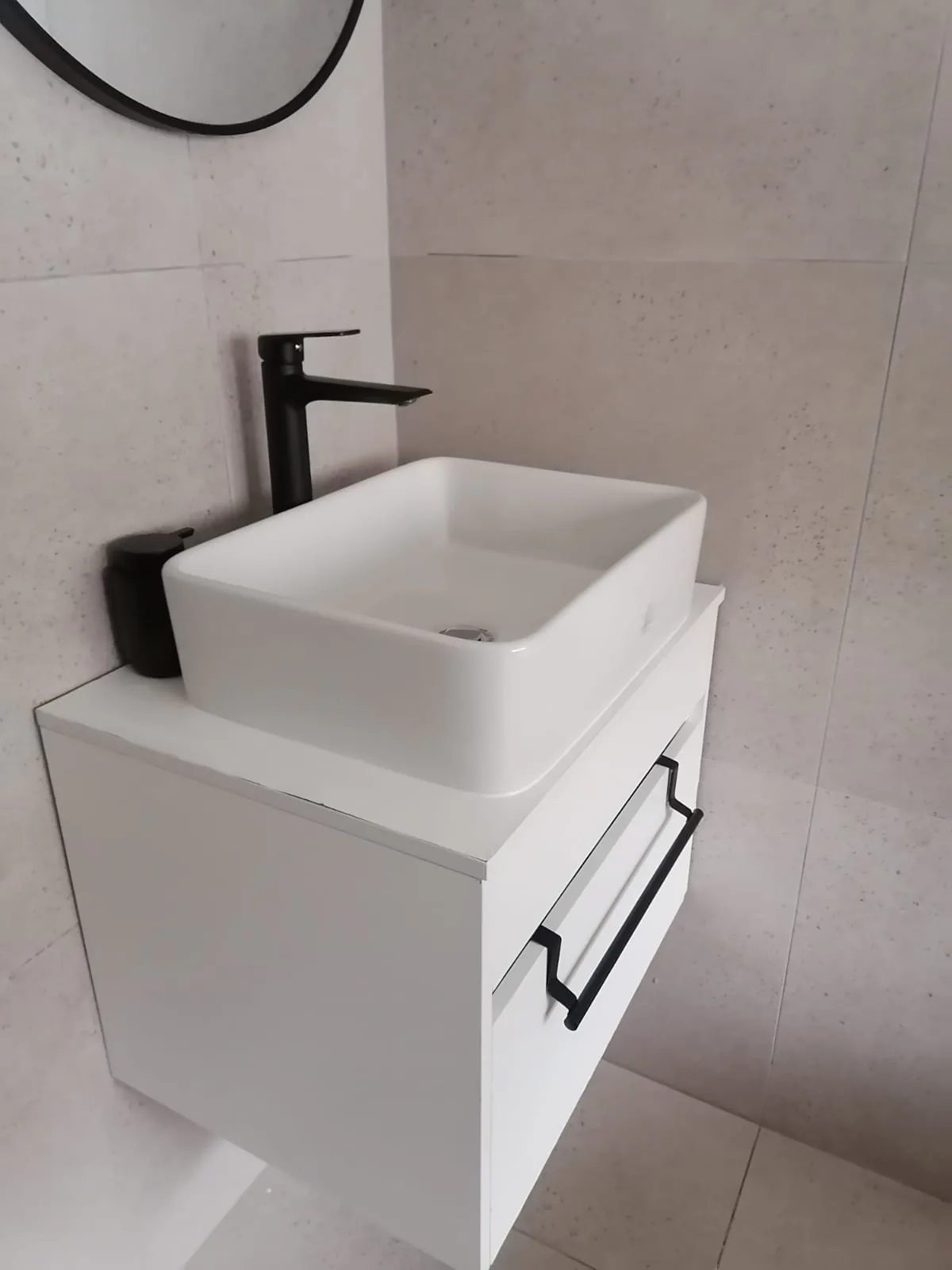
What we install and check
- Isolation valves on hot and cold so future cartridge or connector changes do not require shutting off the whole house
- Correct trap type and waste routing so the basin clears cleanly without odour
- Secure support for wall-hung or freestanding vanities so movement does not stress the pipework
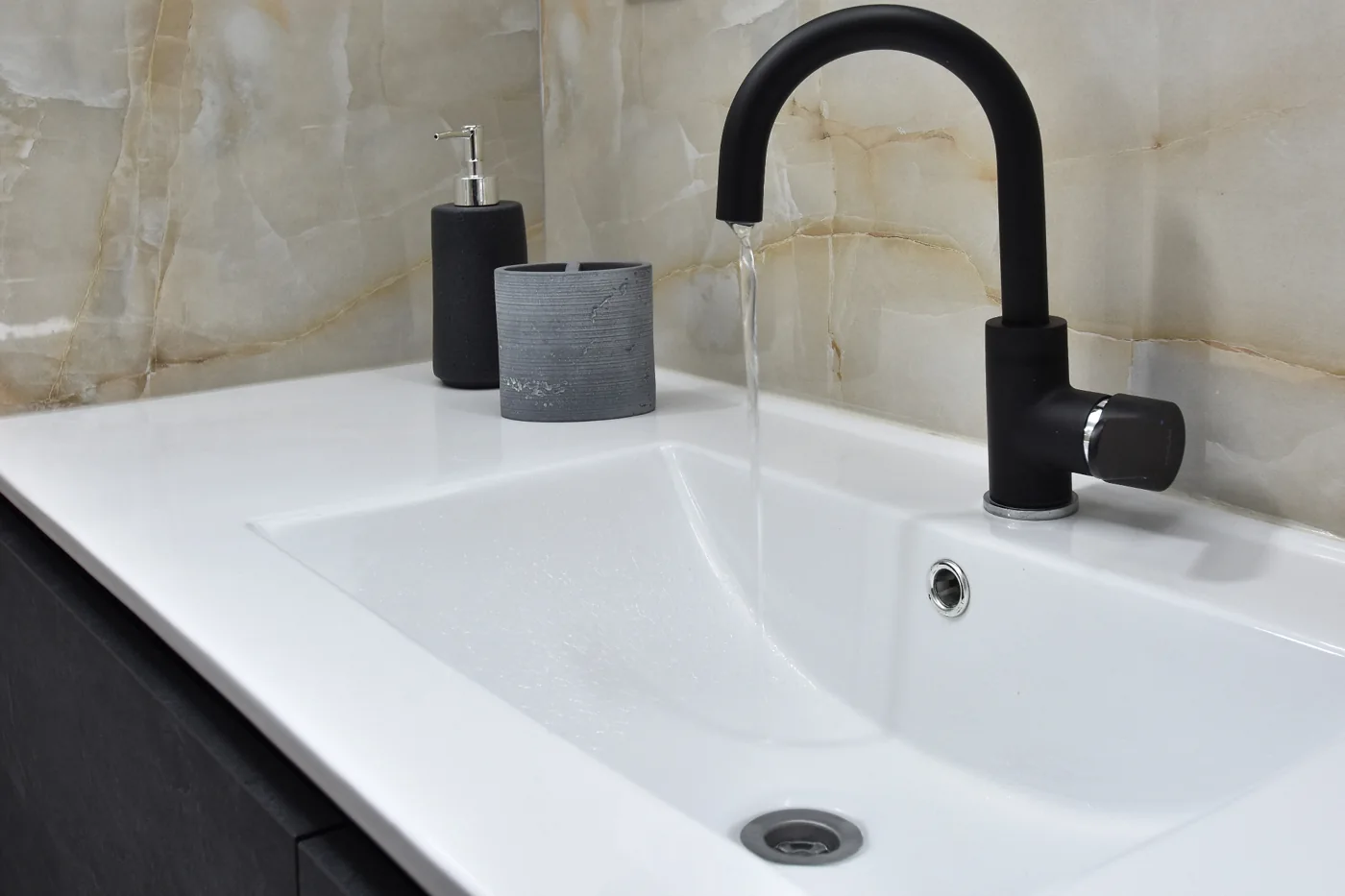
- Mixer height and orientation matched to the basin type (vessel, under-counter or semi-recessed)
- Full leak test under the vanity before the installation is handed over
For standalone basin repairs outside a full renovation, see our bathroom plumbing service page.
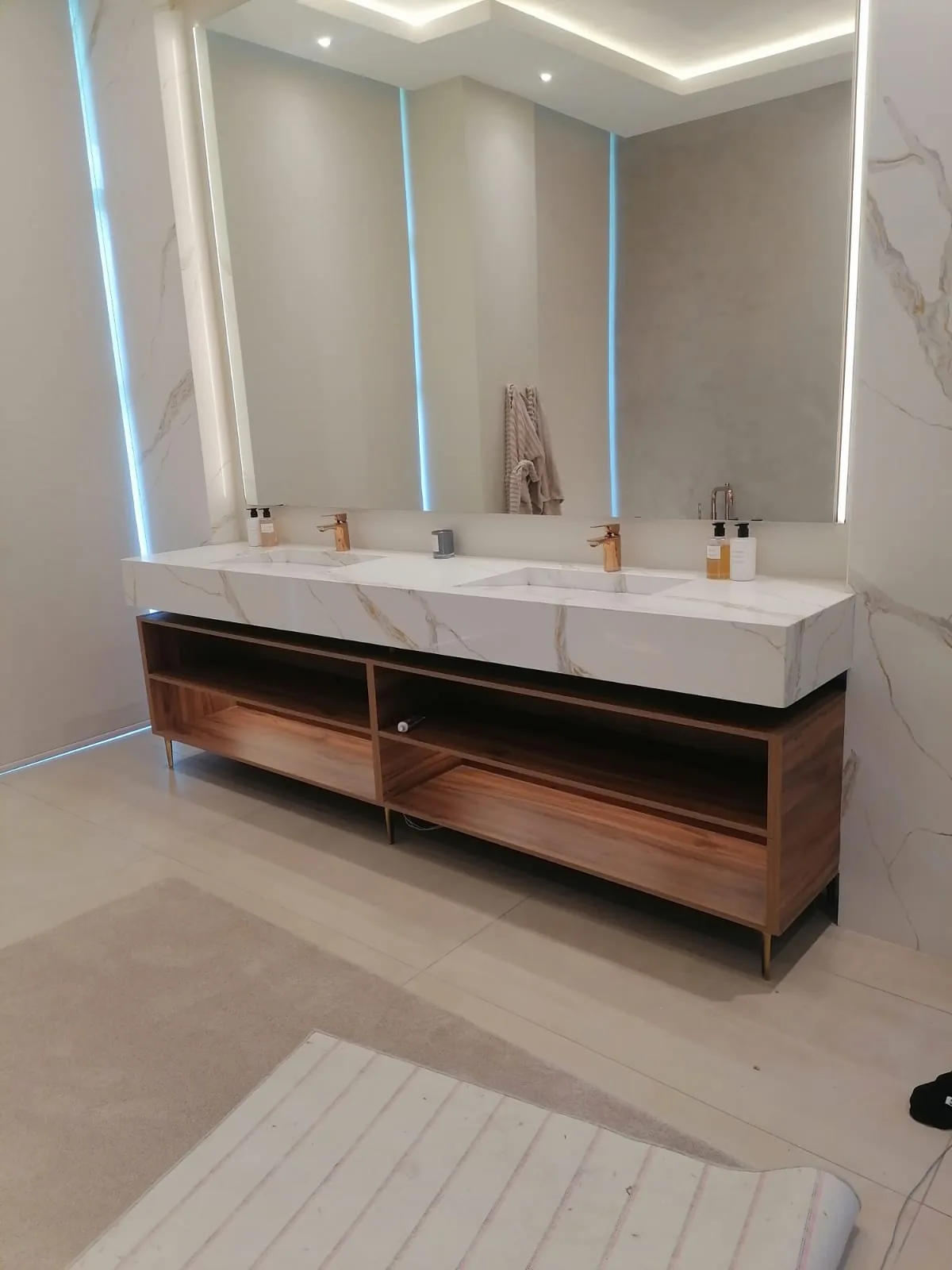
Double basins and larger vanities
Larger vanities with two basins need carefully planned supply and waste runs so both sides perform equally. We set an isolation valve on the hot and cold supply for each basin where the pipework allows, maintain continuous fall on the waste, and confirm that the trap arrangement remains accessible for future maintenance. Gold, black or chrome mixers are installed to the manufacturer’s connection requirements and tested for balance and shut-off before handover.
Shower and toilet plumbing
Showers and toilets are high-use fixtures. Incorrect falls, poorly set concealed mixers or weak soil connections are among the most common causes of post-renovation complaints.
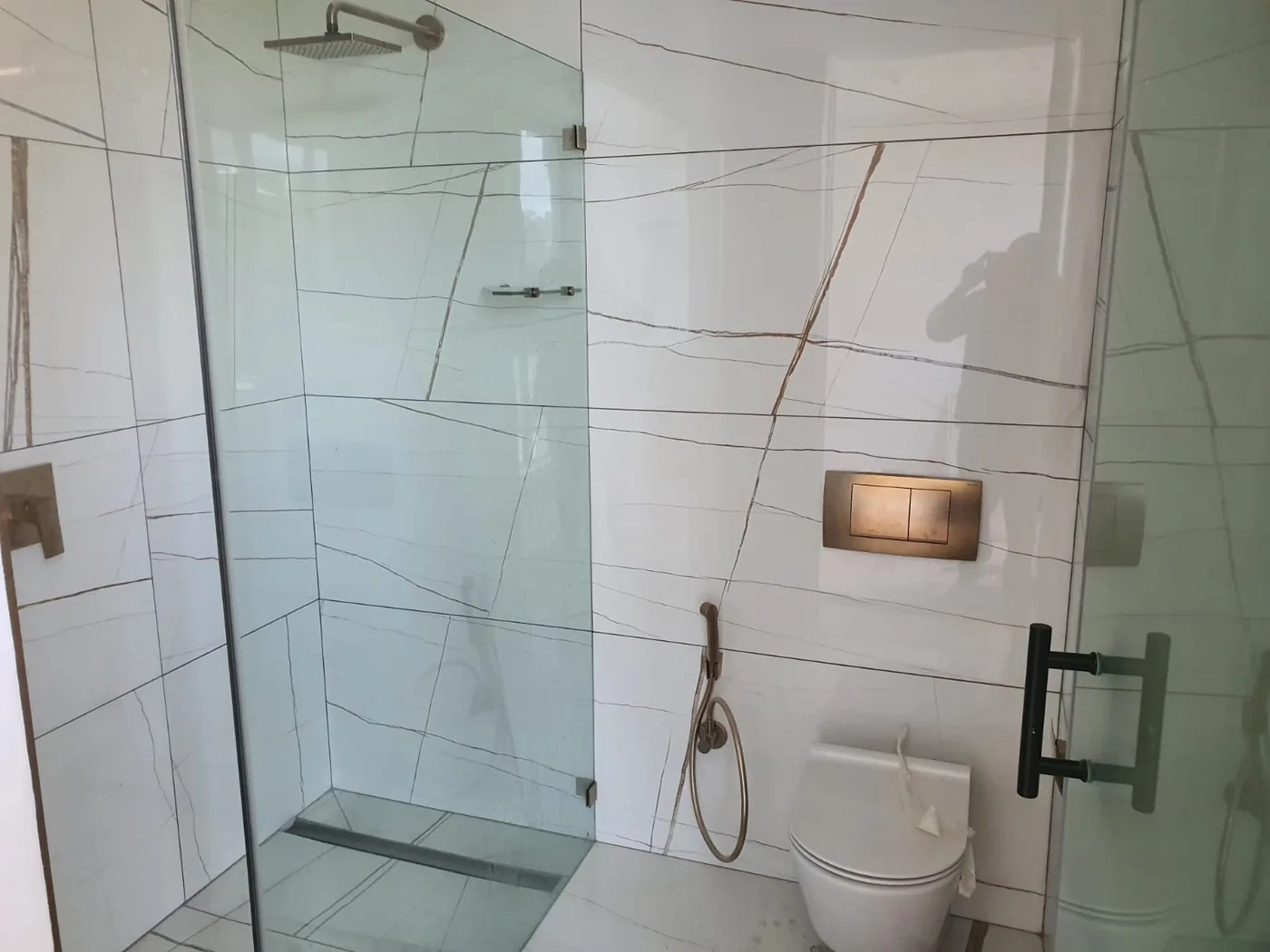
Shower plumbing
- Concealed or exposed mixers set at the correct depth and orientation
- Rain heads, handsets and diverters leak-tested before the enclosure is closed
- Floor waste or linear drain positioned for continuous fall
- Coordination with waterproofing at every penetration
Leaking or poorly performing showers after a renovation are often fixed under our leaking shower repair service — better to get the first install right.
Toilet installation and relocation
- Correct soil-pipe fall and secure pan seal
- Wall-hung or close-coupled systems with dual-flush where specified
- Flush-plate and cistern connections tested through multiple cycles
- Relocation assessed against structure, stack position and access
For toilet faults outside a renovation, see toilet repair.
Bath plumbing
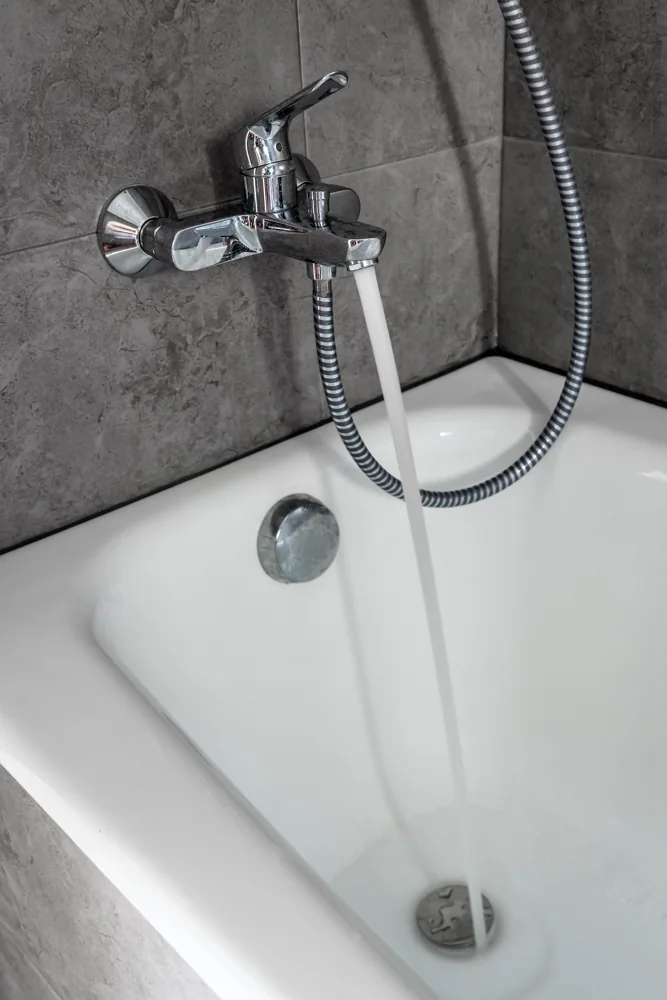
Baths need solid support, a reliable waste and overflow connection, and a mixer or spout that is fully tested before the panel or surround is fitted. A slow leak under a bath is expensive once the finishes are closed.
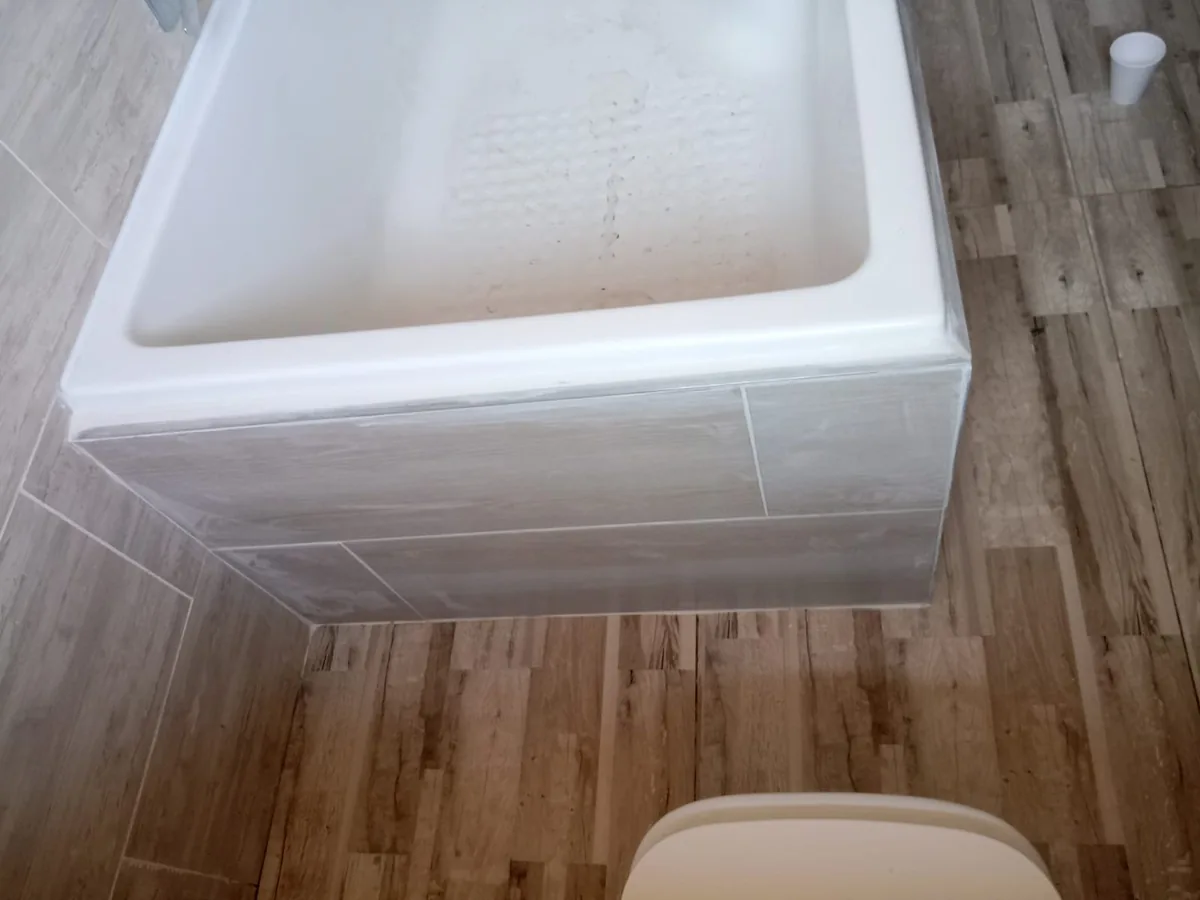
What we complete on bath installations
- Bath waste and overflow connected and tested
- Mixer or bath spout installed with correct hot and cold orientation
- Support checked so the bath does not flex under load and stress the pipework
- Access or removable panel left where practical for future service
Plan your bathroom renovation
Explore layouts, fittings, quotations and renovation plumbing across Gauteng and Cape Town. Choose a layout that suits your room, then plan the supplies, drainage and fixture connections before work begins.
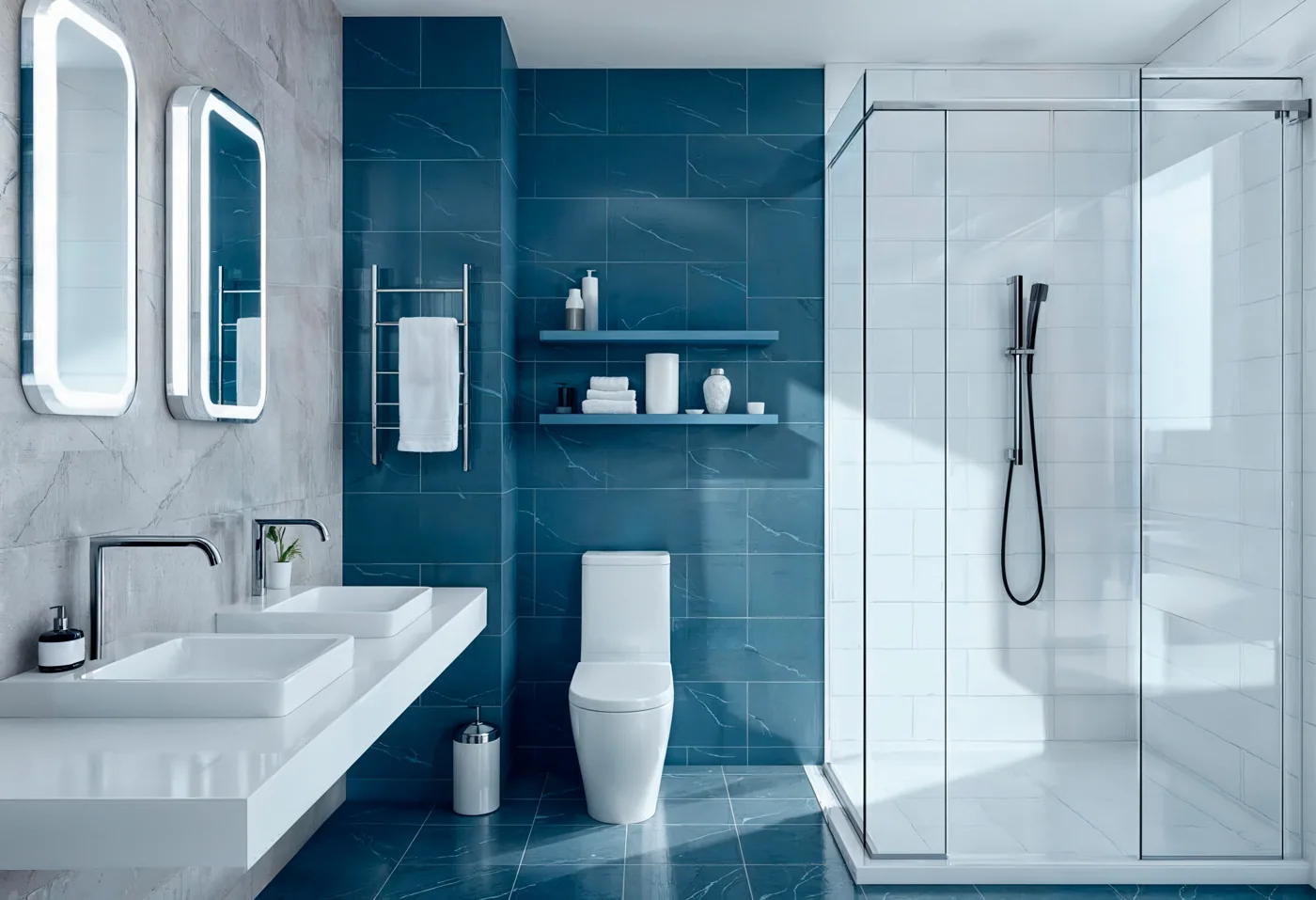
Bathroom renovations
Build your renovation around the way you use the room. Shower access, basin height, storage, lighting and cleaning space all matter alongside the finish. A good layout gives each fitting enough room and keeps frequently used items within easy reach.
Before choosing tiles or sanitaryware, have the existing water supplies, waste routes and hot-water provision assessed. Keeping some fixtures in their current positions may simplify the plumbing; relocating them needs a practical plan for drainage and access. Share your ideas and current bathroom photographs so the proposed work can be assessed before installation begins.
Discuss your renovation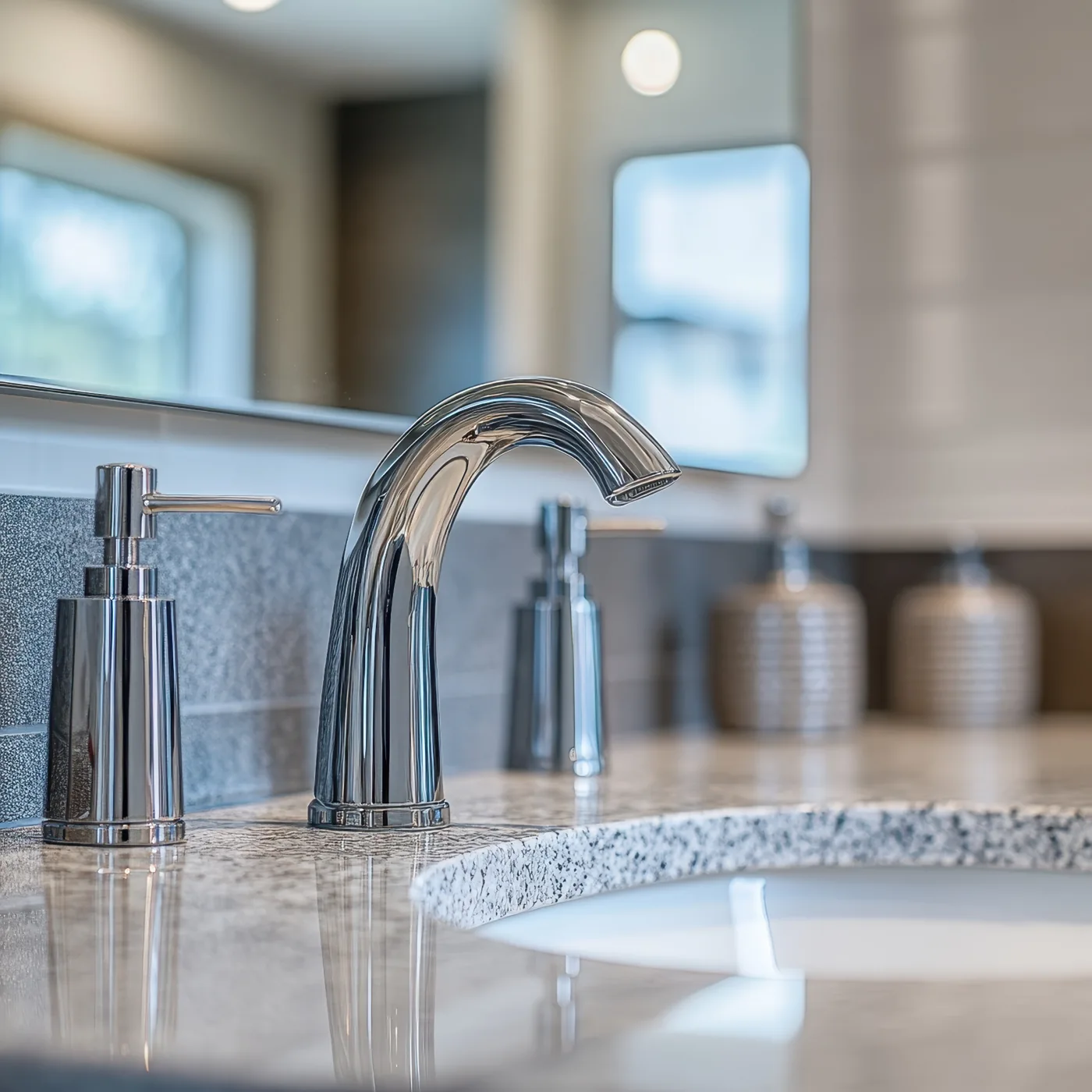
Bathroom renovation quotation
A useful bathroom renovation quotation starts with a clear brief: your suburb, room size, current layout, fittings to retain and changes you would like to make. Photographs and product details help identify the connections and access needed, while an assessment confirms what is practical on site.
Ask for an itemised scope showing labour, materials, fixture connections and testing, with any separately quoted work clearly identified. Confirm who supplies the sanitaryware and which building or finishing tasks are included. Agree the scope and price before work starts, and request approval of any additional work discovered once existing finishes are opened.
Bathroom renovation contractors
Choosing bathroom renovation contractors means checking how the different trades will work together. The plumber, builder, tiler and waterproofing contractor need agreed fixture positions, installation depths and a clear sequence before concealed work is covered.
Plumb A Nator handles the renovation plumbing described on this page, including supply routes, drainage alterations, sanitaryware connections and testing. Confirm the responsibility for each part of your project in the quotation. Product specifications should be available before first-fix, and the programme should allow for checks before tiling and final connections once the finishes are ready.
Discuss your renovation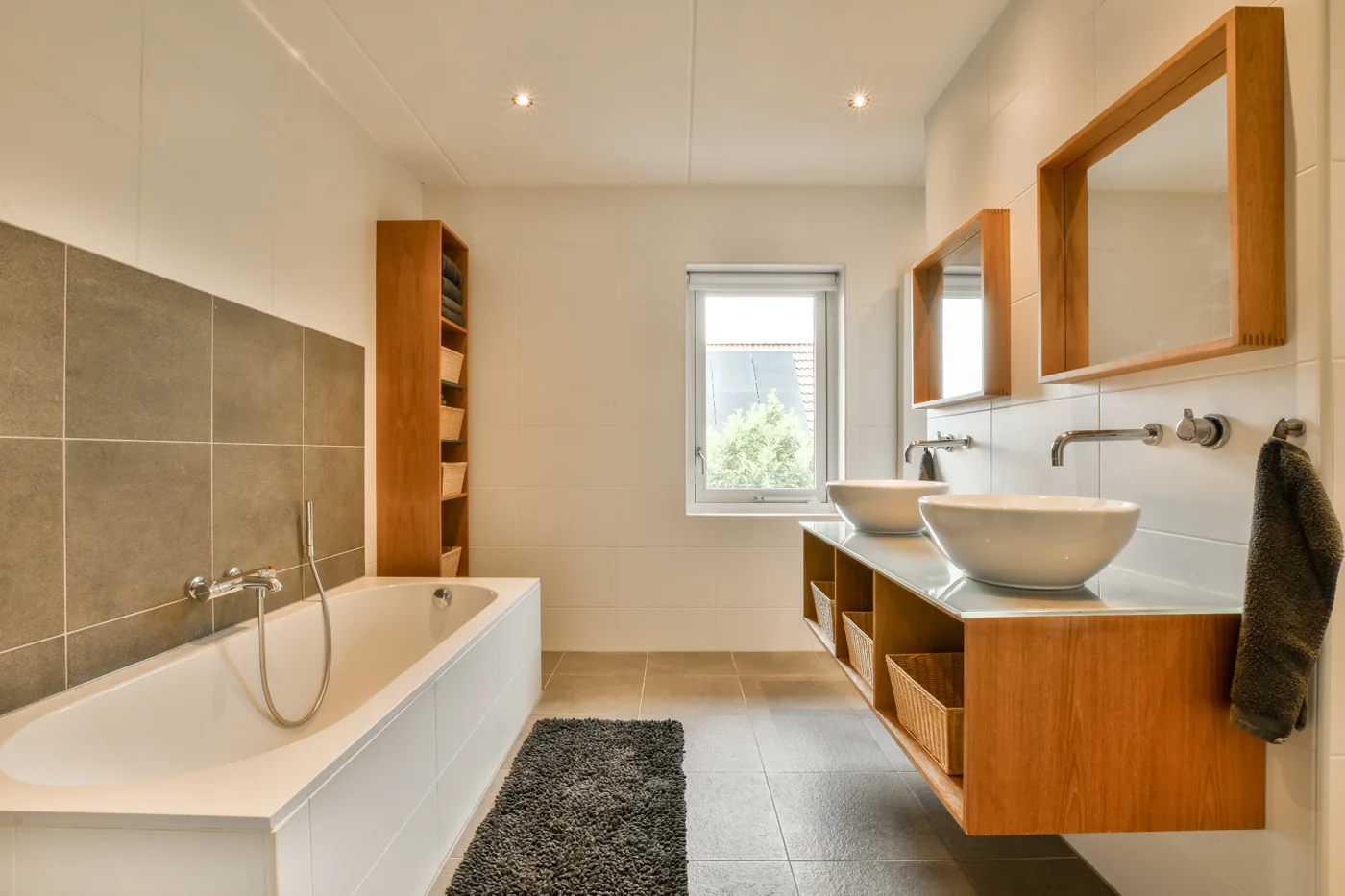
Complete bathroom renovations
Complete bathroom renovations need a coordinated plan from the existing room to the finished installation. That plan can include removal, layout changes, concealed plumbing, waterproofing, tiling, cabinetry and final fittings. Establish the full scope early so essential tasks are allowed for in the budget.
This page covers the plumbing component: assessing supplies and drains, preparing new connections, testing before concealment and fitting sanitaryware at final-fix. Agree the remaining work with the relevant contractors. A practical handover checks how fixtures operate, whether waste connections remain accessible and where isolation valves are located for future maintenance.
Discuss your renovation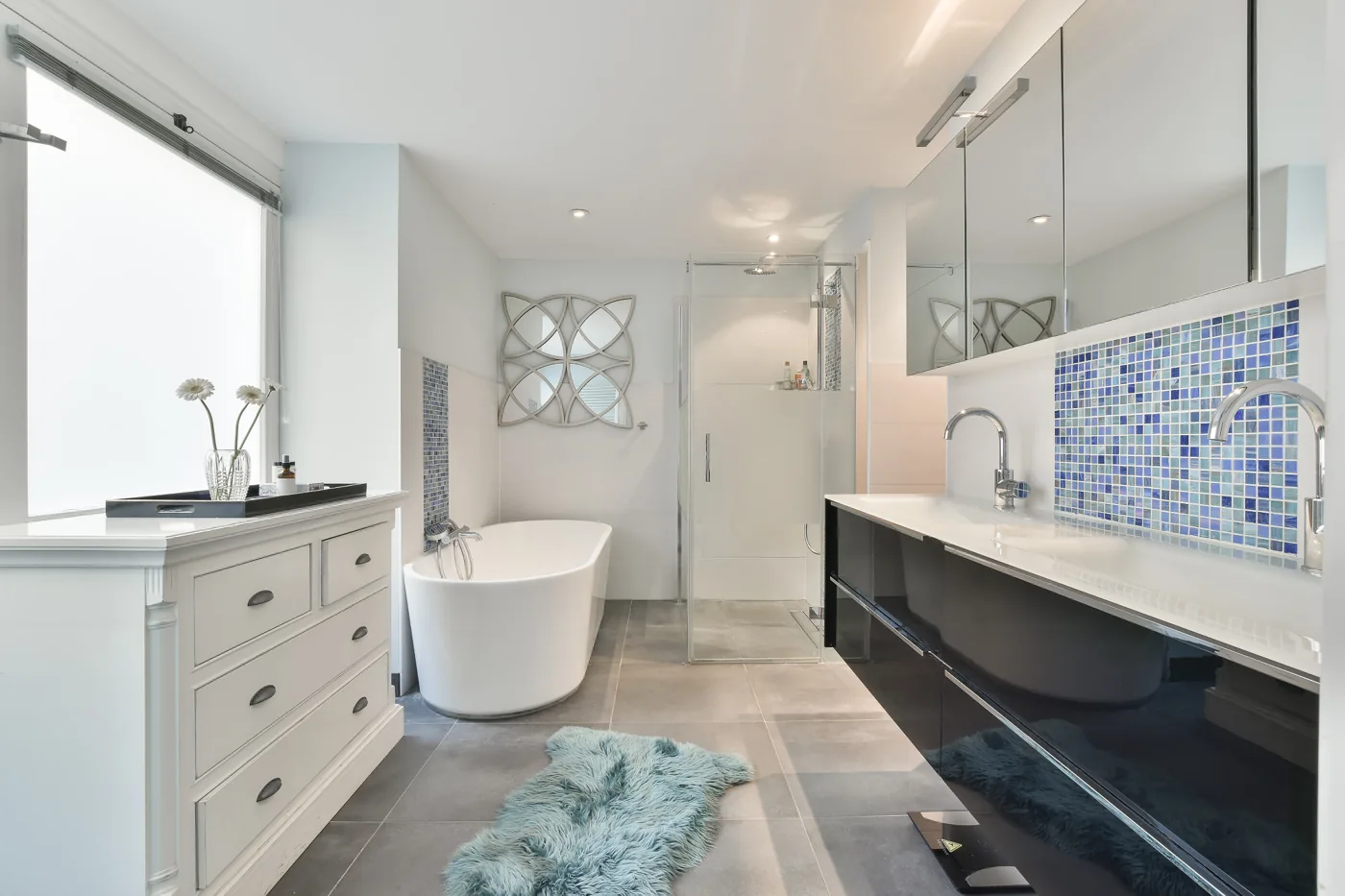
Luxury bathroom renovations
Luxury bathroom renovations combine considered proportions with fittings that feel comfortable in daily use. A freestanding bath, generous vanity or statement shower can become a focal point, but each choice needs space, suitable connections and a maintenance plan.
Check the requirements of concealed mixers, bath fillers and larger shower heads before first-fix. Flow, hot-water capacity and the dimensions of the selected products can influence the plumbing layout. Agree service access for concealed components and review samples of finishes together. The result should be both attractive and practical, with the specification confirmed before fittings are ordered.
Discuss your renovation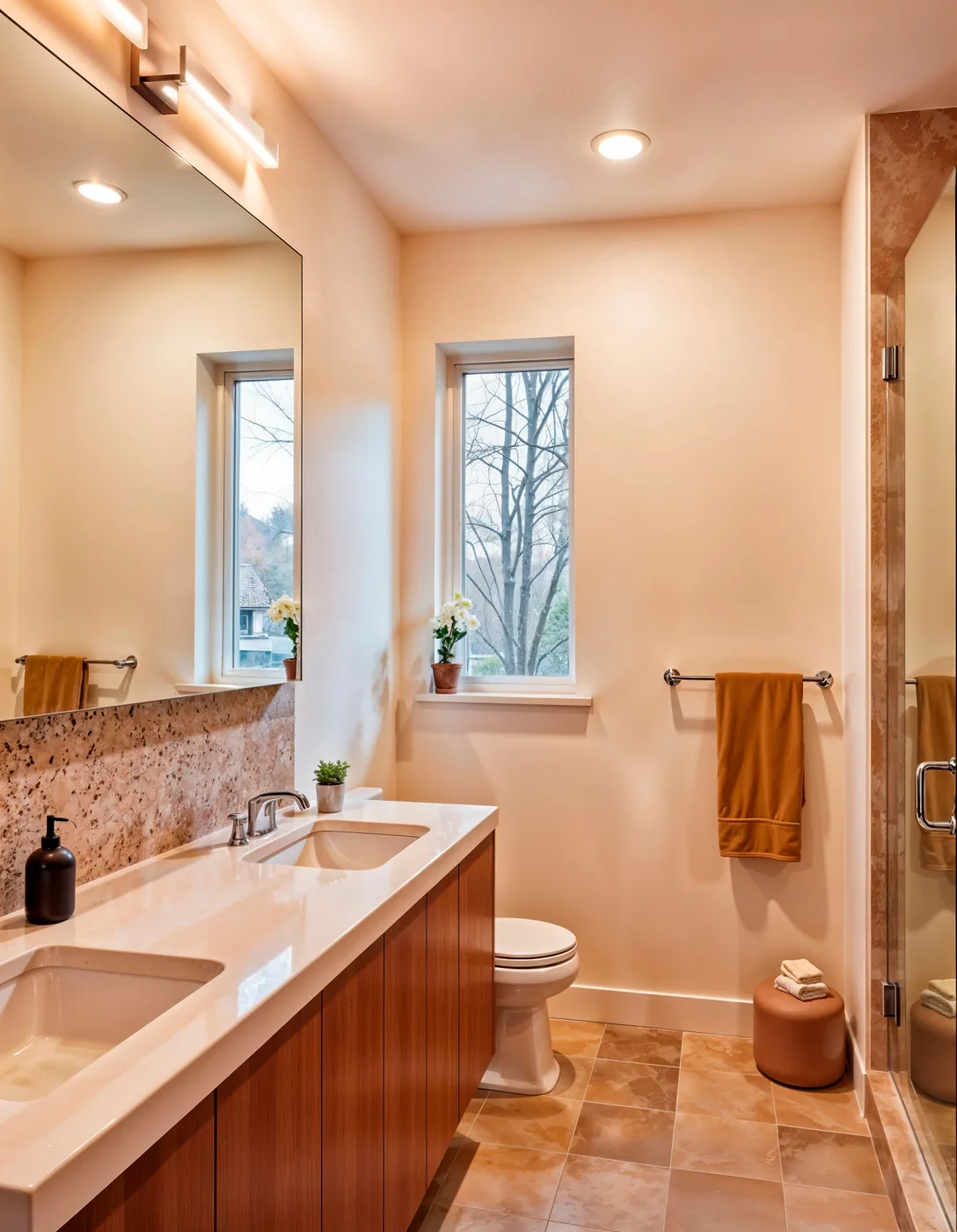
Bathroom design and installation
Bathroom design and installation work best when the layout and product specifications are considered together. Door swings, shower openings, basin projections and toilet clearances determine how comfortably the room can be used. Storage and accessible maintenance points also deserve attention.
Choose sanitaryware early enough for supply and waste positions to be set correctly. The plumbing installation then follows the agreed layout, with concealed supply pipework tested before finishes close. Final fixture connections take place when the room is ready. Where the layout changes, assess drainage routes and access first rather than assuming any fixture can be moved to any position.
Discuss your renovation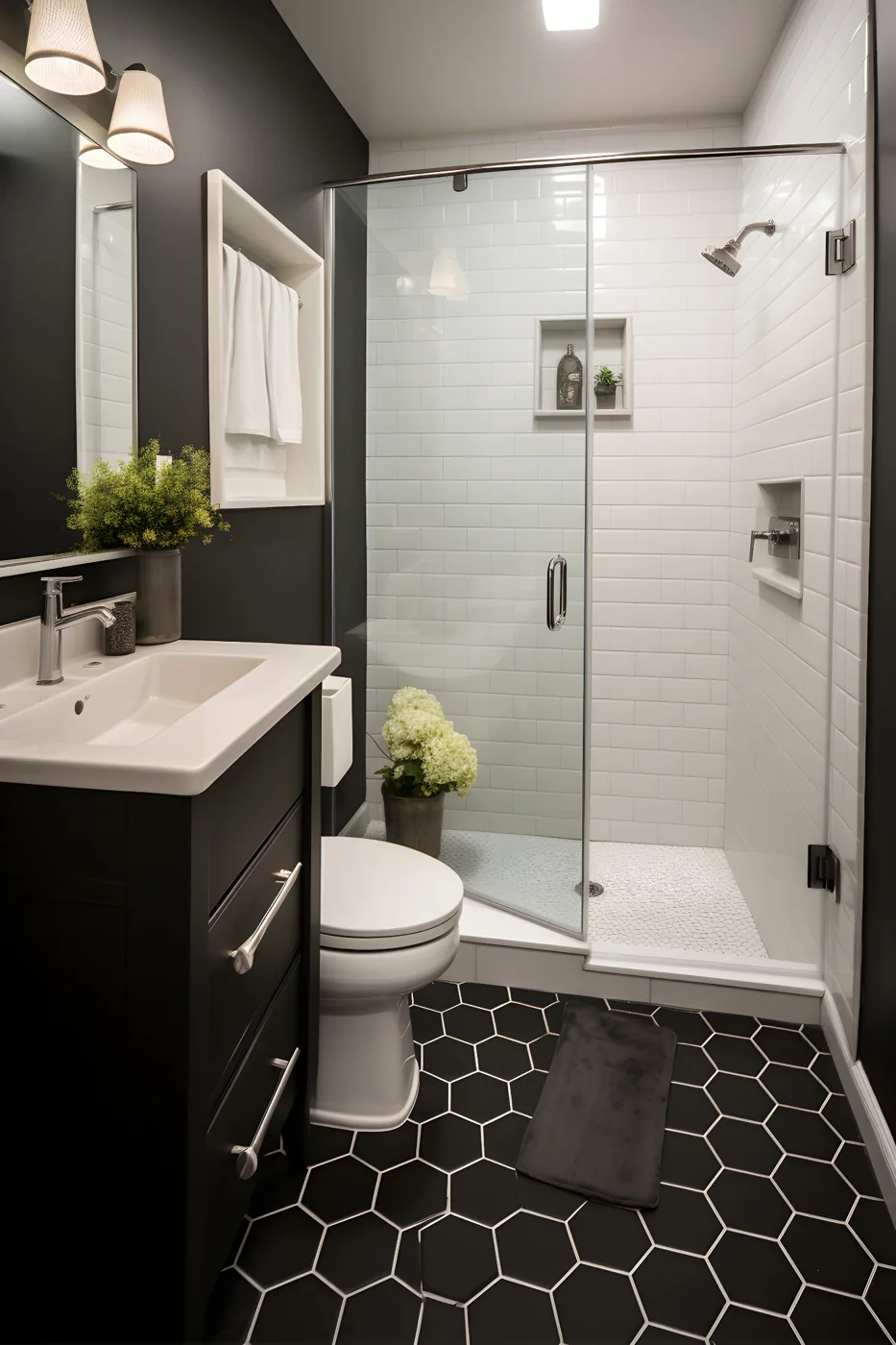
Bathroom renovation cost
Bathroom renovation cost depends on more than the size of the room. Moving a toilet, changing under-floor drainage or replacing deteriorated concealed pipes can affect the plumbing budget more than a straightforward fixture replacement. Product choices and access also influence the work required.
Compare quotations against the same scope rather than the total alone. Check materials, labour, testing, sanitaryware supply and separately priced work. Keeping a workable layout can reduce alterations, while replacing failing pipework during the renovation may avoid reopening new finishes later. A site assessment provides a firmer basis for pricing than photographs alone..
Discuss your renovation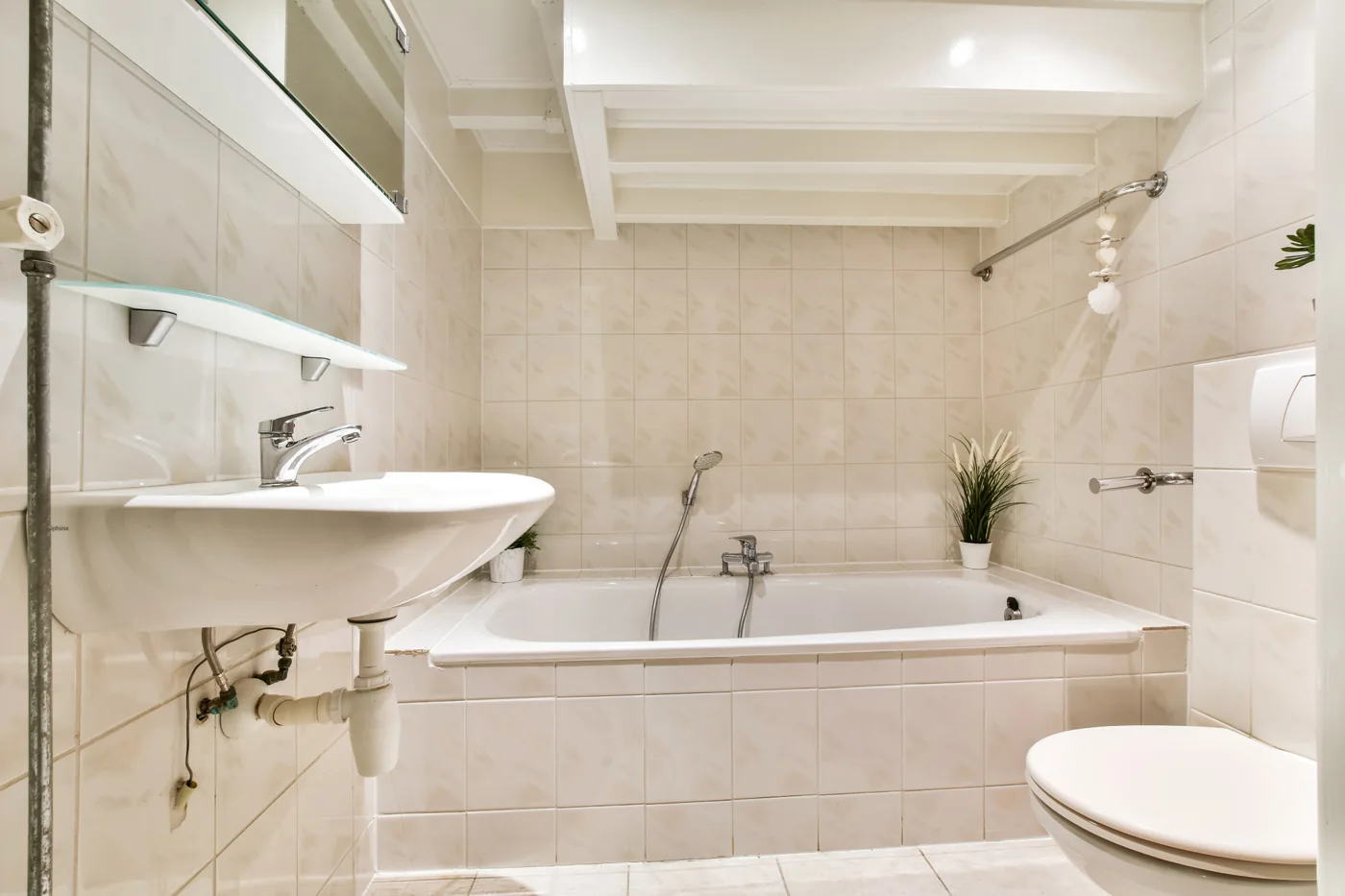
Bathroom renovations Gauteng
Our bathroom renovations in Gauteng range from a compact apartment bathroom to several bathrooms in a family home. Existing plumbing condition, access and the proposed layout determine the work required. Share the property location and whether it is a house, apartment or complex when requesting an assessment.
For apartments and managed complexes, confirm access arrangements and any restrictions with the relevant management team before scheduling work. Across Gauteng, including Johannesburg, Pretoria and surrounding service areas, the renovation plumbing should be planned around the actual property. Assess supplies and drainage, agree connections and coordinate the installation with the trades responsible for finishes.
Discuss your renovation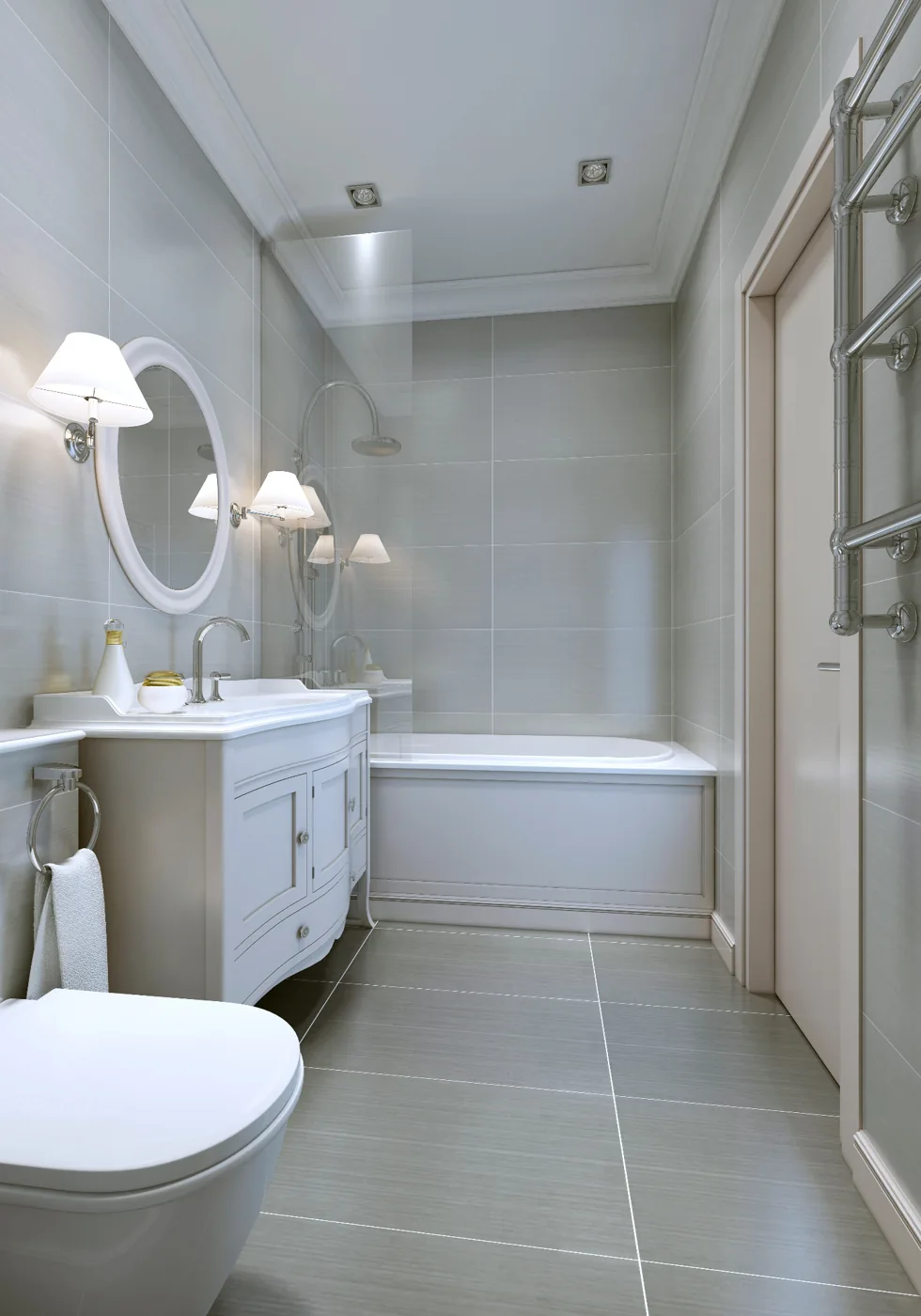
Bathroom renovations Pretoria
For bathroom renovations in Pretoria, we start with the existing room and the changes you want to make. Let us know whether you want to replace fixtures, add a shower, improve an en-suite or alter the whole layout. Include your suburb and photographs of the bathroom and accessible plumbing.
Assess the proposed fixture positions against supply routes, drainage falls and maintenance access before first-fix. If you have selected a wall-hung toilet or concealed mixer, provide the installation specifications early. Scheduling the plumbing around building, waterproofing and tiling helps avoid late changes. Attendance and project timing can be confirmed when the work and property location are reviewed.
Discuss your renovation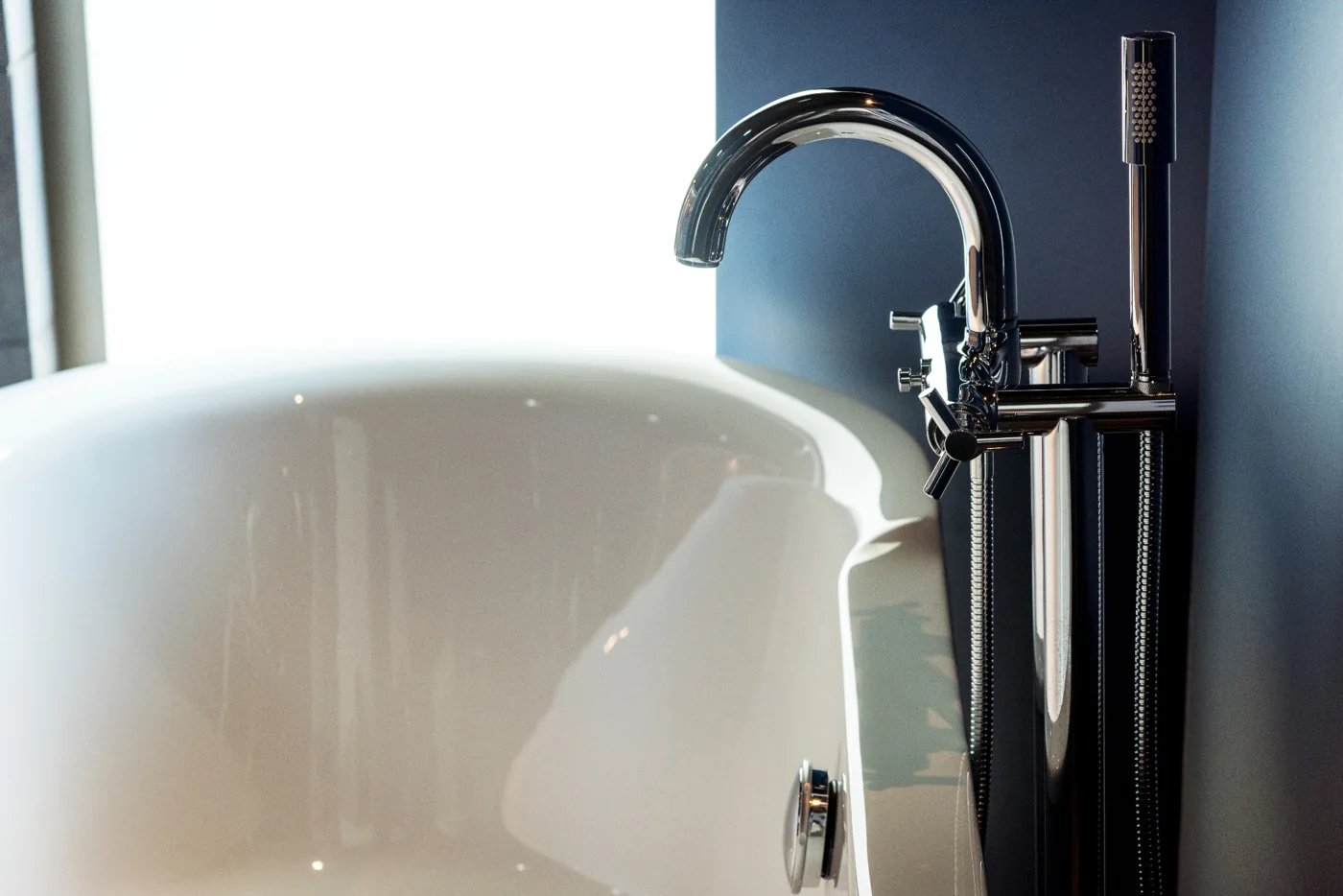
Bathroom renovations Cape Town
Our bathroom renovations in Cape Town begin with your preferred layout, property location and the fittings you would like installed. Whether you are updating an existing bathroom or planning a more extensive change, the plumbing needs to suit the room and the chosen products.
Provide photographs, approximate dimensions and details of any bath, shower or vanity already purchased. An assessment can establish connection requirements, hot-water provision and the practical extent of drainage alterations. Confirm project attendance, scope and scheduling before work begins.
Discuss your renovationWhat affects the cost of bathroom renovation plumbing
Plumbing costs form a significant but controllable part of a bathroom renovation. The main factors are:
- Scope of pipework changes — simple fixture replacement versus full layout redesign and new first-fix
- Condition of existing pipes — older copper or galvanised often needs partial or full replacement
- Number and type of fixtures — additional showers, freestanding baths or second toilets increase supply and waste runs
- Access and structure — solid walls, under-slab drainage or limited ceiling access raise labour time
- Geyser work — relocation or capacity upgrade adds dedicated hot-water routes and safety valves (see geyser installation)
- Testing and compliance — a supply pressure test, a drainage check and isolation valves add modest cost and reduce the chance of expensive rework
We always provide a clear, itemised quotation after assessing the site with the agreed work and any exclusions identified.
Compliance, CoCs and municipal requirements
Significant alterations to water supply or drainage may require municipal approval, depending on the local authority and the scope. That is separate from a Plumbing Industry Registration Board (PIRB) Certificate of Compliance.
PIRB’s published rule, current on its site as of 2024, is that a CoC is required for most plumbing work where the total value, including materials, labour and VAT, exceeds R1 500. It is also required regardless of cost for the installation, repair or replacement of electric, solar or heat-pump water-heating systems, and for the construction, installation or alteration of an above-ground or below-ground sanitary drain. Confirm the current rule on PIRB’s CoC guidance before relying on it for a specific project.
We advise on the practical requirements for your area and can assist with the documentation that applies to the plumbing scope.
Qualified teams, insured work and a company that stands behind its workmanship
Plumb A Nator provides bathroom renovation plumbing across Gauteng and Cape Town. Our teams are qualified, we carry public liability insurance, and we offer guarantees on all work we complete. Those commitments matter when the work involves your home, concealed pipework and fittings that you expect to use every day.
We approach a renovation as a planned installation. Before new connections are set, we assess the existing supplies and drains, discuss the proposed fixtures and establish the plumbing work required. A new basin, shower or toilet needs more than an attractive finish: its connections must suit the selected product, its drainage must work, and its service points should remain accessible.
Qualified teams for the work behind the finishes
Our qualified teams carry out the supply, waste and sanitaryware work described in the agreed plumbing scope. On bathroom projects, that includes planning connection positions, installing pipework, fitting mixers and connecting fixtures. We check installation requirements before concealed components are covered, because a mixer set at the wrong depth or an inaccessible connection can be difficult to correct once tiles are fitted.
We coordinate the plumbing stages with the people responsible for building, waterproofing and tiling. Agreed fixture positions and product specifications give each trade a clear basis for its work. If an existing pipe or proposed route needs further attention, it should be addressed while access is available.
Public liability insurance
Plumb A Nator carries public liability insurance. Working in an occupied property involves responsibility for the surroundings as well as the installation itself. Insurance provides cover for qualifying liability claims under the policy; it complements careful working practices and does not replace the checks needed on site.
If you or your property manager require evidence of cover for the project, request the relevant insurance details before work starts. Any cover limits, exclusions and claim requirements are governed by the policy. We keep insurance separate from our workmanship guarantee so you can understand what each applies to.
Guarantees on all work completed
We offer guarantees on all work we do. Ask us to confirm the applicable guarantee period, scope and terms for your project before accepting the quotation. That gives you a clear record of the workmanship covered and the process to follow if you need assistance after completion.
A workmanship guarantee and a manufacturer's product warranty serve different purposes. Where you supply a basin, toilet, mixer or other fitting, its product warranty remains subject to the supplier's terms. Keep the quotation, product information and guarantee details together so a later concern can be assessed against the installation and the fitting involved.
Checks before concealment and at handover
New water-supply pipework is pressure-tested before walls, floors or finishes close around it. Drainage is checked separately for fall and leaks. At final-fix, we connect the sanitaryware and operate the fixtures to check the visible connections, drainage, flow and shut-off.
Our quotation establishes the agreed work before installation begins. For a single bathroom, an en-suite or a larger project, tell us the property location, the fittings you have selected and the changes you want. We can then assess the plumbing requirements and discuss the installation stages. Learn more about Plumb A Nator or meet our teams.
Frequently asked questions
Can you move the toilet or shower during a renovation?
Yes, in most cases. Drainage falls, soil-pipe routes, structure and access must be checked first. We assess the practicality of the proposed positions and advise on the most reliable layout before first-fix begins.
Do I need permits or a CoC for bathroom plumbing work?
Municipal approval requirements vary by local authority and the scope of the work. A PIRB Certificate of Compliance is required for most plumbing work above R1 500 and for certain categories such as sanitary-drain alterations and specified water-heating systems. We can advise on the requirements that apply to your project.
Should I replace old copper or galvanised pipes during the renovation?
If the existing pipes are corroded, undersized or poorly routed, the renovation is the best time to upgrade. Leaving deteriorated pipework behind new tiles can result in higher costs later, because access becomes more difficult once the finishes are installed. Read more about material choices in old copper pipes vs modern plastic plumbing.
Can you install sanitaryware I have already purchased?
Yes, provided the products are complete and suitable for the existing or planned connections. We confirm compatibility (connection type, dimensions, waste position) before installation and will flag any missing or incompatible fittings early.
How long does bathroom renovation plumbing usually take?
First-fix for a standard bathroom is typically completed in one to three days once the layout is agreed. Final-fix follows once tiling and waterproofing are ready. Larger layout changes or multi-bathroom projects take longer and are scheduled to fit the overall renovation programme.
Who is responsible for waterproofing around showers and baths?
Waterproofing is not part of the plumbing scope. It is usually done by a waterproofing contractor or as part of the tiling package. Our role is to leave penetrations and mixer positions ready for that detail.
How is this different from a bathroom repair?
A repair restores an existing fixture or pipe. Renovation plumbing plans the new layout, replaces failing concealed pipework where needed, pressure-tests the first-fix, then connects the sanitaryware after tiling. If you do not need the layout or concealed pipework changed, use the bathroom plumbing service instead.
When should the plumber be involved in the renovation?
Before demolition. That is the point at which existing supplies, drainage and geyser capacity can still be assessed, and the layout can still change without opening new finishes.
Will you pressure-test before the walls are closed?
New water-supply pipework is pressure-tested before walls, floors or finishes are closed. Drainage is checked separately for correct fall and leaks. Those are not the same test.
Can a wall-hung toilet be installed in an older house?
Often, yes, if the wall or frame can carry the cistern and the soil stack is close enough for a correct fall. We check structure, stack position and access before committing to a wall-hung pan.
Do you coordinate with the builder and tiler?
Yes. We agree fixture positions, penetrations, floor wastes and concealed mixer depths with the builder and tiler before finishes close, so each trade knows what the other is covering.
Can you add a shower where there is currently only a bath?
In most bathrooms, yes. We check drainage fall, waterproofing coordination and hot-water capacity, then set the mixer, waste and supplies before the enclosure is installed.
What isolation valves do you fit?
We fit isolation valves on the hot and cold supply at each fixture where the pipework allows, including each basin on a double vanity, so a cartridge, connector or tap can be serviced without shutting off the whole house.
Can the geyser be relocated as part of the bathroom renovation?
Yes, where access and ventilation allow. Relocation or a capacity upgrade is quoted separately and includes the hot-water route and required safety valves.
Is the call-out and quotation free?
Yes. The assessment call-out and the quotation are free. Work starts only after the scope and price are agreed.
What happens after you contact us
Tell us which bathroom you are renovating. We assess the plumbing, explain the work required, and send a quotation. Work starts only once the scope and price are agreed.