Plumbers Near Me logo
24/7 emergency response when plumbing problems cannot wait

Emergency Plumbers Near Me

Emergency plumbers near me for burst pipes, blocked drains, leaking toilets, active leaks, and urgent hot-water faults

We deliver emergency plumbers near me support for homes, businesses, and urgent plumbing breakdowns. Free call-out fees, free quotes, fast response, and guarantees help reduce stress when water problems strike.

Free call-out messagingFree quotes24/7/365 availabilitySame-day support where possible
  • Phone: 067 657 6109
  • Emergency: 067 895 4361
  • WhatsApp: 072 139 8945

Quick tips before we arrive

  • Turn off the main supply before flooding spreads.
  • Keep children away from slippery wet areas.
  • Let us know if ceilings, electrics, or only one bathroom are affected.
Emergency plumber working with a concealed toilet flush plate

Emergency Plumbers Near Me For Urgent Leaks, Burst Pipes, Blocked Drains, Toilets And Geysers

When a plumbing problem becomes urgent, the first thing most customers need is clear guidance and fast help. Water running through a ceiling, a toilet that will not stop overflowing, a geyser leaking in the roof space, a blocked drain pushing wastewater back into the property, or a pipe spraying water outside can quickly create stress and damage. This page is designed to help you recognise the type of emergency you are dealing with, understand what should happen next, and move to the right service without having to search through the whole website.

An emergency plumber should first help you control the immediate risk. That may mean isolating the water supply, stopping further overflow, protecting electrical areas, checking whether the problem is linked to a fixture or the main line, and explaining whether the repair can be completed immediately. Some jobs are simple once the fault is exposed. Others need leak detection, drain clearing, geyser testing, pipe replacement, or a follow-up repair after the emergency has been made safe.

The photo sections below show the kinds of real problems customers often face: active leaks, hidden pipe failures, leaking ceilings, underground burst pipes, blocked toilets, blocked drains, sewer backups, geyser faults, water main issues, and bathroom or kitchen plumbing failures. Each section keeps the information practical so a customer can see what the problem usually means, what should be checked on site, and which service page is most relevant, such as emergency burst pipe repair, blocked drain cleaning, blocked toilet plumbers, or geyser repair.

The goal is simple: reduce panic, protect the property, and give the customer a clear next step. If water is actively leaking, keep away from electrical points, shut off the nearest safe valve or the main supply where possible, and avoid using blocked fixtures until help arrives. The sections below then guide the customer through the most common emergency plumbing repairs and the signs that show when fast professional attention is needed.

Emergency Plumbing Problems And Repair Services

This section connects the emergency plumbing problems customers usually see on site with the repair services that solve them. The layout keeps each problem easy to scan, with real plumbing images, practical next steps, and bold internal links to the most relevant service pages.

Water Leak Emergencies

Leaks can start behind walls, under floors, in ceilings, around valves, or outside near water mains. Fast isolation and accurate tracing help protect cupboards, floors, ceilings, and electrical areas before the damage spreads.

Active Leak Repair emergency plumbing service image

Active Leak Repair

Active leak repair deals with water escaping under sinks, behind toilets, around geysers, inside walls, under floors, in ceilings, around isolation valves, and at visible pipe joints. The plumber first isolates the affected line, traces the exact leak point, checks whether the failure is a loose fitting, cracked pipe, failed seal, pressure issue, worn valve, or damaged connection, and then repairs or replaces the faulty section before testing it under pressure. For closely related help, visit Active Leak Repair for more detail on this specific service.

Emergency Leak Detection emergency plumbing service image

Emergency Leak Detection

Emergency leak detection is used when water damage is visible but the source cannot be found by simple inspection. Damp patches, mould, bubbling paint, warped flooring, low pressure, or a moving water meter can point to a hidden leak behind walls, under floors, below paving, or underground. Accurate detection helps the plumber expose the correct area and avoid unnecessary breaking or digging. For closely related help, visit Emergency Leak Detection for more detail on this specific service.

Ceiling Leak Repairs emergency plumbing service image

Ceiling Leak Repairs

Ceiling leak repairs are urgent because water above a ceiling can spread before the customer sees the full problem. Brown stains, bubbling paint, sagging boards, dripping near lights, or moisture after a geyser or bathroom fault must be controlled quickly. The plumber makes the area safer, finds the plumbing source, repairs the fault, and checks that dripping has stopped before ceiling restoration is considered. For closely related help, visit Ceiling Leak Repairs for more detail on this specific service.

Burst Pipe Emergencies

Burst pipe emergencies need fast attention because damaged pressurised pipework can release large amounts of water into walls, ceilings, floors, gardens, driveways, cupboards, or service ducts.

Emergency Burst Pipe Repair emergency plumbing service image

Emergency Burst Pipe Repair

A burst pipe can release a surprising amount of water in a short period of time. Customers often notice water running down walls, dripping through ceilings, pooling on floors, or flooding gardens and driveways. The plumber isolates the supply, locates the failed section, checks the pipe material and pressure conditions, repairs or replaces the damaged part, and tests the line before restoring water. For closely related help, visit Emergency Burst Pipe Repair for more detail on this specific service.

Underground burst pipe spraying water inside an excavated trench

Underground Pipe Repairs

Underground pipe failures often show as wet paving, soft soil, low pressure, a constantly running meter, or an unusually high water account. Emergency underground pipe repairs focus on locating the leak accurately, exposing only the necessary section, repairing or replacing the damaged pipe, and checking that the surrounding line is stable enough to reduce repeat failures. For closely related help, visit Underground Pipe Repairs for more detail on this specific service.

Water main valve box and supply access point outside a property

Water Main Repairs

A damaged water main can affect the whole property and may cause severe water loss, pressure problems, muddy ground, or flooding outside the building. The plumber isolates the line where possible, traces the failure point, checks valves and fittings, repairs the damaged section, and confirms that normal pressure has returned without further leakage. For closely related help, visit Water Main Repairs for more detail on this specific service.

Burst Pipe Warning Signs emergency plumbing service image

Burst Pipe Warning Signs

Corrosion marks, damp timber, mineral build-up, rusty sections, or small wet spots around pipework can warn that a pipe is close to failure. When these signs appear near ceilings, floors, or hidden service areas, the safest next step is to investigate before the pipe splits completely and causes a larger emergency.

Emergency Drain Cleaning

Blocked drains become urgent when wastewater has nowhere to go. Slow drainage, bad smells, gurgling, overflowing gullies, and water backing up through fixtures should be handled before contamination spreads.

Blocked outside drain chamber holding dirty backed-up water before cleaning

Blocked Drain Cleaning

Blocked drain cleaning is needed when wastewater stops flowing away from the property and begins backing up through fixtures or outside drains. The blockage may be caused by grease, soap residue, sand, foreign objects, tree roots, or a damaged drain line. The plumber clears the blockage, flushes the line where possible, and checks whether the problem is isolated or likely to return. For closely related help, visit Blocked Drain Cleaning for more detail on this specific service.

Open drain inspection chamber with standing wastewater during emergency unblocking

Emergency Drain Unblocking

Emergency drain unblocking focuses on restoring safe flow when the blockage is already causing overflow, bad smells, gurgling, or wastewater backup. The immediate blockage is cleared first, then the plumber checks whether normal build-up, incorrect use, root intrusion, or a damaged pipe section caused the problem. For closely related help, visit Emergency Drain Unblocking for more detail on this specific service.

Close view inside a drain line used for video camera drain inspection

Video Camera Drain Inspections

A video camera drain inspection is useful when drain blockages keep returning or when the cause cannot be confirmed from the surface. The camera helps identify cracks, collapsed sections, root intrusion, scale build-up, foreign objects, or poor pipe alignment so the customer gets a clearer repair plan before more expensive work starts. For closely related help, visit Video Camera Drain Inspections for more detail on this specific service.

Emergency Toilet Repairs

Toilet emergencies need quick, hygienic attention when flushing is unsafe, the bowl overflows, smells appear, or the only toilet on the property cannot be used.

Toilet bowl with water held high during a blocked toilet repair call-out

Blocked Toilet Repairs

Blocked toilet repairs are required when the toilet does not flush properly, water rises in the bowl, sewage smells appear, or the toilet overflows. The plumber clears the obstruction safely, tests the flush, checks for leaks around the pan and cistern, and confirms whether the blockage is local to the toilet or part of a larger drain problem. For closely related help, visit Blocked Toilet Repairs for more detail on this specific service.

Toilet bowl with blue water and bubbles during overflowing toilet repair

Overflowing Toilet Repairs

An overflowing toilet is urgent because it can create hygiene risks and damage flooring within minutes. The first step is to stop further water entering the bowl where possible and prevent wastewater from spreading. The plumber then identifies whether the overflow is caused by a blockage, faulty filling valve, drainage restriction, or sewer backup. For closely related help, visit Overflowing Toilet Repairs for more detail on this specific service.

Flexible toilet pan connector fitted behind a toilet during leak repair work

Toilet Leak Repairs

Toilet leaks may appear around the base, behind the pan, from the cistern, at the inlet valve, or from the flush mechanism. Even small leaks can damage floors, increase water bills, and create damp smells if ignored. The plumber traces the leak, replaces faulty seals or components, checks the supply connection, tests the flush, and makes sure the toilet is stable and watertight. For closely related help, visit Toilet Leak Repairs for more detail on this specific service.

Emergency Geyser Repairs

Geyser problems can cause ceiling leaks, no hot water, safety valve discharge, or full tank failure. Water and power must be handled safely before repairs continue.

Geyser casing with rust staining and water marks from a leaking geyser

Leaking Geyser Repairs

Leaking geyser repairs are needed when water escapes from the tank, valves, drip tray, pipe connections, or overflow system. A leaking geyser can damage ceilings and nearby electrical areas, so the installation must be made safe before repairs continue. The plumber checks the source of the leak, tests pressure-related components, inspects valves and fittings, and advises whether repair or replacement is safer. For closely related help, visit Leaking Geyser Repairs for more detail on this specific service.

Replacement geyser installation with valves and wet drip tray area

Burst Geyser Replacements

A burst geyser usually means the tank has failed and can no longer safely hold pressure. The priority is to isolate water and power, control the leak, and prevent further ceiling or roof-space damage. The plumber removes the failed unit, checks the installation area, fits the correct replacement geyser, installs required safety components, and tests the system. For closely related help, visit Burst Geyser Replacements for more detail on this specific service.

Open geyser thermostat and wiring area checked during no hot water repair

No Hot Water Repairs

No hot water can be caused by a failed element, faulty thermostat, tripped electrical protection, wiring problems, or geyser control faults. The plumber confirms whether the issue is plumbing-related, electrical, or both, identifies the failed component, completes the repair safely, and tests the geyser to confirm hot water is restored without leaks or unsafe pressure behaviour. For closely related help, visit No Hot Water Repairs for more detail on this specific service.

Geyser pressure control valve inside a wall box during repair work

Pressure Valve Repairs

Pressure valve problems can cause constant overflow, dripping discharge pipes, unstable hot-water pressure, or unnecessary water loss. These valves are safety-critical components. The plumber checks the pressure control valve, temperature and pressure valve, vacuum breakers, and related pipework before replacing the failed part. For closely related help, visit Pressure Valve Repairs for more detail on this specific service.

Sewer Emergencies

Sewer emergencies must be handled urgently because wastewater can create smells, hygiene risks, contamination, and repeated backups through toilets, showers, baths, basins, and outside drains.

Multiple outside sewer access pipes along paved service area

Sewer Line Cleaning

Sewer line cleaning is required when wastewater from toilets, showers, basins, baths, and outside drains cannot leave the property properly. The blockage may be caused by roots, grease, collapsed pipes, foreign objects, or long-term build-up. The plumber clears the sewer line, restores flow, and checks whether additional inspection or repair is needed. For closely related help, visit Sewer Line Cleaning for more detail on this specific service.

Sewer inspection cover with wastewater around the base during backup repair

Sewer Backup Repairs

A sewer backup is one of the most serious emergency plumbing problems because wastewater can return into living areas or outside spaces. The immediate goal is to stop further backup, clear the obstruction, and reduce contamination risk. After the blockage is controlled, the plumber identifies whether the cause is a simple obstruction, root intrusion, damaged pipework, or a municipal-side issue. For closely related help, visit Sewer Backup Repairs for more detail on this specific service.

Excavated sewer trench with new drainage pipe being installed

Sewer Line Repair And Replacement

Sewer line repair or replacement may be needed when the pipe is cracked, collapsed, repeatedly blocked, or damaged by roots. Emergency work may first involve clearing the line so the property can be used again. A permanent repair may then require exposing the damaged section, replacing failed pipework, correcting fall or alignment problems, and testing that wastewater flows away properly. For closely related help, visit Sewer Line Repair And Replacement for more detail on this specific service.

Drain cleaning cable with roots and debris removed from sewer line

Tree Root Removal

Tree roots can enter sewer and drain lines through small cracks, open joints, or damaged sections of pipe. Once inside, they trap waste and cause recurring blockages. Root removal can restore temporary flow, but the damaged entry point should also be assessed so the same emergency does not return. For closely related help, visit Tree Root Removal for more detail on this specific service.

Emergency Bathroom Plumbing

Bathroom plumbing problems often spread behind tiles, under baths, through waste fittings, or into nearby rooms before the visible damage becomes obvious.

Running shower mixer and shower head used for leaking shower checks

Leaking Shower Repairs

Leaking shower repairs may involve faulty mixers, damaged waste fittings, failed waterproofing transitions, loose connections, or leaks behind the wall. Customers may notice water stains, damp smells, peeling paint, or water appearing in nearby rooms. The plumber identifies whether the leak is from the water supply, waste line, or fixture connection before recommending the correct repair. For closely related help, visit Leaking Shower Repairs for more detail on this specific service.

Shower floor drain and stained tiles during blocked shower cleaning

Blocked Shower Cleaning

A blocked shower becomes urgent when water stands in the tray, overflows onto floors, or backs up with dirty water. Common causes include hair, soap residue, foreign objects, and deeper drain restrictions. The plumber clears the blockage, tests the drainage rate, and checks whether other bathroom fixtures are affected. For closely related help, visit Blocked Shower Cleaning for more detail on this specific service.

Bathroom basin with waste outlet checked during blocked basin cleaning

Blocked Basin Cleaning

Blocked basin cleaning is needed when water drains slowly, gurgles, smells bad, or backs up into the basin. The blockage may be in the trap, waste pipe, or shared bathroom drainage line. The plumber clears the obstruction, inspects the trap and fittings, flushes the waste line, and confirms that the basin drains properly without leaks. For closely related help, visit Blocked Basin Cleaning for more detail on this specific service.

Bath tub and waste outlet checked during bath waste repair

Bath Waste Repairs

Bath waste problems can cause leaks below the bath, slow drainage, water stains, and damp smells. The fault may involve the trap, overflow, waste fitting, seal, or connected pipework. The plumber inspects accessible fittings, tests for leaks, repairs or replaces failed parts, and confirms that bath water drains away safely. For closely related help, visit Bath Waste Repairs for more detail on this specific service.

Bathroom wall opened around leaking pipework during pipe repair

Bathroom Pipe Repairs

Bathroom pipe repairs may involve leaks behind basins, toilets, showers, baths, mixers, or concealed wall plumbing. Even small leaks can damage tiles, cupboards, skirting, and adjoining rooms. The plumber isolates the affected line, locates the fault, repairs or replaces damaged pipework, and tests the system under normal use. For closely related help, visit Bathroom Pipe Repairs for more detail on this specific service.

Emergency Kitchen Plumbing

Kitchen plumbing faults can quickly affect cupboards, appliances, flooring, and normal household use, especially when supply and waste pipes are hidden behind units.

Kitchen sink with standing water during blocked sink cleaning

Blocked Sink Cleaning

A blocked kitchen sink can stop normal household use very quickly, especially when dirty water backs up or smells develop. Grease, food waste, soap residue, and foreign objects are common causes. The plumber clears the trap and waste line, tests flow, checks for leaks under the cupboard, and advises how to reduce repeat blockages. For closely related help, visit Blocked Sink Cleaning for more detail on this specific service.

Kitchen sink mixer with visible leak marks around the base

Sink Leak Repairs

Sink leaks often appear under cupboards, around waste fittings, at mixer connections, or along supply pipes. These leaks can damage cabinetry and flooring if left unresolved. The plumber dries and inspects the area, identifies whether the leak is from the water supply or waste side, replaces faulty seals or fittings, and tests the sink under running water. For closely related help, visit Sink Leak Repairs for more detail on this specific service.

Dishwasher water inlet and waste hose connections behind an appliance

Dishwasher Water Connections

Dishwasher connection faults can cause leaks behind appliances, under cupboards, or around supply and waste connections. Emergency attention may be needed if water is escaping while the appliance is running. The plumber checks the inlet valve, waste hose, trap connection, and isolation point to ensure the dishwasher is connected safely. For closely related help, visit Dishwasher Water Connections for more detail on this specific service.

Appliance water supply point and isolation valve for fridge water connection

Fridge Water Point Repairs

Fridge water point leaks can be small but damaging because they often happen behind the appliance where they are not noticed immediately. The plumber inspects the supply pipe, valve, fittings, and connection to the fridge, then replaces worn fittings, tightens connections, installs a better isolation valve, or corrects poor pipe routing. For closely related help, visit Fridge Water Point Repairs for more detail on this specific service.

Kitchen Pipe Repairs emergency plumbing service image

Kitchen Pipe Repairs

Kitchen pipe repairs may involve hot and cold supply lines, sink wastes, appliance connections, and pipework hidden behind cupboards. The plumber identifies the source of the fault, isolates the affected section, repairs or replaces damaged fittings, and tests the system while the sink and appliances are in normal use. For closely related help, visit Kitchen Pipe Repairs for more detail on this specific service.

Emergency Water Supply Problems

Water supply faults can affect the whole property when pressure suddenly drops, water stops completely, a valve fails, or the main line leaks under pressure.

Pressure reducing valve and water pressure control assembly

Low Water Pressure Repairs

Low water pressure becomes urgent when it affects the whole property, stops fixtures from working properly, or appears suddenly after a leak or pipe failure. The cause may be a leak, blocked pipe, faulty valve, pressure control problem, or incoming supply issue. The plumber checks the system step by step to identify whether repair work is needed on the property side. For closely related help, visit Low Water Pressure Repairs for more detail on this specific service.

Outside Valve And Supply Repairs emergency plumbing service image

Outside Valve And Supply Repairs

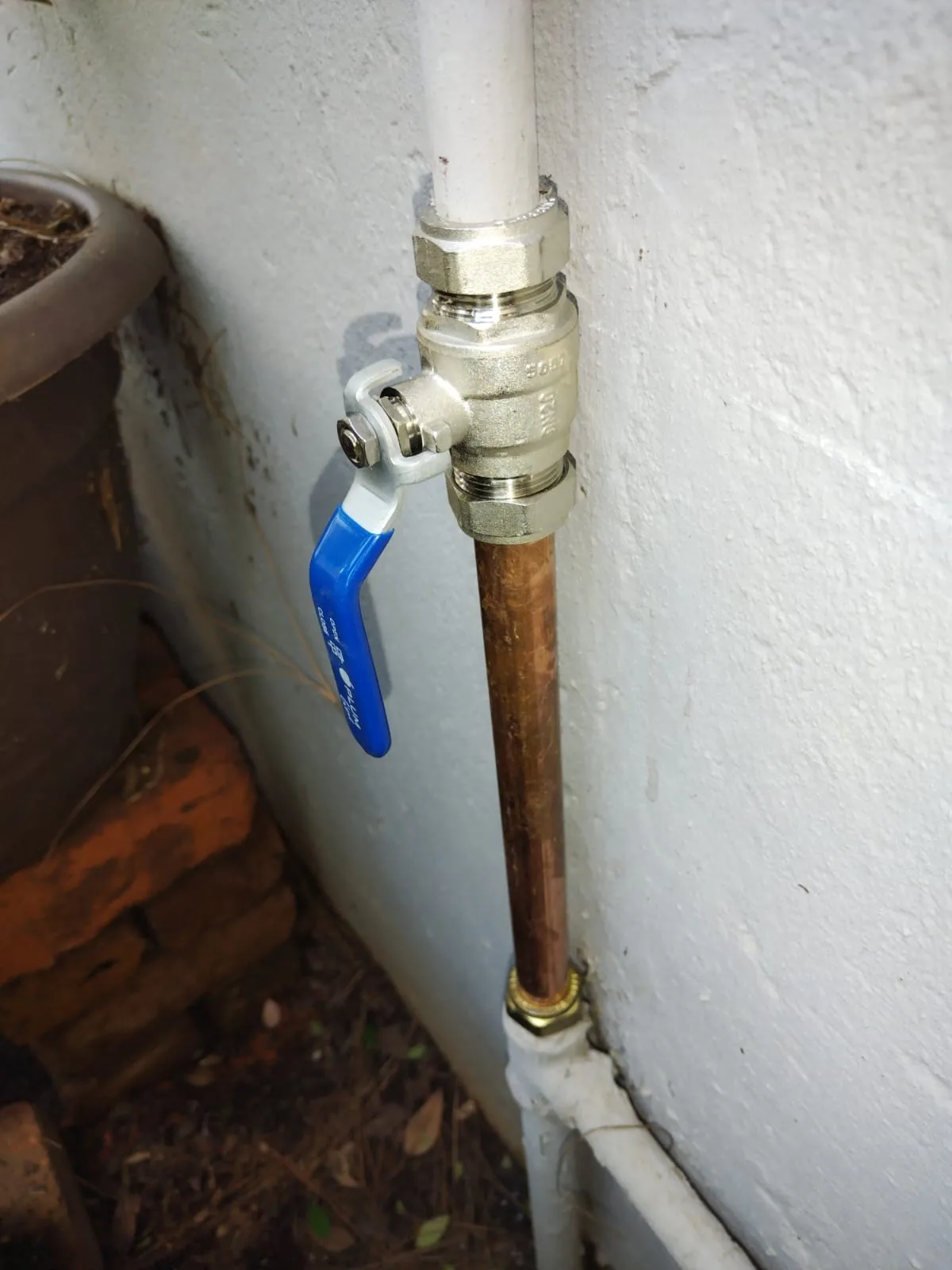
Outside valves and supply fittings are often exposed to weather, movement, and garden damage. When they leak or fail, water can pool outside walls, near paving, or around the main supply. The plumber isolates the supply, checks the valve body and threaded fittings, replaces damaged parts, and confirms that the connection holds pressure. For closely related help, visit Outside Valve And Supply Repairs for more detail on this specific service.

Toilet and flush plate shown before emergency plumbing inspection

What To Do Before The Plumber Arrives

Before the plumber arrives, shut off the water supply if it is safe, avoid electrical areas near water, move valuable items away from the leak, stop using blocked fixtures, and send clear information or photos when booking. These steps can reduce damage and help the plumber prepare the right equipment before arrival.

Service Overview

Emergency plumbing problems rarely improve on their own. A burst pipe, overflowing toilet, blocked drain, leaking geyser, sewer backup, or hidden water leak can quickly cause damage to ceilings, walls, flooring, cupboards, and electrical installations. The purpose of an emergency plumbing response is to stabilise the situation, reduce further damage, identify the cause of the failure, and restore safe operation as quickly as possible. Every emergency is assessed individually because some faults can be repaired immediately while others require temporary control measures followed by permanent repairs. Fast action often reduces repair costs and limits disruption to the property.

What Counts As A Plumbing Emergency?

A plumbing issue is generally considered an emergency when it creates an immediate risk to the property, occupants, or essential services. Common examples include active water leaks, burst pipes, overflowing toilets, blocked drains causing wastewater backup, leaking geysers, sewer overflows, and sudden loss of water supply. If water is actively causing damage or sanitation is affected, urgent professional attention is usually required.

Why Speed Matters

Water spreads quickly through ceilings, wall cavities, flooring systems, cupboards, and structural materials. Delaying repairs can increase restoration costs, encourage mould growth, damage electrical systems, and allow small plumbing failures to develop into major repair projects. Fast diagnosis and isolation of the fault often prevents secondary damage and reduces overall repair costs.

What Happens During An Emergency Call-Out

The first step is normally making the area safe and controlling further water loss. The plumber will identify the source of the problem, assess the condition of the affected plumbing system, explain available repair options, complete emergency repairs where possible, and test the installation before leaving. If permanent replacement work is required, recommendations can be provided once the immediate risk has been controlled.

After The Immediate Repair

Once the emergency has been stabilised, the next priority is preventing repeat failures. This may involve investigating underlying causes, inspecting ageing pipework, checking water pressure, assessing drainage conditions, or recommending replacement of damaged components. Long-term reliability is often achieved by addressing the cause of the failure rather than only treating the visible symptoms.

What counts as a plumbing emergency

A plumbing emergency is any situation where water, wastewater, or a plumbing failure is actively causing damage, creating a health risk, or preventing the safe use of essential fixtures within the property. Common examples include burst pipes flooding rooms, major leaks inside walls or ceilings, blocked drains overflowing into living areas, toilets that cannot be used safely, leaking or burst geysers, sewer backups, and sudden loss of water supply. The longer these problems are left unresolved, the greater the risk of structural damage, mould growth, electrical hazards, increased water costs, and disruption to daily life. Fast professional attention helps limit damage and restore normal operation as quickly as possible.

Why speed matters

Water damage spreads quickly. Fast response can reduce structural damage, protect finishes, and prevent a small issue turning into a major repair bill. Related help: Affordable Plumbers Near Me. You can also explore Same Day Plumber Near Me for closely related help.

How the call-out should work

An effective emergency plumbing call-out starts before the plumber arrives. Clear communication helps identify the nature of the problem, whether water is actively leaking, and what immediate steps can be taken to reduce damage. On arrival, the first priority is normally making the area safe and controlling water loss or overflow. The plumber will then inspect the affected plumbing system, identify the cause of the fault, explain available repair options, and carry out emergency repairs where possible. Before leaving, the system should be tested to confirm that the immediate problem has been resolved and that the property can be used safely again.

After the immediate repair

Once the situation is stable, the next step is identifying the root cause and planning any permanent repair or replacement required. You can also explore Emergency Burst Pipe Repair for closely related help.

Frequently Asked Questions

What should I do first in a plumbing emergency?

The first step is to stop further damage if it is safe to do so. Shut off the main water supply or the affected isolation valve, keep people away from wet or slippery areas, avoid touching electrical points near water, and contact an emergency plumber with clear details about what is leaking, overflowing, or blocked.

When should I call an emergency plumber instead of waiting?

You should call an emergency plumber when water is actively leaking, a pipe has burst, a toilet or drain is overflowing, sewage is backing up, a geyser is leaking, or essential plumbing fixtures cannot be used safely. Waiting can increase damage to ceilings, floors, cupboards, walls, and electrical areas.

Is a burst pipe always a plumbing emergency?

Yes, a burst pipe should normally be treated as an emergency because pressurised water can cause serious damage very quickly. Even if the leak looks small, water may be entering walls, ceilings, floors, or underground areas. The supply should be isolated and the damaged section repaired as soon as possible.

Can an emergency plumber repair a hidden leak?

Yes, hidden leaks can often be traced and repaired, but the first step is locating the source accurately. Signs may include damp walls, bubbling paint, mould, low water pressure, ceiling stains, or a water meter that keeps moving when taps are closed. Leak detection may be recommended before breaking or excavation.

What counts as an emergency drain problem?

A drain problem becomes an emergency when wastewater backs up, outside drains overflow, toilets bubble, bad smells enter the property, or water cannot leave showers, baths, basins, sinks, or gullies. These situations can create hygiene risks and should be cleared before the overflow spreads.

Is an overflowing toilet an emergency?

An overflowing toilet is usually an emergency because it can create sanitation risks and damage flooring quickly. This is especially urgent in homes with one toilet, rental properties, offices, shops, restaurants, or any property where the toilet is needed throughout the day.

Can emergency plumbers help with leaking geysers?

Yes, leaking geysers are a common emergency plumbing call-out. Water may drip through ceilings, leak from valves, overflow from the drip tray, or pool around the installation. The plumber will make the area safer, isolate water and power where needed, and assess whether repair or replacement is required.

What are the warning signs of a sewer backup?

Warning signs include sewage smells, multiple drains running slowly, toilets bubbling, wastewater rising through showers or baths, overflowing inspection chambers, and repeated drain blockages. Sewer backups should be handled urgently because they involve wastewater and possible contamination.

Should I keep using water if a drain is blocked?

No, you should avoid using the affected fixture and reduce water use where possible. Adding more water to a blocked drain, toilet, basin, bath, shower, or sink can make the backup worse and may cause wastewater to overflow into living or working areas.

What happens during an emergency plumbing call-out?

The plumber will first assess safety, isolate water where needed, identify the source of the fault, control immediate damage, explain repair options, complete emergency repairs where possible, and test the system before leaving. The goal is to restore safe use and prevent further damage.

Can low water pressure be an emergency?

Low water pressure can be urgent if it happens suddenly, affects the whole property, follows a suspected leak, or prevents normal use of essential fixtures. It may be caused by a burst pipe, faulty valve, blocked line, pressure control issue, or incoming supply problem.

Do emergency plumbers repair water mains?

Yes, emergency plumbers can assist with water main leaks and supply line failures on the property side. These problems often cause flooding, pressure loss, wet ground, or high water usage. The line must be isolated, located, repaired, and tested before normal supply is restored.

Why is water dripping through the ceiling urgent?

Water dripping through a ceiling may come from a leaking geyser, burst pipe, bathroom leak, pressure valve, or roof-space plumbing fault. Ceilings can weaken, insulation can become saturated, and electrical fittings may be nearby, so the water source should be controlled quickly.

Will the plumber repair the problem immediately?

Many emergency plumbing problems can be repaired during the call-out if access, parts, and site conditions allow it. If a permanent repair needs specialist parts, excavation, ceiling access, or replacement equipment, the plumber should first stabilise the problem and explain the safest next step.

What information should I give when booking an emergency plumber?

Explain what has happened, when it started, whether water is actively leaking, which fixtures are affected, whether the main supply has been turned off, and whether there are electrical or ceiling risks. Photos can help the plumber understand the problem before arrival.

Customer Reviews

Related Services

24 7 Emergency Plumbing Services

Emergency plumbing services cover urgent situations where water leaks, burst pipes, blocked drains, overflowing toilets, sewer backups, or geyser failures require immediate attention. These services are designed to reduce damage, restore safety, and return essential plumbing systems to normal operation as quickly as possible.

Read More

Same Day Plumber Near Me

Same-day plumbing services are suitable for problems that may not be full emergencies but still require prompt attention. This includes active leaks, drainage issues, faulty fixtures, water pressure problems, and plumbing failures that disrupt daily activities. Fast attendance can often prevent small problems from becoming larger repair projects.

Read More

Emergency Burst Pipe Repair

Burst pipe repairs focus on stopping water loss, locating damaged pipework, protecting the property from further flooding, and restoring normal water supply. Whether the pipe is visible, underground, inside a wall, or above a ceiling, fast action can significantly reduce repair costs and water damage.

Read More

Need a plumber right now?

If you are dealing with a burst pipe, active leak, overflowing toilet, blocked drain, sewer backup, leaking geyser, or another urgent plumbing problem, fast action can help reduce damage and restore normal use of the property sooner. Call 067 895 4361 for emergency assistance, phone 067 657 6109 for general enquiries, or WhatsApp 072 139 8945 with photos and details of the problem so that practical guidance can be provided before arrival.

Work we have done

WhatsApp iconCall icon