Solar geyser repairs near me for hot-water problems that need a proper diagnosis
A solar geyser fault is not always obvious from the first symptom. One home may have hot water in the afternoon but cold water in the morning. Another may have water dripping from the roof, a pump that never starts, a controller with strange readings, or a backup element that keeps tripping the power. The important part is not to guess. Solar hot-water systems combine plumbing, pressure control, roof pipework, circulation, valves, sensors and backup heating, so a rushed repair can easily miss the real cause.
Our solar geyser repair service is for homeowners, tenants, landlords, body corporates, guest houses, lodges, offices and shops that need practical help with a leaking, underperforming or unreliable solar geyser. We check the system carefully, explain what is wrong in plain language and separate urgent safety issues from repairs that can be planned properly. You still get the same customer-first support: free call-out fees, free quotes and guaranteed workmanship on the work we complete.

When to call for solar geyser repairs
Call when the water is cold, only lukewarm, slow to recover, too hot, inconsistent between taps, or only reliable on very sunny days. These symptoms can come from poor circulation, a failed pump, incorrect controller readings, a faulty sensor, a backup heating problem, scale build-up, valve failure or a system that is losing heat before the water reaches the outlets.
You should also book help when water is dripping from the roof, running from a safety valve, staining ceilings, damaging cupboards, pooling around the geyser, or showing up near the solar pipework. Small leaks around hot-water systems often become more expensive when they are left to soak insulation, ceilings, timber, walls or electrical areas.

What we check before replacing parts
A good repair does not start by changing random parts. We check visible pipework, valves, pressure control, collector connections, tank condition, pump operation, controller readings, sensor positions, electrical backup behaviour and hot-water delivery at the taps. This helps confirm whether the fault sits on the solar circulation side, the normal geyser side, the electrical backup side or the surrounding plumbing.
This matters because the same symptom can have different causes. No hot water could be a controller fault, failed pump, faulty element, thermostat issue, breaker problem, sensor error or circulation restriction. A leak could be a loose fitting, a failing valve, a damaged pipe, an overflowing safety valve or a tank that is no longer repairable.

Solar geyser faults we help with
Solar geyser repair can include leaking pipework, leaking valves, pressure problems, faulty pumps, controller faults, sensor problems, airlocks, poor circulation, backup element or thermostat faults, damaged insulation, loose unions, overflowing safety valves, noisy pumps, no hot water, lukewarm water, intermittent heating and systems that trip the electricity. We also help customers understand when a repair is sensible and when replacement is the safer long-term option.
Where a system is still in reasonable condition, repairing the correct component can restore reliable hot water without replacing the full installation. Where the cylinder is leaking, corrosion is advanced, the collector loop is badly damaged, or the installation is unsafe, we will explain the risk clearly before any major decision is made.

Leaking solar geysers
Leaks need to be traced carefully because water can travel along pipes, insulation, roof sheets and ceilings before it becomes visible. We look for leaks at unions, valves, drain points, vacuum breakers, pump stations, tank connections, collector lines and pressure control components. If the leak is active, the first job is to reduce water loss and make the area safer. The permanent repair then depends on the actual source of the leak.

Pump, controller and sensor faults
Pumped solar geyser systems rely on the controller and sensors to decide when water must circulate. If a sensor reads incorrectly, the pump may run at the wrong time or not run at all. If the pump is airlocked, seized or not receiving power, the collectors may be hot but the stored water stays cold. We check the behaviour of the full control loop before recommending replacement parts.

Backup heating problems
Solar systems often need backup heating during cloudy weather, high usage or colder periods. If the element, thermostat, isolator, breaker, wiring or timer is faulty, the system may only perform when the sun is strong. Because water and electricity are close together, repeated tripping or electrical faults should be tested properly instead of being reset again and again.
Repair or replacement guidance
Not every solar geyser problem means the full system must be replaced. Many faults are isolated and repairable. Replacement becomes more likely when the tank itself is leaking, corrosion is widespread, parts keep failing, the installation is unsafe, or the repair cost no longer makes sense compared with fitting a more reliable solution. We explain both options before you decide.

What to do while waiting for the plumber
If the geyser is leaking, keep people away from wet electrical areas and move valuables away from the water. Do not climb onto a roof, especially when it is wet or when the leak is near fragile sheets or tiles. If water is close to plugs, lights, DB boards or appliances, switch off the affected circuit if it is safe to do so. If you know where the correct isolation valve is, close it gently; if you are unsure, rather wait for help so the wrong valve is not forced or damaged.
Photos can help when they are safe to take. Send a picture of the controller, the visible leak, the geyser label, the valves and the pipework around the system. Also tell us whether the problem is no hot water, poor hot water, water dripping, a noisy pump, tripping power, an error code or a change that started after recent plumbing or electrical work.
What You Get For Free
We keep the booking process simple so you can get help without confusion. You can call, WhatsApp or send the form, explain the solar geyser problem and request a free quote. The call-out fee is free, and the repair options are explained before the work is completed.
- Free call-out fees
- Free quotes
- 24/7/365 support for urgent plumbing problems
- Same-day service where possible
- Knowledgeable staff
- Guaranteed workmanship
- After-sales service
- Satisfaction-focused support
Related solar and geyser services
If your system needs more than a repair, these related pages may help you compare the next step.
Real Solar Geyser Fault Finding Matters
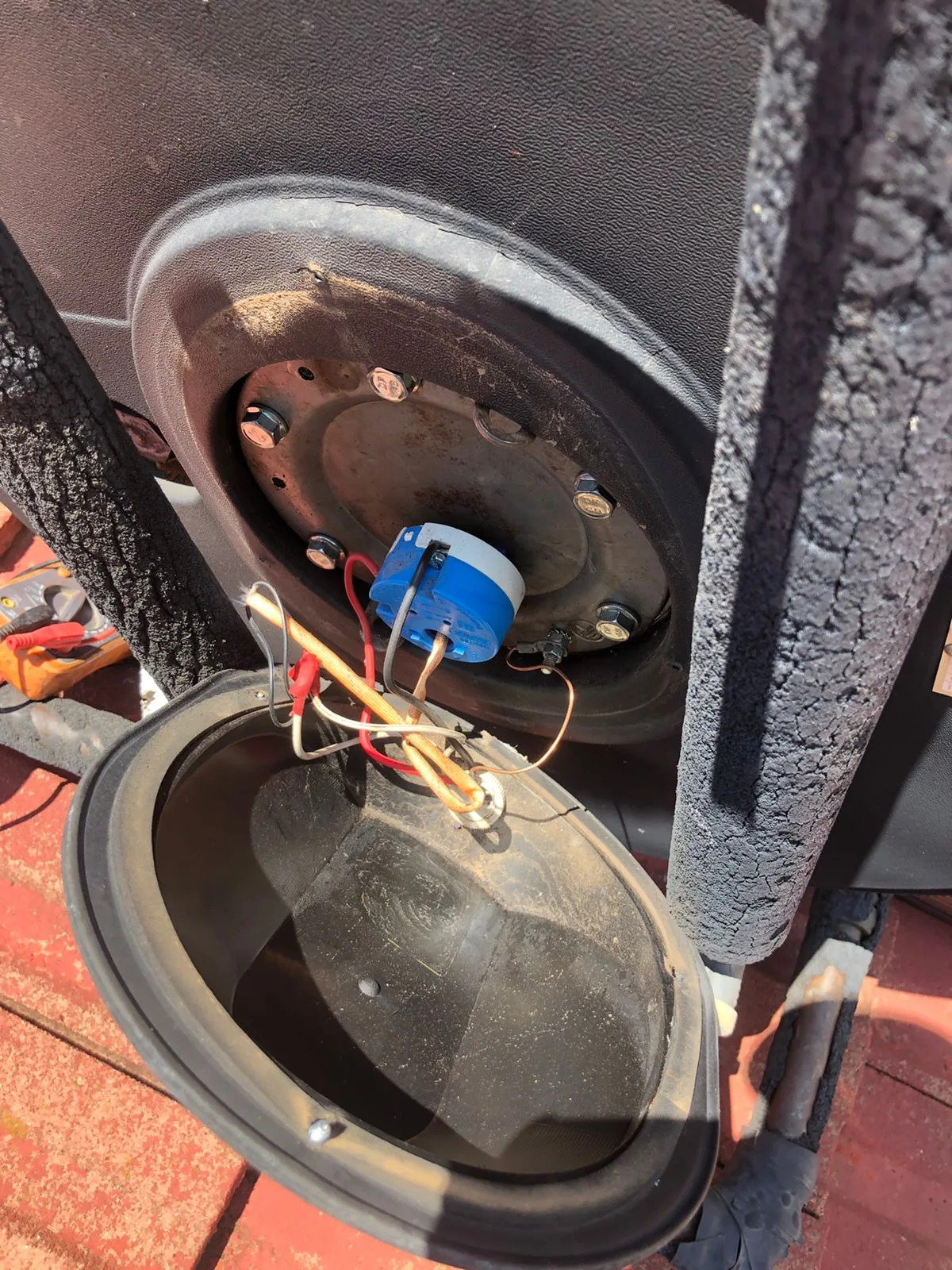
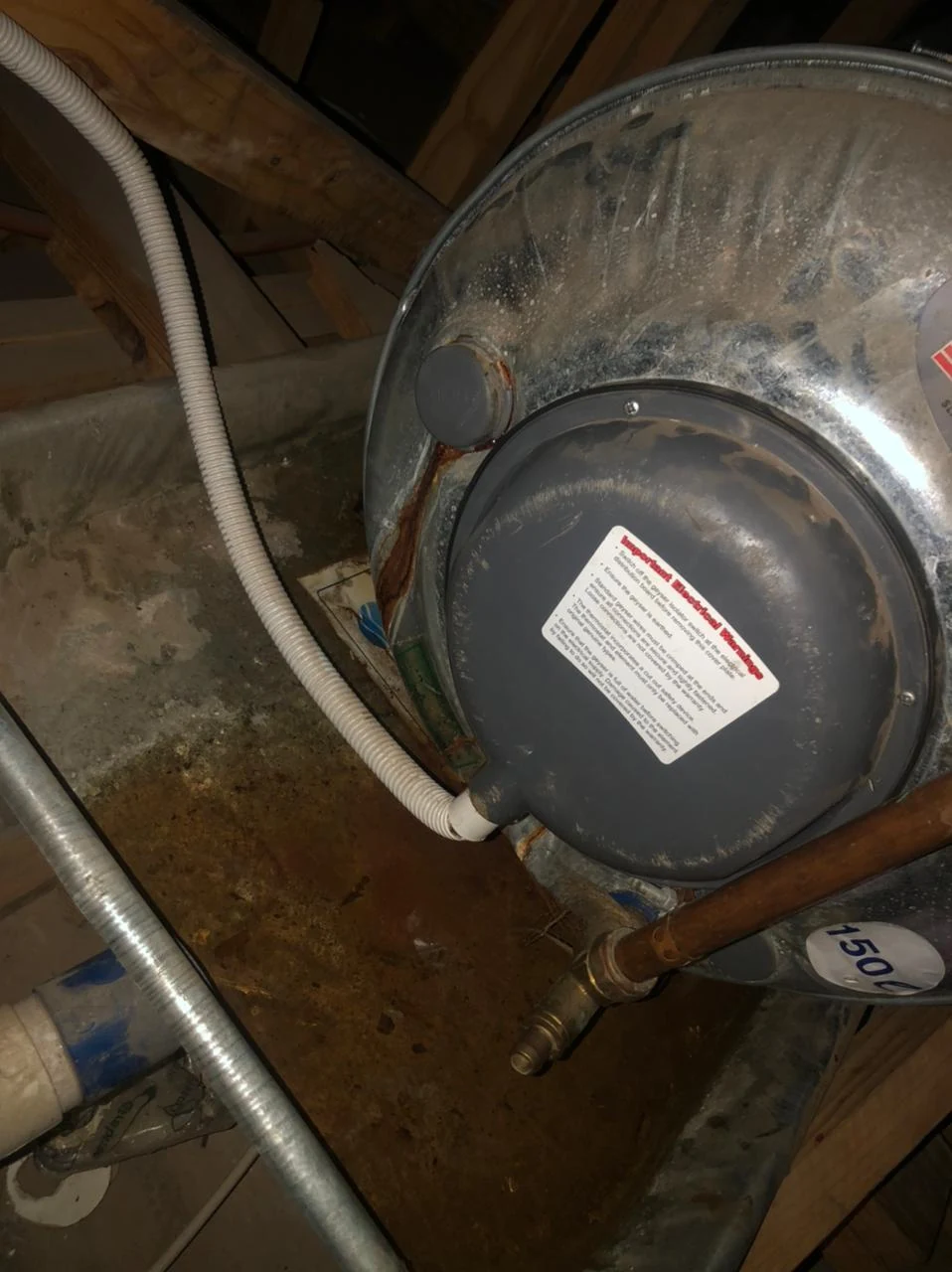
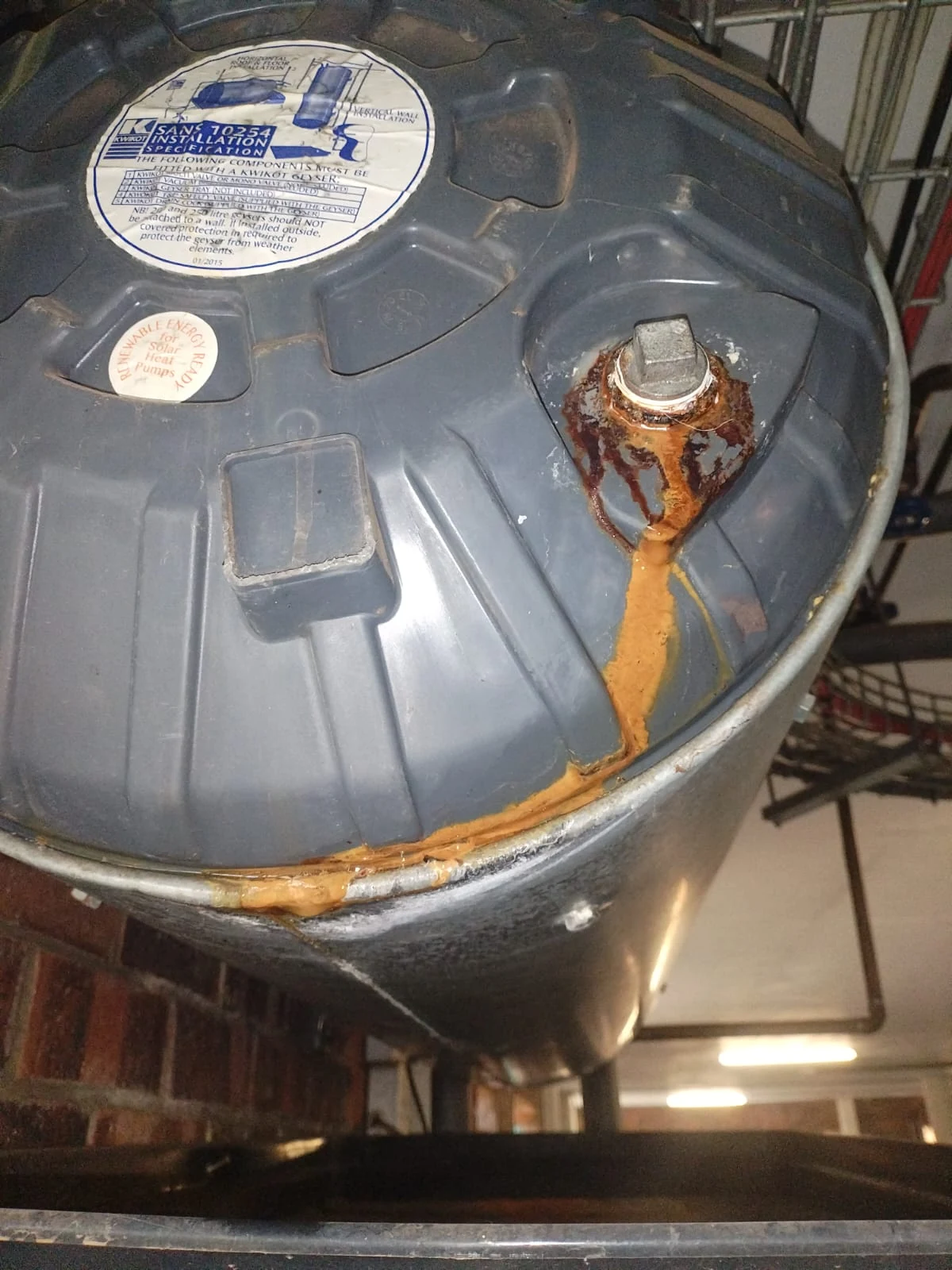
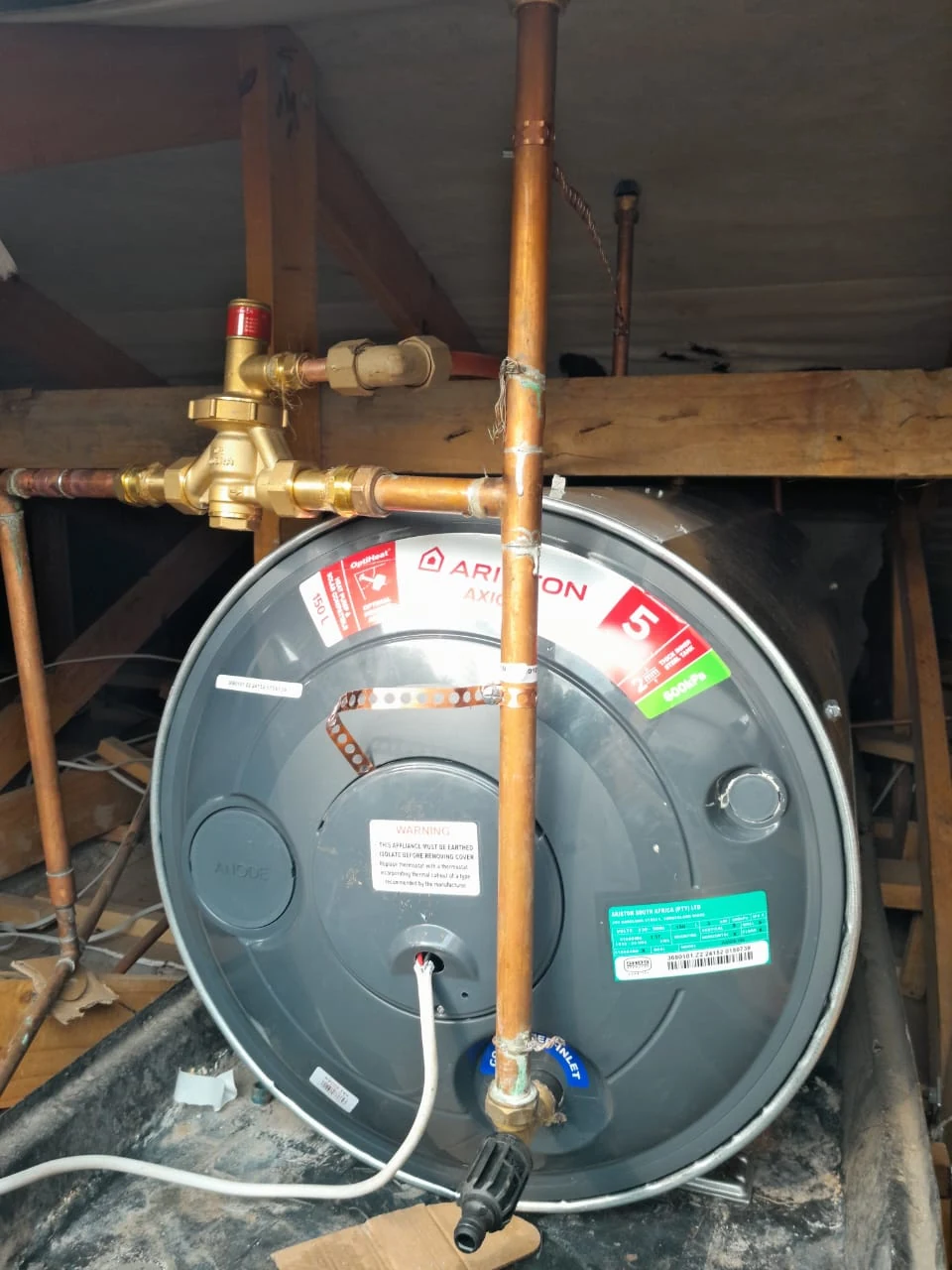
The uploaded job images show why solar geyser repairs should be diagnosed properly before parts are replaced. A fault can come from the tank, tubes, flat plate collector, pump, controller, sensor, thermostat, booster element, valve set, pipework, insulation or roof installation. Placing real service photos next to the matching content helps visitors understand the work visually and gives the page stronger trust signals.
These images have been optimised to WebP format and stored in the page image folder so they can load faster while still supporting the service content.
Solar Geyser Brands And Systems We Help With
Solar geyser faults can look similar across different brands and system types, but the correct repair still depends on how the system was installed, which components are fitted, and whether the geyser uses flat plate collectors, evacuated tubes, a pumped circulation setup, a direct thermosiphon layout, or an electrical backup system. We help customers with practical fault finding on common South African solar geyser systems, controllers, valves, pumps, sensors and hot-water components.
GeyserWise Systems

GeyserWise controllers are widely used on solar geyser installations to manage temperature readings, pump operation, electrical backup heating and timer settings. When the display shows incorrect temperatures, the pump does not activate, the booster behaves strangely, or the system only heats at certain times, the controller and sensor setup should be checked carefully.
We inspect the controller display, programmed settings, sensor readings, pump signal and visible wiring condition. A GeyserWise fault can come from the controller itself, but it can also be caused by a damaged sensor, incorrect settings, a faulty pump, thermostat issues, element problems or a wiring fault. Proper diagnosis helps prevent unnecessary part replacements.
Kwikot Solar Geysers

Kwikot solar geyser systems may include solar tanks, collectors, valves, thermostats, elements and safety components that must work together correctly. Customers may experience leaks, poor heating, valve discharge, hot-water loss, pressure problems or backup heating faults.
Our inspection focuses on the visible fault, the age and condition of the installation, the valve setup, collector performance and the electrical backup components. If a Kwikot system is repairable, we help identify the component causing the fault. If the tank or collector is badly deteriorated, we explain whether replacement may be more practical.
Heat Tech Solar Geysers

Heat Tech solar geyser installations can develop problems with heating performance, pressure control, valves, pipework, thermostats, elements or collector-related components. A system that once worked well may slowly become less efficient because of ageing parts, insulation loss, pump faults or control issues.
We check the symptoms first, then work through the system logically. This includes looking for leaks, checking whether the solar side is transferring heat, confirming whether backup heating is operating correctly, and assessing whether the fault is isolated or part of wider system wear.
ITS Solar Systems

ITS solar systems are often used for domestic and larger hot-water installations. Depending on the setup, faults may involve circulation pumps, solar controllers, sensors, collector performance, valves, tank condition or backup heating. A proper inspection is important because different installation designs can produce similar symptoms.
When an ITS system gives inconsistent hot water, poor solar performance or repeated faults, we check whether the problem is coming from the control side, plumbing side, collector side or electrical backup side. This helps the customer understand whether a repair, component replacement or system upgrade is the better option.
Solahart And Similar Solar Systems

Solahart and similar solar hot-water systems can develop faults through age, exposure, valve wear, collector issues, pressure problems or tank deterioration. Some systems rely heavily on roof-mounted components, so visible roof pipework, collectors, valves and weather-exposed fittings must be assessed where safe access is possible.
We help identify whether the fault is related to a leaking component, collector performance, pressure control, backup heating or the storage tank itself. Clear fault finding is especially important on older systems where replacement parts, system age and long-term value must be considered before repairs are carried out.
Evacuated Tube Solar Geysers

Evacuated tube systems use glass tubes to collect solar energy. Damaged tubes, poor tube seating, collector manifold problems, circulation faults or heat-transfer issues can reduce heating performance. Customers may notice that the geyser only becomes lukewarm, heats slowly, or relies too much on electrical backup.
We inspect the visible condition of the tubes, collector connections, circulation performance, controller readings and whether the system is transferring heat correctly. Broken or weak tubes may need replacement, but poor heating can also be caused by pump, sensor, controller or valve faults.
Flat Plate Solar Collectors

Flat plate solar collectors can lose performance because of age, leaks, damaged insulation, internal restrictions, poor circulation or weather exposure. When the collector does not transfer enough heat, the geyser may still work electrically but the customer loses the benefit of solar heating.
We check collector condition, visible pipework, insulation, circulation and signs of leaks around the roof installation. A flat plate collector fault should be diagnosed together with pump, controller, sensor and valve checks so that the correct repair path is chosen.
Low-Pressure Solar Geysers

Low-pressure solar geysers are often installed with different valve and pressure arrangements from standard high-pressure geysers. Faults may include poor flow, leaking valves, damaged tanks, pipework issues, temperature problems or incorrect replacement parts being fitted.
We assess the type of low-pressure system, the water supply arrangement, visible valve setup and the exact fault reported by the customer. Correct parts and correct pressure understanding are important because high-pressure and low-pressure geyser components are not always interchangeable.
High-Pressure Solar Geysers

High-pressure solar geysers must operate safely with the correct pressure control, relief valves, pipework and hot-water components. Leaks, valve discharge, overheating, pressure fluctuations or tank concerns should be inspected promptly because the system is designed to work within safe limits.
We check pressure-related symptoms, valve condition, visible leaks, controller readings and hot-water performance. Where the issue involves a safety valve, pressure control valve, thermostat or overheating fault, the repair must be handled carefully to protect the geyser and the property.
Retrofit Solar Geyser Systems

Retrofit solar geyser systems are added to existing geysers to improve energy efficiency. These setups can include added collectors, circulation pumps, controllers, sensors and pipework connected to an older electric geyser. Because the original geyser was not always designed as a solar system, careful inspection is important when faults develop.
We check whether the existing tank is suitable, whether the retrofit components are working correctly, and whether leaks, poor heating or control problems are coming from the older geyser or the added solar equipment. This helps decide whether repair, adjustment or a more complete upgrade is the better long-term solution.
Solar Geyser Problems We Help With
Solar geyser systems are more than a tank on the roof. A complete system can include flat plate collectors, evacuated tubes, circulation pumps, GeyserWise controllers, temperature sensors, thermostats, booster elements, non-return valves, safety valves, pressure control valves, mixing valves, pipework, insulation, isolators and electrical backup components. When one part fails, the whole hot-water system can become unreliable. This section explains the common solar geyser issues customers may experience and why proper fault finding is important before parts are replaced.

GeyserWise Controller Problems
GeyserWise systems are commonly used to manage solar geyser temperatures, pump operation and backup heating schedules. When the controller is faulty, incorrectly set or receiving the wrong sensor information, the geyser may not heat properly, may heat at the wrong time, or may rely too much on the electric booster. Customers may notice unusual display readings, error messages, incorrect temperatures, pump settings that do not respond, or hot water that is inconsistent even on sunny days. Where control faults affect hot-water performance, customers often benefit from reading Solar Geyser Repair and Geyser Plumbers Near Me.
Our inspection includes checking the controller settings, display behaviour, wiring condition, sensor readings and whether the controller is communicating correctly with the pump and heating system. Sometimes the controller itself is faulty, but in other cases the problem is caused by a sensor, pump, connection, thermostat, element or incorrect setup. Proper testing helps avoid replacing the wrong part.
Faulty Temperature Sensors

Solar geyser sensors help the controller understand the temperature inside the tank and at the solar collector. If a sensor fails, gives inaccurate readings or loses contact, the system may stop circulating water correctly. This can lead to poor heating, overheating, unnecessary booster use or controller faults that confuse the customer.
Sensor problems are often mistaken for controller or pump problems because the symptoms look similar. A technician should check the sensor positions, wiring, resistance readings and the temperature values shown on the controller. Replacing a damaged or unreliable sensor can often restore proper control without replacing larger parts of the system.
Circulation Pump Faults

Pumped solar geyser systems rely on a circulation pump to move water or heat-transfer fluid between the collector and the storage tank. When the pump fails, blocks, loses power or runs at the wrong time, the geyser may not receive enough heat from the sun. Customers often report lukewarm water, no solar heating benefit, strange pump noises or a system that only heats when the electrical backup is used.
We check whether the pump is receiving power, whether it is seized, whether air is trapped in the line, whether the controller is sending the correct signal and whether valves or pipe restrictions are affecting flow. A pump fault should be diagnosed carefully because the cause may be electrical, mechanical, control-related or plumbing-related.
Evacuated Tube Problems

Evacuated tube solar geysers depend on glass tubes to collect solar energy. Tubes can crack, lose vacuum efficiency, become damaged by weather, or fail to transfer heat correctly. Broken or underperforming tubes reduce the system's ability to heat water and may leave the household relying heavily on electrical backup.
Visible signs can include cracked glass, missing tubes, poor heating on sunny days or sections of the collector that appear damaged. A repair visit may involve checking the collector condition, tube seating, manifold connections and overall performance. Not every poor-heating fault is caused by the tubes, so the collector, pump, controller, valves and sensors should also be checked.
Flat Plate Collector Faults

Flat plate collectors can develop issues through age, weather exposure, corrosion, internal restrictions, damaged insulation or leaks around collector connections. When the collector does not transfer enough heat, the geyser may still work electrically but the solar benefit becomes weak or unreliable.
We inspect visible collector condition, pipe connections, insulation, signs of leaks and whether hot water is circulating correctly through the solar loop. A collector problem must be separated from pump, controller and sensor faults because the symptoms can overlap. Correct diagnosis helps decide whether repair, servicing or replacement is the better option.
Solar Geyser Valve Problems

Solar geyser installations rely on several valves for safety, pressure control and correct water movement. These may include pressure control valves, temperature and pressure relief valves, non-return valves, vacuum breakers, drain cocks, mixing valves and isolating valves. A faulty valve can cause leaks, overflow discharge, pressure problems, backflow, poor hot-water delivery or safety concerns.
Valve faults should not be ignored because they protect the geyser, pipework and property. During fault finding we check visible leaks, discharge pipes, pressure behaviour, valve age and whether the correct valve type is installed for the system. Replacing the correct valve can prevent repeat leaks and protect the geyser from unnecessary strain.
Booster Element And Thermostat Faults

Most solar geysers still use an electrical booster element and thermostat for cloudy days, high demand periods or backup heating. If the element burns out, the thermostat fails or wiring becomes unsafe, the geyser may produce little or no hot water when solar heating is not enough.
Common signs include cold water during bad weather, electricity tripping, inconsistent temperatures, or a system that only works when the sun is strong. We check the booster circuit, thermostat operation, element condition and visible electrical safety concerns. Electrical work must be handled carefully, and unsafe components should be repaired before the system is placed back into service.
Solar Geyser Leaks

Solar geyser leaks can come from the tank, valves, collector connections, pipe joints, vacuum breakers, pump unions, roof penetrations or ageing hot-water pipework. Even a small leak can waste water, damage ceilings, stain walls, affect pressure and increase the risk of a larger failure. If water damage is already visible, related services such as Leak Detection, Water Leak Repairs and Emergency Leaking Pipe Repair may also be helpful.
Customers should take note of where water is visible, whether the leak happens only when heating, and whether overflow pipes are running continuously. Our inspection focuses on tracing the leak source before repair work starts. This is important because water seen near the geyser is not always coming from the tank itself.
Poor Hot Water Performance

A solar geyser that gives only lukewarm water may have a controller fault, pump fault, sensor problem, dirty or damaged collector, incorrect settings, failed booster element, thermostat issue, undersized system, heat loss from exposed pipework or heavy household demand. Because many faults create the same symptom, the system needs a structured inspection.
We look at when the water becomes cold, whether the problem happens daily or only in certain weather, what the controller displays, whether the pump runs, and whether the electrical backup works. This helps separate a true solar fault from normal usage patterns or backup heating problems. Customers experiencing complete hot-water loss may also wish to review Geyser Repairs Near Me and Emergency Plumbers Near Me.
Overheating And Excessive Pressure
Overheating and excessive pressure faults need careful checking because a solar geyser can produce very hot water when the collector, controller, valves and pressure control components are not working together correctly.
This type of fault can show as repeated valve discharge, very hot water at the taps, steam-like release, unusual noises, roof-level water marks or a system that seems to build pressure during strong sun. The collector, vacuum breakers, safety valves, controller settings and pipe route should be checked before parts are replaced.
A proper repair should confirm whether the problem is caused by a failed valve, poor circulation, wrong controller settings, incorrect installation layout, trapped air or a component that is no longer regulating pressure safely.
Solar geysers can sometimes overheat when circulation, control settings, valves or safety components are not working correctly. Overheating may cause excessive discharge from relief valves, very hot water at outlets, pressure changes or safety concerns around the tank and pipework.
We check controller settings, sensor accuracy, pump operation, relief valves, pressure control and visible pipework condition. Overheating should be investigated promptly because the system is designed to operate within safe temperature and pressure ranges. Correct repairs help protect the geyser, plumbing and the people using the hot water.
Airlocks And Circulation Restrictions
Airlocks and circulation restrictions can stop a solar geyser from moving heat properly between the collector and the storage tank. The customer may still see sunlight on the collector, but the water may stay lukewarm because heat is not circulating through the system as expected.
This kind of fault can be caused by trapped air, incorrect pipe falls, a blocked or restricted pipe, faulty pump operation, poor valve layout or a sensor and controller problem that stops circulation at the wrong time.
The repair should include checking pipe routing, valve positions, pump behaviour, controller readings, collector temperature and whether the system can purge air correctly. On solar geyser repairs, circulation faults should be diagnosed before assuming the collector or geyser tank has failed.
Air trapped in the solar loop, blocked strainers, closed valves, pipe restrictions or incorrect pipe falls can prevent proper circulation. This can make the system appear as if the pump or controller has failed even when those parts are still working.
During fault finding we check whether water is moving through the system correctly and whether any plumbing layout issue is affecting performance. Clearing an airlock or correcting a restriction can improve heating and reduce strain on the pump and controller.

Damaged Pipe Insulation
Solar geyser pipe insulation helps reduce heat loss between the collector and the storage tank. When insulation is missing, damaged by weather or poorly fitted, the system can lose heat before it reaches the tank. This can reduce efficiency and make the geyser work harder than necessary.
We inspect exposed pipework, roof pipe runs and visible insulation condition during repair visits. Replacing damaged insulation is a practical maintenance step that can improve system performance and protect pipework from sun exposure and temperature changes.

Incorrect Settings Or Timer Problems
Sometimes the system is not broken but the settings are wrong. GeyserWise schedules, booster times, pump differentials, temperature limits or holiday settings may prevent the system from heating as expected. This is common after power interruptions, controller resets or previous changes made by occupants.
We check whether the controller settings match the household's hot-water demand and whether the booster is being used correctly. Adjusting the settings can sometimes restore reliable hot water without major repairs.

Roof And Installation Concerns
Solar geysers often have components mounted on the roof, which means leaks, loose brackets, pipe penetrations, collector alignment and weather damage must be considered. A plumbing fault can sometimes appear as a roof leak, and a roof-related issue can sometimes look like a geyser fault from inside the property.
We inspect visible roof-mounted components where safe and practical, including pipe entries, collector connections and signs of water tracking. Safe access is important, and some roof or structural issues may require the correct specialist to assist alongside the plumbing repair.

Repair Or Replacement Advice
Not every solar geyser problem means the system must be replaced. Many faults can be repaired if the tank, collector and main components are still in reasonable condition. However, repeated leaks, severe corrosion, unsafe electrical backup, failed tanks or badly deteriorated collectors may make replacement more practical.
Our aim is to give clear advice after inspection. Where a system is beyond economical repair, options such as Burst Geyser Replacement, Geyser Installation and Solar Geyser Conversion can be discussed. We explain which components are repairable, which parts are worn, and whether repair or replacement offers better long-term value. This helps customers avoid unnecessary spending while still protecting the property and restoring reliable hot water.
Need solar geyser help right now?
Call 067 895 4361 for urgent solar geyser help when water is actively leaking, the geyser is tripping the power, hot water has stopped completely, a roof leak is spreading, or the controller and pump system is behaving in a way that could damage the installation. For general enquiries, phone 067 657 6109, or WhatsApp 072 139 8945 with clear photos of the geyser, controller, roof pipework, valves, leak area, pump, tank label and any fault message showing on the controller.
Photos help the repair team understand the likely fault before arriving. A solar geyser problem can come from the collector, tank, GeyserWise controller, circulation pump, temperature sensor, booster element, thermostat, vacuum breaker, safety valve, pressure control valve, pipe insulation or roof penetration. When we can see the visible layout before the visit, it becomes easier to prepare for the likely repair, explain what may need to be checked first and avoid wasting time on the wrong component.
If water is leaking, avoid climbing onto the roof and keep people away from wet electrical areas. Move valuables away from dripping water, switch off the geyser circuit only if it is safe to do so, and close the correct isolation valve only if you know which valve controls the geyser. Do not force old valves, remove covers, pull wires, reset a breaker repeatedly, or open the solar system while it is hot and pressurised. A solar geyser combines stored hot water, pressure control, electrical backup and roof-mounted components, so guessing can make the problem worse.
Our approach is to make the fault safe, identify the cause, explain the repair options and separate urgent work from upgrades that can be planned properly. Some solar geyser repairs can be completed on the same visit, while others need the correct pump, controller, sensor, tube, valve or electrical component. The goal is reliable hot water, safe pressure control and a repair that makes sense for the age and condition of the system.
When you contact us, tell us whether the fault is no hot water, lukewarm water, leaking water, water from the roof, a noisy pump, a dead controller, a tripping breaker, valve discharge, poor winter performance or a system that only works on sunny days. That information helps us prepare for the call-out and gives you clearer guidance before the plumber arrives.
Frequently Asked Questions
Why is my solar geyser not making enough hot water?
Poor hot water from a solar geyser can be caused by weak circulation, a faulty pump, a controller problem, a failed sensor, scale build-up, a valve fault, shading on the collectors, or a backup element that is not helping when the sun is low. A proper repair starts with testing the hot-water temperature, checking whether water is moving through the system, and confirming that the electrical backup and plumbing components are working safely.
Can you repair a solar geyser that is leaking?
Yes. Many solar geyser leaks can be repaired when they come from pipe joints, valves, unions, drain cocks, vacuum breakers, pump connections, or nearby fittings. If the leak is from a split tank or badly corroded cylinder, replacement may be safer than repair. The first step is to identify exactly where the water is escaping so the plumber does not replace the wrong part.
What should I do first if my solar geyser is leaking on the roof?
Do not climb onto a wet roof. Move items away from any water dripping inside, switch off the geyser breaker if water is close to electrical points, and call for help. If there is an accessible isolation valve at ground level or inside the property, close it only if you know which valve it is. A plumber can then isolate the system safely, reduce water loss, and check whether the leak is from the collector loop, tank, valves, or roof pipework.
Why does my solar geyser only work on sunny days?
A solar geyser should normally have a backup heating option for cloudy weather or heavy hot-water use. If it only works on sunny days, the backup element, thermostat, timer, isolator, breaker, wiring, or controller may not be operating correctly. There may also be a system design or circulation issue. The repair visit should confirm whether the solar side is heating properly and whether the backup side is available when needed.
Can a plumber fix a solar geyser pump problem?
A plumber with solar geyser experience can check whether the pump is receiving power, whether it is seized, airlocked, blocked, incorrectly installed, or being controlled by a faulty controller or sensor. Some pump problems are repaired by clearing air, correcting valves, replacing fittings, or resetting controls. If the pump has failed mechanically or electrically, replacement is usually the cleanest repair.
What are signs that the solar geyser controller is faulty?
Common warning signs include no pump activity, a pump that runs at the wrong time, temperature readings that make no sense, error codes, inconsistent water temperatures, or a system that does not switch between solar and backup heating correctly. A controller fault should be confirmed by checking sensors, wiring, pump response, power supply, and settings before replacing the controller.
Why is water overflowing from my solar geyser valve?
Water discharging from a safety valve or overflow point can point to excessive pressure, a faulty valve, thermal expansion, incorrect valve rating, dirt trapped in the valve seat, or a deeper geyser pressure problem. It should not be ignored because constant discharge wastes water and can signal that the system is not controlling pressure correctly.
Do solar geysers need normal geyser repairs as well?
Yes. A solar geyser is still a hot-water system with a tank, valves, thermostat, element or backup heating components, pipework, and safety controls. Even when the solar collectors are working, the conventional geyser parts can still fail. That is why repair work often includes both the solar circulation side and the standard hot-water plumbing side.
How do you find the fault on a solar geyser?
Fault finding usually starts with the customer’s symptoms: no hot water, lukewarm water, leaking, tripping power, noisy pump, or slow recovery. The plumber then checks visible pipework, valves, tank condition, collector connections, pressure control, pump operation, controller readings, sensors, electrical backup, and hot-water delivery at the taps. The goal is to prove the cause before replacing parts.
Can a solar geyser be repaired on the same day?
Many solar geyser repairs can be completed on the same day when the fault is accessible and the required parts are available, especially valve, pipe, fitting, controller, pump, thermostat, or element-related repairs. Larger failures, roof access issues, badly corroded tanks, specialised parts, or unsafe installations may need a temporary make-safe first and a planned follow-up repair.
Is it better to repair or replace a solar geyser?
Repair is often worthwhile when the tank is sound, the installation is safe, and the fault is limited to a serviceable component. Replacement is usually considered when the cylinder is leaking, corrosion is advanced, repairs keep repeating, parts are no longer suitable, or the system is unsafe. A good inspection should explain both options clearly before work starts.
Why does my solar geyser trip the electricity?
Tripping can be caused by a faulty element, thermostat, isolator, wiring, moisture near electrical components, controller issues, or an earth leakage problem. Because water and electricity are involved, the circuit should not be repeatedly switched back on without testing. The safer approach is to isolate the system and have the electrical backup side checked properly.
Can you repair solar geysers on flat-plate and evacuated-tube systems?
Many faults on both flat-plate and evacuated-tube solar geyser systems can be repaired, although the parts and access requirements may differ. The plumber needs to identify the type of collector, how the water circulates, whether there is a pump or thermosiphon setup, and how the tank connects to the rest of the hot-water system.
How can I prevent repeat solar geyser problems?
Book repairs early, do not ignore small leaks, keep valves and pipe insulation in good condition, watch for changes in water temperature, and have the system checked when it starts behaving differently. Solar geysers work under heat and pressure, so small faults can place extra strain on pumps, valves, tanks, and pipework if they are left too long.
What information should I send when booking solar geyser repairs near me?
Helpful information includes whether you have no hot water, lukewarm water, a visible leak, water dripping from the roof, a noisy pump, a tripping breaker, error codes on the controller, and photos of the geyser, controller, valves, and leaking area if safe to take. This helps the team prepare for the likely fault before arriving.
Customer Reviews
Related Services
Solar Geyser Repair

Solar geyser systems rely on collectors, pumps, controllers, valves, pipework and storage tanks working together correctly. When one component begins to fail, homeowners often notice reduced water temperatures, inconsistent heating, visible leaks or complete hot-water loss. Professional solar geyser repair focuses on finding the actual cause of the fault rather than replacing parts unnecessarily. Customers comparing options can also read about Solar Geyser Conversion and Geyser Repairs Near Me.
Our repair process includes inspecting the system, identifying worn or damaged components and recommending the most practical repair solution. Early repairs can help prevent larger failures, reduce water loss and keep the system operating efficiently throughout the year.
Read More
Solar Geyser Conversion
Many property owners investigate solar geyser conversion to reduce electricity consumption and take advantage of solar energy. A properly designed conversion can lower running costs while still providing reliable hot water for daily household use.
Before any conversion is recommended, the existing geyser, plumbing layout and hot-water demand should be assessed. This helps determine whether a conversion is practical and which equipment will provide the best long-term value. Understanding the options available can help homeowners make informed decisions before investing in a new solar setup.
Read More
Geyser Plumbers Near Me
When hot-water systems develop faults, local geyser plumbers can provide faster inspections and practical repair advice. Common problems include leaking geysers, faulty valves, thermostat issues, heating element failures and pressure-related faults that affect daily hot-water supply.
Professional diagnosis helps determine whether the geyser can be repaired safely or whether replacement should be considered. Related services include Geyser Plumbers Near Me, Geyser Repair and Burst Geyser Replacement. Having experienced plumbers assess the system can prevent unnecessary expenses and help restore reliable hot water more quickly.
Read MoreGeyser Repairs Near Me

Geyser problems often begin with small warning signs such as fluctuating water temperatures, dripping valves, unusual noises or higher-than-normal electricity consumption. Ignoring these symptoms can sometimes lead to larger repairs, water damage or complete system failure.
Professional geyser repairs focus on identifying the source of the problem and correcting it safely. From leaking tanks and faulty thermostats to pressure control issues and electrical faults, a structured repair process helps ensure the hot-water system operates reliably and safely again.
Read More
GeyserWise And Solar Controls
GeyserWise controllers, temperature sensors and pump settings play a major role in how many solar geyser systems operate. If the display is wrong, the pump does not run, the booster behaves strangely or the system gives inconsistent hot water, the control side of the installation should be checked before larger parts are replaced.
We help identify whether the issue is caused by the controller, sensor wiring, pump signal, settings, thermostat, element or another related component. Correct solar control fault finding can save time, reduce unnecessary replacements and restore dependable hot-water performance.
Read MoreNeed solar geyser help right now?
Work We Have Done
These real solar geyser repair images show the types of rooftop hot-water problems our plumbers inspect and repair. The work includes evacuated tube faults, flat plate collector checks, leaking tanks, valve problems, pipework repairs, electrical backup faults, thermostat testing and damaged fittings. Every repair starts with proper fault finding so the correct component is repaired or replaced.
Evacuated Tube Solar Geyser Repair On Roof
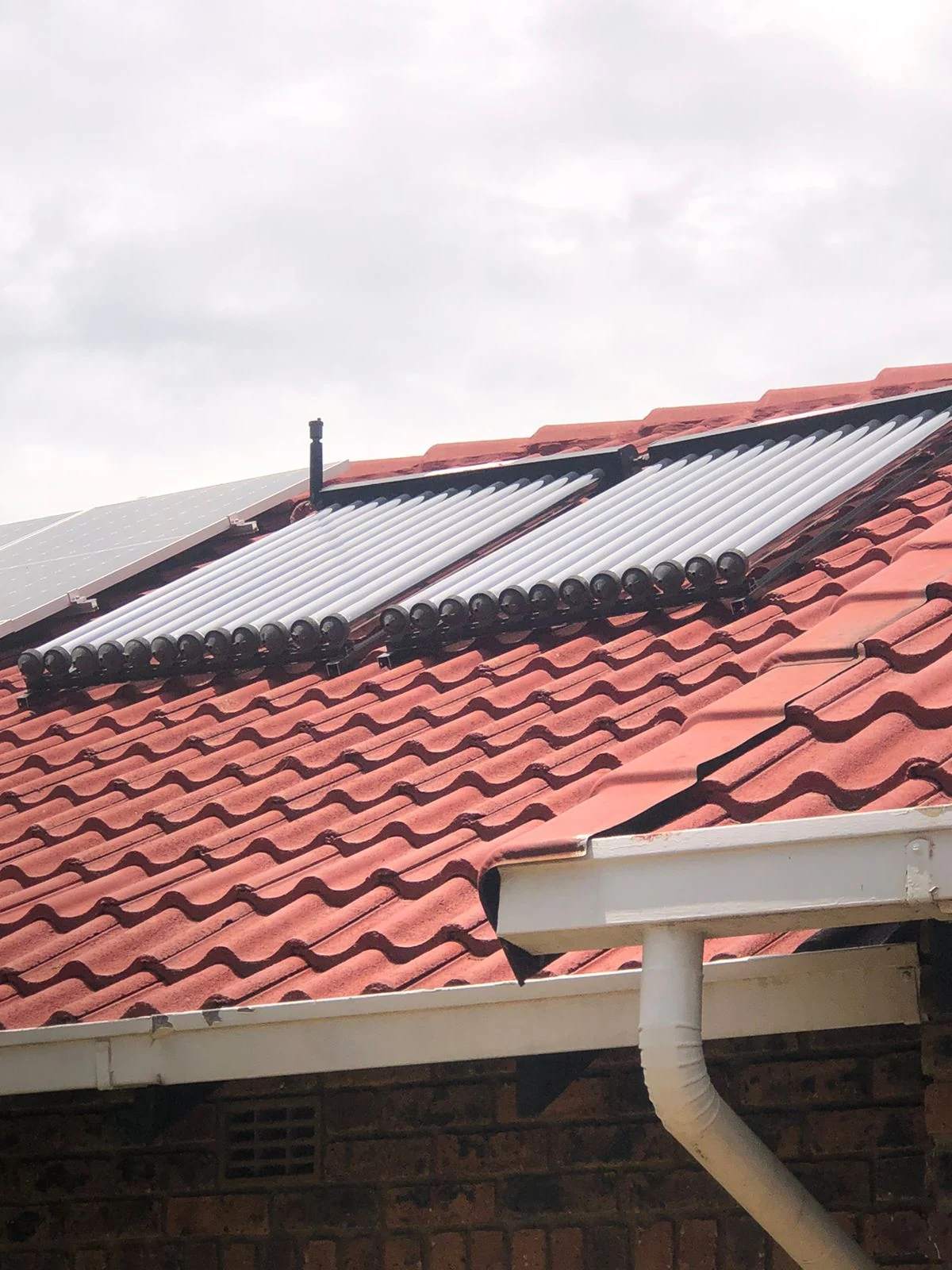
This job photo shows why solar geyser repair needs careful roof-side diagnosis. Damaged tubes, loose fittings, collector leaks and poor circulation can all reduce hot-water performance, so the system should be checked before parts are replaced.
Solarflo Solar Technology Geyser System
Solar geyser brands and system types can vary, but the repair approach still starts with the same basics: visible leaks, tank condition, valve setup, collector condition and pipework checks. Customers comparing systems can also read about solar geyser conversion.
Solar Geyser Air Release Valve
Air release valves, vacuum breakers and pressure components help protect the solar geyser system. When valves leak, block or fail, the system may develop airlocks, pressure problems or poor heating. Related help is available through geyser plumbers near me.
Evacuated Tube Solar Geyser With PV Panel
Some solar geyser installations use additional PV support for pumps or controls. If the pump does not operate correctly, the solar tubes may not transfer heat into the tank as expected. A full inspection checks the tubes, controller, pump signal and pipework.
Evacuated Tube Solar Geyser System On Roof
Evacuated tube systems can lose performance when tubes are damaged, the manifold leaks, circulation is restricted or the backup heating fails. When the system gives lukewarm water, the fault can come from several areas and should be diagnosed correctly.
Damaged Evacuated Tube Solar Geyser
Damaged or weakened evacuated tubes can reduce solar heating efficiency and leave the customer relying on electrical backup. Tube condition should be assessed together with sensor readings, pump operation and valve behaviour before deciding on the repair.
Roof Mounted Flat Plate Solar Geyser
Flat plate solar collectors can develop leaks, poor circulation, heat loss or ageing-related performance problems. These systems should be checked alongside the tank, valves and backup heating components. See geyser repair for related hot-water faults.
Solar Geyser Pressure Control Valve
Pressure control valves and relief valves are important safety components. If a valve discharges continuously, leaks or fails to regulate correctly, it can affect the geyser and pipework. This is often linked to geyser repairs near me.
Solar Geyser Element Testing
Solar geysers still rely on electrical backup during cloudy weather and high demand. If the booster element, thermostat or wiring fails, the customer may have no hot water even when the solar side is intact. Electrical faults must be checked safely.
Solar Geyser Tube Replacement
Tube replacement may be needed when an evacuated tube is broken, damaged or no longer transferring heat properly. The repair should include checking the manifold and nearby pipework so the same fault does not return.
Solar Geyser Pipework And Insulation
Pipe insulation protects heat transfer and reduces energy loss. Damaged insulation, exposed pipework and leaking fittings can make a solar geyser less efficient. Where water is already visible, leak detection may also be required.
Solar Geyser Roof Pipe Repair
Roof pipework faults can cause leaks, poor flow and heat loss between the collector and tank. A proper repair checks the pipe section, unions, insulation, valve position and roof penetration before the system is restored.
Corroded Solar Geyser Pipe Fitting
Corrosion inside pipe fittings can restrict water movement, weaken the connection and create leaks. When corrosion is found, the surrounding pipework and valves should also be assessed so the repair is not only temporary.
Solar Collector Scale And Corrosion
Scale, corrosion and blocked connections can affect solar geyser circulation and heat transfer. These signs help the plumber understand whether the fault is limited to one connection or part of a wider maintenance issue.
Commercial Solar Geyser Installation
Commercial solar geyser systems often serve higher hot-water demand and need reliable valves, pipework and backup heating. Larger installations should be maintained carefully because downtime can affect staff, tenants or customers.
Cracked Solar Geyser Tank Cover
Cracks, water marks and visible deterioration around a solar geyser tank should not be ignored. Sometimes the fault is repairable, but older or damaged tanks may need replacement advice. Related support: burst geyser replacement.
Solar Geyser Thermostat And Element
Thermostat and element faults can make a solar geyser appear completely failed when the solar collector side may still be working. Testing these components helps separate electrical backup problems from collector or pump faults.
Leaking Solar Geyser Tank And Tubes
Leaks around the solar geyser tank, valves or collector connections should be dealt with quickly to prevent roof damage, water loss and repeat failures. Urgent leaks may need emergency leaking pipe repair.
Flat Plate Solar Geyser Roof System
This flat plate system shows the importance of checking collector condition, pipework, valves and the tank together. A weak solar contribution can come from heat loss, poor circulation, controller problems or ageing collector components.
Solar Geyser Repair And Maintenance Work
Regular maintenance helps identify worn valves, poor insulation, leaking fittings and weak heating performance before the system fails. If the system is too old or badly damaged, geyser installation may be discussed as an alternative.