Plumbers Near Me logo
Fast local help for leaking, burst, and faulty geysers

Geyser Plumbers Near Me

Geyser plumbers near me for leaking geysers, no hot water, burst units, pressure valve faults, and hot water system problems

We provide local geyser plumbing services for homes, complexes, businesses, and managed properties that need reliable hot water support. Our plumbers handle repairs, replacements, and geyser fault finding with free call-out fees, free quotes, and guaranteed workmanship.

Electric, solar, and heat pump systemsBurst geyser emergency supportRepair-or-replace adviceFast local response
  • Phone: 067 657 6109
  • Emergency: 067 895 4361
  • WhatsApp: 072 139 8945

Quick tips before we arrive

  • Switch off power and water to a leaking geyser if it is safe to do so.
  • Call quickly when the ceiling below the geyser shows dampness or staining.
  • Do not ignore pressure valve dripping that becomes heavier or constant.
Geyser plumber working on an urgent hot-water fault at a geyser

Urgent geyser fault finding helps confirm whether the problem is electrical, valve related, pressure related, or linked to the tank itself.

Geyser plumbers near me for urgent hot-water faults

When a geyser starts leaking, stops heating, trips the electricity, or sends water into the ceiling, the problem can feel urgent because the damage often happens out of sight. A proper geyser plumber must do more than look at the tank. The plumber should isolate the water and power safely, check the visible fault, test the safety components, and explain whether a repair or replacement is the better long-term option.

Plumbers Near Me helps with electric geysers, solar geysers, heat pump systems, high-pressure geysers, low-pressure units, horizontal installations, vertical installations, domestic homes, complexes, rental properties, offices, shops, and managed buildings. For urgent water damage, you can also use our 24/7 emergency plumbing services or speak to an emergency plumber near me for fast local help.

Common geyser problems we investigate

Geyser leaking from the tank

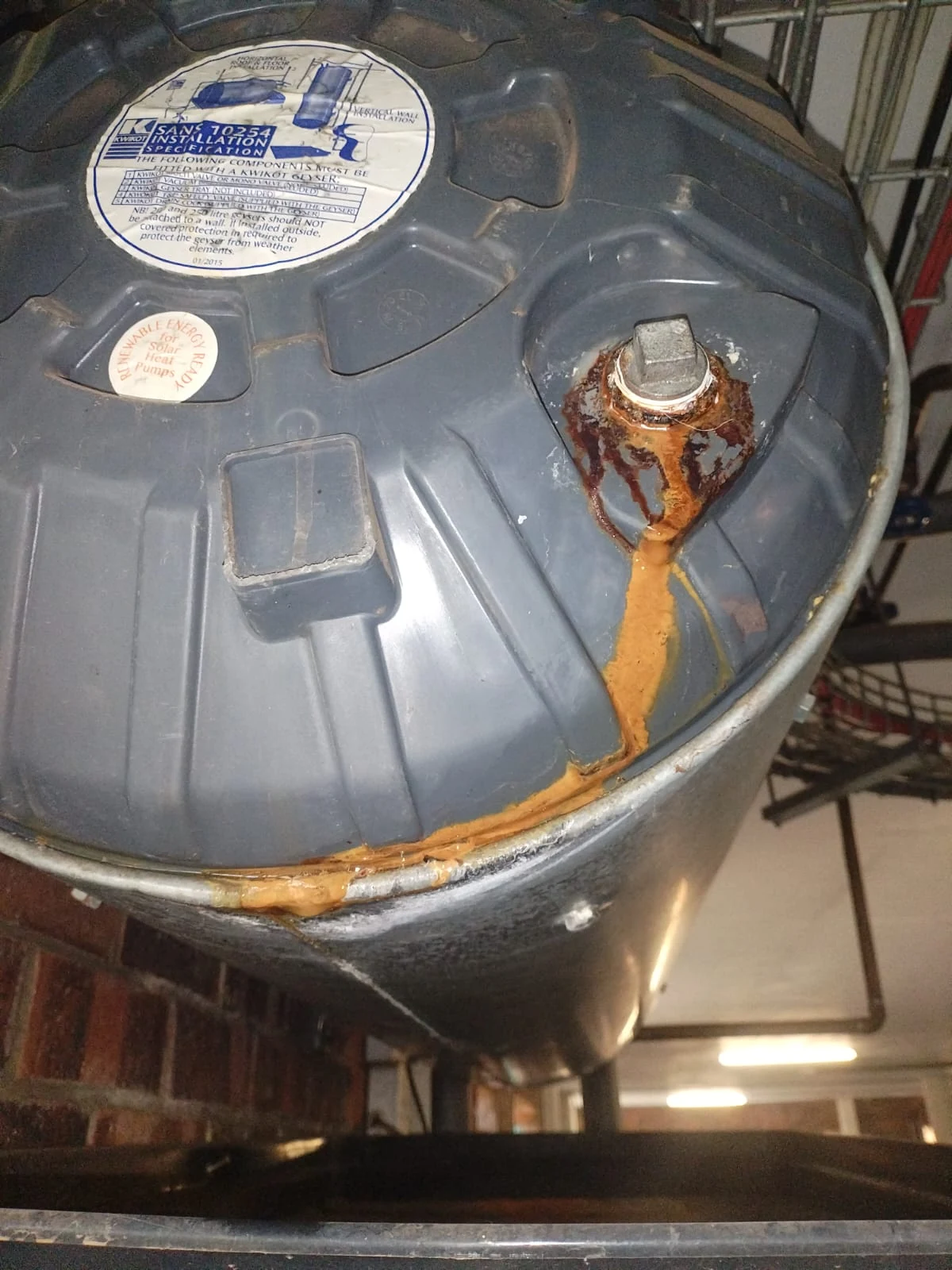
Geyser tank with visible rust staining and water leakage around the casing
Rust staining and water marks on the tank casing can point to a geyser leak that needs urgent assessment before ceiling or structural damage spreads.

A leaking tank is serious because it may point to corrosion, a failed inner cylinder, or a burst geyser that is starting to release water into the roof space. The first step is to reduce damage by switching off the water supply to the geyser and turning off the power if it is safe. On arrival, the plumber checks whether the leak is from the cylinder itself, a valve, a pipe connection, the drip tray, or nearby pipework.

If the tank has failed, repair is usually not a sensible long-term option. In that case, the page most closely related to the work is burst geyser replacement. If the leak is from a fitting or pipe connection, a targeted geyser repair may solve the problem without replacing the full unit.

No hot water from the geyser

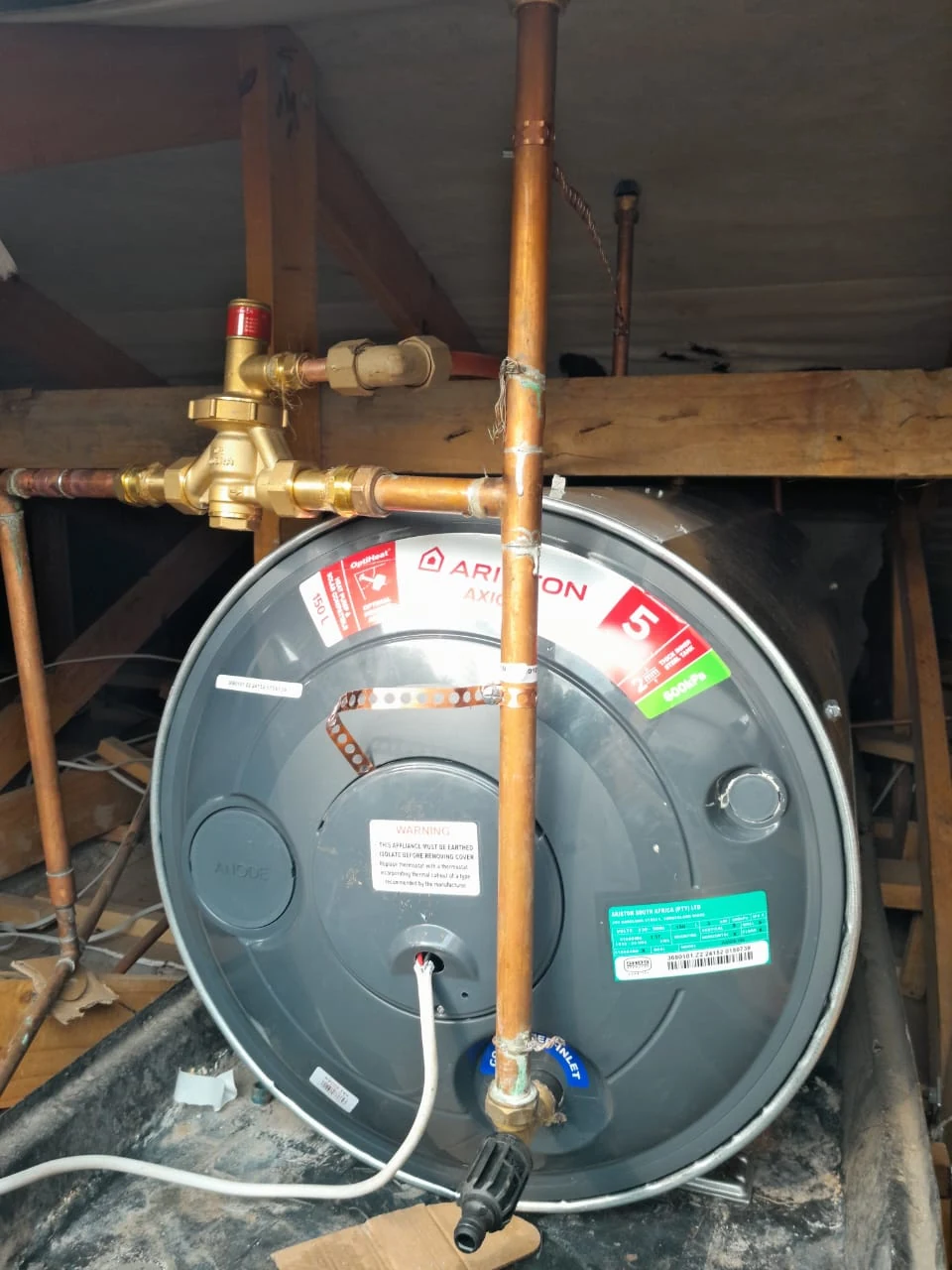
Open geyser electrical cover showing thermostat and wiring for no hot water fault finding
When a geyser stops heating, the fault may sit at the element, thermostat, wiring, isolator, or power supply, so testing must be done before parts are replaced.

No hot water can be caused by a faulty element, failed thermostat, tripped isolator, DB-board issue, timer problem, wiring fault, or a solar control issue. The plumber checks the basic plumbing condition first, then confirms whether the problem is mechanical, electrical, or linked to the heating system. This avoids replacing the wrong part and helps the customer understand the real cause before money is spent.

Where the fault appears electrical, safe isolation is important. For related electrical support, the sitemap includes electrical services and 24/7 emergency electrical services. For normal hot-water repairs, the closest service page is geyser repairs near me.

Water dripping from the overflow or safety valve

Close view of geyser safety valve and overflow connection with water staining below
A constant drip from an overflow or safety valve can be a sign of pressure trouble, valve wear, or expansion water that is no longer being controlled correctly.

A small amount of discharge can happen during heating, but constant dripping or heavy overflow can point to pressure problems, valve failure, expansion issues, or a system that has not been balanced correctly. Ignoring the drip can waste water and may create damp patches, ceiling stains, or slippery areas outside the home. The plumber checks the pressure control valve, temperature and pressure safety valve, expansion relief, and visible pipework before advising on the correct fix.

Pressure-related geyser problems sometimes connect with wider household pressure issues. When the whole property has pressure symptoms, the related page is Gauteng low water pressure.

Geyser tripping the power

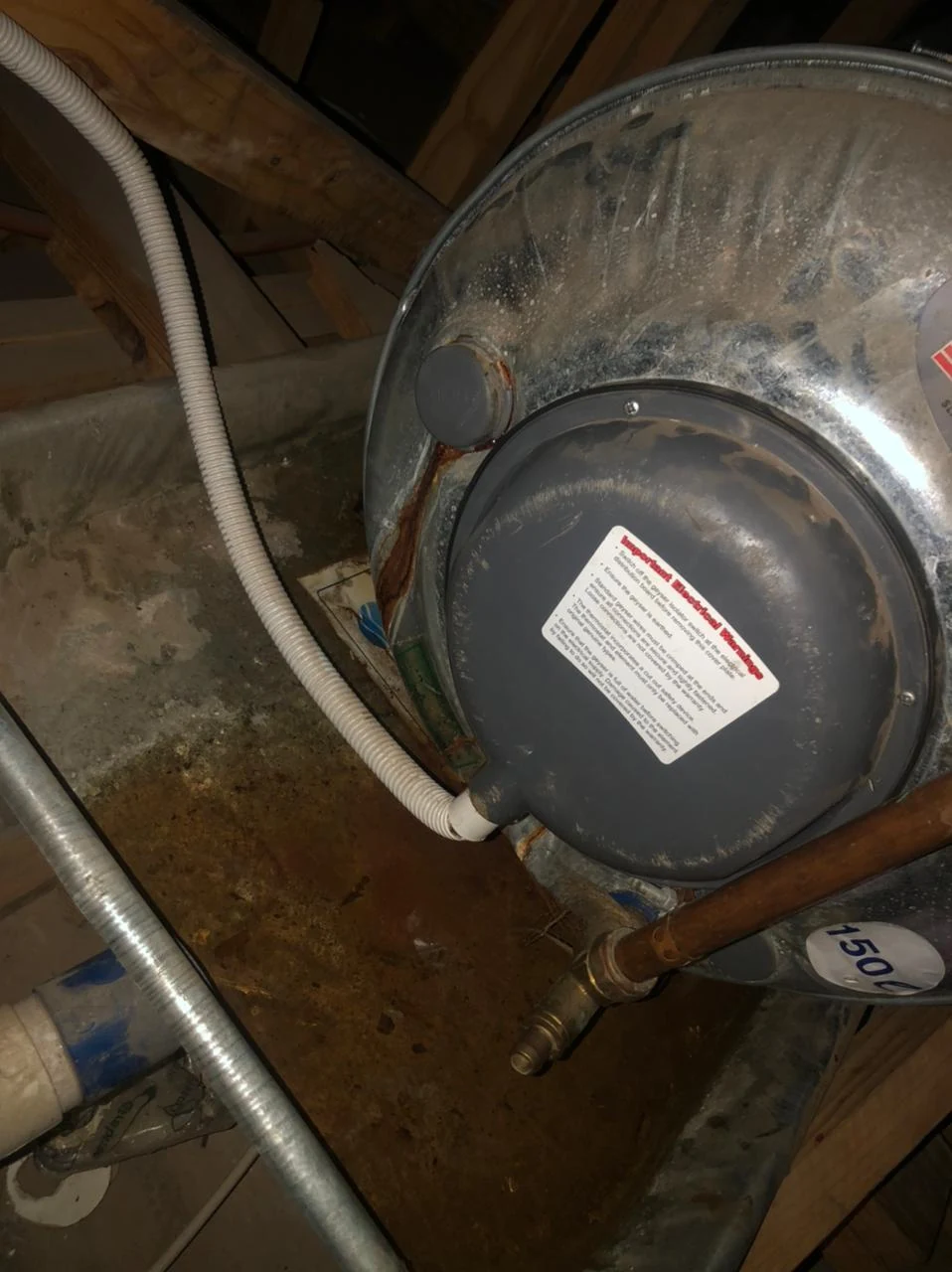
Geyser electrical plate with moisture staining and wiring near a tripping power fault
Power trips around a geyser must be treated carefully because water, heat, damaged wiring, and failed electrical components may be involved.

If the geyser trips the power, do not keep forcing the breaker back on. A tripping geyser can be linked to a faulty element, moisture around electrical parts, wiring problems, a damaged thermostat, or an isolator issue. The safe approach is to switch off the circuit and let the fault be tested correctly. A plumber can check the wet-side components and, where needed, coordinate the electrical side so the repair is handled safely.

When water and electrical symptoms happen together, the problem must be treated carefully. You can also review water and electrical account queries when usage, billing, or repeated faults need a broader look.

Ceiling dampness below a geyser

Brown damp mark on a ceiling below a suspected geyser leak
A ceiling stain below a geyser can be the first visible warning after water has already travelled through insulation, timber, or ceiling boards.

Ceiling dampness under a geyser may come from a leaking tank, failed tray, blocked overflow, leaking pipe connection, or hidden pipe leak near the geyser. The visible stain is often only the end result. The plumber needs to trace the source, stop the water, and decide whether the geyser, valve, pipework, or tray has failed. When the source is not obvious, leak detection or leak detection near me can help locate the real problem before ceilings and cupboards suffer more damage.

Solar geyser faults

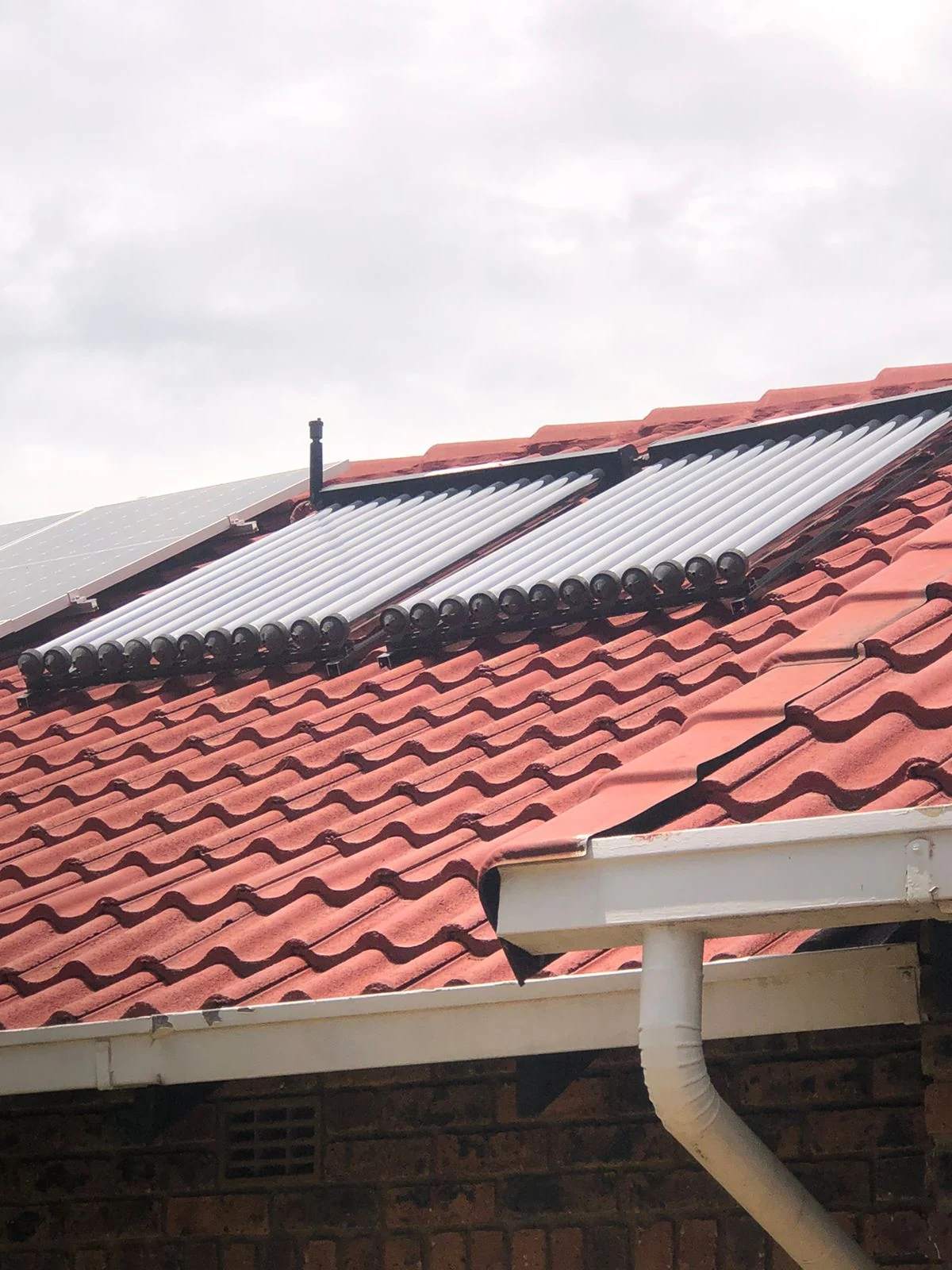
Solar geyser roof tubes and pipework connected to a solar hot-water system
Solar geyser faults can involve rooftop pipework, valves, circulation problems, collector issues, or control faults, so the full system must be checked.

Solar geyser problems can involve the collector, pump, controller, sensor, booster element, thermostat, valves, or circulation side of the system. A solar geyser that is not heating properly does not always mean the tank has failed. The plumber checks whether the fault is on the solar side, electrical booster side, or normal plumbing side, then explains the repair path clearly.

For dedicated solar support, the sitemap includes solar geyser repair, solar geyser repairs near me, and solar geyser conversion.

How we handle a faulty geyser call-out

Step one: make the geyser safe

The first priority is to protect the property and the people inside it. The plumber checks whether water is still running, whether the ceiling or cupboard is being damaged, and whether power needs to be isolated. If the geyser is in a roof space, cupboard, garage, or ceiling void, care is taken before removing panels or moving around the installation area.

Step two: identify the real fault

A geyser fault can look simple from the outside but come from a different part of the system. The plumber checks the tank, valves, pipework, tray, overflow, element, thermostat, pressure control, isolator position, and any visible signs of corrosion or previous poor workmanship. This helps avoid guesswork and gives the customer a clear explanation.

Step three: repair, replace, or quote honestly

Where a repair is practical, the plumber explains what part needs attention and why. Where the tank has burst, is badly corroded, or is no longer worth repairing, the better route may be geyser installation or full replacement. The aim is not to sell the biggest job. The aim is to give the customer a safe, sensible answer that protects the property and restores reliable hot water.

What customers should do before the plumber arrives

  • Switch off the geyser at the DB board or isolator if it is safe and accessible.
  • Close the water supply to the geyser if you know where the valve is.
  • Move valuables away from wet ceilings, cupboards, or floors.
  • Do not climb into a wet roof space if there may be electrical risk.
  • Take photos of the leak, dripping valve, ceiling stain, or error display so the plumber can understand the symptoms quickly.

If the fault is part of a wider plumbing issue, our broader plumbing services page can help you see the other repairs we handle. For local non-emergency work, local plumbers near me and same-day plumber near me are also relevant internal pages.

Free call-out, free quote, and guaranteed workmanship

Geyser problems are stressful because they affect hot water, water damage, safety, and cost at the same time. That is why the process should be clear from the start. Plumbers Near Me offers free call-out fees, free quotes, same-day service where available, knowledgeable staff, after-sales support, and guarantees on workmanship. The plumber explains what is wrong, what can be repaired, what should be replaced, and what the next step will cost before work proceeds.

  • Free call-out fees
  • Free quotes
  • 24/7/365 support for urgent plumbing faults
  • Same-day service where available
  • Guaranteed workmanship
  • After-sales service

Geyser brands and systems we work with

Many South African homes use geyser brands and systems such as Kwikot, Electrolux, SunTank, SunFire, HEAT TECH, and other common units. The brand matters, but the fault pattern matters more. A good inspection looks at the full hot-water system instead of blaming the geyser too quickly. Whether the unit is small, large, horizontal, vertical, high-pressure, low-pressure, electric, solar, or heat-pump linked, the job is approached with the same focus: stop the damage, restore hot water, and reduce the chance of repeat call-outs.

What your geyser is often trying to tell you before it fails

Many geysers do not fail without warning. In the weeks or months before a major breakdown, homeowners often notice small changes that seem unrelated at first. Hot water may run out sooner than normal, the water temperature may fluctuate unexpectedly, or the pressure relief valve may begin dripping more frequently than before. Some people hear unusual popping, crackling, or boiling sounds from the geyser, while others notice damp smells in roof spaces long before water becomes visible inside the home.

These early warning signs matter because they often point to problems that can still be repaired before expensive damage happens. A thermostat fault, failing element, pressure issue, or valve problem may cost far less to correct than replacing ceilings, flooring, cupboards, insulation, or electrical fittings damaged by a burst geyser. If the symptoms are connected to a hidden leak, our leak detection service can help confirm where the water is coming from before the wrong repair is carried out.

Why quick geyser response matters beyond the obvious leak

A leaking or burst geyser is not only a hot-water problem. It can become a ceiling, electrical, cupboard, flooring, mould, and insurance problem very quickly. The water you see dripping into a room may have travelled along roof timbers, pipes, insulation, or electrical conduit before it appears below. That means the visible stain is sometimes several metres away from the actual fault.

Fast response is important because the first few actions can reduce the size of the damage. The plumber does not only look at the geyser. The area around the drip tray, overflow, valves, pipe connections, ceiling board, and nearby electrical points must be checked so that the customer understands whether the problem is isolated or already spreading. When water is still running or the ceiling is actively wet, our 24/7 emergency plumbing services and emergency plumbers near me pages are the most relevant internal support routes.

Why two similar geyser leaks can have completely different causes

One of the most common mistakes homeowners make is assuming that every geyser leak means the tank has burst. Water around a geyser can come from a pressure control valve, vacuum breaker, drain cock, safety valve, flange gasket, overflow pipe, drip tray, copper connection, flexi connection, or nearby pipework. From inside the house the symptoms can look almost identical, but the repair decision can be completely different.

This is why proper fault-finding is important. Replacing an entire geyser when only a valve has failed can waste money. Replacing a valve again and again when the tank is already corroding can also waste money. A good geyser plumber first identifies exactly where the water is escaping, checks whether the fault is part of the geyser or part of the surrounding installation, and then explains whether geyser repair, geyser installation, or burst geyser replacement is the sensible route.

Repair versus replacement decisions should be based on evidence

A repair makes sense when the geyser tank is still sound and the problem is linked to a replaceable part, such as an element, thermostat, valve, gasket, pipe connection, or electrical control component. Replacement becomes more sensible when the inner cylinder has failed, corrosion is visible, the tank is leaking from the body, the installation is unsafe, or repeated repairs are costing more than they should.

The most useful answer is not always the cheapest answer on the day. The right answer is the one that protects the property, restores reliable hot water, and reduces the chance of another call-out soon after. That is why the plumber should explain what failed, what can be repaired, what cannot be trusted anymore, and what the customer risks by delaying replacement when the tank has already reached the end of its useful life.

Roof space damage is often worse than what you can see

When a geyser is installed in a roof space, a leak can spread quietly before the first drip appears in the room below. Wet insulation can hold water for longer than expected. Timber can remain damp after the plumbing fault has been stopped. Ceiling boards can sag gradually. Electrical fittings can become risky even when the leak looks small from below.

For this reason, a good inspection looks beyond the geyser itself. The plumber should check whether water has entered the drip tray correctly, whether the overflow is discharging outside as intended, whether nearby timber and insulation are saturated, and whether the leak path suggests a second plumbing fault nearby. Where the source is not obvious, leak detection near me can help prevent repeated ceiling damage after the geyser work is completed.

How to reduce geyser failures before they become emergencies

Geyser failures are not always preventable, but many serious incidents can be reduced by watching the behaviour of the system. A pressure relief valve that suddenly drips heavily, hot water that becomes hotter than normal, water that cools too quickly, repeated tripping at the DB board, rusty hot water, or a damp smell in a cupboard should not be ignored. These symptoms often appear before a larger failure.

Good prevention is practical rather than complicated. Keep an eye on visible valves and overflow pipes, respond early to unusual hot-water changes, do not repeatedly reset a tripping geyser without investigation, and ask for a proper inspection when a leak returns after a previous repair. For solar systems, the same thinking applies to pumps, sensors, controllers, circulation, and booster heating. The related pages for solar geyser repair and solar geyser repairs near me can support those faults.

Common geyser problems we diagnose on arrival

  • No hot water caused by a failed element, thermostat, isolator, or electrical supply issue.
  • Hot water running out quickly because of heating faults, usage changes, thermostat issues, or system sizing problems.
  • Water dripping from valves, overflow pipes, trays, or pipe connections.
  • Rusty or discoloured hot water that may point to corrosion inside the system.
  • Repeated DB board tripping linked to water ingress, element failure, or electrical faults.
  • Ceiling dampness where the visible stain is not directly below the geyser.
  • Solar geyser faults involving pumps, controllers, sensors, circulation, booster elements, or valves.
  • Pressure problems caused by faulty control valves or unsuitable installation conditions.

These checks help prevent guesswork. The goal is to identify the real fault, explain it in plain language, and then recommend the repair or replacement option that makes sense for the customer.

The costliest geyser mistake homeowners make

The most expensive geyser failures are often not caused by one sudden event. They happen when small warning signs are ignored for months. A slow valve leak can saturate insulation, mark ceilings, increase water bills, damage cupboards, and place strain on nearby components. By the time the problem becomes obvious, the repair may involve more than the geyser.

Early investigation is usually less disruptive and less expensive than waiting for a complete failure. A customer does not need to know the technical cause before calling. It is enough to notice that something has changed: less hot water, strange sounds, dampness, dripping valves, rusty water, or repeated electrical tripping. Those signs are the point where a geyser plumber can often prevent a stressful emergency.

Book a geyser plumber near you

When you are ready to book, use the form on this page, call the numbers shown above, or visit the contact page. You can also browse the main FAQ page for general plumbing questions. The sooner a leaking, dripping, tripping, or non-heating geyser is checked, the easier it is to prevent secondary damage and make the right repair decision.

WhatsApp iconCall icon