
Complete Solar Geyser Systems
Complete solar geyser systems
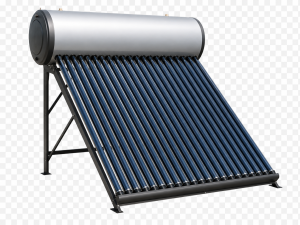
A complete solar geyser system is a full hot-water setup supplied as one properly matched system, instead of a loose geyser tank here, a collector there, and fittings from somewhere else. In plain plumber’s language, it means the main hot-water parts are chosen to work together: the solar geyser tank, solar collector, roof frame, valves, pipework, insulation, controller, backup heating and the installation materials needed to make the system safe, neat and practical for daily use.
A complete system is usually the better choice when the old geyser is leaking, too small, badly positioned, no longer worth converting, or when the client wants a fresh solar hot-water installation from the start. It is also a good option for new homes, renovations, guest houses, cottages, staff accommodation and properties where the owner wants a proper supplied-and-installed package rather than trying to build a system from mixed parts.
The point of a complete solar geyser system is not just to put a tank on the roof. The point is to give the property reliable hot water, reduce unnecessary electrical element use, keep backup heating available when needed, and make sure the installation is serviceable in future. A neat system should be easy to understand, easy to isolate, and properly matched to the people using hot water every day.
What is included in a complete solar geyser system?
A complete solar geyser system normally includes the solar geyser tank, solar collector, roof mounting frame, plumbing valves, pipework, fittings, insulation and control components. Depending on the system type, it may also include a Geyserwise controller, booster element, thermostat, sensors, circulation pump, vacuum breakers, pressure control valve, safety valve and mixing valve.
The exact parts depend on the system design. A high-pressure thermosyphon system is not the same as a pumped split system. A low-pressure system is also different from a high-pressure household installation. That is why a complete system must be selected for the property, not only for the price.
A proper installer should explain what is included before the job starts. The client should know whether the price includes the roof frame, controller, valves, pipe lagging, electrical backup wiring, old geyser removal, plumbing compliance work and final testing. Many problems start when a customer thinks they are buying a full installed system, but later discovers that important parts are excluded.
Complete solar geyser system versus retrofit conversion
A complete solar geyser system replaces or installs the main hot-water system as a full solar setup. A retrofit solar geyser conversion usually keeps the existing electric geyser and adds solar heating components to it. Both can work well, but they are not the same thing.
A retrofit conversion can make sense when the existing geyser is still in good condition, correctly sized and suitable for solar connection. A complete system is normally better when the old geyser is damaged, leaking, badly placed, too old, too small or not worth spending more money on.
From an old plumber’s point of view, this is where honesty matters. If the geyser is already tired, converting it may only delay a failure. The client may spend money on a conversion and then still need a new tank later. In that case, a complete solar geyser system can be the more sensible choice because the tank, collector and plumbing layout are planned together from the beginning.
High-pressure complete solar geyser systems
A high-pressure solar geyser system is designed for properties that use normal pressurised hot water. This is common in many South African homes, townhouses and larger properties where hot water must run properly to showers, basins, baths and kitchen taps.
High-pressure systems must be installed with the correct pressure control and safety valves. The tank must be rated for the pressure, and the valve train must be matched properly. This is not the place to cut corners. If the pressure control valve, vacuum breakers, safety valve or discharge pipework are installed badly, the system can become noisy, unsafe, waste water or fail earlier than expected.
A complete high-pressure solar geyser system is often the best option for a normal family home because it allows the client to keep familiar hot-water pressure while using solar energy to reduce element usage. The system can still have electric backup, so the home is not left relying only on sunshine.
Low-pressure complete solar geyser systems
A low-pressure solar geyser system is usually used in different applications from a normal high-pressure household geyser. Low-pressure systems may be suited to certain outbuildings, rural properties, staff rooms, simple hot-water points or situations where the plumbing design is not based on full mains pressure hot water.
These systems can be practical, but they must be explained properly. A low-pressure system is not automatically the right answer just because it may be cheaper. The client must understand the difference in water pressure, installation position, usage limits and what type of taps or outlets the system will serve.
If a client expects strong pressure to multiple bathrooms, a low-pressure system may disappoint them. If the requirement is a simple, affordable hot-water supply for a limited point of use, it may be suitable. The correct choice depends on the property, not only on the budget.
Thermosyphon complete solar geyser systems
A thermosyphon solar geyser system uses the natural movement of hot water. Hot water rises, cooler water drops, and this movement allows circulation between the collector and tank without needing a pump during normal solar operation.
This type of system is popular because it has fewer moving parts than a pumped system. The tank and collector are normally installed together on the roof frame. When the sun heats the collector, the heated water moves naturally into the storage tank.
A thermosyphon system must be positioned correctly. The height relationship between the collector and tank matters. The frame must sit properly. The roof must be able to carry the load. The pipework must not fight the natural circulation. When done well, it is a simple and dependable solar hot-water setup. When done badly, it can heat poorly, place strain on the roof or look untidy from the street.
Pumped complete solar geyser systems
A pumped solar geyser system uses a circulation pump and controller to move water or heat-transfer flow between the collector and the geyser. This can be useful when the geyser tank and solar collector cannot be positioned together in a normal thermosyphon layout.
For example, the tank may be inside the roof space while the collector is on the roof. In that case, the system needs sensors and a controller to decide when the pump must run. The pump should only circulate when the collector can add useful heat. If it runs at the wrong time, it can waste heat instead of saving energy.
Pumped systems can work well, but they need careful setup. Sensor placement, controller settings, pipe insulation and pump protection are important. A pumped system is not “bad”; it is simply more dependent on good design and correct commissioning.
Choosing the correct solar geyser size
Choosing the correct geyser size is one of the most important parts of buying a complete solar geyser system. A system that is too small can run out of hot water. A system that is too large may cost more than necessary and take longer to heat.
The size must be based on real water use, not only the number of people in the house. A household where everyone takes quick showers is different from a household with long showers, baths, laundry use and heavy kitchen demand. Guest rooms, staff rooms and rental units also change the calculation.
A rough guide is useful, but it should never replace proper advice. A 100L system may suit light use. A 150L system may suit a small family. A 200L system is common for family homes. A 300L system is better for larger households or heavier demand. The installer should ask how the property is used before recommending a tank size.
100L complete solar geyser system
A 100L complete solar geyser system is best suited to smaller hot-water demand. It can work well for flats, cottages, bachelor units, staff rooms, small rental units or homes with one to two people using hot water carefully.
The benefit of a 100L system is that it is compact and easier to place than larger systems. It can be a good option where roof space is limited or where the daily hot-water use is modest. It should still be installed with the correct valves, frame, collector and backup heating control.
Clients must be realistic with a 100L system. If several people shower one after another, or if baths are used often, the system may feel too small. A good plumber should explain this upfront. A small system can save money, but only when it matches the way the property is actually used.
150L complete solar geyser system
A 150L complete solar geyser system is a popular option for small to medium households. It is often considered for two to four people, depending on water habits, shower times and whether the home uses baths regularly.
This size can be a good middle ground because it gives more stored hot water than a 100L system without moving straight to a large tank. It can suit townhouses, family cottages, smaller houses and rental properties where the hot-water demand is steady but not extreme.
The installation still needs proper planning. The roof frame must be secure, the collector must be matched to the tank, and the backup heating must be set so it helps when needed without running all day unnecessarily. With the correct controller settings, a 150L system can be very practical for everyday use.
200L complete solar geyser system
A 200L complete solar geyser system is one of the most common choices for family homes. It is generally suited to medium household demand and can support regular showers, kitchen use and normal daily hot-water routines.
A 200L system is often a sensible choice where a 150L geyser may be too small but a 300L system is more than the property needs. It gives a better buffer for morning and evening use, especially where hot water is used by several people close together.
With a 200L solar geyser, the quality of installation becomes even more important. The tank is heavier, the roof load must be checked, and the pipework should be kept neat and insulated. A complete system should include the correct pressure control, vacuum breakers and discharge arrangements so the system is not only useful, but safe and serviceable.
300L complete solar geyser system
A 300L complete solar geyser system is designed for larger homes, guest houses, lodges, staff accommodation or properties with heavier daily hot-water demand. It is not a system to install casually. The weight, roof position, water demand, collector sizing and backup heating must all be planned carefully.
A 300L system can be excellent when the demand is real. It gives more stored hot water and can support busy mornings, several showers, guest rooms or higher-use properties. But if the home does not need that much hot water, a smaller system may be a better investment.
The old plumber’s view is simple: bigger is not always better. Correct is better. A 300L solar geyser must be properly supported, properly valved and properly explained to the client. The owner should know how the backup heating works, how to use the controller and what to monitor over time.
Solar collectors in a complete system
The solar collector is the part that collects heat from the sun. In a complete solar geyser system, the collector must be matched to the geyser size and expected water use. If the collector is too small, the system may not heat well enough. If it is poorly placed, it may not collect enough sunlight.
Common collector options include evacuated tubes and flat plate collectors. Evacuated tubes are popular for many domestic solar geyser systems because they collect heat efficiently and are often used in thermosyphon designs. Flat plate collectors can also be used and may suit certain installations.
The choice should be based on the system design, roof space, budget and property needs. The collector must be fitted securely, protected from avoidable damage and positioned away from heavy shade where possible.
Roof frame and mounting
The roof frame is not just a bracket. It is what holds the system safely in place. A complete solar geyser system can place a serious load on the roof, especially when the tank is full of water.
A proper installation must consider roof structure, roof pitch, tile type, waterproofing, wind exposure and access for future servicing. The frame must sit neatly and securely. It should not damage tiles, create leaks or place pressure in the wrong area.
Clients often look at the tank and collector first, but an experienced plumber looks at the roof. If the roof cannot safely carry the system, the installation must be changed. A solar geyser should never be fitted just because there is space. It must be fitted where it can be supported and serviced.
Valves and safety controls
The valves on a solar geyser system are there for safety, pressure control, service access and correct operation. They are not optional decorations.
A complete system may need a pressure control valve, vacuum breakers, temperature and pressure safety valve, non-return valve, isolating valve, drain point and mixing valve depending on the installation. The discharge pipes must also be routed correctly so that water released from safety valves does not cause hidden damage.
Bad valve work is one of the easiest ways to spoil a good system. If valves are hidden, installed in awkward places or left out, maintenance becomes difficult. A proper complete solar geyser system should be serviceable. Someone must be able to reach the valves later without pulling the whole installation apart.
Geyserwise controller and backup heating
A controller helps the client understand and manage the system. A Geyserwise controller or similar unit can show water temperature, help control the electric backup element and, in pumped systems, manage circulation.
The biggest practical benefit is control. The client does not have to guess whether the water is hot. They can see the temperature and set backup heating times around their household routine.
Backup heating is important. Solar geysers still need support during cloudy weather, heavy usage, early mornings or winter conditions. A complete solar geyser system should reduce unnecessary element use, not remove the client’s ability to get hot water when the weather is poor.
Pipework and insulation
Pipework is where many installations show their true quality. Neat pipework usually means the installer planned the job. Messy pipework often means the system was rushed.
Solar hot-water pipes must be routed carefully, supported properly and insulated where needed. Long exposed pipe runs can lose heat. Poorly supported pipes can move, rattle or fail. Bad roof penetrations can create leaks.
Good pipework should be practical, tidy and serviceable. It should not run across the roof like an afterthought. The shorter and neater the route, the better the system usually looks and performs. Pipe insulation also helps protect the heat gained from the sun before it reaches the hot-water storage.
Complete solar geyser installation process
A proper installation starts with assessment. The installer should check the existing hot-water setup, roof access, roof strength, plumbing layout, pressure, number of people using hot water and the client’s expectations.
After that, the correct system size and type can be recommended. The installation then includes mounting the frame, placing the tank and collector, connecting pipework, installing valves, fitting the controller where needed, connecting backup heating and testing the system.
Once complete, the client should be shown how the system works. This part is often ignored, but it matters. A client should know what the controller does, when backup heating is active, where important valves are, and what signs may show that the system needs attention.
What affects complete solar geyser system prices?
Complete solar geyser system prices depend on more than the tank size. The brand, collector type, roof type, roof access, pipe distance, valve requirements, controller choice and installation complexity all affect the final cost.
A cheaper quote may not include important items. It may leave out the controller, proper valves, insulation, roof frame, electrical backup work or compliance-related plumbing. That is why a client should compare what is included, not only the bottom-line price.
A good quote should be clear. It should explain whether the system is supplied and installed, whether backup heating is included, whether the old geyser is removed, whether roof work is included and whether the installation is guaranteed. Clear quoting prevents arguments later.
Fully installed solar geyser systems
A fully installed solar geyser system is usually the best option for clients who want one responsible team to supply, fit and test the system. It removes the confusion of buying parts separately and then trying to find someone to make them work together.
With a fully installed system, the installer takes responsibility for matching the tank, collector, frame, valves and control components. The workmanship also matters because even good products can fail or underperform when installed badly.
Clients should ask whether the installation includes final testing, handover, explanation of the controller, valve checks and workmanship guarantee. A solar geyser is not like buying a small appliance off a shelf. It becomes part of the plumbing system, so the installation is just as important as the product.
Complete system for homes
For a home, the best complete solar geyser system is the one that suits the family’s routine. Some homes use hot water mainly in the morning. Others use more in the evening. Some have children, visitors, domestic staff, tenants or outdoor rooms that increase demand.
A proper recommendation should consider all of that. The system must supply useful hot water without wasting money on the wrong size. It must also leave the home with backup heating so the family is not stuck during poor solar conditions.
The owner should also think about future use. If the family is growing, or if the property may be rented out later, sizing may need to be planned with some flexibility. A complete system should serve the home now and still make sense a few years from now.
Complete system for guest houses and rental properties
Guest houses, lodges and rental properties need hot water to be dependable. Guests do not care that the weather was cloudy. Tenants do not want complicated instructions. Staff accommodation often has peak hot-water periods where many people use the system close together.
For these properties, sizing and backup heating are very important. A 300L system or multiple systems may be needed depending on the number of bathrooms and users. The system must also be easy to maintain because downtime can affect the business.
A good complete solar geyser system for rental or guest use should be robust, easy to understand and serviceable. Valves should be accessible. Controllers should be set sensibly. Pipework should be protected. The owner or manager should know what to check before calling a plumber.
Maintenance on complete solar geyser systems
Solar geysers are not fit-and-forget forever. They need basic checks over time. Valves, pipe insulation, roof mounting, controller settings, safety discharge, leaks and collector condition should be inspected periodically.
Evacuated tubes can be checked for damage. Pipe lagging can be checked for sun damage. Safety valves should not be ignored if they discharge constantly. The controller should still show sensible readings. Any signs of poor heating, strange noises, water dripping or pressure changes should be checked early.
Good maintenance protects the client’s investment. It also helps prevent small issues from becoming expensive repairs. A complete system that is looked after properly should give better long-term service than one that is ignored until something fails.
Common mistakes when buying a complete solar geyser system
One common mistake is buying on price alone. Another is choosing the wrong size. A third is accepting an installation where important parts are excluded or poorly explained.
Clients should be careful of vague quotes. If the quote does not clearly say what is included, there may be surprises later. The client should know whether valves, frame, controller, backup heating, insulation and installation materials are included.
Another mistake is ignoring roof suitability. A solar geyser must be mounted properly. A cheap installation that damages the roof or causes leaks is not cheap in the long run. The best system is not always the most expensive one, but it must be complete, correctly sized and installed by people who understand hot-water plumbing.
Questions to ask before buying
Before buying a complete solar geyser system, the client should ask what size is recommended and why. They should ask what type of system is being supplied, whether it is high-pressure or low-pressure, thermosyphon or pumped, and what collector is included.
They should also ask about backup heating, controller options, valve work, roof mounting, installation guarantee and compliance. If the old geyser is being replaced, they should ask what happens to it. If the system is being installed on a tiled roof, they should ask how roof leaks will be prevented.
A proper installer should not be irritated by these questions. These are the questions that prevent misunderstandings. A solar geyser is an investment, and the client deserves to understand what they are paying for.
A plumber’s view on complete solar geyser systems
A complete solar geyser system should be sold with care. The client is not only buying a tank and collector. They are buying hot water for the home. That means the system must be practical, safe, correctly sized and properly explained.
The best installations are the ones where the owner knows what was fitted, how it works and what to do if something changes. The roof looks neat. The pipework is tidy. The valves are reachable. The controller makes sense. The backup heating is available when needed.
Shop by brand
Find the right product
Products available to order
Showing all 8 resultsSorted by price: low to high
-
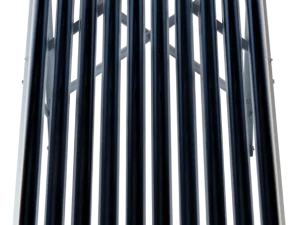
100L High Pressure Solar Geyser Conversion
ApolloIn stockR11825,00 Add to cart -

150L High Pressure Solar Geyser Conversion
ApolloIn stockR13451,00 Add to cart -
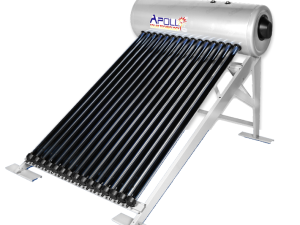
100L high-pressure solar geyser
ApolloIn stockR14805,00 Add to cart -
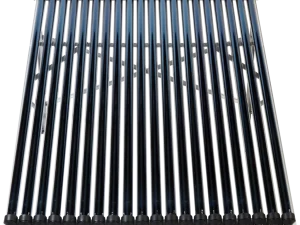
200L High Pressure Solar Geyser Conversion
ApolloIn stockR15449,00 Add to cart -
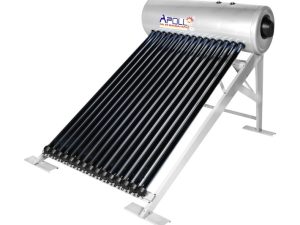
150L high-pressure solar geyser
ApolloIn stockR16332,00 Add to cart -

200L high-pressure solar geyser
ApolloIn stockR19325,00 Add to cart -

300L High Pressure Solar Geyser Conversion
ApolloIn stockR19482,00 Add to cart -
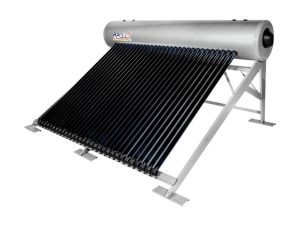
300L high-pressure solar geyser
ApolloIn stockR28085,00 Add to cart