Geyser Installation Products
Geyser Installation Products
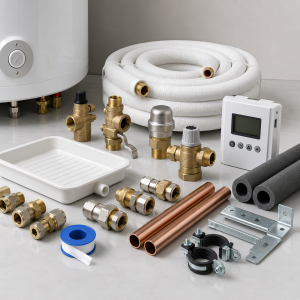
Geyser installation products are the parts, fittings, valves, pipes, supports and control items needed to install a geyser safely and neatly. A geyser is not only the tank. It is part of a working hot water system, and that system depends on the correct pressure control, safety valves, pipework, drainage, support, electrical backup and service access.
When a geyser is installed properly, the client gets reliable hot water, safer operation and easier maintenance later. When the wrong parts are used, the geyser may leak, drip constantly, lose pressure, overheat, waste electricity or become difficult to repair. This is why good geyser installation products matter so much. They are not small extras. They are the parts that make the whole installation work.
A proper installation should look planned. The pipework should be neat. The valves should be reachable. The overflow and discharge pipes should be routed correctly. The geyser should be supported properly. The client should know where the important shut-off points are and what to watch for after installation.
What geyser installation products can include
Geyser installation products can include all the plumbing and support items used when fitting a new geyser or replacing an old one. These products may differ depending on whether the geyser is electric, solar, high pressure, low pressure, wall-mounted, roof-mounted, horizontal, vertical or part of a conversion system.
Common geyser installation products include pressure control valves, temperature and pressure safety valves, vacuum breakers, drain cocks, non-return valves, isolating valves, mixing valves, copper pipe, PEX pipe, multilayer pipe, fittings, unions, elbows, tees, pipe insulation, drip trays, overflow pipes, mounting brackets, geyser stands, support straps, electrical isolators, thermostats, elements, controllers and installation accessories.
The exact products needed depend on the installation. A simple like-for-like geyser replacement may need fewer parts than a new system where pipework, valves and supports must be corrected. A solar geyser installation may need extra roof frame components, collector fittings, controller wiring, pipe insulation and backup heating controls.
Pressure control valve
A pressure control valve is one of the most important geyser installation products on a high-pressure geyser. It controls the incoming water pressure before it reaches the geyser. If the supply pressure is too high, the geyser and valves can be placed under unnecessary strain.
A pressure control valve must be matched to the geyser and the plumbing system. It is not something to choose by guesswork. The wrong pressure rating can cause poor performance, constant dripping from safety valves or damage to the installation over time.
From a plumber’s point of view, pressure control is the first line of protection. If the pressure going into the geyser is wrong, other parts of the system will suffer. A good geyser installation should always consider incoming pressure before the tank is left in service.
Temperature and pressure safety valve
The temperature and pressure safety valve protects the geyser if the temperature or pressure becomes too high. This valve is there for safety and should never be blocked, capped or ignored.
If water discharges from this valve, it may mean the valve is doing its job, or it may mean there is another problem in the system. It could be excessive pressure, expansion, overheating or a faulty valve. The correct installation of this valve and discharge pipework is very important.
A safety valve must be accessible for inspection and replacement. It should not be hidden behind awkward timber, squeezed into a corner or installed where no one can work on it later. Good geyser installation products must be fitted with future maintenance in mind.
Vacuum breakers
Vacuum breakers help protect the geyser from vacuum conditions. They are small parts, but they play an important role in geyser safety and correct operation.
On many geyser installations, vacuum breakers are fitted on the hot and cold water lines near the geyser. Their position matters. They must be installed correctly and kept accessible. If they leak, whistle or fail, they may need replacement.
A lot of clients do not notice vacuum breakers until something goes wrong. A plumber, however, knows that these small valves are part of a safe installation. Leaving them out or fitting them badly can cause trouble later.
Drain cock
A drain cock allows the geyser or part of the system to be drained for maintenance, replacement or repair. Without a proper drain point, servicing the geyser becomes harder and messier.
A drain cock should be fitted where it can be reached and used safely. It should not discharge water where it can damage ceilings, cupboards, electrical items or roof insulation. When a geyser needs to be replaced, a working drain cock can save time and reduce mess.
This is a simple part, but it is one of those products that shows whether the installation was planned for the next person who has to work on it.
Non-return valve
A non-return valve allows water to flow in one direction and helps prevent unwanted backflow. In geyser installations, it can be part of the correct pressure and flow arrangement.
If a non-return valve is installed in the wrong direction, it can stop water flow. If it fails, it may allow water to move where it should not. This can affect pressure, heating behaviour and system reliability.
Non-return valves must be selected for the correct pressure and temperature conditions. They must also be installed neatly so they can be checked or replaced if necessary.
Isolating valves
Isolating valves allow sections of the water system to be shut off for repair or maintenance. A geyser installation should have practical isolation so the whole property does not always need to be shut down for a small repair.
A good isolating valve makes future service work easier. If a valve leaks or fails, it should be replaced with a quality part. Cheap valves can become stiff, seize, leak around the stem or fail when urgently needed.
Clients often only appreciate isolating valves when there is an emergency. A properly placed valve can reduce water damage and make repairs faster.
Mixing valves
A mixing valve blends hot water with cold water to deliver safer and more controlled outlet temperatures. This can be useful where water gets very hot, especially on solar geyser systems or installations serving children, elderly people, guest rooms or rental properties.
A mixing valve must be installed in the right position and must be accessible for adjustment and servicing. If it fails, the client may experience unstable temperatures, water that is too hot, or water that is not hot enough.
The correct mixing valve can improve comfort and safety. It is not always required on every installation, but where it is needed, it should be treated as an important control product.
Copper pipe
Copper pipe is commonly used in geyser installations because it handles heat well and is widely used in hot water plumbing. It is strong, neat and serviceable when fitted correctly.
Copper pipe must be supported properly and joined with suitable fittings. It should not be forced into position or left under strain. A neat copper pipe installation shows good workmanship and makes the geyser area easier to understand.
When copper is used with other materials, the plumber should consider compatibility, corrosion risks, pressure and temperature. Good pipework is not only about looking tidy; it must last.
PEX and multilayer pipe
PEX and multilayer pipe can also be used in hot water systems where suitable and compliant. These pipes are flexible, practical and useful for certain routes, but they must be correctly rated for hot water and pressure.
The correct fittings must be used with these systems. Mixing pipe brands, using the wrong inserts, failing to support the pipe or exposing it to harsh conditions can create future leaks.
A plumber should choose pipe material according to the installation, not only convenience. The pipe must suit the temperature, pressure, route, exposure and long-term maintenance needs of the property.
Brass fittings and connectors
Brass fittings are used to connect valves, pipes and geyser components. These can include elbows, tees, couplings, reducers, unions, nipples, adaptors and compression fittings.
Good fittings make a big difference. Poor-quality fittings can crack, strip threads, leak or corrode. Incorrect fittings can place stress on the pipework and make the installation awkward to service.
A good plumber chooses fittings that suit the pipe size, pressure and connection type. The installation should not look like a collection of random pieces forced together. It should be clean, logical and strong.
Unions
Unions allow parts of the geyser system to be disconnected without cutting pipework. This is very useful for future maintenance and replacement.
A geyser installation with properly placed unions is easier to service. If a valve or fitting needs to be replaced, the plumber can often remove that section without disturbing everything around it.
Unions should be installed where they make practical sense. They must be tightened correctly and not hidden behind insulation or timber where they cannot be reached.
Pipe insulation
Pipe insulation helps reduce heat loss from hot water pipes. This is especially useful where pipework runs through cold roof spaces, outside areas or solar geyser installations.
Uninsulated hot water pipes waste heat. That means the geyser has to work harder to deliver hot water at the tap. Insulation also helps protect pipes from weather exposure and gives the installation a more professional finish.
Good insulation should be fitted neatly and secured properly. It should not be left loose, torn or missing around bends and fittings.
Geyser drip tray
A drip tray is used under certain geyser installations to help collect water if the geyser leaks. The tray must be connected to a proper overflow pipe that discharges where water can be noticed and will not cause hidden damage.
A drip tray is not there to make a leaking geyser safe forever. It is there to reduce damage and give warning. If water appears from the tray overflow, the geyser or pipework must be checked.
A badly fitted tray can be almost useless. It must be placed correctly, supported properly and sloped so water can leave through the overflow.
Overflow and discharge pipework
Overflow and discharge pipework must be routed correctly. Water from safety valves, drip trays or discharge points should not be allowed to damage ceilings, walls, electrical wiring or cupboards.
Discharge water should be visible where practical so the client can see when something is wrong. If a discharge pipe is hidden into a place where nobody notices it, a small valve problem can continue for months.
This is one of the most important details in geyser installation. It is not enough to fit the valve; the water released from that valve must be handled properly.
Geyser brackets and supports
A geyser full of water is heavy. It must be properly supported. The type of support depends on whether the geyser is wall-mounted, installed in the roof, placed on a platform, or mounted as part of a solar geyser system.
Brackets, stands, straps and support platforms must be strong enough for the load. Weak support can cause movement, pipe strain, ceiling damage or unsafe conditions.
A proper installer checks the structure before fitting the geyser. The question is not only “Can it fit here?” The real question is “Can this place safely carry it and allow future maintenance?”
Roof-mounted solar geyser frames
Solar geysers often need roof frames to hold the tank and collector. The frame must suit the roof type, roof pitch and system weight.
A tiled roof, IBR roof, corrugated roof and flat roof may each need a different mounting approach. The frame must not crack tiles, create leaks or sit in a way that shifts under wind or water weight.
A roof-mounted geyser must be treated with respect. Once the tank is full, the load is serious. Good frame products and good workmanship are both essential.
Geyser elements
The geyser element heats the water electrically. Even many solar geysers still use an element for backup heating. If the element is the wrong size, poor quality or badly fitted, the system may heat slowly, trip electricity or fail early.
An element must match the geyser specification. It should be installed with the correct gasket and electrical connection. If an element fails repeatedly, the cause should be checked instead of only replacing the part.
Scale, thermostat faults, wiring issues and water quality can all affect element life. A good geyser installation product must be chosen with the system conditions in mind.
Thermostats
The thermostat controls the element by switching it on and off according to temperature. A faulty thermostat can cause no hot water, overheating, tripping or inconsistent water temperature.
The thermostat must be correct for the geyser and fitted properly. It must also work safely with any timer or controller installed on the system.
A thermostat is a small item, but it has a big job. It controls heat, comfort and safety. It should never be bypassed or treated casually.
Geyser controllers
A geyser controller can help manage hot water temperature and heating times. Geyserwise and similar controllers are often used on solar geysers and energy-saving geyser setups.
A controller can show temperature, control backup heating and help the client avoid unnecessary element use. On some systems, it can also manage pump circulation.
A controller should be installed where the client can access it and understand it. There is no point fitting a controller if the customer is never shown how to use it.
Geyser timers
A geyser timer helps control when the geyser element is allowed to run. This can reduce unnecessary electricity use if set properly around the household routine.
The timer must be selected and installed correctly. It should be rated for the load and wired safely. A poor timer installation can create electrical problems or unreliable heating.
A timer is useful when the household has predictable hot water needs. It should not be set so tightly that the client runs out of hot water every morning.
Electrical isolator
An electrical isolator allows the geyser circuit to be switched off for safety and maintenance. Electrical work around geysers must be done properly because water and electricity are a dangerous combination.
The isolator should be accessible and correctly rated. Loose connections, poor wiring or incorrect protection can cause tripping, overheating or unsafe conditions.
Although plumbers focus on water, a geyser installation often involves coordination with electrical safety. The electrical side must not be ignored.
Solar geyser installation products
Solar geyser installation products include roof frames, collectors, tanks, valves, copper pipe, insulation, controllers, sensors, pumps and backup heating parts.
A solar geyser installation must be planned around the roof, sun exposure, household size and pressure system. The products must be matched. A good collector will not save the job if the valves are wrong, the pipework is poor or the roof frame is weak.
The client should always know what is included. A proper solar geyser package should not hide important installation products as surprise extras later.
Geyser replacement products
When replacing a geyser, some existing parts may be reused only if they are still safe and suitable. Old valves, brittle pipework, damaged trays and poor supports should not be left simply to save time.
A geyser replacement is often the right time to correct old mistakes. The pressure valve can be checked, the discharge pipework can be corrected, insulation can be improved and a timer or controller can be added if useful.
A replacement should leave the system better than before, not just put a new tank onto old problems.
Products for no hot water problems
No hot water can be caused by a faulty element, thermostat, controller, timer, sensor, pump, isolator or wiring issue. The correct product depends on the fault.
A plumber should test before replacing parts. Guessing can cost the client money and still leave the geyser cold.
For solar systems, no hot water may also be linked to poor backup heating settings, sensor failure, pump failure, damaged tubes or valve problems. The system must be checked as a whole.
Products for leaking geysers
A leaking geyser may need valves, fittings, pipe sections, seals, gaskets, trays or in some cases a full geyser replacement. The repair product depends on where the leak comes from.
A leak from a valve is different from a leak from the tank body. A leak from a pipe joint is different from a tray overflow. The source must be confirmed before the correct product is selected.
If the geyser tank itself is leaking, repair parts may not solve the problem. A replacement geyser may be the only sensible option.
Products for safer geyser installations
Safety-focused geyser installation products include pressure control valves, safety valves, vacuum breakers, drip trays, discharge pipes, isolators, mixing valves and proper supports.
These products protect the property and the people using the hot water system. They are not optional if the installation requires them.
A client may not always see the value of these parts at first, but they matter when pressure rises, water overheats, a leak starts or maintenance is needed.
Choosing the correct geyser installation products
The correct geyser installation products depend on the geyser size, pressure rating, water supply, pipe material, location, roof access, electrical setup and whether the system is electric or solar.
Before buying parts, check what type of geyser is being installed, whether it is high pressure or low pressure, where it will be mounted, what valves are required, what pipe material is being used and whether compliance work is needed.
A good product is not only the one that fits in your hand. It must fit the system, the pressure, the temperature and the property.
A plumber’s view on geyser installation products
My view is simple: the geyser tank gets the attention, but the installation products decide whether the job is good. A strong tank with poor valves, bad pipework and weak support is not a good installation.
A proper geyser setup should be neat, safe, serviceable and easy for the client to understand. The owner should know where to isolate the water, what the overflow means, and who to call if something changes.
Good geyser installation products help prevent leaks, protect the system and make future maintenance easier. That is what a client is really paying for: not just hot water today, but a system that has been put together properly.
Shop by brand
Find the right product
Products available to order
Showing all 8 resultsSorted by price: low to high
-
100L High Pressure Solar Geyser Conversion
ApolloIn stockR11825,00 Add to cart -

150L High Pressure Solar Geyser Conversion
ApolloIn stockR13451,00 Add to cart -
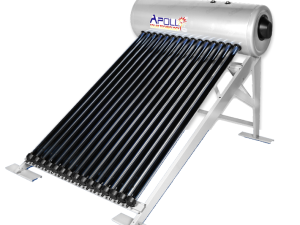
100L high-pressure solar geyser
ApolloIn stockR14805,00 Add to cart -
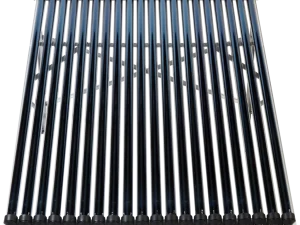
200L High Pressure Solar Geyser Conversion
ApolloIn stockR15449,00 Add to cart -
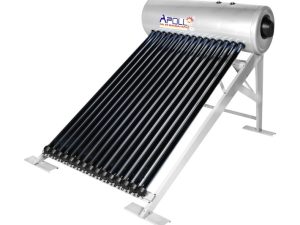
150L high-pressure solar geyser
ApolloIn stockR16332,00 Add to cart -

200L high-pressure solar geyser
ApolloIn stockR19325,00 Add to cart -

300L High Pressure Solar Geyser Conversion
ApolloIn stockR19482,00 Add to cart -
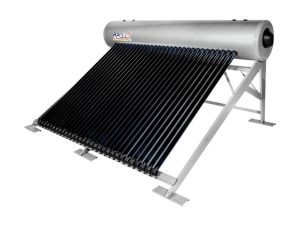
300L high-pressure solar geyser
ApolloIn stockR28085,00 Add to cart