South Africa’s water crisis is not a future problem, it is a present-tense financia
Before You Worry
When faced with a plumbing issue, it’s easy to spiral into panic mode, especially if it involves leaks or water damage. However, before you worry, take a moment to assess the situation. Is the problem something that can wait or is it an emergency? Understanding the severity of your plumbing issue can save you time, money, and unnecessary stress. Remember, not every minor drip or slight leak requires immediate attention from a professional.
Understanding the Topic
To effectively communicate your plumbing concerns to a plumber, it’s essential to understand the basics of your issue. Whether it’s a blocked drain, a leaking tap, or a malfunctioning geyser, having a clear grasp of what the problem might be will help our team diagnose it more quickly. Familiarise yourself with the plumbing terminology and the common causes behind the issues. For example, knowing the difference between a burst pipe and a slow leak can assist in conveying the urgency of your situation.
Common Questions
When reaching out for plumbing assistance, you may have several common questions in mind. What can I do to resolve this issue? How much will it cost? Is this covered by my insurance? These questions are important and can help you prepare for the conversation with a plumber. Understanding the basics of plumbing problems will enable you to ask the right questions, ensuring you get the most accurate and helpful advice.
What You Can Safely Check Yourself
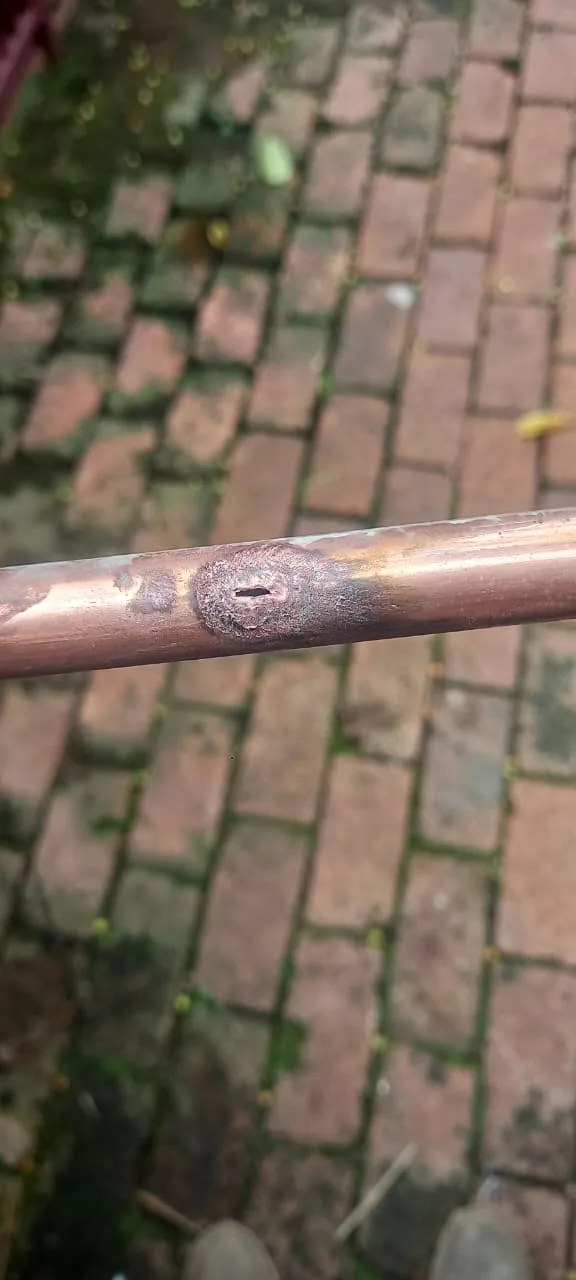
Before calling a plumber, there are a few checks you can safely perform yourself. For instance, you can inspect visible pipes for any signs of leaks or rust. Check your water pressure by turning on taps at different locations and observing if there’s a significant drop in flow. Additionally, if you have a geyser, you can ensure the temperature setting is appropriate, as overheating can lead to more serious issues. However, always remember your safety first—if you feel uncertain about checking anything, it’s best to call in the professionals.
What You Should Never Do
While it’s good to take initiative, there are certain things you should never attempt on your own. For instance, never try to fix complex plumbing issues without proper knowledge, as this may worsen the problem. Avoid using harsh chemicals to clear blockages in your drains, as they can damage pipes and lead to more costly repairs. Additionally, attempting to replace major plumbing fixtures without professional guidance can lead to leaks or compliance issues with municipal bylaws. Trust our team to handle the intricate parts of plumbing and ensure everything is up to SANS standards.
When to Call a Plumber
Knowing when to call a plumber can save you time and prevent further damage. If you notice persistent leaks, strange noises from your plumbing system, or if your water bill has inexplicably increased, these are signs that you should seek professional help. Other situations that warrant a call include overflowing toilets, blocked drains that persist after home remedies, or any plumbing issue that causes water to pool around your property. It’s always better to err on the side of caution and consult with our experts at Plumb A Nator.
How Plumb A Nator Helps
At Plumb A Nator, we pride ourselves on providing comprehensive plumbing solutions tailored to your needs. Our team of experienced plumbers is equipped to handle a wide range of issues, from routine maintenance to emergency repairs. When you contact us, we will guide you through the process, ensuring that we understand the problem at hand. We also offer preventative maintenance services to help you avoid future plumbing headaches. For more specifics on how we can assist, explore our range of services here.
Planning Ahead
Proactive plumbing management can save you a lot of hassle down the line. Consider conducting regular inspections of your plumbing system, especially before the rainy season or during load shedding periods when water supply might be inconsistent. Upgrading to water-saving fixtures can not only reduce your monthly bills but also ensure compliance with municipal regulations. Planning ahead includes understanding how your plumbing works and being aware of any changes in your home’s water pressure or usage patterns.
CUSTOMER QUESTIONS
What information should I send a plumber?
Location, urgency, which fixtures are affected, when it started, photos/videos, whether water can be isolated, and any access notes.
Why do photos help?
Clear images of the leak, damp areas, meter movement or affected fittings speed diagnosis and reduce wrong-part visits.
What details about timing matter?
Whether the issue is continuous or intermittent, and if it follows appliance use, pressure changes or load shedding.
Should I include water-isolation status?
Yes. Note if the stopcock or local isolators work and whether water is currently stopped.
Is address and access information important?
Yes. Suburb, complex access, parking and contact person prevent delayed arrival.
What should I not wait to mention?
Sewage present, water near electricity, ceiling saturation or rapid spread of damage.
Can WhatsApp messages be enough?
Often yes for triage, provided symptoms, photos and contact details are clear.
Do I need a full history of the plumbing system?
Recent work, previous similar faults and known weak points are useful but not mandatory for first response.
What if I am unsure how urgent it is?
Describe symptoms honestly; the team can help prioritise emergency vs scheduled attendance.
Can Plumb A Nator receive details before arrival?
Yes. Send the checklist details to speed assessment across Gauteng jobs.
Need professional plumbing assistance?
Speak directly to our team for practical advice, a free quotation and help arranging the right plumbing service.