South Africa’s water crisis is not a future problem, it is a present-tense financial and operational pressure on every household and business c
Before You Worry
Receiving a surprisingly high water bill can be distressing, especially when you feel you haven’t changed your water usage habits. Before jumping to conclusions, take a moment to breathe and gather information. Many factors can contribute to an increase in your water bill that may not be immediately apparent. It’s essential to approach the situation methodically, as panic can lead to unnecessary expenses or hasty decisions.
First, consider your household’s seasonal behaviour. For instance, if you’ve recently hosted family or friends or had an increase in outdoor water usage due to gardening or filling a pool, these activities can significantly influence your monthly consumption. Additionally, during periods of load shedding, you may be unknowingly compensating for the lack of electricity by using more water for cooking or cleaning when power returns. Keep these variables in mind as you investigate your bill.
Understanding the Topic
Water bills are calculated based on the volume of water consumed, measured typically in kilolitres (kL) or cubic metres (m³). Municipalities in South Africa employ tiered pricing structures, meaning the more water you use, the higher the rate per kilolitre. Understanding how your municipality calculates these charges is crucial for identifying potential discrepancies in your bill. With rising costs and ongoing water scarcity, it’s vital to stay informed about how your usage translates into Rand.
High water bills can stem from various issues, including leaks, faulty plumbing fixtures, or even changes in municipal rates. The South African National Standards (SANS) regulations dictate water efficiency standards, and older plumbing systems may not adhere to these guidelines, leading to increased consumption. Understanding these standards can help you make more informed decisions regarding your plumbing fixtures and overall water usage.
Common Questions
Why is my bill higher than last month?
If your water bill has spiked, it's essential to compare your current usage with previous months. Look for trends in your consumption. Has there been a change in household size, or have you engaged in more outdoor activities? Remember, seasonal changes can impact water usage significantly.
Could there be a leak somewhere?
Absolutely. Hidden leaks can be a significant source of increased water bills. Common culprits include faulty taps, toilet cisterns, and underground pipes. If you suspect a leak, investigating promptly is crucial to prevent further financial losses and potential damage to your property.
How can I reduce my water bill?
Implementing water-saving measures is one of the most effective strategies for reducing your bill. Consider investing in water-efficient fixtures, such as low-flow showerheads, dual-flush toilets, and tap aerators. Additionally, monitoring your water usage and being mindful of daily activities can help keep your consumption in check.
What You Can Safely Check Yourself
Before calling in the experts, there are several checks you can perform yourself to identify the source of increased water consumption. Start by checking your water meter. Turn off all taps and appliances that use water and observe whether the meter continues to run. If it does, you may have a leak somewhere in your plumbing system.
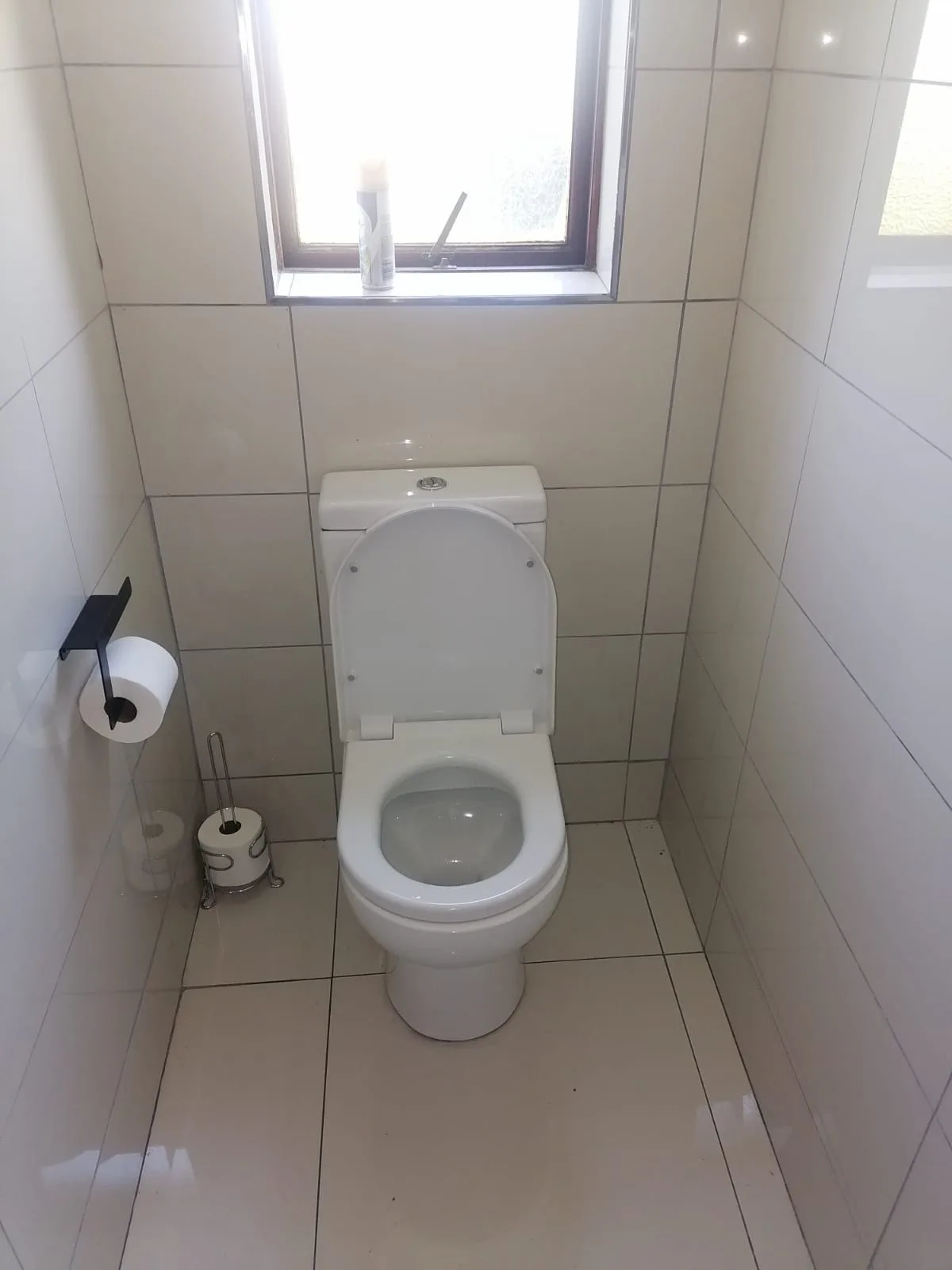
Next, inspect your toilets for silent leaks. Add a few drops of food colouring to the cistern tank and wait for 10-15 minutes without flushing. If the colour appears in the bowl, you have a leak that needs to be addressed. Additionally, check all visible pipes and fixtures for signs of moisture or corrosion, which may indicate a leak or malfunction. Lastly, be vigilant about your garden or lawn irrigation system. Sprinklers and hoses can also contribute to high water usage if they are not functioning properly.
What You Should Never Do
While it's wise to perform some basic checks, there are actions you should avoid if you're not an experienced plumber. Never attempt to disassemble plumbing fixtures or pipes without adequate knowledge, as this can lead to further complications and costly repairs. Similarly, avoid using chemical drain cleaners, which can damage pipes and worsen leaks. If you suspect a problem beyond your expertise, it’s best to call a professional instead of attempting a DIY fix that could escalate the issue.
When to Call a Plumber
If your investigations have not revealed an obvious source of the problem, or if you find evidence of a leak that you can’t repair, it’s time to call in a plumber. Our team at Plumb A Nator is trained to handle all plumbing issues efficiently and effectively. We can conduct thorough inspections to locate hidden leaks, assess the condition of your plumbing, and advise on necessary repairs or upgrades.
Additionally, if you’re considering water-saving upgrades to your fixtures or systems, consulting with a professional can help you make informed choices that align with SANS regulations and local municipal bylaws. Proper installation of water-efficient fixtures can significantly reduce your water bill in the long term.
How Plumb A Nator Helps
At Plumb A Nator, we understand the challenges South Africans face regarding water usage and billing. Our team is committed to helping you identify the root cause of your high water bills and providing tailored solutions to mitigate these expenses. Whether it’s a simple repair, a complete system overhaul, or advice on water-efficient fixtures, we’re here to assist.
We use the latest technology and techniques to pinpoint leaks and assess your plumbing systems, ensuring that you receive the best possible service. By choosing Plumb A Nator, you’re not just getting a plumber; you’re gaining a partner in managing your water usage and ensuring your home remains efficient and sustainable.
Planning Ahead
To prevent future surprises on your water bill, it’s essential to plan ahead. Regular maintenance of your plumbing system can catch small issues before they become significant problems. Consider scheduling annual inspections with our team to assess your plumbing and identify any potential leaks or inefficiencies.
In addition, consider implementing water-saving measures gradually. Upgrading to more efficient fixtures may require an initial investment, but the long-term savings on your water bill can be substantial. Keep an eye on municipal announcements regarding tariff changes, and adjust your water usage accordingly to avoid falling into higher pricing tiers.
CUSTOMER QUESTIONS
Why is my water bill suddenly high?
Common causes include silent leaks, running toilets, irrigation overuse, guest usage spikes or municipal tariff changes.
How do I check for a continuous leak?
Turn off all taps and appliances, then watch the water meter. Movement with nothing open suggests a leak.
Can a toilet raise the bill without overflowing?
Yes. A leaking cistern can waste large volumes quietly—food colouring in the tank is a simple test.
Does outdoor watering matter?
Garden irrigation, pools and hoses left running often explain large monthly increases.
Could the meter or bill be wrong?
Possible. Compare readings over time and query the municipality with evidence if usage does not match activity.
What fixtures waste the most?
Running toilets, dripping taps, inefficient showers and unnoticed underground leaks are frequent drivers.
When should I call a plumber?
Call when the meter still moves with everything closed, damp appears, or self-checks cannot explain the spike.
Do load-shedding patterns affect usage?
Catch-up cleaning and cooking after outages can raise short-term consumption; leaks remain the bigger risk if bills stay high.
How can I reduce usage long term?
Fix leaks promptly, use dual-flush toilets, aerators and efficient showerheads, and monitor the meter monthly.
Can Plumb A Nator help locate hidden leaks?
Yes. Leak assessment and repair across Gauteng when high bills point to concealed water loss.
Questions about a high water bill?
Share meter readings, photos of damp areas or recent usage changes and we will advise on leak checks or repairs.