Why Toilets Block And Why The Cause Matters
A blocked toilet is not always caused by something inside the bowl. Sometimes the obstruction sits in the pan bend, sometimes it is in the short branch pipe behind the toilet, and sometimes the real issue is further down the drainage system. This is why a toilet can appear to clear for a short time and then block again a few days later.
The most common causes include too much toilet paper, wet wipes, sanitary products, cotton pads, foreign objects, scale build-up, weak flushing, poor pipe fall, tree roots, collapsed pipework, or a deeper restriction in the sewer line. A good blocked toilet plumber does not simply force the blockage away. The plumber checks the behaviour of the toilet, nearby drains and outside gullies to understand where the restriction is likely to be.
What To Do Before The Plumber Arrives
Stop flushing if the water level is rising. Repeated flushing is the quickest way to turn a blocked toilet into an overflow. Remove mats, towels and loose items from the floor, keep children and pets away from the bathroom, and avoid using nearby fixtures if they also seem slow.
If the blockage is connected to a wider drainage problem, using a basin, bath, shower or washing machine can push more water into the same restricted line. If dirty water is appearing outside, or if the shower drain reacts when the toilet is flushed, the problem may need blocked drain cleaning as well as toilet clearing.
When A Blocked Toilet Becomes Urgent
A blocked toilet should be treated as urgent when it is the only toilet in the property, when the bowl is close to overflowing, when sewage smells are strong, when dirty water appears in a shower or bath, or when outside gullies begin to overflow. These signs suggest the problem may be larger than a simple toilet pan blockage.
Emergency help is also important in offices, shops, restaurants, schools, guesthouses and commercial buildings where a blocked toilet can affect staff, customers and hygiene. For urgent overflow situations, emergency toilet repair may be the safest route.
How A Plumber Diagnoses A Blocked Toilet
The first step is to understand whether the blockage is local or connected to the drainage system. A plumber checks the water level, how the toilet responds to controlled flushing, whether the pan drains slowly or not at all, whether the bathroom basin or shower is affected, and whether outside inspection points show signs of backup.
If the blockage appears local, the toilet may be cleared with the correct auger or mechanical tool. If the blockage keeps returning or affects more than one fixture, the plumber may need to check the branch line, gully, inspection chamber or sewer line. In recurring cases, video camera inspections can help identify roots, broken pipework, collapsed sections or foreign objects deeper in the system.
Common Items That Cause Toilet Blockages
Toilets are designed for human waste and toilet paper only. Wet wipes, sanitary products, paper towels, cotton wool, nappies, ear buds, dental floss, food waste and small objects can all cause serious restrictions. Even products labelled as flushable can create problems because they may not break down fast enough inside the drainage system.
Once one unsuitable item catches in the pipe, it can collect more paper and waste until the toilet stops flushing completely. The blockage may feel sudden, but in many cases it has been building slowly for some time.
Why Toilets Keep Blocking Again
A toilet that blocks repeatedly usually has an underlying cause. The previous blockage may not have been removed completely, the pipe may have a rough internal surface, the toilet may have poor flush performance, or the drain line may be affected by roots or damage. Repeated plunging can sometimes move the obstruction deeper without solving the cause.
When the same toilet blocks more than once, it is worth checking whether the problem connects to a deeper drain issue. Related services include sewer line cleaning, sewer line repair and replacement, and tree root removal plumbers.
Blocked Toilets In Homes, Flats And Businesses
In a house, a blocked toilet may affect one bathroom only, or it may point to a shared drain line outside. In flats and complexes, the situation can be more complicated because several units may share sections of drainage. In commercial buildings, one blocked toilet can quickly become a hygiene and access problem.
Our plumbers check the practical risk first: whether the toilet can overflow, whether other fixtures are affected, whether the blockage is local, and whether the drain needs deeper investigation. This approach helps avoid repeated visits for the same problem.
Why Chemical Toilet Cleaners Are Not The Best Answer
Chemical cleaners can sit in the toilet bowl without reaching the blockage properly. They can also create a safety risk for the plumber if the toilet must be worked on afterwards. In many blocked toilet situations, the safer and more effective route is controlled mechanical clearing followed by flush testing.
The goal is not only to get water moving again. The goal is to confirm that the toilet flushes properly, drains at the correct speed and does not push wastewater into another fixture.
How We Clear And Test A Blocked Toilet
The clearing method depends on the location and type of blockage. The plumber may use a toilet auger, drain rod, mechanical cleaner or access point depending on the problem. Once the restriction is removed, the toilet is tested with controlled flushing to confirm that water level, flow and recovery are normal.
Where necessary, the plumber also checks nearby drains, the outside gully and the sewer line response. This is especially important when the toilet was overflowing, bubbling, smelling strongly or backing up repeatedly.
Emergency Toilet Repair
Many customers are unsure whether a blocked toilet is truly an emergency. The answer depends on what the toilet is doing and how it is affecting the property. A toilet that flushes slowly may allow time for a planned visit, but a toilet that is overflowing, backing up sewage water, leaking heavily or affecting the only bathroom in the property should be treated as urgent. In commercial buildings, schools, restaurants and offices, even a single failed toilet can create hygiene concerns and disrupt normal operations.
Common Toilet Emergencies We Attend
Emergency calls often involve overflowing toilets, toilets that will not flush, sewage water appearing on the floor, repeated backups, leaking toilet bases, broken flush systems and situations where multiple toilets stop working at the same time. These problems can escalate quickly because every attempted flush introduces more water into an already restricted system.
What Happens When We Arrive
Many plumbers make the mistake of treating every blocked toilet the same way. We start by determining whether the problem is in the pan, behind the toilet, in a shared bathroom drain or deeper in the sewer system. We ask what happened before the blockage started, whether the toilet has blocked before, whether the shower or basin is reacting, and whether any unusual items may have been flushed. These clues often reveal the likely location of the restriction before any equipment is used.
We then assess the toilet itself, checking bowl water levels, flush performance, drainage speed and recovery. Nearby fixtures are tested because a blocked toilet is often only the first visible symptom of a larger drainage issue. Once the source is identified, the appropriate clearing or repair method is selected. After the blockage has been removed, the toilet and nearby drains are tested repeatedly to ensure the system is genuinely flowing correctly rather than temporarily appearing clear.
A Client-Focused Look at a Repair with More Than One Option Before the Final System Test
Many toilet problems originate outside the toilet itself. A customer may think the pan is blocked when the actual restriction is located in a shared drain serving the bathroom. Toilets often reveal deeper drainage faults because a flush introduces a large volume of water very quickly.
Signs The Drain Is The Real Problem
If the shower backs up when the toilet is flushed, the basin gurgles, outside gullies overflow or several fixtures become slow at the same time, the blockage is often located in a shared drain rather than the toilet. These symptoms suggest wastewater cannot move freely through the drainage system. In many homes the toilet is simply the first fixture to expose a deeper restriction.
Customers are often surprised to discover that a blockage affecting a shower or outside gully can eventually cause the toilet to overflow. Because bathroom fixtures share sections of drainage, one restriction can affect multiple points throughout the property.
Common Causes
Wet wipes, excessive paper, grease, soap deposits, hair, scale build-up, tree roots and damaged pipework are all common causes of drain restrictions. Over time these materials reduce the internal diameter of the pipe until flow becomes restricted. Some restrictions develop slowly over months while others form suddenly when waste catches on an existing obstruction.
How We Clear The Drain
Drain cleaning may involve rods, mechanical clearing equipment, inspection points, gullies or sewer access points depending on the location of the blockage. After clearing, nearby fixtures are tested to ensure wastewater is flowing correctly throughout the system. The goal is not simply restoring temporary flow but confirming that the drain can handle normal usage without backing up again.
Sewer Line Cleaning
A sewer line blockage affects the main route carrying wastewater away from the property. Unlike a simple toilet blockage, a sewer restriction often causes symptoms throughout the building. Toilets, showers, baths, basins and outside drains may all react because they share the same discharge route.
Tree Root Intrusion
Tree roots are one of the most common causes of recurring sewer problems. Roots are attracted to moisture escaping from small cracks, ageing joints and damaged connections. Once inside the pipe they trap paper and waste, gradually reducing flow. One reason root-related blockages are difficult to diagnose is that the toilet may appear normal on some days and block on others depending on how much water is being used.
Repeated toilet blockages, outside gully overflows and sewer smells are often warning signs that root intrusion may be present deeper in the drainage system.
Collapsed Pipes And Scale Build-Up
Older sewer systems can suffer from collapsed sections, displaced joints, scale deposits and long-term waste accumulation. These problems reduce flow and often cause recurring blockages. Customers frequently spend money on repeated clearing before discovering that the underlying issue is structural rather than a simple waste obstruction.
How Sewer Line Cleaning Works
The sewer route is inspected, the restriction is cleared and the system is tested to confirm wastewater can leave the property correctly. Where recurring issues are found, further investigation may be recommended so that hidden defects can be identified before they cause more extensive damage.
Video Camera Inspections
When a toilet keeps blocking repeatedly, guessing becomes expensive. A camera inspection allows us to see inside the drainage system and identify the actual cause rather than treating symptoms over and over again.
What The Camera Can See
Camera inspections can reveal tree roots, cracked pipes, collapsed sections, displaced joints, standing water, foreign objects, heavy scale build-up and areas where waste repeatedly collects. They can also identify poor pipe fall, where wastewater is unable to move efficiently because sections of the drain have settled incorrectly.
This information helps explain why some blockages keep returning despite repeated clearing attempts and provides a clearer path toward a permanent solution.
When We Recommend A Camera Inspection
We normally recommend this service when the same toilet blocks repeatedly, when multiple fixtures are affected, when sewer smells persist, or when previous clearing attempts only provide temporary relief. It is particularly useful where hidden pipe damage is suspected.
Avoiding Unnecessary Excavation
One of the biggest benefits of a camera inspection is that it helps identify the exact location of the problem before digging begins. This often saves time, money and unnecessary disruption while helping determine whether cleaning, repair or replacement is the correct long-term solution. In many cases a camera inspection prevents customers from excavating paving, gardens or driveways unnecessarily.
A Client-Focused Look at a Sudden Loss of Normal Use Where Access Is Restricted
Why does my toilet keep blocking?
Repeated toilet blockages can be caused by too much toilet paper, wipes, sanitary products, foreign objects, poor flushing power, scale build-up, a partially blocked branch line, tree roots, or a deeper sewer restriction.
Is a blocked toilet always an emergency?
It becomes urgent when it is the only toilet available, the bowl is rising, dirty water is close to overflowing, sewage smells are present, or other fixtures are backing up at the same time.
Should I keep flushing a blocked toilet?
No. Repeated flushing usually raises the water level and can cause overflow. Stop flushing and call for help if the water does not go down safely.
What should I do before the plumber arrives?
Keep the bathroom clear, avoid adding more water to the toilet, stop using nearby drains if they are also slow, and send a photo or short explanation by WhatsApp where possible.
Can wet wipes block a toilet?
Yes. Many wipes do not break down like toilet paper and can catch inside the toilet bend, branch line, gully or sewer pipe.
Can too much toilet paper cause a blockage?
Yes. Large amounts of toilet paper can form a soft plug, especially where flushing power is weak or the drain already has a partial restriction.
Why does my toilet bubble when I use another drain?
Bubbling often means trapped air is being pushed back through the toilet because wastewater cannot move freely through the drainage line.
Why does water rise in the shower when the toilet is flushed?
That usually means the blockage is not only in the toilet pan. A shared branch drain or sewer line may be restricted.
Can a blocked toilet cause sewage smells?
Yes. Trapped wastewater and waste deposits can produce strong odours, especially when the blockage is partial and waste remains inside the pipe.
Can you clear toilets in flats and complexes?
Yes. In complexes and flats, the plumber also checks whether the issue may involve shared drainage lines or common stacks.
Can you clear commercial toilet blockages?
Yes. Offices, restaurants, schools, shops and public facilities often need urgent clearing because blocked toilets affect hygiene and access.
When is blocked drain cleaning needed as well as toilet clearing?
If more than one fixture is affected, outside gullies are overflowing, or the blockage keeps returning, blocked drain cleaning may be needed beyond the toilet itself.
When is a sewer line inspection needed?
A sewer line inspection is useful when the same toilet blocks repeatedly, multiple drains are slow, or there are signs of roots, pipe damage or a downstream restriction.
Can tree roots cause toilet blockages?
Yes. Roots can enter underground sewer lines through cracks or joints, catching paper and waste until the toilet starts backing up repeatedly.
Will chemical drain cleaners fix a blocked toilet?
They are often unreliable and can be unsafe in a toilet bowl. Mechanical clearing and proper diagnosis are usually safer and more effective.
What causes a toilet to overflow?
Overflow happens when the bowl receives more water than the blocked outlet can release. The water rises because it has nowhere to go.
Can a toilet blockage be inside the toilet pan itself?
Yes. Paper, wipes, toys or foreign objects can lodge inside the pan bend before the waste reaches the drain pipe.
Can the blockage be behind the toilet?
Yes. The branch line behind the toilet can become restricted even when the toilet pan itself is clear.
Can old pipework make toilet blockages worse?
Yes. Older pipes may have rough internal surfaces, scale, poor fall or damaged joints that catch waste and paper more easily.
Can a low-flow toilet block more often?
Yes. If the flush volume or force is not enough to move waste through the line, blockages can form more easily.
What is checked after a toilet is cleared?
The plumber checks flush performance, water level recovery, drain response, odours, nearby fixture behaviour and whether the toilet backs up again during testing.
Can a blocked toilet affect a bath or basin?
Yes. Fixtures in the same bathroom may share drainage. A deeper blockage can affect the toilet, basin, bath or shower together.
Why does my toilet drain slowly but not fully block?
A partial restriction may be reducing flow. It can eventually become a complete blockage if waste continues collecting at the same point.
Can a blocked toilet damage flooring?
Yes. Overflowing toilet water can damage floors, skirting, cupboards and lower walls, especially when dirty water spreads beyond the bathroom.
Do blocked toilets need a camera inspection every time?
No. Many toilet blockages can be cleared without a camera. A camera is more useful for repeated blockages, suspected roots or possible pipe damage.
Can paper towels block toilets?
Yes. Paper towels are stronger than toilet paper and do not break down as easily, so they can cause severe blockages.
Can restaurants and offices prevent toilet blockages?
They can reduce blockages by providing bins, signage, regular checks, and quick reporting when toilets start flushing slowly.
How long does toilet clearing take?
Simple pan blockages can often be cleared quickly, but deeper branch or sewer restrictions may take longer and may require additional drain cleaning.
Can toilet blockages come from outside the house?
Yes. A sewer line blockage outside can cause toilets inside the property to back up, especially if the blockage is downstream of the bathroom.
When should I call emergency plumbers for a toilet?
Call urgently when the toilet is overflowing, dirty water is spreading, the toilet is the only one available, or other drains are backing up at the same time.
Blocked Toilet Help Right Now
If the toilet bowl is rising, stop flushing immediately. Keep the bathroom clear, avoid using nearby drains if they are also slow, and call for help before dirty water overflows onto the floor. If sewage is backing up into other fixtures, the problem may be in the drain or sewer line rather than the toilet alone.
Emergency: 067 895 4361 | General: 067 657 6109 | WhatsApp: 072 139 8945
Questions to Ask About an Unexpected Water Problem Using the Available Evidence
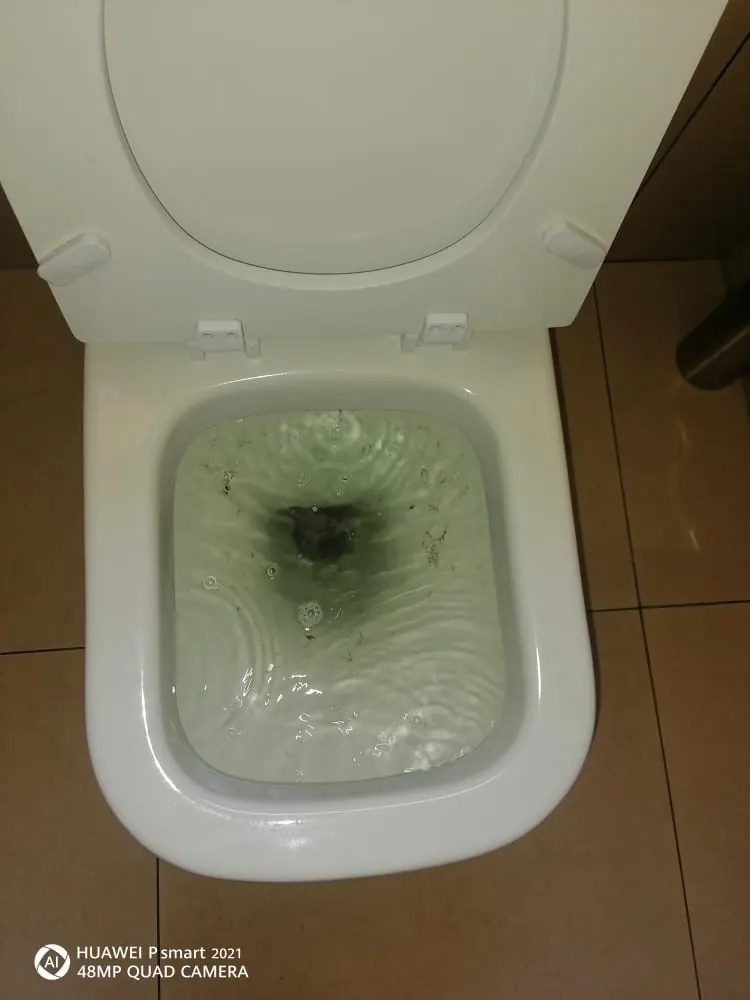
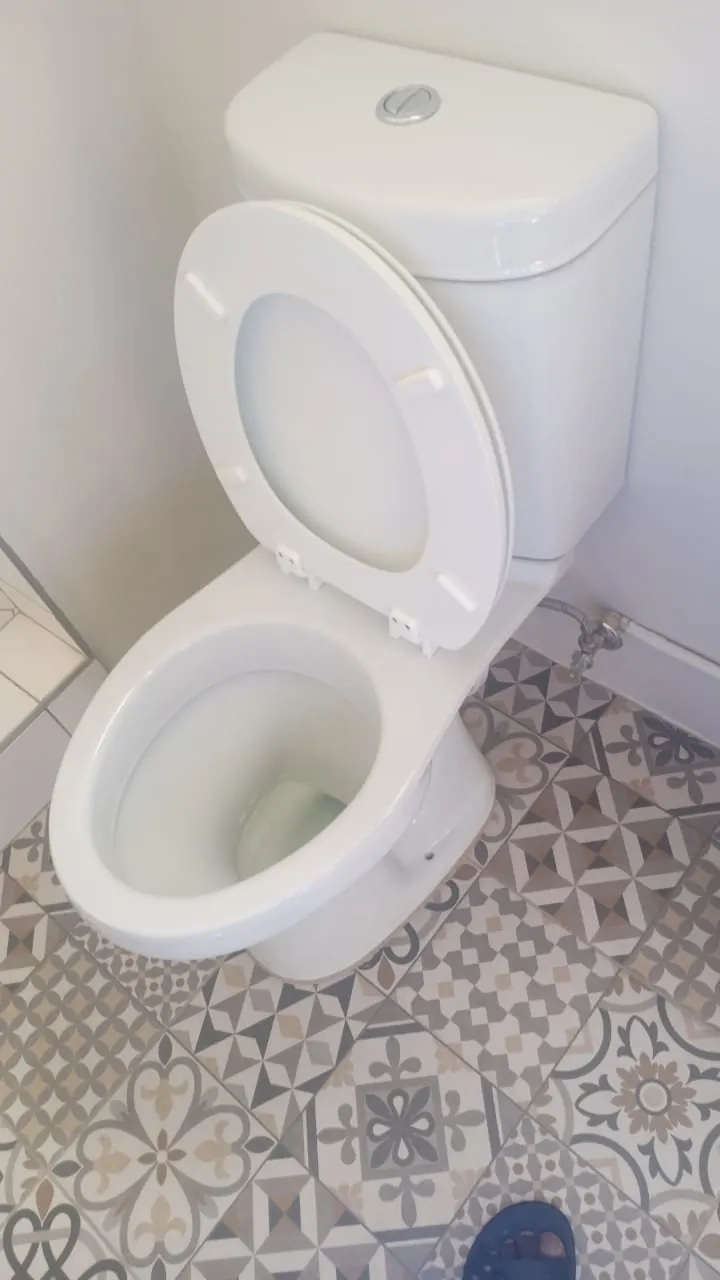
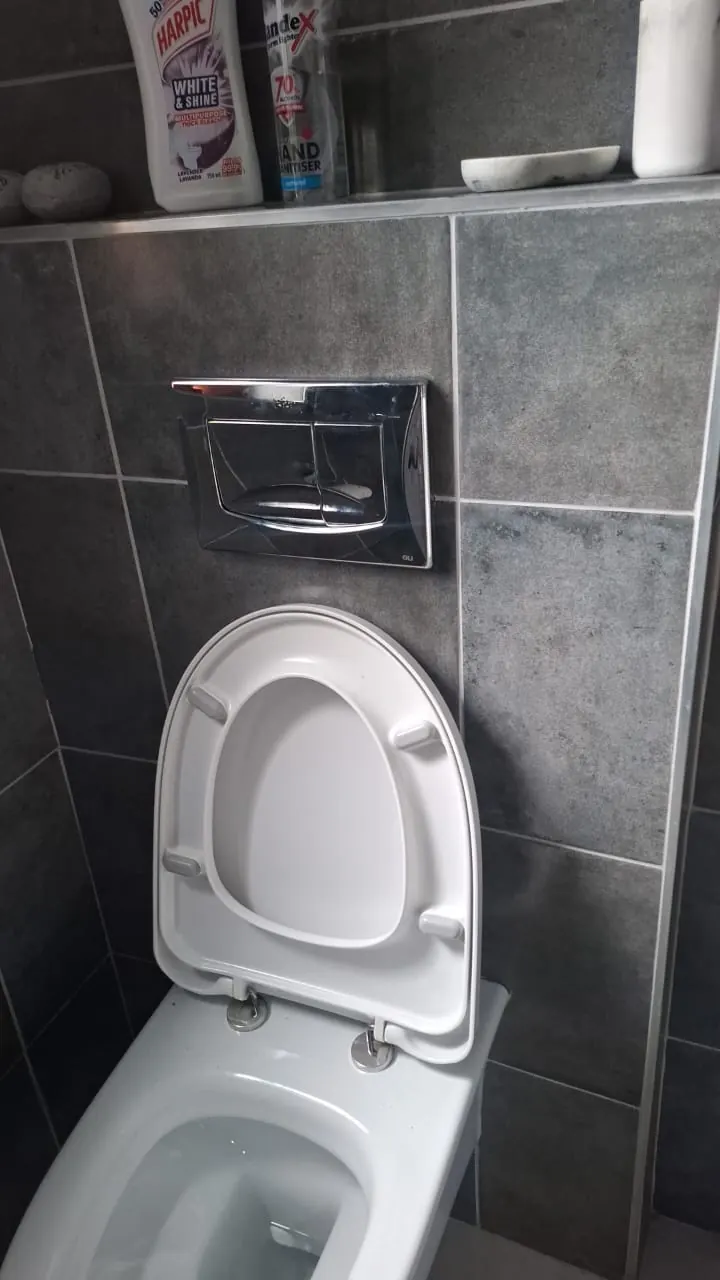
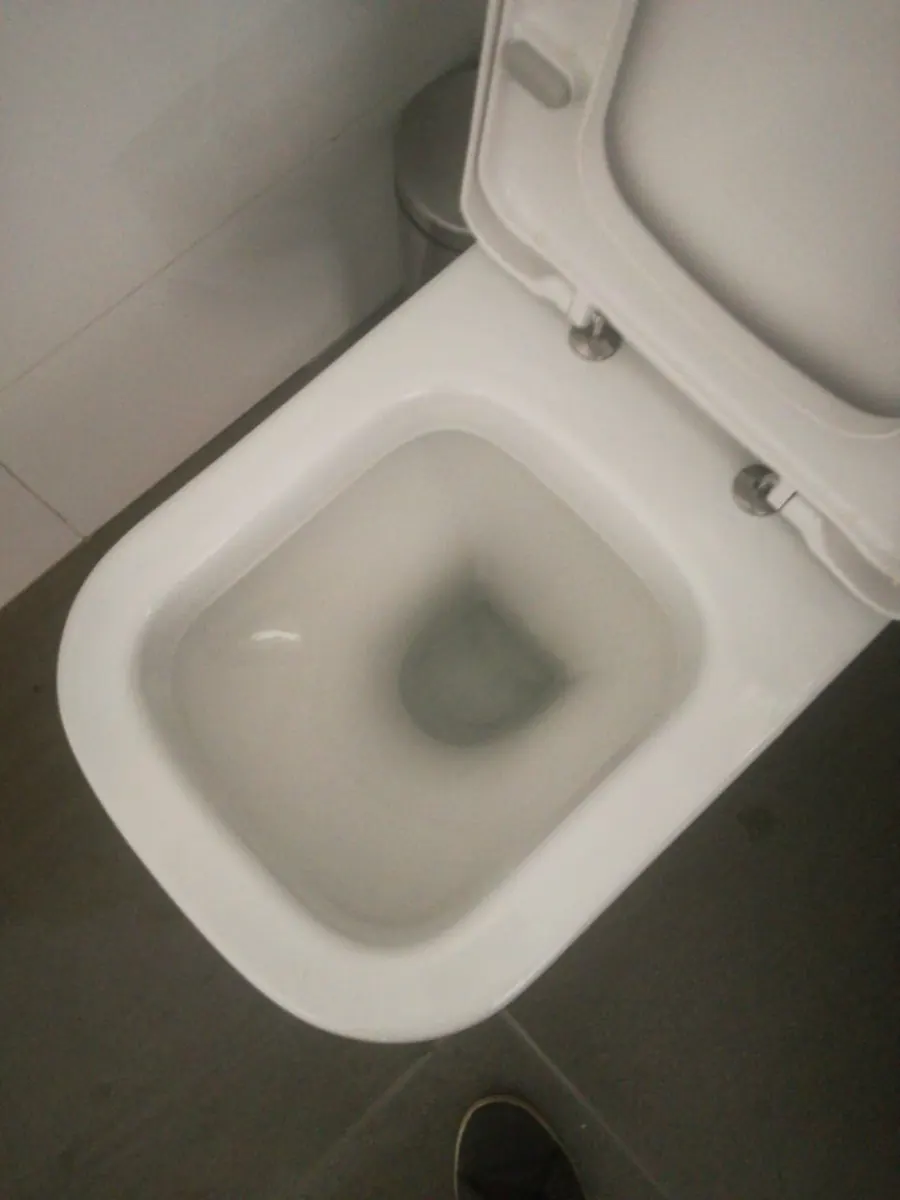
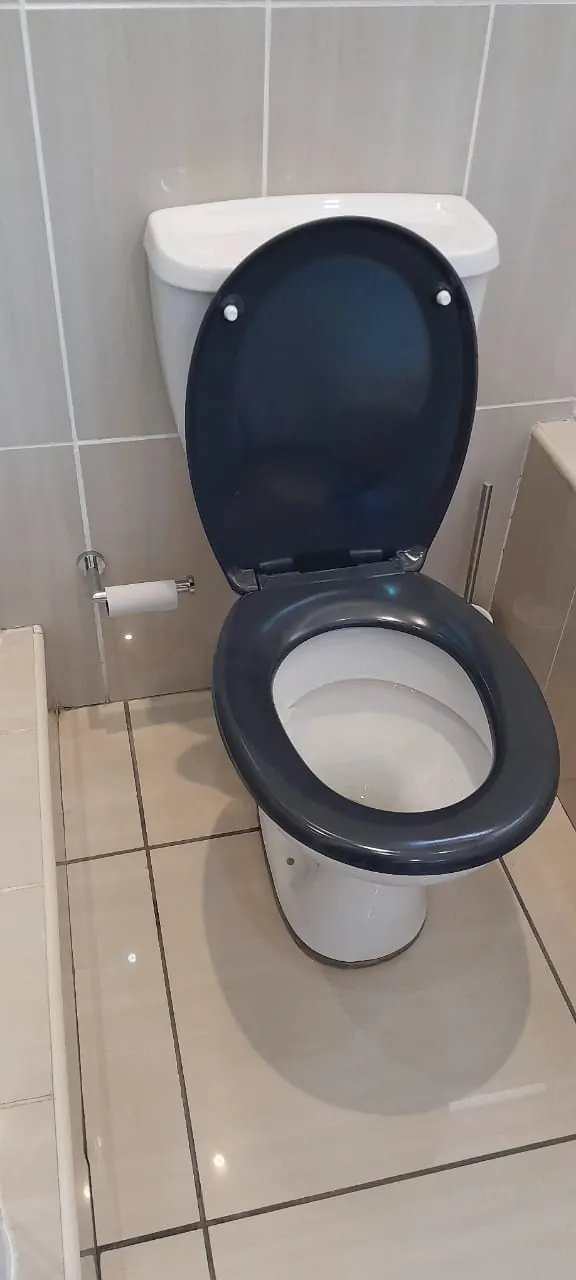
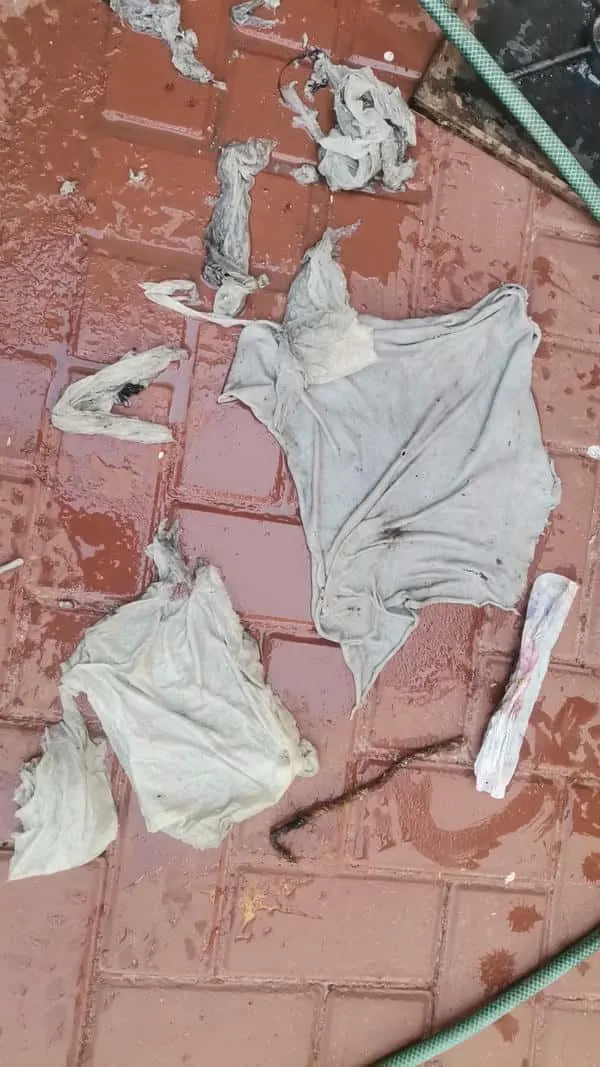
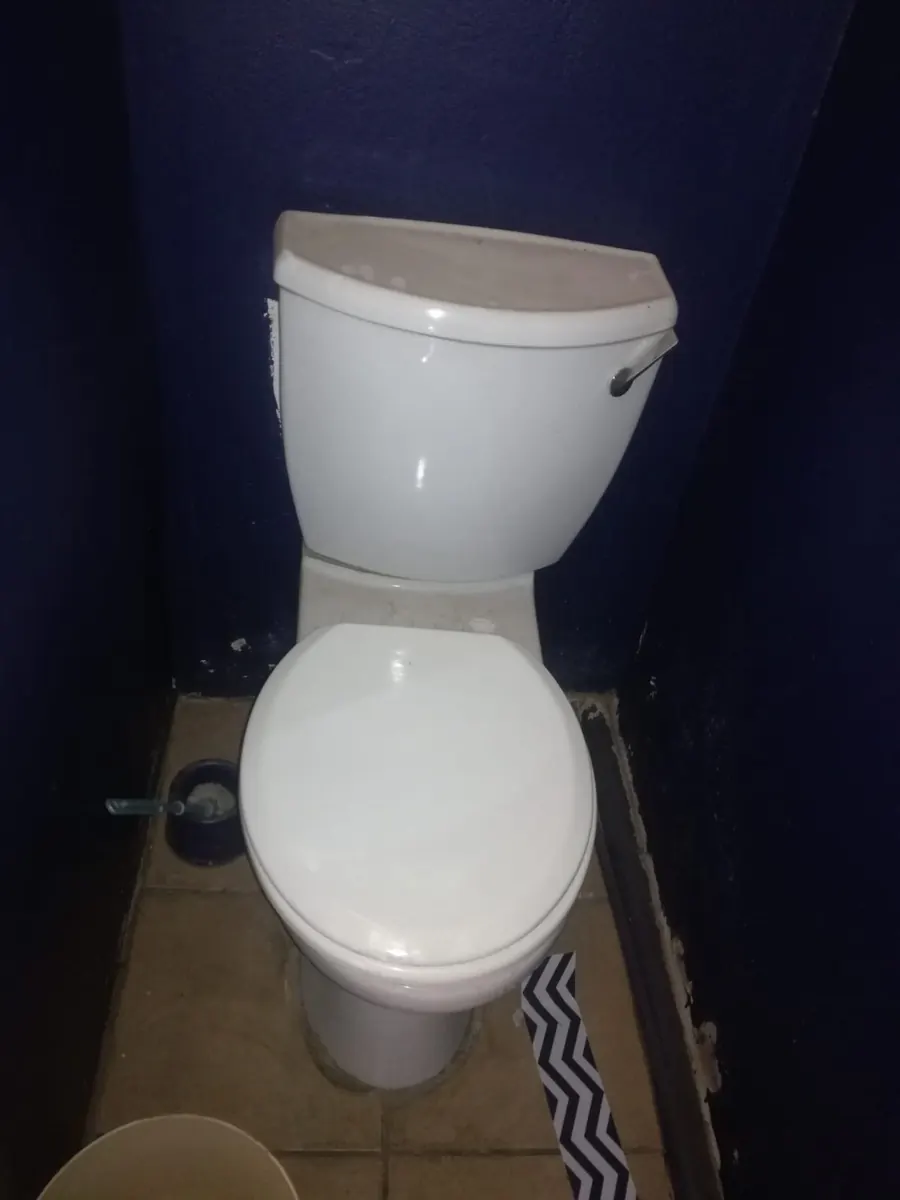
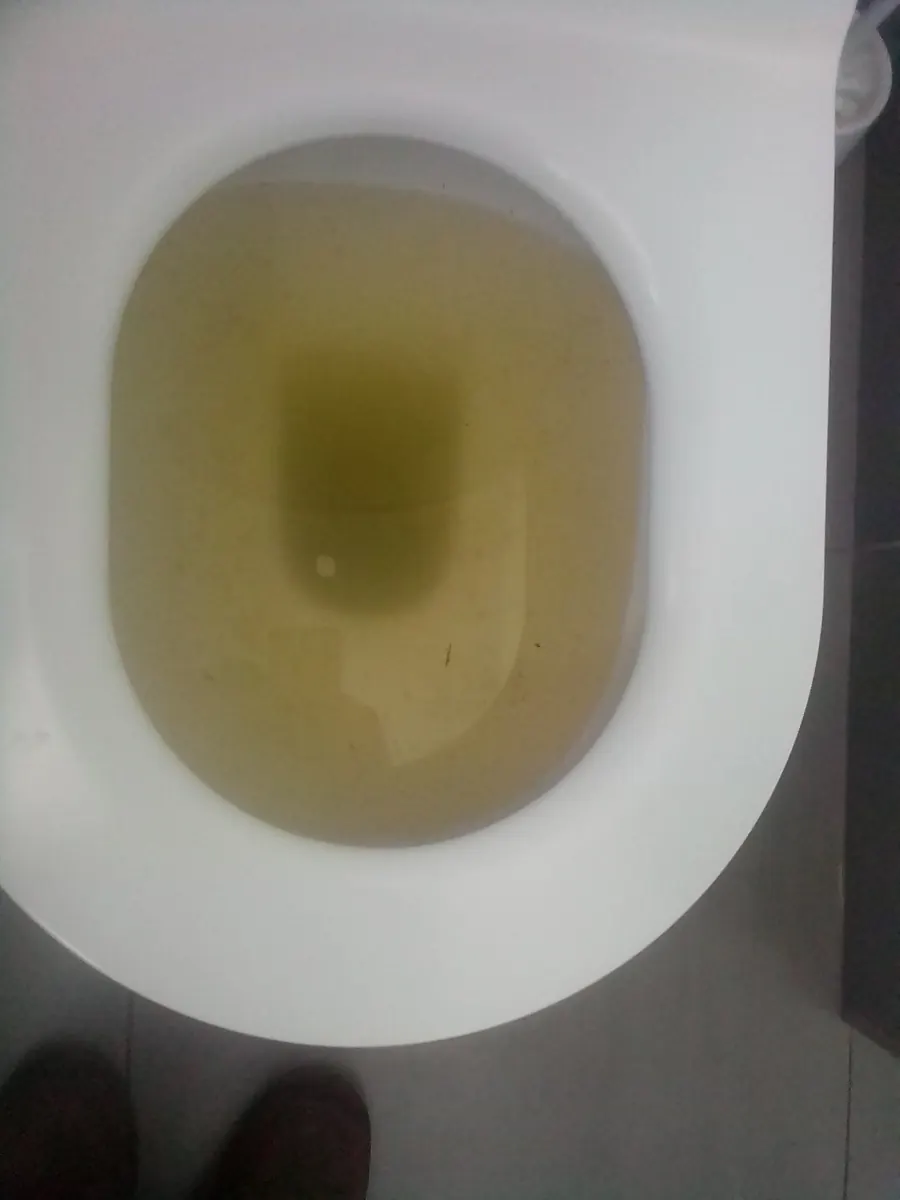
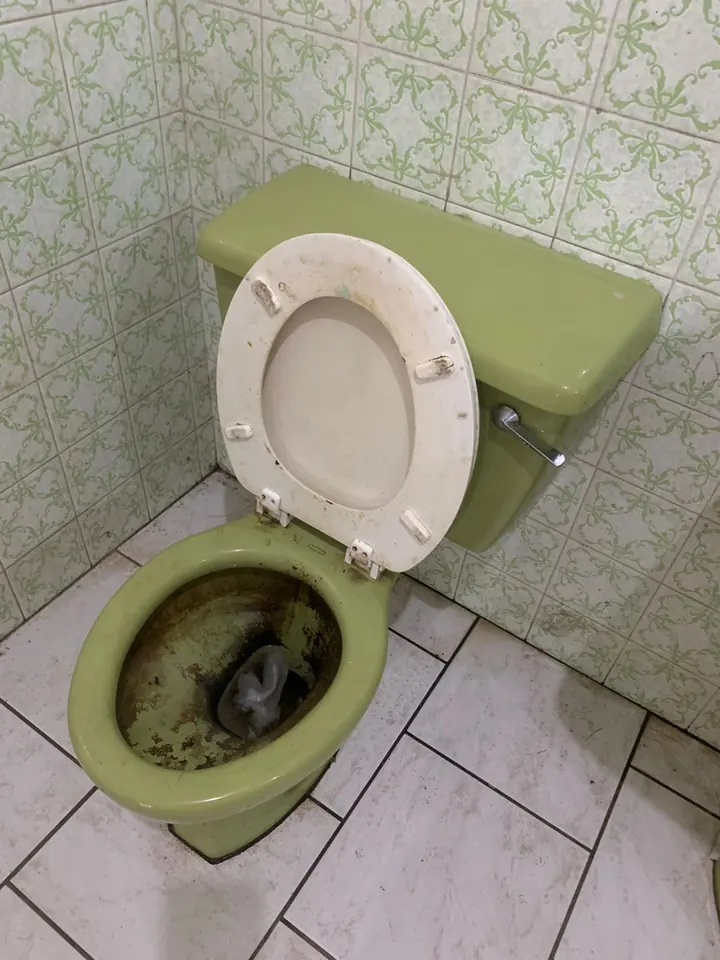
These real blocked toilet project photos show the kind of situations customers often face before the problem is fully diagnosed. Some toilets show standing or discoloured water, some show repeated flush testing, and one image shows foreign material removed from the drainage system. Together, they help explain why a blocked toilet should be checked properly instead of being treated as a quick one-flush problem.
Blocked toilet overflow cleaning
A blocked toilet with dirty water in the pan shows why repeated flushing can quickly create a hygiene risk. This type of call needs careful clearing and testing before the toilet is used again.
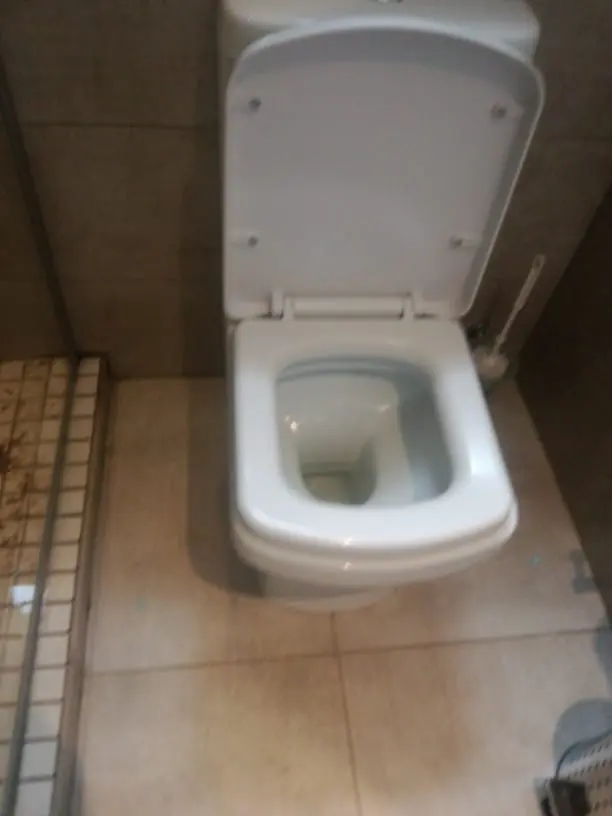
Toilet blockage check
This toilet was checked for slow drainage and blockage symptoms so the plumber could confirm whether the restriction was in the pan or further down the branch line.
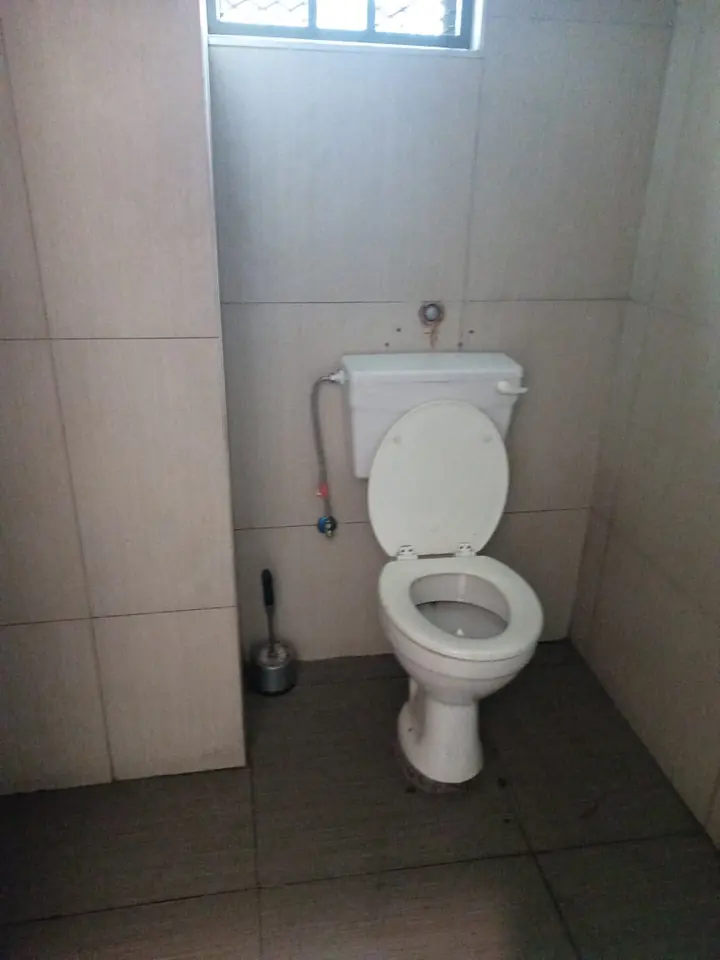
Wall hung toilet inspection
Wall hung toilets need careful inspection because the pan, flush system and concealed connections can all affect how the toilet drains and recovers after flushing.
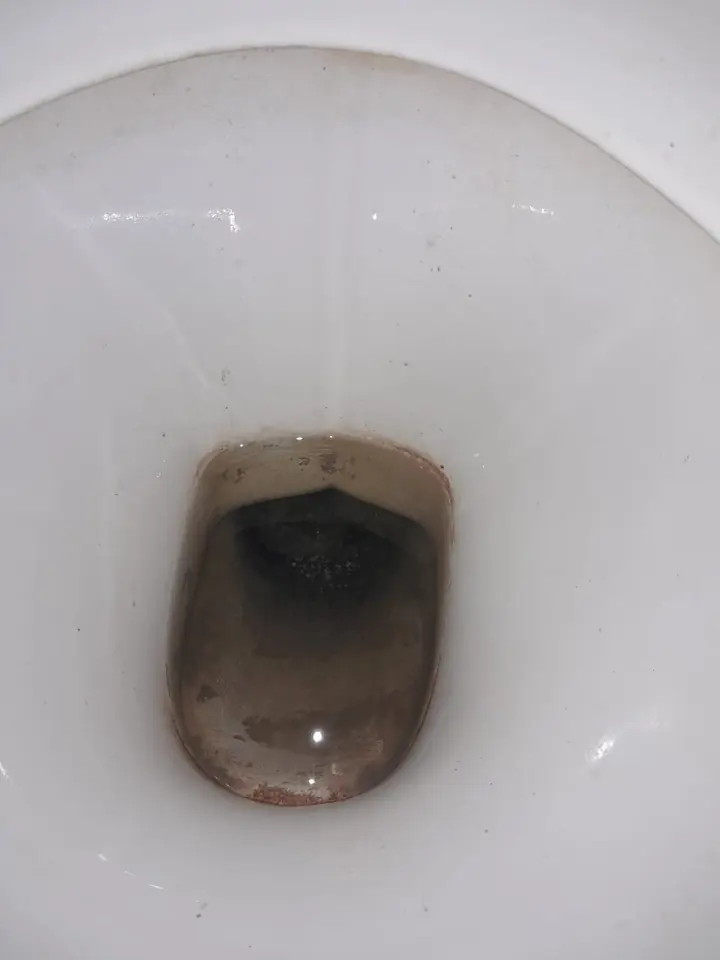
Blocked toilet bowl assessment
The water level and movement inside the toilet bowl help indicate whether the blockage is close to the pan or further along the drainage route.
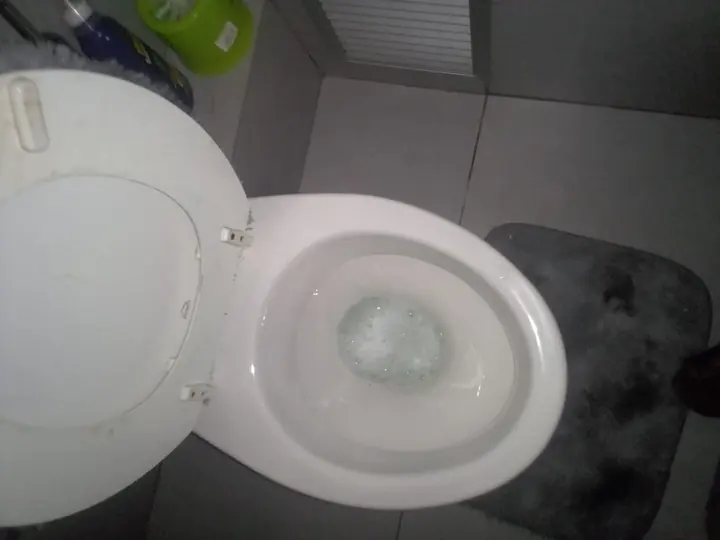
Toilet drain flow test
After clearing a toilet blockage, repeated flush testing helps confirm that water leaves the pan properly and does not rise back into the bowl.
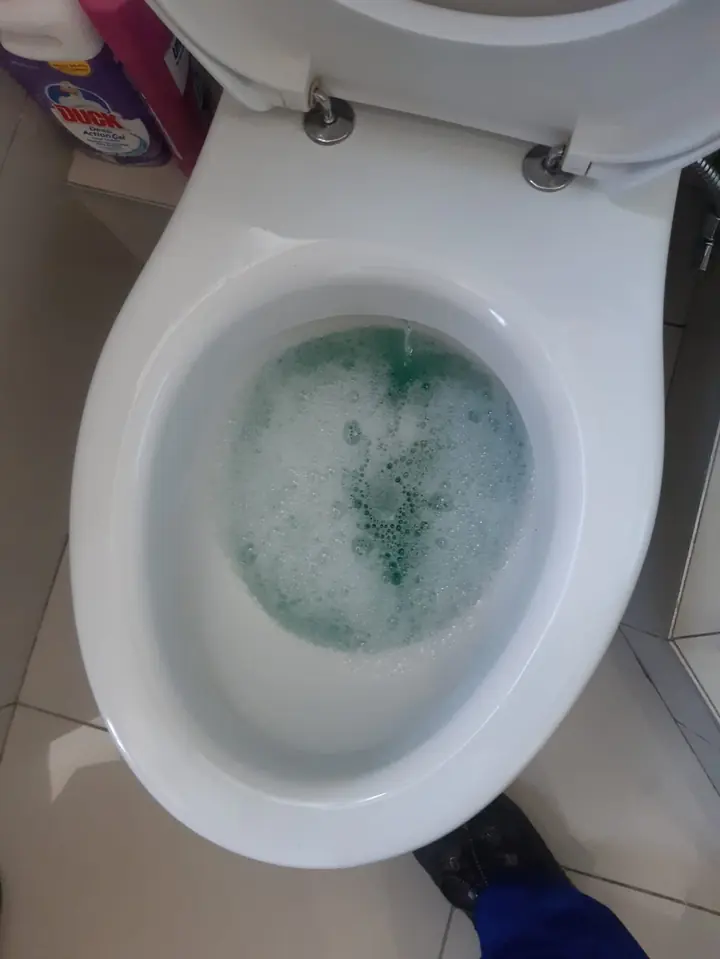
Toilet blockage debris removed
Foreign material removed from the drainage system shows how cloth, wipes and similar items can create stubborn toilet and sewer-line restrictions.
Emergency toilet cubicle repair
A toilet in a small cubicle can become urgent quickly when it fails, especially where it is the only usable toilet on the property.
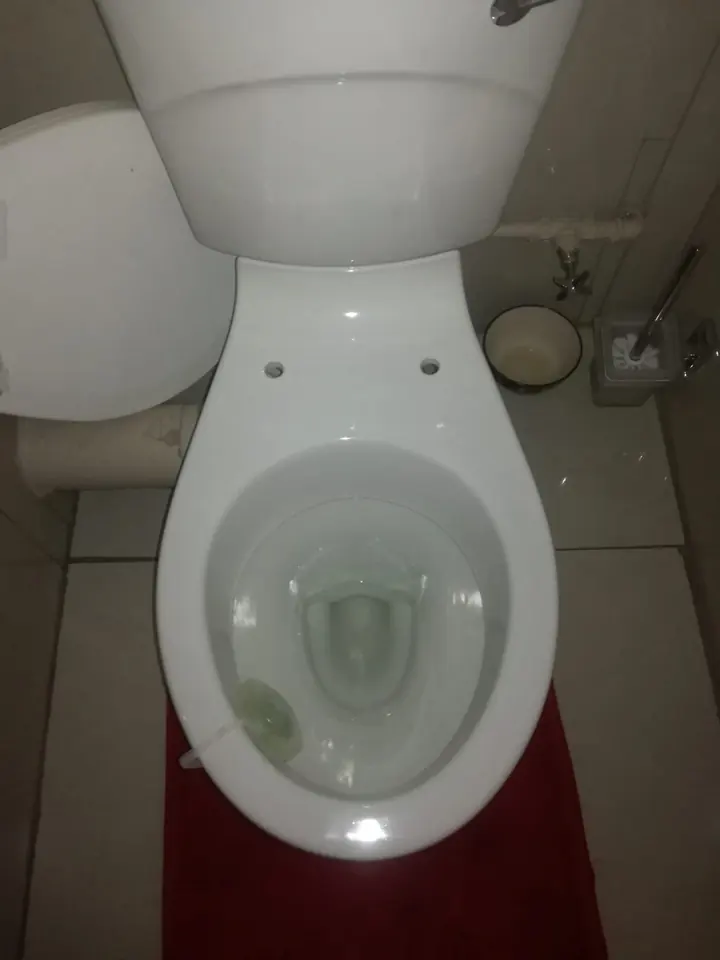
Dirty water toilet blockage
Discoloured water in the toilet pan can point to poor drainage, trapped waste or a restriction that needs to be cleared before the toilet is used again.

Toilet flush recovery test
Flush recovery testing checks whether the toilet clears properly after the blockage has been removed and whether water levels return safely.
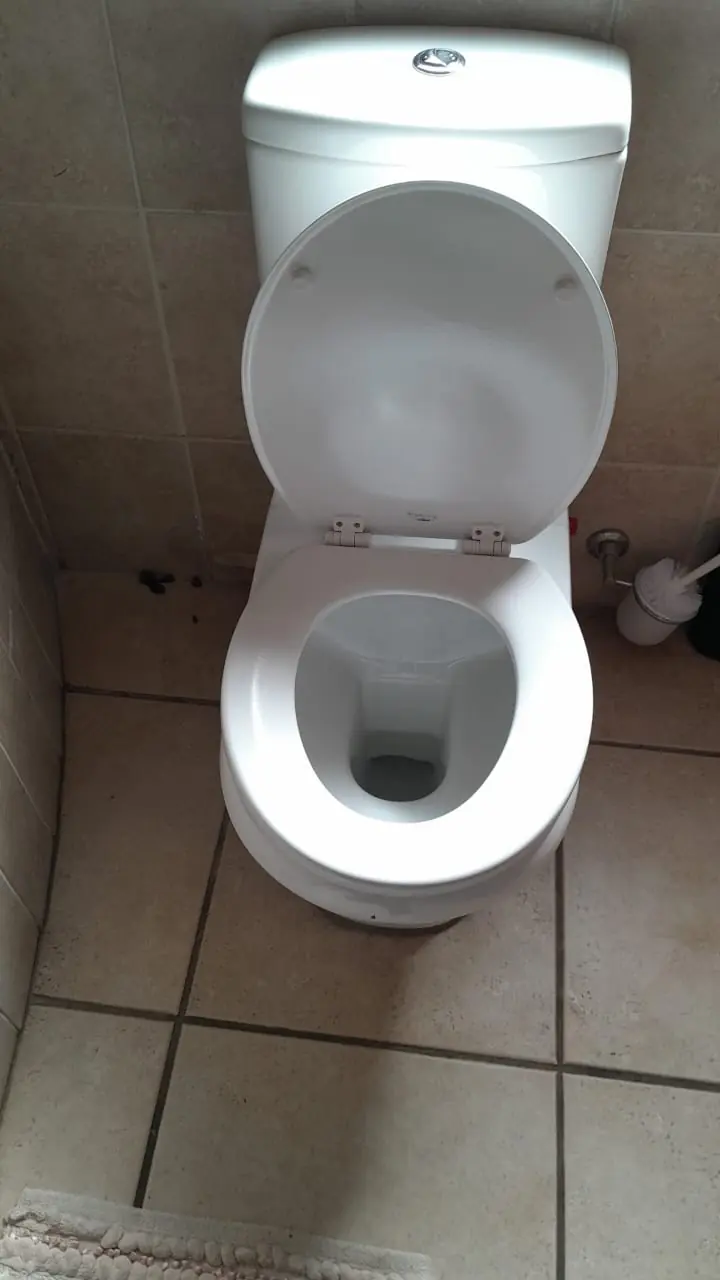
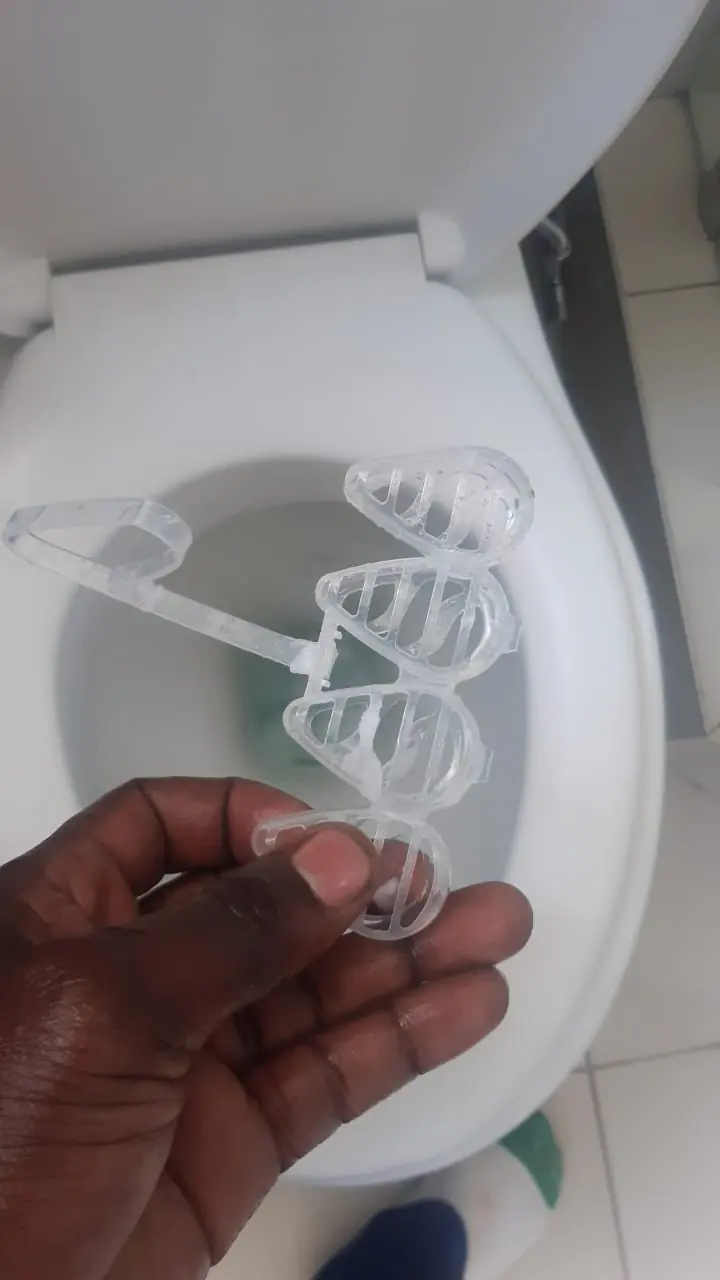
Toilet blockage cause found
Small plastic toilet freshener holders and similar items can slip into the pan and create difficult blockages inside the toilet trap.
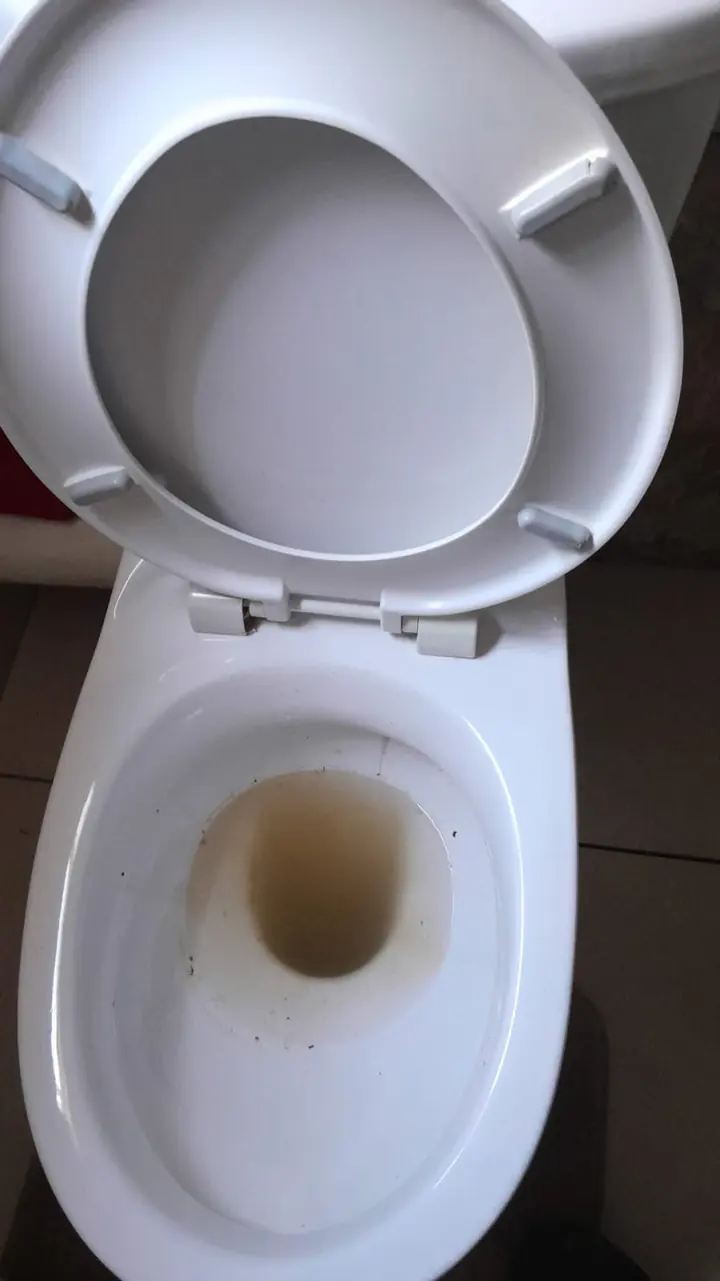
Toilet seat and pan check
Removing or opening around the toilet seat area can improve access while checking the pan and confirming whether the blockage is mechanical or drainage related.
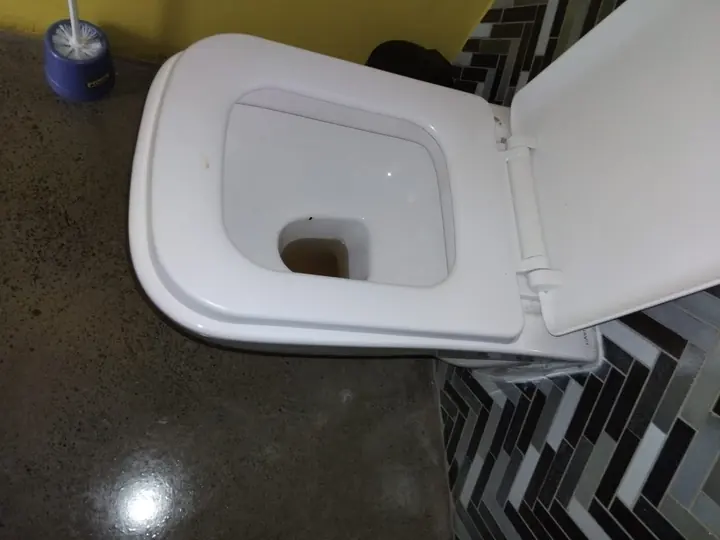
Compact toilet blockage check
Compact bathrooms require careful work because space is limited and overflow water can quickly spread to tiles, cupboards and nearby fittings.
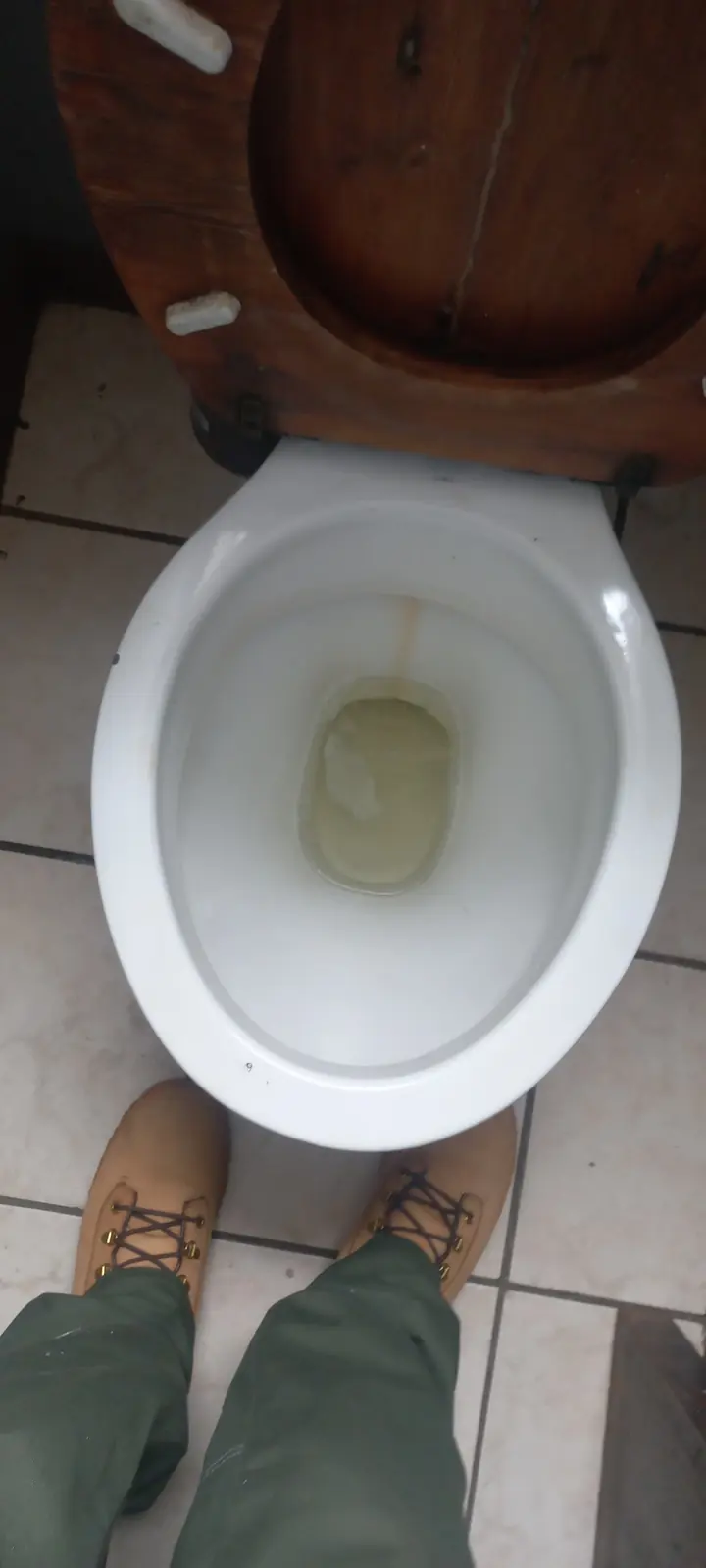
Clear toilet flow confirmation
A clear toilet bowl after testing helps confirm that the blockage has been removed and the toilet is ready for normal use.
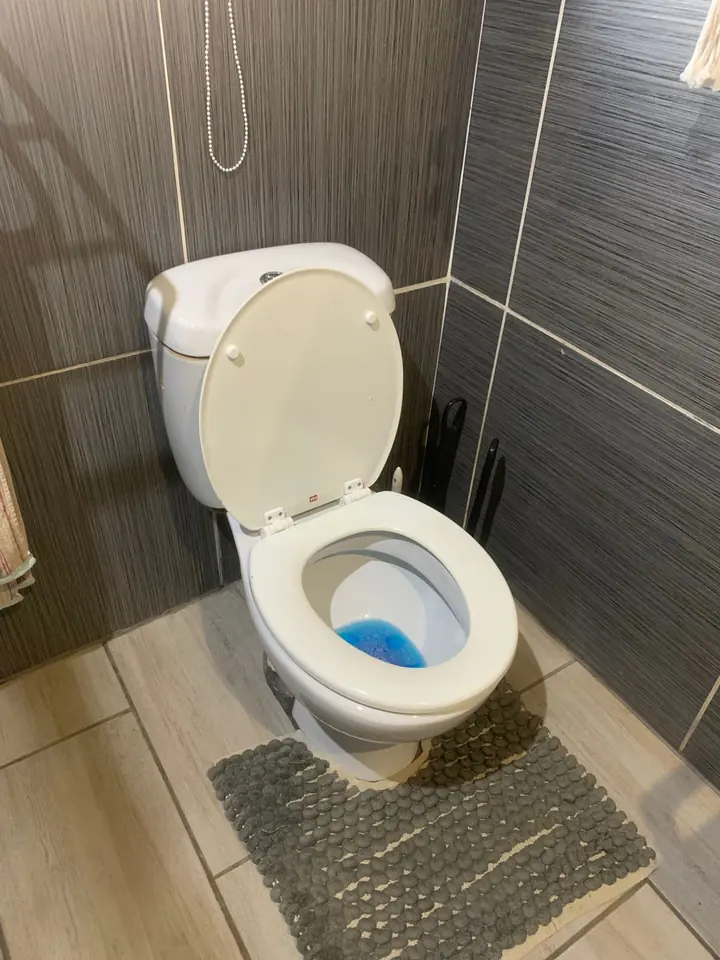
Repeat toilet blockage warning
Discoloured standing water can be a warning sign of a restriction that may return if the deeper drainage cause is not checked.

