
Complete Solar Geyser Systems
Complete Solar Geyser Systems
A complete solar geyser system is a full hot water solution designed to heat water using solar energy while still keeping backup heating available when needed. Instead of relying only on an electric geyser element, the system uses a solar collector to gather heat from the sun and transfer that heat into a storage tank. This helps reduce electricity usage connected to water heating and gives the property a more energy-conscious hot water setup.
For many South African homes, the geyser is one of the main electricity users. A complete solar geyser system can help reduce the amount of time the electric element needs to run by using solar energy during the day. The system is still practical for normal household use because electric backup heating can assist during cloudy weather, early mornings, evenings, winter periods or heavy hot water demand.
A complete system normally includes the solar geyser tank, solar collector, roof mounting frame, valves, pipework, fittings, insulation, controller option and professional installation components. The exact setup depends on the household size, roof structure, water pressure, available sunlight, hot water demand and whether the customer chooses a thermosyphon or split solar geyser system.
Customers who want to compare all available options can also view our main solar geysers page for different sizes, brands and hot water solutions.
What Is Included in a Complete Solar Geyser System?
A complete solar geyser system is more than just a tank and collector. It is a full installed hot water setup that must be matched to the property and fitted correctly. The main components usually include the solar geyser tank, collector, mounting frame, valves, plumbing fittings, pipe insulation and control equipment where required.
The solar geyser tank stores the heated water. The solar collector captures heat from the sun. The mounting frame supports the system on the roof or suitable structure. The valves protect the plumbing system and help manage pressure, expansion and safe water flow. Pipework connects the components, while insulation helps reduce heat loss.
A controller can also be included to help monitor the water temperature and manage electric backup heating. This is especially useful for customers who want better control over when the element switches on and off.
A complete system should be planned as one working unit. If the collector is too small, the tank is oversized, the pipe route is poor, or the valves are not correctly placed, the system may not perform as well as it should. This is why professional installation is important.
Common Items in a Complete System
A complete solar geyser installation may include:
Solar geyser storage tank
Solar collector or evacuated tube collector
Roof frame and mounting brackets
Pressure control valve
Safety valve components
Non-return valve where required
Mixing valve where required
Pipework and fittings
Pipe insulation
Geyserwise controller option
Timed electric backup heating setup
Professional plumbing installation
PIRB Plumbing CoC where applicable
The exact items may vary depending on the system type, property layout and hot water requirements.
How a Solar Geyser System Works
A solar geyser system works by using sunlight to heat water. The solar collector absorbs heat from the sun and transfers that heat into the water stored in the geyser tank. The heated water is then available for showers, basins, kitchens and other hot water points in the property.
There are different ways this movement can happen. In a thermosyphon system, hot water moves naturally between the collector and the tank. As water heats up, it rises into the storage tank, while cooler water moves down toward the collector to be heated. This natural movement means a thermosyphon system does not rely on a circulation pump during normal solar heating.
In a split or pumped system, the solar collector and geyser tank can be positioned separately. A pump moves water or heat transfer through the system when the controller detects that solar heating is available. Split systems are often used where the tank cannot be mounted together with the collector or where roof layout makes a thermosyphon installation less practical.
Customers who want a roof-mounted natural circulation setup can also view our evacuated tube solar geysers page for more detail on tube-based solar collector systems.
Thermosyphon Solar Geyser Systems
A thermosyphon solar geyser system is a popular complete solar hot water option. The tank and collector are normally installed together on the roof or suitable mounting frame. The system relies on the natural movement of hot water during normal solar operation.
Thermosyphon systems are practical because they have fewer moving parts during solar heating. Since normal circulation does not depend on a pump, the setup can be simple and dependable when installed correctly.
These systems must still be planned properly. The roof must be suitable for the load, the position must receive enough sunlight, and the pipework must be installed correctly. Because the tank is often installed on the roof with the collector, roof strength and mounting quality are very important.
A thermosyphon system can be a good choice for homes where the roof layout is suitable and where the customer wants a complete solar geyser system with natural circulation and electric backup support.
Split and Pumped Solar Geyser Systems
A split solar geyser system separates the storage tank from the solar collector. The collector is normally placed on the roof, while the geyser tank may be installed in the ceiling, outside, in a plant area or another suitable position. A pump and controller help move heat between the collector and the tank.
This type of system can be useful where the roof cannot support a full tank-and-collector thermosyphon setup, or where the geyser position needs to remain separate from the collector. It can also be useful for properties with layout restrictions or where a neater installation is required.
Split systems need correct controller setup, pump selection, sensor placement and pipe routing. If the pump does not operate correctly, or if sensors are poorly positioned, system performance can be affected. This makes professional installation especially important.
For customers who already have a working electric geyser and want to convert it instead of replacing the full system, a solar geyser conversion kit may also be worth considering.
Choosing the Correct Solar Geyser Size
The correct solar geyser size depends on the number of people using hot water and the way the household uses it. A system should not be chosen only by tank size. Shower length, bath use, kitchen demand, laundry habits, guest usage and the time of day when hot water is needed all matter.
A small household with careful water habits may not need a large tank. A larger family with multiple bathrooms and busy routines may need more stored hot water. Choosing a system that is too small can lead to frequent backup heating and possible hot water shortages. Choosing a system that is too large can increase cost and may not be necessary for the property.
As a general guide, a 100L system may suit approximately 1 to 2 people. A 150L system may suit around 3 to 4 people. A 200L system may suit around 4 to 5 people. A 300L system may suit larger homes, guest houses or properties with 6 or more users.
These are only practical guidelines. The best system size should be confirmed by assessing the property and actual usage patterns.
100L Solar Geyser Systems
A 100L solar geyser system is usually best for smaller homes, flats, cottages, staff rooms and compact properties with moderate hot water demand. It can be suitable where 1 to 2 people use hot water and where usage is controlled.
This size can be practical where roof space is limited and where the customer does not want to oversize the system unnecessarily. Customers with compact hot water demand can view our 100L Apollo high-pressure solar geyser for a smaller complete installed option.
150L Solar Geyser Systems
A 150L solar geyser system is often suited for small to medium households. It can work well for approximately 3 to 4 people, depending on usage. It is a common choice for townhouses, family homes, flats and cottages where hot water demand is steady but not excessive.
Customers who want a practical middle-size system can view our 150L Apollo high-pressure solar geyser for a complete installed thermosyphon option.
200L Solar Geyser Systems
A 200L solar geyser system is a strong choice for medium to larger homes. It can suit approximately 4 to 5 people and is useful where a household needs more stored hot water for daily routines.
This size is often chosen for family homes where showers, kitchen use and general cleaning create regular demand. Customers who need this capacity can view our 200L Apollo high-pressure solar geyser for a complete installed system.
300L Solar Geyser Systems
A 300L solar geyser system is designed for larger households and high-demand properties. It can suit 6 or more people, guest houses, small lodges, shared accommodation and staff housing.
Because this size stores more water and adds more roof load, proper planning is important. Customers who need higher storage capacity can view our 300L Apollo high-pressure solar geyser for a large complete system option.
High-Pressure Solar Geyser Systems
A high-pressure solar geyser system is designed to work with normal pressurised household plumbing. This means the system can supply hot water to showers, mixer taps, basins, baths and kitchens where comfortable water flow is expected.
High-pressure systems must be installed with the correct valves and pressure-control components. Because the system stores hot water under pressure, safety and compliance are important. Incorrect valve placement or poor pressure control can cause performance problems and may create safety risks.
A high-pressure system is often the right choice for modern homes where the existing plumbing is already designed around pressurised hot water. It gives the customer the benefit of solar heating without losing normal hot water comfort.
Low-Pressure and Gravity-Fed Considerations
Some properties may use lower-pressure or gravity-fed hot water systems. These are less common in many modern residential installations but may still be found on certain properties.
A low-pressure system must be matched to the property’s plumbing design. It should not be installed where high-pressure hot water is required unless the plumbing system is designed for it. Mixing the wrong system type with the wrong plumbing setup can lead to poor flow, unsafe operation or customer dissatisfaction.
This is why the property should be assessed before choosing a solar geyser. Water pressure, existing pipework, roof layout and hot water demand all influence the correct recommendation.
Solar Collectors: Flat Plate and Evacuated Tube Options
The solar collector is the part of the system that gathers heat from the sun. Two common collector types are flat plate collectors and evacuated tube collectors.
A flat plate collector has a broad panel surface that absorbs solar heat. It is often used in traditional solar geyser installations and can be durable when installed correctly.
An evacuated tube collector uses glass tubes designed to absorb and retain solar heat. These systems can be effective in many conditions and are often chosen for roof-mounted solar geyser systems. The correct collector type depends on the property, budget, roof area and hot water demand.
Customers comparing collector styles can view our solar geyser collectors page for more information on available collector options.
Electric Backup Heating
Electric backup heating is an important part of many complete solar geyser systems. Solar energy is used during the day, but hot water is often needed early in the morning, at night or during cloudy weather. Backup heating gives the household support when solar heating is not enough.
The best approach is to use backup heating carefully. The element should not run all day if the solar collector has already heated the water. Timed backup heating allows the system to boost only when required.
This balance gives the customer the benefit of solar water heating while keeping the reliability of electric support. It also helps prevent the frustration of not having hot water when the weather is poor or when usage is higher than normal.
Geyserwise Controllers and Timed Heating
A Geyserwise controller can make a complete solar geyser system easier to manage. The controller allows the customer to monitor water temperature, set timed electric backup heating and manage when the element switches on.
This is helpful because the customer can see whether the water is already hot from solar heating. If the temperature is high enough, the element does not need to run unnecessarily. If the temperature is too low before a busy usage period, timed backup heating can assist.
Controllers are especially useful for households with predictable routines. Morning showers, evening baths and kitchen use can be supported with timed settings instead of leaving the geyser element on continuously.
Customers who want more control over their system can view our solar geyser controllers page.
Roof Position and Installation Planning
The roof position of a solar geyser system is one of the most important performance factors. The collector should receive strong sunlight for as much of the day as possible. Shade from trees, nearby buildings, chimneys, walls or roof structures can reduce solar heating.
The installer must consider roof direction, pitch, covering type, available space and mounting strength. Tiled roofs, corrugated roofs, IBR roofs and flat roof areas all need the correct mounting approach.
For thermosyphon systems, roof strength is especially important because the tank and collector may both be mounted on the roof. Larger systems require even more careful planning because the weight increases with tank size.
A proper installation should also avoid unnecessary roof leaks. Flashing, penetrations, brackets and pipe routes must be handled neatly and carefully.
Pipework, Insulation and Heat Loss
Pipework and insulation can make a big difference to solar geyser performance. Hot water can lose heat when pipe runs are long, exposed or poorly insulated.
A neat pipe route helps reduce heat loss and makes the installation easier to maintain. Pipe insulation helps protect the heat collected by the solar system, especially in cold weather or windy roof spaces.
Poor insulation can reduce the benefit of solar heating because heat is lost before the water reaches the tank or hot water points. Good insulation supports better efficiency and helps the customer get more value from the system.
Valves and Safety Components
A complete solar geyser system must include the correct valves and safety components. These may include pressure control valves, safety valves, non-return valves, vacuum breakers, mixing valves and other plumbing fittings depending on the system.
These components protect the geyser and plumbing system. They help control pressure, manage expansion, prevent incorrect flow and support safe operation.
Valve placement is also important. Important valves should remain accessible for inspection and maintenance. A poor installation may hide valves in awkward places, making future repairs more difficult.
Customers looking for related parts can view our solar geyser valves page for valve and safety component options.
Compliance and PIRB Plumbing CoC
A solar geyser installation must be handled as proper plumbing work. Because the system connects to pressurised hot water, roof drainage areas, valves and safety controls, compliance is important.
Where applicable plumbing work is completed, a PIRB Plumbing CoC is issued for compliant work. This gives the customer peace of mind that the installation has been completed by qualified plumbers and not treated as an informal add-on.
A Plumbing CoC is especially important when the system involves high-pressure water, valve changes, geyser replacement, retrofit work or major hot water system alterations.
Complete Solar Geyser Systems vs Conversion Kits
A complete solar geyser system is usually best when the customer wants a full new solar hot water setup. This can be the right choice if the existing geyser is old, leaking, unsafe, incorrectly sized or not suitable for retrofit work.
A conversion kit may be suitable when the existing electric geyser is still in good condition and can be converted to solar-assisted heating. This allows the customer to keep the current tank while adding a solar collector, manifold, controller and plumbing components.
The right choice depends on the condition of the existing geyser, budget, roof layout, hot water demand and long-term goals. Customers who already have a serviceable geyser can compare full systems with solar geyser conversion kits before making a decision.
Maintenance and Long-Term Care
A complete solar geyser system should be checked and maintained to keep it working properly. Maintenance may include checking valves, inspecting pipe insulation, confirming controller settings, checking for leaks, inspecting roof mounting and ensuring the collector is not shaded or damaged.
Over time, valves can wear, insulation can deteriorate and roof conditions can change. Regular checks help identify small issues before they become expensive problems.
Customers should also understand how to use the controller and backup heating correctly. A well-installed system can still waste electricity if the element is left running unnecessarily. Good usage habits are part of getting the best value from solar hot water.
Professional Installation by Plumb A Nator
Plumb A Nator installs complete solar geyser systems with attention to system sizing, roof mounting, pressure control, valve placement, pipe routing, insulation, controller setup and overall performance.
A complete solar geyser should not be installed as a quick roof add-on. It must be matched to the household and fitted correctly so that the customer gets reliable hot water, safe operation and practical energy savings.
Professional installation helps reduce the risk of roof leaks, poor solar performance, unsafe valve placement, heat loss and future maintenance problems. It also gives the customer clear guidance on how to use the system, when backup heating is needed and how to manage the controller.
Available in Gauteng and Cape Town
Complete solar geyser systems are available for professional installation in Gauteng and Cape Town. These systems are suitable for homes, townhouses, flats, cottages, guest houses, staff accommodation and larger properties that want solar-assisted hot water.
Before installation, the property should be assessed to confirm the correct system size, roof suitability, water pressure, pipe routing and hot water demand. This ensures the system is matched to the property instead of simply fitting a generic unit.
Why Choose a Complete Solar Geyser System?
A complete solar geyser system gives the customer a full hot water solution designed around solar heating, electric backup and proper plumbing installation. It can help reduce electricity usage, improve hot water planning and provide long-term value when correctly sized and installed.
For first-time buyers, the main benefit is simple: the sun heats the water during the day, and backup heating is available when needed. For more advanced buyers, the important factors include collector type, roof position, valve selection, pressure control, controller settings, pipe insulation and system sizing.
The best solar geyser system is not always the biggest or most expensive one. It is the system that suits the property, supports the household’s daily hot water needs, is installed safely and is easy for the customer to manage.
A properly installed complete solar geyser system can provide reliable hot water, reduced element use and a more efficient water heating setup for everyday living.
Shop by brand
Find the right product
Products available to order
Showing all 8 resultsSorted by price: low to high
-
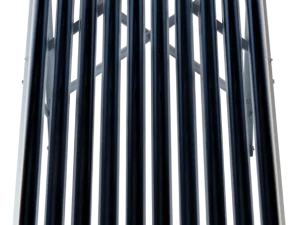
100L High Pressure Solar Geyser Conversion
ApolloIn stockR18378,00 Add to cart -

150L High Pressure Solar Geyser Conversion
ApolloIn stockR20014,00 Add to cart -
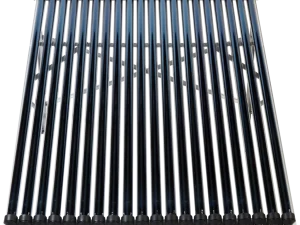
200L High Pressure Solar Geyser Conversion
ApolloIn stockR22078,00 Add to cart -
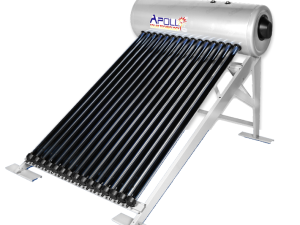
100L high-pressure solar geyser
ApolloIn stockR22956,00 Add to cart -
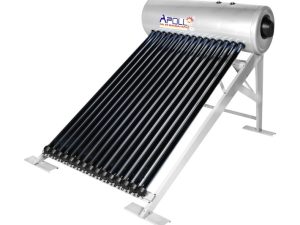
150L high-pressure solar geyser
ApolloIn stockR25412,00 Add to cart -

300L High Pressure Solar Geyser Conversion
ApolloIn stockR26617,00 Add to cart -

200L high-pressure solar geyser
ApolloIn stockR28066,00 Add to cart -
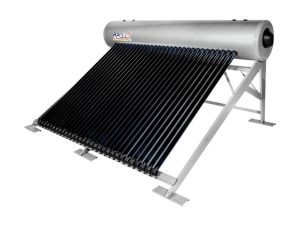
300L high-pressure solar geyser
ApolloIn stockR37619,00 Add to cart