
Evacuated Tube Solar Geysers
Evacuated Tube Solar Geysers
Evacuated tube solar geysers are solar hot water systems that use glass tube collectors to absorb heat from the sun and transfer that heat into water for everyday use. They are a popular option for homes and properties that want to reduce electricity usage connected to water heating while still keeping backup heating available when solar conditions are not enough.
The main feature of an evacuated tube system is the tube collector. Each tube is designed to absorb solar energy and retain heat efficiently. The tubes work together to heat water during the day, helping the geyser reduce the amount of work required from the electric element.
For many South African households, a geyser can be one of the larger electricity users in the home. An evacuated tube solar geyser can help lower unnecessary element use by allowing sunlight to heat the water first. This makes it a practical option for customers who want a complete solar hot water system for daily use.
Customers who are comparing all solar hot water options can also visit our solar geysers page for different sizes, brands and installed system choices.
What Is an Evacuated Tube Solar Geyser?
An evacuated tube solar geyser is a solar water heating system that uses rows of glass tubes as the solar collector. These tubes absorb heat from sunlight and help transfer that heat into the water stored in the geyser tank.
The word “evacuated” refers to the vacuum layer inside the tube design. This vacuum helps reduce heat loss, allowing the tube to hold heat more effectively than ordinary glass. Because the tubes are designed to absorb and retain solar heat, they can be useful for domestic hot water heating when installed in a suitable position.
Evacuated tube systems are often used in thermosyphon solar geyser installations where the tank and tube collector are mounted together. They may also be used in other solar water heating configurations depending on the design of the system and the property.
How Evacuated Tube Solar Heating Works
During the day, the evacuated tubes absorb sunlight and convert it into heat. This heat is transferred into the water inside the solar geyser system. As the water heats, it rises naturally into the storage tank in a thermosyphon setup, while cooler water moves down toward the tubes to be heated.
This natural movement allows the system to circulate water during solar heating without needing a circulation pump in a standard thermosyphon design. The heated water is stored in the tank and can then be used for showers, basins, baths and kitchen hot water.
When solar conditions are good, the system can provide useful hot water with reduced reliance on the electric element. During cloudy weather, winter mornings, evenings or heavy household demand, electric backup heating can still assist.
Customers who want a complete installed solar hot water option can also view our complete solar geyser systems page.
Why Choose Evacuated Tubes?
Evacuated tube solar geysers are often chosen because the tube collector is designed to absorb and retain solar heat effectively. The vacuum layer in the tube reduces heat loss, which can help the system perform well when sunlight is available.
The round shape of the tubes also allows them to receive sunlight from different angles during the day. This can make them a practical collector option for many homes where the roof receives good sun exposure.
Another benefit is that tube systems are modular. If a tube is damaged, it may be possible to replace that tube rather than replacing the entire collector, depending on the system design and product availability.
Evacuated tube systems are especially popular for roof-mounted thermosyphon solar geysers, where the tube collector and tank work together as one complete hot water system.
Ideal Properties for Evacuated Tube Solar Geysers
Evacuated tube solar geysers can be suitable for homes, townhouses, flats, cottages, staff accommodation and larger properties, depending on the system size. They are available in different capacities, including smaller systems for 1 to 2 people and larger systems for families or higher-demand households.
A 100L evacuated tube solar geyser may suit compact properties and lower hot water demand. A 150L system can suit small to medium households. A 200L system can be suitable for family homes, while a 300L system may be better for larger households, guest houses or shared accommodation.
The correct system depends on the number of people, shower habits, bath use, kitchen demand, laundry routines, guest usage and backup heating settings. The best choice is not always the largest unit. It should be matched to the property and daily hot water needs.
Evacuated Tube vs Flat Plate Solar Geysers
Evacuated tube and flat plate collectors are both used for solar water heating, but they work in different ways. An evacuated tube collector uses individual glass tubes to absorb and retain heat. A flat plate collector uses a broad flat panel surface to absorb solar energy.
Evacuated tube systems are often chosen for their heat-retention design and their ability to absorb sunlight from different angles. Flat plate systems are often chosen for their strong panel construction and traditional solar geyser layout.
The better choice depends on the property, roof position, budget, system size and customer preference. Some customers prefer the look and design of flat plate collectors, while others prefer the modular nature of evacuated tubes.
Customers who want to compare collector options can view our solar geyser collectors page for more information.
Thermosyphon Evacuated Tube Systems
Many evacuated tube solar geysers are installed as thermosyphon systems. In this arrangement, the tank and tube collector are mounted together, usually on the roof or a suitable frame. The system uses natural hot water movement during solar operation.
As the water heats inside the tube collector, it rises into the tank. Cooler water moves down toward the collector to be heated. This creates a natural circulation cycle while the sun is available.
A thermosyphon evacuated tube system can be a practical choice because it does not require a pump for normal solar circulation. However, roof strength, mounting quality and system positioning are very important because the tank and collector are installed as a combined system.
High-Pressure Evacuated Tube Solar Geysers
High-pressure evacuated tube solar geysers are designed to work with normal pressurised hot water plumbing. This makes them suitable for homes with mixer taps, showers, baths and standard bathroom or kitchen fixtures where comfortable flow is required.
Because a high-pressure system operates under pressure, it must be installed with the correct valves and pressure-control components. Safety valves, pressure control valves, non-return valves and other fittings must be selected and installed correctly.
A high-pressure evacuated tube system should be installed by qualified plumbers who understand pressurised hot water systems. Correct installation helps protect the system, improve performance and support safe daily use.
Low-Pressure Evacuated Tube Solar Geysers
Low-pressure evacuated tube solar geysers may be used in certain properties where the plumbing system is designed for lower-pressure hot water delivery. These systems are not suitable for every home and should not be confused with high-pressure systems.
The correct system type must match the property’s plumbing. Installing a low-pressure system where high-pressure delivery is expected can result in poor performance and customer frustration.
Before choosing a system, the water pressure, existing geyser setup and household expectations should be checked. A proper assessment helps confirm whether a high-pressure or low-pressure system is more suitable.
Choosing the Right Size
System sizing is one of the most important parts of choosing an evacuated tube solar geyser. A system that is too small may run out of hot water quickly and rely too heavily on backup heating. A system that is too large may cost more than necessary and may not suit the roof or property.
As a practical guide, a 100L system may suit approximately 1 to 2 people. A 150L system may suit around 3 to 4 people. A 200L system may suit around 4 to 5 people. A 300L system may suit 6 or more people or properties with heavy hot water demand.
These numbers are only guidelines. The correct recommendation depends on how the household uses hot water. Long showers, frequent baths, large kitchens and guest usage can increase demand.
Customers who want to compare installed sizes can view the 100L Apollo high-pressure solar geyser, 150L, 200L and 300L options.
Roof Position and Sun Exposure
The performance of an evacuated tube solar geyser depends heavily on roof position and sunlight. The collector should be installed where it can receive strong sunlight for as much of the day as possible.
Shade from trees, chimneys, walls, parapets, nearby buildings or roof structures can reduce performance. Even partial shade can affect how much heat the collector provides.
The installer must also consider roof direction, pitch, available space and mounting strength. For roof-mounted thermosyphon systems, the roof must be able to support the tank, collector, frame and water load.
A good installation should balance performance, safety and neat appearance. The system should be positioned for strong solar exposure while still being mounted securely and serviceably.
Mounting Frames and Roof Types
Evacuated tube solar geysers can be installed on different roof types, depending on the system and mounting requirements. Common roof types include tiled roofs, IBR roofs, corrugated roofs and flat roof areas.
Each roof type needs the correct mounting approach. The frame must support the system securely and should not create unnecessary roof leaks or structural problems. On larger systems, the load must be considered carefully.
Flat roof installations may require a frame angle that helps position the collector correctly for sunlight. Sloped roofs may need brackets and supports suited to the roof covering and pitch.
Professional mounting is important because the system must remain secure in wind, weather and daily temperature changes.
Backup Heating and Geyserwise Control
Most evacuated tube solar geysers can include electric backup heating. This is important because hot water is not always needed only during sunny periods. Households often need hot water early in the morning, at night or during cloudy weather.
A Geyserwise controller can help manage backup heating more effectively. The controller allows the customer to view the water temperature, set timed electric backup heating and avoid unnecessary element use when the sun has already heated the water sufficiently.
This is especially useful for solar geysers because the customer can see when solar heating has worked well. Instead of switching the element on blindly, the system can be managed around real water temperature.
Customers who want better system control can view our solar geyser controllers page.
Pipework and Insulation
Pipework and insulation play an important role in solar geyser performance. Hot water can lose heat when pipe runs are long, exposed or poorly insulated.
A neat pipe route helps the system work better and makes future servicing easier. Insulation helps protect the heat collected by the tubes and reduces unnecessary heat loss before the water reaches the tank or hot water points.
This is especially important in colder weather, windy roof spaces or installations with longer pipe runs. Good insulation helps the system retain more of the heat it collects during the day.
Valves and Safety Components
Evacuated tube solar geysers must be installed with the correct valves and safety components. These parts help control pressure, manage expansion, protect the system and support safe operation.
High-pressure systems need correct pressure control and safety valve placement. Important components should remain accessible for inspection and maintenance. If valves are hidden in difficult places, future servicing becomes harder and may cost more.
Customers looking for these products can view our solar geyser valves page for related valve and pressure-control items.
Tube Maintenance and Replacement
Evacuated tubes are designed to collect solar heat, but they should still be checked from time to time. Tubes may become dirty, damaged or shaded by new growth from trees. Dirt and shade can reduce performance.
If a tube is cracked or broken, it should be replaced with the correct compatible tube for the system. A damaged tube can reduce the collector’s effectiveness and may affect system performance.
Regular checks can help keep the system working properly. The mounting frame, valves, pipe insulation, controller settings and roof penetrations should also be inspected as part of general maintenance.
Common Signs the System Needs Attention
There are several signs that an evacuated tube solar geyser may need inspection. These include hot water not lasting as long as before, the element running more often, visible tube damage, leaking around the roof area, dripping overflows, low hot water pressure, poor controller readings or sudden changes in water temperature.
Some issues may be caused by weather or heavy usage, but ongoing problems should be checked. A valve fault, controller issue, damaged tube, poor insulation or incorrect backup setting can all reduce performance.
A professional inspection can help identify whether the issue is with the solar collector, the geyser tank, the plumbing components or the control setup.
Professional Installation by Plumb A Nator
Plumb A Nator installs evacuated tube solar geysers with attention to system size, roof position, mounting strength, valve placement, pipe routing, insulation, controller setup and overall performance.
A solar geyser should not be installed as a quick roof add-on. The system must be matched to the property and installed carefully so that the customer gets reliable hot water, safe operation and good solar performance.
Professional installation helps reduce the risk of roof leaks, poor heat gain, unsafe pressure control, exposed pipe heat loss and future maintenance issues.
PIRB Plumbing CoC for Applicable Work
Where applicable plumbing work is completed on the hot water installation, a PIRB Plumbing CoC is issued for compliant work. This gives the customer peace of mind that the plumbing side of the installation has been completed by qualified plumbers.
A solar geyser installation involves pressurised hot water, roof mounting, valves, overflow arrangements, pipework and safety controls. These areas must be handled correctly for safe and reliable operation.
Available in Gauteng and Cape Town
Evacuated tube solar geysers are available for professional installation in Gauteng and Cape Town. They are suitable for homes, flats, townhouses, cottages, guest houses, staff accommodation and larger properties, depending on system size and roof suitability.
Before installation, the property should be assessed to confirm hot water demand, roof position, water pressure, pipe routing and the correct system size.
Why Choose an Evacuated Tube Solar Geyser?
An evacuated tube solar geyser is a practical solar hot water option for customers who want to reduce electricity usage and make better use of the sun. The tube collector design helps absorb and retain solar heat, while the storage tank provides hot water for daily use.
For first-time buyers, the main benefit is easy to understand: the system uses solar energy during the day and electric backup when needed. For more advanced buyers, important considerations include tube quality, tank size, pressure rating, roof position, controller setup, pipe insulation, valve selection and long-term maintenance.
When correctly sized and professionally installed, an evacuated tube solar geyser can provide reliable hot water, improved energy efficiency and long-term value for many types of properties.
Shop by brand
Find the right product
Products available to order
Showing all 8 resultsSorted by price: low to high
-
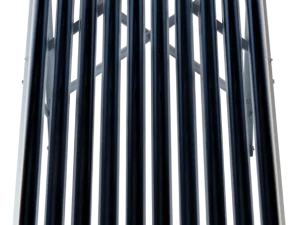
100L High Pressure Solar Geyser Conversion
ApolloIn stockR11825,00 Add to cart -

150L High Pressure Solar Geyser Conversion
ApolloIn stockR13451,00 Add to cart -
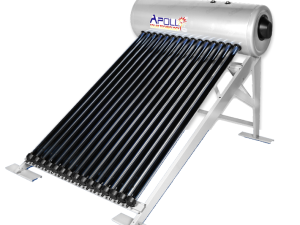
100L high-pressure solar geyser
ApolloIn stockR14805,00 Add to cart -
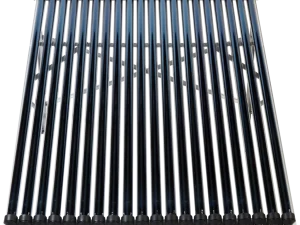
200L High Pressure Solar Geyser Conversion
ApolloIn stockR15449,00 Add to cart -
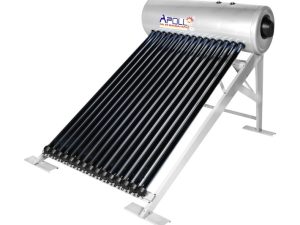
150L high-pressure solar geyser
ApolloIn stockR16332,00 Add to cart -

200L high-pressure solar geyser
ApolloIn stockR19325,00 Add to cart -

300L High Pressure Solar Geyser Conversion
ApolloIn stockR19482,00 Add to cart -
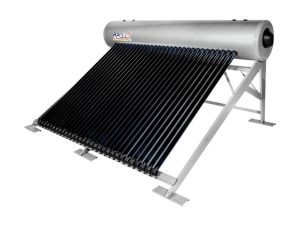
300L high-pressure solar geyser
ApolloIn stockR28085,00 Add to cart