
Geyser Installation Products
Geyser Installation Products
Geyser installation products are the parts, fittings and safety components used to install, replace, support or repair a hot water system correctly. A geyser installation is not only about fitting the tank. It also involves valves, pipes, fittings, drip trays, overflow pipes, insulation, mounting parts, safety components, control devices and the correct plumbing layout.
A properly installed geyser should supply hot water safely, manage pressure correctly, protect the building from leaks where possible and remain serviceable for future maintenance. When the wrong products are used, or when important components are missing, the geyser can become unsafe, inefficient or difficult to repair later.
For homeowners and property managers, geyser installation products can be confusing because many parts are hidden in the ceiling, outside on the wall or around the roof area. This page explains the main products used in a geyser installation, why they matter, and how they support safe and reliable hot water.
Customers who are also looking at solar hot water options can view our solar water heating products page for solar-specific components and systems.
What Are Geyser Installation Products?
Geyser installation products are the items needed to connect a geyser to the water supply, hot water outlet, overflow discharge, electrical backup system and safety arrangement. These products help the geyser work correctly under pressure and temperature changes.
Common installation products include pressure control valves, safety valves, vacuum breakers, non-return valves, drip trays, overflow pipes, copper pipe, multilayer pipe, fittings, brackets, insulation, geyser timers, controllers and replacement parts.
Some products protect the geyser. Some protect the building. Some improve efficiency. Others make future maintenance easier. A good installation uses the right combination of parts instead of simply connecting a tank and hoping it works.
Customers who need valve-related parts can also view our geyser valves page for pressure and safety components.
Why Correct Geyser Installation Products Matter
A geyser stores hot water under pressure. As water heats, it expands. Pressure changes, temperature changes and daily use all place stress on the system. The installation products around the geyser help control these conditions.
If pressure control is poor, the geyser may discharge water through the overflow, strain the tank or damage plumbing components. If safety valves are missing or faulty, the system may become unsafe. If the drip tray is incorrectly installed, a leak can damage ceilings, cupboards or electrical fittings.
Correct products also help with performance. Pipe insulation reduces heat loss. Timers and controllers help manage heating times. Good pipe routing improves hot water delivery and future servicing. Proper fittings reduce the risk of leaks.
A neat geyser installation should be safe, practical and understandable. The important parts should not be hidden where nobody can reach them.
Pressure Control Valves
A pressure control valve is one of the most important geyser installation products. It helps regulate the incoming water pressure to the geyser. This protects the geyser from excessive pressure and helps the system operate within its intended range.
Different geysers require different pressure ratings, so the valve must match the geyser and the plumbing system. Using the wrong pressure control valve can lead to poor performance, leaking overflows or unnecessary stress on the system.
Pressure control valves should be installed where they can be accessed for future inspection or replacement. They should not be buried in ceilings or boxed in where maintenance becomes difficult.
For solar and high-pressure hot water systems, correct pressure control is especially important. Customers working with solar installations can also view our solar geyser valves page for solar-specific valve options.
Safety Valves and Expansion Control
Safety valves help protect the geyser from unsafe pressure and temperature conditions. As water heats, it expands, and the system must have a way to manage that expansion safely.
A safety valve may discharge water through an overflow pipe during normal expansion or when pressure rises. However, constant dripping or heavy discharge may indicate a problem, such as incorrect pressure, a faulty valve or overheating.
The safety valve must be fitted correctly and connected to a suitable overflow route. Water discharge should be visible or directed safely so that problems can be noticed before they cause damage.
A geyser installation without correct safety protection is not acceptable. These components are essential for safe hot water operation.
Vacuum Breakers
Vacuum breakers help protect the geyser from vacuum conditions that can occur in the pipework. They allow air into the system when needed and help prevent damage linked to negative pressure.
Vacuum breakers are small components, but they are important. They must be installed in the correct positions and should remain accessible. Incorrect placement can reduce their effectiveness.
These parts are commonly used around geyser installations and form part of a proper safety arrangement. They should never be ignored simply because they are small or inexpensive.
Non-Return Valves
A non-return valve allows water to flow in one direction and helps prevent reverse flow. In geyser installations, this can be important for protecting the plumbing system and keeping hot and cold water movement controlled.
Non-return valves must be installed in the correct position and orientation. If fitted incorrectly, they may not work as intended and can cause performance issues.
They are often used together with pressure control and safety components, depending on the installation design. A qualified plumber can confirm where they are needed.
Drip Trays and Overflow Pipes
A drip tray is used to help protect the property if the geyser leaks. It sits under the geyser and directs water to an overflow pipe or safe discharge point. This is especially important for geysers installed inside ceilings, cupboards or roof spaces.
The drip tray must be the correct size and must be installed with a proper fall so water can drain away. If the tray is flat, damaged or poorly connected, it may not protect the building when a leak occurs.
Overflow pipes must also be routed correctly. They should discharge where water can be seen and where it will not damage the property. A hidden overflow can allow leaks to continue unnoticed until damage is serious.
A drip tray is not a repair for a leaking geyser. It is a safety measure to reduce damage while the leak is identified and fixed.
Pipes and Fittings
Pipes and fittings connect the geyser to the cold water supply, hot water outlet, overflow discharge and related plumbing points. The correct pipe material must be chosen for the installation and the water temperature involved.
Copper pipe is commonly used in hot water installations because it handles heat well and is durable when installed properly. Multilayer pipe and other approved materials may also be used depending on the application and local installation requirements.
Fittings must be properly joined, supported and positioned. Poor joints can leak. Unsupported pipes can move or vibrate. Incorrect materials can fail under heat or pressure.
Customers who need pipework for solar hot water installations can also view our solar plumbing products page for related solar pipe and fitting options.
Pipe Insulation
Pipe insulation helps reduce heat loss from hot water pipes. Without insulation, heat can escape as water travels from the geyser to taps and showers. This can waste energy and make the user wait longer for hot water.
Insulation is especially important in roof spaces, outside pipe runs and solar geyser installations. Exposed hot water pipes can lose heat quickly, especially in cold or windy conditions.
Good insulation helps keep water hotter for longer and can improve the overall efficiency of the system. It should be fitted neatly and should not block access to important valves or service points.
Geyser Brackets, Supports and Mounting Products
Geysers are heavy when full of water, so proper support is essential. Installation products may include brackets, stands, mounting frames and support materials suited to the geyser position.
A geyser installed in a ceiling must be supported correctly. A roof-mounted solar geyser must also have a suitable frame and mounting arrangement. Poor support can damage the building and create safety risks.
The support method depends on the geyser size, location, structure and installation type. Larger geysers and solar geyser systems require more careful planning because of the added weight.
Customers looking at roof-mounted solar systems can view our solar geyser frames and stands page for related mounting options.
Geyser Timers
A geyser timer controls when the electric element switches on and off. It is often used to reduce unnecessary electricity usage by heating water only during selected times.
A timer can be useful for households with predictable hot water routines. For example, it can be set to heat water before morning showers or evening use. This avoids leaving the element on all day when hot water is not needed.
The timer must be correctly rated and installed safely. Incorrect electrical work can be dangerous. The timer settings should also match the household’s real usage patterns.
Customers who want timed heating products can view our solar geyser timers page for related timer and control options.
Geyser Controllers
A geyser controller gives more information and control than a basic timer. Some controllers allow the customer to view water temperature, set heating times and manage backup heating more carefully.
Controllers are especially useful for solar geyser systems because they help show when solar heating has already warmed the water. If the water is hot enough, the electric element does not need to switch on unnecessarily.
A controller should be installed and configured properly. Sensor placement, wiring, settings and user guidance all affect how well it works.
Customers looking for control products can view our solar geyser controllers page.
Installation Products for Solar Geysers
Solar geyser installations need many of the same products as standard geyser installations, but they also require solar-specific components. These may include solar collectors, mounting frames, manifolds, controllers, pumps, sensors, insulated pipework and solar-rated valves.
Solar installations must be planned around roof position, sun exposure, roof strength, pipe routing and backup heating requirements. A complete solar setup should not be treated as a basic geyser swap.
Customers looking for a full installed solar system can view our complete solar geyser systems page.
Installation Products for Geyser Conversions
A geyser conversion allows an existing electric geyser to work with solar-assisted heating where the geyser is suitable for retrofit work. This type of installation needs conversion-specific products such as a retrofit manifold, solar collector, pipework, valves, controller options and insulation.
Before converting a geyser, the existing tank and plumbing must be assessed. The plumber should check the geyser age, condition, drip tray, overflow arrangement, pressure control, roof space and access.
If the geyser is old, leaking or unsafe, conversion may not be the right choice. In that case, a full replacement or complete solar system may be better.
Customers interested in this option can view our solar geyser conversion kits page.
Choosing Products for a New Geyser Installation
When installing a new geyser, the correct products should be chosen according to the geyser size, pressure rating, location and household demand. A 100L geyser has different requirements from a 200L or 300L system, especially when weight and support are considered.
The installer must also consider whether the geyser is inside the ceiling, outside, wall-mounted, roof-mounted or part of a solar system. Each location has different product needs.
The correct valve set, drip tray, overflow route, pipe material, insulation and control options should be planned before installation starts. A well-planned installation saves problems later.
Choosing Products for Geyser Replacement
When replacing an old geyser, it is not always enough to replace only the tank. The valves, drip tray, overflow pipe, pressure control valve, vacuum breakers and pipework should also be checked.
Old components may be worn, incorrectly rated or no longer suitable. Reusing poor-quality parts can cause problems even when the new geyser is good.
A proper replacement should leave the system safer, neater and more serviceable than before. It should also give the customer confidence that the surrounding components have not been ignored.
Choosing Products for Geyser Repairs
Some geyser installation products are also used during repairs. A leaking valve, damaged pipe, faulty pressure control valve, worn safety valve or broken overflow arrangement may need replacement.
Repair products should match the system. A plumber should not fit random parts that are not suited to the geyser pressure rating or hot water temperature.
Customers looking for general geyser repair items can view our geyser repair parts page.
Signs That Installation Products Need Attention
There are several signs that geyser installation components may need inspection. These include dripping overflows, water stains on ceilings, low hot water pressure, noisy pipes, rusty valves, exposed pipework, poor hot water delivery, repeated tripping, water that is too hot or too cold, and visible leaks around the geyser.
Some signs may point to a simple valve issue. Others may indicate a more serious installation problem. A professional inspection can confirm whether parts need to be replaced or whether the full geyser installation needs correction.
Ignoring these signs can lead to higher electricity usage, water wastage or property damage.
Beginner Guide: What Homeowners Should Know
For first-time customers, the most important thing to know is that a geyser installation is a system, not a single product. The geyser tank, valves, pipes, overflow, drip tray, controller and insulation all work together.
A cheap installation that leaves out important components can become expensive later. Poor valve placement, missing insulation, weak support or a bad overflow route can cause damage, wasted energy and frustration.
Homeowners should ask whether the installation includes the correct safety valves, drip tray, overflow route, pressure control, insulation and compliance where applicable.
Advanced Buyer Guide
For more advanced buyers, geyser installation products should be assessed according to pressure rating, material compatibility, temperature resistance, access for maintenance, roof or ceiling support, energy efficiency and compliance requirements.
Important questions include whether the pressure control valve matches the geyser, whether the pipe material is suitable for hot water, whether insulation is fitted on exposed hot water lines, whether the overflow is visible, whether the drip tray drains correctly and whether valves can be reached later.
Advanced buyers should also consider future upgrades. If solar may be added later, pipe routes, controller options and roof access may need to be considered during the current installation.
Professional Installation by Accredited Plumbers
Geyser installation products should be fitted by qualified plumbers who understand hot water systems, pressure control, safety components and compliance requirements.
A professional installation should be neat, safe and serviceable. It should not leave pipes unsupported, valves hidden, insulation missing or overflow discharge in the wrong place.
Professional workmanship is especially important for high-pressure geysers and solar geyser systems because these installations involve heat, pressure, roof work and safety controls.
PIRB Plumbing CoC for Applicable Work
Where applicable plumbing work is carried out, a PIRB Plumbing CoC is issued for compliant work. This gives the customer peace of mind that the installation has been handled according to proper plumbing practice.
A Plumbing CoC is important where geysers, valves, pressure control, hot water pipework and related plumbing changes are involved. It helps confirm that the work was not treated casually or completed without proper standards.
Available in Gauteng and Cape Town
Geyser installation products and professional installation services are available in Gauteng and Cape Town. These products are suitable for standard electric geysers, solar geysers, geyser replacements, conversion systems and hot water repairs.
Before products are supplied or fitted, the existing system should be assessed to confirm the correct size, pressure rating, location, pipework, valve arrangement and hot water requirements.
Why Choose the Correct Geyser Installation Products?
Choosing the correct geyser installation products helps protect the geyser, the plumbing system and the property. The right products improve safety, reduce leaks, support better performance and make future maintenance easier.
A good installation should be planned properly, fitted neatly and completed with suitable components. Whether the customer is installing a standard geyser, upgrading to solar, replacing old valves or repairing a hot water system, the surrounding products matter just as much as the geyser itself.
When the right products are used and installed by qualified plumbers, the result is a safer, cleaner and more reliable hot water system for everyday use.
Shop by brand
Find the right product
Products available to order
Showing all 8 resultsSorted by price: low to high
-
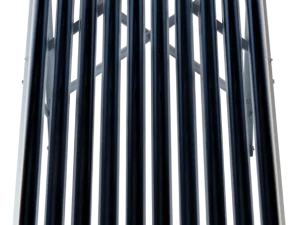
100L High Pressure Solar Geyser Conversion
ApolloIn stockR18378,00 Add to cart -

150L High Pressure Solar Geyser Conversion
ApolloIn stockR20014,00 Add to cart -
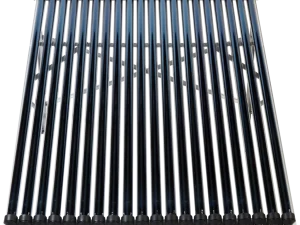
200L High Pressure Solar Geyser Conversion
ApolloIn stockR22078,00 Add to cart -
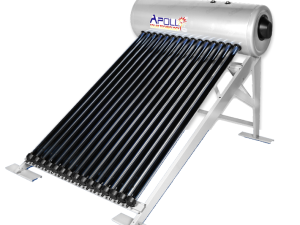
100L high-pressure solar geyser
ApolloIn stockR22956,00 Add to cart -
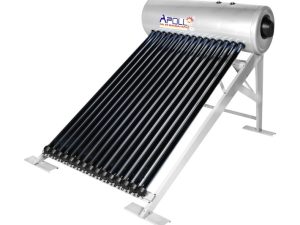
150L high-pressure solar geyser
ApolloIn stockR25412,00 Add to cart -

300L High Pressure Solar Geyser Conversion
ApolloIn stockR26617,00 Add to cart -

200L high-pressure solar geyser
ApolloIn stockR28066,00 Add to cart -
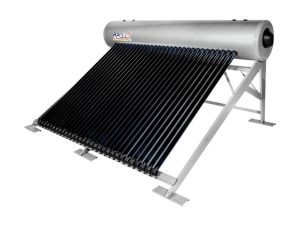
300L high-pressure solar geyser
ApolloIn stockR37619,00 Add to cart