Energy Saving Geyser Products
Energy Saving Geyser Products
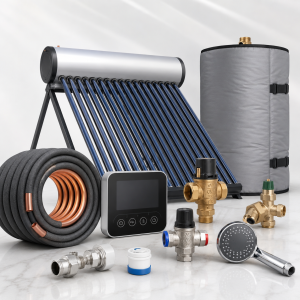
A Geyserwise controller gives the owner more information than a basic timer. It can show the geyser temperature, allow timed heating periods and help manage backup heating more sensibly. On some solar geyser systems, it can also work with sensors and circulation control.
This is helpful because many people do not know what is happening inside the geyser. They only know whether the shower is hot or cold. A controller gives visibility. The owner can see if the water is already hot enough, when the element is scheduled to run, and whether backup heating is being used more than expected.
For solar geysers, a controller becomes even more useful. It helps the household use solar-heated water first and only bring in electric backup when needed. In old plumber’s language, it stops the geyser from working blindly.
Solar geyser systems as energy saving products
A solar geyser system is one of the strongest energy saving geyser products because it uses sunlight to heat water during the day. Instead of relying only on the electric element, the solar collector provides heat, and the element becomes a backup rather than the main worker.
A complete solar geyser system may include a solar geyser tank, collector, roof frame, valves, pipework, controller and backup heating. When properly installed, it can reduce the amount of time the electric element runs. This is especially useful in homes where hot water demand is steady and the roof has good sun exposure.
The important part is correct sizing. A solar geyser that is too small will frustrate the household. A system that is too large may cost more than necessary. The best system is the one matched to the number of people, shower habits, roof space, pressure requirements and backup heating needs.
Solar geyser conversion kits
A solar geyser conversion kit is used when an existing electric geyser is converted to solar-assisted heating. This can be a practical choice when the current geyser is still in good condition and worth keeping.
A conversion kit may include evacuated tubes or a collector, a retrofit manifold, pipework, fittings, valves, sensors and a controller. The aim is to let the existing geyser work with solar heat, while still keeping the electric element available for backup.
This is not a product that should be sold without checking the geyser first. If the old tank is rusted, leaking, undersized or badly positioned, conversion may not be the best choice. A proper assessment should confirm whether the existing geyser is suitable before the client spends money on retrofit parts.
Evacuated tube solar geyser products
Evacuated tube solar geysers use glass tubes to collect heat from the sun. These tubes are popular because they are efficient and are often used in complete systems and retrofit conversions.
The tubes must be matched to the system size. A small household may need fewer tubes than a larger family. The tube angle, roof direction, shade and installation quality all affect performance. If the tubes are placed where they lose sunlight for much of the day, the system will not perform as well as the client expects.
Evacuated tubes are also replaceable parts. If a tube is cracked, damaged by hail, or loses performance, it can often be replaced without replacing the full system. This makes them useful from a maintenance point of view as well as an energy saving point of view.
Flat plate solar geyser products
Flat plate collectors are another type of solar water heating product. They are panel-style collectors that absorb solar heat and transfer it into the hot water system. They can be strong, neat and practical in the right installation.
The choice between flat plate and evacuated tube should not be made only on appearance. The roof, budget, expected water use, climate, installation space and system type all matter. Some properties suit flat plate collectors better, while others are better matched to evacuated tubes.
A good installer should explain the difference in plain language. The client should understand what they are buying, how it will be installed, and what kind of maintenance may be needed over time.
Pipe insulation and heat loss control
Pipe insulation is one of the most overlooked energy saving geyser products. Hot water can lose heat while travelling through exposed or poorly insulated pipes. This is especially true on solar systems where pipework may run across roof areas or through cold roof spaces.
Good pipe lagging helps keep heat in the water for longer. It also protects pipework from weather exposure and gives the installation a neater finish. If the insulation is cracked, missing or badly fitted, the system may lose useful heat before it reaches the taps.
Clients often focus on big items like tanks and collectors, but small details such as insulation can affect everyday performance. A neat, insulated pipe run tells you the installer thought about the system as a whole.
Geyser blankets and tank insulation
A geyser blanket is fitted around a geyser tank to reduce heat loss. It can be useful on older geysers or installations where the tank loses heat quickly, especially if the geyser is in a cold roof space.
Modern geysers often have factory insulation, but older tanks may benefit from extra protection. The blanket must be fitted properly and safely. It must not cover important valves, warning labels, electrical covers or areas that need service access.
A geyser blanket will not fix a faulty element, a bad thermostat or a leaking valve. It simply helps reduce standing heat loss. It works best as part of a bigger energy saving plan, together with timer control, correct thermostat settings and pipe insulation.
Thermostats and temperature settings
A thermostat controls when the electric element switches on and off. If the thermostat is faulty or set too high, the geyser may use more electricity than necessary. If it is set too low, the household may run out of usable hot water or create hygiene concerns in certain conditions.
A thermostat must be matched to the geyser and installed safely. It should not be guessed or adjusted carelessly. If the geyser overheats, trips the electricity, stays cold or behaves unpredictably, the thermostat and element should both be checked.
Temperature control is a practical part of saving energy. The goal is not simply to make the geyser cooler. The goal is to keep enough safe hot water available without wasting electricity.
Booster elements and backup heating
A booster element is the electric heating element used to assist when solar heat is not enough. In solar hot water systems, the booster should work as a backup, not as the main heating source all day.
This is where controls matter. If the booster runs at the wrong time, it can use electricity before the sun has had a chance to heat the water. A controller or timer can help schedule backup heating for early morning, evening or cloudy weather when needed.
The booster element must also be the correct rating for the geyser. An incorrect element can cause poor heating, tripping, overheating or unnecessary power use. Backup heating should be dependable, controlled and safe.
Pressure control valves and energy efficiency
A pressure control valve may not sound like an energy saving product, but it can affect the hot water system more than many people realise. If pressure is too high or unstable, valves may discharge, fittings may leak, and the system may waste hot water.
Hot water wastage is energy wastage. Every litre of hot water lost has already been heated. A dripping safety discharge, leaking valve or pressure-related fault means the geyser must heat replacement water again.
Correct pressure control helps protect the geyser and reduce unnecessary water and heat loss. It also helps extend the life of valves, fittings and the tank.
Mixing valves and safer hot water control
A mixing valve blends hot water with cold water to deliver safer outlet temperatures. On solar systems, water can get very hot during strong sunny days. A mixing valve can help protect users and reduce the risk of scalding.
It can also help manage how hot water is delivered through the home. Instead of sending extremely hot water directly to taps, the system can store hotter water and temper it for use. This must be designed correctly, because the wrong setup can lead to poor comfort or inconsistent temperatures.
Mixing valves are especially useful in homes with children, elderly people, guest rooms or rental units where the owner wants safer hot water control.
Solar geyser pumps
Some solar systems use a circulation pump to move water or heat between the collector and the geyser. A pump is common in certain retrofit and split solar systems where natural thermosyphon movement is not suitable.
The pump must be controlled properly. It should circulate when the collector can add useful heat, not when the collector is cold. If the pump runs at the wrong time, it can move heat away from the tank instead of helping.
A solar geyser pump is only energy saving when it is part of a correctly designed system. The controller, sensors, pump size and pipe layout all need to work together.
Solar-ready geyser products
Solar-ready geyser products are designed to make future solar upgrades easier. A solar-ready geyser may be better suited for connection to solar collectors or retrofit systems than a standard geyser not intended for that arrangement.
This can be useful for clients who cannot install solar immediately but want to prepare for it. Instead of buying a geyser today and replacing it again later, they can choose a geyser that allows a better upgrade path.
The client should still ask what “solar-ready” means in that specific product. It should not be treated as a vague label. The fittings, ports, rating and installation layout must suit the future solar plan.
No hot water parts
No hot water parts are the replacement components used when the geyser is not producing hot water. These can include elements, thermostats, controllers, sensors, relays, wiring components, pumps or valves depending on the system.
The right repair depends on the symptoms. No hot water in an electric geyser may be an element fault. No hot water in a solar system may be a sensor, pump or controller issue. No hot water after cloudy weather may simply mean the backup heating was not scheduled correctly.
A proper check saves money. Replacing the element when the controller is the problem will not help. Replacing the controller when the sensor is faulty will also waste money.
Energy saving products for rental properties
Rental properties need geyser products that save electricity without confusing tenants. A complicated setup can lead to complaints, especially if tenants do not understand timers or controllers.
For rentals, the best products are reliable, simple and easy to explain. A timer can work if the tenant’s schedule is predictable. A solar geyser can work well if sized properly. A controller can help if the tenant understands the display and heating times.
Landlords should also think about maintenance access. Valves must be reachable, controllers must be mounted sensibly, and the system should not require constant adjustment.
Energy saving products for guest houses
Guest houses and lodges need dependable hot water. Guests expect hot showers even when the weather is cloudy or when several rooms are used at the same time.
Energy saving geyser products for guest houses must balance savings with reliability. A complete solar system, larger storage, backup heating control, mixing valves and good maintenance can all help.
The key is planning for peak demand. A guest house does not use hot water like a small family home. There may be sudden heavy usage in the morning, laundry demand, kitchen demand and multiple bathrooms. The system must be designed around that reality.
Choosing the right product for your home
The right energy saving geyser product depends on what the home already has and what the owner wants to achieve. A house with a good geyser but high electricity use may benefit from a timer, controller or solar conversion. A house with an old leaking geyser may need a complete replacement. A home with long pipe runs may need better insulation.
Before buying, the owner should ask: How many people use hot water? When do they use it? Is the geyser old or new? Is the roof suitable for solar? Is the current geyser high pressure or low pressure? Is backup heating important? Are valves and pipework in good condition?
Those answers point to the right product. Without them, the sale becomes guesswork.
What to check before buying energy saving geyser products
Before buying, check what is included. A product may sound complete but exclude important parts. A solar geyser package may not include controller setup. A conversion kit may not include all valves. A timer may not include installation. A low-cost quote may not include pipe insulation.
The client should also check compatibility. Not every controller fits every system. Not every valve rating is correct. Not every collector suits every roof. Not every geyser is worth converting.
The best quote is the one that explains the full job clearly. The cheapest quote is not always the best saving if it leaves out the parts that make the system work properly.
A plumber’s view on energy saving geyser products
My old plumber’s view is simple: energy saving should not make the home difficult to live in. A good product must save electricity while still giving the client hot water when needed.
If the geyser is controlled properly, insulated properly, valved properly and matched to the household, the client has a better chance of seeing real value. If the wrong product is installed, the owner may spend money and still be unhappy.
The best energy saving geyser products are the ones that fit the property. Sometimes that is a timer. Sometimes it is a controller. Sometimes it is a solar conversion. Sometimes the honest answer is a full replacement. Good advice starts with the client’s hot water needs, not with pushing the most expensive product.
Shop by brand
Find the right product
Products available to order
Showing all 8 resultsSorted by price: low to high
-
100L High Pressure Solar Geyser Conversion
ApolloIn stockR11825,00 Add to cart -

150L High Pressure Solar Geyser Conversion
ApolloIn stockR13451,00 Add to cart -
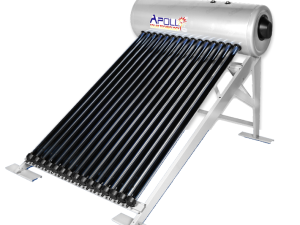
100L high-pressure solar geyser
ApolloIn stockR14805,00 Add to cart -
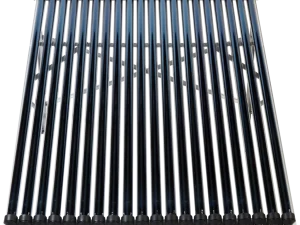
200L High Pressure Solar Geyser Conversion
ApolloIn stockR15449,00 Add to cart -
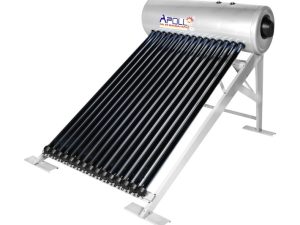
150L high-pressure solar geyser
ApolloIn stockR16332,00 Add to cart -

200L high-pressure solar geyser
ApolloIn stockR19325,00 Add to cart -

300L High Pressure Solar Geyser Conversion
ApolloIn stockR19482,00 Add to cart -
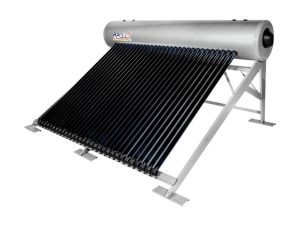
300L high-pressure solar geyser
ApolloIn stockR28085,00 Add to cart