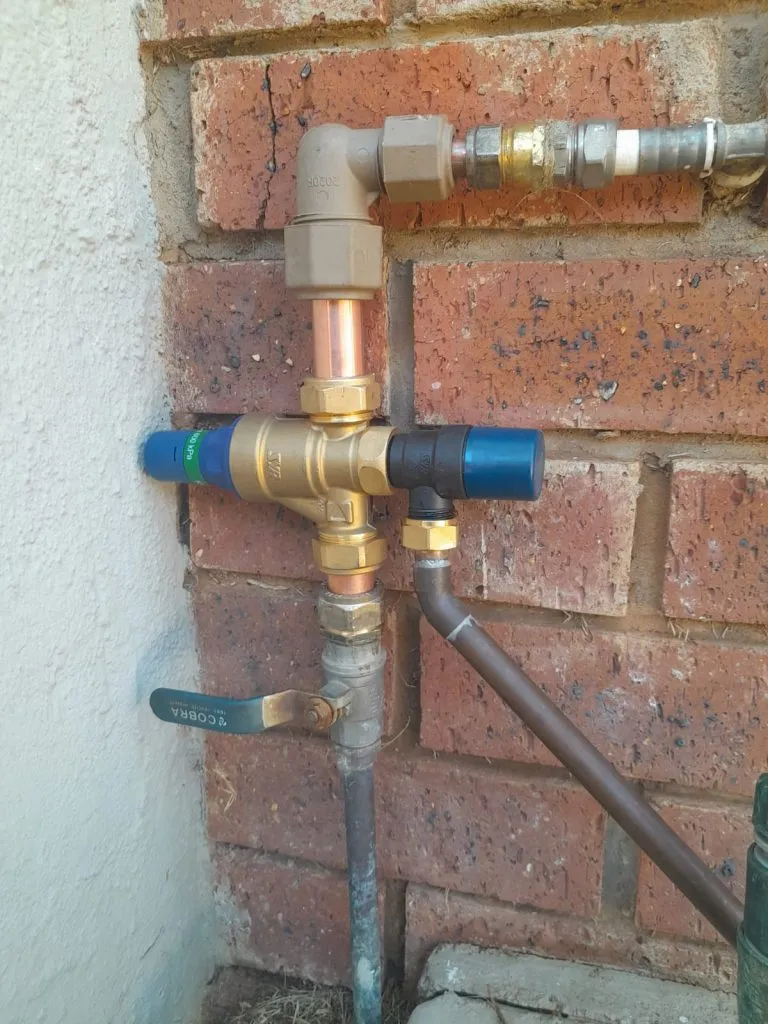
These photos show real types of plumbing problems that customers may notice around Zonnebloem properties. Each example explains what is visible, why it matters, and how clients can spot the warning signs early.
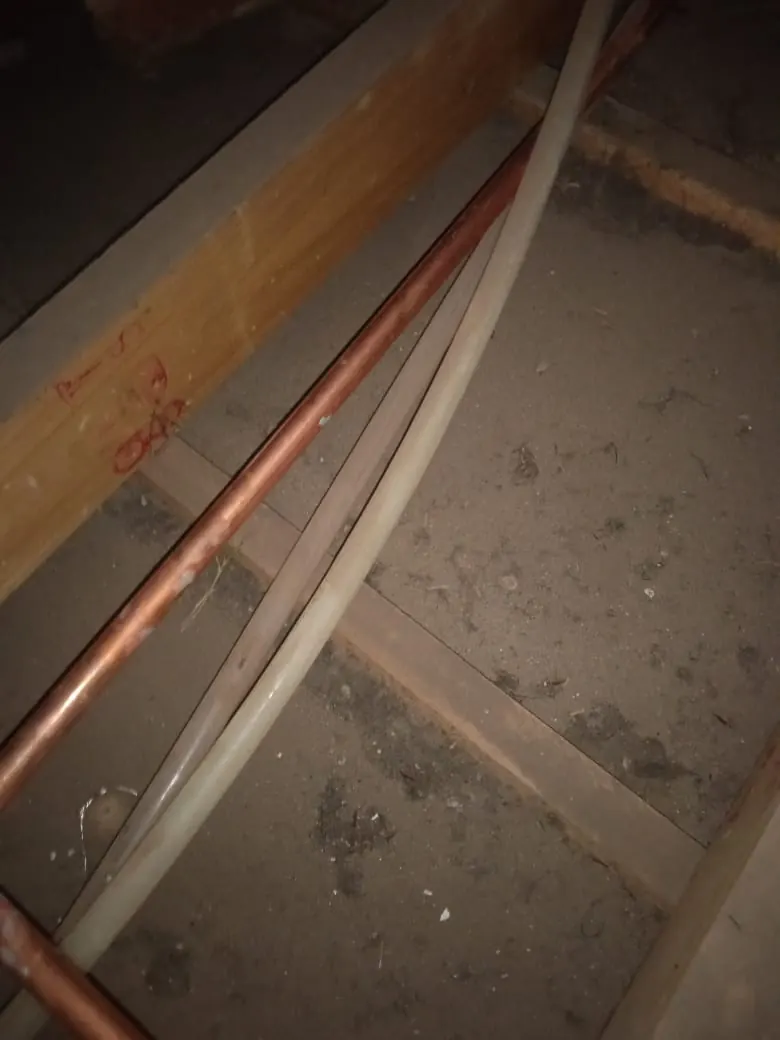
Roof space copper pipe inspection in Zonnebloem
This photo shows copper pipework running through a dusty roof space near timber supports. Jobs like this are common where a client reports a ceiling mark, a damp smell, a small drip during certain times of day, or a noise in the roof when taps are opened. Copper pipe can last well, but it still needs proper support, neat routing and sound joints. In a roof space, a small leak is easy to miss because the first visible sign may only appear once water has soaked insulation, timber, ceiling board or light fittings. When our plumber checks this type of pipework, the aim is not only to look at the shiny section of copper. We also check where the pipe changes direction, where it touches timber, where older fittings may have been disturbed, and whether another pipe or cable is placing strain on the line. In Zonnebloem properties with older roof spaces or tight access, a small repair can become more expensive if it is left until the ceiling shows damage. Clients who notice damp patches or hear water movement in the roof should not wait for the leak to become obvious. If the symptom is hard to see, our leak detection service can help narrow down the area before unnecessary cutting or ceiling damage happens.
This type of roof-space work also needs tidy finishing because future plumbers must be able to see what was repaired and where the line travels. We avoid hiding weak joins under loose debris or leaving unsupported pipework to move every time the system heats and cools. When the visible area is repaired neatly, the owner has a better chance of spotting future changes before they become ceiling damage.
How to look out for this problem
Look for brown ceiling stains, bubbling paint, damp smells, unexplained mould, wet insulation or water marks that appear after hot water use. Also listen for dripping in the roof after taps are closed. A roof-space leak may not pour through immediately; it can soak material slowly before the damage becomes visible inside the room.
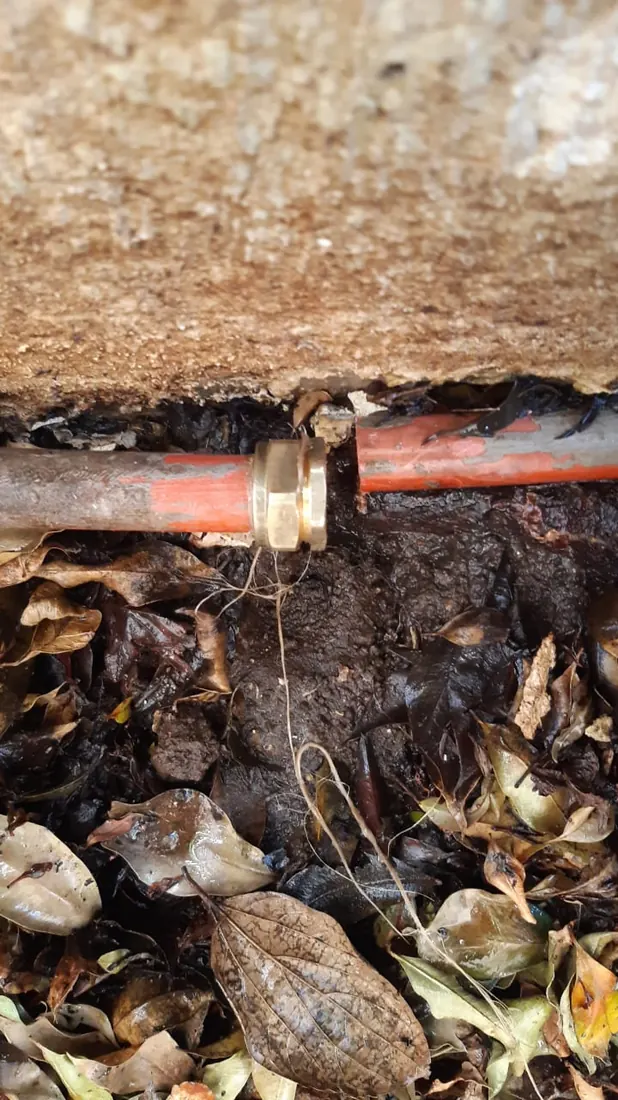
Outside pipe leak repair in Zonnebloem
This image shows an outside pipe section close to damp soil and leaves, with a repair fitting visible on the line. Outdoor leaks can be deceptive because water may disappear into the ground before the owner sees a clear spray or puddle. By the time the area looks muddy, smells damp or attracts insects, the leak may have been running for some time. Outside lines are also exposed to movement from roots, paving, garden work, weather and older pipe repairs. A quick patch is not always enough if the pipe is brittle or the surrounding section is also weak. A Zonnebloem plumber should check the fitting, the pipe condition on both sides, the direction of the line and whether the leak may be linked to pressure or movement. If the pipe runs below a board, paving edge or garden bed, access must be planned so the repair is secure and not left under stress. These leaks matter because every litre escaping outside is still paid water, and in some cases it can undermine paving, soak foundations or damage boundary walls. Where the outside line feeds a home or flat, sudden pressure drops may also be noticed indoors. Clients can compare broader water supply fault information under water main leaks when the leak appears to be outside the building.
Outdoor repairs should also be checked after the line is pressurised again. A joint can look dry before pressure is restored, then begin seeping once the water is opened. We prefer leaving the area neat enough for the owner to monitor afterwards, because outside leaks are often missed when leaves, soil or timber cover the pipe route again.
How to look out for this problem
Watch for permanently wet soil, greener patches of grass, loose paving, muddy areas near pipe routes, reduced water pressure or a meter that continues moving when all taps are closed. If the ground is damp even during dry weather, isolate what you can and have the line checked before the leak spreads.
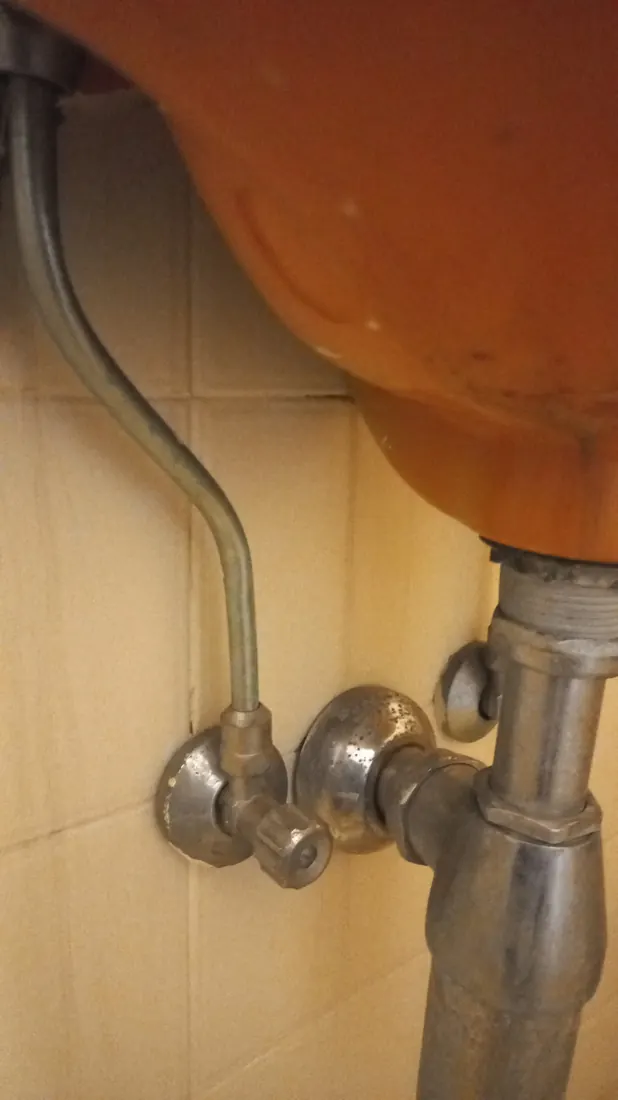
Under-basin supply valve repair in Zonnebloem
This photo shows the underside of a basin, including the water supply connection and waste area. Under-basin faults are common because several components are squeezed into a small cupboard: angle valves, flexible connectors, waste fittings, traps, mixer connections and wall outlets. A leak here may not be noticed until the cupboard base swells, a musty smell develops, or water starts running out when the basin is used. The problem can come from the supply side or the waste side, so the plumber must check both. A supply leak often appears even when the basin is not draining, while a waste leak may only show when water leaves the bowl. In rental units and apartments, these faults should be handled early because the damage can spread into cabinets, skirting and neighbouring finishes. If the valve is old or stiff, forcing it closed during an emergency can make it worse. A proper repair may include replacing a worn angle valve, reseating a waste fitting, correcting pipe alignment or replacing a perished seal. For bathroom fixture problems beyond this one basin, our bathroom plumbing page helps clients understand the different faults that can occur around basins, baths, showers and toilets.
The repair should also leave the cupboard area easier to monitor. If a new valve or waste seal is fitted but the pipe is still pulled sideways, the leak may return. A neat under-basin repair gives the client a dry cupboard, working isolation, better drainage and a clearer understanding of which part was faulty.
How to look out for this problem
Open the cupboard below the basin and check for swelling, water rings, dark marks, rust stains, damp smells or drips after the basin is used. Wipe the fittings dry, run water, and then check again. If the valve is wet even when the basin is not draining, the supply connection may need attention.
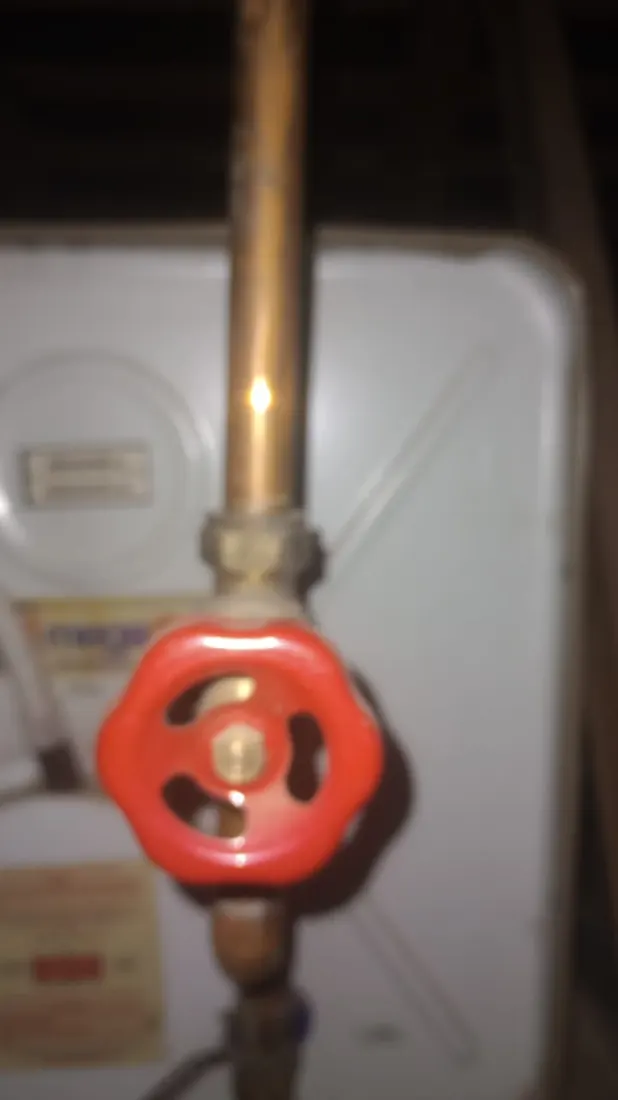
Geyser isolating valve replacement in Zonnebloem
This image shows a red wheel valve fitted near a geyser or hot water line. Valves like this are important because they allow water to be isolated during maintenance, geyser repair or emergency work. When a valve becomes stiff, corroded, leaking or unreliable, it can turn a simple repair into a difficult call-out. In an emergency, the client may try to close the valve and find that it does not shut properly, spins without isolating, or leaks around the stem. That is why valves around a geyser should be checked before the day they are urgently needed. A Zonnebloem plumber replacing this type of valve should also look at the pipe support, nearby fittings, pressure behaviour and whether the valve is positioned where future access is practical. A badly placed valve hidden against a cylinder or timber support is hard to use and even harder to service. This type of work also links to geyser safety, because the isolation, pressure control and discharge arrangements all work together. If the geyser is dripping, not heating or showing overflow problems, the valve replacement may be only one part of the repair. For hot water system failures, clients can view geyser repairs near me to understand when a geyser fault should be checked urgently.
After replacement, the valve should be tested in the open and closed position so the client is not left with a part that looks new but does not isolate properly. Good geyser valve work is about safety and service access as much as the visible fitting, especially in roof spaces where emergency access is already difficult.
How to look out for this problem
Test whether the valve area is dry, accessible and not corroded. Do not force a stuck valve. Warning signs include green staining, water beads around the stem, a wheel that will not turn, a valve that turns but does not isolate, or dripping from the geyser overflow after pressure changes.
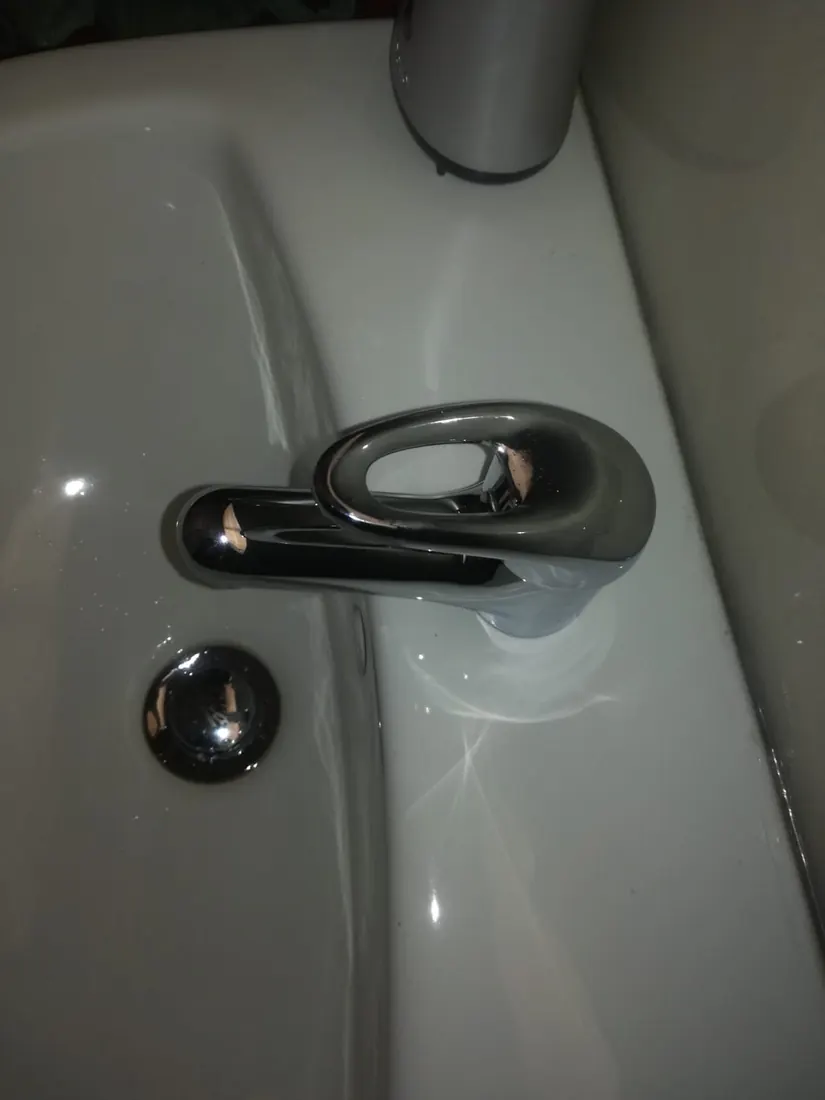
Basin mixer tap repair in Zonnebloem
This photo shows a chrome basin mixer fitted to a bathroom basin. Mixer taps are used every day, so small problems can quickly become irritating: dripping from the spout, loose movement at the base, stiff handles, poor flow, water leaking underneath the basin, or hot and cold water not mixing properly. A basin mixer fault is not always only the visible tap. The issue may be the cartridge, aerator, flexible connectors, angle valves or the way the tap is secured below the basin. When we look at a mixer repair, we check the top of the tap and the underside connection. If the tap is loose, water can run beneath the body and damage the basin surround or cupboard. If the flow is weak, debris in the aerator or a partially closed valve may be the real cause. If the mixer drips constantly, the internal cartridge may need attention. In Zonnebloem flats and homes, a neat mixer repair can prevent water waste and improve everyday comfort without replacing the whole basin. Where the issue is part of a wider tap problem in the home, our tap repairs and replacements information gives clients a useful overview of dripping and worn tap faults.
A good mixer repair should finish with the tap sitting firmly, the handle moving smoothly, the hot and cold feeds working correctly, and no moisture appearing below the basin. The client should also know whether the fault was caused by the tap cartridge, the connector, the mounting or the valve feeding the mixer.
How to look out for this problem
Check for water around the base of the mixer after use, a spout that drips when closed, a handle that feels loose or stiff, poor water flow, or dampness inside the vanity cupboard. If the tap moves when touched, the fixing below may be loose and should be checked before it damages the seal.
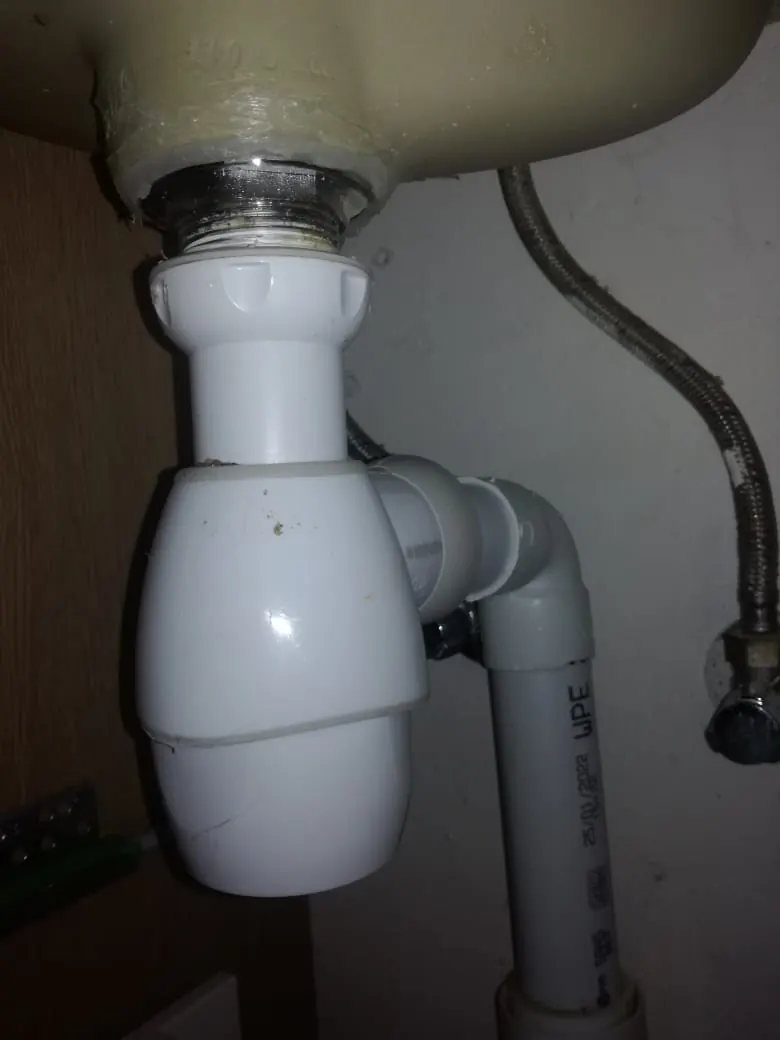
Basin trap and waste repair in Zonnebloem
This image shows a white basin trap and waste pipe connection under a basin. The trap is the section that carries used water away while helping prevent drain smells from coming back into the room. When this part leaks, blocks or sits out of alignment, the basin may drain slowly, smell bad or leak into the cabinet below. A trap repair can involve cleaning the trap, replacing seals, correcting the alignment, tightening connections properly or replacing a cracked component. One of the common mistakes is overtightening plastic waste fittings until they distort, which can make the leak worse. Another problem is when the pipe is forced into position and left under strain. It may look dry at first, but as the basin is used, the joint begins to seep. A Zonnebloem plumber should check the waste line with water running, not only by looking at the dry fitting. If the basin gurgles or smells, the issue may sit deeper in the waste line and not only at the trap. For drainage problems that go beyond the basin itself, drain cleaners near me can help when water is backing up, draining slowly or leaving odours in the room.
The best test after this repair is simple: fill the basin, release the water, and watch the trap and wall connection while the waste runs at full flow. A trap that stays dry during this test is far more reliable than one that was only hand-tightened and checked while empty. This gives the client confidence before the cupboard is closed again.
How to look out for this problem
Place a dry tissue below the trap and run the basin for a short time. Check for drips, damp marks, stains, bad smells, slow drainage or a cupboard base that is swollen. If water only appears after the basin drains, the waste or trap connection is likely involved.
Shower head flow check in Zonnebloem
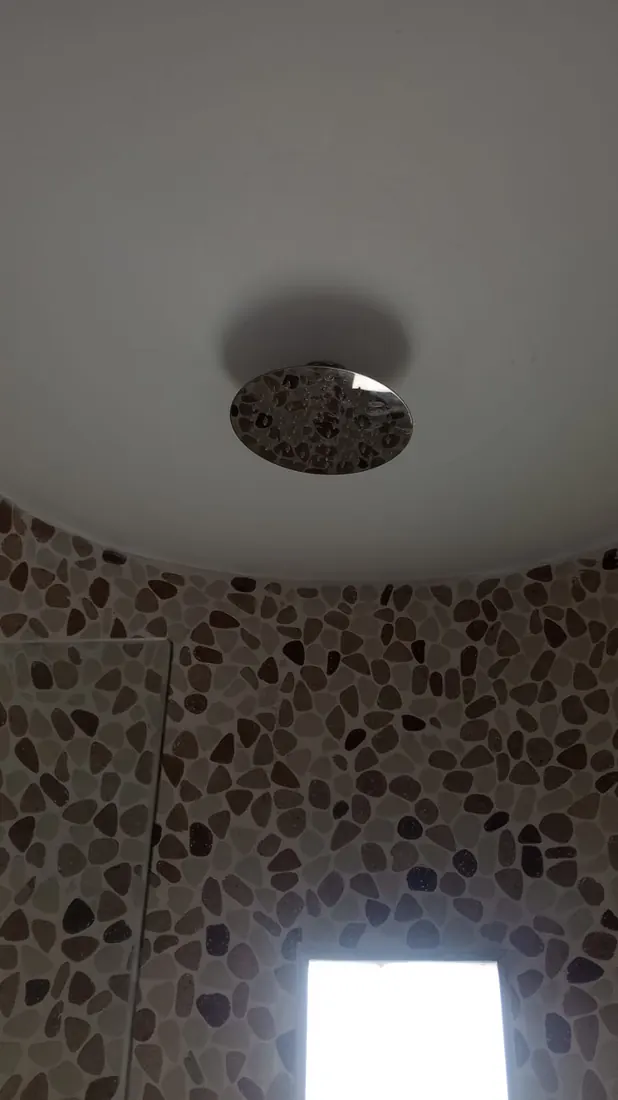
This photo shows a shower outlet and head area. Shower problems can come from several places, so the visible shower head is only the starting point. Weak flow may be caused by debris in the rose, a blocked filter, poor pressure, a faulty mixer, a partially closed valve or a hot water supply issue. Dripping after the shower is closed may be normal water draining from the head for a short time, but a continuous drip can point to a worn mixer or valve problem. In tiled bathrooms, leaks are especially important because water can travel behind finishes before the client sees damage. A Zonnebloem plumber checking a shower fault should listen to the symptom: is the problem hot water only, cold water only, both supplies, poor pressure, temperature fluctuation, noise, dripping or water escaping outside the shower area? The answer changes the repair path. Shower work should also consider the condition of the surrounding seal, wall penetration and waste drainage. If the bathroom has several plumbing symptoms, the shower problem may be part of a wider pressure or hot water issue. For fixture and bathroom-related repairs, new plumbing installations and repairs can support larger repair or replacement work when a single fixture repair is not enough.
A shower repair should also consider the customer’s daily experience. It is not enough for water to come out; the flow should be usable, the temperature should be steady, and the fixture should not continue dripping or spraying in the wrong direction. This is why we check both the visible shower head and the plumbing conditions behind the symptom.
How to look out for this problem
Watch for weak spray, uneven temperature, water hammer, a head that keeps dripping long after use, wet marks outside the shower, mould near corners, or a change in hot water flow. Remove visible debris from the shower head only if safe, but call a plumber if the problem returns quickly.
Geyser installation and drip tray check in Zonnebloem
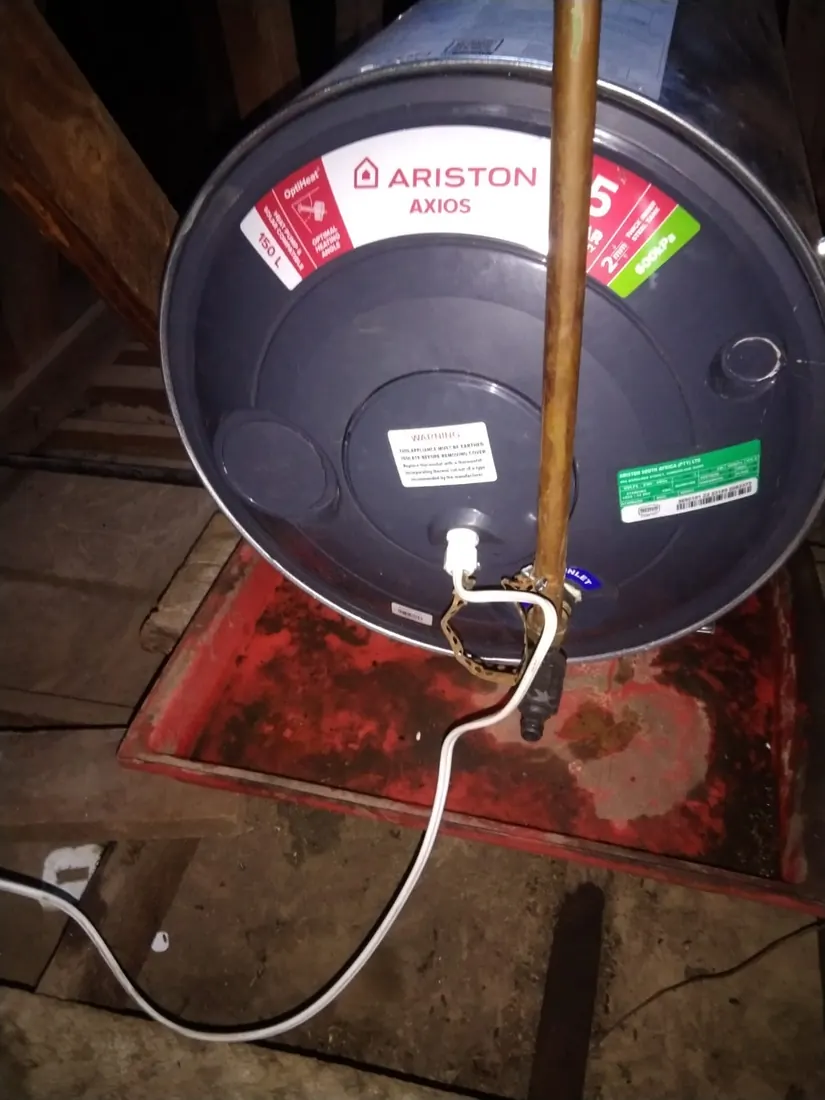
This image shows a geyser positioned on a drip tray in a roof space, with pipework and connections visible around the cylinder. A geyser installation must be treated carefully because it involves stored hot water, pressure, electricity, overflow control and roof-space access. The tray below the geyser is important because it helps manage water if a leak develops, but it is not a permanent solution to a leaking geyser. It must be positioned correctly and connected so discharge can be noticed before ceiling damage becomes serious. When checking this type of installation, the plumber should look at the tray condition, overflow route, valve arrangement, pipe support, electrical connection area, access space and whether the geyser is properly supported. In a Zonnebloem property, especially flats or older buildings, a geyser leak can affect ceilings, tenants and neighbouring areas quickly. If the geyser is new, the installation should still be checked for neatness and serviceability. If the geyser is older, rust marks, water stains and repeated overflow can suggest a deeper fault. Clients dealing with installation or replacement questions can view geyser installation details before deciding whether repair, replacement or a full installation correction is needed.
A geyser check should never stop at the label on the cylinder. The tray, overflow route, valves and support are just as important because they decide what happens when something goes wrong. A neat roof-space geyser setup gives the owner warning signs early and allows future maintenance without unnecessary damage to ceilings or pipework. This is especially important where tenants rely on fast reporting.
How to look out for this problem
Check for water in the drip tray, ceiling marks below the geyser, dripping overflow pipes, rust stains, damp timber, unusual geyser noises or hot water that runs out too quickly. If water is visible in the tray, do not ignore it. The tray is a warning system, not the repair itself.