

How To Choose The Best Plumber Near You
When someone searches for the best plumbers near me, they are usually not looking for a slogan. They are trying to avoid a bad experience. A plumbing problem already creates stress, and the wrong plumber can make that stress worse by guessing, arriving unprepared, giving unclear prices, or completing a repair that fails again a few days later.
A good plumber does more than fix the visible symptom. They ask questions, inspect the right areas, explain what is happening, and help the customer understand the difference between a quick repair, a temporary control measure, and a longer-term solution. That is the difference between plumbing work that simply stops today's problem and plumbing work that reduces the chance of the same issue coming back.
When Should You Call A Plumber?
Many customers wait too long because the problem still looks manageable. A pipe may only drip when water is being used. A drain may still empty slowly. A toilet may only block once every few weeks. These early signs matter because plumbing faults normally develop in stages before they become emergencies.
Call a plumber when you notice leaking pipes, damp walls, water stains, blocked drains, sewer smells, low water pressure, overflowing toilets, repeated geyser faults, noisy pipework, high water bills, water under cupboards, or any plumbing problem that keeps returning after you have already tried to clear or contain it.
If the issue involves active flooding, sewage backup, water near electrical fittings, a burst pipe, or a leaking geyser, the safest next step is to use emergency plumbers near me rather than waiting for a normal appointment.
What Happens When A Plumber Arrives?
A proper plumbing visit starts with diagnosis. The plumber checks what the customer has noticed, looks at the affected fixture or area, and then works backwards to identify the cause. For example, water on a floor may come from a pipe, valve, trap, waste fitting, geyser overflow, toilet seal, shower leak, or hidden supply line. The repair depends on the source.
Once the fault is understood, the plumber should explain the issue in plain language, outline the available options, confirm pricing direction, complete the agreed work, test the system and show the customer what was done. This handover is important because it helps the customer understand what to monitor afterwards.
What A Proper Plumbing Diagnosis Looks Like
Good diagnosis separates professional plumbing from guesswork. A plumber should not simply replace the first part that looks suspicious. They should consider pressure, water flow, fixture behaviour, pipe age, access, previous repairs, moisture patterns and whether more than one fixture is affected.
For blocked drains, diagnosis may involve checking whether the blockage is limited to a basin, shower or sink, or whether the problem sits deeper in the sewer line. For leaks, diagnosis may involve identifying whether the water appears only during use or continues when the fixture is off. For geysers, diagnosis may separate repairable valve or thermostat faults from a failed tank that needs replacement.
Common Plumbing Problems We Solve
Our plumbers regularly assist with blocked drain cleaning, blocked toilets, leaking taps, leaking pipes, burst pipes, geyser repair, geyser installation, hidden leaks, sewer line repairs, low water pressure, water meter leaks, shower repairs, basin repairs, sink repairs and general plumbing maintenance for homes, flats, complexes, shops and commercial properties.
The most important part of any repair is matching the solution to the problem. A blocked shower drain is not handled the same way as a blocked sewer line. A visible pipe leak is not investigated the same way as dampness behind a wall. A low-pressure issue may be caused by municipal supply, internal pipe restrictions, valves, pressure control components or leaks. This is why careful fault-finding matters.
Why Cheap Plumbing Often Costs More
Cheap plumbing becomes expensive when the original problem is not solved. A quick patch may stop water for a short time but leave pressure, pipe damage, corrosion or drainage restrictions untreated. The customer then pays again when the fault returns, often after more property damage has occurred.
Good value is not always the lowest starting price. It is the repair that is correctly diagnosed, explained clearly, completed neatly and tested properly before the plumber leaves. Customers comparing prices should ask what is included, whether call-out fees apply, whether the price is per job or hourly, and what happens if the same fault returns.
Questions To Ask Before Booking A Plumber
Before booking, it helps to ask a few practical questions. Does the plumber handle your specific issue? Can you send photos by WhatsApp? Is there a call-out fee? Will the price be explained before work begins? Is the work guaranteed where applicable? What should you switch off or avoid using before arrival?
Clear answers before the appointment usually lead to a calmer visit. They also help the plumber arrive with a better understanding of the likely tools, parts and urgency of the job.
Signs A Plumbing Company Should Be Avoided
Be careful when a plumber refuses to explain the problem, pressures you into unnecessary replacement, gives no pricing direction, avoids questions about guarantees, arrives without basic tools, or repeatedly changes the story about what is wrong. Plumbing can be urgent, but urgency should not be used to confuse the customer.
A trustworthy plumber explains the practical choices. Sometimes a repair is enough. Sometimes replacement is the better long-term decision. Sometimes investigation is needed before any honest answer can be given. The best plumbers are clear about that difference.
Why Plumbing Problems Get Worse Over Time
Plumbing systems are connected. A small leak can soak cupboards and flooring. A slow drain can become a sewage backup. A dripping geyser valve can lead to ceiling damage. Low water pressure can point to leaks or pipe restrictions. A toilet that bubbles when another fixture is used can point to a deeper drainage problem.
Early intervention normally costs less than emergency repair. It also reduces the risk of mould, structural damage, contamination, damaged electrical points, damaged ceilings and repeated repair visits.
Choosing Local, Licensed And Reputable Plumbers
Local experience matters because different properties have different plumbing patterns. Older homes may have ageing galvanised pipes, recurring drain restrictions or old valves. Newer complexes may have pressure control issues, hidden leaks, shared drainage lines or geyser installations in tight roof spaces.
Customers comparing options can also read more about licensed plumbers near me, reputable plumbers near me and local plumbers near me when they want to understand the difference between licensing, reputation and local response.
What You Get For Free From Plumbers Near Me
Customers want clear expectations before they book. Our service messaging includes free call-out fees where applicable, free quotes, 24/7/365 support for urgent plumbing problems, same-day support where possible, knowledgeable staff, workmanship guarantees where applicable, satisfaction-focused service and after-sales support.
- Free call-out messaging
- Free quotes
- 24/7/365 emergency availability
- Same-day support where possible
- Clear explanations before work begins
- Practical repair-or-replace advice
- Workmanship guarantees where applicable
- After-sales service support
People Also Search For
What is the average labour cost for a plumber?
The average labour cost for a plumber is often advertised as an hourly rate, but hourly pricing can be difficult for customers to predict. A job that appears simple may take longer if access is difficult or the underlying fault is more complicated than expected. Per-job pricing is often easier to understand because the customer knows what the specific repair or installation will cost before work proceeds.
How do I know if a plumber is good?
A good plumber explains the fault, gives practical options, avoids unnecessary upselling, works neatly and tests the repair before leaving. They should also be comfortable explaining why a repair is suitable or why replacement is the safer long-term option.
What are the two main types of plumbers?
Domestic plumbers mainly work in homes, flats and residential properties, dealing with leaks, toilets, geysers, drains, basins, sinks and water supply problems. Commercial and industrial plumbers work on larger systems in offices, factories, shops, complexes and facilities where plumbing interruptions can affect staff, tenants or customers.
What does a plumber charge for a call out?
Some plumbers charge a call-out fee simply to arrive on site. This page promotes free call-out messaging and free quotes where applicable, helping customers ask for help without worrying that the visit itself will become a surprise cost before the repair is discussed.
How We Solve Plumbing Problems
The best plumbing result starts with diagnosis, not guesswork. We look at what the customer is experiencing, trace the likely cause, explain the repair options and test the system after the work is complete. This approach helps reduce repeat failures and gives the customer a clear understanding of what was done.
What Customers Usually Need
Most customers need one of three things: urgent control of an active leak or blockage, a proper repair for a known fault, or advice on whether repair or replacement is the better long-term option. The right plumber helps you choose the correct route without pressure.
Emergency Plumbing Response
When water is actively leaking, sewage is backing up, or a burst pipe is damaging the property, speed matters. The first goal is to make the situation safe and prevent further damage before completing the permanent repair.
Careful Drain And Sewer Work
Drain problems need more than force. The plumber must understand whether the blockage sits in a fixture, branch line, gully, inspection chamber or sewer line. Related help includes drain cleaners near me and sewer line repair and replacement.
Leak Detection And Water Damage Prevention
Hidden leaks can damage walls, floors, cupboards and ceilings before the source is obvious. When water damage appears away from a visible pipe, leak detection can help find the cause before repairs begin.
Geyser Repairs And Hot-Water Faults
No hot water, leaking valves, tripping power and burst geysers all need different decisions. Where the tank is still sound, geyser repair may be suitable. Where the cylinder has failed, replacement may be needed.
Frequently Asked Questions
How quickly can a plumber arrive?
Response times depend on the area, current workload and the seriousness of the problem. Emergencies such as burst pipes, sewage backups, overflowing toilets and active leaks are prioritised because they can damage property quickly.
Do you charge a call-out fee?
The page promotes free call-out messaging and free quotes where applicable, so customers can request help without worrying about paying just for someone to arrive before the actual work is discussed.
What makes a plumber worth calling one of the best?
A good plumber diagnoses carefully, explains the problem clearly, gives practical repair options, works neatly, tests the repair before leaving and avoids pushing unnecessary work.
Should I choose the cheapest plumber near me?
Price matters, but the cheapest option can become expensive if the fault is misdiagnosed or repaired badly. Value comes from correct diagnosis, durable workmanship and clear communication before work begins.
What should I ask before booking a plumber?
Ask whether the plumber handles your type of problem, whether call-out fees apply, how pricing is explained, what information they need from you and whether the repair or installation carries any workmanship support.
Can plumbers help with emergency leaks?
Yes. Active leaks, burst pipes, leaking geysers, overflowing toilets and water near electrical areas should be treated as urgent because damage can spread quickly.
Can a plumber find hidden leaks?
Yes. Hidden leaks may require inspection, pressure testing or leak detection methods when dampness, high water bills or water movement cannot be traced visually.
Can plumbers clear blocked drains?
Yes. Blocked drains, toilets, sinks, showers, basins and sewer lines can be cleared using appropriate tools depending on the location and cause of the blockage.
Can plumbers repair geysers?
Yes. Geyser faults such as no hot water, leaking valves, failed elements, faulty thermostats and burst cylinders can be assessed so the correct repair or replacement route is chosen.
Do plumbers work after hours and weekends?
Emergency plumbing support is available for urgent problems that cannot safely wait, including severe leaks, blocked toilets, burst pipes and hot-water failures.
How do I know if a plumbing issue is serious?
A problem is serious when water is actively leaking, sewage is backing up, multiple drains are affected, ceilings or cupboards are wet, water pressure changes suddenly or the issue keeps returning.
Can a small leak cause major damage?
Yes. Small leaks can damage cupboards, flooring, walls, ceilings and electrical areas over time. They can also increase water bills before the visible damage becomes obvious.
What happens during a plumbing inspection?
The plumber checks the visible symptoms, traces the likely source, explains what is wrong, discusses repair options, provides pricing direction and tests the work after completion.
Do plumbers provide guarantees?
Workmanship guarantees may apply depending on the type of repair or installation. Customers should ask what is covered and what conditions apply before work begins.
What should I do before the plumber arrives?
If safe, reduce water use near the affected fixture, switch off the water supply for active leaks, move valuables away from wet areas, take photos and share clear details by phone or WhatsApp.
Customer Reviews
Related Plumbing Help
Licensed Plumbers Near Me
Useful when you want reassurance that the plumber understands safe workmanship, compliance expectations and proper repair standards before starting work.
Read MoreReputable Plumbers Near Me
Helpful when you want clear communication, accountable service, workmanship support and a plumber who explains the job instead of rushing the decision.
Read MoreLocal Plumbers Near Me
Best for customers who need practical local response and a plumber familiar with common plumbing issues in nearby homes, complexes and businesses.
Read MoreEmergency Plumbers Near Me
Use this when the problem cannot wait, such as burst pipes, overflowing toilets, sewage backups, active leaks or water damaging ceilings and cupboards.
Read MoreWhat To Do Before Calling A Plumber
If water is actively leaking, close the nearest isolation valve or the main stop valve if it is safe. Move valuables away from wet areas and avoid touching electrical points near water. For a blocked toilet or drain, stop using nearby fixtures until the blockage is assessed because more water can cause overflow.
For geyser problems, switch off the geyser power if water is leaking near the unit. For hidden leaks, take photos of damp areas, meter readings or water marks so the plumber can understand how the problem is developing. Clear information helps the plumber arrive better prepared.
Emergency: 067 895 4361 | General enquiries: 067 657 6109 | WhatsApp: 072 139 8945
Work we have done
These photographs show a range of real plumbing work, from blocked drains and outside pipe repairs to bathroom fixtures, toilet repairs, geyser controls and water-supply faults. They are included to help customers understand the type of practical problems a plumber deals with on site. Good plumbing is not only about replacing parts. It is about identifying the cause, making the repair safe, testing the result and explaining what was done clearly enough for the customer to make confident decisions later.
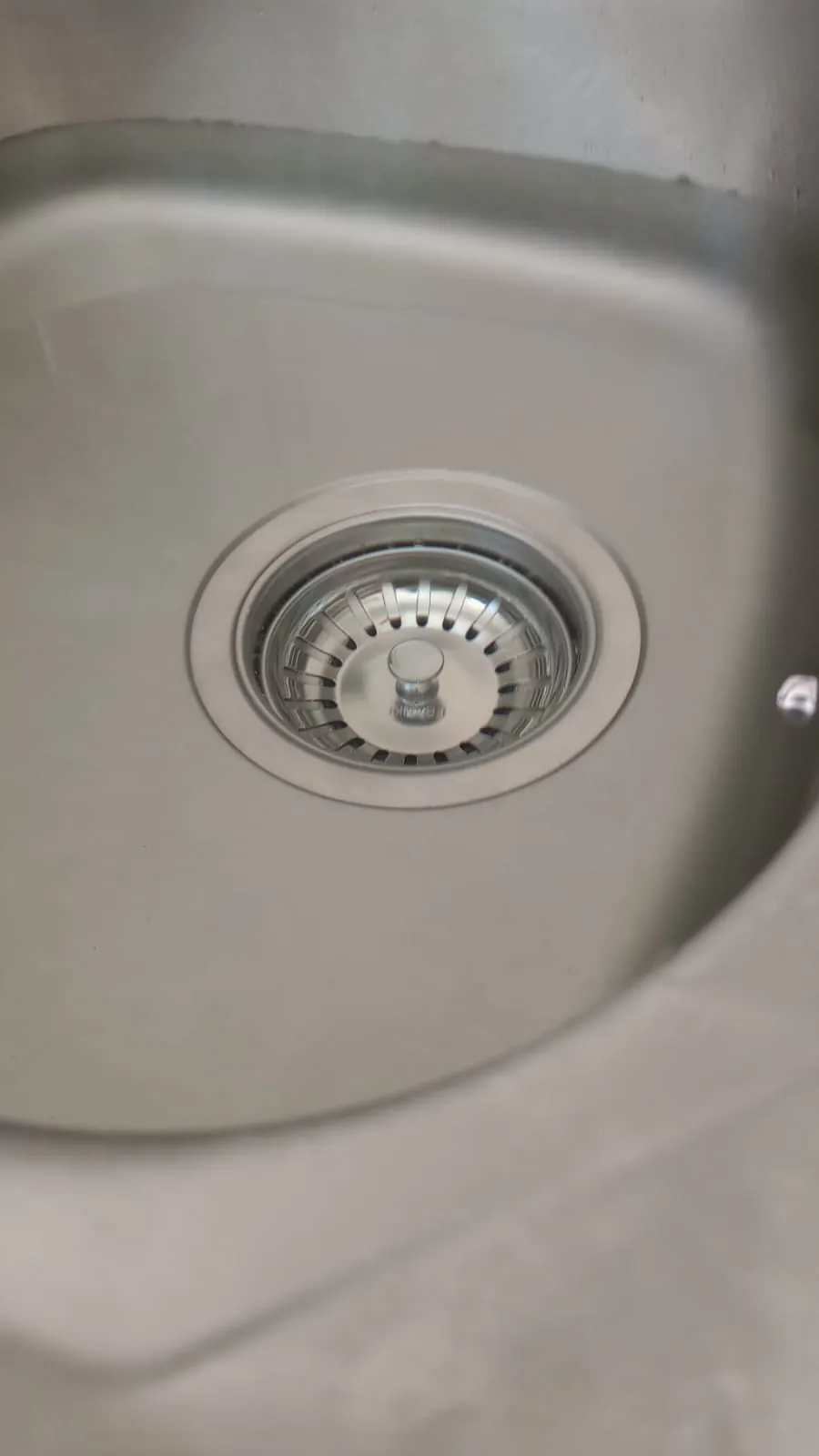
Blocked Kitchen Sink Drain Cleared
This kitchen sink drain was inspected after water stopped flowing away properly. Sink blockages are often caused by grease, food residue and soap deposits that build up inside the waste pipe. Clearing the restriction properly helps prevent the sink from backing up again during normal daily use. Related help: blocked sink cleaning.
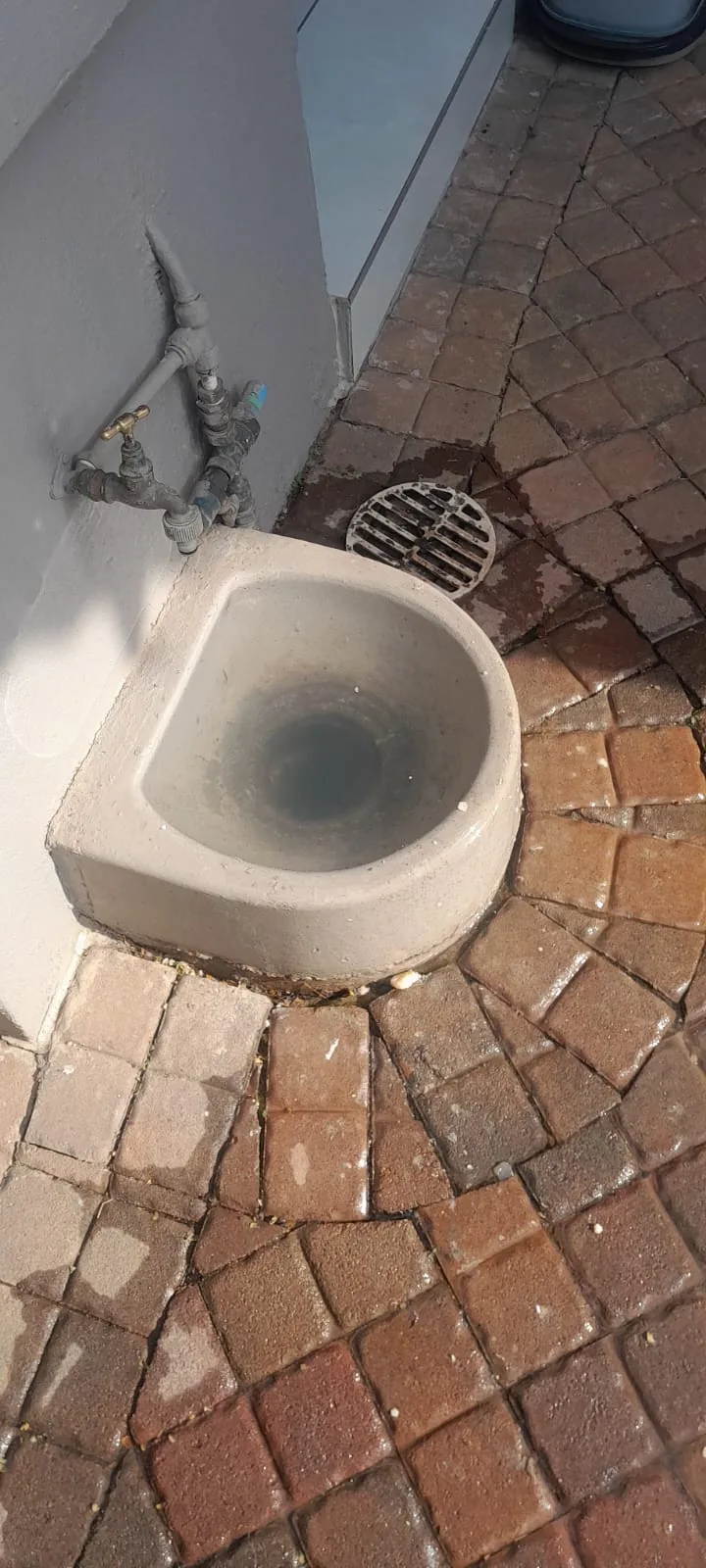
Blocked Outside Gulley Cleaned
This outside gulley was affected by poor drainage and standing water around the paved area. Gullies can collect mud, leaves, soap residue and wastewater deposits over time. Cleaning the gulley and checking the outlet helps protect walls, paving and nearby rooms from overflow. Related help: blocked drain cleaning.
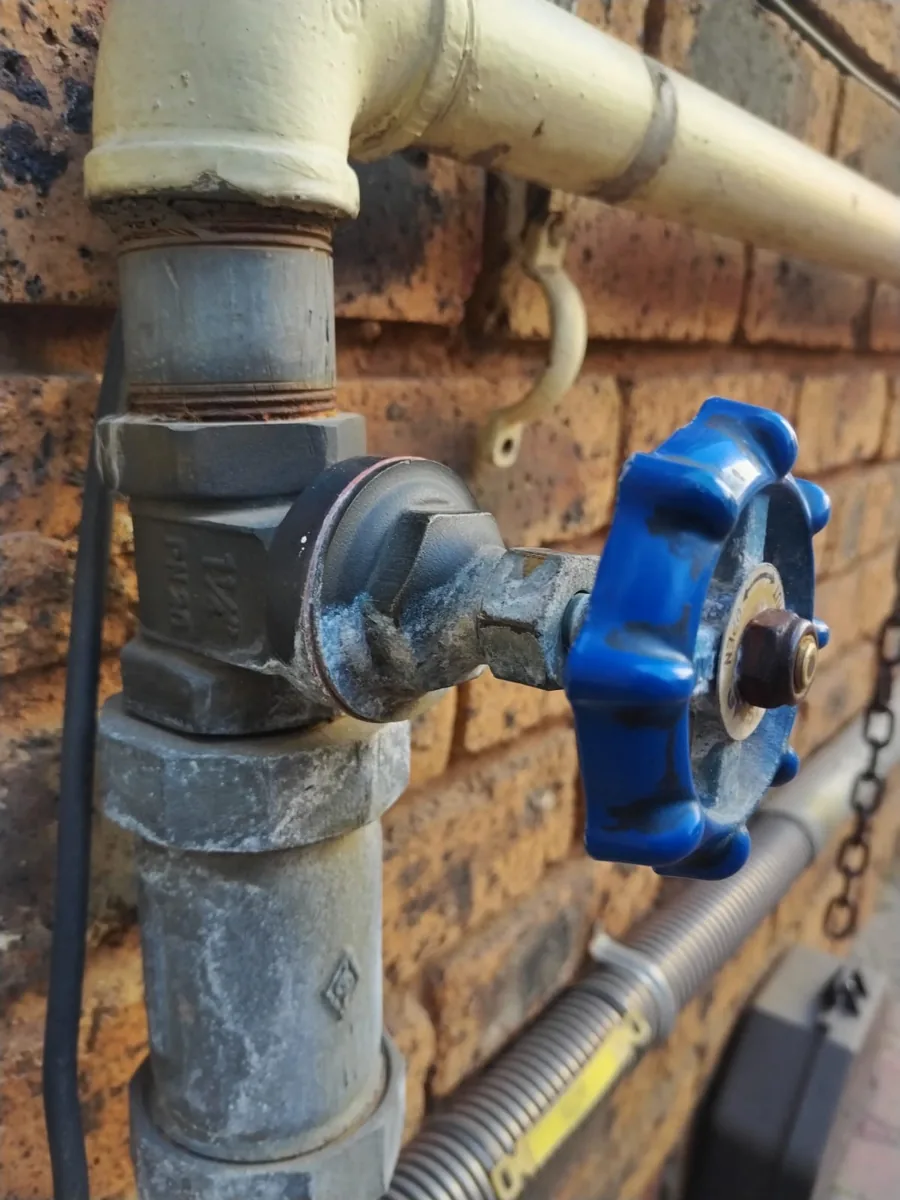
Outside Water Valve Repair
This outside valve was checked as part of a plumbing repair where proper isolation and control of the water supply mattered. Valves are often overlooked until a leak or emergency occurs. A working isolation point allows water to be controlled safely before repairs begin. Related help: leaking pipe repair.
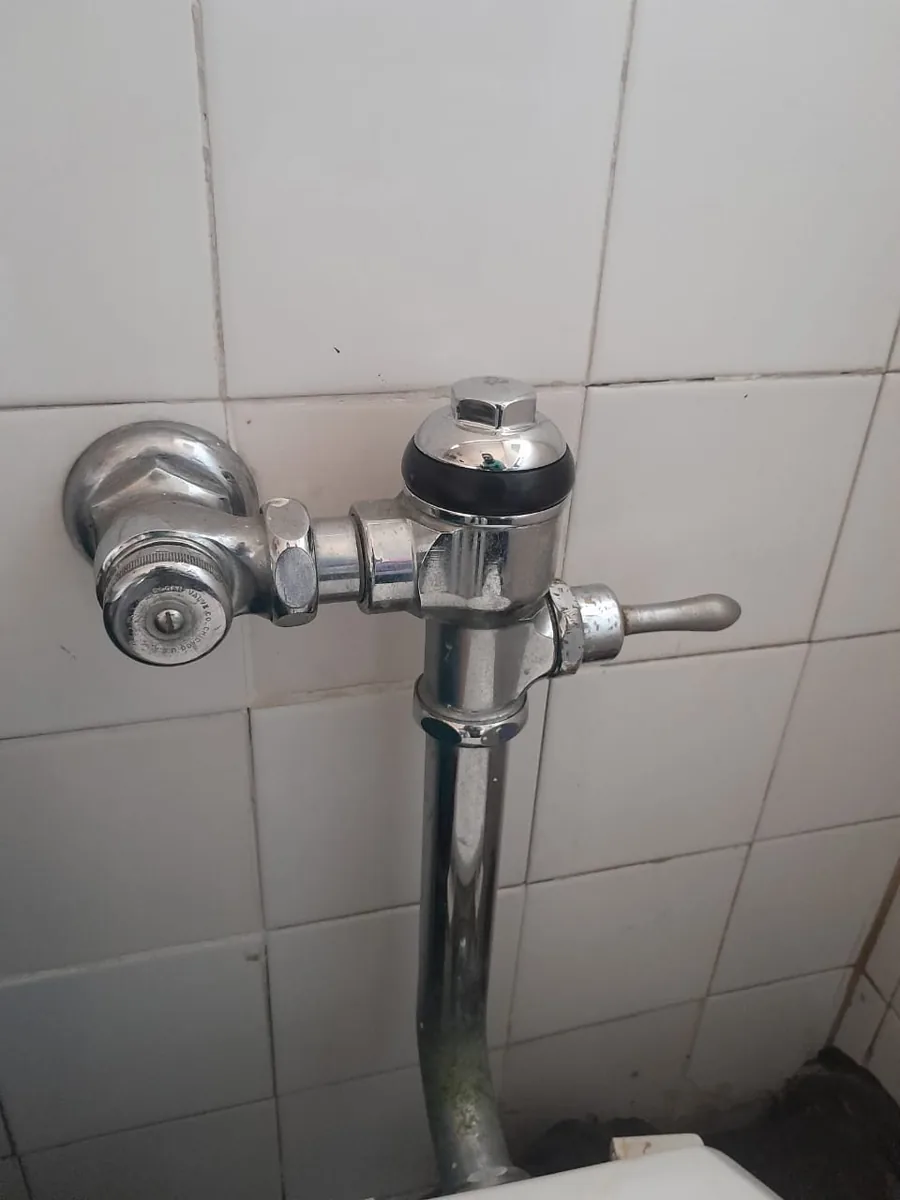
Toilet Flush Valve Repair
This toilet flush valve was inspected after the toilet showed signs of poor flushing or unreliable operation. Toilet faults can waste water, cause repeat flushing and eventually lead to overflow concerns. Correct repair restores dependable flushing and reduces unnecessary water use. Related help: toilet repair near me.
Underground Pipe Repair
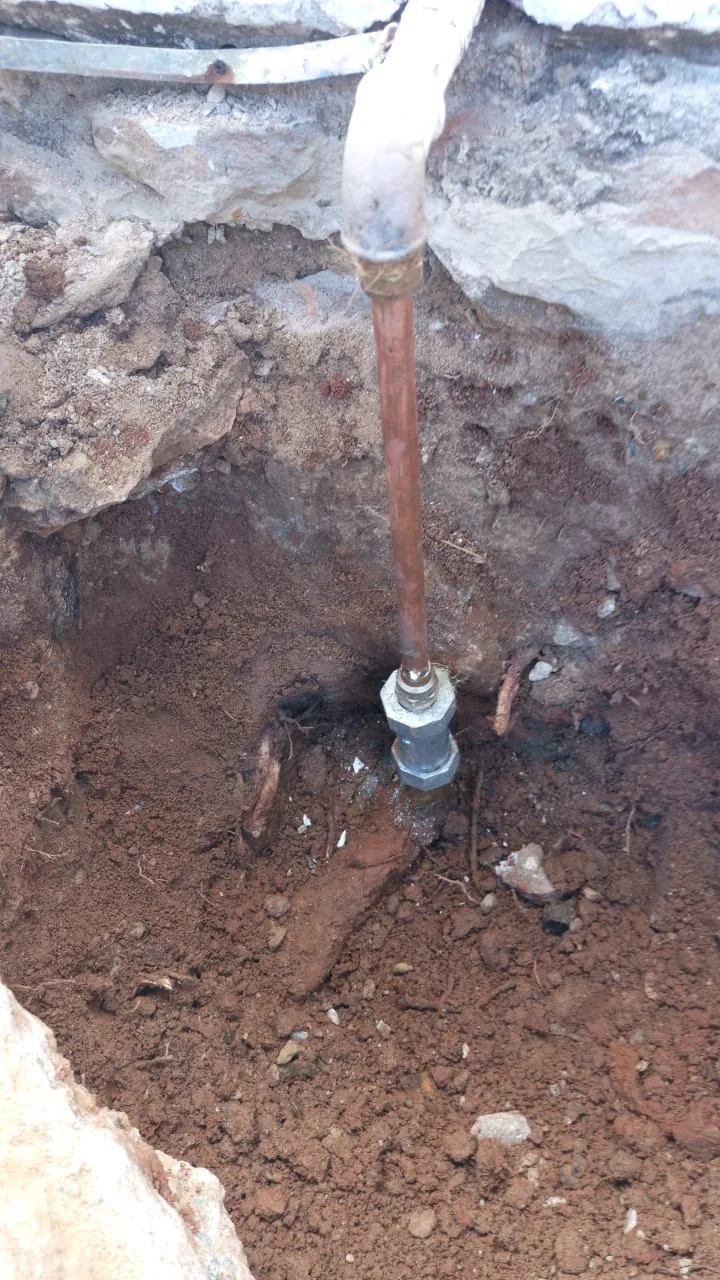
This underground pipe was exposed so the damaged section could be inspected and repaired properly. Underground leaks can remain hidden until water starts surfacing, pressure drops or the water bill increases. Accessing the pipe allows the plumber to repair the actual fault instead of guessing. Related help: leak detection.
Geyser Controller Inspection
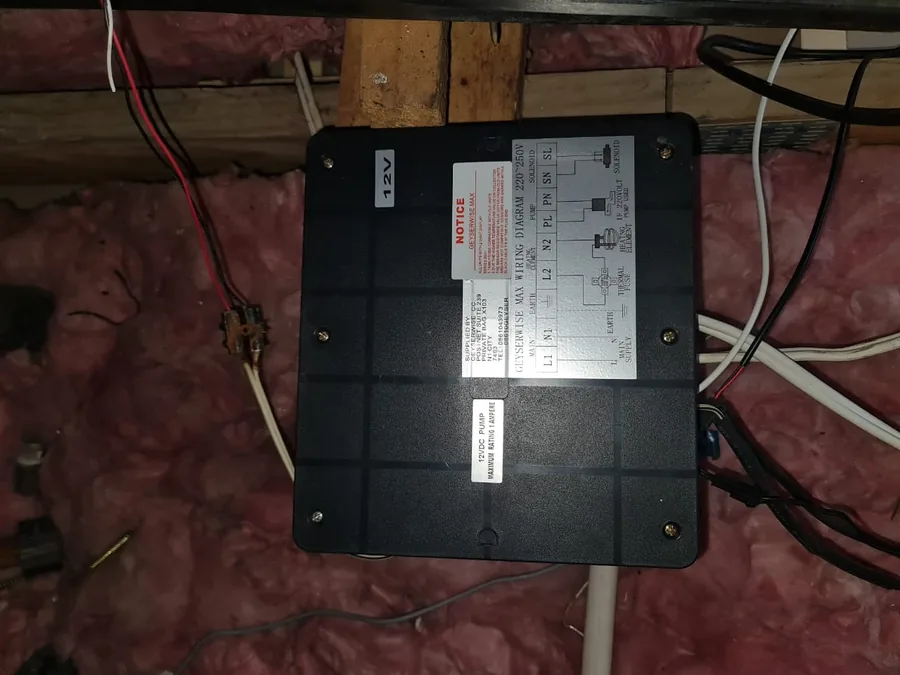
This roof-space controller was checked during hot-water system work. Electrical controls linked to geysers should be inspected carefully because poor connections, moisture or faulty components can affect performance and safety. Proper checking helps confirm whether the fault is plumbing, electrical or control related. Related help: geyser repair.
Bath Mixer Repair
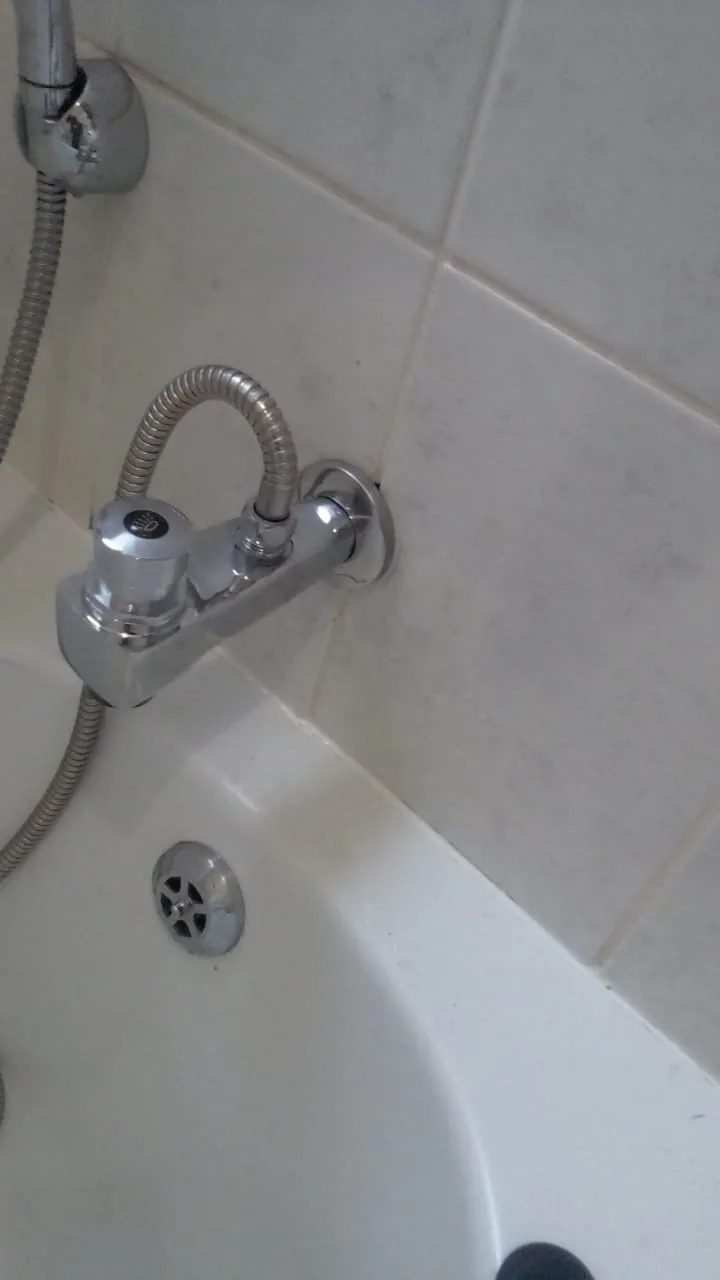
This bath mixer was inspected after a fault with the bath water supply. Mixer problems can involve leaking seals, poor flow, worn cartridges or temperature control issues. Repairing the correct component helps restore reliable use without replacing more than necessary. Related help: plumbing repairs.
New Shower Mixer Installation
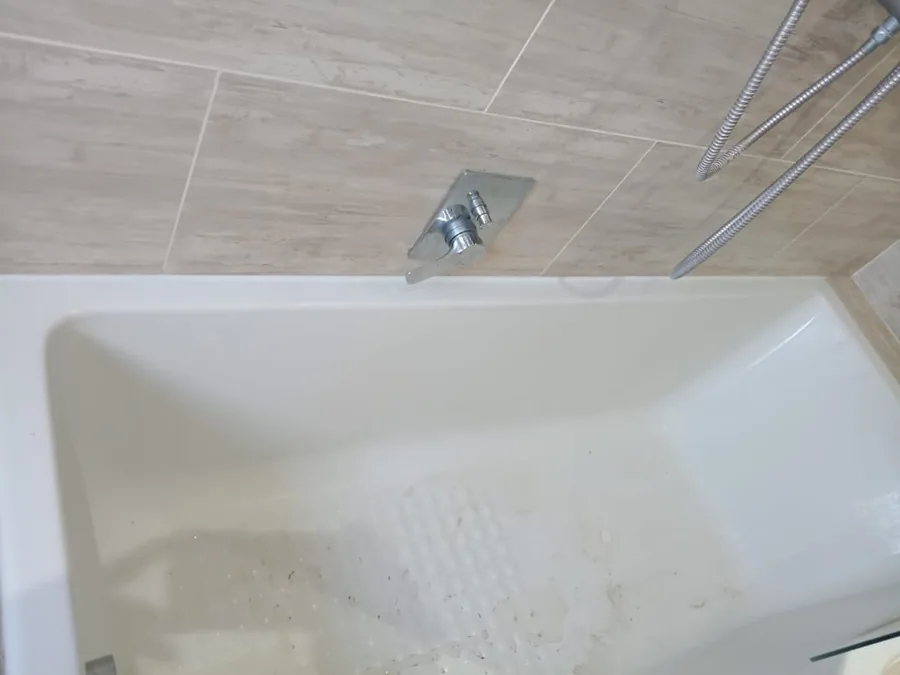
This shower mixer installation shows bathroom plumbing work completed neatly so the fixture can be used safely and comfortably. A proper installation requires correct alignment, secure connections and testing for leaks before the bathroom is handed back to the customer. Related help: shower repairs.
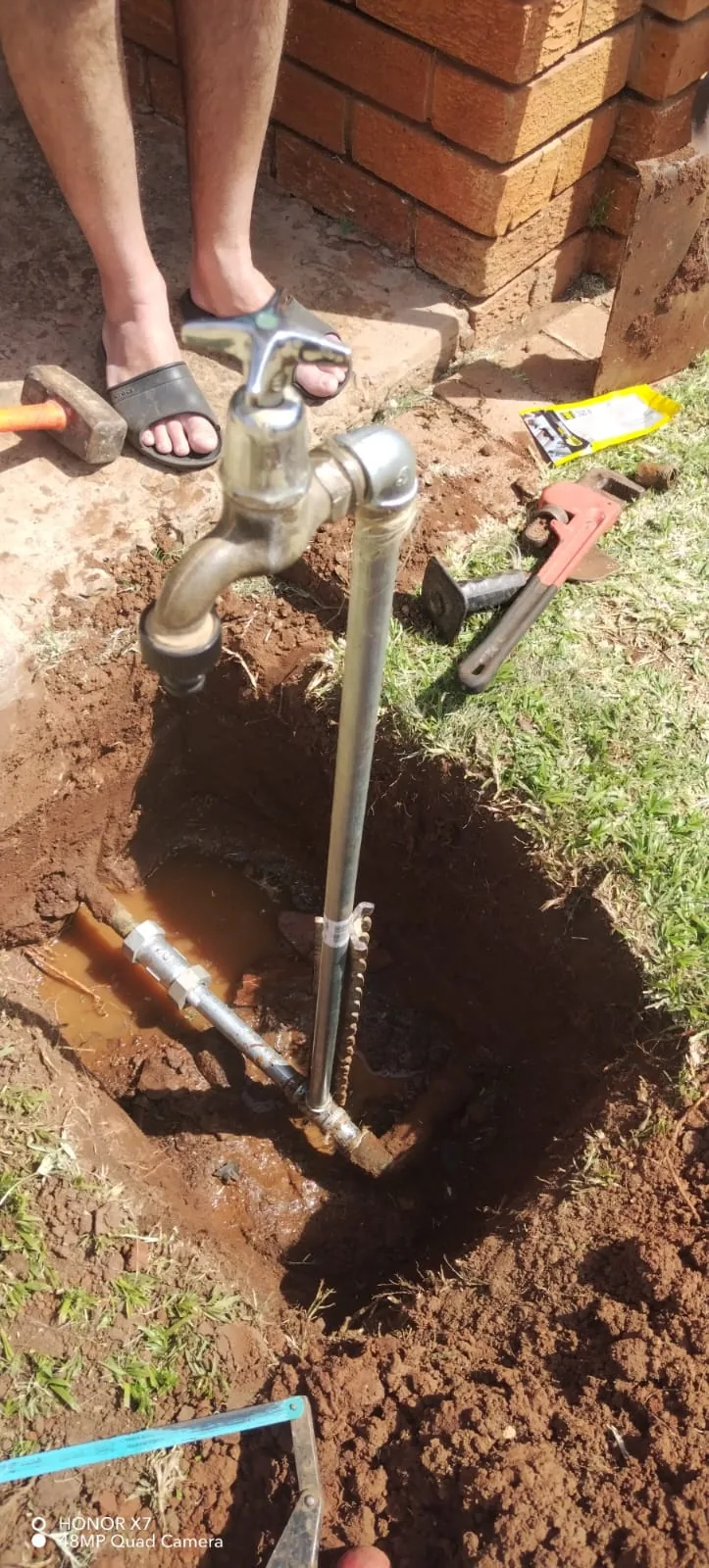
Outside Tap And Pipe Repair
This outside tap and pipework repair required access around the external supply line. Outside taps are exposed to weather, movement and garden use, so leaks often develop around fittings or underground connections. Repairing the pipework properly helps prevent repeat water loss. Related help: water main leaks.
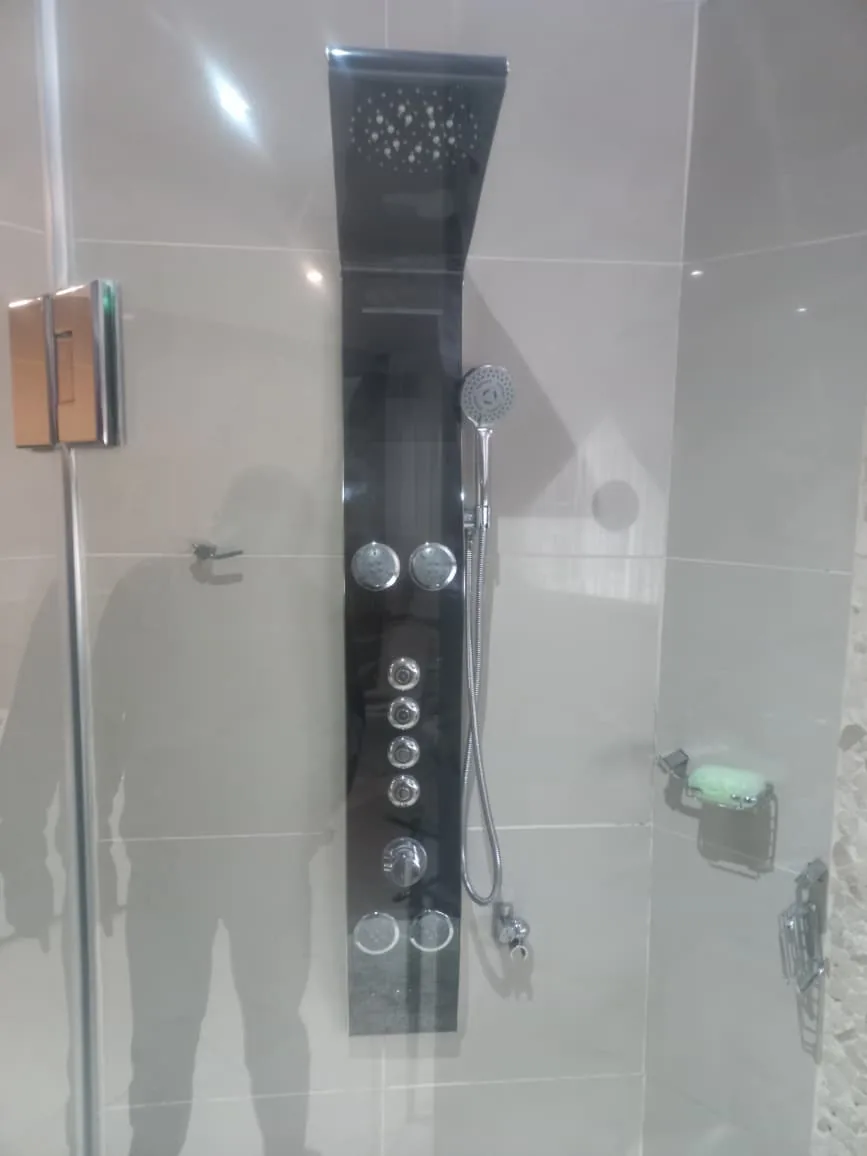
Shower Panel Installation
This shower panel was installed as part of bathroom plumbing work where correct water supply, drainage and leak testing were important. Bathroom fixtures should be tested under normal use conditions so hidden leaks do not damage walls, floors or cupboards later. Related help: shower repairs.
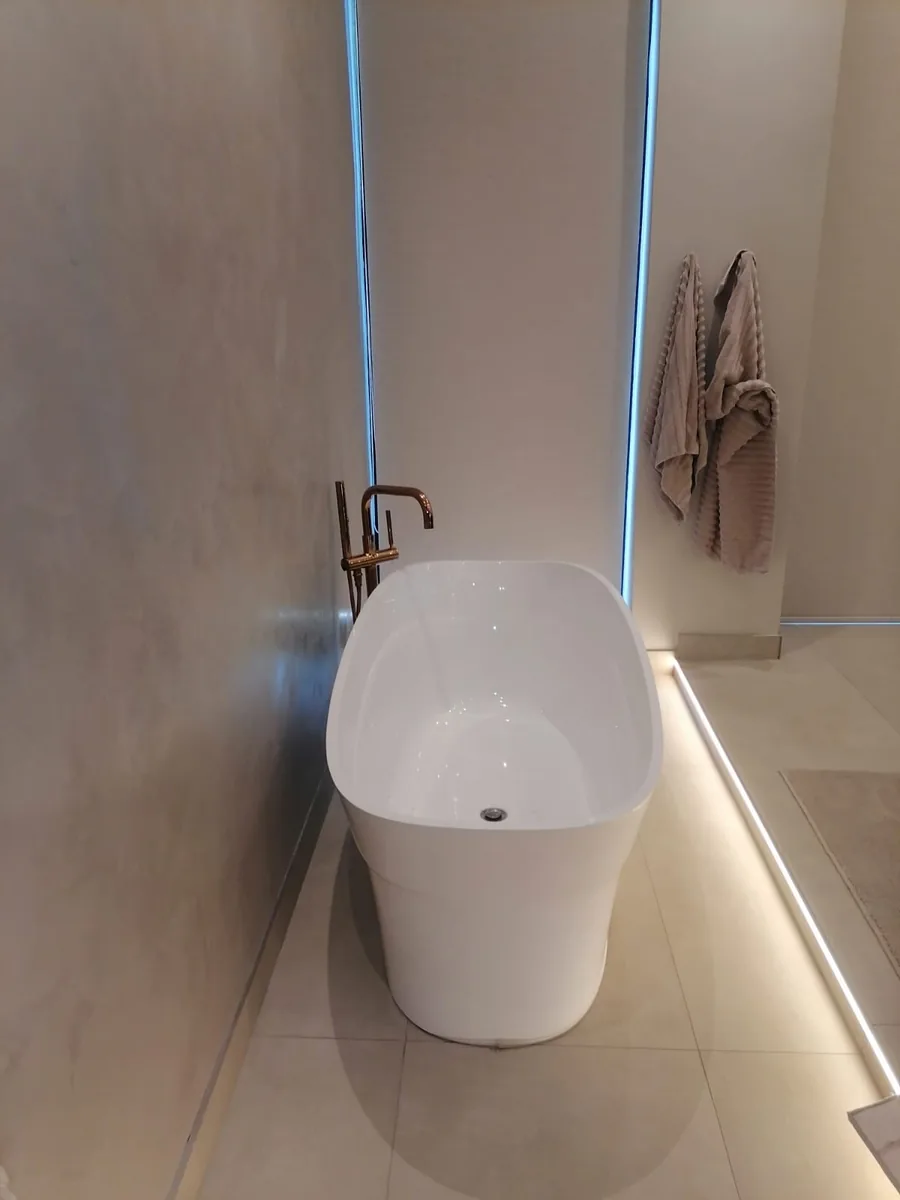
Freestanding Bath Plumbing Completed
This freestanding bath installation shows completed bathroom plumbing where the fixture, waste and water connections needed to work together cleanly. Final testing is important because bath leaks can travel under flooring before becoming visible. Related help: plumbing services.
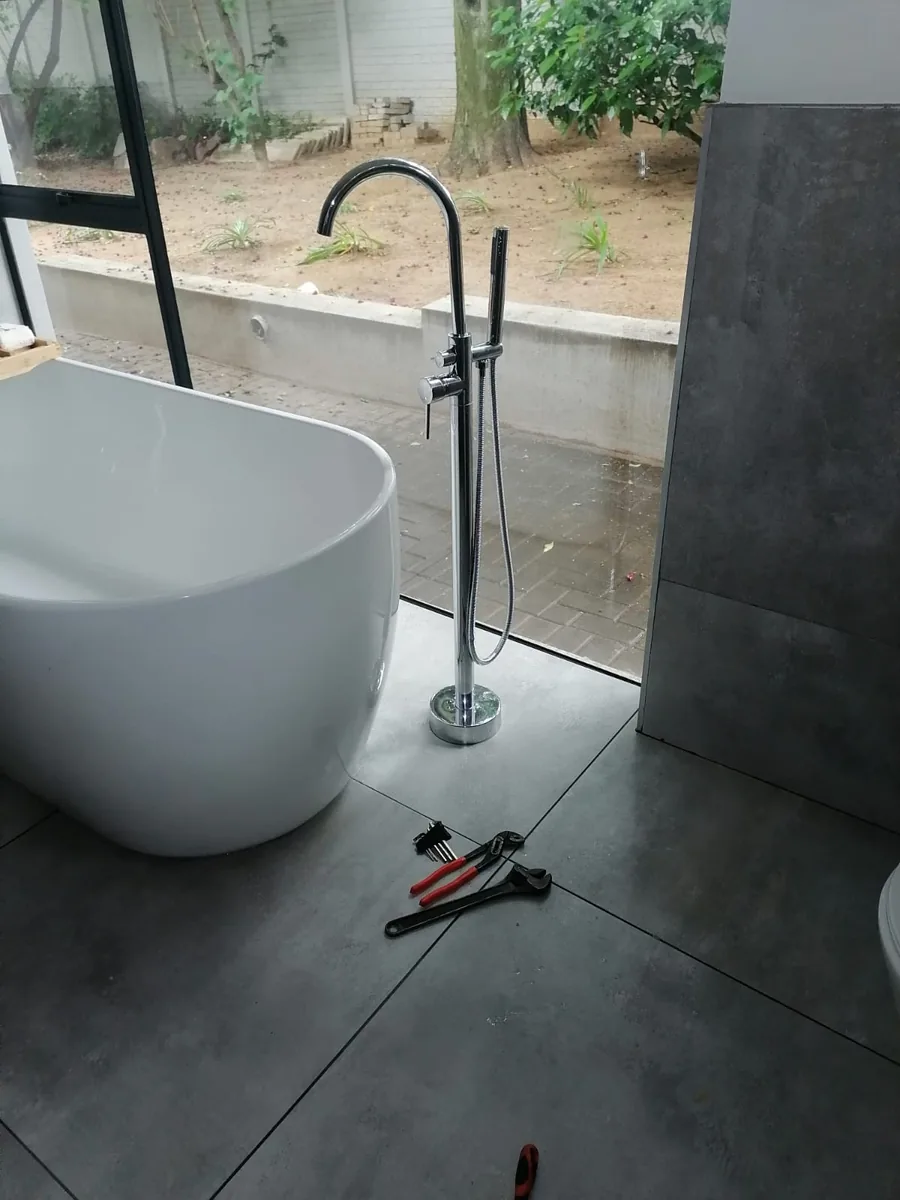
Freestanding Bath Mixer Installed
This bath mixer was fitted beside a freestanding bath and tested after installation. Fixtures like these need secure connections and careful alignment because even a small leak at floor level can cause long-term moisture damage if left unnoticed. Related help: general plumbing.

