
A blocked drain rarely begins at the moment water stops moving. Most drain problems develop quietly as fat, hair, soap, sand, roots, building debris or damaged pipework slowly reduce the space inside the pipe. By the time water backs up into a shower, gully, basin, toilet or outside drain, the blockage may already have been building for weeks or months.
Our drain cleaning service is built around finding the most likely cause first. A kitchen sink blocked by grease needs a different approach from a shower blocked by hair, a toilet affected by foreign objects, a gully filled with mud, or a sewer line restricted by roots. The aim is not only to get water moving again, but to understand why it stopped in the first place.
When a Blocked Drain Becomes an Emergency
Many customers wait because the drain is still moving slowly. The risk is that a partial blockage can suddenly become a full obstruction once more waste reaches the restricted section. If wastewater starts backing up into another fixture, smells become stronger, or an outside gully begins overflowing near the house, the blockage may already be affecting more than one part of the drainage system.
Call for urgent drain help when a toilet bubbles while a basin runs, shower water comes back up through the floor waste, sewage appears around an inspection cover, or more than one drain becomes slow at the same time. These signs often point to a deeper line blockage rather than a simple trap obstruction. For urgent call-outs, emergency drain cleaners are the closest related service.
Why Drains Get Blocked in the First Place
Drain blockages are usually caused by a combination of use, pipe condition and water flow. A pipe can look clear at the entry point while the restriction sits several metres away. This is why pouring chemicals into the nearest drain often fails: the product may never reach the real blockage, or it may only burn a small channel through the obstruction before the same problem returns.
Inside properties, the most common causes are grease, hair, soap residue, toothpaste, food scraps, coffee grounds, wipes, sanitary products and small foreign objects. Outside, drains are more often affected by soil, leaves, roots, broken pipe sections, sagging pipe runs, building rubble and stormwater debris. Where a blockage keeps coming back, video camera inspections can help show what is happening inside the pipe instead of guessing from the surface.
Kitchen Sink Blockages: Grease Is Usually Only Part of the Story
A blocked kitchen sink normally starts long before the water stands in the bowl. Grease, cooking oil and food residue travel down the waste pipe as warm liquid, but as they cool they cling to the inside of the pipe. That sticky layer then catches rice, coffee grounds, small food particles, soap residue and dishwasher discharge until the pipe becomes narrower every week.
The first clue is often a slow sink after washing dishes, a gurgling noise when the plug is pulled, a sour smell from the waste, or water rising in the second bowl of a double sink. Pouring boiling water into the sink can sometimes move grease further along the pipe, but it often does not remove the build-up properly. It can also shift the restriction into a harder-to-reach section.
When we attend a kitchen sink blockage, the useful question is not only “can the sink drain again?” but “where did the grease and food waste settle?” If the trap is blocked, the solution may be simple. If the waste line is restricted further away, proper blocked sink cleaning may be needed to clear the pipe instead of only cleaning the visible fitting.
Blocked Shower Drains: Why Water Pools Around Your Feet
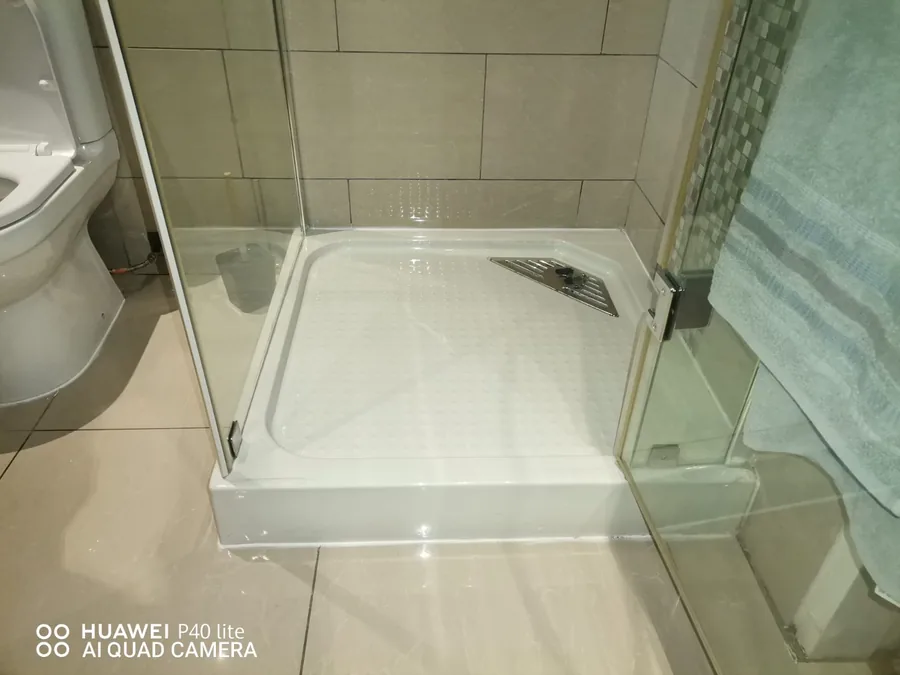
Shower blockages are usually built from hair, soap scum, body oils, shampoo, conditioner and fine debris. The blockage often begins as a small hair mat near the waste fitting. Once that mat catches soap residue, it becomes dense and rubbery, slowing the water until it starts pooling around your feet during a shower.
A shower drain that is slow only after use may still be a local waste problem. A shower that backs up when the basin, bath, washing machine or toilet is used is a different warning sign. That can mean the blockage is further down the drainage line and the shower is simply the lowest point where wastewater can escape.
Before the plumber arrives, avoid repeatedly pouring chemicals into the shower. Chemicals may sit in the trap, create fumes, and still fail to remove the hair-and-soap mass properly. Rather stop using the shower if water is backing up and book blocked shower cleaning so the restriction can be removed mechanically and the flow checked properly.
Blocked Bath Drains: Slow Emptying After a Full Bath
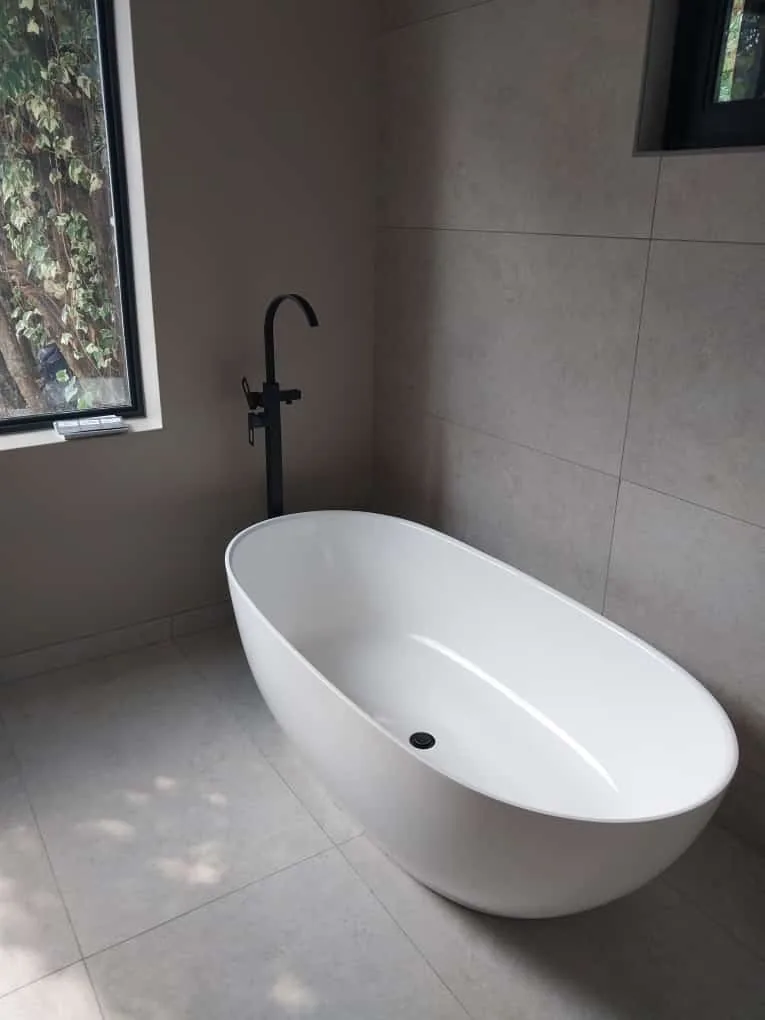
A bath drain carries a larger volume of water than a basin, so even a partial blockage becomes noticeable when the bath takes too long to empty. Hair, soap, bath oils, dirt, children’s bath products and sediment can collect in the bath trap and waste pipe. The blockage may not show during a quick rinse, but it becomes obvious after a full bath releases a heavy flow of water.
Bath blockages can also be misleading because the visible waste outlet is not always where the restriction sits. Water may pass through the outlet but slow down where the bath waste joins the main bathroom branch. If the bath gurgles, smells, or pushes water towards the shower waste, the problem may be shared with another bathroom drain.
The practical step is to stop using the bath once water is standing or draining very slowly. Repeated full-volume draining can push dirty water into other fixtures or expose leaks around old waste fittings. For this fixture, blocked bath trap cleaning is the most relevant related service.
Blocked Basin Drains: Small Waste Pipes That Give Early Warnings
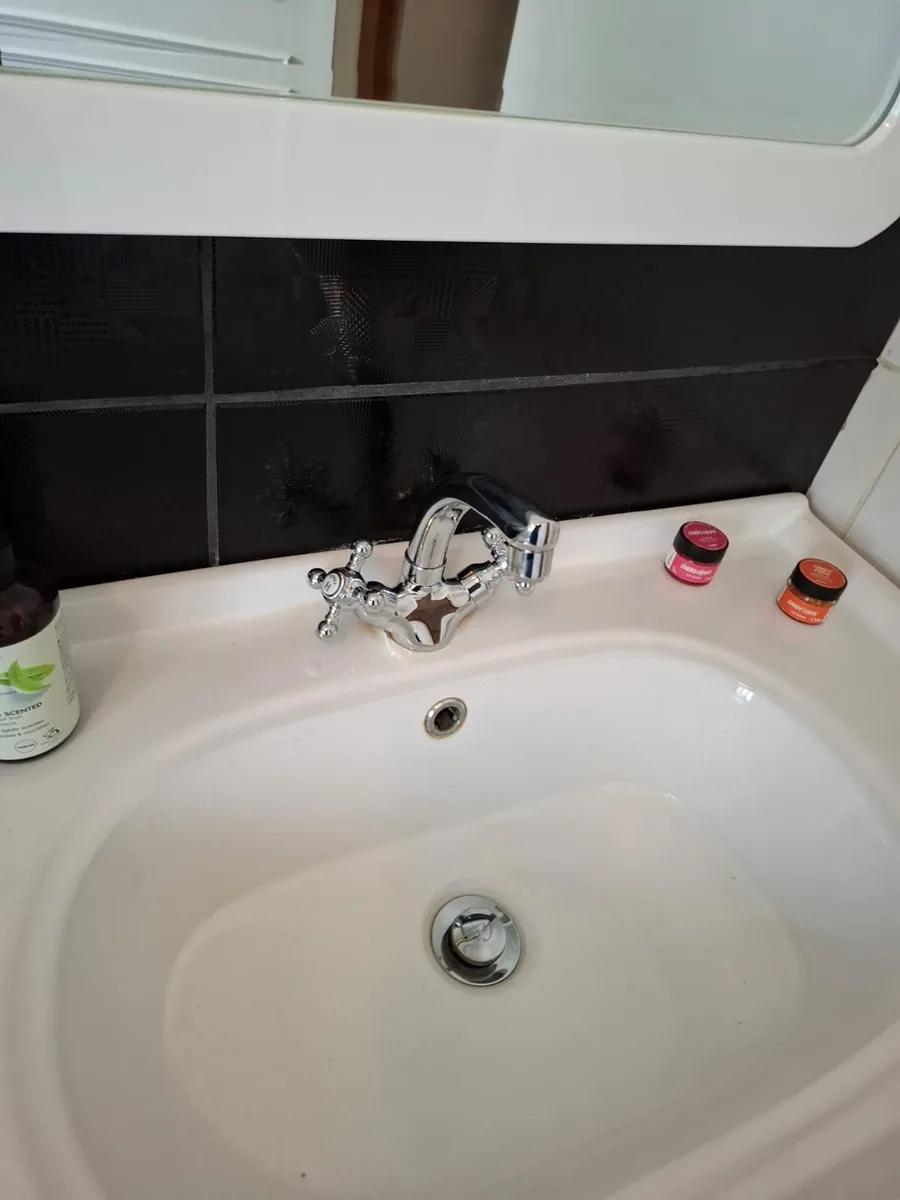
Bathroom basins often block from toothpaste, shaving foam, soap residue, hair and small debris collecting around the pop-up waste, trap and pipe bends. Because basin waste pipes are smaller than many other drains, even a modest build-up can reduce flow quickly. The early sign is often a slow swirl of water after brushing teeth or washing hands.
A basin can also reveal a deeper drainage issue. If the basin gurgles when the bath empties, bubbles when the toilet is flushed, or releases bad smells after another fixture is used, the problem may be air displacement caused by a downstream restriction. That is more important than a simple dirty trap.
For a basin blockage, avoid forcing objects into the plug waste because many basin fittings are delicate and can be damaged. Send a photo of the trap and waste arrangement where possible and use blocked basin cleaning when the blockage is fixture-specific.
Blocked Toilets and Toilet Drain Lines
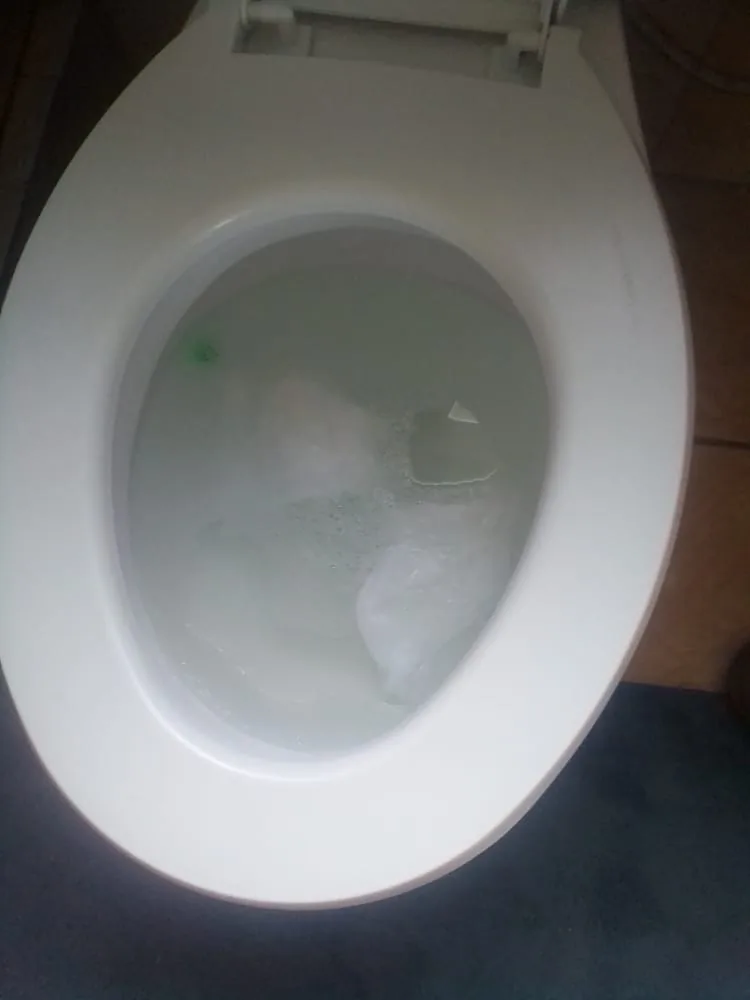
Toilet blockages can be local, or they can be the first visible sign of a deeper sewer restriction. A local toilet blockage may be caused by excess toilet paper or a foreign object caught in the pan or bend. A more serious blockage may involve the branch drain or main sewer line, especially where the toilet bubbles, the water level rises and falls by itself, or other drains become affected at the same time.
The biggest mistake is repeated flushing. If the water level is already high, another flush can cause overflow and contamination. Wipes, sanitary products, paper towels, nappies, cloth, toys and hard objects can all create restrictions that ordinary plunging cannot solve. In some cases plunging pushes the obstruction further down the pipe where it becomes harder to remove.
If the toilet is the only affected fixture, blocked toilet plumbers is the correct related service. If toilets, showers, gullies and inspection covers are all affected, the problem is more likely to be in the main drain or sewer line and should be treated as urgent.
Blocked Gullies and Outside Drains
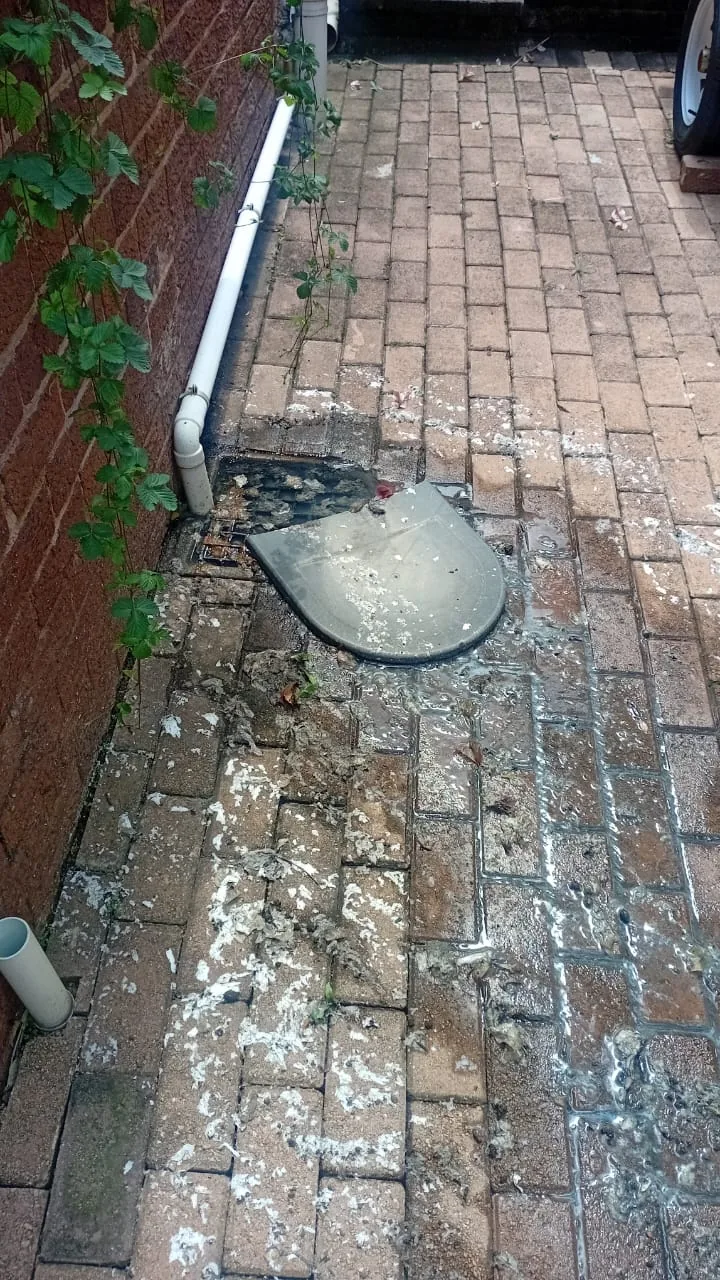
Gullies are often the first outside point where a drainage problem becomes visible. They receive wastewater from kitchens, bathrooms, laundries or outside wash areas and can become blocked by grease, leaves, mud, sand, food residue, garden debris and general waste. When a gully overflows, it can create smells, damp patches, hygiene risks and water pooling against walls.
The important part is understanding whether the gully is the cause or only the place where the problem appears. A blocked gully may be packed with debris at the surface, but it may also overflow because the downstream pipe is restricted. Cleaning only the visible chamber can leave the deeper obstruction untouched.
Before help arrives, keep children and pets away from overflowing gullies and avoid pushing rods into unknown pipe runs unless you know where the drain leads. For general outside drain issues, blocked drain cleaning is the main related page. If the same gully blocks repeatedly, a video camera inspection may be useful to check for roots, broken joints or a collapsed section.
Stormwater Drain Blockages
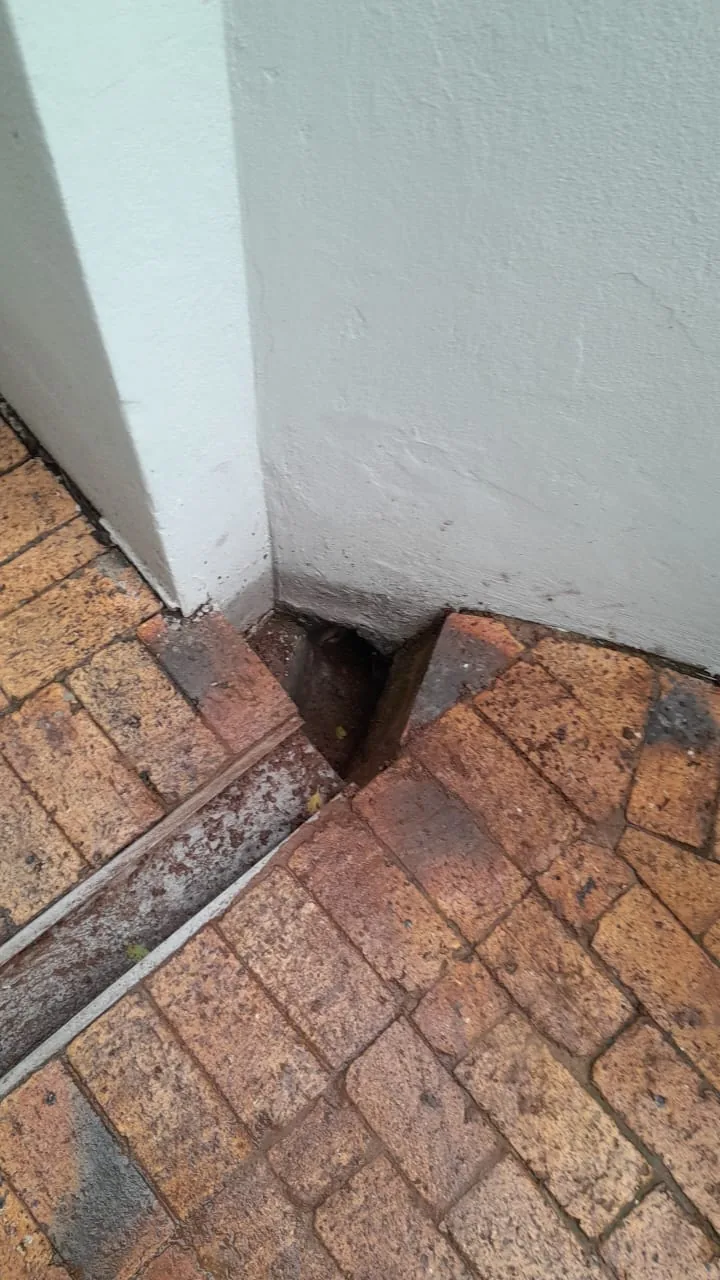
Stormwater drains behave differently from household waste drains. They are affected by rain intensity, roof runoff, leaves, soil, sand, garden debris and silt washed from paved areas. A stormwater drain may appear fine in dry weather but overflow quickly during heavy rain because the pipe cannot carry the sudden volume.
Where stormwater flooding repeats in the same place, the cause may be a blocked channel, collapsed pipe, poor fall, undersized drain, or a line filled with silt. The safest approach is to clear the visible debris and then check whether water flows properly through the system.
Blocked Sewer Lines
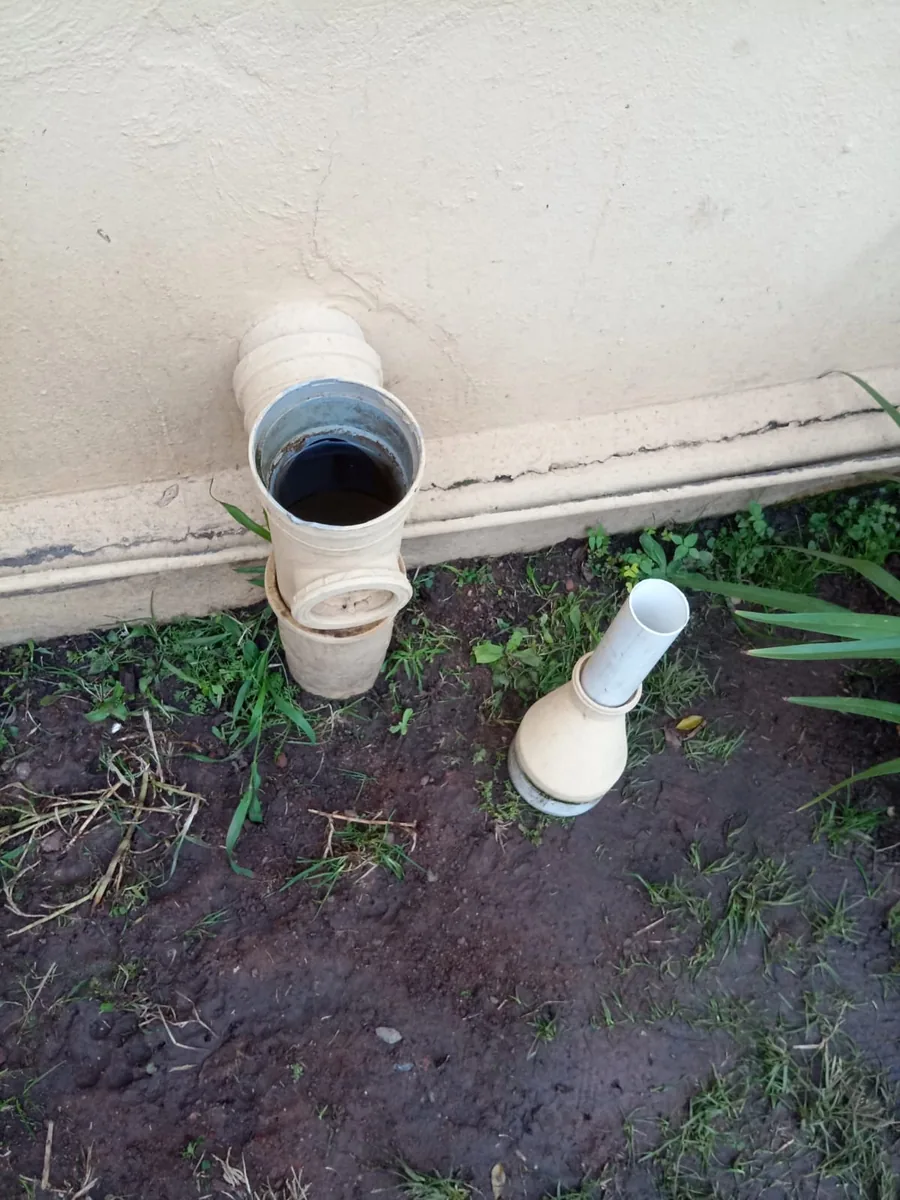
A sewer line blockage is usually more serious than a single slow fixture. Warning signs include sewage smells outside, multiple fixtures draining slowly, toilets bubbling, wastewater appearing at inspection covers, or dirty water returning through low-level drains. In these cases the blockage may sit in the main line rather than at the fixture being used.
Sewer line restrictions can be caused by roots, collapsed sections, heavy waste build-up, damaged joints, foreign objects or poor pipe gradient. Related services include sewer line cleaning, sewer line repair and replacement, and tree root removal plumbers where roots are involved.
Why Recurring Drain Blockages Should Not Be Treated as Normal
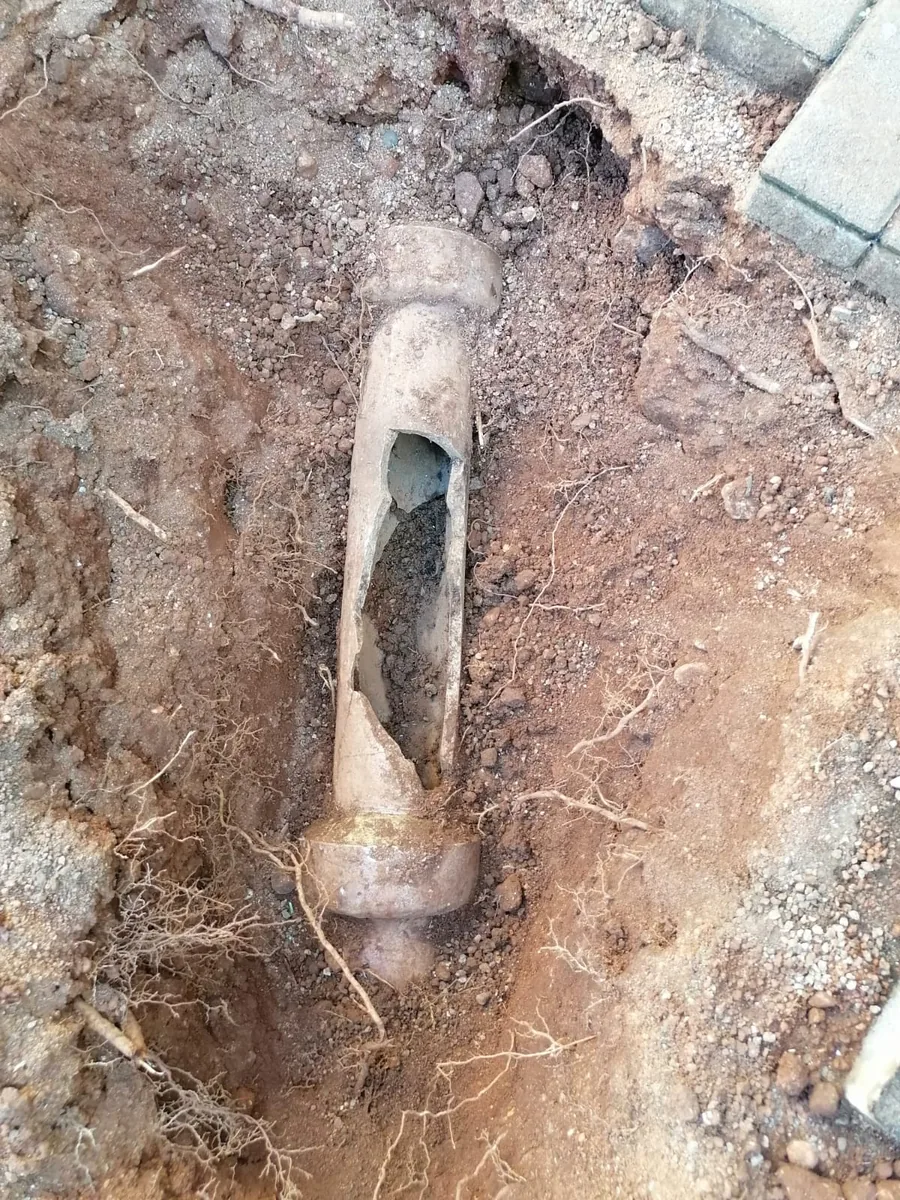
A drain that blocks once may be caused by a recent build-up or foreign object. A drain that blocks repeatedly is telling you something more important. The pipe may have a rough internal surface, root intrusion, a sagging section that holds waste, poor fall, a cracked joint, or a partial collapse that catches debris.
Repeatedly clearing the same drain without understanding the cause can become expensive and frustrating. A proper assessment looks at the pattern: which fixture blocks first, whether other drains are affected, how quickly the blockage returns, and whether outside inspection points show standing water.
When Drain Cleaning Alone Is Not Enough
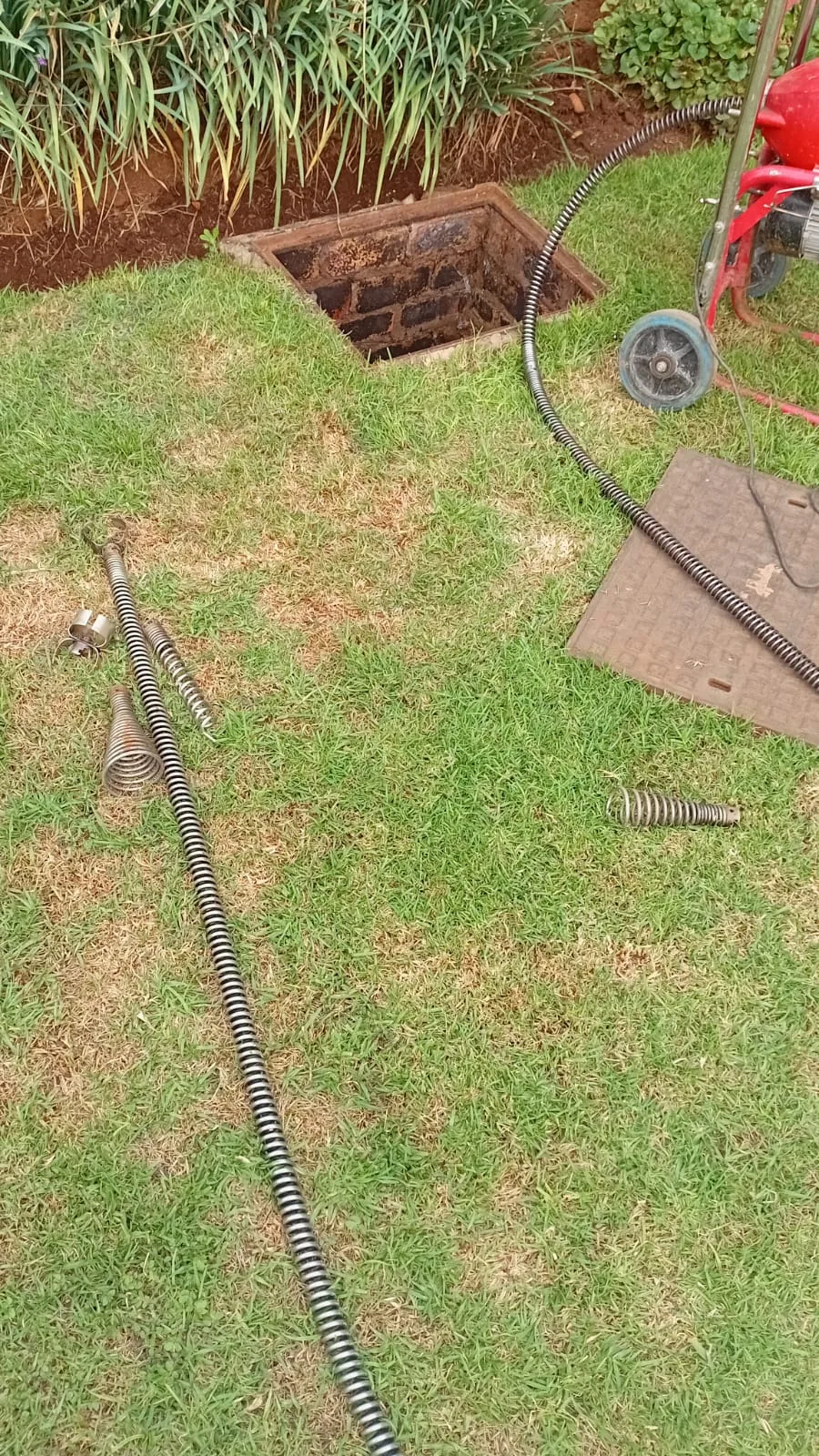
Drain cleaning restores flow, but it does not always explain why the blockage happened. If a drain blocks again soon after cleaning, the cause may be structural rather than surface-level. Camera inspection can show roots, cracks, joint displacement, broken pipes, compacted grease, collapsed sections or foreign objects lodged deeper in the system.
This is especially useful for landlords, body corporates, restaurants, shops and homeowners dealing with repeated blockages. Instead of paying for the same drain to be cleared again and again, the inspection helps decide whether cleaning, repair or replacement is the better long-term route.
What a Proper Drain Cleaning Visit Should Include
A useful drain cleaning visit starts with questions, not tools. The plumber should ask which drain blocked first, whether the problem is inside or outside, whether more than one fixture is affected, whether there are sewage smells, and whether the issue has happened before. These details help locate the likely restriction before work begins.
Depending on the blockage, the work may include manual clearing, mechanical cleaning, high-pressure jetting, trap cleaning, gully clearing, sewer line unblocking or camera inspection. The important part is matching the method to the blockage rather than using the same approach for every drain.
What You Can Do Before the Drain Cleaner Arrives
If wastewater is backing up, stop using the affected fixture and avoid running washing machines, dishwashers or baths until the blockage is checked. If an outside gully is overflowing, keep children and pets away from the area. Do not open inspection covers if sewage is pushing up under pressure.
Photos are useful. A picture of the affected drain, gully, inspection cover, or water level can help the plumber understand the likely problem before arrival. If there are multiple affected areas, mention all of them because that may point to a deeper main-line blockage.
Choosing the Right Drain Service Without Guessing
Drain problems are often described with one simple phrase: “the drain is blocked.” On site, that can mean many different things. It may be a single fixture blockage, a gully full of debris, a kitchen grease line, a toilet obstruction, a sewer line restriction, root intrusion, stormwater flooding, or a damaged pipe that keeps catching waste. The right service depends on the pattern of the symptoms.
Blocked Drain Cleaning
This is the best starting point when the blockage affects a general indoor or outdoor drain and the exact fixture is not the full story. It is useful when water is slow in more than one place, an outside drain is backing up, or you are unsure whether the problem starts at the sink, shower, gully or main drain. A proper visit should look at where the water first slows, where it reappears, and whether the blockage is local or further down the line.
Read MoreEmergency Drain Cleaners
Use emergency drain help when wastewater is overflowing, sewage smells are strong, a toilet backup cannot wait, or an outside gully is spilling near the house. Emergency work is about reducing hygiene risk and preventing the blockage from spreading through the drainage system. If dirty water is returning through low fixtures or inspection covers, stop using affected plumbing and arrange urgent help.
Read MoreVideo Camera Inspections
A camera inspection is most useful when the same drain keeps blocking, roots are suspected, or the cause cannot be confirmed from the surface. It can show cracked pipework, displaced joints, collapsed sections, grease build-up, foreign objects, poor pipe fall or root entry. This prevents repeated cleaning where the real issue is structural and needs a different long-term solution.
Read MoreSewer Line Cleaning
Sewer line cleaning becomes relevant when more than one fixture is affected, toilets bubble, inspection covers hold wastewater, or sewage smells appear outside. These symptoms suggest the restriction may be deeper than a single trap or waste pipe. Sewer work should clear the line and also consider why the blockage formed, especially if roots, broken pipework or repeated backups are involved.
Read MoreBlocked Shower Cleaning
Choose this when water pools during a shower, the waste smells after use, or hair and soap residue are likely to be restricting the trap. If the shower backs up only when other fixtures are used, mention that when booking because the issue may be further down the shared drain.
Read MoreBlocked Bath Trap Cleaning
Bath drains can hide restrictions because they release a large volume of water at once. Slow emptying, gurgling, unpleasant smells or water moving towards nearby bathroom wastes can mean the bath trap or branch line needs cleaning.
Read MoreBlocked Sink Cleaning
Kitchen sinks usually block from grease and food build-up, while utility sinks may collect lint, sediment and soap. If hot water only helps for a short time, the grease layer may be deeper in the waste line and needs proper cleaning.
Read MoreBlocked Basin Cleaning
A basin that drains slowly, smells, or gurgles can be affected by toothpaste, shaving residue, hair and soap build-up. Basin symptoms can also reveal air movement from a deeper restriction, so mention any bubbling or noises from other fixtures.
Read MoreBlocked Toilet Plumbers
A toilet blockage needs quick attention when the water level rises, flushing becomes unreliable, or wastewater threatens to overflow. Avoid repeated flushing if the pan is full. If other drains are slow too, the blockage may be in the sewer line rather than the toilet itself.
Read MoreTree Root Removal Plumbers
Roots often enter through small cracks or pipe joints and then catch paper, waste and debris until the drain blocks repeatedly. If the same outside line blocks again after cleaning, root intrusion should be considered and the pipe condition may need inspection.
Read MoreFrequently Asked Questions About Drain Cleaners Near Me
Why does my drain keep blocking?
A drain that keeps blocking may have grease build-up, hair accumulation, roots, a sagging pipe, poor fall, damaged joints or a partial collapse. Repeated blockages should be assessed rather than treated as normal.
Can tree roots block drains?
Yes. Tree roots can enter small cracks or joints and then grow inside the pipe. Once roots catch waste and toilet paper, the line can block repeatedly until the roots and pipe condition are addressed.
Can a blocked drain damage my property?
Yes. Backed-up wastewater can damage floors, cupboards, walls, paving and garden areas. Outside overflows can also create hygiene risks and damp problems around the property.
How do I know if the blockage is in my sewer line?
Multiple slow drains, toilet bubbling, sewage smells outside, wastewater at inspection covers and water returning through low fixtures can point to a sewer line blockage.
Why does my shower drain slowly?
Slow shower drainage is commonly caused by hair, soap residue and product build-up near the trap or waste line. If water backs up when another fixture runs, the fault may be deeper.
What causes blocked gullies?
Blocked gullies are often caused by leaves, mud, grease, food waste, sand and debris. Sometimes the gully is only where the problem appears, while the real blockage sits further down the drain.
Can grease block a kitchen drain?
Yes. Grease cools and sticks inside the pipe, then traps food particles and soap residue. Over time the pipe opening becomes smaller until the sink drains slowly or blocks completely.
Do you clear stormwater drains?
Stormwater drains can be cleared when they are blocked by leaves, silt, soil, sand or garden debris. Repeated flooding may need further inspection to check pipe condition and fall.
When is CCTV drain inspection necessary?
CCTV inspection is useful when blockages return, the cause is unclear, roots are suspected, or there may be a cracked, collapsed or displaced pipe section.
Can chemical drain cleaners damage pipes?
Harsh chemicals can sometimes damage fittings, seals or older pipework and may not reach the real blockage. Professional cleaning is safer where the cause or location is uncertain.
Why does my toilet bubble when water drains elsewhere?
Toilet bubbling can indicate trapped air in the drainage system caused by a downstream restriction. It is often a sign that the blockage is beyond a single fixture.
Why do I smell sewage outside?
Sewage smells outside can come from a blocked gully, inspection chamber, sewer line restriction, dry trap, damaged pipe or wastewater escaping where it should not.
How long does drain cleaning take?
The time depends on the blockage location, severity, access and whether the line needs jetting or inspection. A simple fixture blockage may be quicker than a main sewer restriction.
Can recurring blockages indicate pipe damage?
Yes. Recurring blockages can point to root intrusion, broken pipe sections, poor gradient, displaced joints or rough internal pipe surfaces that keep catching waste.
What should I do before the plumber arrives?
Stop using affected fixtures, keep people away from wastewater, avoid opening covers under pressure, and send photos of the affected drain or gully if it is safe to do so.
Need Drain Help Right Now?
If wastewater is backing up, more than one drain is slow, a gully is overflowing, or sewage smells are getting stronger, stop using the affected fixtures and call for help before the blockage spreads further through the system.
Emergency: 067 895 4361 | General enquiries: 067 657 6109 | WhatsApp: 072 139 8945
Work we have done
These project photographs show real drainage problems rather than stock plumbing pictures. They include rodding-eye access, drain lines after cleaning, outside gullies, inspection chambers, toilet backups, bathroom drainage faults and kitchen sink restrictions. Looking at the images helps customers understand why a blocked drain is not always located at the fixture where the water appears. The visible symptom may be a slow sink, standing water, a toilet that will not clear, or an overflowing gulley, while the real restriction can sit further down the waste line or sewer system.
Each example below explains what the image shows, why that type of blockage happens, and what a plumber checks before deciding how to clear it. This gives homeowners practical information before they book drain cleaning, blocked drain cleaning, blocked toilet help, blocked shower cleaning, blocked sink cleaning, sewer line cleaning or a video camera inspection.
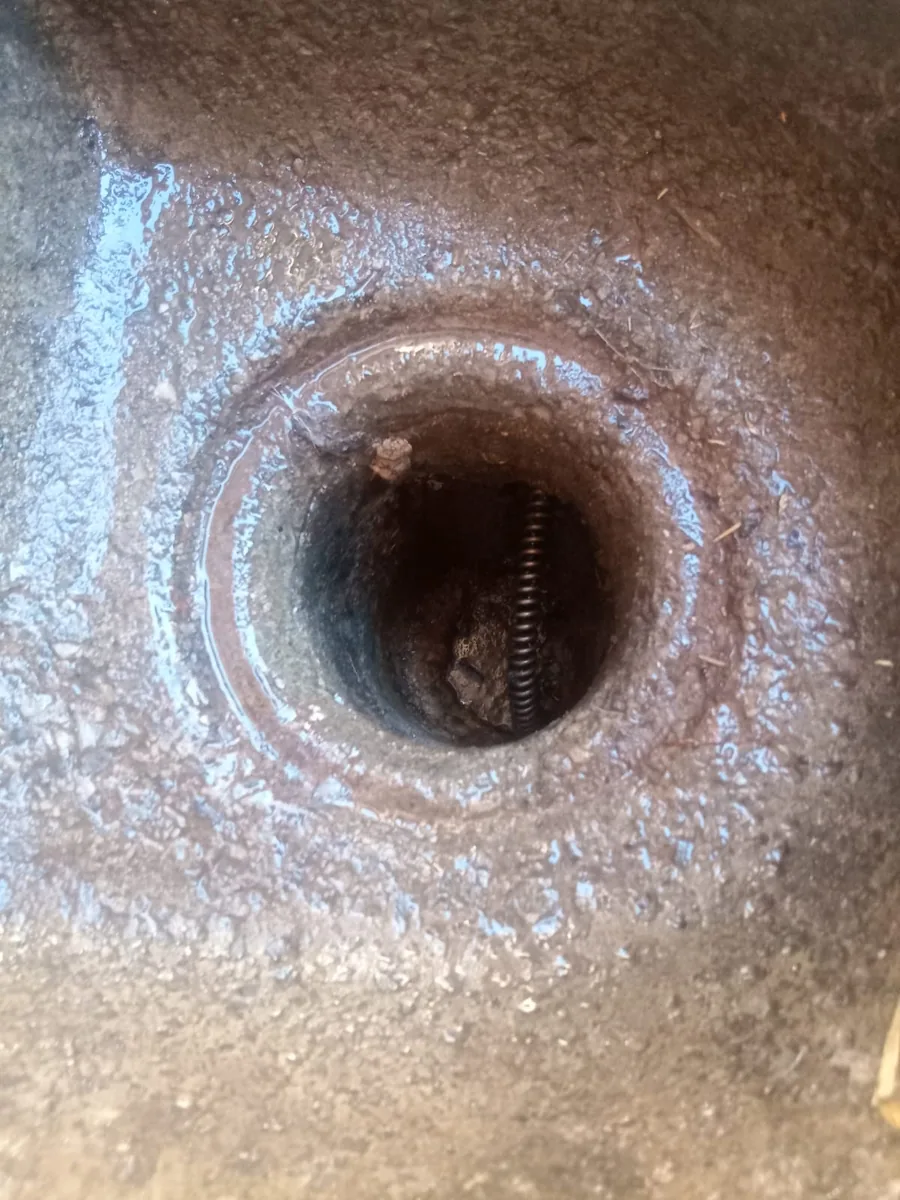
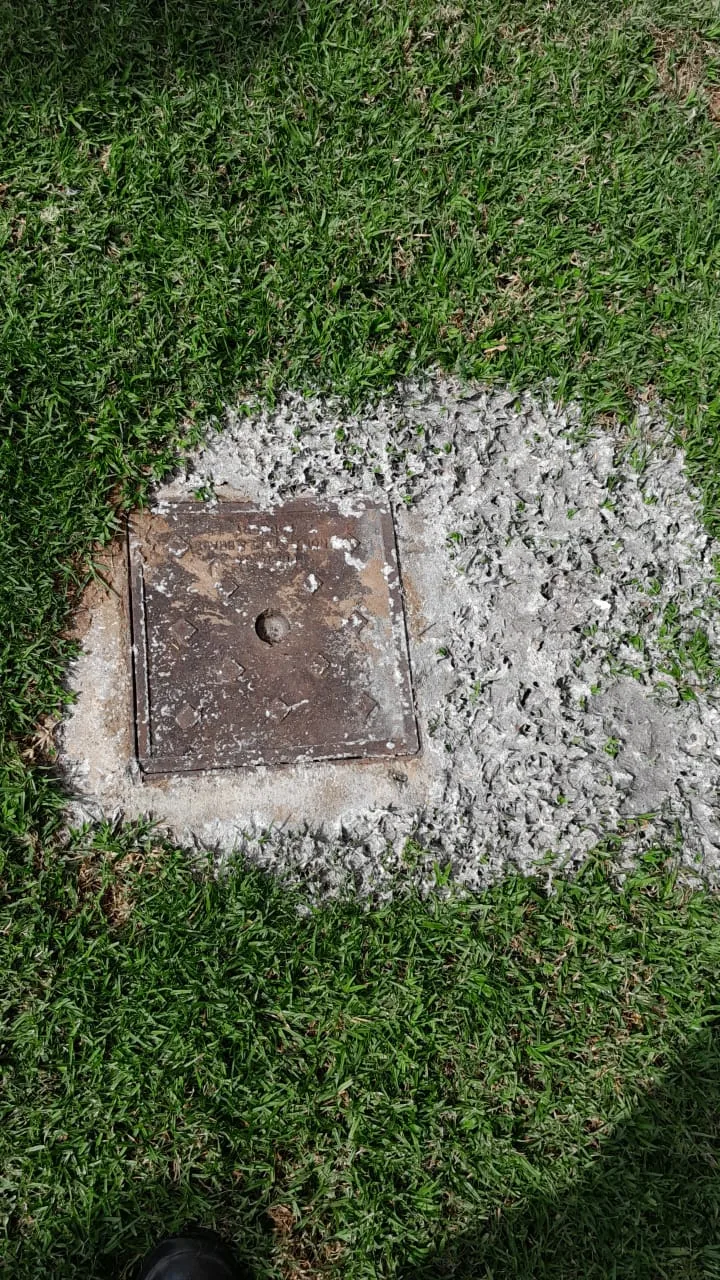
Blocked Rodding Eye Cleaning Access
This rodding eye gave direct access into the underground drainage line so the restriction could be reached without breaking surrounding paving or walls. Access points like this are valuable because they let the plumber work from the correct side of the blockage and confirm whether the problem is local or further down the sewer line.
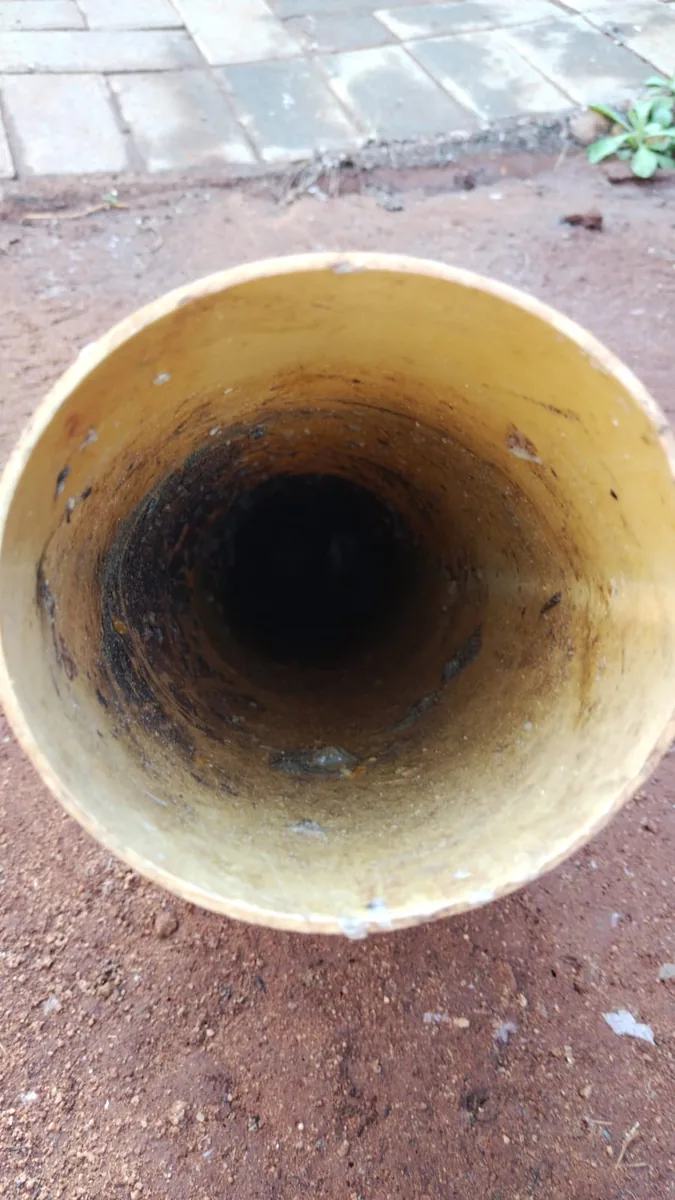
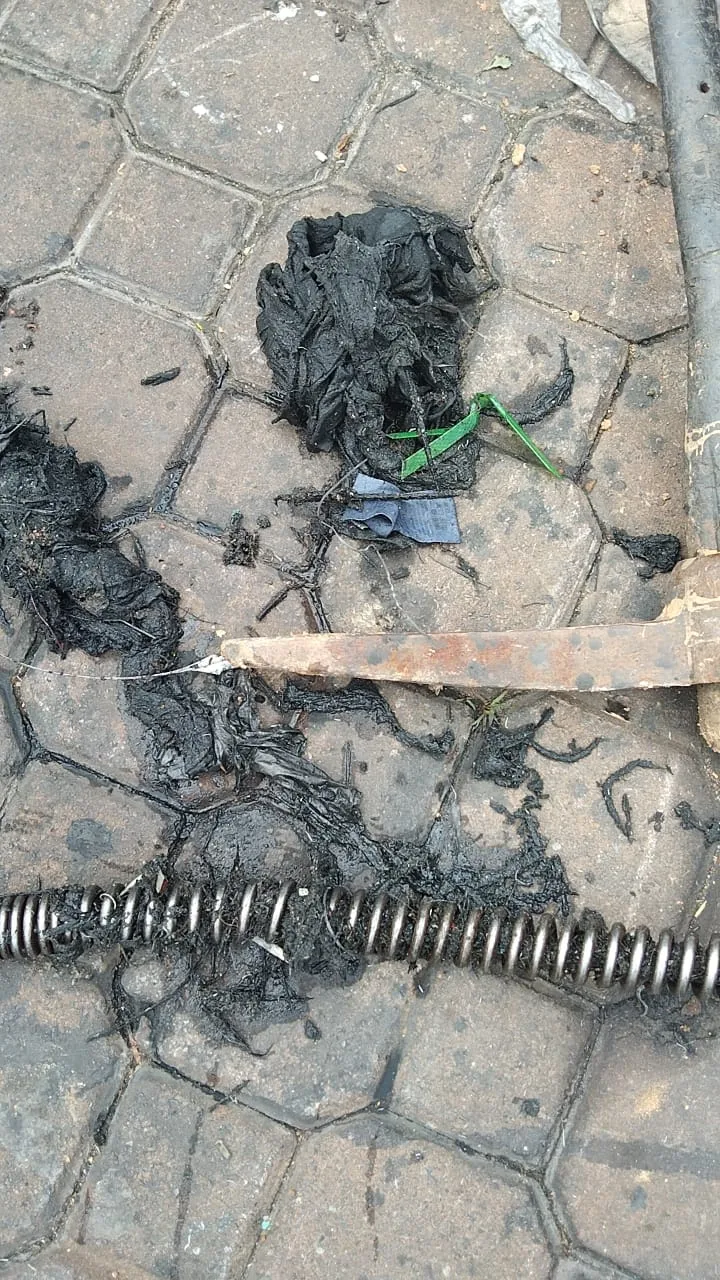
Drain Pipe After Mechanical Cleaning
This drain opening shows the pipe after waste build-up had been disturbed and cleared. Grease, soap residue, silt and organic matter often cling to the wall of the pipe long before a full blockage forms, so the aim is to restore flow through the pipe rather than only opening a small path through the obstruction.
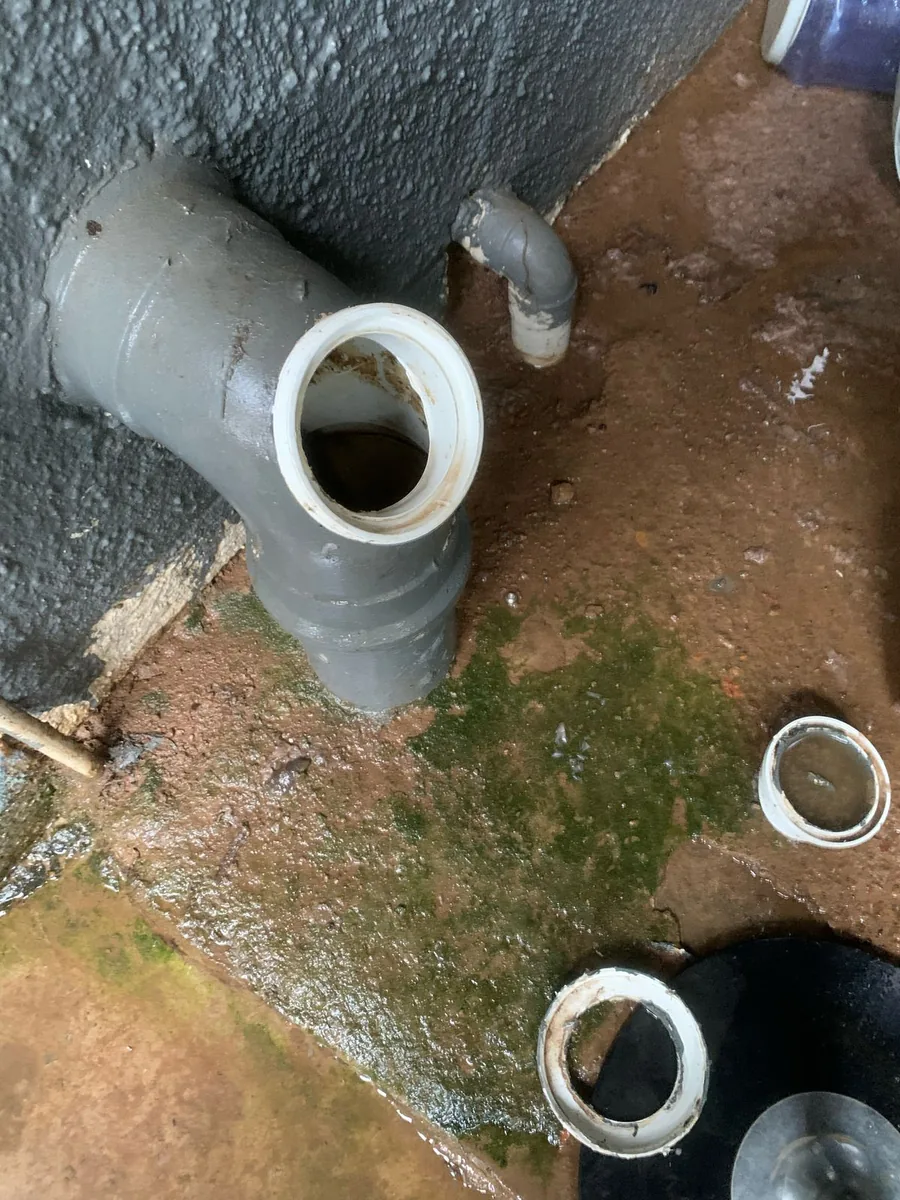
Blocked Waste Line Access Point
This access point was opened to inspect the drainage route and check how far the restriction had moved through the system. Open access points help identify whether the blockage is close to the fixture, inside a shared waste line, or further down toward the main sewer connection.
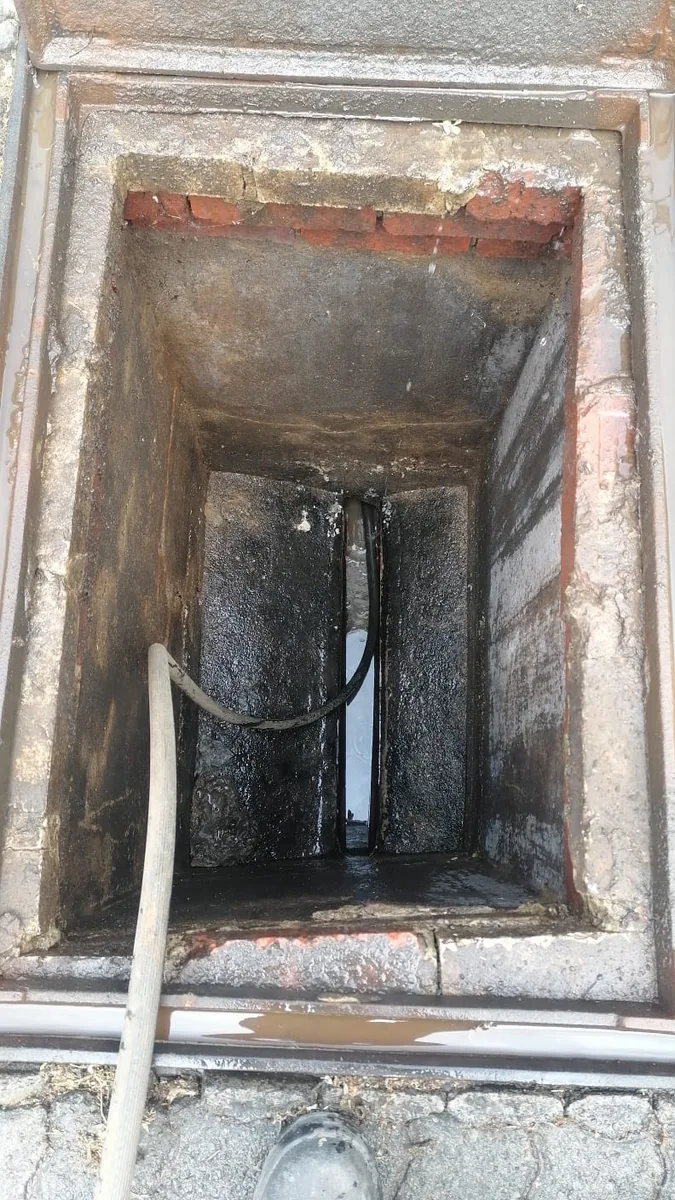
Inspection Chamber Cleaning And Flow Check
Inspection chambers show what is happening inside the drainage system at ground level. By checking the chamber, the plumber can see whether wastewater is standing, whether flow is moving correctly, and whether the blockage is upstream or downstream from that point.
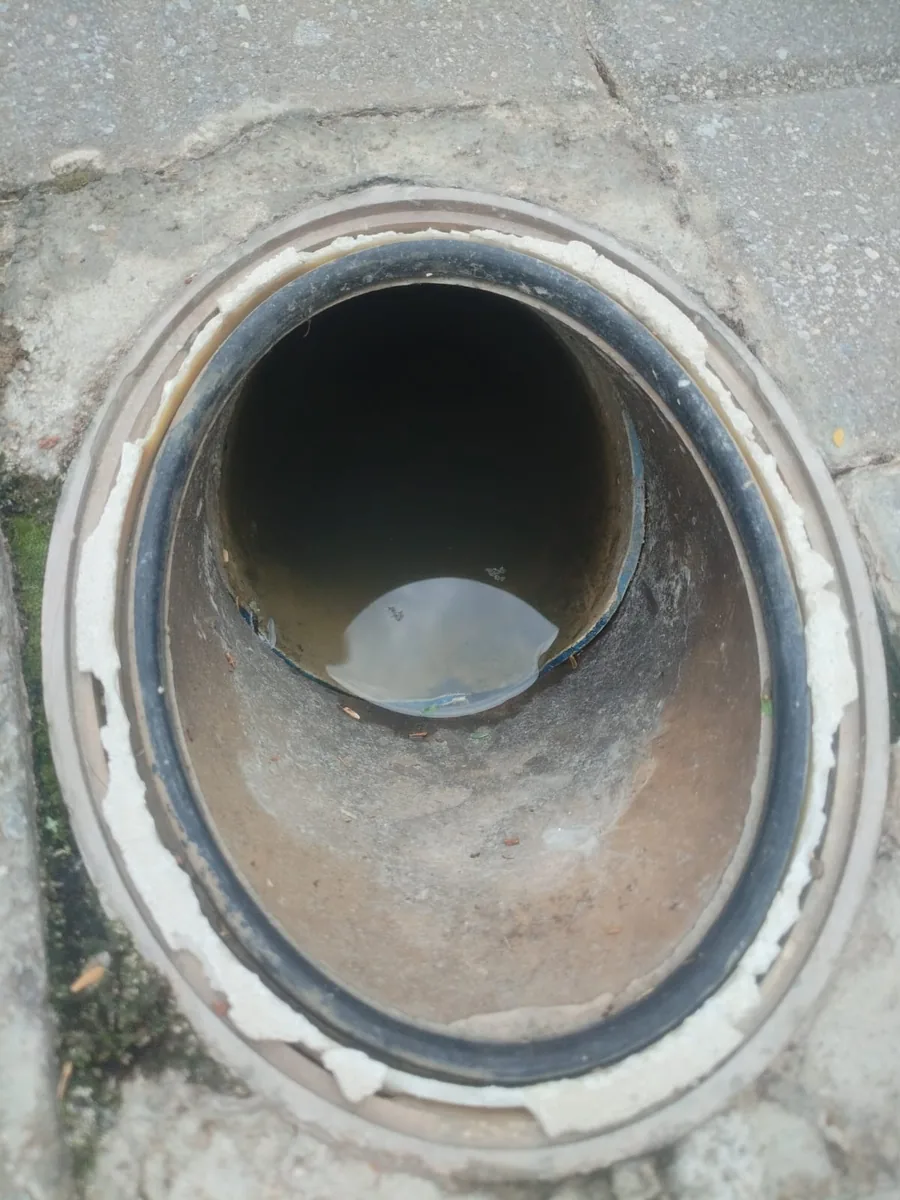
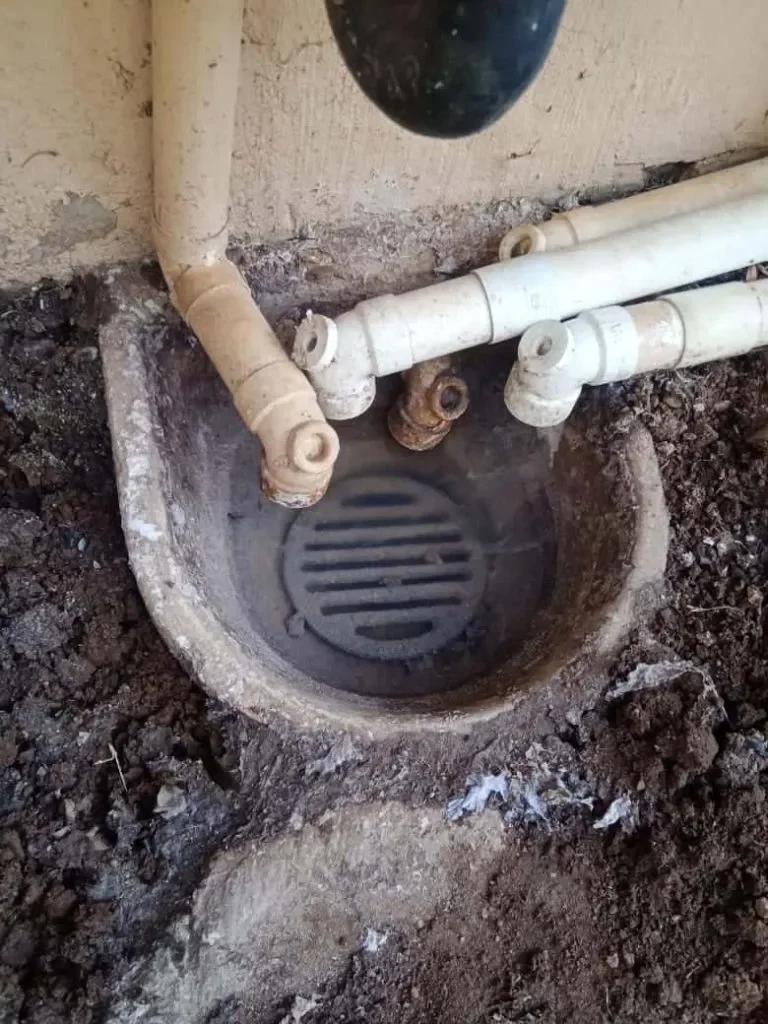
Standing Water Inside Drain Opening
Standing water inside a drain opening is a sign that the pipe is not carrying wastewater away properly. The cause may be sludge, roots, a downstream obstruction, incorrect fall, or damaged pipework, which is why the water level and flow direction need to be checked before the drain is cleared.
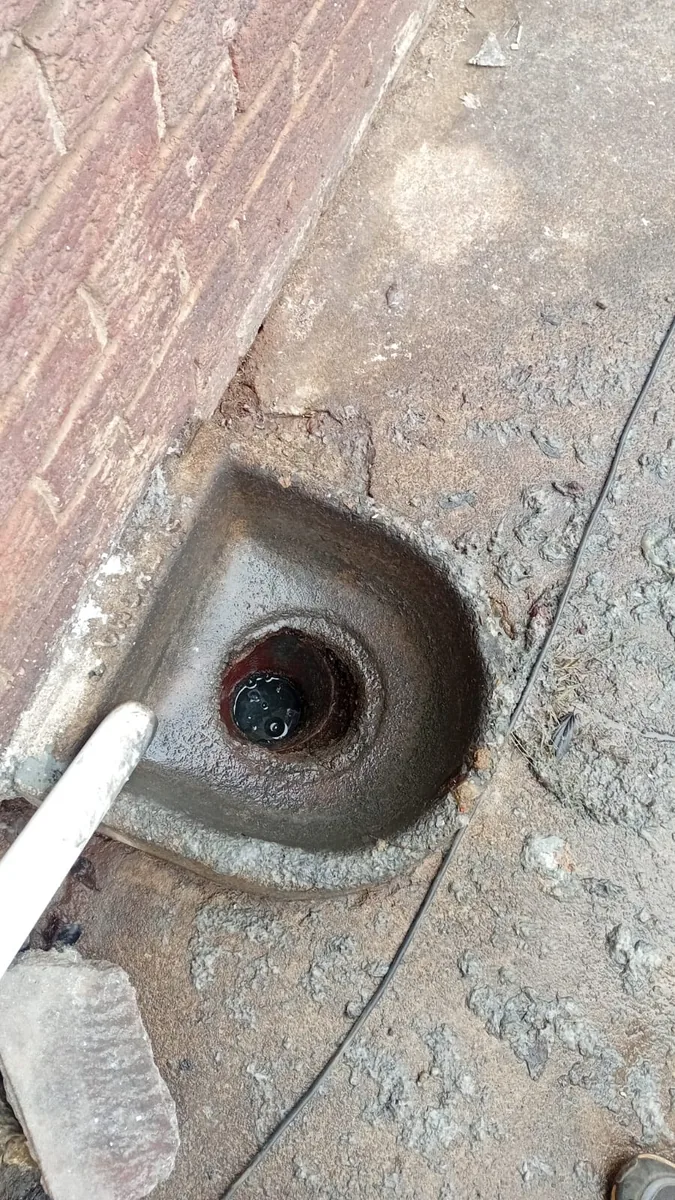
Blocked Gulley Cleaning Near Wall
This outside gulley had become restricted and was no longer draining cleanly away from the wall. Gullies often collect soap water, grease, sand, leaves and dirt, and when they overflow they can push dirty water back across paving or toward the building.
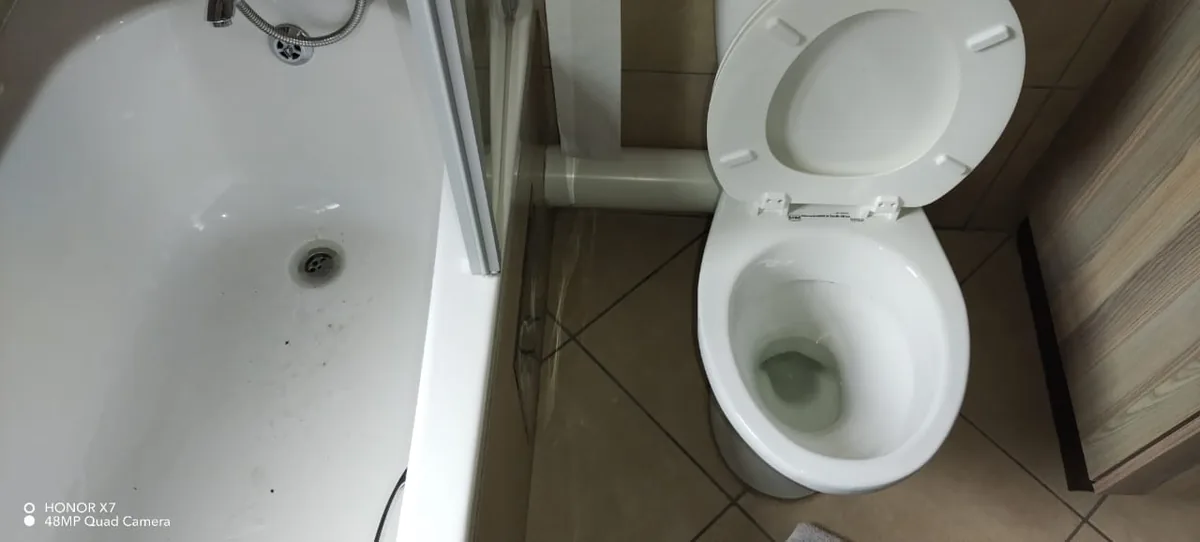
Bath And Toilet Shared Drain Backup
When a bath and toilet are affected at the same time, the problem is often not limited to one fixture. A shared waste or sewer restriction can cause water to move between fixtures, so the plumber needs to check the downstream line rather than treating the bath and toilet as separate faults.
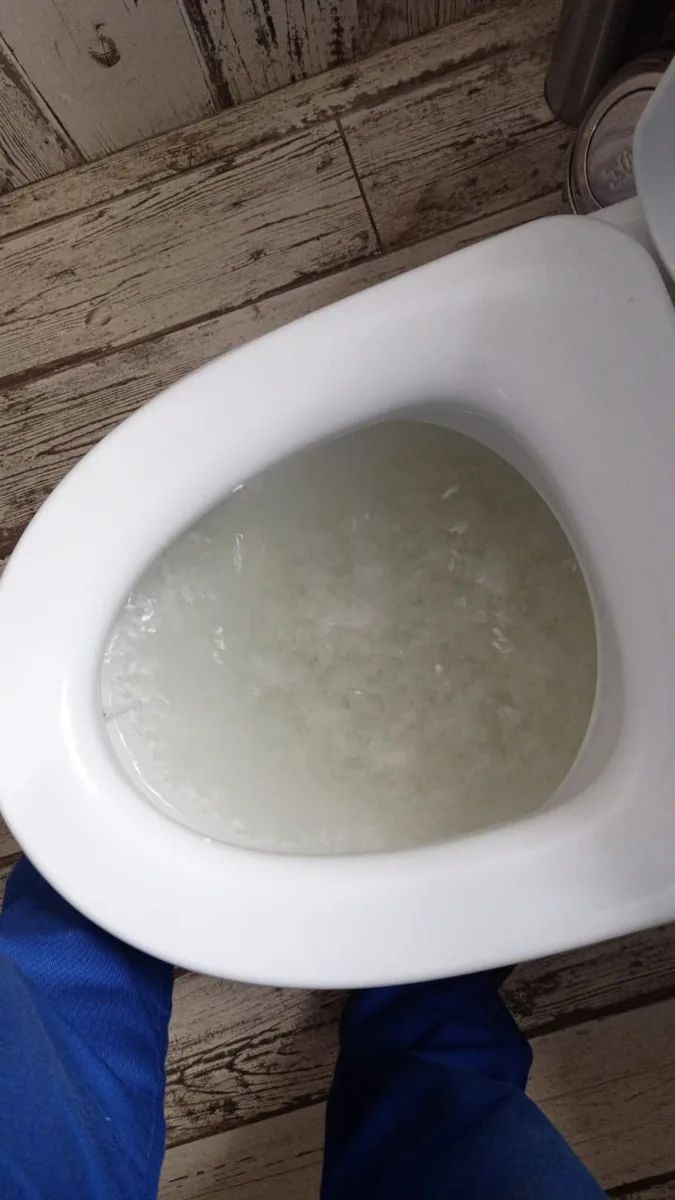
Overflowing Toilet Blockage Clearing
This toilet blockage showed signs of restricted flow after flushing. Repeated flushing can quickly cause overflow, so the safest step is to stop using the toilet and clear the blockage with the correct tools before wastewater spills onto the floor.
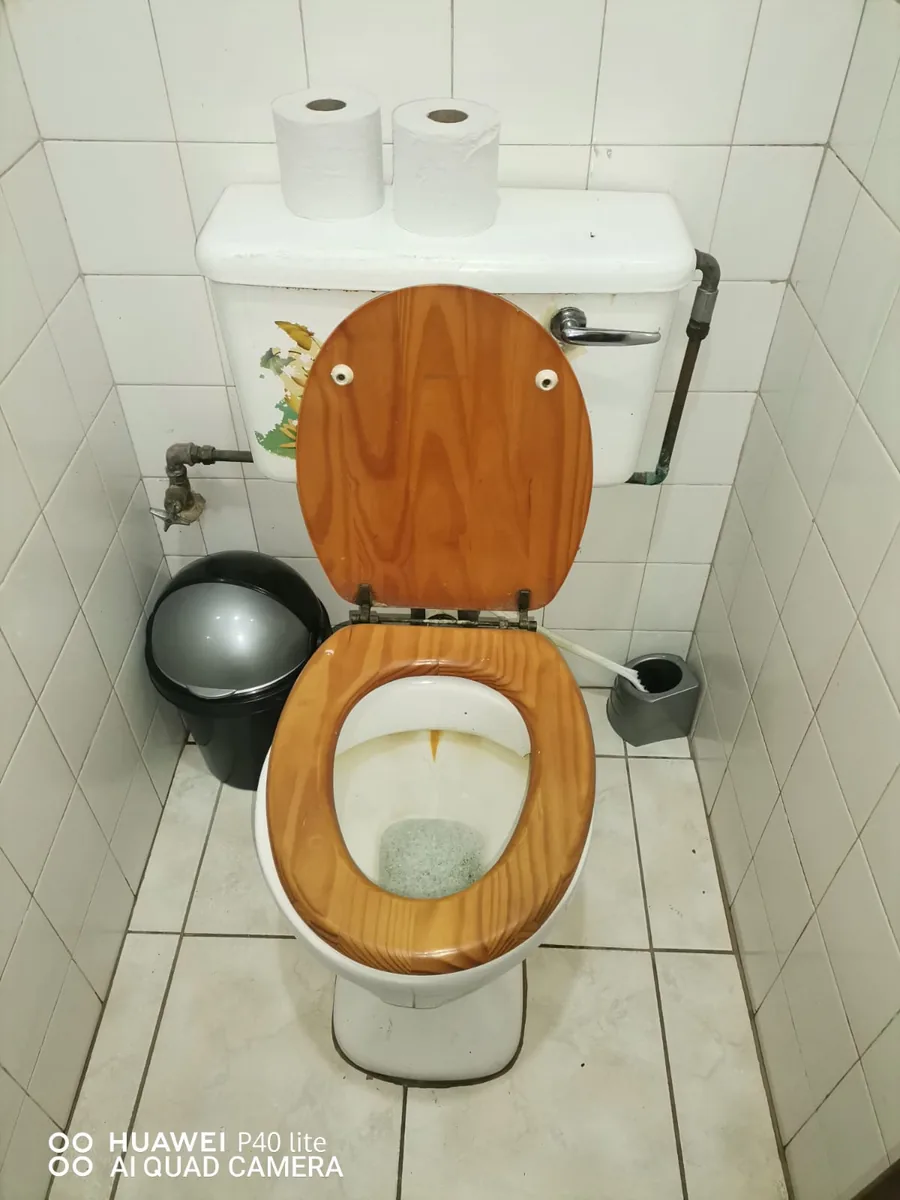
Older Toilet Drainage Problem
Older toilets and waste lines can develop recurring drainage issues because of scale, poor flow, old pipe layouts or restrictions further down the line. When a toilet repeatedly fills slowly or does not clear properly, the waste line should be checked instead of assuming the pan alone is the problem.
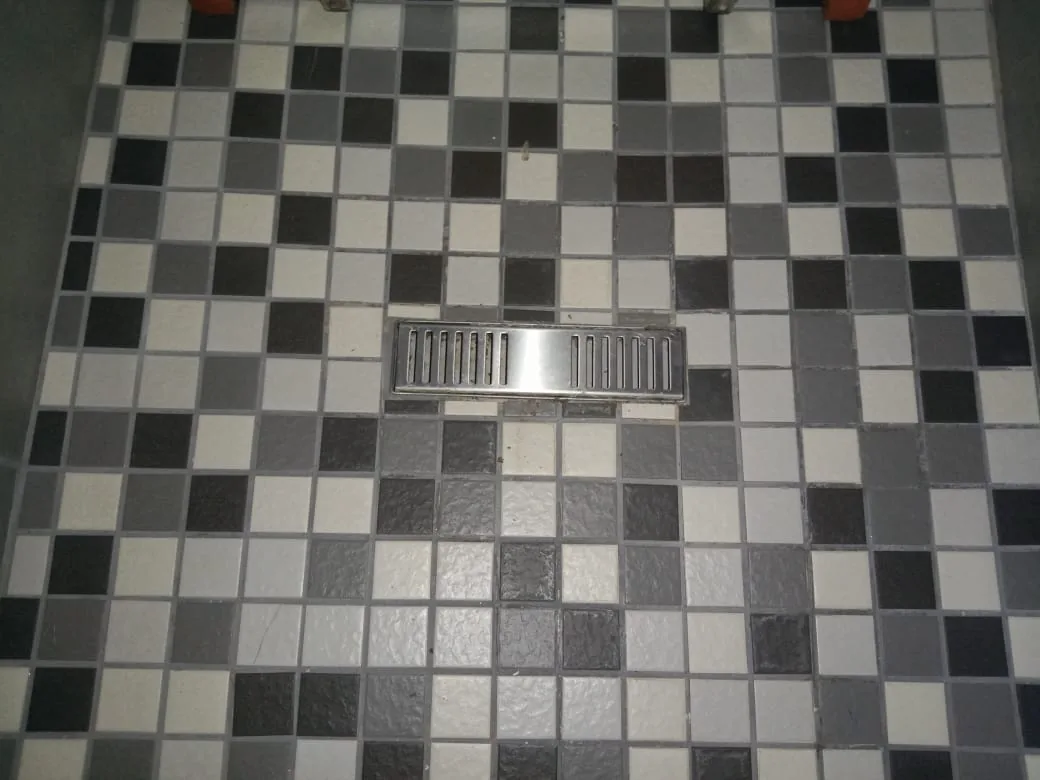
Blocked Shower Floor Drain
A shower floor drain can appear clean on the surface while hair, soap residue and body oils collect below the grate. Slow shower drainage usually starts gradually, then becomes noticeable when water begins pooling during normal use.
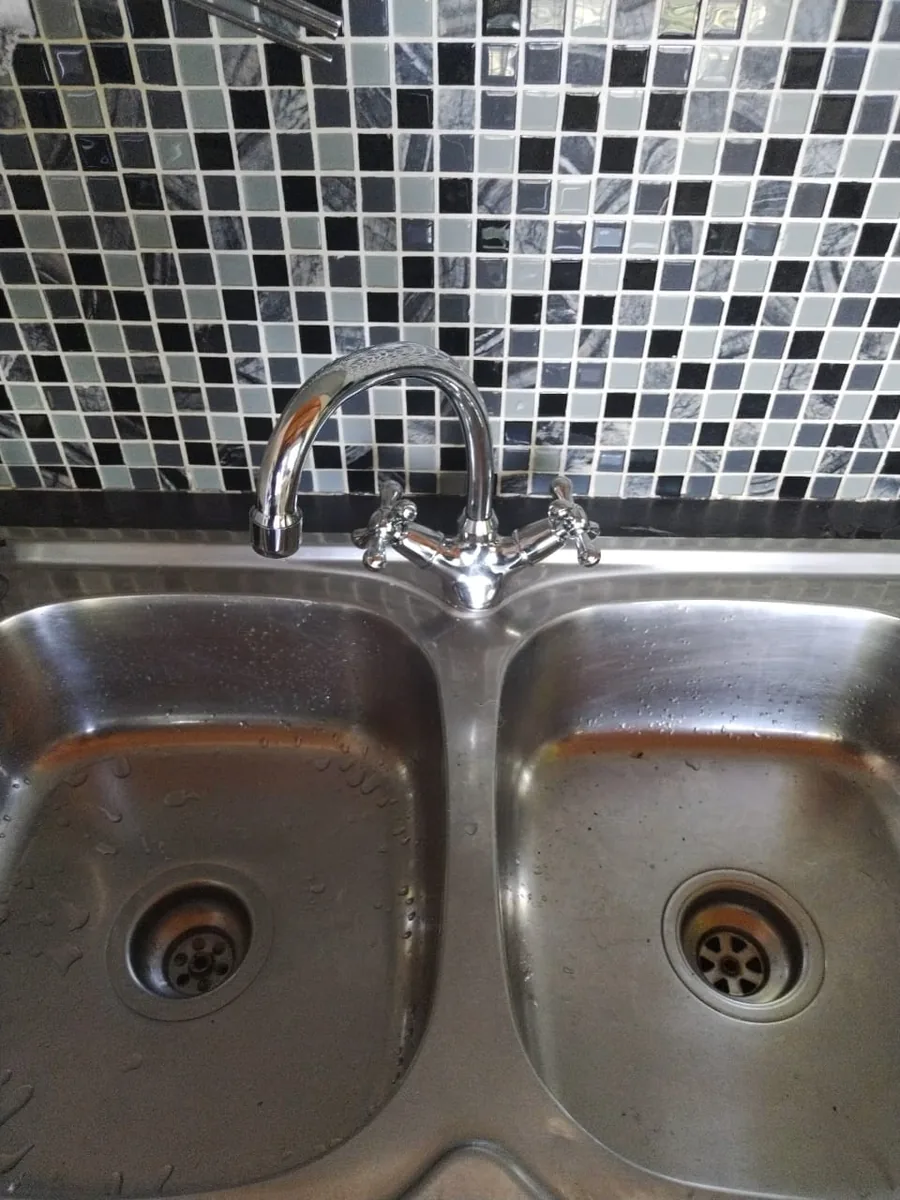
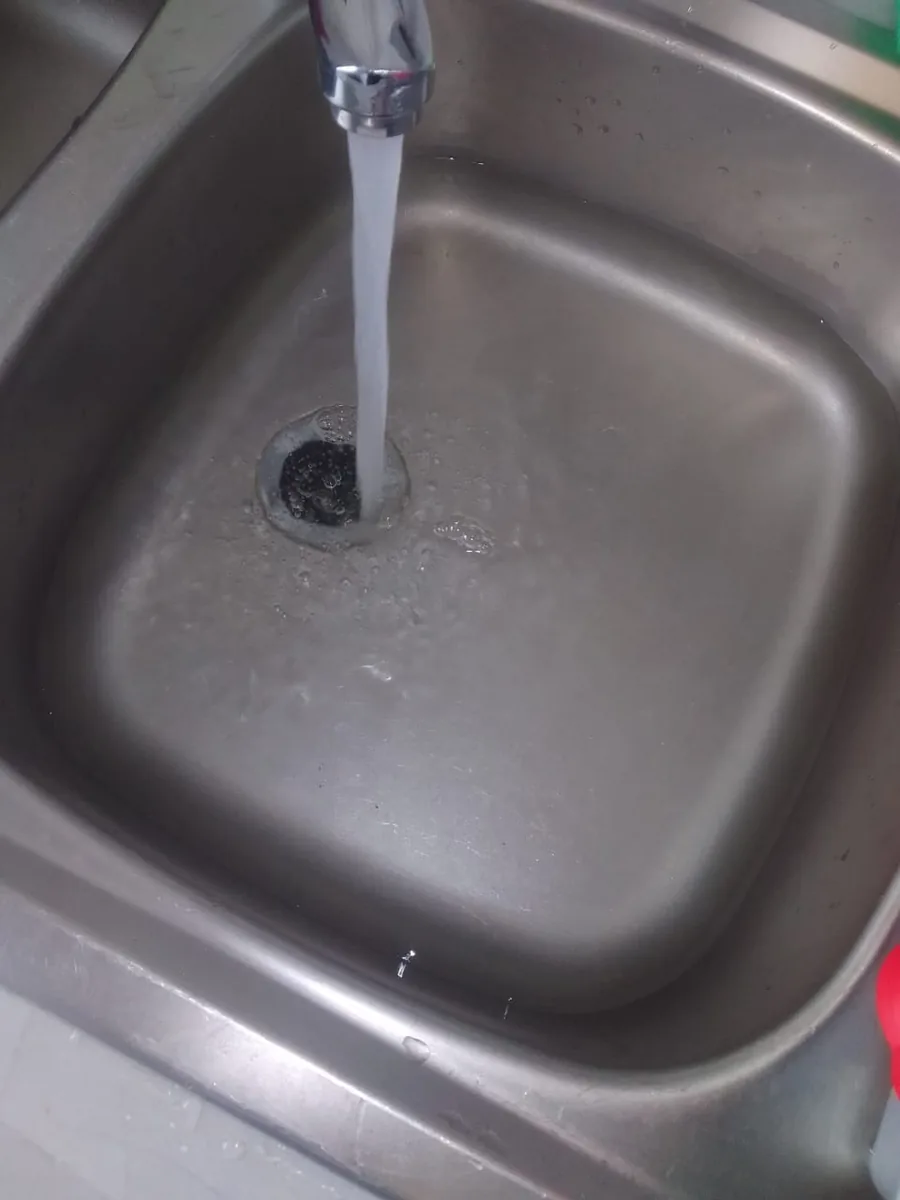
Slow Draining Kitchen Sink
Kitchen sink drains often block from grease, food particles and detergent residue. Even when the sink looks clean, build-up can form inside the pipe where hot fats cool and solidify, reducing flow until the sink starts draining slowly or backing up.

