Frequently Asked Questions
What should I do first if a pipe bursts in Sandton South?
Close the main stopcock if you can reach it safely, move valuables away from spreading water, and avoid opening walls or floors before the leak is traced. Send a clear photo by WhatsApp so the plumber can guide you before arrival.
Can you help with blocked drains in Sandton South?
Yes. We assist with slow drains, outside gully backups, blocked sinks, blocked toilets, and recurring drain smells. The line is cleared and then checked so the cause is understood rather than only pushing the blockage further along.
Do you offer same day plumbing help in Sandton South?
Where availability allows, same day help can be arranged for urgent leaks, drain blockages, geyser faults, toilet problems, and water pressure issues. The first step is to confirm the fault, access, and urgency.
How do I know if a damp wall is a hidden plumbing leak?
A damp mark that grows in dry weather, a meter that moves when taps are closed, warm patches near hot lines, or recurring mould near plumbing points can suggest a hidden leak. The source should be traced before any major opening work starts.
Can you repair geyser problems in Sandton South?
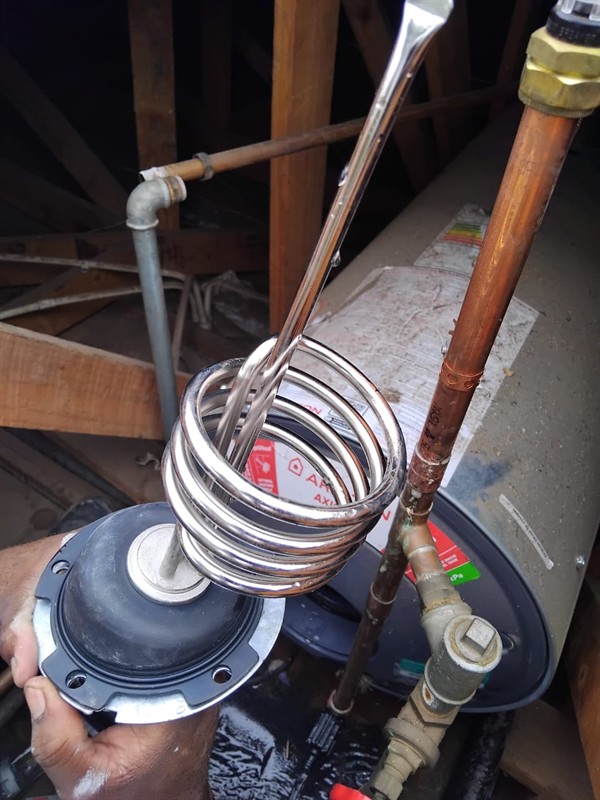
Yes. Common geyser problems include leaking valves, no hot water, overflow pipe discharge, pressure issues, and visible dripping around the unit. Water and power safety must be considered before repair work continues.
Do you charge a call-out fee in Sandton South?
The page offer mentions a free call-out and free quote direction. Final repair pricing depends on access, parts, labour time, and whether the fault is visible or hidden.
What information should I send before the plumber arrives?
Send your name, contact number, location, a short description of the fault, and two or three photos. For leaks, mention whether the meter is moving and whether the main stopcock has been closed.
Can you help tenants, landlords, and managing agents?
Yes. Plumbing work can be coordinated with homeowners, tenants, landlords, trustees, caretakers, and property managers where access and approval are needed.
Why does my drain keep blocking again?
Recurring blockages often point to grease, roots, poor fall, damaged pipework, building debris, or an old line holding sludge. Repeated clearing without diagnosis may only provide temporary relief.
What if the leak is under paving or concrete?
The safest approach is to confirm the likely route and failed section before opening the surface. Once exposed, the damaged pipe can be repaired, tested, and reinstated as neatly as possible.
Can you help with toilet leaks and overflows?
Yes. Toilet issues may involve inlet valves, outlet valves, pan connectors, blockages, cistern parts, or supply points. Stop using an overflowing toilet until it has been checked.
Do you help with low water pressure?
Yes. Low pressure can come from municipal supply changes, faulty valves, blocked strainers, pressure control problems, leaks, or restrictions inside the property. The cause should be checked before replacing parts.
Can you work on kitchens and bathrooms?
Yes. Help is available for taps, basins, sinks, traps, wastes, toilets, showers, baths, appliance connections, and visible pipework connected to kitchen and bathroom plumbing.
How quickly can water usually be restored?
Simple visible repairs can often be completed quickly once parts and access are confirmed. Hidden leaks, concrete access, deep underground lines, or damaged finishes can take longer.
Will the repair be tested before completion?
The repaired section should be checked under normal use before sign-off. Testing helps confirm that the visible symptom has been solved and that the system is stable.