
Solar Geysers
Solar geysers
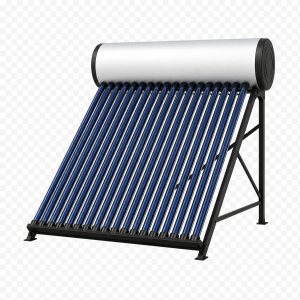
Solar geysers are hot water systems that use energy from the sun to heat water for the home, business, guest house, rental unit or staff accommodation. Instead of depending only on an electric element, a solar geyser uses a collector on the roof to collect heat during the day. The hot water is then stored in a geyser tank and used when taps, showers, baths and kitchens need it.
For most clients, the main reason for looking at solar geysers is simple: hot water is expensive to produce with electricity alone. A geyser can be one of the biggest electricity users in a property, especially where the household uses hot water every morning and evening. A solar geyser helps reduce how often the electric element needs to run, while still keeping backup heating available when the sun is weak, the weather is poor or the household uses more hot water than usual.
A good solar geyser is not just a tank on a roof. It is a full hot water system made up of the geyser cylinder, collector, frame, valves, pipework, insulation, backup element and sometimes a controller or circulation pump. When all those parts are matched correctly, the system can give practical hot water savings and reliable daily use. When the system is undersized, badly installed or sold without proper explanation, the client may end up disappointed.
How solar geysers work
A solar geyser works by collecting heat from sunlight and transferring that heat into the water stored in the geyser. The collector is normally installed where it can receive good sun exposure during the day. As the collector heats up, the system moves heat into the geyser tank.
Some solar geysers work through natural circulation. This is called thermosyphon operation. Hot water rises naturally and cooler water moves down to be heated again. Other systems use a pump and controller to circulate water or heat between the collector and tank.
The basic idea is easy to understand: let the sun do as much of the heating work as possible, then use electric backup only when needed. The quality of the installation, the collector position, the geyser size and the household’s hot water habits all affect how well this works.
Why clients choose solar geysers
Clients choose solar geysers because they want to reduce electricity use without giving up hot water comfort. In many homes, the geyser runs every day, sometimes without the owner even knowing how often the element switches on. A solar geyser gives the property another way to heat water.
Solar geysers are also popular because they can make hot water costs easier to manage over time. The system still needs proper installation and maintenance, but the sun becomes part of the heating process. This is especially useful in South Africa, where many areas have strong sunlight for much of the year.
Another reason clients choose solar geysers is that they want a more independent hot water setup. Even when electricity is used as backup, the solar side can reduce how much the property depends on the element during sunny periods, especially when the client also chooses the right solar water heating products for the full system.
Complete solar geyser systems
A complete solar geyser system is usually the best option when the old geyser is leaking, too small, badly positioned or not worth converting. A complete system includes the main parts needed for solar hot water from the start.
This can include the solar geyser tank, collector, mounting frame, valves, pipework, insulation, backup element and controller where required. The benefit is that the tank and collector are selected to work together, instead of trying to add solar parts onto a weak or unsuitable old geyser.
A complete system is also useful for new builds, renovations, guest houses, rental units and properties where the owner wants a clean installation with properly matched components. It may cost more upfront than a simple repair, but it can be the better choice when the existing system is already near the end of its life.
Solar geyser conversion
A solar geyser conversion is used when an existing electric geyser is upgraded so it can receive solar heating. This is often called a retrofit solar geyser system. Instead of replacing the full geyser, solar collectors, pipework, controls and related fittings are added to assist the existing tank.
This can be a sensible choice when the current geyser is still in good condition. The cylinder should not be leaking, rusted, badly undersized or very old. The roof position, pipe route and pressure rating must also be checked before conversion is recommended.
A conversion should never be sold blindly. If the old geyser fails shortly after the conversion, the client may feel the money was wasted. A good installer should first decide whether the existing geyser is worth keeping, and whether solar geyser conversion kits are actually suitable for that tank.
Evacuated tube solar geysers
Evacuated tube solar geysers use rows of glass tubes to collect heat from the sun. These tubes are common on many solar hot water systems because they are designed to absorb heat efficiently.
The tubes are usually mounted below or near a collector manifold, depending on the system design. When sunlight hits the tubes, heat is collected and transferred into the hot water system. Evacuated tube systems are popular for homes, cottages, staff rooms and properties where strong solar heating is wanted.
One practical advantage is that individual tubes can often be replaced if damaged. If hail, roof work or impact cracks one tube, the whole system may not need to be replaced. The correct tube size and type must still be used.
Flat plate solar geysers
Flat plate solar geysers use a panel-style collector instead of separate glass tubes. The collector absorbs heat through a flat surface and transfers that heat into the hot water system.
Flat plate systems can be neat, strong and practical when the roof and system design suit them. They are often chosen where the client prefers a panel-style appearance or where the system layout works better with a flat collector.
The choice between evacuated tube and flat plate should not be made only on looks. Roof direction, available space, budget, household size, maintenance expectations and system type all matter. A good installer should explain the difference clearly before the client buys.
High pressure solar geysers
High pressure solar geysers are designed for normal pressurised hot water systems. Many homes use high pressure geysers because they feed showers, baths, basins and kitchens with better pressure than low pressure systems.
A high pressure solar geyser must be installed with the correct safety and control valves. These may include a pressure control valve, temperature and pressure safety valve, vacuum breakers, non-return valve and proper discharge pipework.
This is where quality installation becomes very important. The collector collects heat, but the valves protect the system. If the pressure side is wrong, the geyser can drip, leak, discharge water or become unsafe, which is why the correct geyser valves should always be matched to the pressure rating.
Low pressure solar geysers
Low pressure solar geysers are used in simpler hot water systems where full mains pressure is not required. They can suit certain rural setups, outbuildings, staff accommodation, cottages or basic hot water points.
The client must understand what low pressure means. It does not normally give the same hot water experience as a properly installed high pressure geyser feeding a modern bathroom. That does not make it bad; it simply means it is designed for a different purpose.
A low pressure system should be recommended only where it suits the property and the expected use. If the client wants strong pressure to multiple bathrooms, a low pressure geyser may not be the right answer.
Thermosyphon solar geysers
A thermosyphon solar geyser uses natural movement of hot water. As water heats, it rises. Cooler water moves down to be heated. This allows the system to circulate without a pump during normal solar operation.
Thermosyphon systems are common because they are simpler and have fewer moving parts. The tank and collector are often installed together on a roof frame. This can work very well when the roof structure, pitch and sun exposure are suitable.
The important part is roof loading. A geyser tank full of water is heavy. The roof frame must be strong, stable and properly fitted. A thermosyphon system should never be installed casually on a weak or unsuitable roof.
Pumped solar geysers
A pumped solar geyser uses a circulation pump, sensors and a controller to move heat between the collector and the geyser. This is useful when the geyser tank and collector cannot be installed in the normal thermosyphon arrangement.
For example, the tank may be inside the roof space while the collector is outside on the roof. The controller checks temperatures and tells the pump when to run. The pump should circulate only when the collector can add useful heat.
A pumped system can work very well, but it must be commissioned properly. Sensor placement, pump size, pipe route, controller settings and insulation all matter. A pump running at the wrong time can reduce efficiency instead of improving it, so the correct solar geyser pumps must suit the system design.
Choosing the right solar geyser size
The correct solar geyser size depends on how many people use hot water and how they use it. A simple headcount helps, but it is not enough on its own. Shower length, bath use, kitchen demand, laundry habits and morning routines all affect the correct size.
A small household may manage with a 100L or 150L system. A normal family home often needs 150L or 200L. Larger homes, guest houses or heavier demand may need 300L or more carefully planned storage.
A system that is too small will rely too much on electric backup. A system that is too large may cost more than necessary. The right size is the one that gives enough hot water without overspending on storage the property does not need.
100L solar geysers
A 100L solar geyser is normally suitable for light hot water use. It can work well for a small flat, cottage, staff unit or one to two people with sensible shower habits.
The benefit of a 100L system is that it is compact and often easier to position than larger units. It can be a practical entry-level choice where demand is moderate.
The client must be realistic, though. If several people shower close together, or if baths are used regularly, a 100L system may run short. In that case, a larger geyser should be considered.
150L solar geysers
A 150L solar geyser is a popular choice for small to medium households. It can often suit two to four people, depending on daily use.
This size offers more storage than a 100L geyser without moving into a large system. It can be practical for townhouses, small family homes, rental units and properties where hot water use is steady but not excessive.
A 150L system must still be matched with the correct collector size, valves, pipework and backup heating. The litre size alone does not make the system good. The full installation must be right.
200L solar geysers
A 200L solar geyser is commonly used for family homes. It gives more stored hot water and can handle busier routines better than smaller systems.
This size is often a good option where several people shower in the morning or evening. It gives a useful buffer, especially where hot water is used in bathrooms and kitchens close together.
With a 200L system, roof support and installation planning become more important. The tank is heavier when full, and the frame, pipe route and valves must be correctly fitted.
300L solar geysers
A 300L solar geyser is usually chosen for larger homes, guest houses, lodges, staff accommodation or properties with heavier hot water demand.
This size should be selected because the demand justifies it, not because bigger sounds better. A 300L tank is heavy when full and needs careful roof planning if installed above the roof. The collector size and backup heating must also be properly matched.
For larger properties, a 300L solar geyser can be very useful when installed correctly. It gives more stored hot water and can reduce reliance on electric heating during sunny conditions.
Solar geysers for homes
For homes, solar geysers must be matched to normal family routines. Some homes use most hot water early in the morning. Others use it at night. Some families take quick showers, while others use baths, laundry and kitchen hot water heavily.
The installer should ask practical questions before recommending a system. How many people live in the house? How many bathrooms are used? Is the geyser feeding one shower or several? Is there space on the roof? Is the roof shaded? Is the current system high pressure?
The best solar geyser for a home is the one that works with the household’s real habits, not a generic size pulled from a brochure.
Solar geysers for rental properties
Rental properties need solar geysers that are dependable and simple to understand. Tenants may not know how to adjust controllers or timers, so the setup should be practical and easy to manage.
A solar geyser can help reduce electricity use in a rental property, especially where the owner is responsible for utilities or wants a more efficient hot water system. However, the system must still provide reliable hot water, or tenants will complain.
For rentals, service access is also important. Valves, controllers and pipework should not be hidden where repairs become difficult. A neat installation makes maintenance easier for the landlord.
Solar geysers for guest houses
Guest houses need more careful hot water planning than ordinary homes. Guests expect hot showers, and peak demand can happen all at once in the morning or evening.
A solar geyser for a guest house must balance savings with reliability. Storage size, backup heating, mixing valves, maintenance access and multiple bathrooms must all be considered.
A poorly sized system can cause complaints quickly. A properly planned system can reduce energy use while still supporting guest comfort. With guest houses, the installer must plan for busy days, not only average days.
Solar geyser backup heating
Most solar geysers still have electric backup heating. This is important because the sun is not always strong enough, and hot water demand is not always predictable.
The backup element should be controlled sensibly. If it runs all day, the solar benefit is reduced. If it never runs, the household may run out of hot water during bad weather.
Timers and controllers help manage this balance. The best setup allows the sun to do the main work during the day and uses electricity only when needed, and solar geyser timers can help prevent the backup element from running longer than necessary.
Geyserwise controllers for solar geysers
A Geyserwise controller can help the owner see water temperature, set heating times and manage backup heating. On some systems, it can also work with sensors and pumps.
This is helpful because the client can see what is happening instead of guessing. If the water is already hot, the backup element may not need to run. If the temperature is low, the controller can be set to assist at the right time.
A controller must be installed and explained properly. A client should not be left with buttons and settings they do not understand, so suitable solar geyser controllers should be chosen for the way the system is expected to operate.
Valves used on solar geysers
Valves are a critical part of solar geyser safety and reliability. A solar geyser may need pressure control, safety discharge, vacuum protection, non-return control, isolation and sometimes mixing.
These valves protect the geyser from pressure problems, overheating, backflow and unsafe conditions. They also make servicing easier.
A cheap installation that leaves out important valves can become expensive later. Dripping, leaking and pressure damage often start when the valve arrangement is wrong or poor-quality parts are used.
Pipework and insulation
Solar geyser pipework must carry hot water safely and with as little heat loss as practical. Copper pipe is often used around geysers because it handles heat well, but other suitable hot water pipe systems may also be used depending on the installation.
Pipe insulation is especially important on solar geysers. Heat collected on the roof should not be wasted through exposed pipes. Good lagging helps keep water hotter for longer and protects pipework from weather exposure.
A neat solar geyser installation should have pipework that is supported, insulated, logical and serviceable, and the right solar plumbing products help keep the pipework, fittings and insulation suitable for hot water use.
Roof position and shade
The roof position affects solar geyser performance. A collector needs good sunlight during the day. Shade from trees, chimneys, neighbouring buildings or roof structures can reduce heating performance.
The roof pitch and direction also matter. Some roofs are easier to work with than others. Flat roofs may need special frames. Tiled roofs need careful tile handling and waterproofing. IBR and corrugated roofs need suitable fixings and seals.
Before installation, the roof should be checked properly. Solar hot water depends on sun exposure, and the roof is where that starts.
Solar geyser installation
Solar geyser installation should be done carefully because it involves water, pressure, heat, electricity and roof work. A proper installation includes planning the position, checking support, fitting the frame, connecting pipework, installing valves, setting backup heating and testing the system.
The client should be shown the basic operation after installation. They should know where important valves are, what the controller does, what normal discharge looks like and when to call for help.
A good installation should not only work on day one. It should be serviceable, safe and neat years later, which is why proper solar geyser installation products are important for frames, fittings, valves and finishing parts.
Solar geyser maintenance
Solar geysers need maintenance like any hot water system. Valves can wear, pipe insulation can crack, tubes can break, controllers can show errors, sensors can fail and pumps can stop working.
Basic checks can prevent bigger problems. Broken tubes should be replaced. Dripping valves should be investigated. Poor heating should be checked before the client assumes the whole system has failed.
Maintenance keeps the system safer and more reliable. It also helps protect the money spent on the installation, especially when solar geyser maintenance products are used to replace worn items before they cause bigger trouble.
Solar geyser repair parts
Solar geyser repair parts may include evacuated tubes, collectors, manifolds, valves, controllers, sensors, pumps, pipe insulation, elements, thermostats, brackets and fittings.
The correct repair part depends on the fault and the system type. A thermosyphon system is not the same as a pumped system. A retrofit conversion is not the same as a complete replacement system. A high pressure geyser has different valve requirements from a low pressure unit.
Good fault finding matters. Replacing random parts can become expensive and still leave the problem unsolved, so solar geyser repair parts should be selected according to the real fault, not only the part that is easiest to replace.
Signs a solar geyser may need attention
A solar geyser may need attention if the hot water is no longer as warm as before, the backup element runs too often, tubes are cracked, valves drip, the controller shows strange readings, the pump is noisy, pipe insulation is damaged or water marks appear near the roof.
Clients should not ignore these signs. Small faults can become bigger problems. A dripping valve can waste water. A broken tube can reduce heating. A roof leak can damage ceilings. A faulty controller can cause poor backup heating.
Early repair is usually better than waiting until the system fails completely. Where the complaint is cold water or no recovery, no hot water parts may include elements, thermostats, sensors, controllers and pump-related items.
What to ask before buying a solar geyser
Before buying a solar geyser, ask what size is recommended and why. Ask whether the system is high pressure or low pressure. Ask whether it is a complete system or a conversion. Ask what type of collector is included. Ask what valves, frame, pipework, controller and backup heating are included.
Also ask about roof suitability. A solar geyser is not only a plumbing purchase; it is also a roof installation. The position, structure and shade must be checked.
A clear quote should explain what the client is getting. If the quote only says “solar geyser supplied and fitted” without detail, the client may not know what is missing, so comparing broader hot water system products can help the owner understand what parts may be required.
Common mistakes when choosing solar geysers
One common mistake is choosing only by price. A cheap system may exclude important valves, controller parts, insulation or roof work. Another mistake is choosing the wrong size. Too small leads to cold water and too much backup use. Too large may cost more than necessary.
Another mistake is converting an old geyser that should rather be replaced. If the existing tank is already near failure, a conversion may not be the best investment.
The biggest mistake is treating all solar geysers as the same. The system type, collector, tank, pressure rating, installation quality and backup control all matter.
A plumber’s view on solar geysers
My old plumber’s view is simple: a solar geyser must be sold for the property, not just for the catalogue. The right system for a small cottage is not the same as the right system for a busy family home or guest house.
A good solar geyser should reduce unnecessary electricity use, provide reliable hot water, keep backup heating available and be installed in a way that can be maintained later. It should have proper valves, neat pipework, good insulation, safe support and clear controls.
Solar geysers can be excellent hot water systems when they are sized honestly and installed properly. The client should understand what they are buying, how it works and what maintenance may be needed. That is how a solar geyser becomes a practical investment, not just a product on the roof.
Shop by brand
Find the right product
Products available to order
Showing all 8 resultsSorted by price: low to high
-
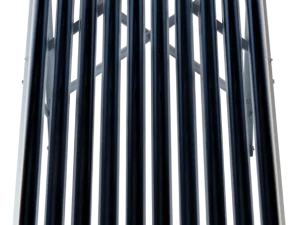
100L High Pressure Solar Geyser Conversion
ApolloIn stockR18378,00 Add to cart -

150L High Pressure Solar Geyser Conversion
ApolloIn stockR20014,00 Add to cart -
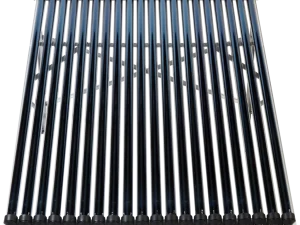
200L High Pressure Solar Geyser Conversion
ApolloIn stockR22078,00 Add to cart -
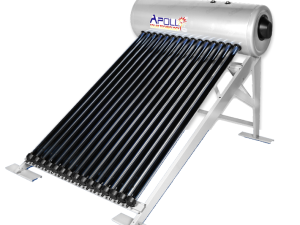
100L high-pressure solar geyser
ApolloIn stockR22956,00 Add to cart -
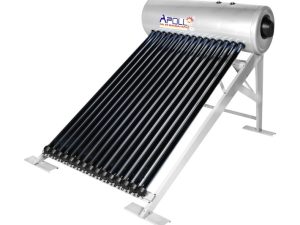
150L high-pressure solar geyser
ApolloIn stockR25412,00 Add to cart -

300L High Pressure Solar Geyser Conversion
ApolloIn stockR26617,00 Add to cart -

200L high-pressure solar geyser
ApolloIn stockR28066,00 Add to cart -
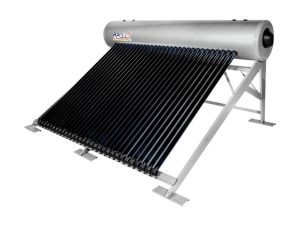
300L high-pressure solar geyser
ApolloIn stockR37619,00 Add to cart