

Toilet repair near me should help customers act quickly when a toilet leaks, blocks, runs continuously, flushes poorly, smells bad, moves on the floor or becomes unusable. A toilet fault can look simple from the outside, but the cause may be inside the cistern, at the water supply, around the pan connector, under the base, inside the flush mechanism or deeper in the drainage line.
Our repair approach is to identify the actual fault before replacing parts. We check whether the problem is clean water, wastewater, a cistern issue, a flush issue, a drain blockage, a seal problem or an installation fault. This helps homeowners, tenants, landlords, offices, shops and property managers get a practical repair that lasts.
Toilet Repair Problems We Help With
Toilets are used every day, so even a small fault can quickly become disruptive. We help with urgent toilet repairs, planned repairs and repeat toilet problems where the previous fix did not solve the cause.
- Leaking Toilet
- Running Toilet
- Blocked Toilet
- Overflowing Toilet
- Weak Flush
- Broken Flush Button
- Faulty Fill Valve
- Faulty Flush Valve
- Pan Connector Leak
- Loose Toilet Pan
- Toilet Smells
- Geberit Toilet Fault
- Close-Coupled Toilet Leak
- Wall-Hung Toilet Fault
- Isolation Valve Leak
- Toilet Supply Pipe Leak
- Toilet Base Leak
- Repeat Toilet Blockages
Leaking Toilet Repairs
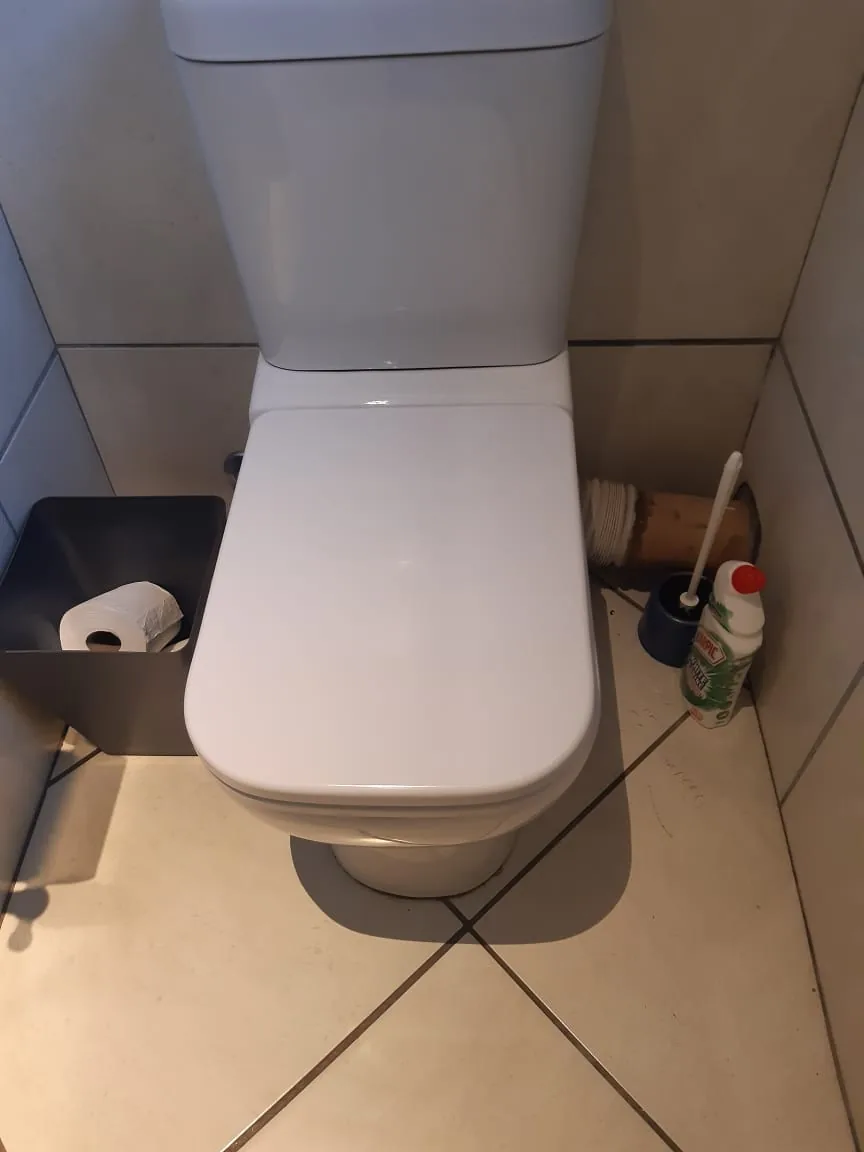
A leaking toilet can start as a small mark around the base, a drip from the cistern, water on the floor or constant movement through the pan. We do not treat every leak the same because the source can be the flush valve seal, fill valve, cistern bolts, pan connector, toilet supply pipe, isolation valve or the toilet base itself. Our first step is to isolate the water where possible, dry the area and test the toilet so the leak can be traced properly. Once the cause is confirmed, we repair or replace the faulty part, reseal where needed and test the toilet through several flush cycles. If the moisture suggests a hidden pipe or floor leak, we can also guide the customer toward water leak repairs or leak detection before the damage spreads.
Running Toilet And Cistern Repairs
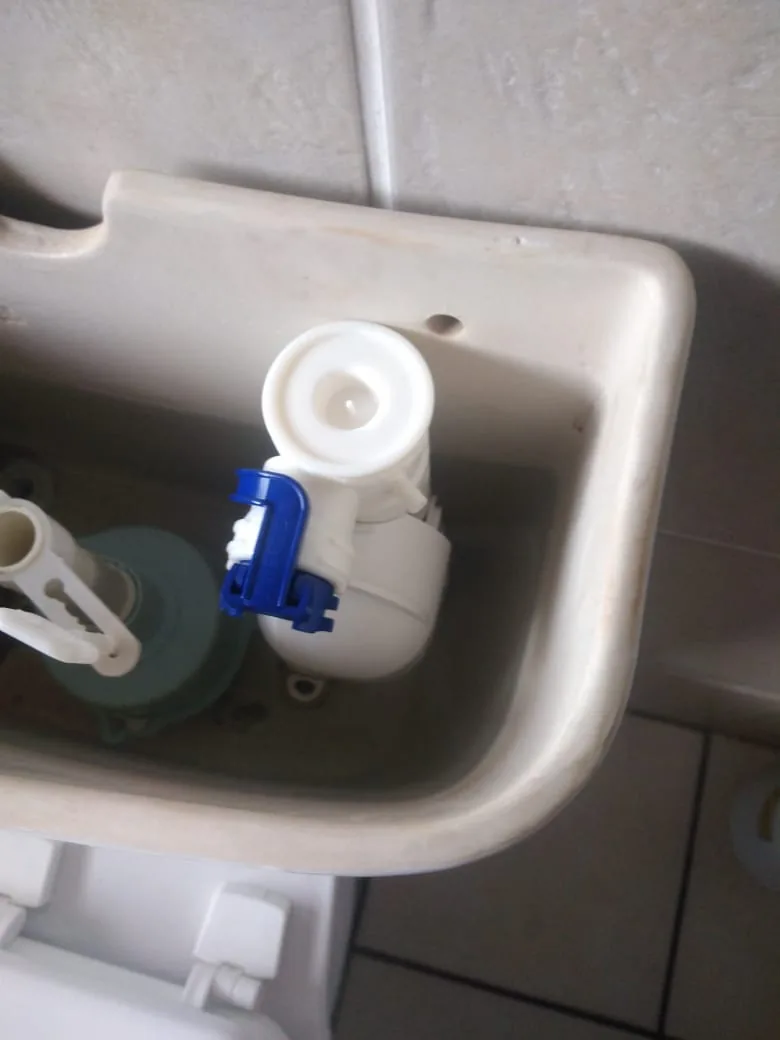
A running toilet is more than an annoying sound in the bathroom. It can waste water every day and often points to a worn fill valve, faulty flush valve seal, incorrect float setting or a cistern mechanism that no longer shuts off properly. We inspect the inside of the cistern, check the water level, test the inlet valve and confirm whether water is passing into the overflow or leaking through the flush valve into the pan. The repair may involve adjustment, cleaning, seal replacement or fitting the correct new valve. After the work is completed, we test the toilet repeatedly to make sure the cistern fills, stops and flushes correctly without continuous running.
Weak Flush And Poor Flushing
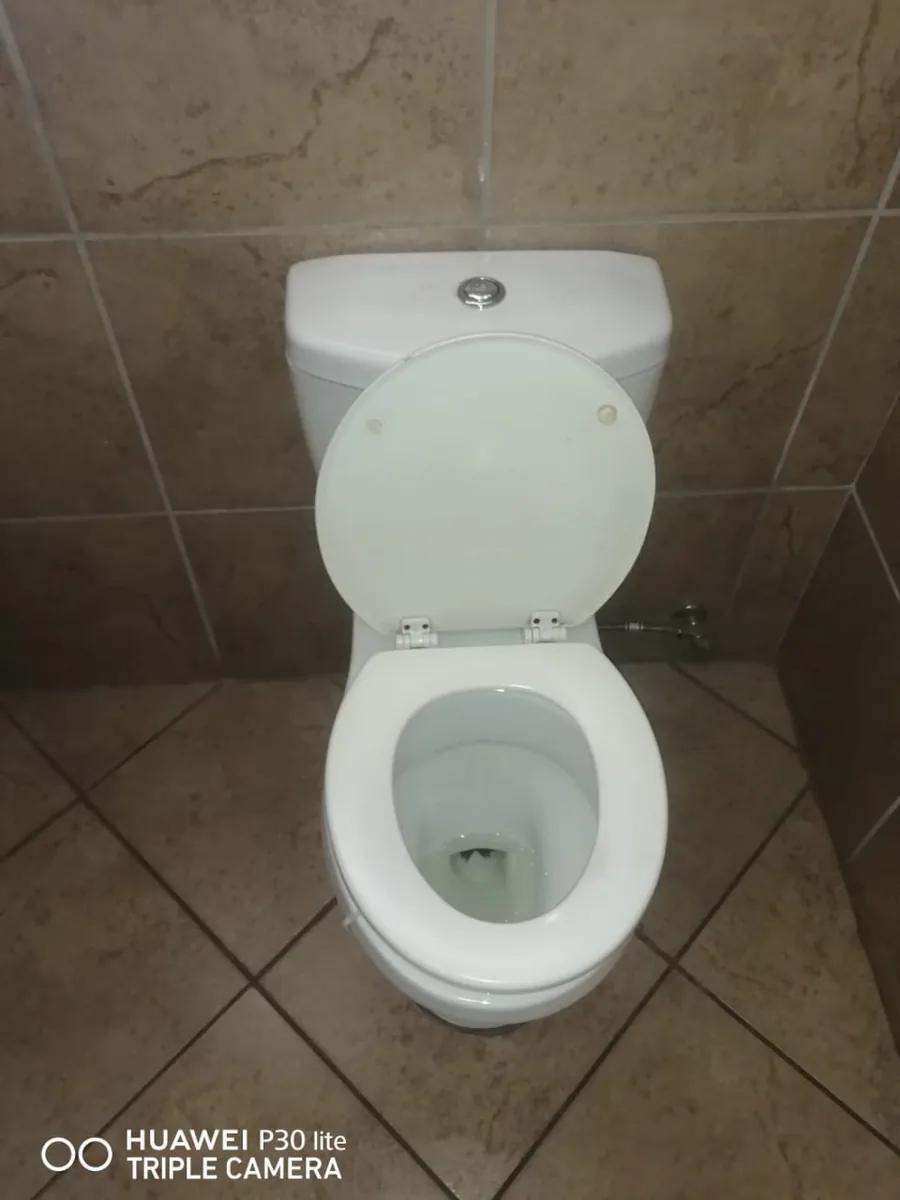
A weak flush can leave waste behind, require multiple flushes and make customers think the toilet is blocked when the real problem may be inside the cistern. Common causes include low water level, a worn flush valve, incorrect dual-flush setting, restricted rim holes, a failing button mechanism or a partial blockage in the trap or pan connector. We test the flush strength, inspect the cistern components and check whether water is entering and leaving the toilet correctly. If the issue is mechanical, we repair the flushing parts. If the toilet is draining slowly, we check for blocked toilet or repeat blockage symptoms so the repair deals with the cause instead of only improving the flush temporarily.
Blocked Toilet Repairs
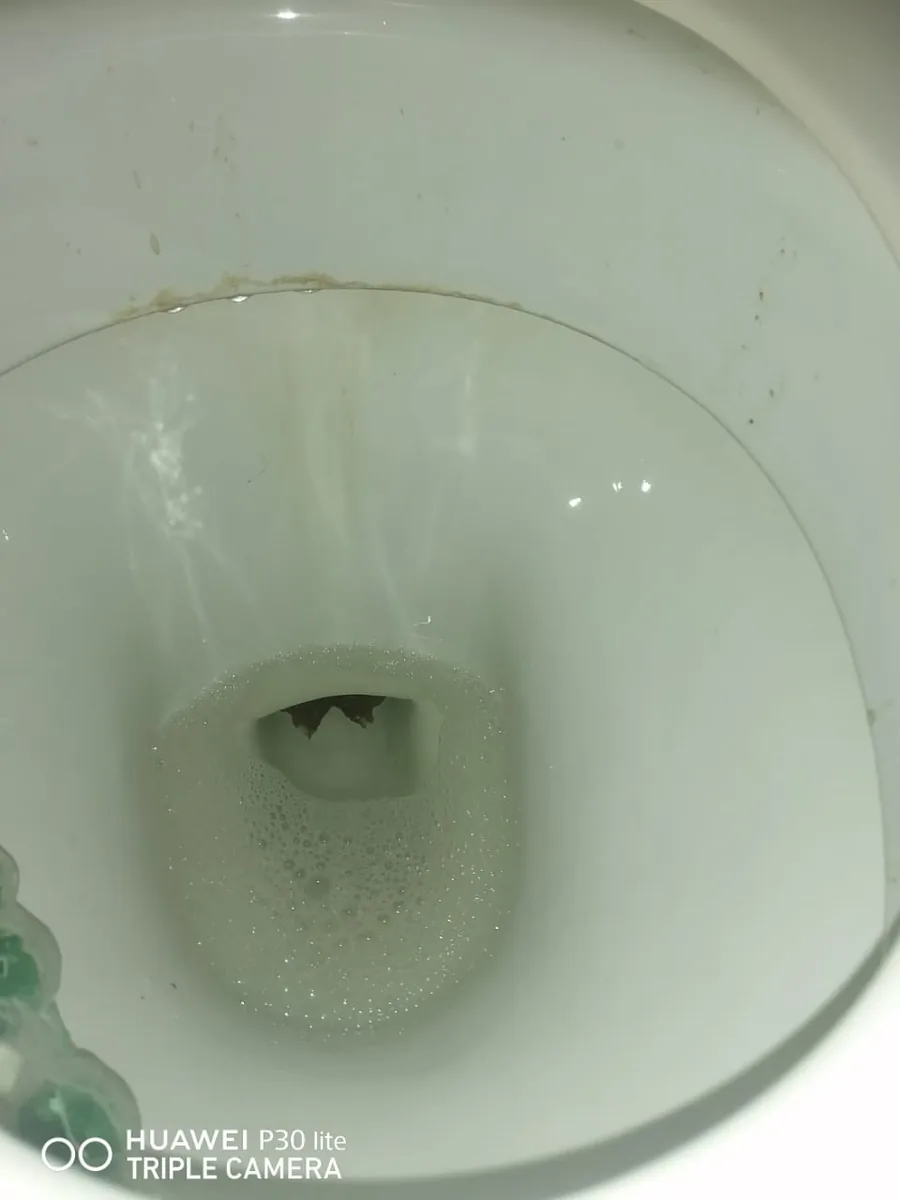
A blocked toilet can quickly become an emergency, especially when the pan fills up, overflows or bubbles when other fixtures drain. We first stop unnecessary flushing and assess whether the blockage is inside the toilet trap, at the pan connector, in the branch waste line or deeper in the drainage system. The repair method depends on the cause, not just the symptom. We clear the obstruction using suitable plumbing equipment, test the toilet with repeated flushes and check whether water flows away correctly. If the same toilet blocks again and again, we look for deeper causes such as poor fall, foreign objects, pipe defects or a problem linked to the main drain.
Overflowing Toilet Emergencies
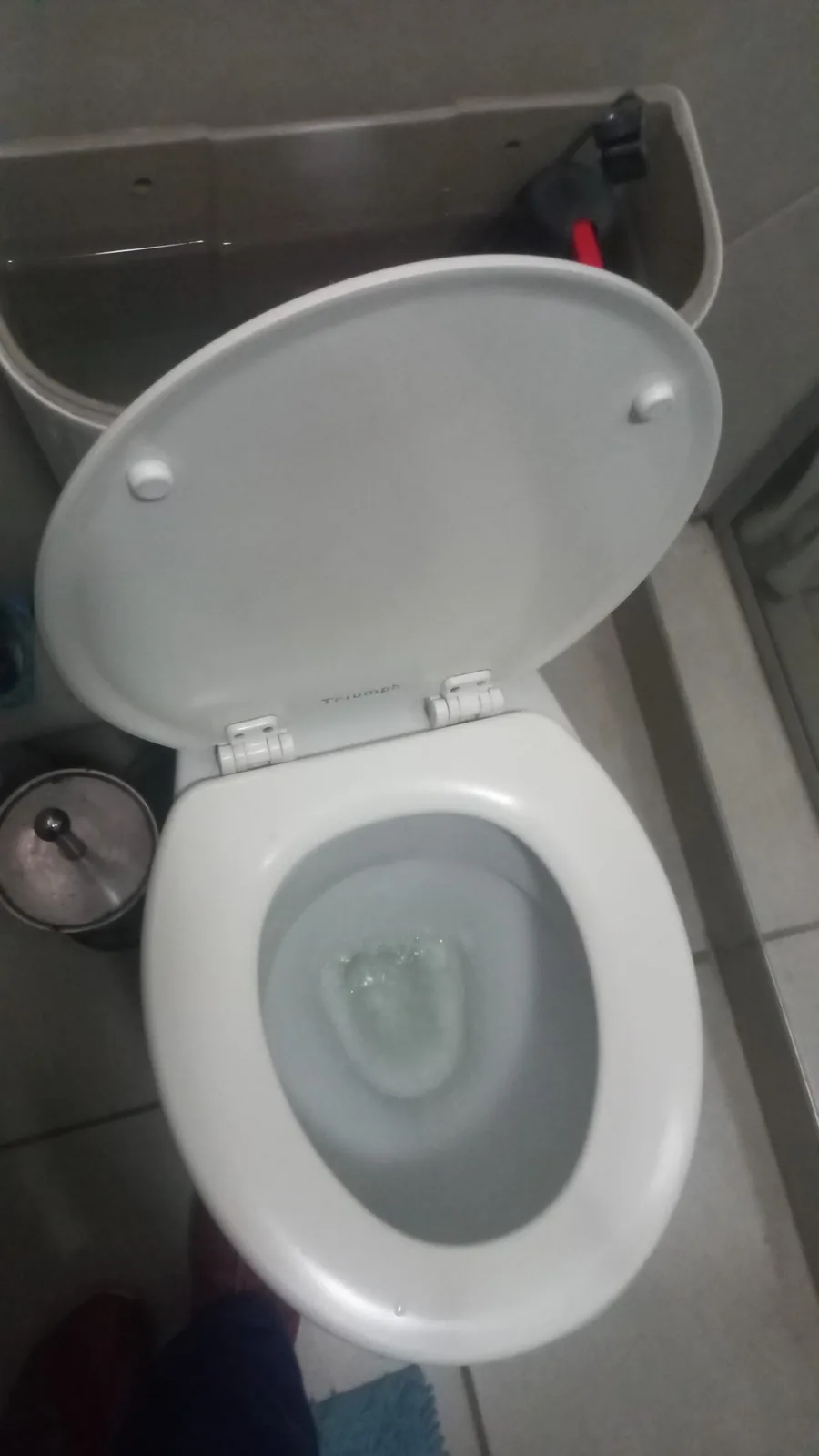
An overflowing toilet needs fast control because wastewater can spread across floors, into nearby rooms and sometimes into ceilings below. The safest first step is to stop using the toilet and shut off the toilet isolation valve if it is accessible and working. When we arrive, we identify whether the overflow is caused by a blockage, a cistern fault, a stuck fill valve or drainage backup. The repair may include clearing the toilet, fixing the cistern components and checking the surrounding floor area for signs of leakage. Once the immediate overflow is controlled, we test the toilet carefully before leaving so the customer knows it is safe to use again.
Toilet Pan Connector Leaks
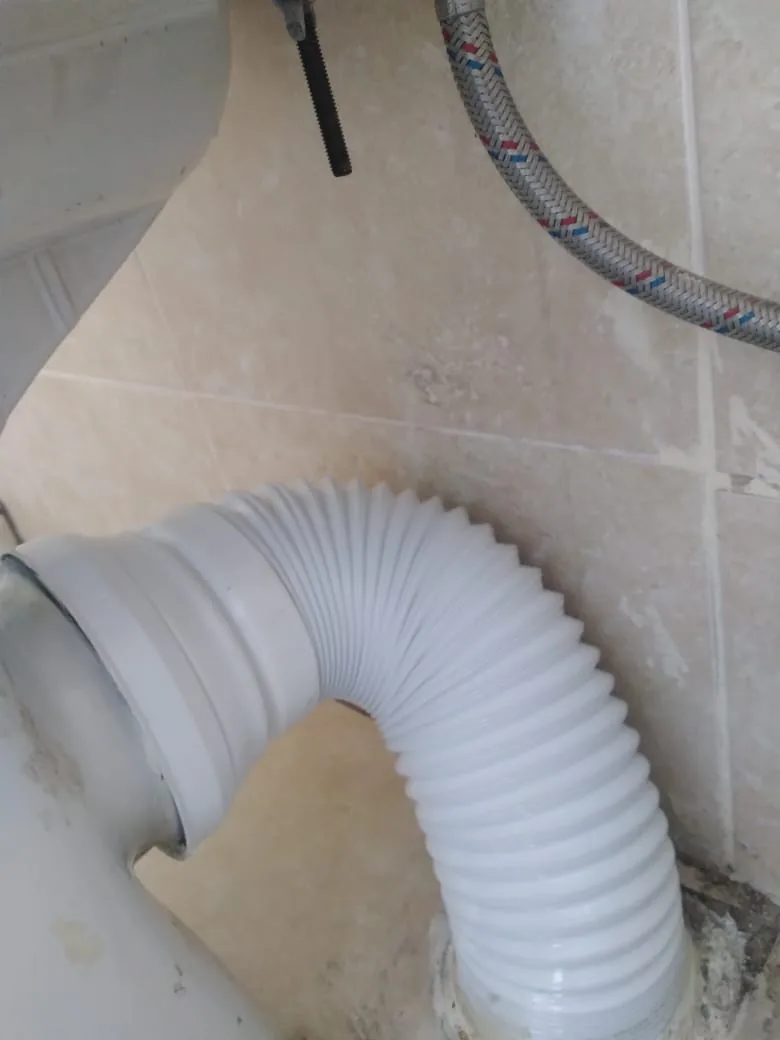
The pan connector is the fitting that joins the toilet pan to the waste pipe. When it cracks, hardens, shifts or was installed incorrectly, water and odours can escape behind or around the toilet. Customers often notice a smell, damp mark, leak at the back of the pan or water appearing after flushing. We inspect the connector, check the toilet position and test the flush to confirm whether the leak is coming from the waste connection rather than the cistern or supply pipe. Depending on access and condition, the repair may involve refitting, replacing or resealing the connector so the toilet discharges correctly without leaks or sewer smells.
Loose Or Rocking Toilet Repairs

A loose toilet pan should not be ignored because movement can break seals, stress the pan connector, loosen the supply connection and create leaks at the base. We check whether the movement comes from loose fixings, uneven tiles, failed sealant, damaged floor material or a problem with the toilet installation. The toilet may need to be refixed, levelled, resealed or lifted for closer inspection if the base leak is already active. After the repair, we test the toilet while applying pressure and flushing several times to make sure the pan is stable and the waste connection remains dry.
Toilet Isolation Valve And Supply Leaks
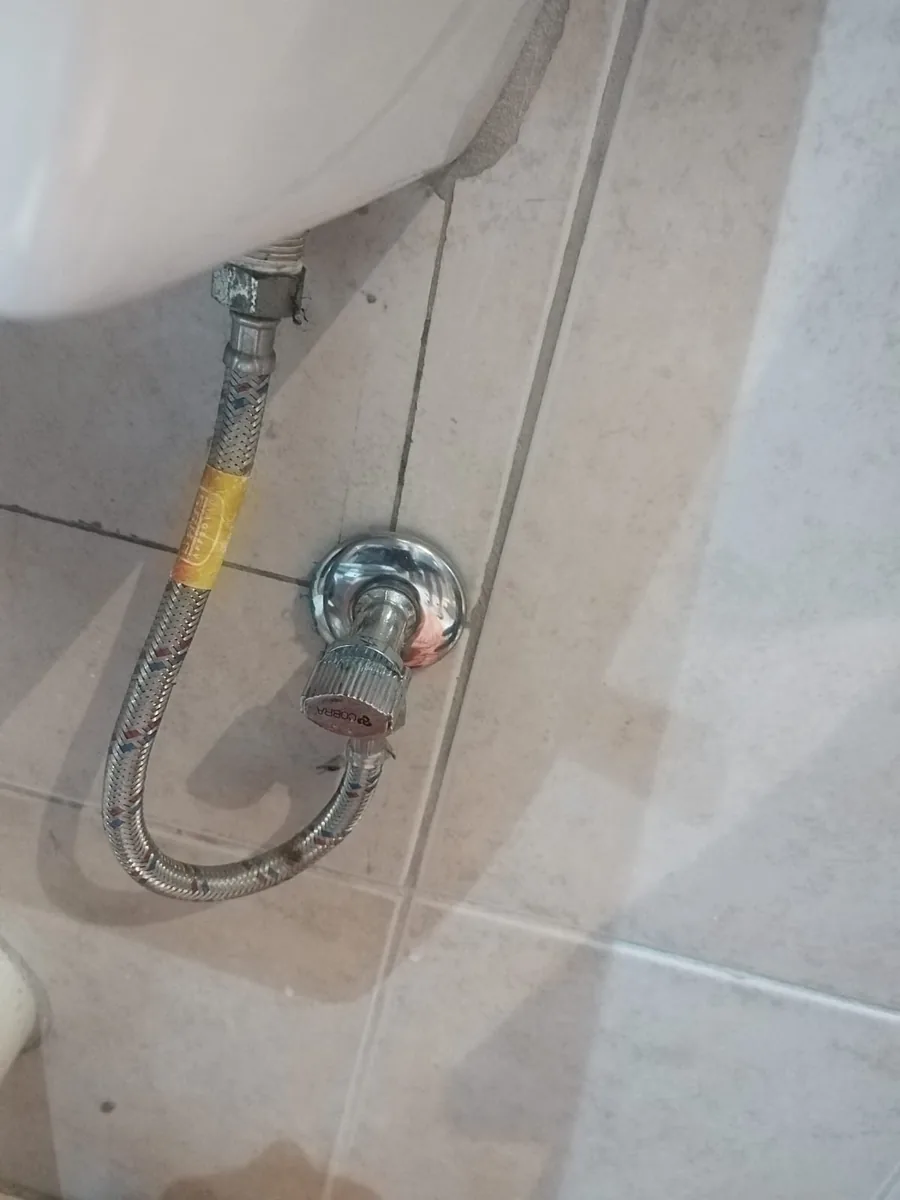
The isolation valve and toilet supply pipe control clean water feeding the cistern. If the valve leaks, seizes or fails to close, even a simple cistern repair becomes harder because the toilet cannot be shut off safely. Customers may see dripping from the small valve, corrosion on the connector or water collecting near the wall or floor. We inspect the valve, flexible connector or copper supply pipe and confirm where the leak starts. The repair may involve tightening, replacing the faulty valve, replacing a damaged connector or correcting the supply connection so future toilet repairs can be done safely.
Broken Flush Button And Handle Repairs
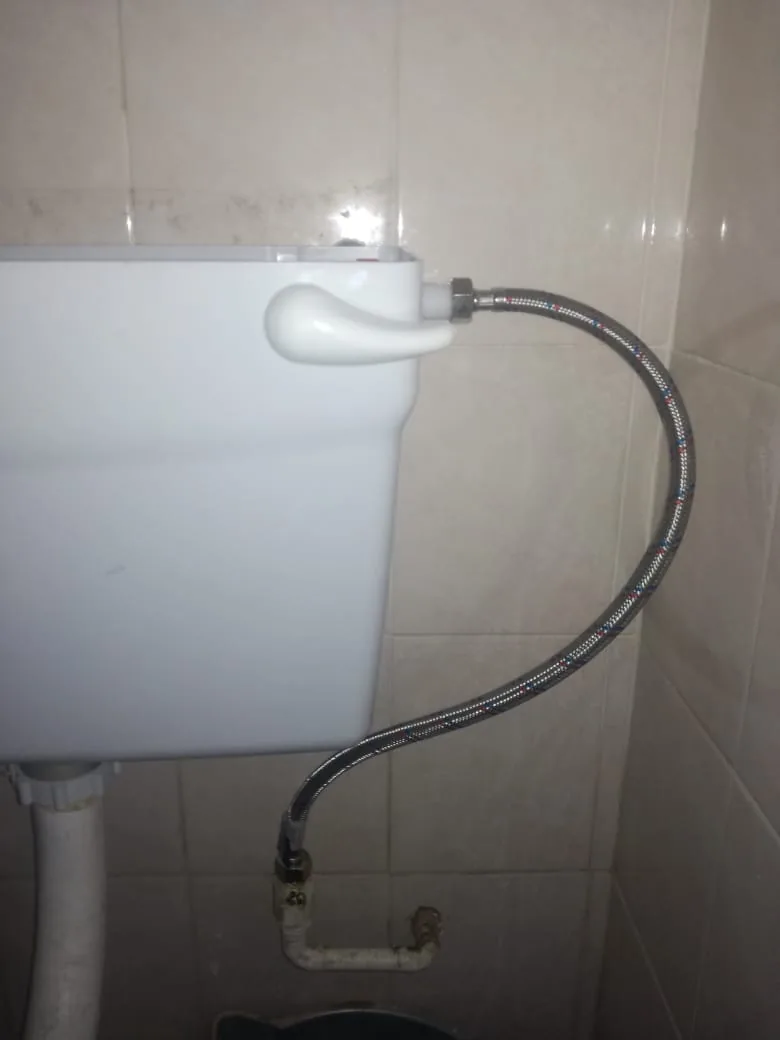
Flush buttons and handles wear out because they are used many times every day. A broken flush button can stop the toilet from flushing, leave the flush valve stuck open or cause weak and inconsistent flushing. We inspect the button, cable, rods, linkages and flush valve connection so the correct part is repaired instead of guessing. Some close-coupled toilets use simple button assemblies, while concealed and wall-hung toilets may use flush plates that must be opened carefully. Once repaired or replaced, we test both full and half flush operation where applicable to confirm the toilet responds correctly.
Fill Valve And Inlet Valve Replacement
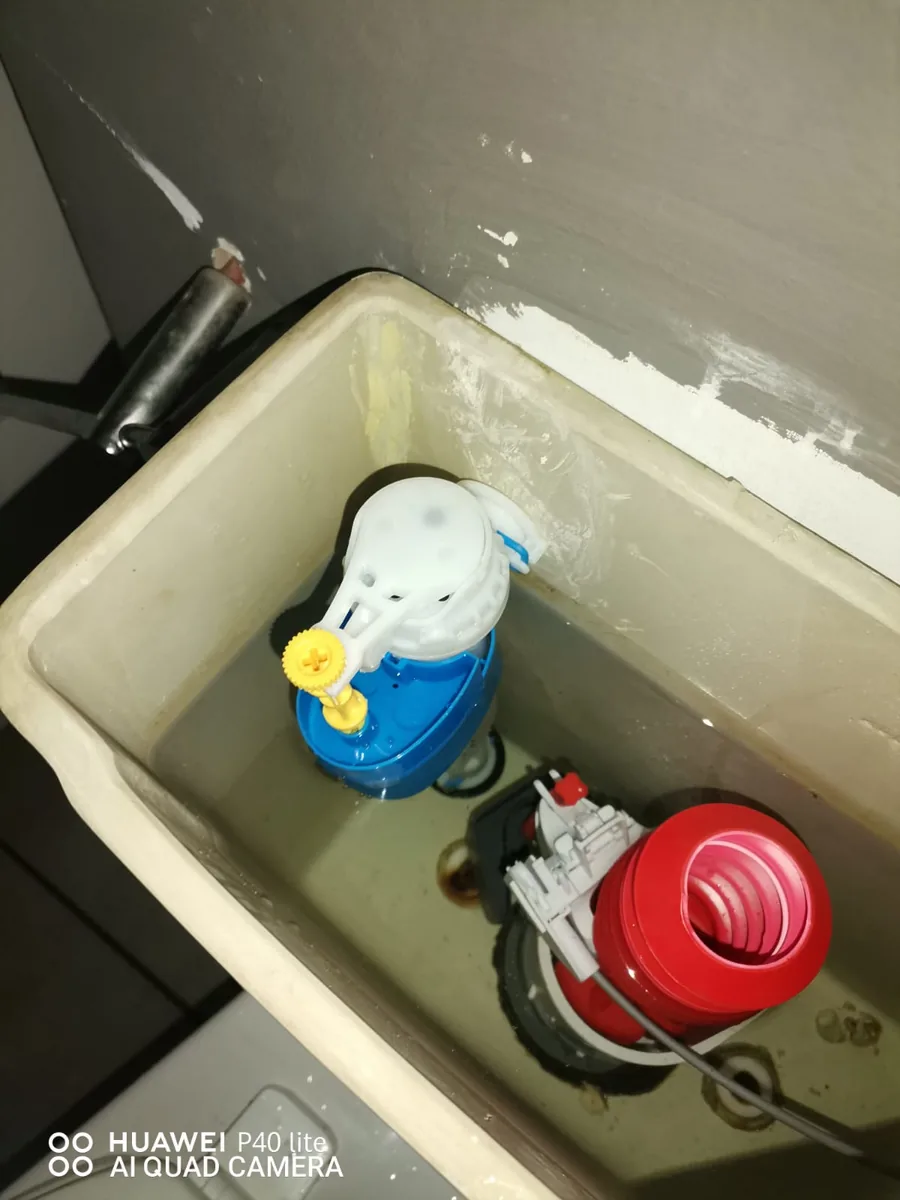
The fill valve controls water entering the cistern after each flush. When it fails, the cistern may fill slowly, make noise, overfill, fail to fill or continue running into the pan. We inspect the valve type, water pressure, float setting and overflow level before replacing anything. The correct replacement matters because not every cistern uses the same side-entry, bottom-entry or concealed-cistern valve. After fitting the new valve, we adjust the water level and test several flush cycles to confirm the cistern fills quickly, shuts off properly and does not create a running toilet fault.
Flush Valve And Seal Replacement
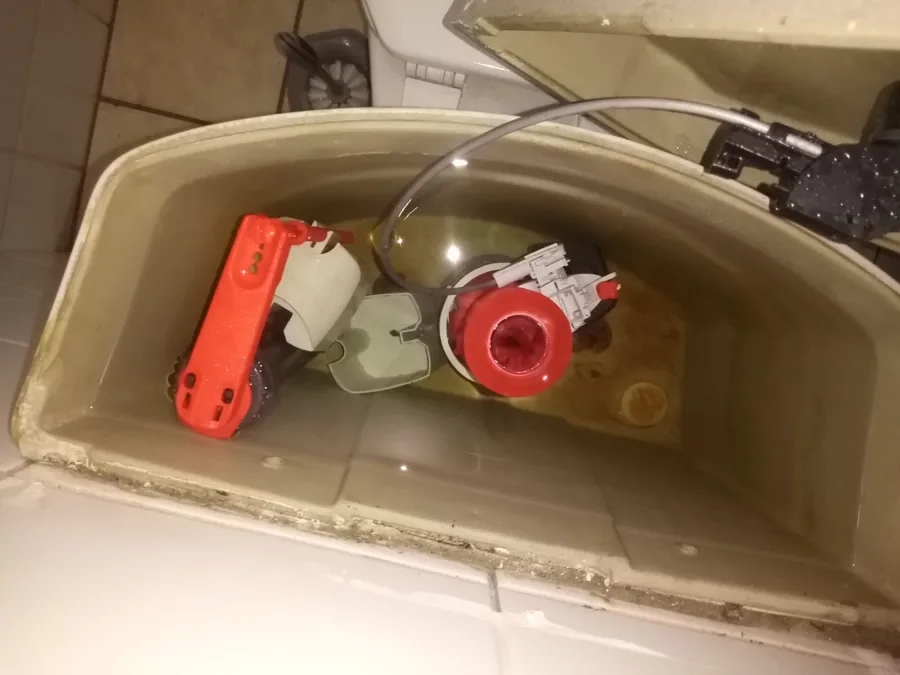
The flush valve releases water from the cistern into the pan. When the valve, seal or seating surface wears out, the toilet can lose water into the pan, flush weakly or continue running after every flush. We inspect the flush valve assembly, button connection and seal condition before deciding whether cleaning, reseating, seal replacement or a full valve replacement is needed. The repair is then tested by filling the cistern, checking for silent water movement into the bowl and flushing repeatedly. A correct flush valve repair helps stop water wastage and restores reliable flushing.
Geberit Toilet Repairs
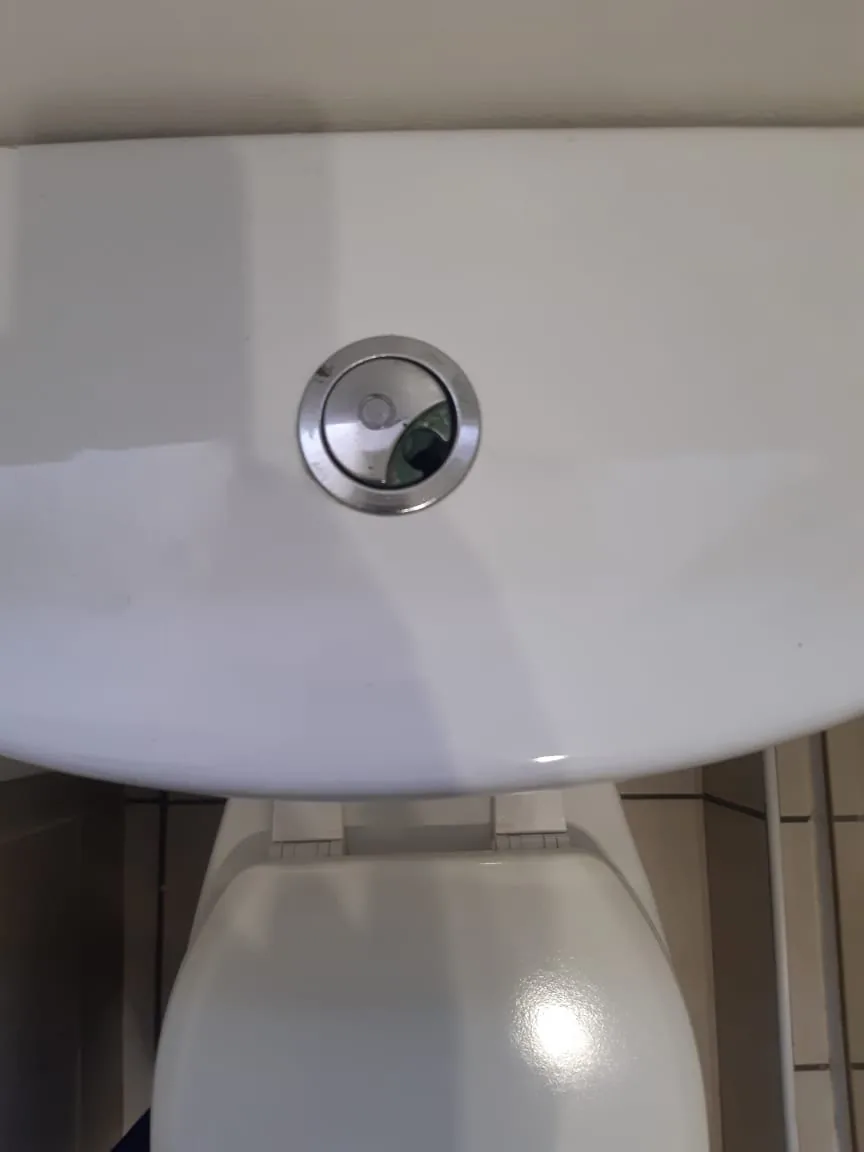
Geberit toilet repairs often involve concealed cisterns, branded fill valves, flush valves, seals, flush plates and wall-hung toilet systems. Because many working parts are hidden behind the wall, the repair must be approached carefully through the access opening. We inspect the flush plate, internal mechanism and water-control components before removing parts. Where Geberit components are visible or required, we match the repair to the system rather than forcing generic parts into a concealed cistern. After repair, we test the flush plate, water shut-off, refill level and flushing performance so the customer knows the hidden system is working correctly.
Close-Coupled Toilet Repairs
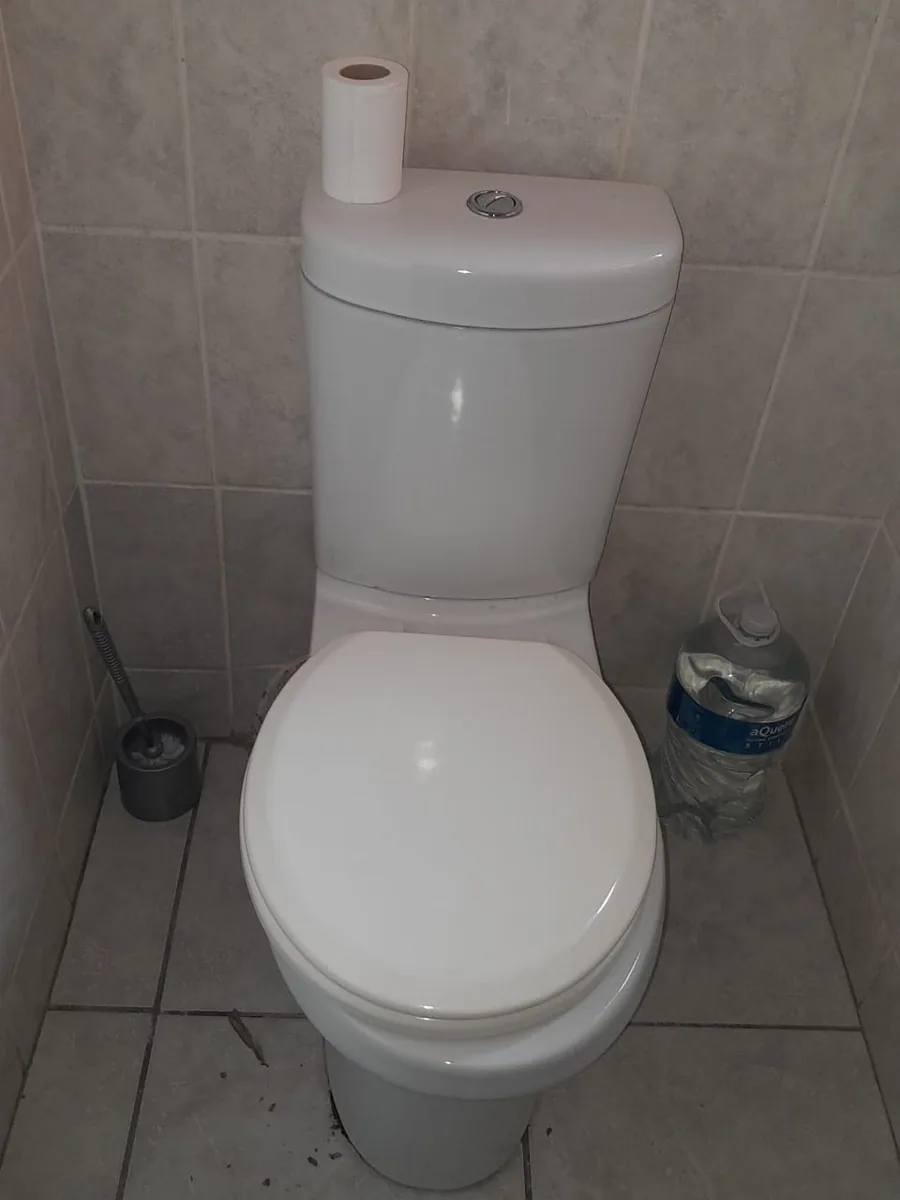
Close-coupled toilets are common in homes, rentals and commercial bathrooms. Faults may involve the cistern bolts, doughnut seal, inlet valve, flush valve, button, pan connector, supply pipe or isolation valve. Because the cistern sits directly on the pan, leaks can appear between the cistern and bowl, behind the toilet or around the base. We test the toilet systematically so the source is confirmed before parts are removed. Repairs may include replacing seals, valves, buttons or connectors and then testing the toilet under normal use. This avoids repeated call-outs caused by fixing one visible symptom while missing the actual fault.
Wall-Hung Toilet Repairs
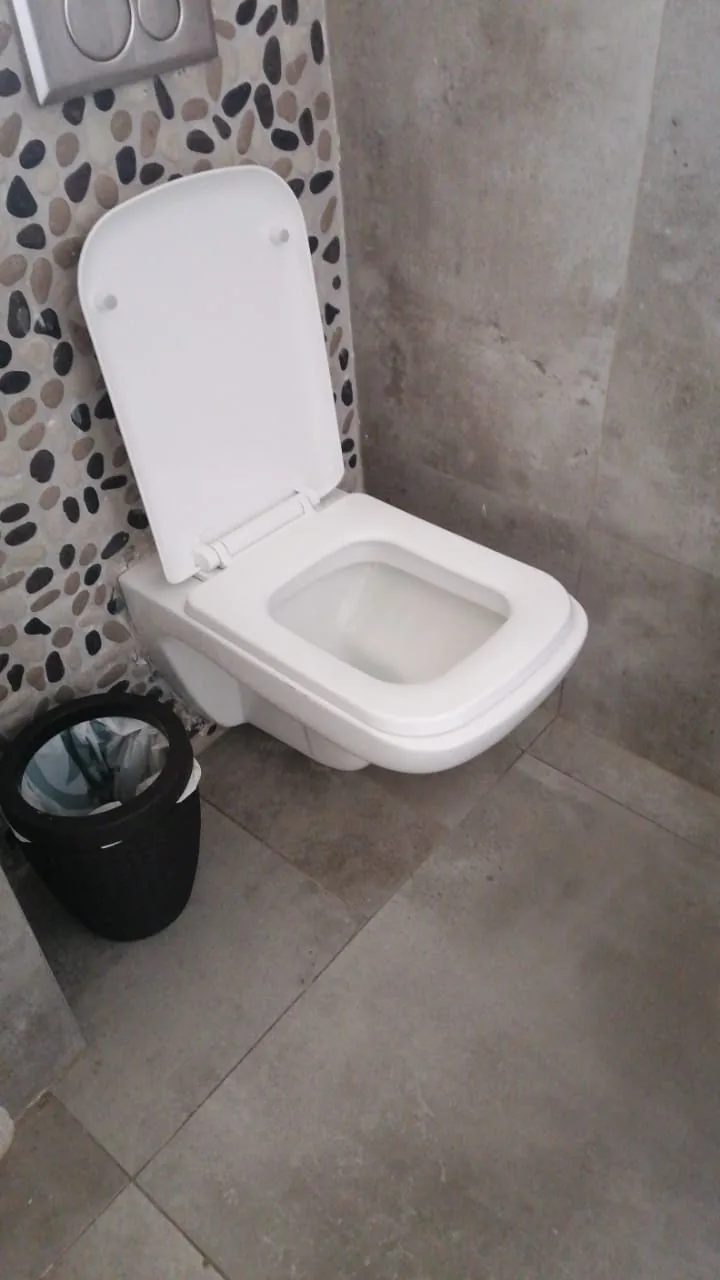
Wall-hung toilets need careful fault-finding because the pan is fixed to a frame and the cistern is usually concealed. Customers may report poor flushing, loose movement, a leaking pan connection, a broken flush plate or water running inside the concealed system. We inspect the pan stability, flush plate, access opening and internal cistern components before deciding on the repair. Where possible, work is completed through the service opening to avoid unnecessary damage to tiles or walls. After repair, we test flushing, refilling and visible leak points so the toilet can be used with confidence.
Toilet Smells And Sewer Odours
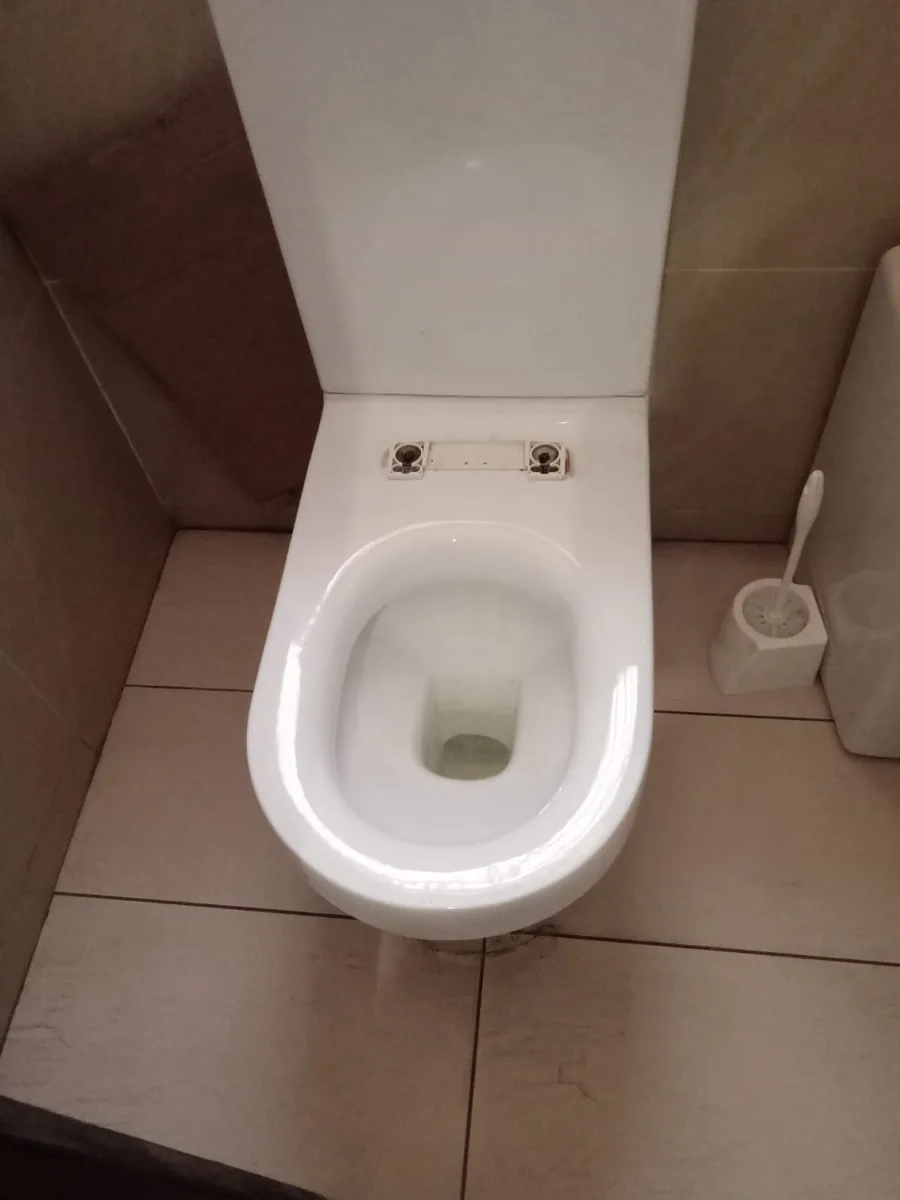
Toilet smells are often blamed on cleaning, but persistent odours usually point to a plumbing fault. Common causes include a leaking pan connector, failed seal at the base, dry trap, cracked pan, hidden leak or sewer gas escaping from the waste connection. We inspect around the back and base of the toilet, test flushing and check whether smells become worse when the toilet or nearby fixtures are used. The repair may involve resealing, refitting the connector, correcting movement or investigating deeper drainage issues. A proper repair should remove the source of the odour rather than covering it with chemicals.
Toilet Replacement Advice
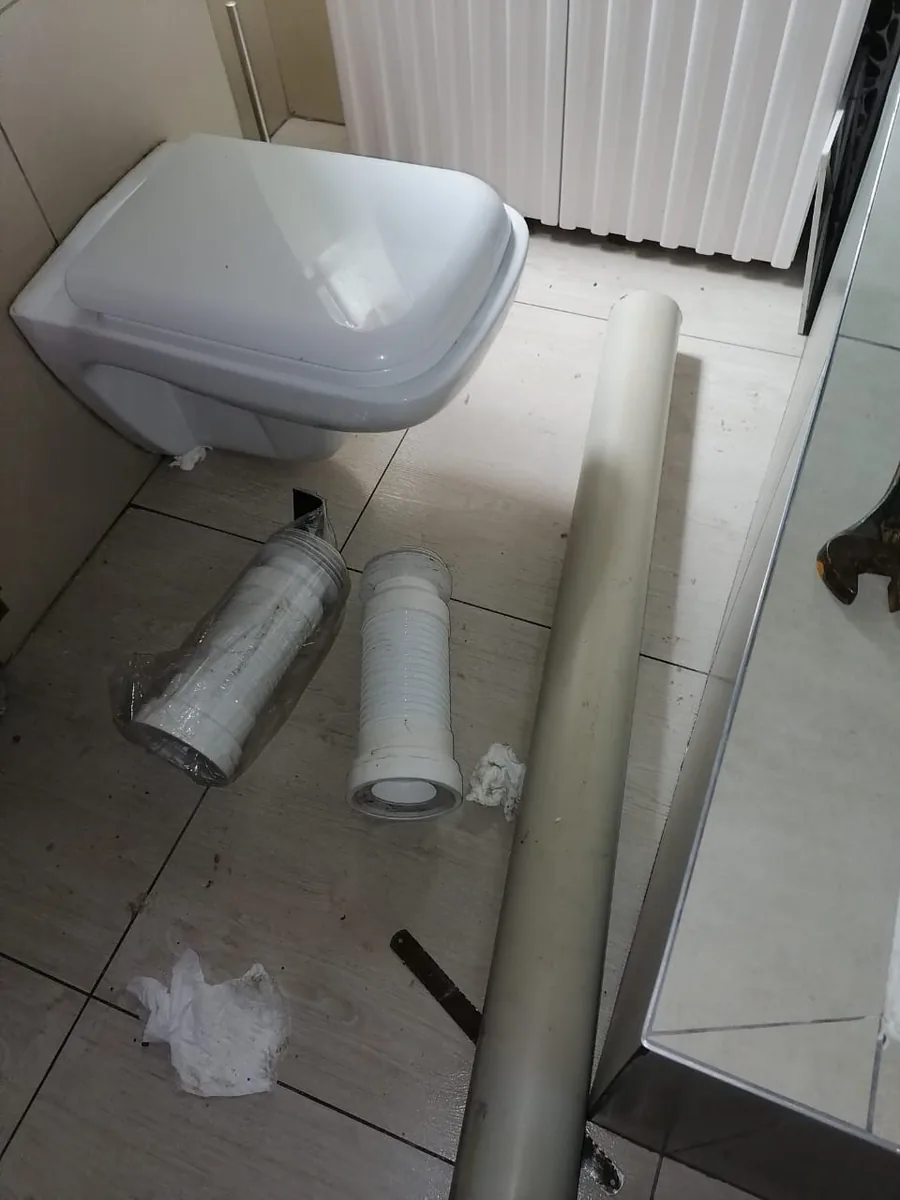
Sometimes replacement is a better choice than repeated repairs. This may apply when the toilet pan or cistern is cracked, the base is unstable, parts are obsolete, the same blockage keeps returning or the installation has ongoing leak problems. We first inspect whether a repair is still practical, then explain the options clearly. If replacement is needed, we consider the existing waste outlet, water supply, floor condition, pan position and cistern style before recommending the next step. The goal is not to replace unnecessarily, but to prevent customers from spending money repeatedly on a toilet that is no longer reliable.
Rental, Office And Commercial Toilet Repairs

Toilet faults in rentals, offices, shops and commercial bathrooms must be handled quickly because they affect tenants, staff, customers and hygiene standards. We assist with leaking toilets, blocked toilets, broken flush buttons, running cisterns, weak flushing, loose pans and supply leaks. For property managers and landlords, clear diagnosis is important because the repair must solve the fault and reduce repeat complaints. We inspect the toilet, explain what failed and complete the practical repair where possible. Afterward, the toilet is tested so the property can return to normal use with less disruption.
Why Fast Toilet Repair Matters
A leaking or blocked toilet can create water damage, bad smells, hygiene concerns and unnecessary stress. For more urgent bathroom faults, customers can also review Emergency Plumbers Near Me. A running cistern can waste water for days before the customer realises how much it is costing. A loose toilet can damage seals and create a leak at the base. Early repair protects the bathroom, reduces water waste and helps prevent emergency callouts later.
What You Get For Free From Plumbers Near Me
We offer free call-out fees, free quotes, practical fault finding, same-day support where possible, guaranteed workmanship and after-sales support. Customers can WhatsApp photos of the toilet, cistern, leak, flush mechanism, isolation valve or base of the pan so the team can understand the fault before arrival.
Service Overview
Professional toilet repair near me services help restore safe, hygienic and dependable bathroom use. We repair leaking toilets, running cisterns, poor flushing, broken flush buttons, pan connector leaks, unstable toilets and urgent toilet faults. You can also explore Blocked Toilet Plumbers for closely related help.
What You Get For Free
Need help with toilet repair near me? We keep the same value signals used across the site: free call-out fees, free quotes, same-day support where possible, knowledgeable staff and clear communication throughout the job.
- Free call-out fees
- Free quotes
- Same-day support where possible
- Guaranteed workmanship
Frequently Asked Questions
What toilet problems can a plumber repair?
A plumber can repair leaking toilets, running cisterns, weak flushing, blocked toilets, overflowing toilets, loose toilet pans, broken flush buttons, faulty fill valves, faulty flush valves, pan connector leaks, toilet isolation valve leaks, cracked cisterns and toilet water supply problems.
When is toilet repair urgent?
Toilet repair is urgent when the toilet overflows, the only toilet on the property cannot be used, wastewater is backing up, clean water is leaking onto the floor, the cistern will not stop running, or the leak is affecting walls, floors or neighbouring units.
Why is my toilet running continuously?
A toilet that keeps running is often caused by a faulty fill valve, worn flush valve seal, incorrectly adjusted float, damaged inlet valve, stuck flush button or water level set too high. Continuous running wastes water and should be repaired before it increases the utility bill.
Why is water leaking around the base of my toilet?
Water around the base can be caused by a failed pan connector, loose toilet pan, damaged seal, cracked pan, leaking supply pipe, leaking isolation valve or condensation. The source should be confirmed before sealing around the toilet because sealing alone may hide the real leak.
Can a leaking toilet damage the floor?
Yes. A leaking toilet can damage tiles, grout, timber, cupboards, skirting, ceilings below and waterproofing. Slow leaks are especially risky because they can continue unnoticed for a long time before visible damage appears.
Why does my toilet flush weakly?
A weak flush can be caused by low cistern water level, faulty flush valve, blocked rim holes, restricted flush mechanism, incorrect cistern parts, poor water supply, partial blockage or drainage problems further down the line.
Why does my toilet keep blocking?
Repeat toilet blockages may be caused by too much toilet paper, foreign objects, poor flushing, a partial obstruction, damaged pipework, incorrect toilet installation, root intrusion, or a deeper sewer line problem. Repeat blockages should be investigated rather than repeatedly cleared.
Can a plumber fix a broken toilet flush button?
Yes. A plumber can replace broken flush buttons, flush mechanisms, dual-flush valves and related cistern parts. The correct replacement depends on the cistern type, flush valve style and available access.
Can you repair Geberit toilets?
Yes. Geberit toilets and concealed cistern systems can often be repaired through the flush plate opening, depending on the installation. Common repairs include fill valves, flush valves, seals, flush plates, running water, weak flushing and hidden cistern leaks.
Can you repair close-coupled toilets?
Yes. Close-coupled toilets can usually be repaired by replacing faulty cistern internals, pan connectors, inlet valves, flush valves, seals, buttons or water supply fittings. The toilet pan must also be checked if it is loose or leaking at the base.
Should I repair or replace my toilet?
Repair is usually suitable when the pan and cistern are still in good condition and the fault is isolated to valves, seals, connectors or fittings. Replacement may be better when the toilet is cracked, unstable, badly stained, outdated, repeatedly blocking or expensive to keep repairing.
Why does my toilet smell bad even after cleaning?
Bad smells can come from a loose pan connector, failed seal, dry trap, poor ventilation, hidden leak, sewer gas escape, cracked pan or a deeper drain issue. Cleaning the bowl will not solve the problem if the smell comes from the waste connection.
Can a toilet leak increase my water bill?
Yes. A running cistern or hidden toilet leak can waste a large amount of water over time. If the toilet refills by itself, water runs into the pan, or the cistern never stops filling, it should be repaired promptly.
Do you repair toilets in offices and rental properties?
Yes. Toilet repairs can be arranged for homes, flats, rental units, offices, shops, restaurants, guest houses, schools and public-facing premises where a working toilet is essential for hygiene and daily use.
What should I do before the plumber arrives?
If clean water is leaking, turn off the toilet isolation valve if it is safe and accessible. Do not keep flushing a blocked or overflowing toilet. Take photos of the leak, cistern, flush mechanism or base of the toilet and send them by WhatsApp if possible.
Customer Reviews
Related Services
Blocked Toilet Plumbers
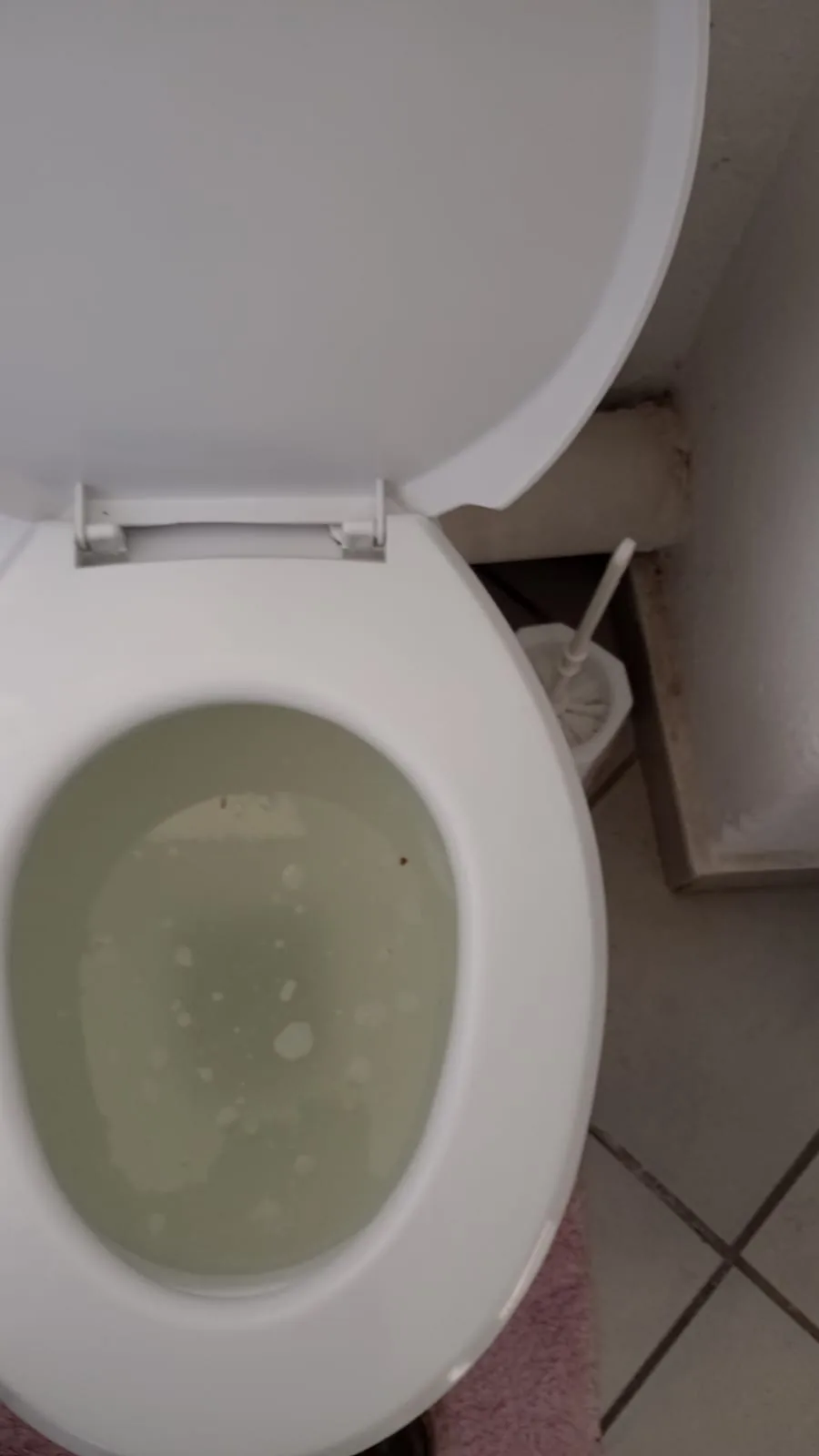
A toilet that will not clear, drains slowly, bubbles, smells bad or blocks again after being cleared may have a deeper problem than the visible water in the pan. The blockage can sit inside the toilet trap, pan connector, branch waste line or further down the drain.
Our blocked toilet plumbers focus on clearing the immediate blockage safely and checking whether the cause is likely to return. If the issue points beyond the toilet, Blocked Drain Cleaning may be the correct next step.
Read More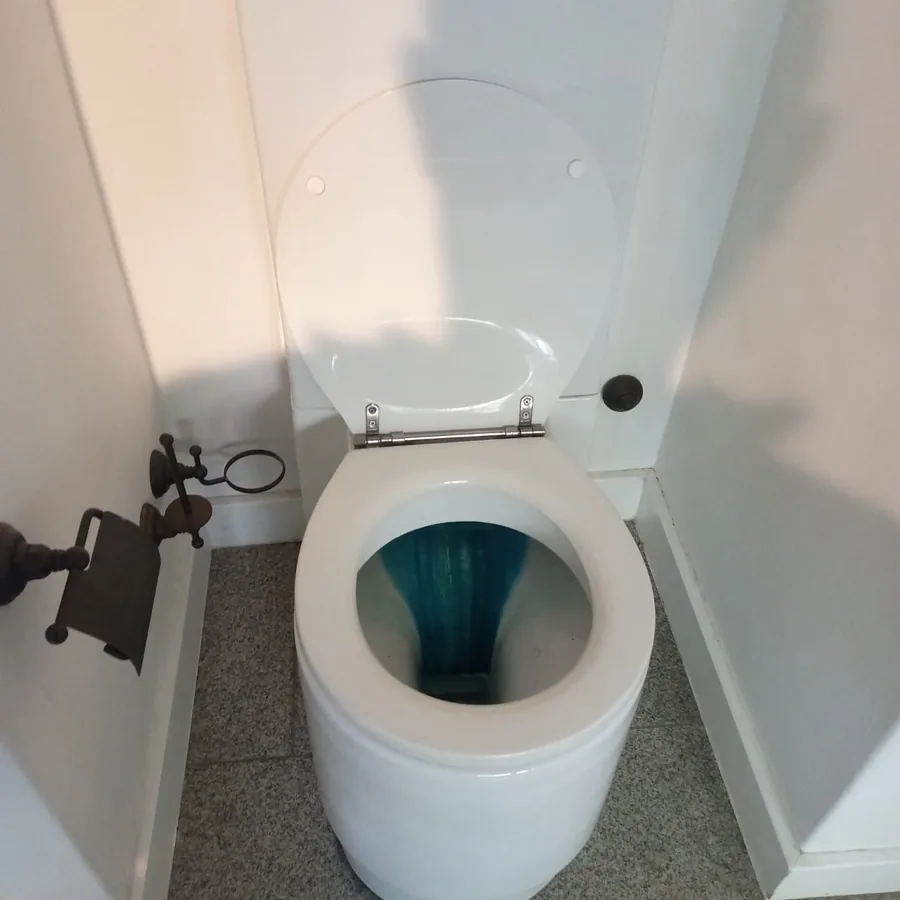
Emergency Toilet Repair
Emergency toilet repair is needed when the toilet overflows, cannot be used, leaks badly, will not stop filling, affects the only bathroom on the property or creates a hygiene risk for customers, tenants, staff or family members.
Urgent toilet faults should not be left overnight if water is escaping or wastewater is involved. Fast attention can help protect floors, ceilings, cupboards and surrounding rooms. For wider urgent help, see Emergency Plumbers Near Me.
Read More
Leaking Toilet Repairs
Leaking toilet repairs cover water escaping from the cistern, flush valve, inlet valve, pan connector, toilet base, isolation valve, flexible connector, supply pipe or overflow. The repair method depends on whether it is clean water or wastewater.
A small leak can still cause floor damage, mould, loose tiles, swollen skirting or ceiling stains below the bathroom. If water damage has already spread, Leak Detection may help confirm the source.
Read More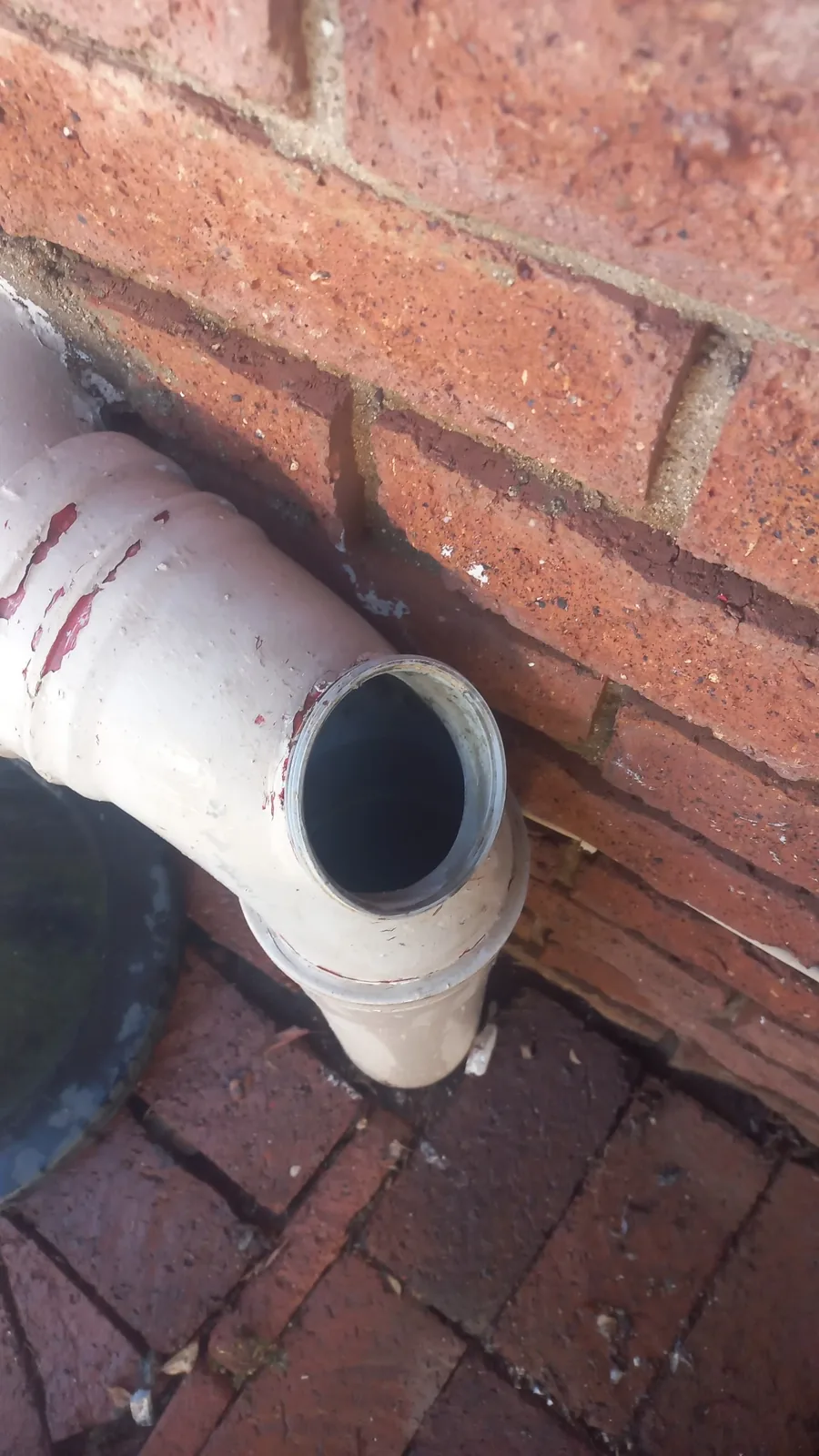
Blocked Drain Cleaning
Blocked drain cleaning becomes relevant when a toilet blockage is linked to a deeper waste line problem. Warning signs include more than one fixture backing up, gurgling sounds, sewage smells, outside gully overflow or repeat toilet blockages.
In these cases the toilet may only be the first place where the drainage problem becomes visible. Related support is available through Drain Cleaners Near Me and Sewer Line Repair And Replacement.
Read MoreNeed Toilet Repair Right Now?
A leaking, blocked, overflowing or unusable toilet should be repaired quickly, especially when it affects the only bathroom on the property. We help with running cisterns, leaking isolation valves, broken flush buttons, pan connector leaks, weak flushing, toilet base leaks, Geberit toilet faults, wall-hung toilet issues and commercial toilet repairs.
Call 067 895 4361 for urgent help, phone 067 657 6109 for general enquiries, or WhatsApp 072 139 8945 with photos of the toilet, cistern, leak, flush mechanism, isolation valve or pan connector so the team can understand the problem before arrival.
Free Quote Messaging
Customers often want clear advice before booking toilet repairs, especially when the problem involves a leaking toilet, running cistern, weak flush, blocked toilet or pan connector leak. Our free quote messaging helps customers explain what they are seeing, send photos where useful and understand the next practical step before work begins.
Same-Day Support Where Possible
Toilet faults can quickly become urgent when there is overflow, water wastage, bad smells or a toilet that cannot be used safely. Same-day support is aimed at helping customers deal with urgent toilet repair problems as soon as possible, including blocked toilets, overflowing toilets, leaking supply pipes, broken flush buttons and faulty fill valves.
Work We Have Done
These real toilet repair images have been reviewed image by image and labelled according to what is visible in each photograph. Geberit is only used where Geberit branding or a clearly branded Geberit part can be seen. Other images are described as toilet cistern repairs, flush valve repairs, float valve repairs, concealed cistern repairs, push button repairs or wall-hung toilet repairs.
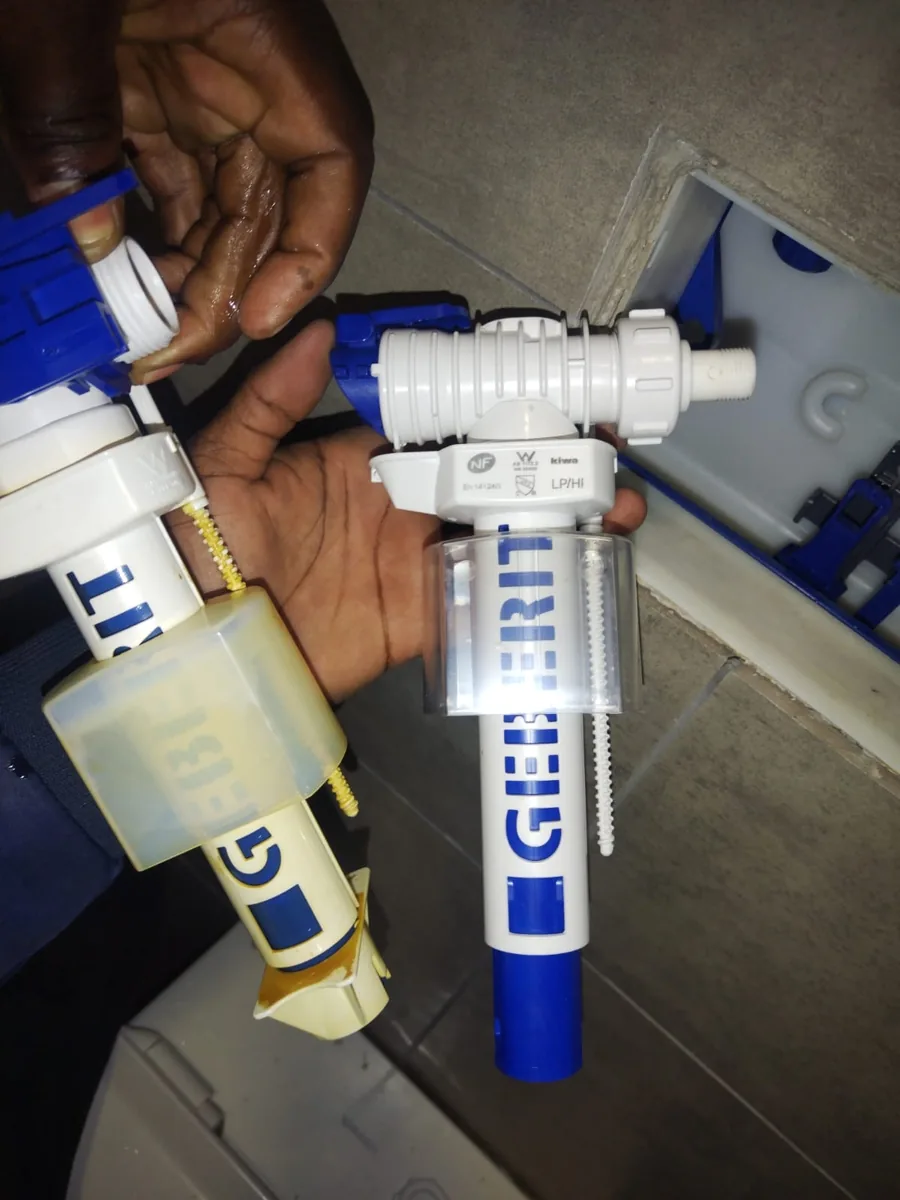
The customer called because the toilet kept refilling after use and water could be heard running inside the cistern. Once the cistern was opened, the old fill valve parts showed wear and were no longer controlling the water level correctly. We isolated the toilet supply, removed the failed parts and fitted the correct Geberit fill valve. The water level was then adjusted and the toilet was flushed repeatedly to confirm that the cistern filled quickly, shut off correctly and no longer wasted water.
Geberit Fill Valve Replacement
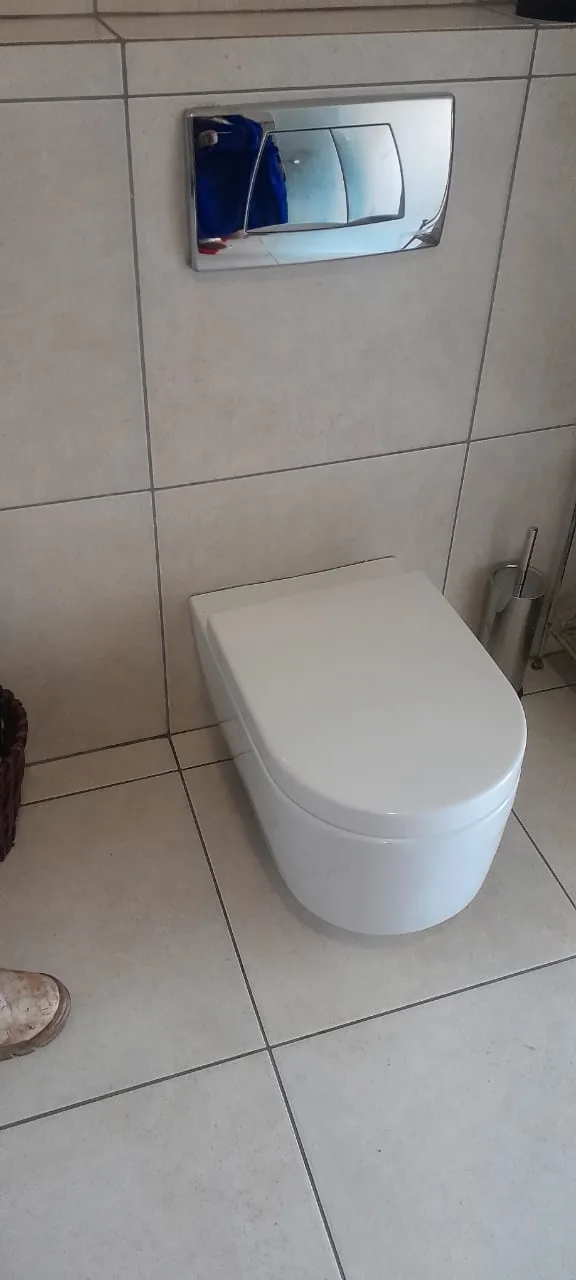
This wall-hung toilet was inspected after the customer reported inconsistent flushing and concern about a hidden fault behind the wall. We accessed the concealed cistern through the flush plate opening, checked the internal mechanism and tested the flush operation before removing any parts. The fault was corrected through the access opening, avoiding unnecessary damage to the wall finish. After the repair, the toilet was tested several times to confirm reliable flushing and normal concealed cistern operation.
Concealed Wall-Hung Toilet Repair
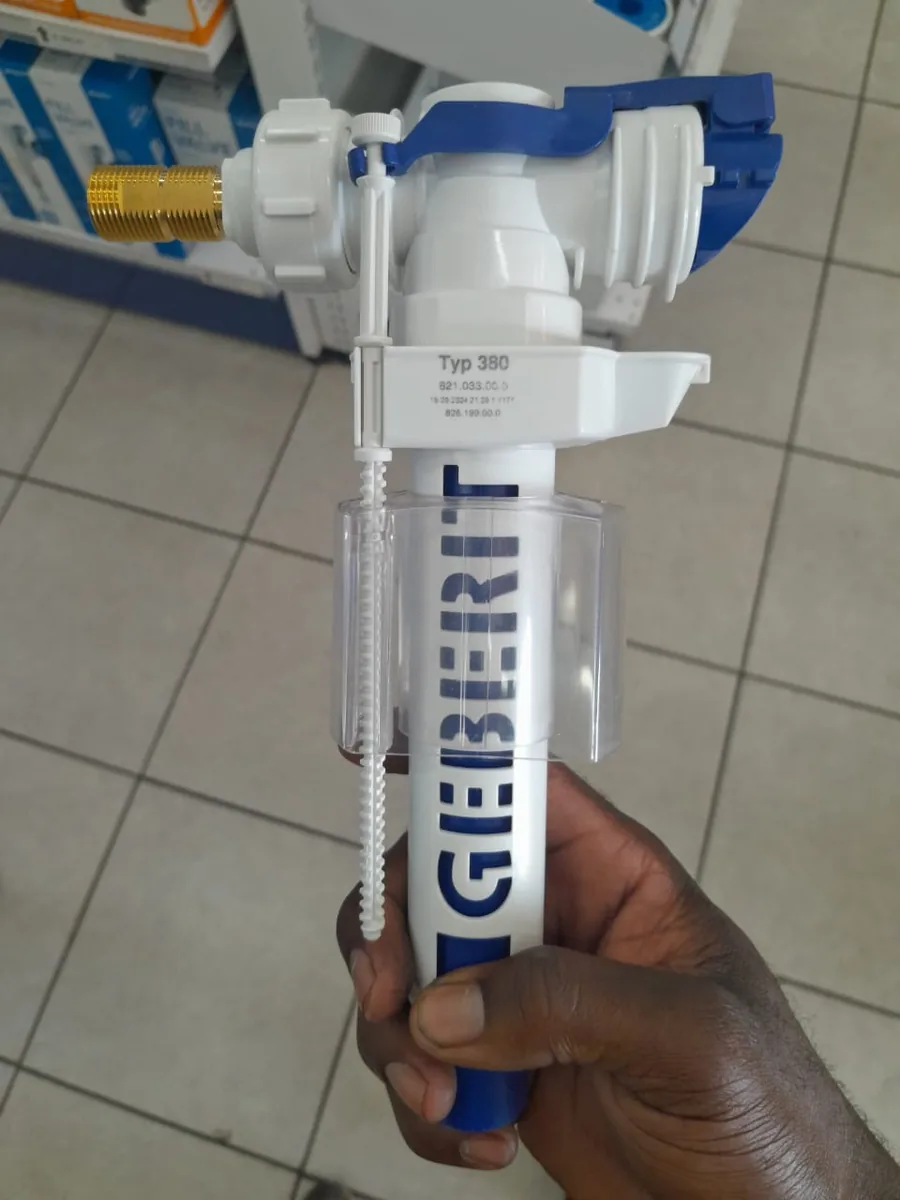
The customer had a concealed cistern that was slow to refill and sometimes continued running after the flush. The replacement Geberit Typ 380 fill valve was matched to the system before installation so the repair would suit the cistern instead of relying on a generic part. After fitting the valve, we adjusted the water level, checked the shut-off point and tested repeated flushes. The toilet returned to normal use with a controlled refill and no continuous running water.
Geberit Fill Valve Part
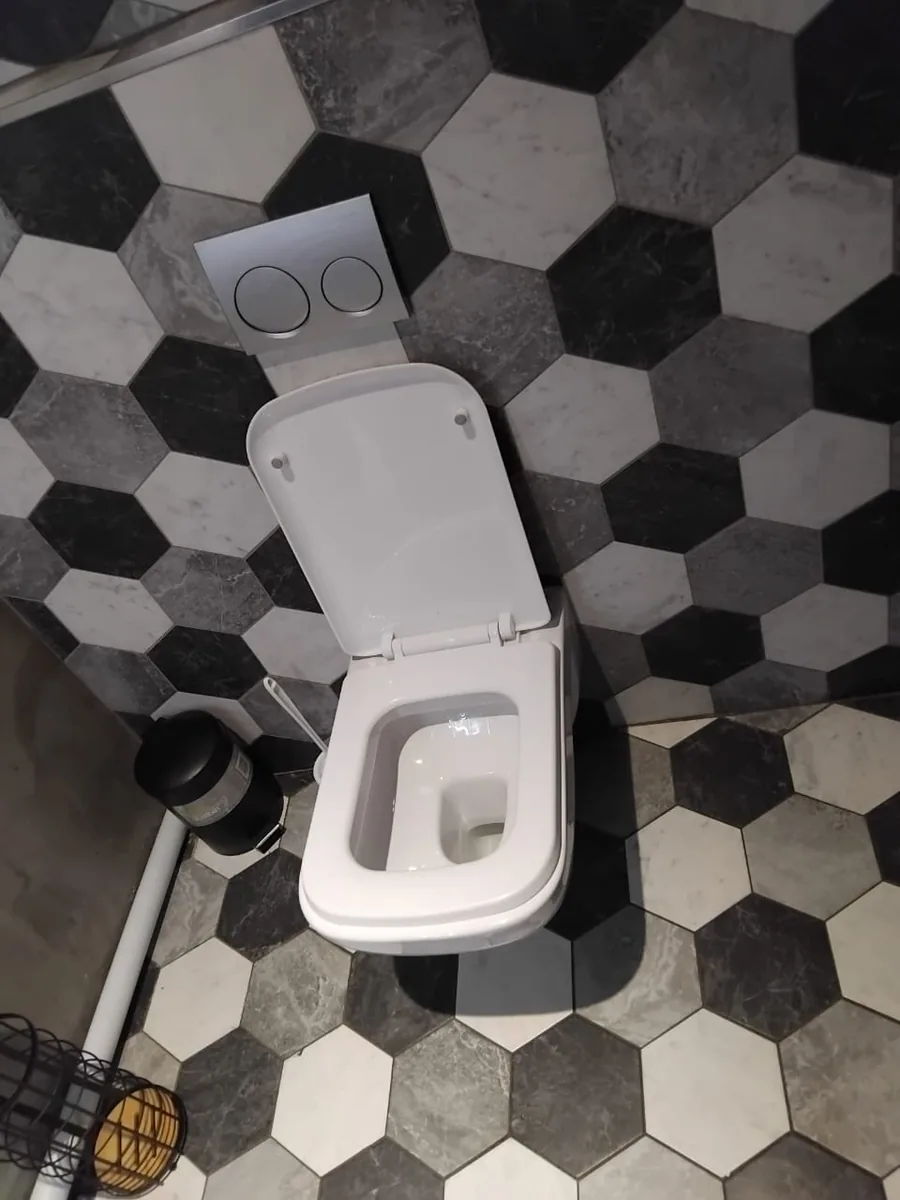
A wall-hung toilet needs careful repair because the pan, frame and concealed cistern work together. The customer reported flushing problems and wanted the toilet checked before the issue became worse. We inspected the flush controls, checked for movement at the pan and tested the concealed cistern components through the service opening. After completing the repair and adjustment, the toilet flushed correctly and the customer could use the bathroom without the earlier fault returning.
Wall-Hung Toilet Repair
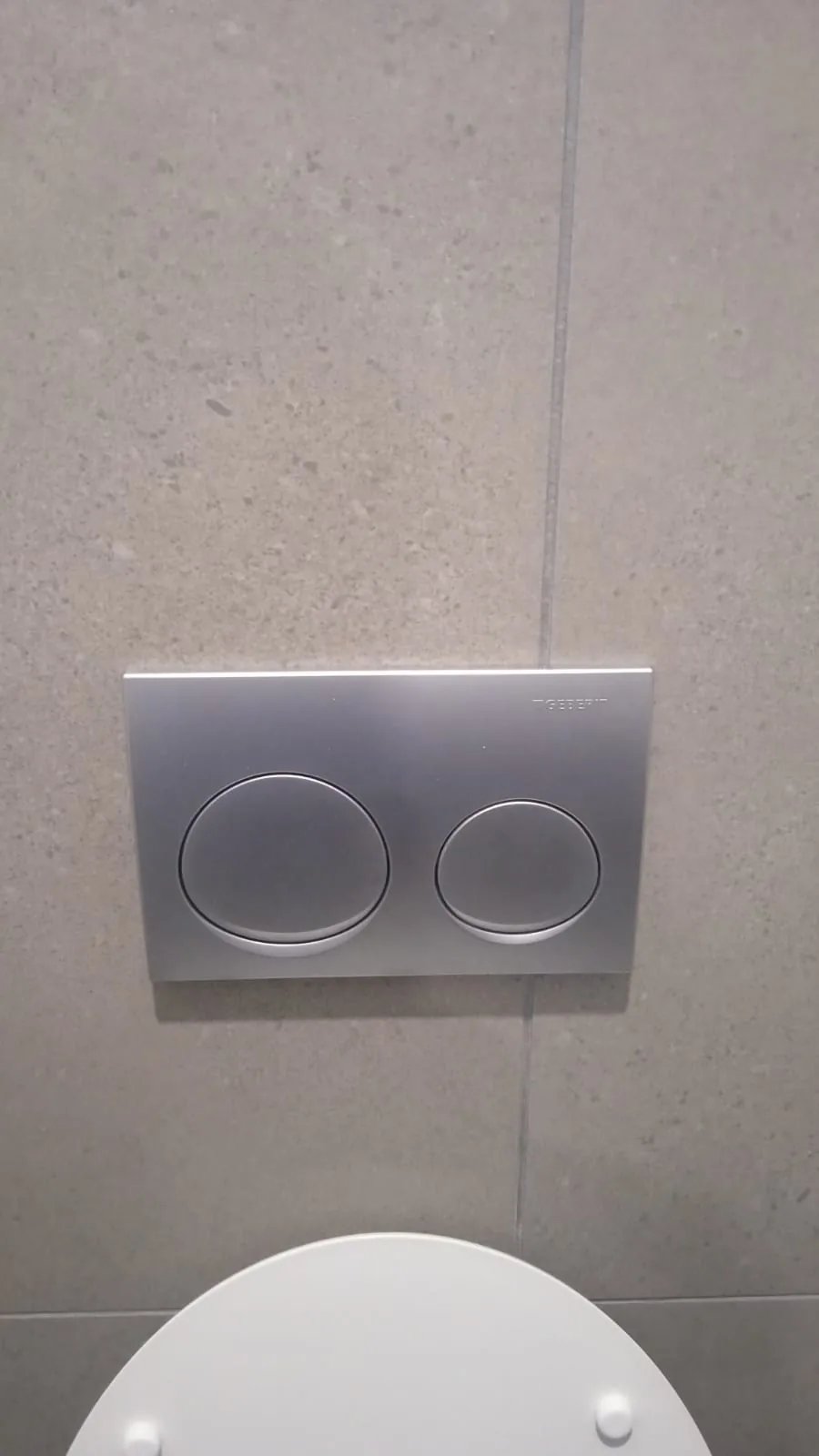
The dual-flush plate was not operating the concealed cistern correctly, which meant the customer had unreliable flushing from a toilet that otherwise looked neat from the outside. We removed the plate carefully, inspected the operating rods and internal flush mechanism, then adjusted the connection so both flush options worked as intended. The system was tested with several full and short flushes to make sure the button action was smooth and the cistern responded correctly.
Concealed Cistern Flush Plate Repair
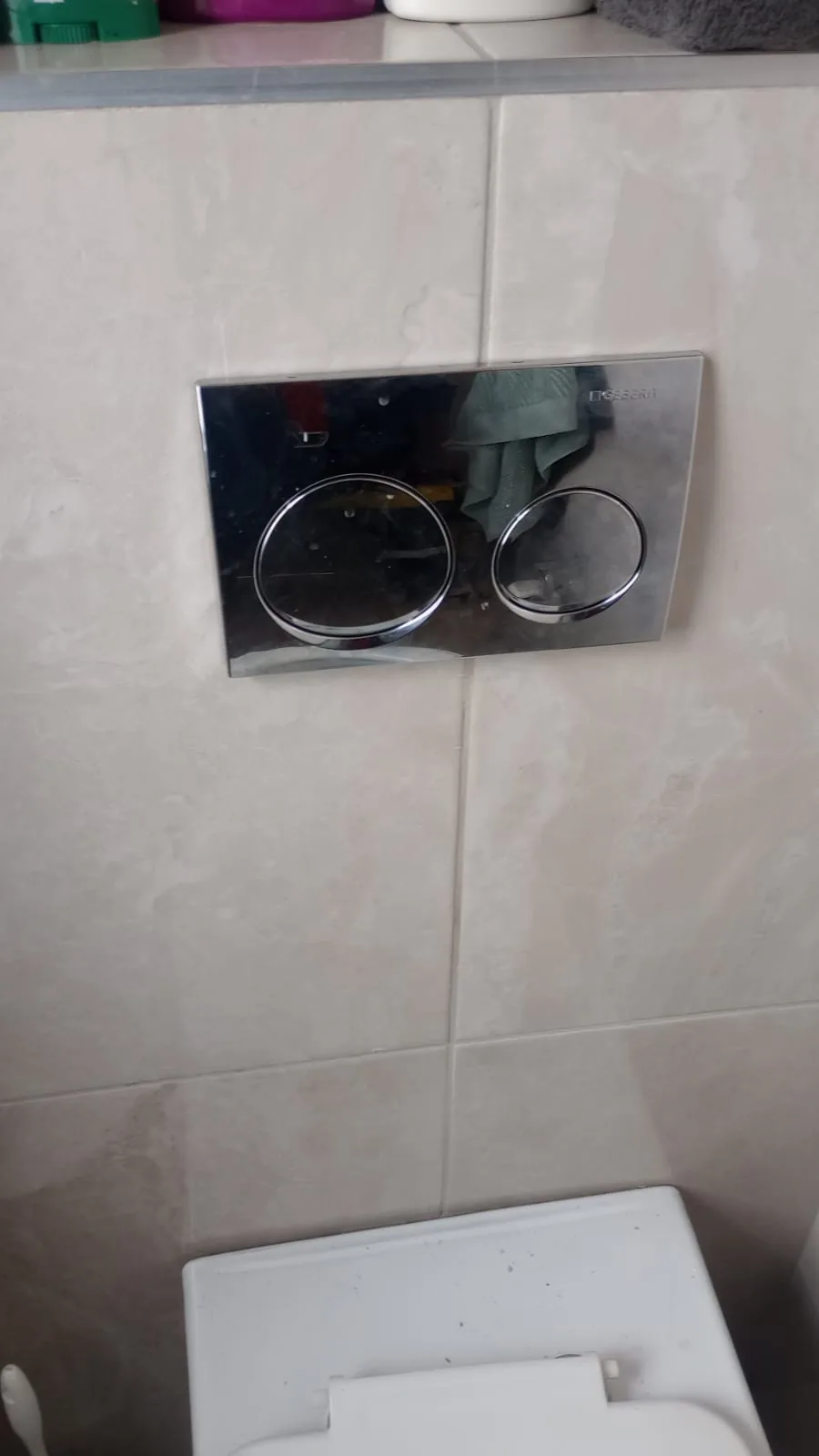
The visible Geberit flush plate was the customer’s only access point to the concealed cistern fault. We removed the plate without damaging the surrounding wall, inspected the mechanism behind it and checked whether the issue was with the button action, linkage or internal flush valve. The repair restored proper contact between the plate and cistern mechanism. After testing, the toilet flushed reliably and the wall-hung system remained accessible for future maintenance.
Geberit Flush Plate Repair
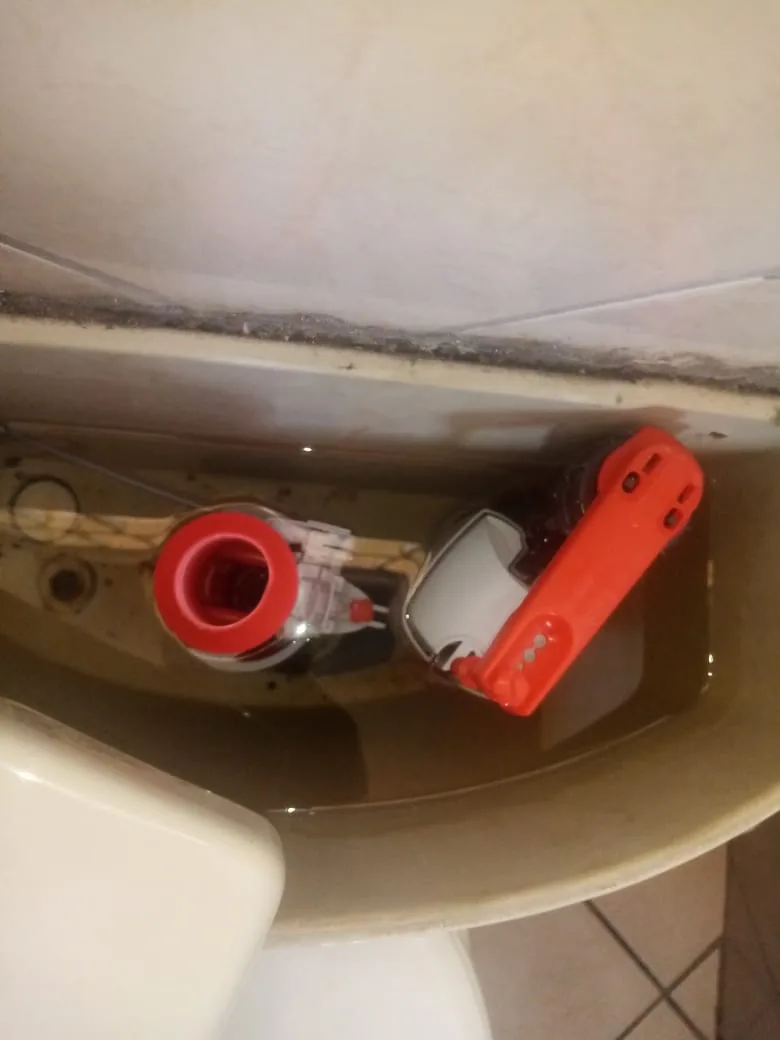
The cistern was opened because the toilet was not flushing consistently. Inside, the flush mechanism was inspected for worn seals, loose links and incorrect movement. We corrected the faulty parts, checked that the fill valve and flush valve were working together and then restored the cistern lid. Multiple test flushes confirmed that the toilet released enough water into the pan and stopped correctly after each cycle.
Toilet Flush Mechanism Repair
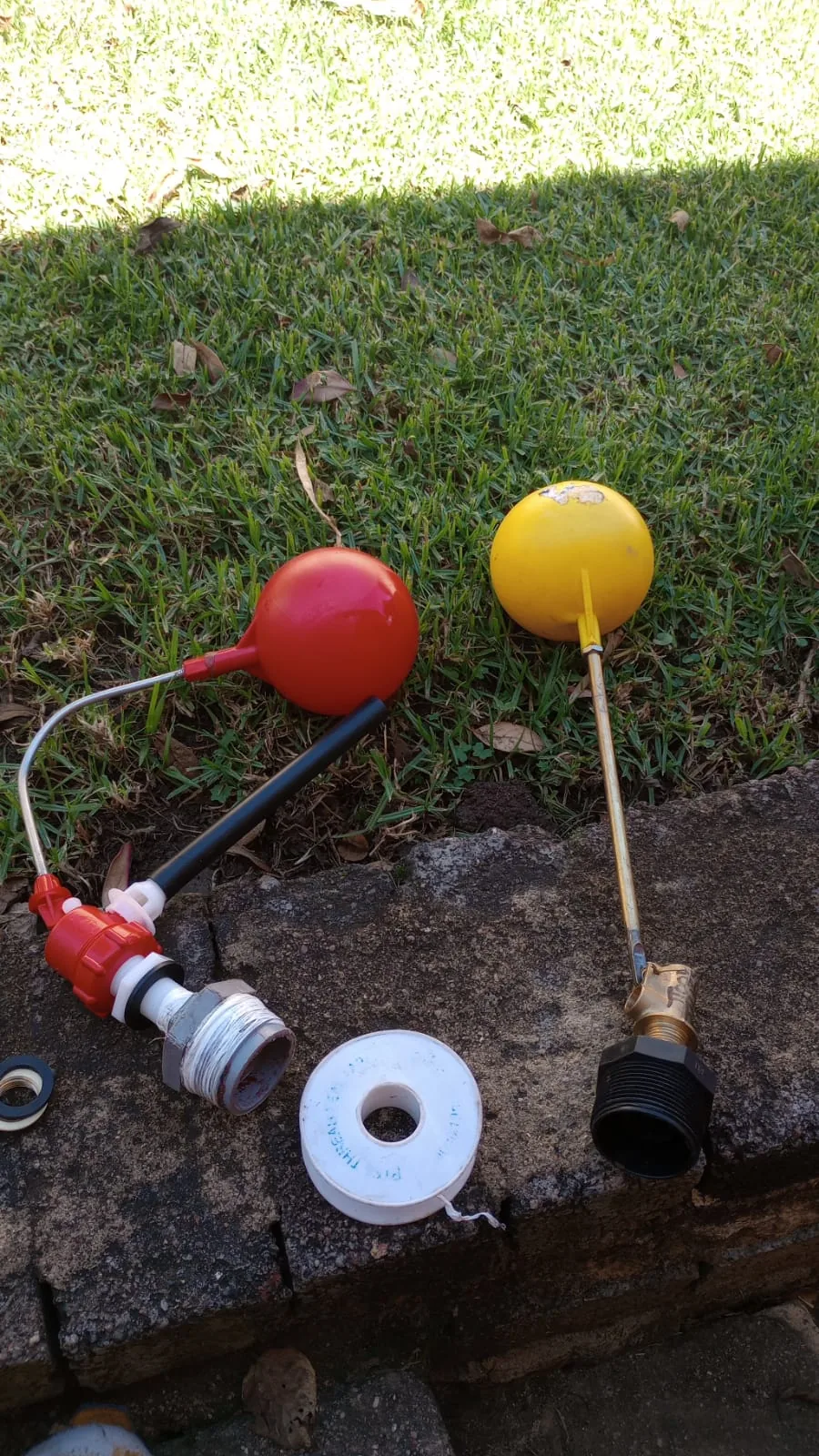
The float valve parts were prepared after the customer reported a toilet that filled poorly and sometimes failed to shut off. We compared the old parts with the replacement components before installation to make sure the water level could be controlled correctly. Once fitted, the float setting was adjusted and the cistern was monitored while filling. The repair helped prevent overflow, slow filling and unnecessary water wastage.
Toilet Float Valve Parts
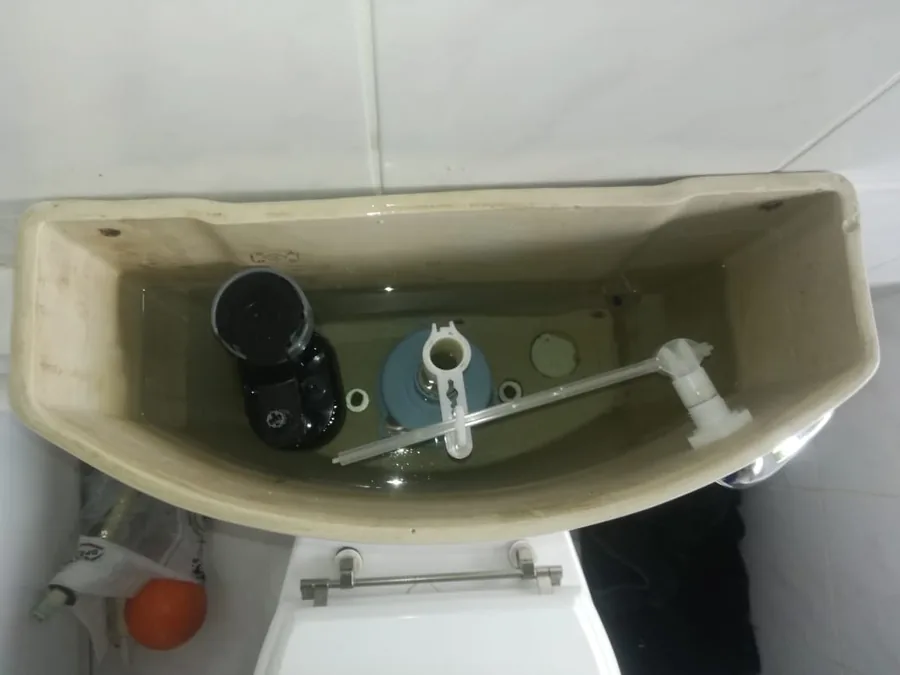
The open cistern showed the working parts that control filling and flushing. The customer had experienced unreliable operation, so we inspected the fill valve, flush valve, float setting and internal seals before completing the repair. Any worn or misaligned parts were corrected and the cistern was cleaned of loose debris where needed. After reassembly, the toilet was flushed repeatedly to confirm normal filling, strong flushing and proper shut-off.
Toilet Cistern Internal Repair
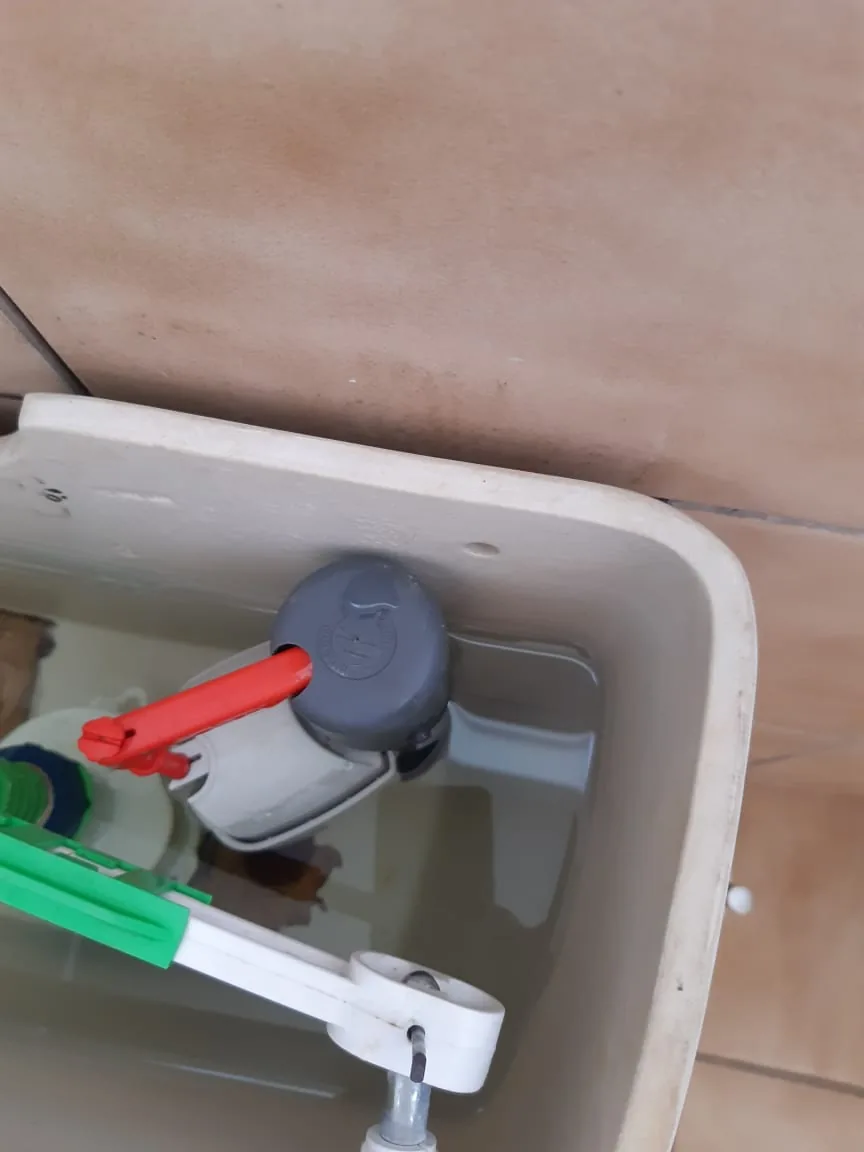
The inlet valve and flush mechanism were checked because the toilet was not refilling as expected. Instead of replacing parts immediately, we tested the valve operation, water level and float movement. The inlet valve was adjusted and the cistern was monitored through several refill cycles. Once the correct level was reached and the valve shut off properly, the toilet was tested again to confirm the flushing fault had been resolved.
Toilet Inlet Valve Adjustment
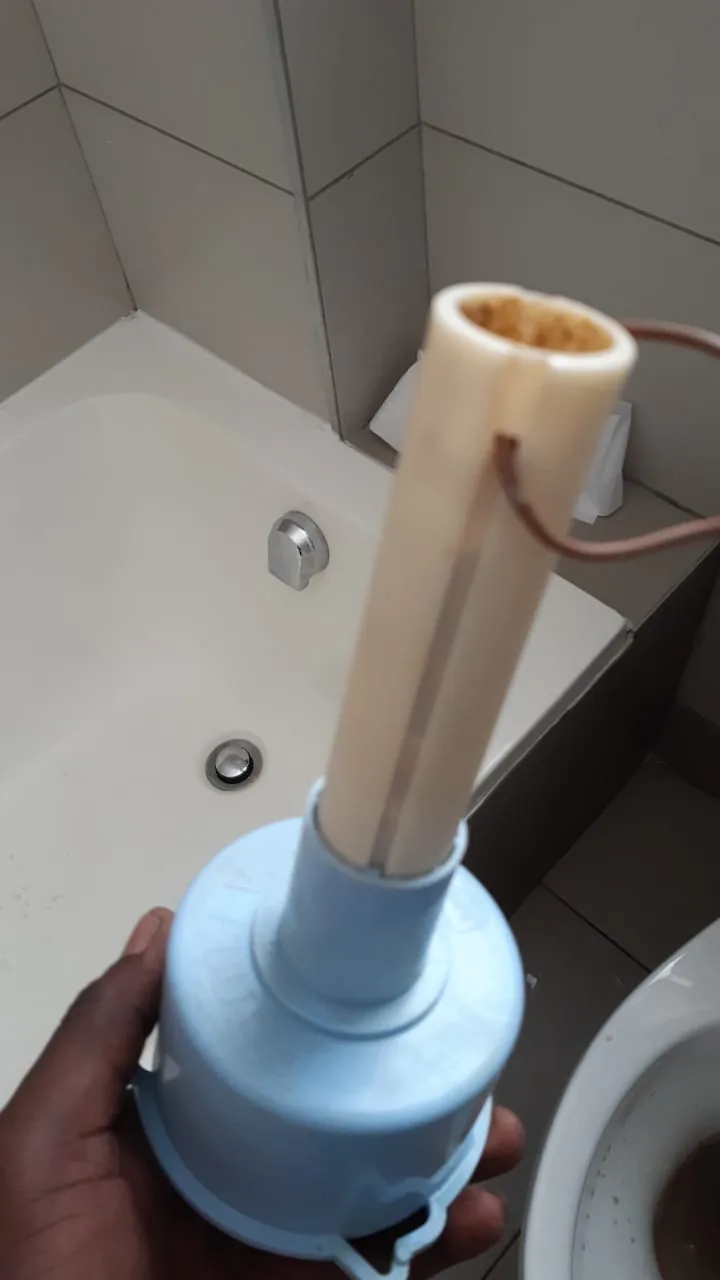
The flush valve was removed after testing showed that water was not being released or sealed correctly. A worn flush valve can cause weak flushing, incomplete flushing or a running toilet where water passes quietly into the pan. We removed the component, inspected the seal and seating area and completed the required repair before reinstalling the mechanism. The cistern was then filled and tested to confirm that the flush was strong and the valve sealed correctly afterward.
Toilet Flush Valve Removal
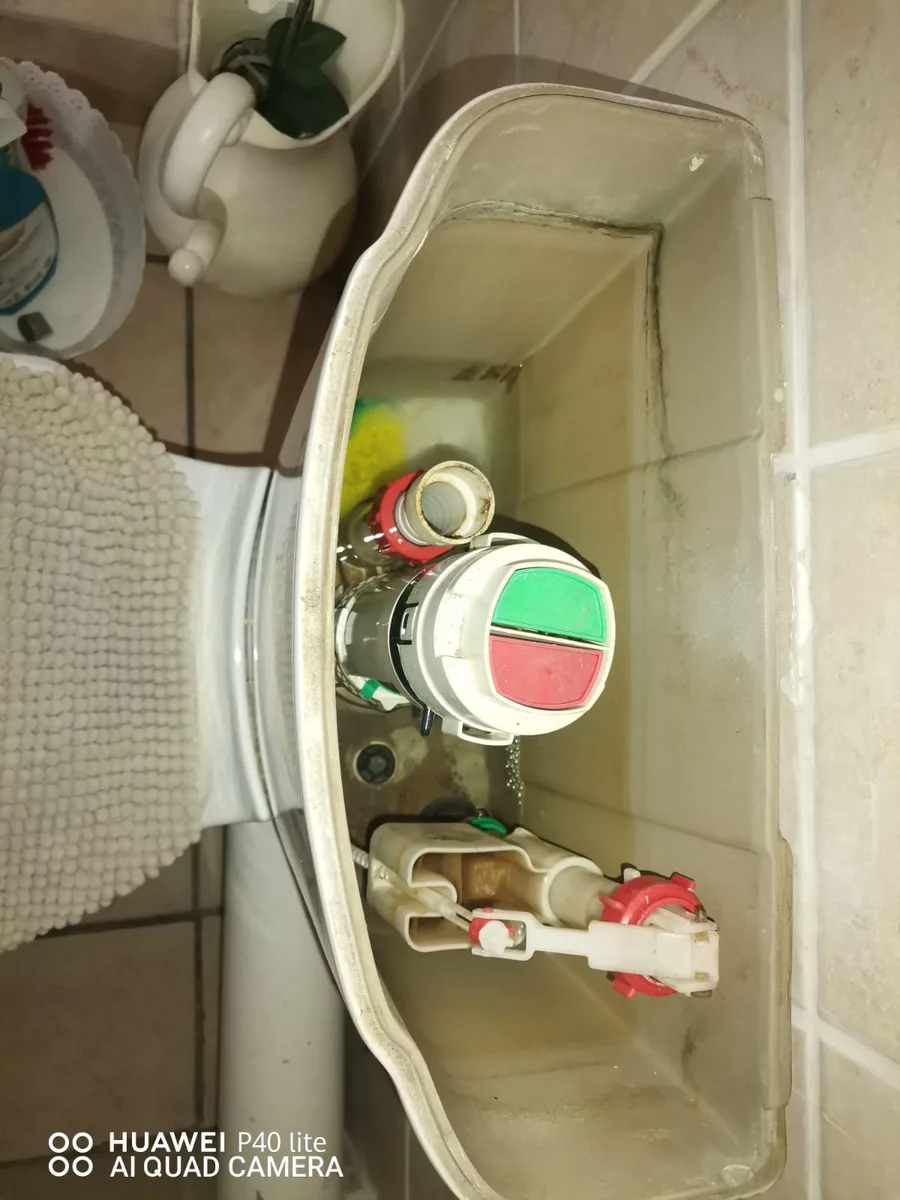
The customer had problems with a dual-flush toilet that was not responding properly to the button controls. We opened the cistern and inspected the flush valve, fill valve and linkages that control the two flush volumes. The mechanism was adjusted and repaired so the toilet could deliver the correct flush without sticking or running. Final testing confirmed that both flush options worked and the cistern refilled to the correct level.
Dual-Flush Cistern Repair
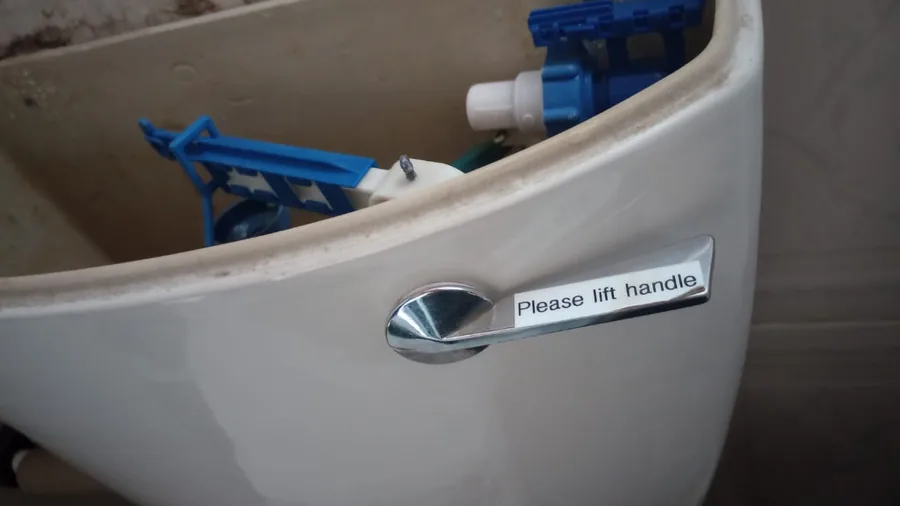
This lift-handle cistern was opened because the toilet had become unreliable during flushing. Older handle systems can fail when the internal lever, linkage or flush valve wears out. We inspected the mechanism, corrected the worn connection and checked the water level before closing the cistern. The toilet was flushed several times to confirm that the handle activated the mechanism properly and the cistern shut off afterward.
Lift Handle Cistern Repair
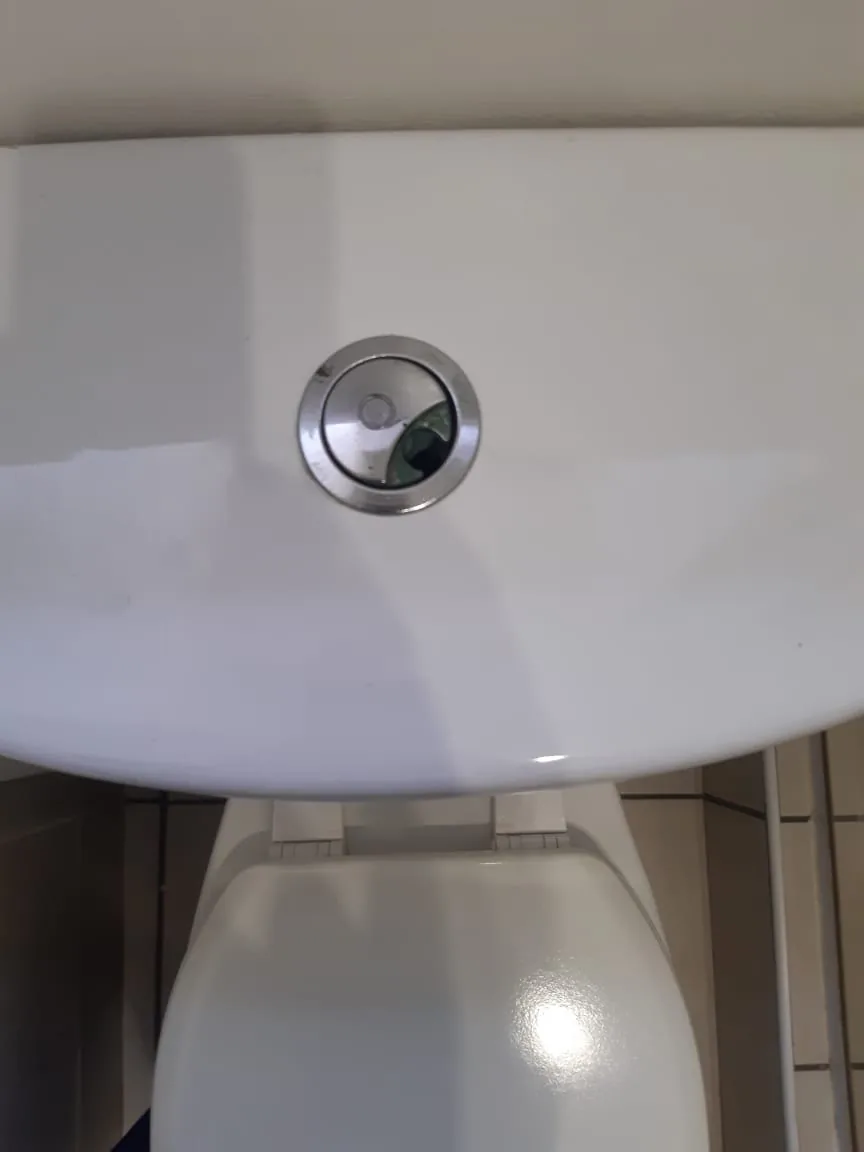
The chrome push-button cistern was inspected after the customer reported that the button did not always flush correctly. We checked the button assembly, the connection to the flush valve and the valve movement inside the cistern. The faulty action was corrected and the button was tested repeatedly before the repair was signed off. The toilet once again flushed reliably without the customer having to press the button several times.
Push Button Cistern Repair
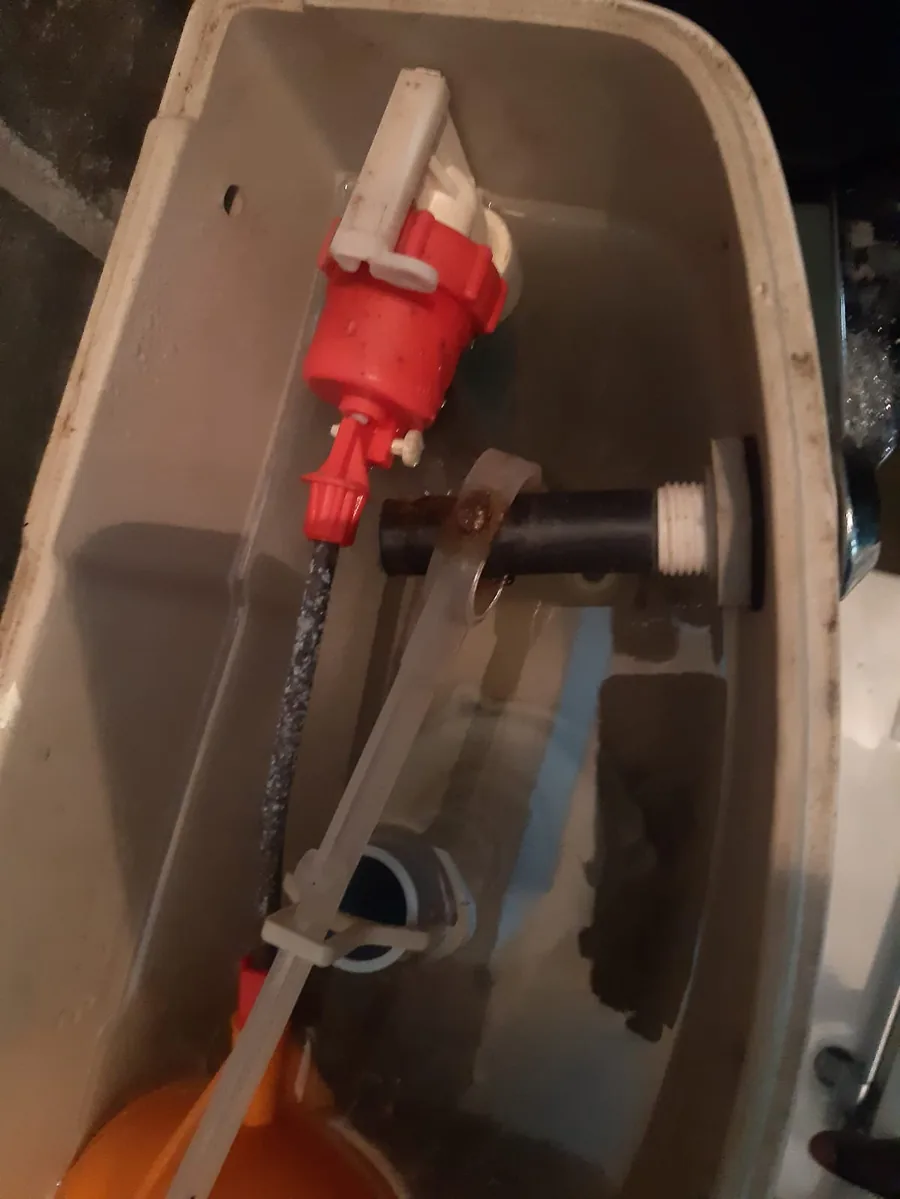
The side-entry fill valve and float arm were inspected because the cistern was not controlling incoming water properly. Side-entry valves can become noisy, slow or fail to shut off when the float or valve wears out. We checked the valve movement, adjusted the water level and repaired the faulty operation. After the repair, the cistern filled correctly and stopped at the proper level without overflowing or running into the pan.
Side-Entry Fill Valve Repair
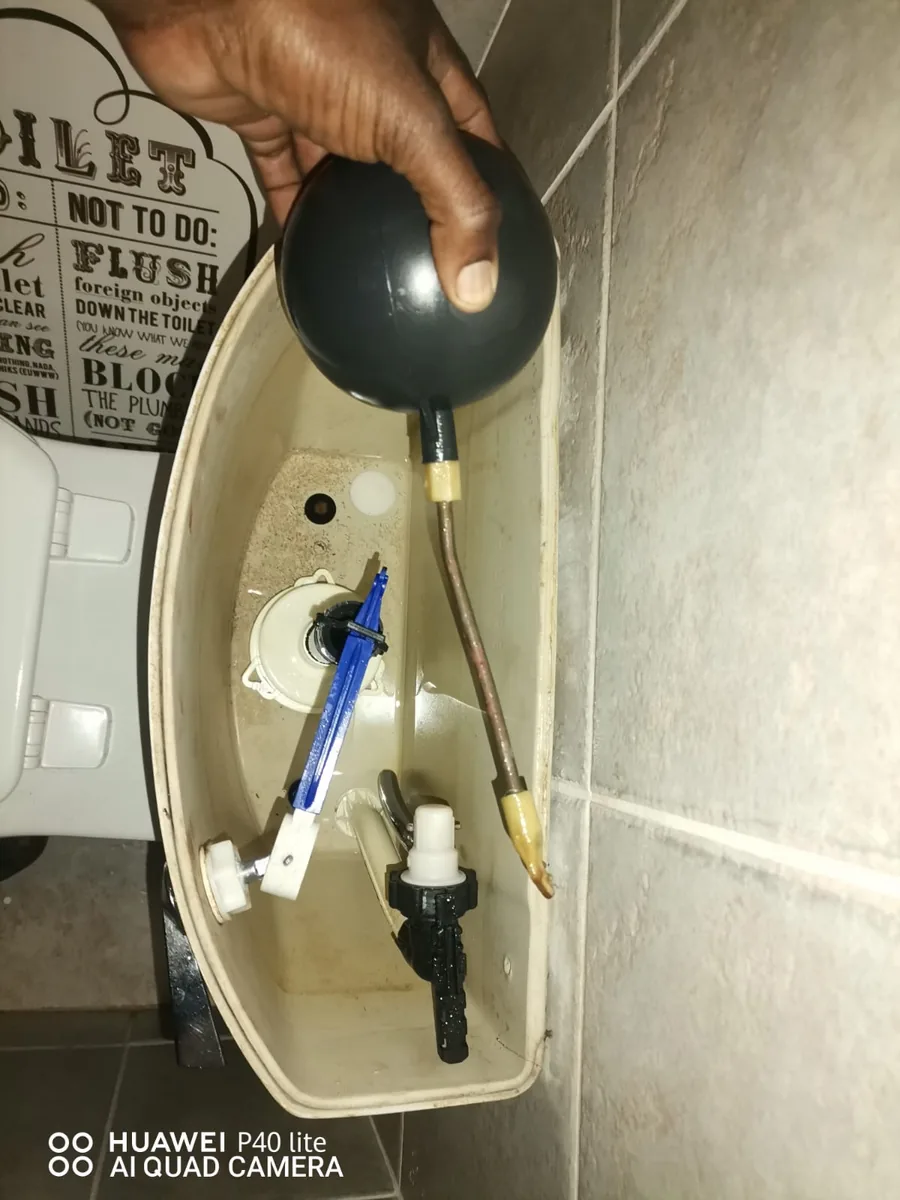
The toilet float valve was checked as part of a cistern repair where water control had become unreliable. We inspected the float movement, valve shut-off and refill level to confirm why the cistern was not operating normally. The repair restored correct water control inside the cistern and helped prevent slow filling, overflow and continuous running. Final testing confirmed that the toilet flushed, refilled and stopped as expected.

