Zandvlei plumbing services we can help with
Zandvlei homes, flats and rental properties often need practical plumbing help rather than complicated explanations. A wet ceiling, slow drain, running toilet, leaking basin trap or cold geyser needs a plumber who can identify the fault, explain the repair and leave the system easier to monitor afterwards.
Our work in Zandvlei covers emergency call-outs, roof-space geysers, toilet mechanisms, outside drains, bathroom leaks, water supply faults and general maintenance. The goal is to give the owner or tenant a clear next step, whether the repair is small or needs a more detailed leak detection check.
Emergency plumbing call-outs
Water running through a ceiling, a burst pipe, an overflowing toilet or a geyser leak needs fast attention. We help customers isolate the fault, reduce damage and arrange the right repair as quickly as practical.
Blocked outside drains
Outside gullies and inspection points can block with silt, leaves, roots, paper, grease and collapsed sections. We clear the line carefully and check whether the blockage is a once-off obstruction or a repeating drain problem.
Drain rodding and camera checks
Some blockages need more than a quick rod. Where the drain repeats the same fault, a camera check can help identify breaks, bellies, roots or a damaged section before more work is recommended.
Geyser repair and replacement
Roof-space geysers, thermostat faults, leaking drip trays, pressure valve discharge and failed elements can leave a property without hot water. We inspect the geyser and explain whether repair or replacement is the sensible route.
Geyser installation checks
A geyser installation must have proper support, valves, safe discharge, neat pipework and service access. We look at the whole setup, not only the tank, because one poor fitting can cause repeat problems.
Toilet repairs
Running cisterns, weak flushes, leaking pan connectors and loose flush valves waste water and can create odours. We repair or replace the working parts so the toilet fills, flushes and seals properly.
Basin and waste trap repairs
A basin trap leak often hides in a cabinet until the shelf swells or smells appear. We check the waste fitting, trap, seal and pipe route before replacing only the parts that need attention.
Tap and mixer faults
Leaking basin mixers, stiff angle valves and worn seals can waste water and mark cupboards or walls. We repair, replace and test the tapware so it closes properly and does not keep dripping.
Water leak tracing
Hidden leaks are not always obvious. Damp, mould, pressure drops and unexplained water use can point to a concealed pipe fault that needs careful tracing before walls or floors are opened.
Water main and underground pipe repairs
Garden leaks, wet soil, low pressure and water meter movement can point to a leaking supply line. We expose the fault carefully, repair the damaged section and check the line again before closing.
Low pressure and valve faults
Pressure control valves, stop taps and supply restrictions can affect showers, geysers and household fixtures. We inspect the supply side and valve arrangement before recommending replacement parts.
Rental and home maintenance plumbing
Landlords and homeowners need simple, reliable plumbing maintenance that keeps tenants comfortable and protects the property. We help with planned repairs, small faults and follow-up work.
Need a Zandvlei plumber today?
Send your details, the property address and a photo of the fault. We can help you decide whether the issue is urgent, what information to prepare, and whether the work looks like a drain, geyser, toilet, leak or pressure problem.
How we approach plumbing faults in Zandvlei
We start by reading the symptom properly. A blocked drain may be caused by silt, paper, roots or a broken line. A leaking geyser may be from a pipe joint, valve, tray overflow, thermostat cover or the tank itself. A running toilet may only need a small part, but it can also point to worn internals that should be replaced together.
The most useful repair is the one that deals with the real cause. That is why we ask where the water appears, when it happens, how long the issue has been present and whether the problem affects one fixture or several fixtures. Those details help us separate a simple repair from a bigger pipe leak detection concern.
For homeowners and landlords, we also look at future access. Valves should be reachable, traps should not be strained, geyser discharge should be visible where practical, and drain access should not be closed up in a way that makes the next blockage harder to clear.
A Diagnostic View of a Hidden Moisture Concern From Symptom to Repair Plan and How to Avoid a Temporary-Only Fix
Before Repairing a Developing Maintenance Issue With Less Disruption
Do you offer emergency plumbing in Zandvlei?
Yes. We help with urgent leaks, burst pipes, overflowing toilets, blocked drains, geyser leaks and no-hot-water problems in Zandvlei. If water is running, close the nearest safe isolation valve and contact us with a photo of the fault.
Can you help with roof-space geyser leaks in Zandvlei?
Yes. We check roof-space geysers, drip trays, safety valves, copper pipework, thermostat covers and overflow points. A geyser leak can damage ceilings quickly, so early inspection is important.
Do you clear outside drains and gullies?
Yes. We clear outside drains, gullies and inspection points where water is backing up, smelling or overflowing. If the blockage keeps returning, we may recommend a deeper inspection of the line.
Can you repair running toilets and faulty cisterns?
Yes. We repair inlet valves, flush valves, seals, handles, pan connectors and cistern mechanisms. A running toilet can waste a surprising amount of water if it is left for too long.
Do you repair basin traps and bathroom leaks?
Yes. We repair leaking basin traps, waste fittings, mixers, bath connections and bathroom pipework. These leaks often hide inside cupboards or below baths before becoming visible.
Can you help with low water pressure?
Yes. We check pressure control valves, stop taps, supply restrictions, geyser valves and pipework issues that can affect flow to showers, taps and toilets.
Do you repair underground water pipe leaks?
Yes. We trace and repair underground supply leaks where there is wet soil, meter movement, low pressure or water surfacing outside the property.
Can I send photos before booking?
Yes. Photos or a short WhatsApp video are very helpful. Send the geyser label, drain opening, leaking valve, toilet cistern or pipe area so we can understand the fault before arrival.
Do you work on rental properties in Zandvlei?
Yes. We assist landlords, tenants, body corporates and managing agents with plumbing repairs, maintenance, geyser faults and urgent call-outs.
What details should I give when booking a plumber?
Please give your address in Zandvlei, contact number, the type of problem, whether water is still running, and whether the issue is urgent. Photos make the process faster.
When to Investigate a Repair with More Than One Option With Clear Client Communication
These real plumbing photos show common types of work customers may recognise in their own homes, rentals or businesses. The descriptions below explain what the image shows and how a customer can look out for a similar fault before it becomes a bigger problem.
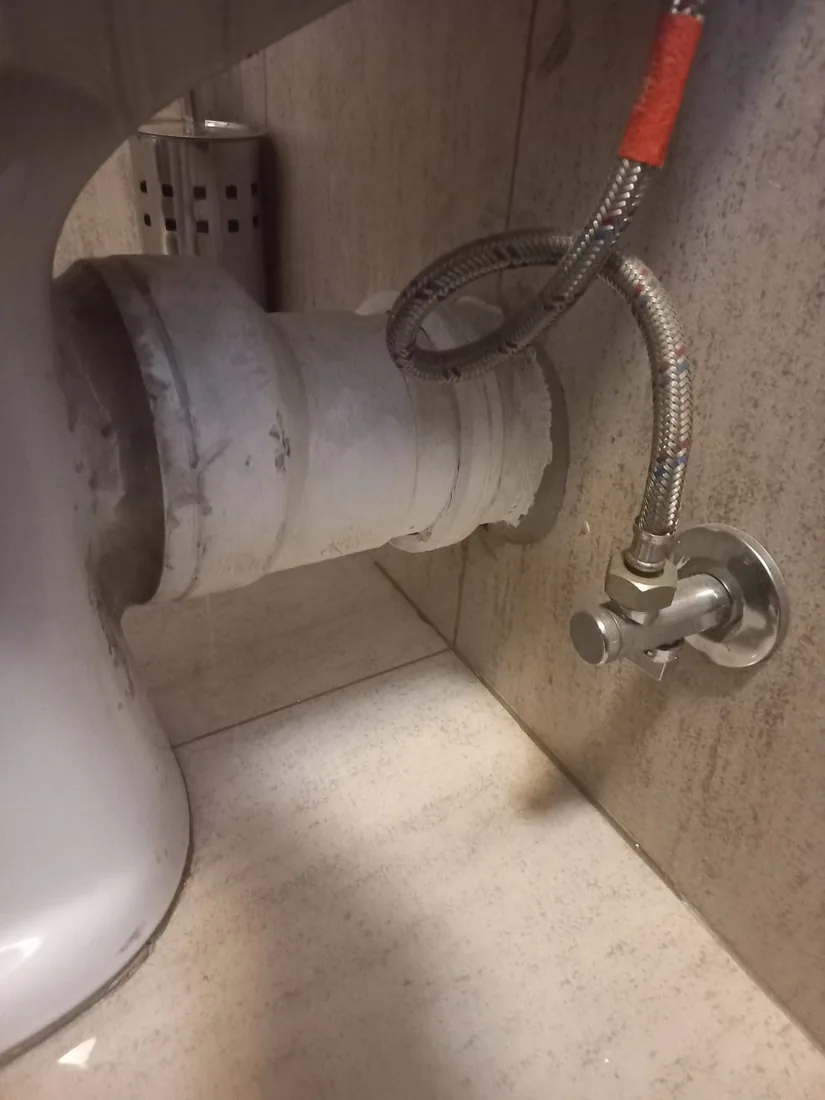
Toilet pan connector and supply pipe repair in Zandvlei
This image shows toilet repair work where internal parts, flush valves, inlet valves, seals or connector pieces need attention. Toilet faults can look simple, but they waste water and can cause odours, weak flushing, damp floors and complaints in rental units. This type of repair is connected to toilet repairs because the correct part must match the toilet and the fault, not just fit loosely enough to work for one day.
In Zandvlei, a commercial client may needs a clear explanation before authorising work. For a toilet concern, the inspection should consider the timing and frequency of the fault and before a disruptive repair is approved. A practical response is to state clearly what cannot be confirmed without further access; this supports a more focused repair scope. The client should receive a plain explanation of what was confirmed, what remains uncertain and why the recommended next step is appropriate.
A toilet pan connector is one of those parts that customers normally never look at until there is a smell, staining, movement behind the pan or water appearing after the flush. In a Zandvlei home, this connection must be firm, correctly aligned and sealed without being forced into an awkward angle. If the pan has moved, the floor is uneven or the connector is squeezed behind cabinetry, a quick push-back repair may not last. We prefer checking the pan stability, the water feed, the angle valve and the flush test together, because a toilet repair should leave the bathroom clean, odour-free and easy to inspect afterwards.
How to look out for this problem
In Zandvlei, a landlord may wants the cause confirmed. For a toilet concern, the inspection should consider the risk of further damage and before closing walls, ceilings or access panels. A practical response is to test the simplest likely causes first; this supports better control of avoidable damage. The client should receive a plain explanation of what was confirmed, what remains uncertain and why the recommended next step is appropriate.
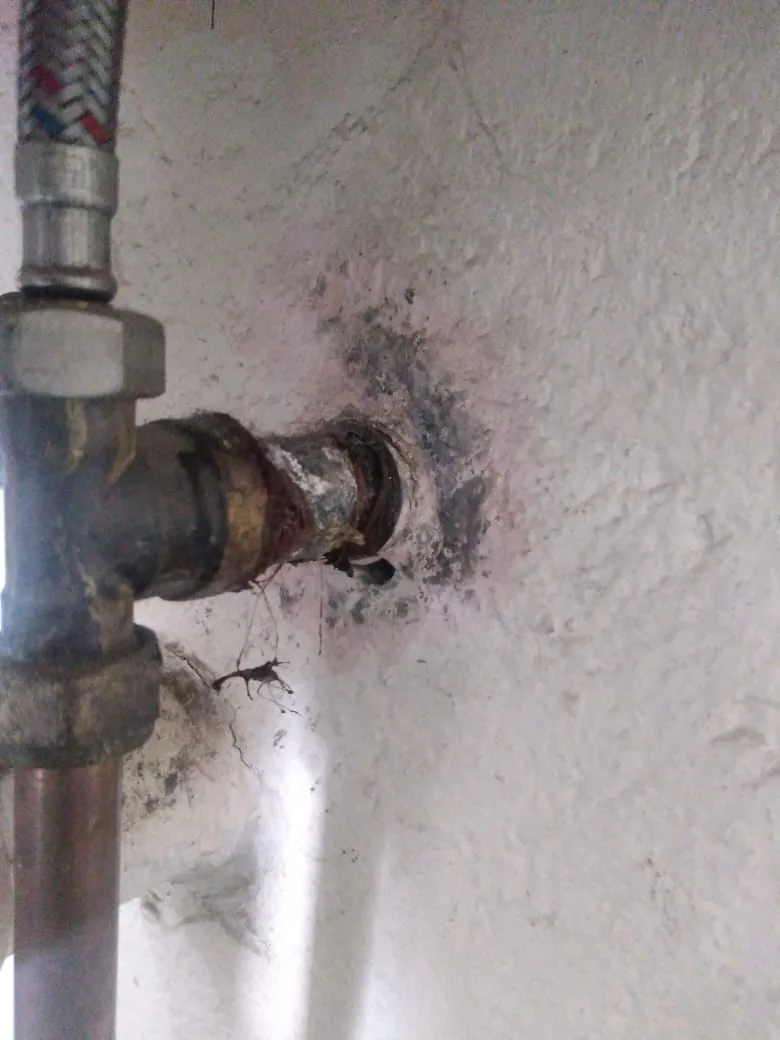
Corroded wall stop tap and pipe leak repair in Zandvlei
This Zandvlei plumbing image shows real maintenance work where a visible symptom had to be connected to the correct cause. It supports plumbing services because the best repair is the one that fixes the reason for the problem, not only the part the customer first notices.
In Zandvlei, a residential client may needs a safe next step. For a urgent concern, the inspection should consider evidence that water has travelled and after the immediate risk is controlled. A practical response is to protect surrounding surfaces while access is created; this supports a more efficient inspection. The client should receive a plain explanation of what was confirmed, what remains uncertain and why the recommended next step is appropriate.
Corrosion around a wall stop tap usually means the problem has been developing slowly. It may come from an old thread, a weeping joint, damp plaster, poor sealing around the wall penetration or a valve that has been opened and closed many times over the years. The repair should not only make the valve shiny again; it should confirm that the pipe entering the wall is still sound and that the new fitting can isolate properly. This matters in flats, rental units and family homes because a working stop tap can prevent a small leak from becoming a room-wide water problem.
In Zandvlei, a body corporate may is comparing repair options. For a diagnosis concern, the inspection should consider the relationship between the visible symptom and the likely source and where previous work has been attempted. A practical response is to check the system again after the repair; this supports clearer communication about cost factors. The client should receive a plain explanation of what was confirmed, what remains uncertain and why the recommended next step is appropriate.
How to look out for this problem
In Zandvlei, a residential client may has seen the symptoms become more frequent. For a diagnosis concern, the inspection should consider the difference between an isolated and system-wide fault and if the issue has occurred more than once. A practical response is to use the client’s observations to narrow the search; this supports a realistic understanding of the next step. The client should receive a plain explanation of what was confirmed, what remains uncertain and why the recommended next step is appropriate.
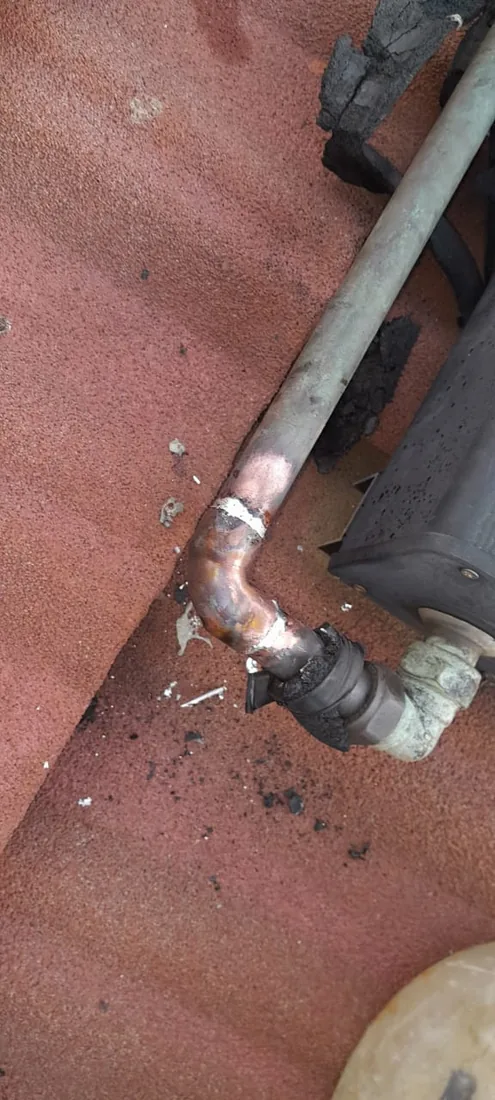
Copper pipe elbow leak repair in Zandvlei
This Zandvlei plumbing image shows real maintenance work where a visible symptom had to be connected to the correct cause. It supports burst pipe repair because the best repair is the one that fixes the reason for the problem, not only the part the customer first notices.
In Zandvlei, a residential client may needs to protect finishes and contents. For a urgent concern, the inspection should consider visible wear around connections and when the fault is intermittent. A practical response is to compare the findings with the client’s description; this supports a clearer explanation of the fault. The client should receive a plain explanation of what was confirmed, what remains uncertain and why the recommended next step is appropriate.
A copper elbow repair needs neat preparation because old copper can be thin, dirty, painted, oxidised or strained by nearby fittings. When a leak appears on an elbow, the damaged section should be cleaned back far enough to judge whether the pipe is still healthy. The plumber should also look at why that elbow failed: movement, vibration, pressure, heat, corrosion or a previous weak joint. A strong-looking repair that leaves the pipe twisted or unsupported can reopen later. The better approach is to repair the leak, test the line and leave the pipework sitting naturally.
In Zandvlei, a client may needs to protect finishes and contents. For a maintenance concern, the inspection should consider the pattern of the symptoms and as part of the repair handover. A practical response is to choose a method that limits unnecessary disturbance; this supports better control of avoidable damage. The client should receive a plain explanation of what was confirmed, what remains uncertain and why the recommended next step is appropriate.
How to look out for this problem
In Zandvlei, a homeowner may finds that normal use has become difficult. For a maintenance concern, the inspection should consider access to the affected pipework and before the final test is completed. A practical response is to control the immediate risk before diagnosis continues; this supports fewer unnecessary component changes. The client should receive a plain explanation of what was confirmed, what remains uncertain and why the recommended next step is appropriate.
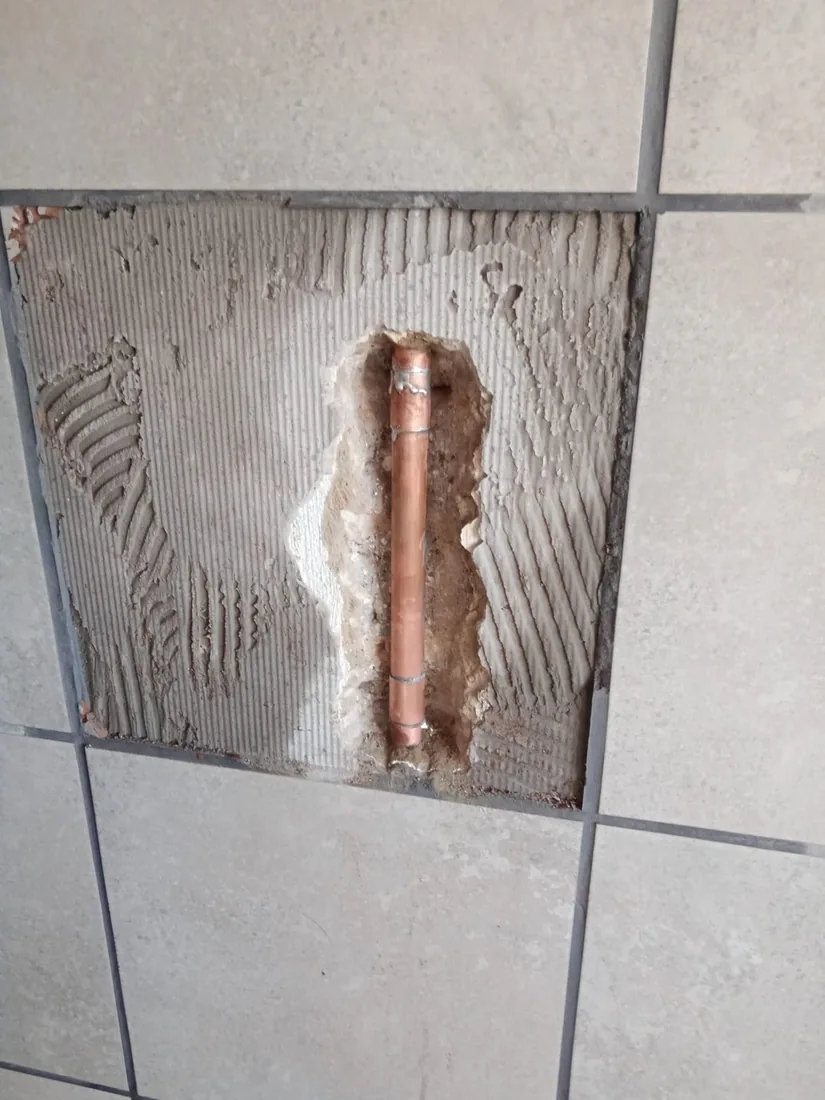
Hidden copper pipe leak behind tiles in Zandvlei
This Zandvlei plumbing image shows real maintenance work where a visible symptom had to be connected to the correct cause. It supports hidden pipe leak checks because the best repair is the one that fixes the reason for the problem, not only the part the customer first notices.
In Zandvlei, a building supervisor may finds that normal use has become difficult. For a maintenance concern, the inspection should consider the behaviour of shut-off and control components and while access is still available. A practical response is to explain the repair boundary before proceeding; this supports less risk of repeating the same temporary fix. The client should receive a plain explanation of what was confirmed, what remains uncertain and why the recommended next step is appropriate.
Hidden pipe leaks need patience because the first damp mark is not always exactly where the pipe has failed. Water can travel behind tiles, along adhesive lines, inside cavities or down the back of cabinets before it becomes visible. When a wall is opened, the aim is to expose just enough to work safely without causing unnecessary damage. The pipe material, joint positions and nearby fixtures should all be checked. Once repaired, the area should be pressure tested and allowed to dry so the client can separate old damp marks from any new leak symptoms.
In Zandvlei, a property manager may notices the first warning sign. For a diagnosis concern, the inspection should consider evidence that water has travelled and where previous work has been attempted. A practical response is to consider both the failed component and its connections; this supports a safer return to normal use. The client should receive a plain explanation of what was confirmed, what remains uncertain and why the recommended next step is appropriate.
How to look out for this problem
In Zandvlei, a client may needs help deciding what should happen first. For a maintenance concern, the inspection should consider the safest way to test the system and when the symptoms change over time. A practical response is to explain the repair boundary before proceeding; this supports clearer communication about cost factors. The client should receive a plain explanation of what was confirmed, what remains uncertain and why the recommended next step is appropriate.
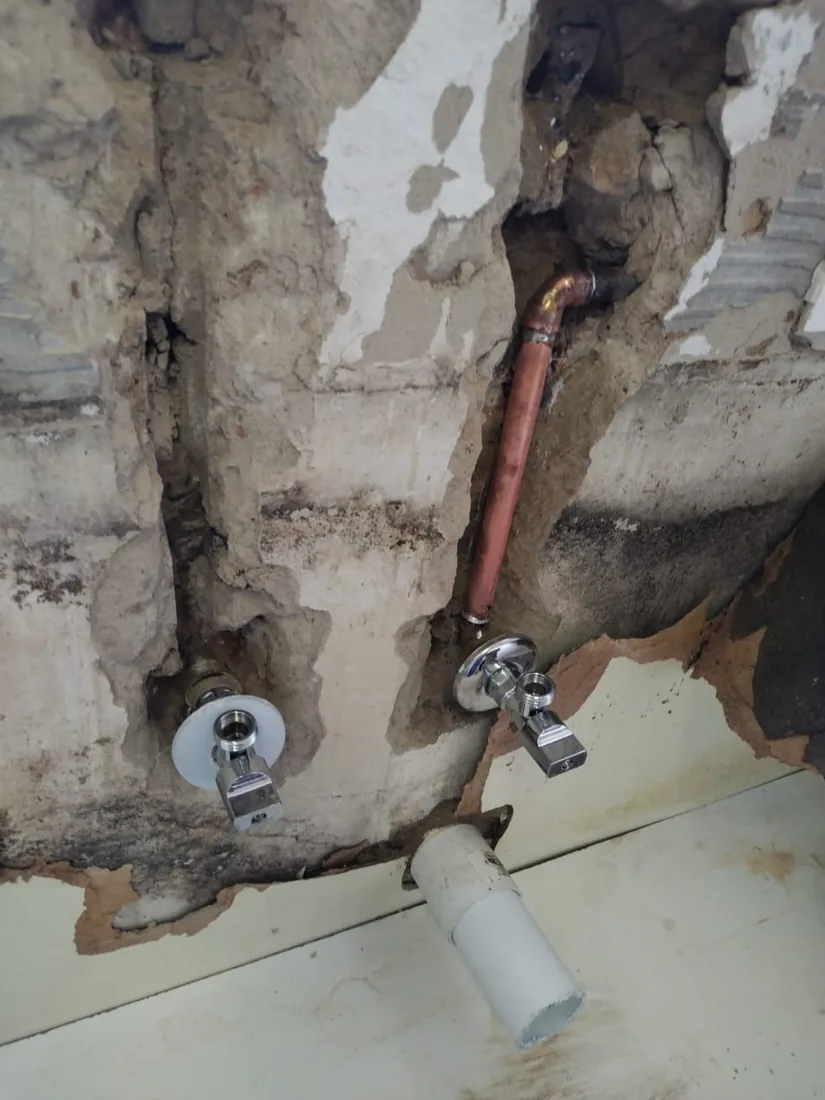
Bathroom wall pipe and stop tap replacement in Zandvlei
This photo shows bathroom plumbing where taps, mixers, traps, waste fittings and bath connections need to be installed or repaired neatly. Bathrooms hide many small plumbing faults because water can run behind cupboards, under baths or along tiled surfaces before it becomes obvious. The job links to bathroom plumbing because bathroom plumbing must work cleanly, drain properly and remain accessible for future maintenance.
A good bathroom repair checks more than the shiny fitting. The waste seal, trap alignment, wall connection, flexible connector, isolating valve and overflow path should all be inspected. If a trap is strained, a mixer is loose or a waste pipe is badly aligned, the repair may fail again after normal use. Neatness matters because water damage in bathroom cabinets and tiled areas can become expensive.
Bathroom wall pipe repairs must be planned around the finished surface because tiles, cupboards and sanitaryware can make access difficult. A neat repair involves more than closing the hole. The plumber should consider the position of the stop taps, whether the pipes are clipped or supported, whether the wall can be reinstated cleanly and whether future maintenance will still be possible. If a wall has already been opened, it is sensible to inspect nearby joints before closing everything again. That small extra check can prevent a second repair in the same tiled area.
In Zandvlei, a caretaker may has seen the symptoms become more frequent. For a diagnosis concern, the inspection should consider the behaviour of shut-off and control components and before closing walls, ceilings or access panels. A practical response is to control the immediate risk before diagnosis continues; this supports a safer return to normal use. The client should receive a plain explanation of what was confirmed, what remains uncertain and why the recommended next step is appropriate.
How to look out for this problem
Look out for damp cupboards, swollen boards, a smell under the basin, water marks near the bath, a mixer that moves when used, slow drainage, or water appearing only after the bath or basin is used. These symptoms often point to a waste leak or badly sealed fitting.
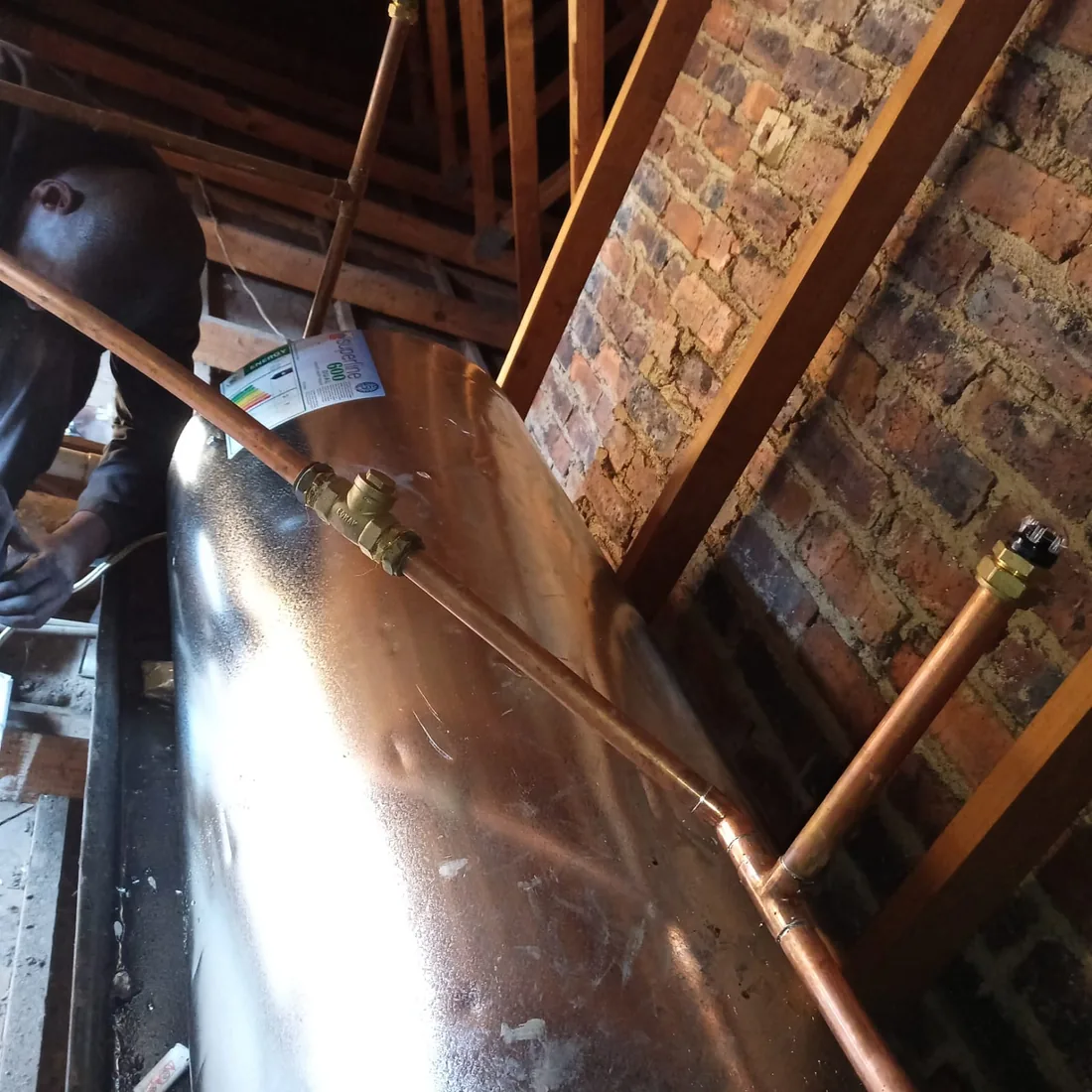
Roof space geyser installation and pipework in Zandvlei
This Zandvlei job shows a roof-space geyser arrangement where the tank, copper pipework, valves and drip tray all need to be looked at as one system. When geysers sit in tight roof spaces, a small leak can run along timber, insulation or ceiling boards before the owner notices the real source. Work like this is closely linked to geyser installation because the repair is not only about hot water; it is also about safe discharge, proper support, neat pipe routes and preventing ceiling damage.
In Zandvlei, a first-time property owner may notices the first warning sign. For a diagnosis concern, the inspection should consider whether more than one outlet is affected and after the immediate risk is controlled. A practical response is to record any condition that needs later monitoring; this supports a clearer explanation of the fault. The client should receive a plain explanation of what was confirmed, what remains uncertain and why the recommended next step is appropriate.
A roof-space geyser should never be treated as only a hot water cylinder. The installation includes the tray, overflow, supports, electrical cover, valves, vacuum breakers, copper lines and safe discharge path. In older roof spaces the access can be tight, so neat pipe routing makes future repairs safer and faster. The installer should also check whether water from a valve or tray will be visible to the customer. Hidden discharge can run for weeks before anyone notices, which is why a tidy geyser installation protects both the ceiling and the people living below it.
How to look out for this problem
In Zandvlei, a property manager may finds that normal use has become difficult. For a geyser concern, the inspection should consider the condition of nearby fittings and while access is still available. A practical response is to confirm that the proposed repair matches the evidence; this supports a safer return to normal use. The client should receive a plain explanation of what was confirmed, what remains uncertain and why the recommended next step is appropriate.
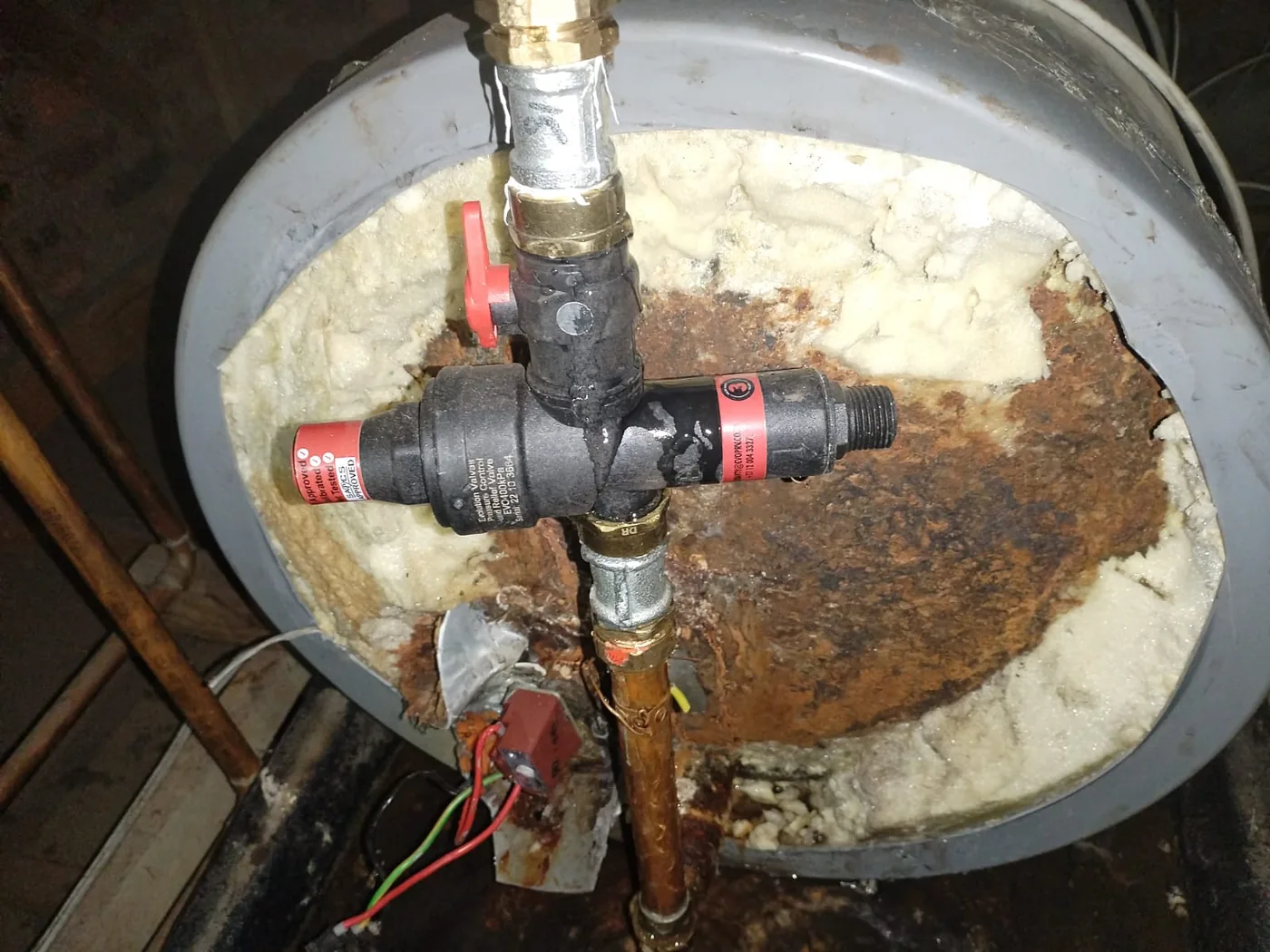
Corroded geyser valve and cylinder repair in Zandvlei
This Zandvlei job shows a roof-space geyser arrangement where the tank, copper pipework, valves and drip tray all need to be looked at as one system. When geysers sit in tight roof spaces, a small leak can run along timber, insulation or ceiling boards before the owner notices the real source. Work like this is closely linked to geyser repair because the repair is not only about hot water; it is also about safe discharge, proper support, neat pipe routes and preventing ceiling damage.
In Zandvlei, a first-time property owner may wants the cause confirmed. For a diagnosis concern, the inspection should consider the safest way to test the system and before the water is restored. A practical response is to compare the findings with the client’s description; this supports fewer unnecessary component changes. The client should receive a plain explanation of what was confirmed, what remains uncertain and why the recommended next step is appropriate.
Corrosion around a geyser valve or cylinder connection is a warning sign, not just an ugly mark. It may mean a slow leak, old valve discharge, galvanic corrosion, poor insulation, condensation or a joint that has been sweating for a long time. The surrounding cylinder surface, insulation, thread and nearby pipework should be inspected before deciding what to replace. A geyser repair should also include a check of the safety discharge and pressure control arrangement. If the cause is pressure-related, simply changing the visible valve may not stop the next leak.
How to look out for this problem
In Zandvlei, a restaurant operator may needs a clear explanation before authorising work. For a maintenance concern, the inspection should consider the difference between an isolated and system-wide fault and if the client has limited information about earlier repairs. A practical response is to control the immediate risk before diagnosis continues; this supports greater confidence in why the work is required. The client should receive a plain explanation of what was confirmed, what remains uncertain and why the recommended next step is appropriate.
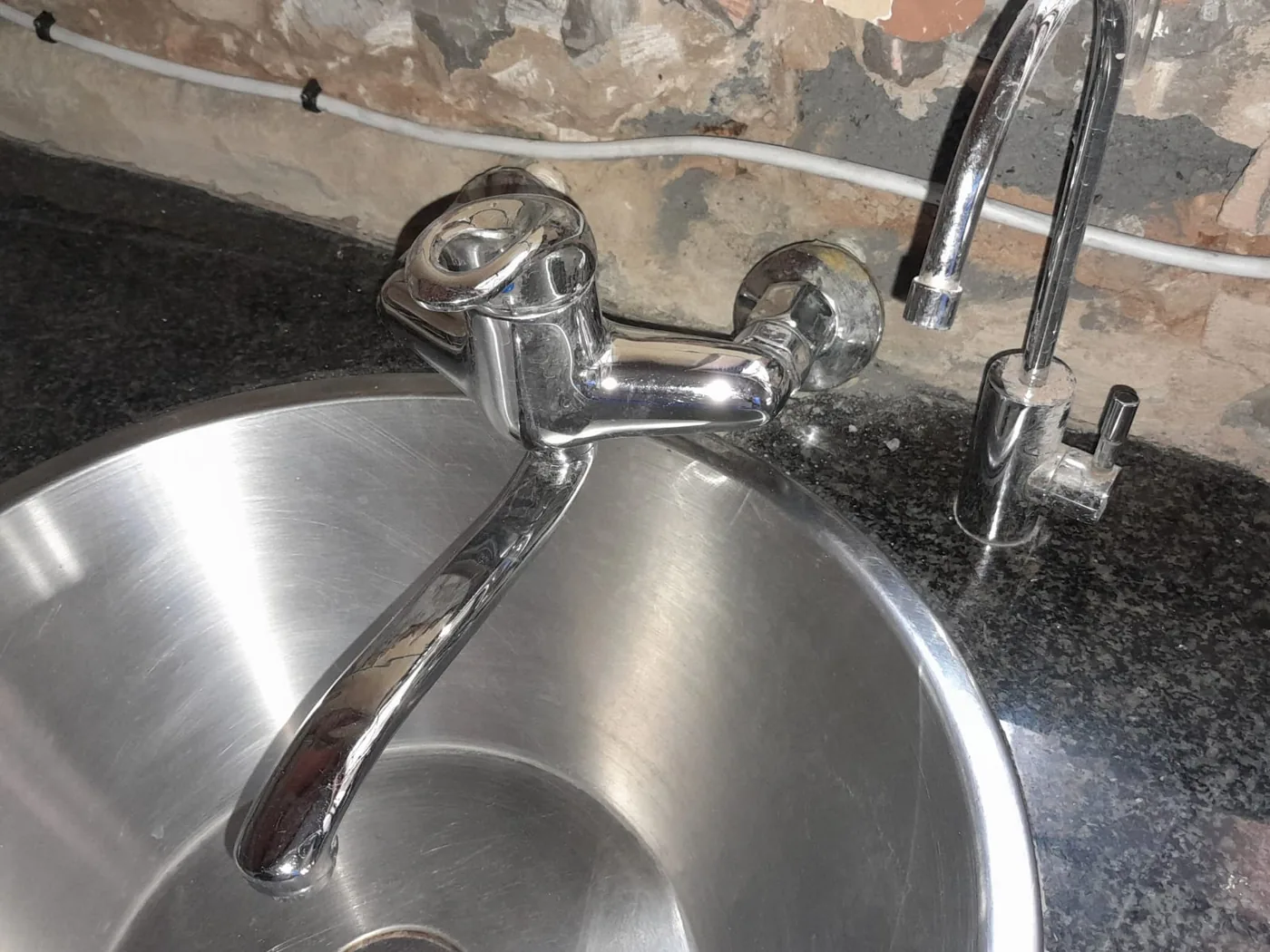
Wall mounted kitchen sink mixer repair in Zandvlei
This Zandvlei plumbing image shows real maintenance work where a visible symptom had to be connected to the correct cause. It supports kitchen plumbing because the best repair is the one that fixes the reason for the problem, not only the part the customer first notices.
In Zandvlei, a property manager may has seen the symptoms become more frequent. For a maintenance concern, the inspection should consider the point where normal operation stops and when a temporary measure is already in place. A practical response is to check the system again after the repair; this supports an informed decision by the property owner. The client should receive a plain explanation of what was confirmed, what remains uncertain and why the recommended next step is appropriate.
A wall-mounted kitchen mixer must be fixed firmly because every use places movement on the body, spout, wall fittings and concealed connections. If the mixer feels loose or drips at the wall, the fault may be behind the chrome cover rather than at the handle. The plumber should check the pipe centres, wall seats, washers, threads and spout seal before replacing parts. A kitchen tap repair should also include a flow test and shut-off test, because a beautiful mixer that cannot be isolated properly will be difficult to service later.
In Zandvlei, a restaurant operator may needs to limit disruption. For a diagnosis concern, the inspection should consider whether more than one outlet is affected and when the fault is intermittent. A practical response is to state clearly what cannot be confirmed without further access; this supports an informed decision by the property owner. The client should receive a plain explanation of what was confirmed, what remains uncertain and why the recommended next step is appropriate.
How to look out for this problem
In Zandvlei, a shop owner may needs practical preparation advice. For a maintenance concern, the inspection should consider the risk of further damage and before replacement parts are selected. A practical response is to explain the repair boundary before proceeding; this supports a practical plan for monitoring the system. The client should receive a plain explanation of what was confirmed, what remains uncertain and why the recommended next step is appropriate.
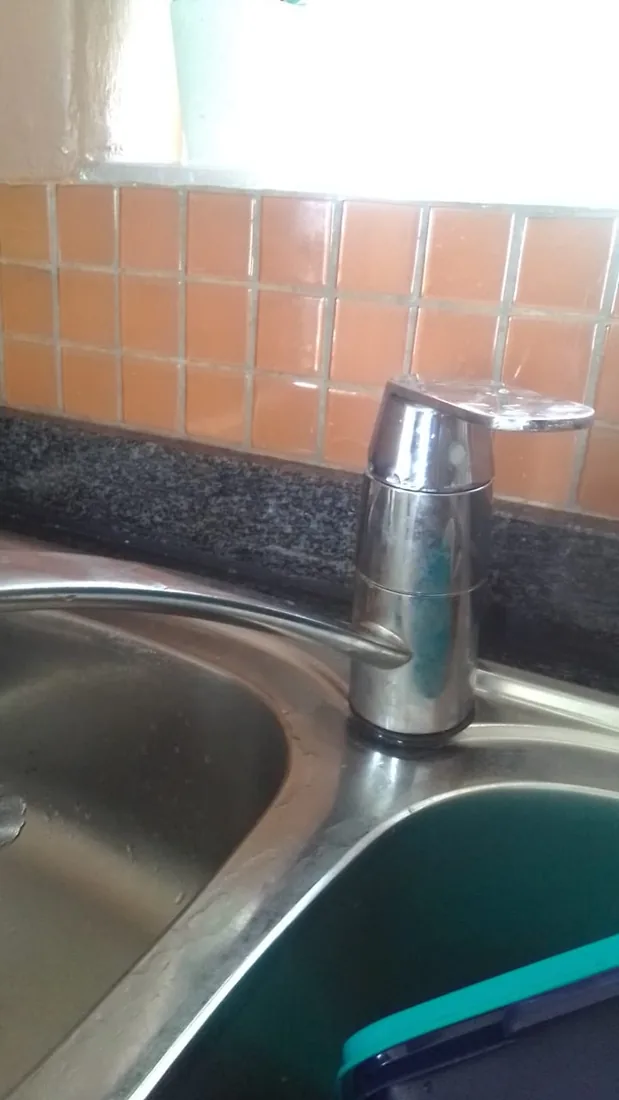
Countertop sink mixer tap repair in Zandvlei
This Zandvlei plumbing image shows real maintenance work where a visible symptom had to be connected to the correct cause. It supports general plumbing because the best repair is the one that fixes the reason for the problem, not only the part the customer first notices.
In Zandvlei, a restaurant operator may wants to avoid unnecessary replacement. For a maintenance concern, the inspection should consider the age and condition of replaceable parts and when several symptoms appear together. A practical response is to document the symptoms before parts are removed; this supports better control of avoidable damage. The client should receive a plain explanation of what was confirmed, what remains uncertain and why the recommended next step is appropriate.
Countertop sink mixers often fail quietly. A small drip can run beneath the sink lip, down the flexible connections or into the cupboard without being noticed straight away. The repair should check the cartridge, aerator, base seal, flexible hoses, mounting nut and isolation valves. If the mixer is wobbly, tightening alone may not be enough if the sink top or seal has already been damaged. A good tap repair leaves the mixer stable, easy to operate and dry underneath after repeated hot and cold water testing.
In Zandvlei, a family may is dealing with an after-hours problem. For a drain concern, the inspection should consider the difference between an isolated and system-wide fault and if the source is not immediately visible. A practical response is to check the system again after the repair; this supports an informed decision by the property owner. The client should receive a plain explanation of what was confirmed, what remains uncertain and why the recommended next step is appropriate.
How to look out for this problem
In Zandvlei, a maintenance coordinator may has already tried a basic check. For a urgent concern, the inspection should consider the condition of nearby fittings and before replacement parts are selected. A practical response is to confirm that the proposed repair matches the evidence; this supports a result that matches the condition found. The client should receive a plain explanation of what was confirmed, what remains uncertain and why the recommended next step is appropriate.
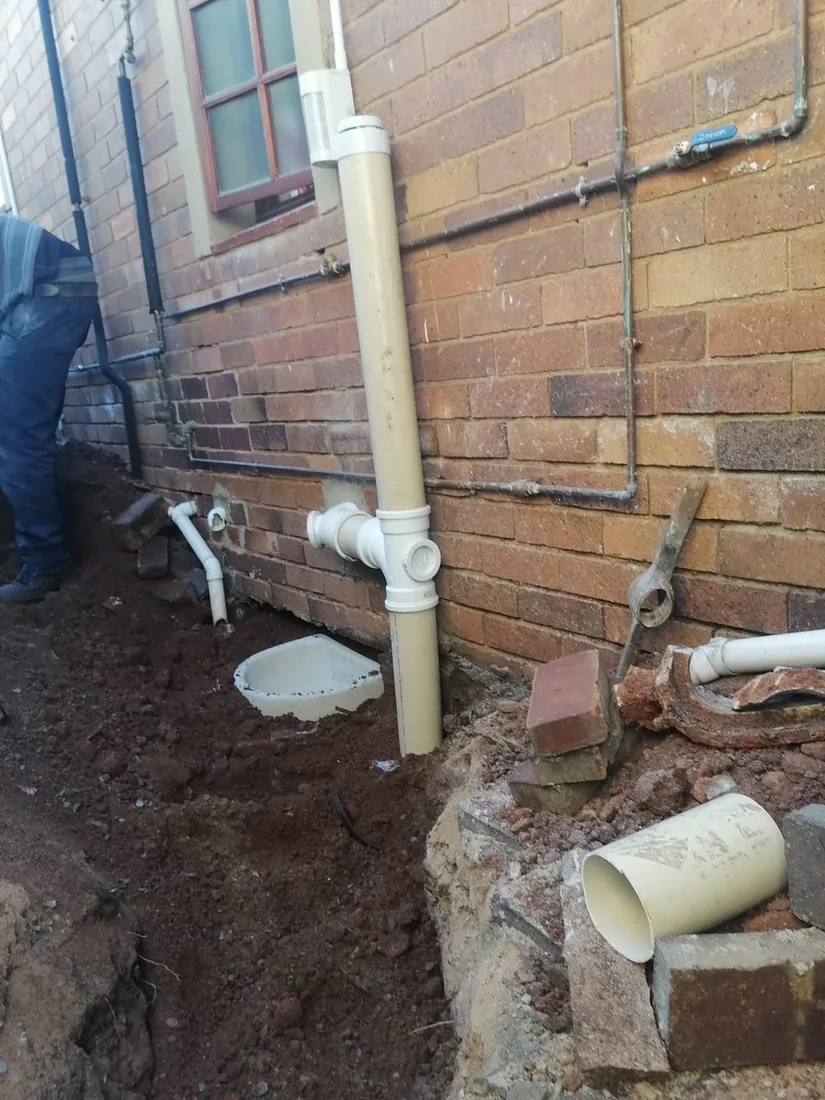
Outside drain and waste pipe installation in Zandvlei
This work photo shows an outside drain or access point being opened for blockage clearing. Zandvlei properties can experience blockages from leaves, garden debris, silt, roots, grease, paper and broken pipe sections. The work is related to blocked drain cleaning because a drain should not simply be poked open and forgotten when the same symptoms keep returning.
A good drain call-out starts by checking which fixtures are affected, whether the blockage is local or on the main run, and whether water returns after rodding. If the drain is full of silt or roots, the plumber may recommend further inspection instead of pretending the problem is permanently solved. Where paving, garden beds or old pipe routes are involved, neat access and careful reinstatement are also important.
Outside waste pipe installation needs careful alignment because water, waste and air must move freely through the line. A pipe that is too flat, poorly clipped, incorrectly joined or badly vented can create recurring smells and blockages. The plumber should check fall, access points, junctions, wall penetrations and the way the pipe connects into the drain. On exterior walls, pipework must also be protected from knocks and left neat enough for future maintenance. This is especially important where the drain serves a kitchen, bathroom or laundry area.
In Zandvlei, a letting agent may needs a safe next step. For a maintenance concern, the inspection should consider any earlier temporary repairs and if the issue has occurred more than once. A practical response is to discuss alternatives when more than one repair is reasonable; this supports better control of avoidable damage. The client should receive a plain explanation of what was confirmed, what remains uncertain and why the recommended next step is appropriate.
How to look out for this problem
Look out for slow baths, gurgling basins, water rising from an outside gully, bad smells near the drain, toilets bubbling when another fixture empties, or repeated blockages after heavy use. If more than one fixture is slow, the blockage may be further down the line.
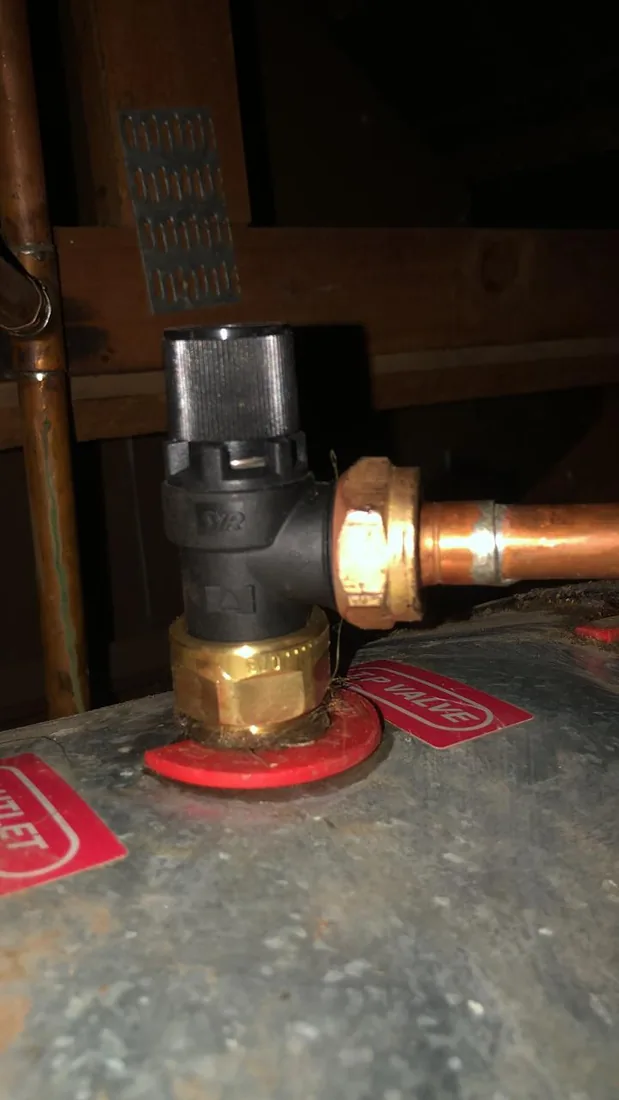
Geyser vacuum breaker replacement in Zandvlei
This Zandvlei job shows a roof-space geyser arrangement where the tank, copper pipework, valves and drip tray all need to be looked at as one system. When geysers sit in tight roof spaces, a small leak can run along timber, insulation or ceiling boards before the owner notices the real source. Work like this is closely linked to geyser plumbers near me because the repair is not only about hot water; it is also about safe discharge, proper support, neat pipe routes and preventing ceiling damage.
In Zandvlei, a facilities manager may wants to understand the likely scope. For a geyser concern, the inspection should consider the behaviour of shut-off and control components and when the problem affects daily operations. A practical response is to consider both the failed component and its connections; this supports a safer return to normal use. The client should receive a plain explanation of what was confirmed, what remains uncertain and why the recommended next step is appropriate.
A vacuum breaker is a small fitting with an important job. If it is missing, leaking, blocked or installed incorrectly, the geyser system can behave badly and become harder to protect. The plumber should check its height, orientation, thread condition and whether the surrounding copper pipe is supported. Because vacuum breakers often sit in roof spaces, they can leak unnoticed for a long time. A proper replacement should include testing after the water is restored and checking that no nearby joints have been disturbed during the repair.
How to look out for this problem
In Zandvlei, a first-time property owner may is unsure whether the problem is isolated. For a maintenance concern, the inspection should consider access to the affected pipework and before a disruptive repair is approved. A practical response is to separate urgent work from optional improvements; this supports greater confidence in why the work is required. The client should receive a plain explanation of what was confirmed, what remains uncertain and why the recommended next step is appropriate.
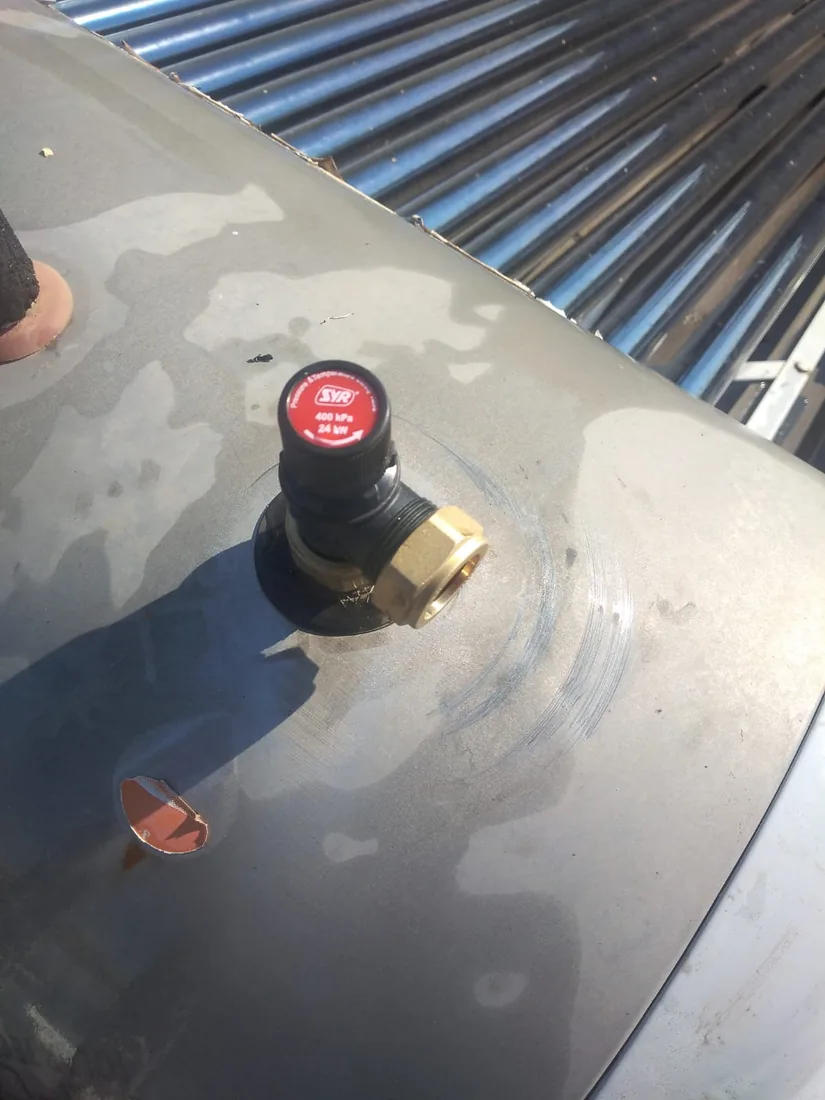
Solar geyser safety valve inspection in Zandvlei
This Zandvlei job shows a roof-space geyser arrangement where the tank, copper pipework, valves and drip tray all need to be looked at as one system. When geysers sit in tight roof spaces, a small leak can run along timber, insulation or ceiling boards before the owner notices the real source. Work like this is closely linked to plumbing services because the repair is not only about hot water; it is also about safe discharge, proper support, neat pipe routes and preventing ceiling damage.
In Zandvlei, a landlord may finds that normal use has become difficult. For a diagnosis concern, the inspection should consider the pattern of the symptoms and when the fault is intermittent. A practical response is to compare the findings with the client’s description; this supports fewer unnecessary component changes. The client should receive a plain explanation of what was confirmed, what remains uncertain and why the recommended next step is appropriate.
Solar geyser valves work in harsher conditions because the system can reach higher temperatures and may sit exposed on the roof. A safety valve on a solar geyser should be correctly rated, accessible and connected in a way that does not hide discharge. The plumber should check the surrounding tank surface, collector pipework, roof penetrations and evidence of previous leaking. If the valve is only changed because it is dripping, without checking pressure and temperature behaviour, the same symptom can return. Solar geyser repair should always look at the full hot water system.
How to look out for this problem
In Zandvlei, a body corporate may needs to limit disruption. For a geyser concern, the inspection should consider whether the issue changes during peak use and if the source is not immediately visible. A practical response is to check the system again after the repair; this supports a documented basis for any follow-up work. The client should receive a plain explanation of what was confirmed, what remains uncertain and why the recommended next step is appropriate.
What to Record About a Repair with More Than One Option Before Work Begins
In Zandvlei, a maintenance coordinator may is dealing with an after-hours problem. For a diagnosis concern, the inspection should consider signs of pressure or flow changes and where previous work has been attempted. A practical response is to check the system again after the repair; this supports a safer return to normal use. The client should receive a plain explanation of what was confirmed, what remains uncertain and why the recommended next step is appropriate.
Related Zandvlei plumbing help
Use these service pages when the problem is urgent, hidden, blocked, leaking or linked to a geyser or toilet fault.

