
Emergency Toilet Problems We Repair
Toilet emergencies can start suddenly or build up over several days. Some faults are obvious, such as water overflowing from the pan. Others are quieter, such as a cistern that runs continuously, a toilet base that stays damp, a weak flush that never clears properly or a smell that returns after cleaning. All of these warning signs deserve attention because they can point to water loss, drain restriction, failed seals or damaged toilet parts.
Overflowing Toilets
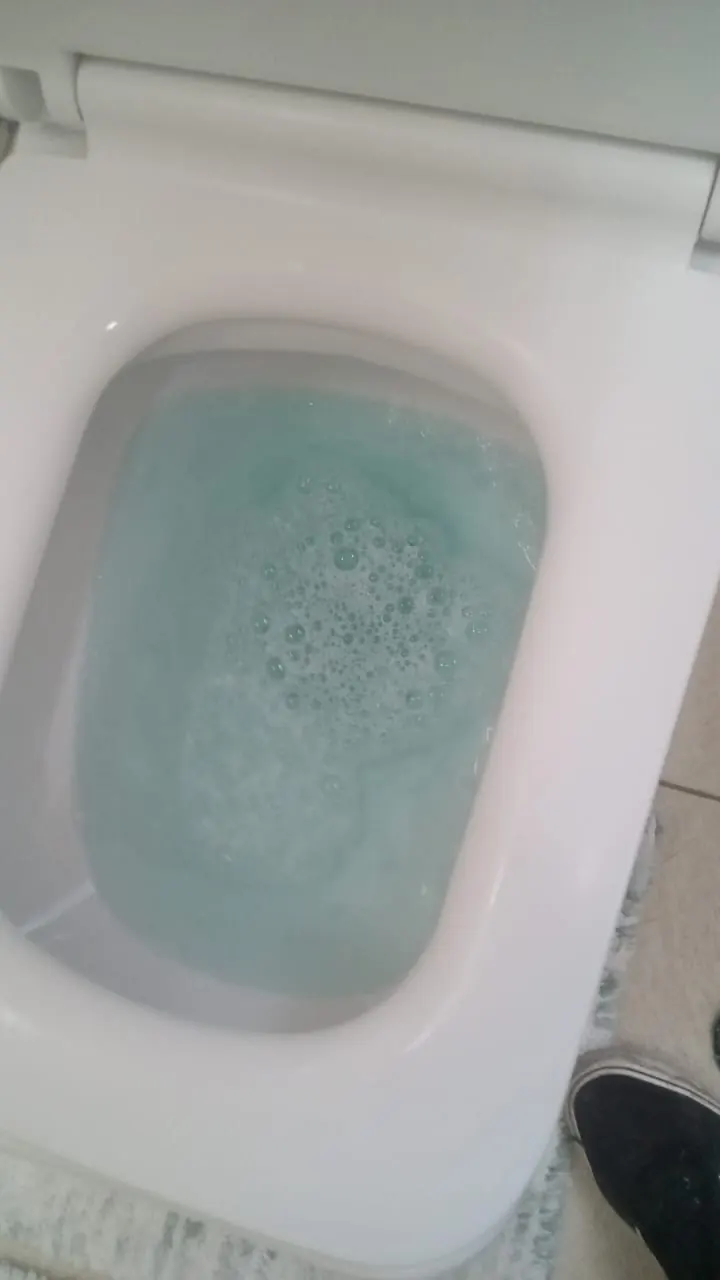
An overflowing toilet should be treated as urgent because water can spread across the bathroom floor and contaminate nearby surfaces. Do not keep flushing. If the water level is rising, stop using the toilet and keep children and pets away from the area. The plumber checks whether the obstruction is in the pan, the trap, the toilet connector, the branch drain or the sewer line. If the toilet blockage is part of a deeper drain problem, related help may include blocked toilet plumbers or sewer line cleaning.
Leaking Toilet Bases
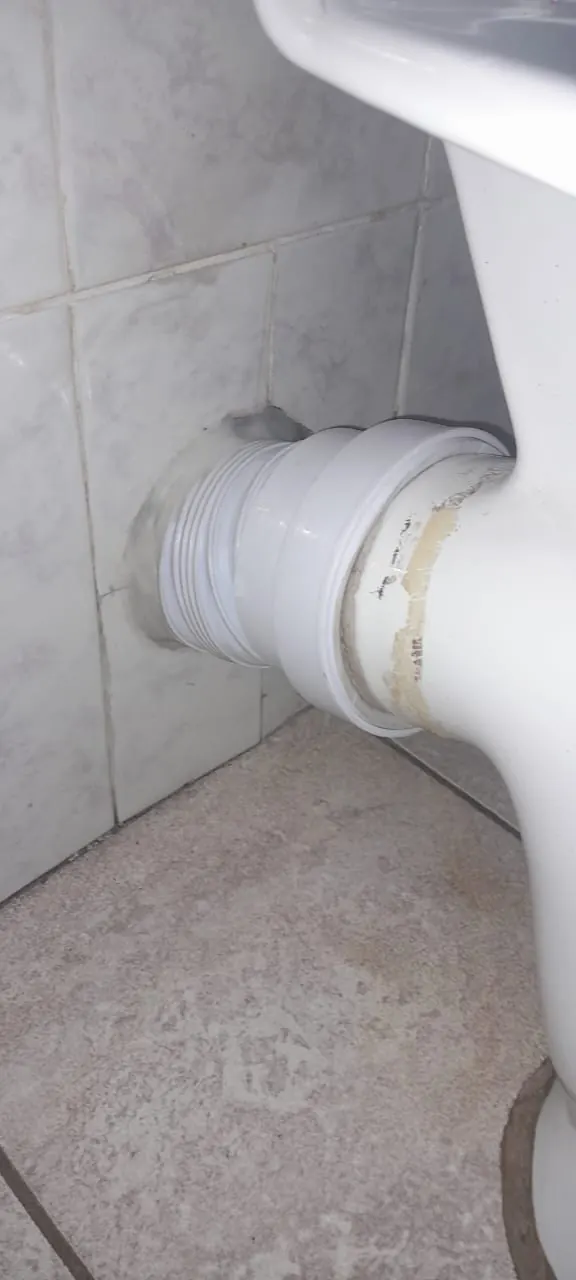
Water around the base of the toilet may come from a failed pan connector, loose toilet fixing, damaged seal, cracked pan or cistern leak running down behind the toilet. The first step is to identify whether the water is clean water or wastewater. A base leak should not be ignored because it can damage flooring and create smells if wastewater is escaping when the toilet is flushed.
Running Cisterns And Failed Flush Parts
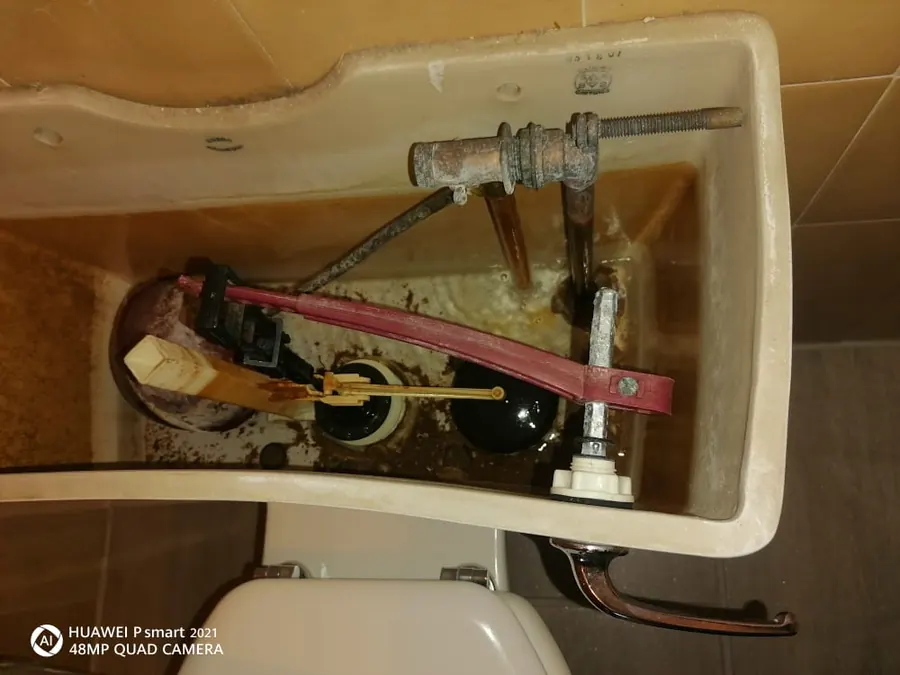
A running cistern can waste water continuously and may point to a failed inlet valve, flush valve, seal, float, button or internal mechanism. The toilet may still be usable, but the fault can increase water bills and place strain on cistern parts. The plumber checks the refill, shut-off and flush operation before replacing worn components.
Toilets That Will Not Flush Properly
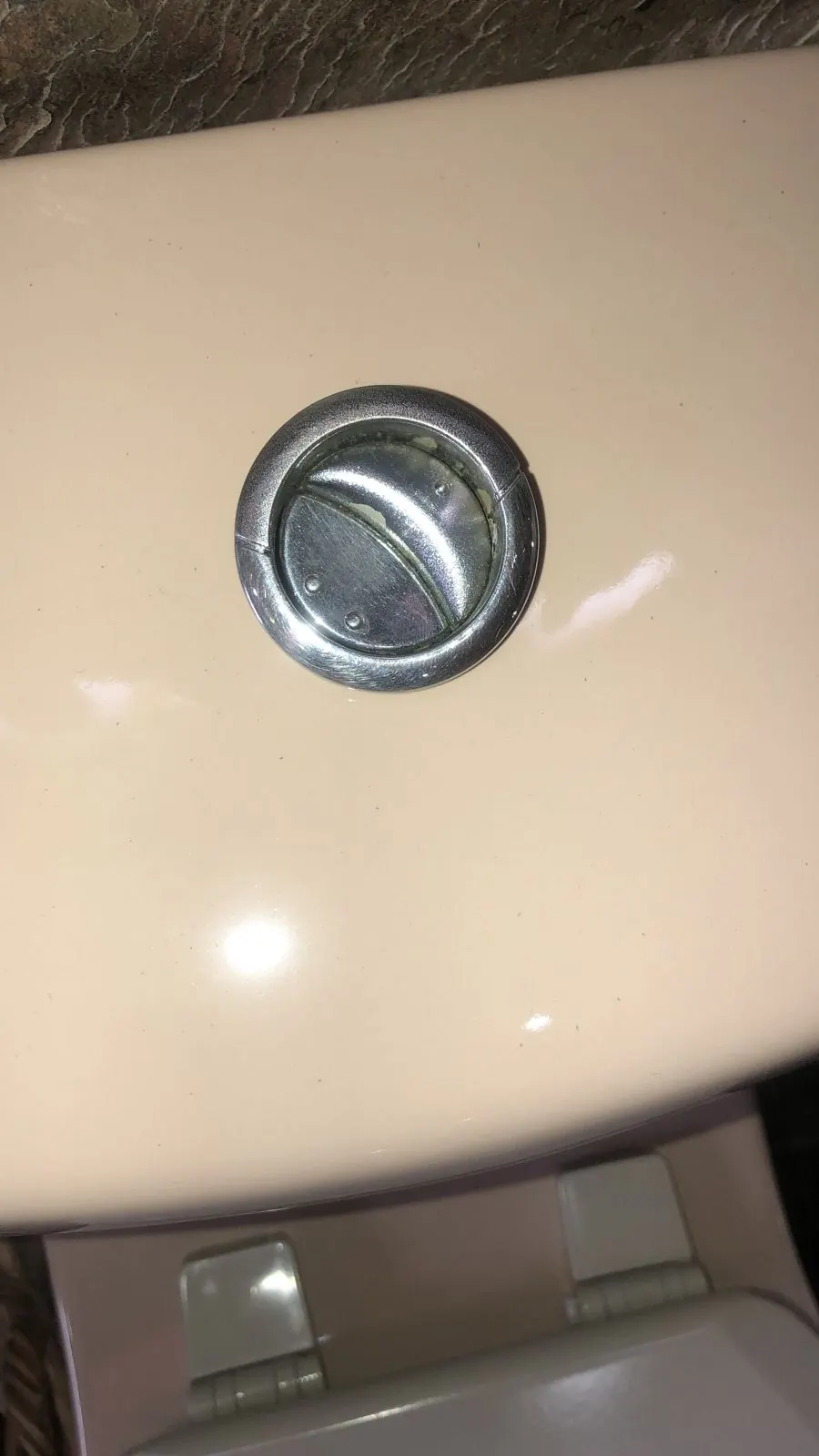
A weak or incomplete flush can be caused by low cistern water level, a faulty flush valve, blocked rim holes, poor water delivery, a partial blockage or a toilet that is no longer performing correctly. The plumber tests the flush, checks the cistern and watches how waste leaves the pan so the repair targets the real fault instead of only changing random parts.
What To Do Before The Plumber Arrives
Stop using the affected toilet if water is rising, backing up or leaking. If you can safely isolate the water supply to the toilet, turn the small angle valve or stop valve clockwise. Remove mats, towels and items from the wet area, and avoid pouring chemicals into the toilet. Chemicals often fail to clear serious blockages and can create a safety risk when the plumber opens the line.
When To Stop Flushing Immediately
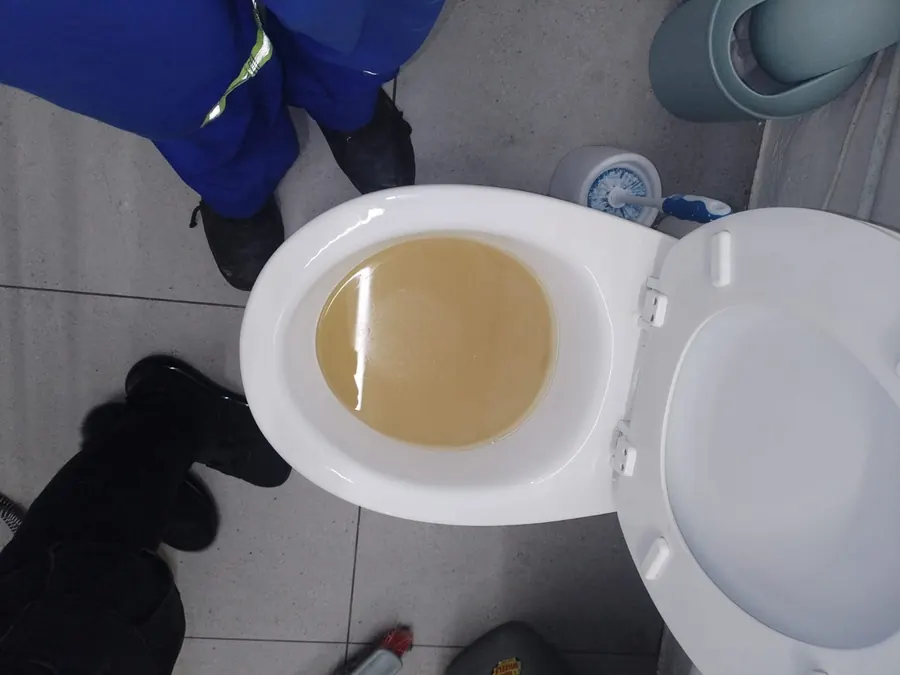
Stop flushing if the bowl water rises, drains slowly, bubbles, gurgles or comes close to overflowing. Repeated flushing usually adds more water to a system that is already restricted. If another fixture reacts when the toilet is flushed, such as a shower gurgling or outside gully rising, the problem may be deeper in the drainage system.
How A Professional Emergency Toilet Repair Is Performed
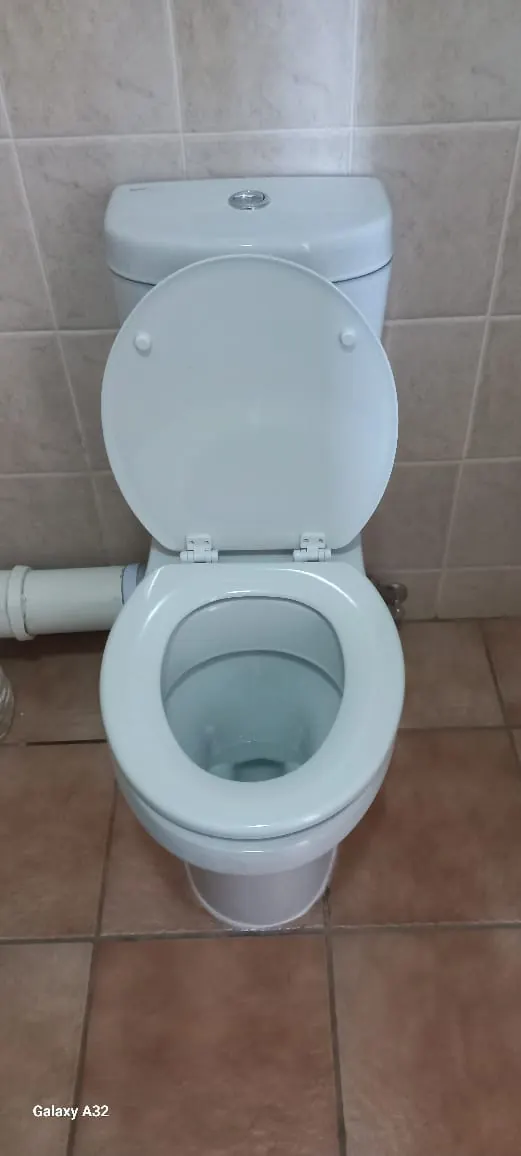
A proper emergency toilet repair follows a sequence. The plumber first controls the immediate risk, then diagnoses the cause, completes the repair and tests the toilet under normal use. This is important because a toilet can look repaired after one flush, but still fail again if the drain, cistern or connector has not been checked properly.
Step One: Control The Immediate Risk
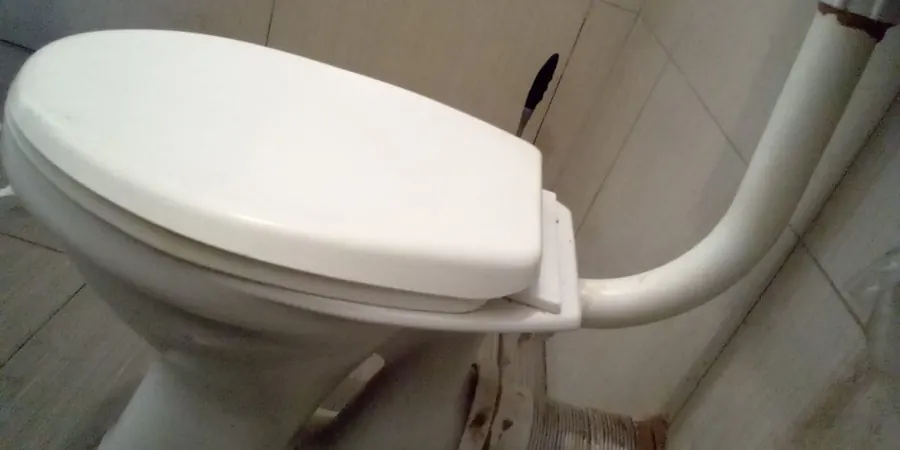
The first priority is to stop active water damage or overflow. This may mean isolating the toilet water supply, stopping the use of nearby fixtures, controlling wastewater around the pan or opening safe access to the affected drain line. Where water has already reached floors or walls, the plumber will focus on preventing more water from entering the area before repair work begins.
Step Two: Diagnose The Toilet Fault
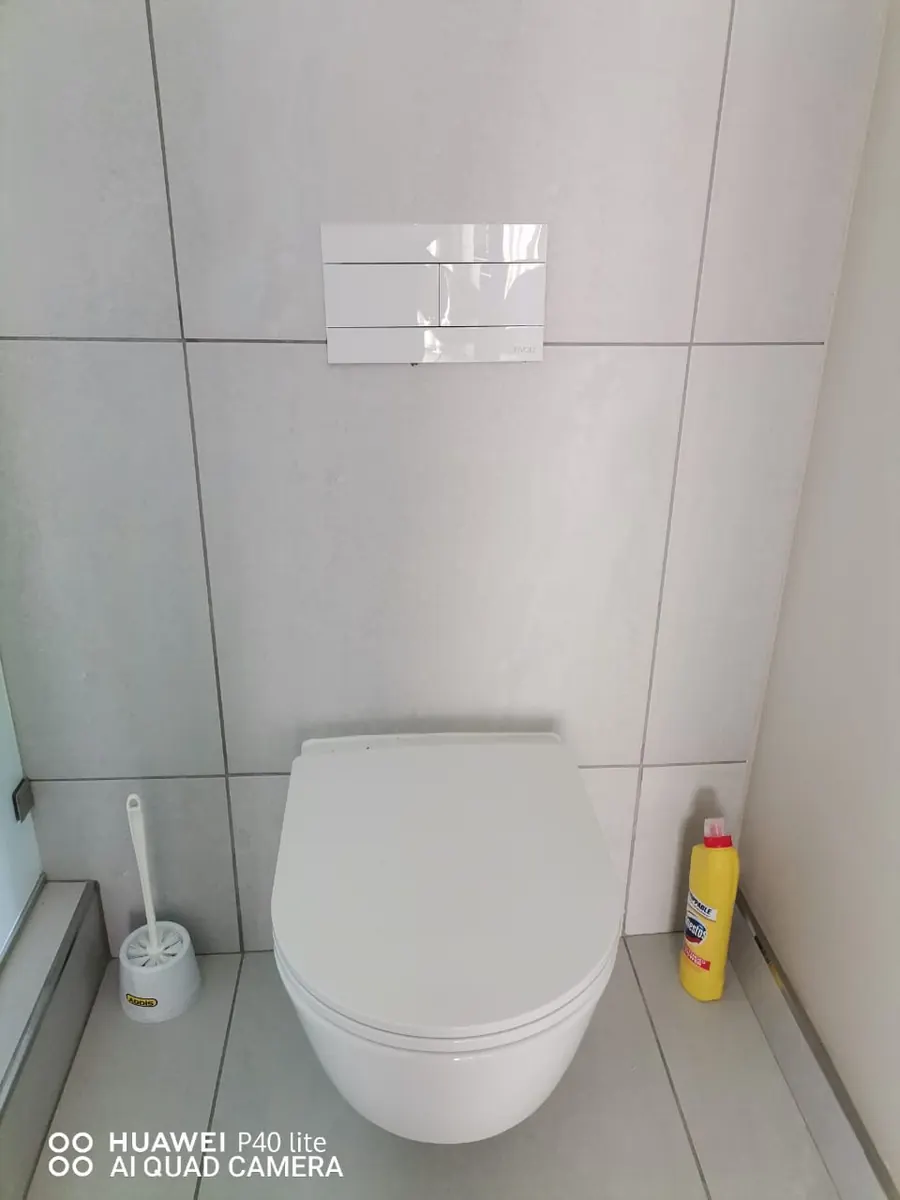
The plumber checks the pan, cistern, flush mechanism, inlet valve, outlet, pan connector, water supply connection and drainage behaviour. The symptoms guide the diagnosis. A running toilet usually points to cistern components. A toilet that rises when flushed points to a blockage. Water around the base may point to a seal or connector. Gurgling can indicate a branch drain or sewer-line problem.
Step Three: Repair Or Replace The Failed Part
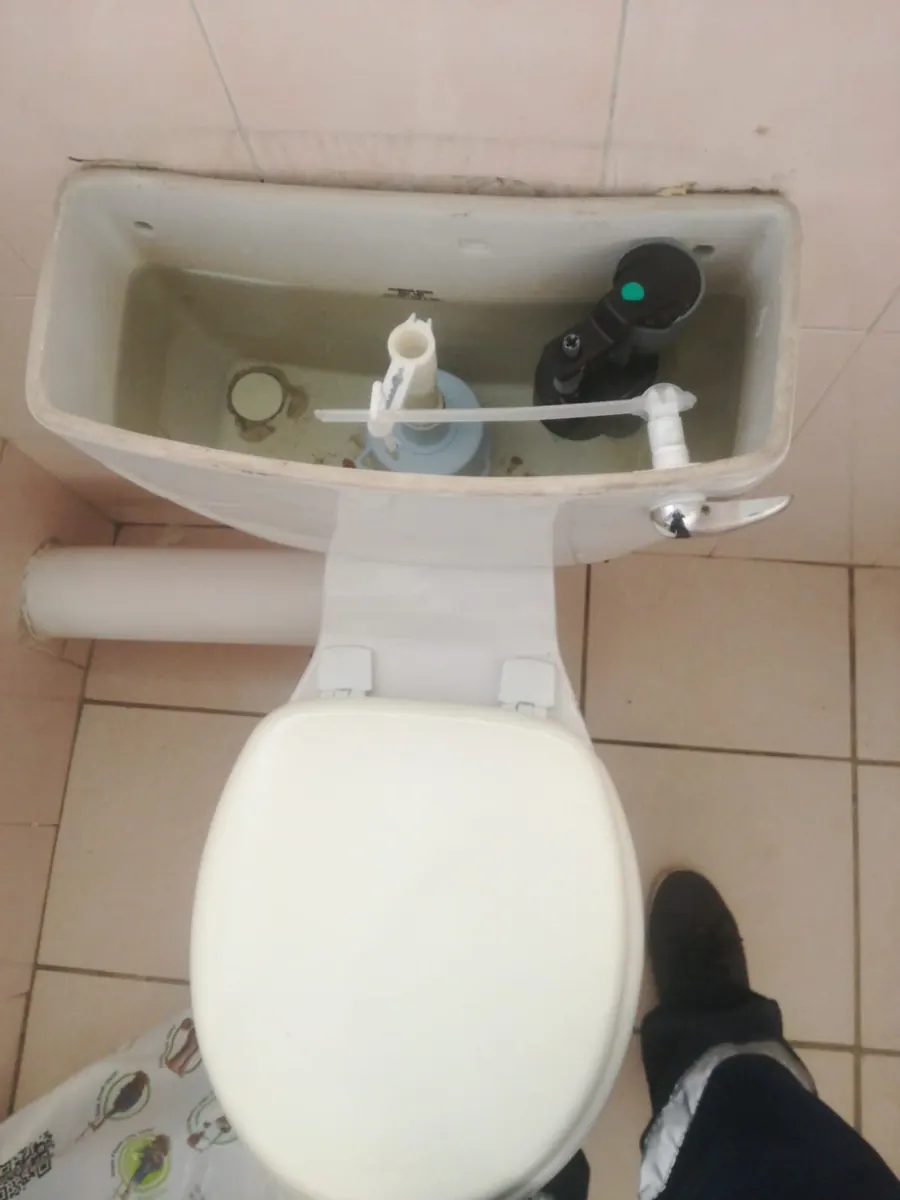
Once the cause is confirmed, the plumber repairs or replaces the failed part. This may include clearing a blockage, replacing a pan connector, repairing a cistern valve, fitting a new flush mechanism, securing a loose toilet, replacing a leaking flexi connector or advising replacement where the toilet is cracked or unreliable. The repair should match the cause, not only the symptom.
Step Four: Test The Toilet Properly
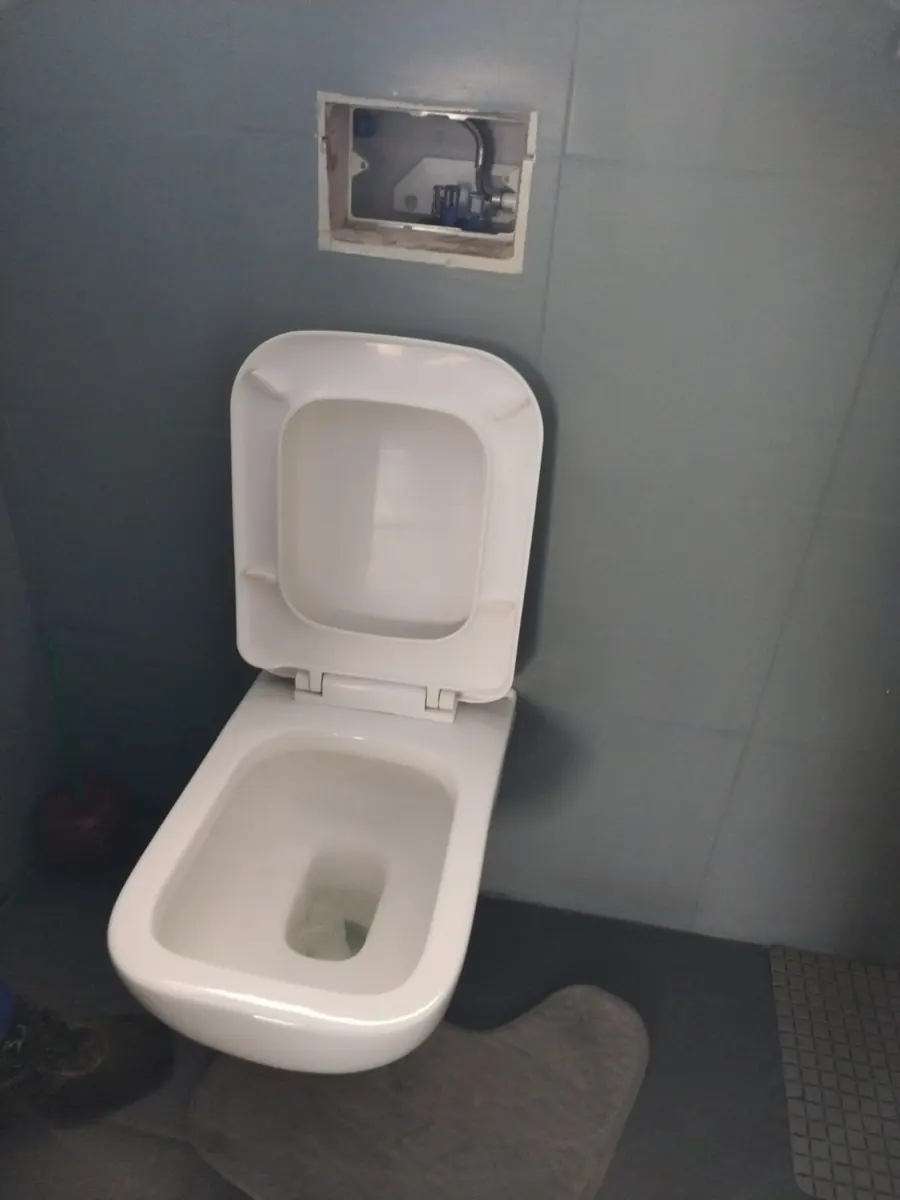
The toilet is flushed several times and checked for leaks, refill behaviour, water level, flush strength and drainage flow. If a drain problem is suspected, nearby fixtures and outside gullies may also be checked. Testing confirms that the toilet works normally before the plumber leaves and gives the customer clear warning signs to watch for afterwards.
Why Toilet Problems Often Return
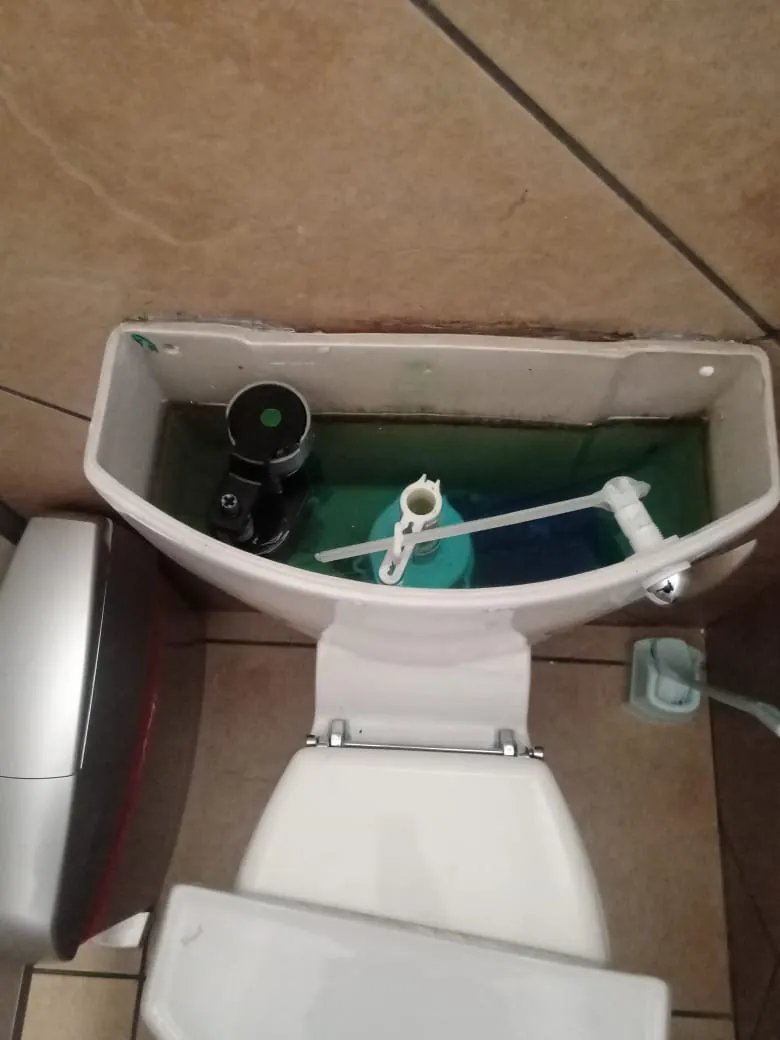
Toilet faults return when the underlying issue is not repaired. A blockage may be cleared from the pan while the branch drain remains restricted. A leaking base may be sealed without fixing the movement that caused the leak. A running cistern may receive a temporary adjustment when the valve actually needs replacement. This is why emergency toilet repair should include diagnosis and testing, not just a quick visible fix.
Recurring Blockages And Sewer-Line Clues
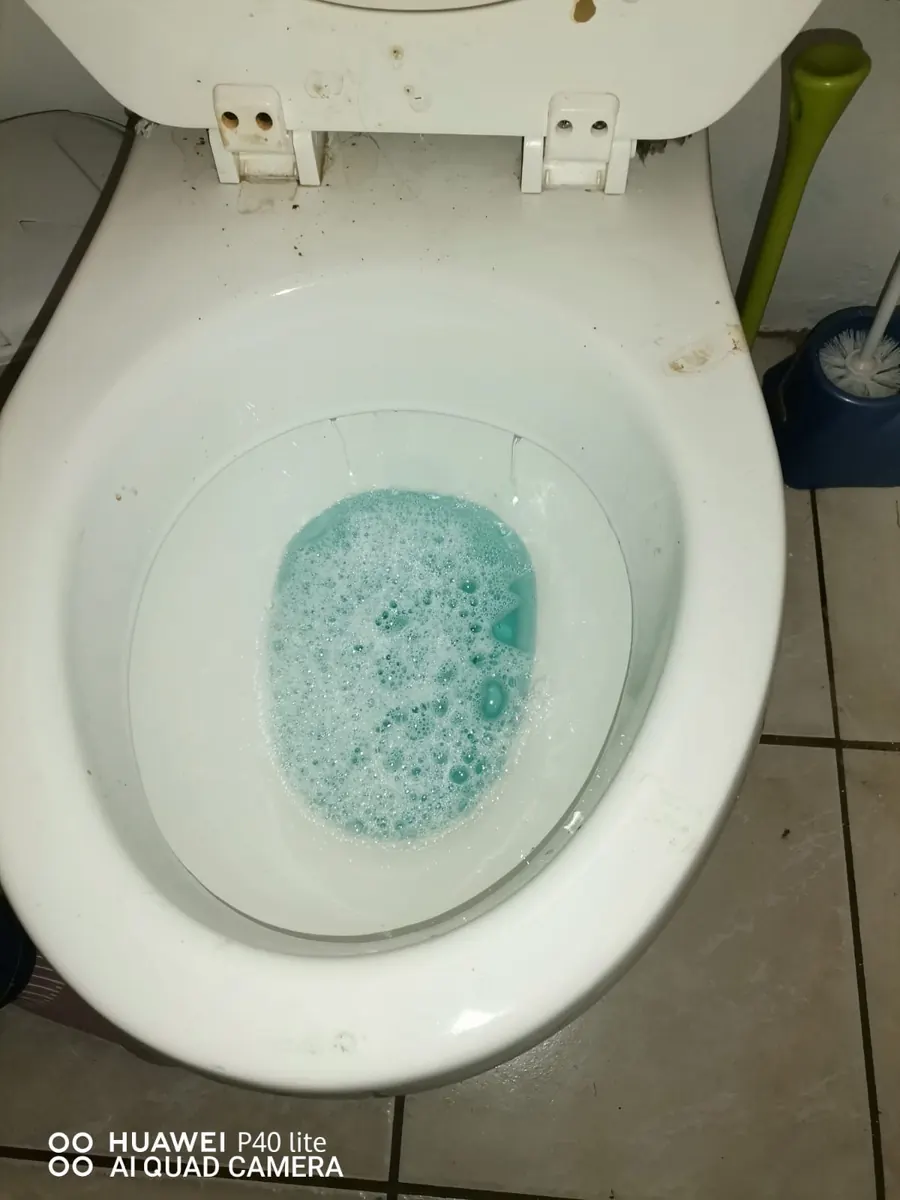
If a toilet blocks repeatedly, bubbles when other fixtures drain, or backs up together with a shower, bath or outside gully, the issue may not be only the toilet. The drain line may need cleaning or inspection. For deeper faults, see video camera inspections and sewer line repair and replacement.
Toilet Repairs For Homes, Rentals And Businesses
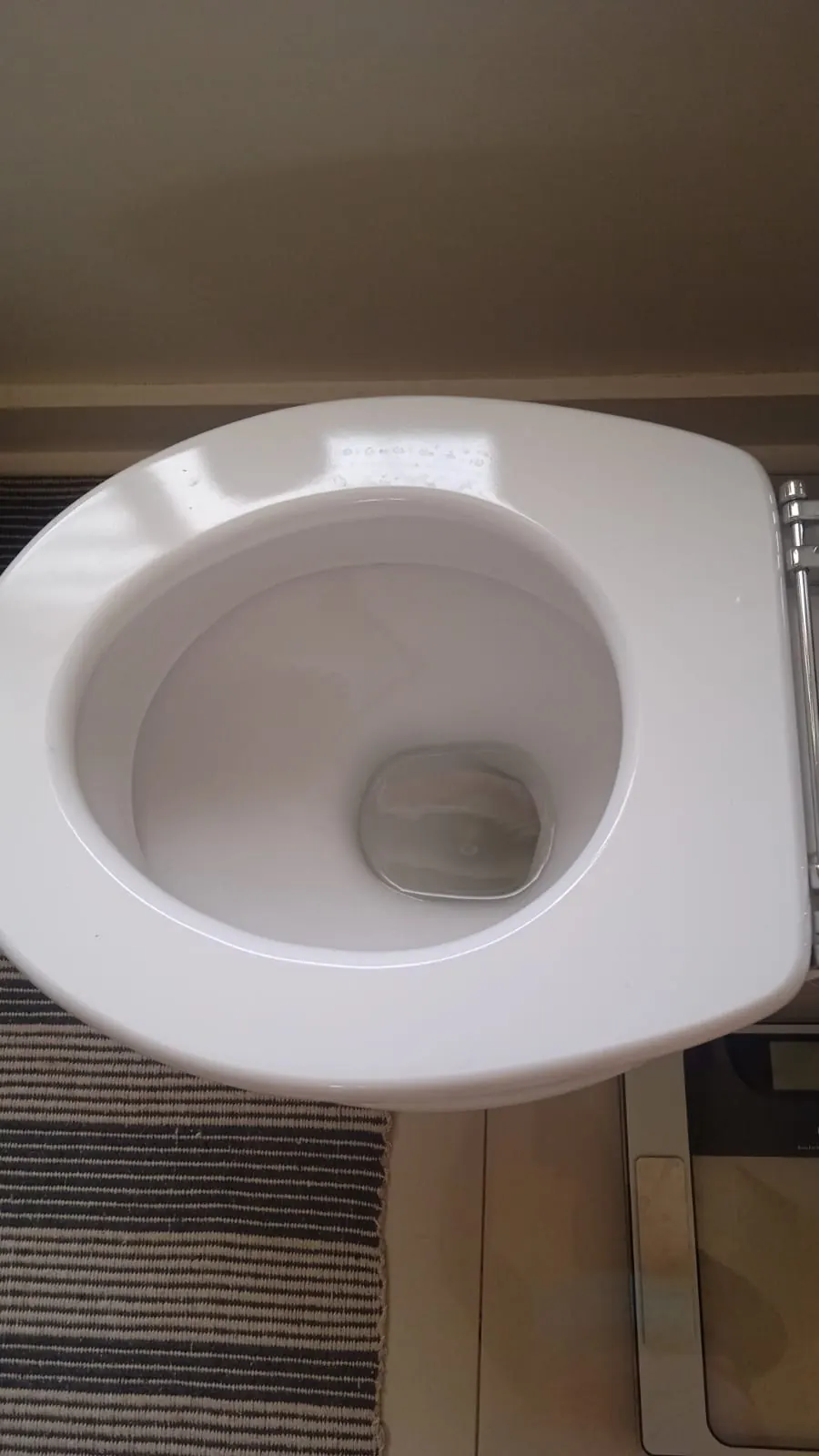
Emergency toilet repair may be needed in houses, flats, complexes, rental units, offices, shops and public bathrooms. In rental properties and businesses, fast repair is especially important because more people may depend on the same bathroom. The plumber may also need to communicate clearly with tenants, landlords, property managers or business owners so access and approval are handled quickly.
When Toilet Replacement Is Better Than Repair
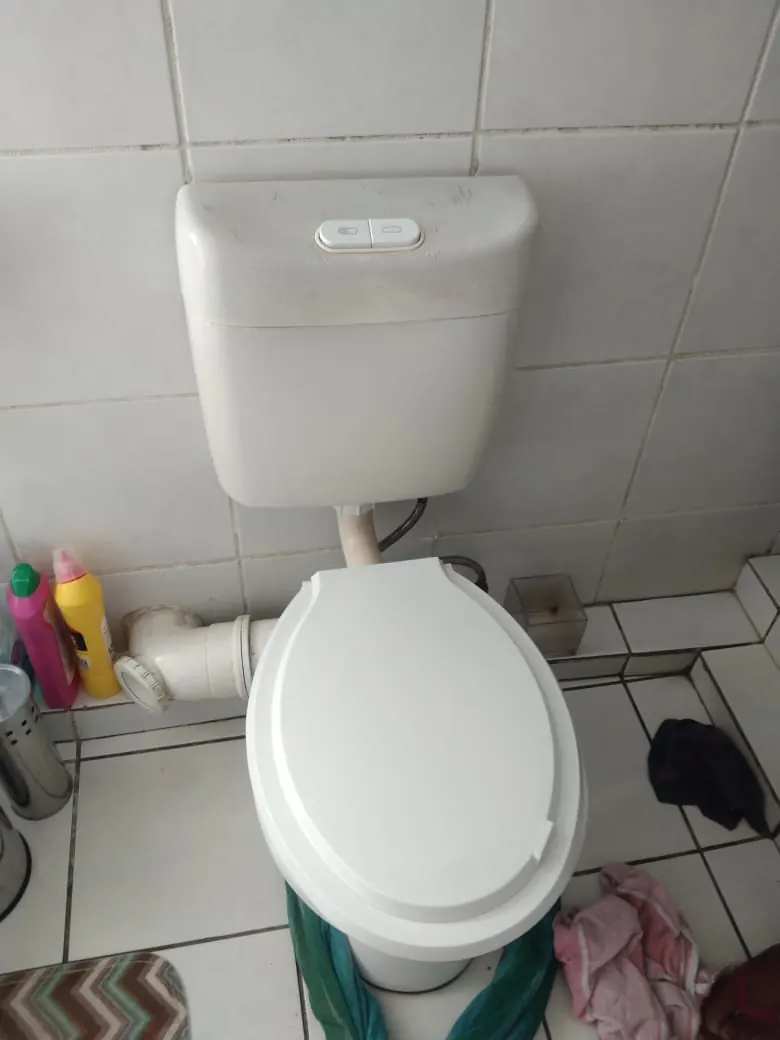
Replacement may be better when the toilet pan is cracked, the cistern is badly damaged, parts are no longer reliable, the toilet rocks on the floor, or repeated repairs have not solved the problem. A replacement toilet should be fitted securely, connected correctly, tested for leaks and checked for proper flushing before the job is complete. For non-emergency toilet work, see toilet repair near me.
Preventing Future Toilet Emergencies
Prevention starts with correct use and early repair. Do not flush wipes, paper towels, sanitary products, cotton pads or other non-toilet items. Repair running cisterns early, check dampness around the base, pay attention to weak flushing and call before a slow toilet becomes a full blockage. Older toilets and high-use bathrooms benefit from periodic checks of valves, seals, flush mechanisms and pan stability.
What You Get From Plumbers Near Me
Customers need quick guidance when a toilet fails. We help with emergency response, free quote messaging, free call-out messaging where applicable, clear communication, practical next steps and workmanship support where applicable. The goal is to make the toilet safe to use again, reduce damage and explain what caused the fault where this can be confirmed.
Service Overview
Emergency toilet repair covers urgent faults that affect safe bathroom use, including overflows, blocked toilets, leaking bases, failed cistern parts, weak flushing, running toilets and sewer-related backups. The service should control the immediate risk, diagnose the cause, complete the repair and test the toilet before the job is considered finished.
What You Get For Free
Before work begins, customers need clear next steps. We provide free quote messaging, free call-out messaging where applicable, same-day support where possible, emergency support for urgent faults, and clear communication about whether the toilet needs unblocking, cistern repair, leak repair, part replacement or full replacement.
- 24/7 rapid response
- Call-out support for urgent faults
- Drain clearing and flow restoration
- Advice to reduce repeat blockages
Why clients ask for this service
Clients ask for emergency toilet repair when the toilet cannot be trusted for normal use. The issue may be an overflowing pan, a toilet that keeps blocking, a leaking base, a running cistern, a broken flush button, a loose toilet or sewage smells. The repair must deal with both the urgent symptom and the cause behind it.
What a proper service visit includes
A proper visit starts by controlling water or wastewater risk, then checking the pan, cistern, flush parts, connector, supply valve and drainage behaviour. If the toilet is blocked or bubbling, related help may include blocked toilet plumbers and blocked drain cleaning.
How this helps protect your property
A toilet leak or overflow can damage floors, ceilings below the bathroom, skirting, walls and nearby cupboards. Fast repair helps stop water spread, reduce hygiene risks and prevent a small toilet fault from becoming a bigger property-repair problem.
What clients value most
Customers value a toilet that works properly after the plumber leaves. That means clean access, clear diagnosis, correct parts, proper testing, honest explanation and practical advice about what to watch for if the fault was connected to drainage or worn cistern parts.
Frequently Asked Questions
When is a toilet problem an emergency?
A toilet problem becomes an emergency when the toilet cannot be used safely, wastewater is overflowing, water is reaching floors or walls, the toilet is leaking continuously, or more than one bathroom fixture is backing up at the same time. These situations can damage flooring, skirting, ceilings below the bathroom and nearby cupboards. If the toilet is rising or overflowing, stop flushing immediately and call for help. If the issue appears connected to a drain blockage, see blocked toilet plumbers for related support.
What should I do before the emergency toilet plumber arrives?
Stop using the toilet if water is rising, leaking or backing up. Do not keep flushing to see if it clears, because this can overflow the pan and spread contaminated water. If you can safely isolate the toilet water supply at the angle valve or stop valve, turn it off. Move towels, mats and loose items away from the wet area, keep children and pets away, and take a photo of the fault if it helps explain the situation.
Can an overflowing toilet damage my property?
Yes. Overflowing toilet water can move under flooring, into skirting, under cupboards and through ceilings below the bathroom. The damage is worse when the water is contaminated by wastewater. Fast emergency toilet repair reduces the time water is in contact with building finishes and helps prevent secondary issues such as smells, swelling timber, loose tiles and hygiene risks.
Why does my toilet keep blocking again?
A toilet that keeps blocking may have a restriction inside the pan, a problem in the toilet connection, a branch drain blockage or a deeper sewer-line issue. Wipes, sanitary products, paper build-up, scale, roots and damaged pipework can all create repeat blockages. If the same toilet blocks after clearing, the plumber may need to inspect the drain route or recommend video camera inspections.
Can a running toilet be an emergency?
A running toilet may not always look urgent, but it can waste a large amount of water and increase utility costs. It can also indicate a failed inlet valve, flush valve, float, seal or cistern mechanism. If the toilet keeps running and cannot be isolated, or if water is overflowing into the pan or outside the cistern, it should be repaired quickly to stop waste and prevent further failure.
What causes water to leak around the base of a toilet?
Water around the base of a toilet may come from a failed seal, loose pan connector, cracked pan, leaking cistern connection, condensation or wastewater escaping when the toilet is flushed. The plumber must first confirm whether the water is clean supply water or wastewater. A base leak should not be ignored because it can damage flooring and create hygiene problems.
Why is my toilet gurgling or bubbling?
Gurgling or bubbling usually means air is being pushed through the toilet because water cannot move freely through the drain. This can happen when a branch drain or sewer line is partly blocked. If the toilet bubbles when a basin, bath, shower or washing machine drains, the fault is often deeper than the toilet pan itself. That may require drain cleaning or sewer-line checking.
Can emergency toilet repair include cistern parts?
Yes. Many urgent toilet faults come from cistern components such as inlet valves, flush valves, seals, buttons, handles, floats and internal mechanisms. A failed part can cause weak flushing, constant running, no refill, slow refill or leaking into the pan. The plumber checks the cistern operation, replaces worn parts where needed and tests the flush several times before leaving.
When should a toilet be replaced instead of repaired?
Replacement may be better when the pan is cracked, the cistern is badly damaged, the toilet rocks because the base or floor fixing has failed, parts are no longer reliable, or the toilet has repeated leaks and flushing problems. The plumber should explain whether repair is sensible or whether replacement will give a safer and longer-lasting result.
Do you repair toilets in flats, complexes and rental properties?
Yes. Emergency toilet repair can be carried out in houses, flats, apartments, townhouses, rental units, offices and commercial bathrooms. In shared properties, the plumber may also need to consider common drains, access rules and whether other units are affected. For broader residential plumbing support, see domestic plumbers.
Can a blocked toilet be linked to the sewer line?
Yes. A toilet may appear to be the problem when the real restriction is in the branch drain or sewer line. Warning signs include several fixtures backing up, outside gullies overflowing, sewage smells, or the toilet bubbling when other fixtures are used. In those cases, sewer line cleaning or inspection may be needed.
Is it safe to use chemicals in a blocked toilet?
It is better to avoid chemical products in a blocked toilet. Chemicals can sit in the pan or pipe, fail to remove the blockage, damage seals and create a safety risk when the plumber works on the toilet. Mechanical clearing and proper diagnosis are safer because they address the obstruction directly and allow the plumber to check whether the fault is deeper.
Can a leaking toilet increase my water bill?
Yes. A leaking toilet, running cistern or failed inlet valve can waste water continuously without looking dramatic. Some leaks run quietly into the pan, while others leak behind the toilet or around the supply connection. Repairing the fault quickly helps prevent water waste, higher bills and damage to nearby finishes.
What information should I send when booking emergency toilet repair?
Tell us whether the toilet is overflowing, blocked, leaking, running, not flushing or loose. Mention whether other fixtures are affected, whether there is sewage smell, whether water is reaching floors or walls, and whether you can isolate the water supply. A clear photo or short WhatsApp video can help the plumber prepare the right parts and tools.
Do emergency toilet repairs include testing afterwards?
Yes. A proper repair should be tested before the plumber leaves. The toilet should be flushed several times, the cistern should refill and shut off correctly, the base and supply connections should be checked for leaks, and nearby fixtures may be checked where a drainage issue is suspected. Testing confirms that the repair has solved the practical problem, not only the visible symptom.
Customer Reviews
Related Services
Blocked Toilet Plumbers
For toilets that rise when flushed, overflow, bubble, smell or block repeatedly. The issue may be in the pan, branch drain or sewer line, so the toilet must be checked before it is cleared blindly.
Read MoreLeaking Toilet Repairs
For water around the toilet base, leaking cistern connections, faulty seals, running toilets and toilet supply leaks that can damage flooring or waste water if ignored.
Read MoreBlocked Drain Cleaning
For toilet faults connected to deeper drainage problems, including gurgling, repeated backups, outside gully overflow or several fixtures draining badly at the same time.
Read MoreEmergency Leaking Pipe Repair
For active water leaks near toilets, supply lines, angle valves, walls or floors where fast isolation and repair can prevent further damage.
Read MoreToilet Repair Near Me
For non-emergency toilet repairs, flush faults, running toilets, loose toilets, cistern repairs and planned toilet maintenance where the problem is not actively overflowing.
Read MoreVideo Camera Inspections
For recurring toilet blockages where the drain line may need to be checked for roots, damaged pipework, poor fall or a restriction deeper in the sewer route.
Read MoreNeed a plumber right now?
Call immediately if the toilet is overflowing, leaking continuously, cannot flush, smells strongly of sewage or backs up when other fixtures are used. Stop flushing, isolate the toilet supply if safe, keep the area clear and WhatsApp a photo if it helps explain the fault.
Work We Have Done
Real emergency toilet repair photos from toilet blockages, cistern repairs, leaking connectors, flush faults and after-repair testing.
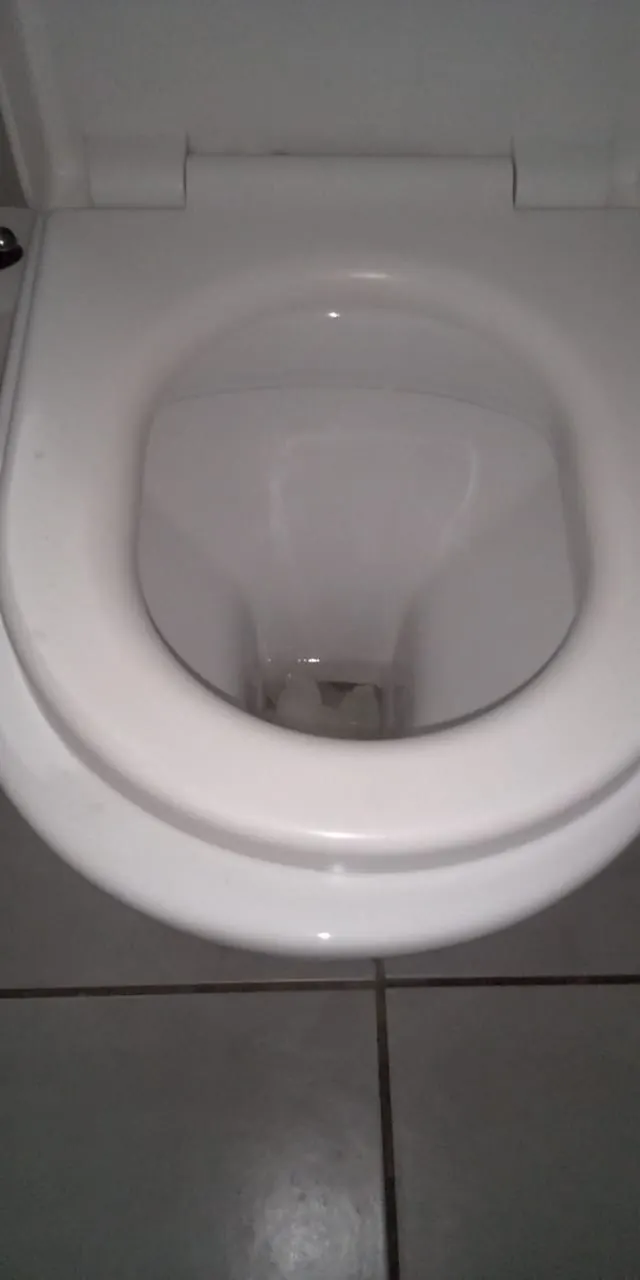
Clean Toilet Bowl After Repair
The toilet bowl was checked after repair to confirm that the flush cleared properly and that water settled at the correct level without backing up.
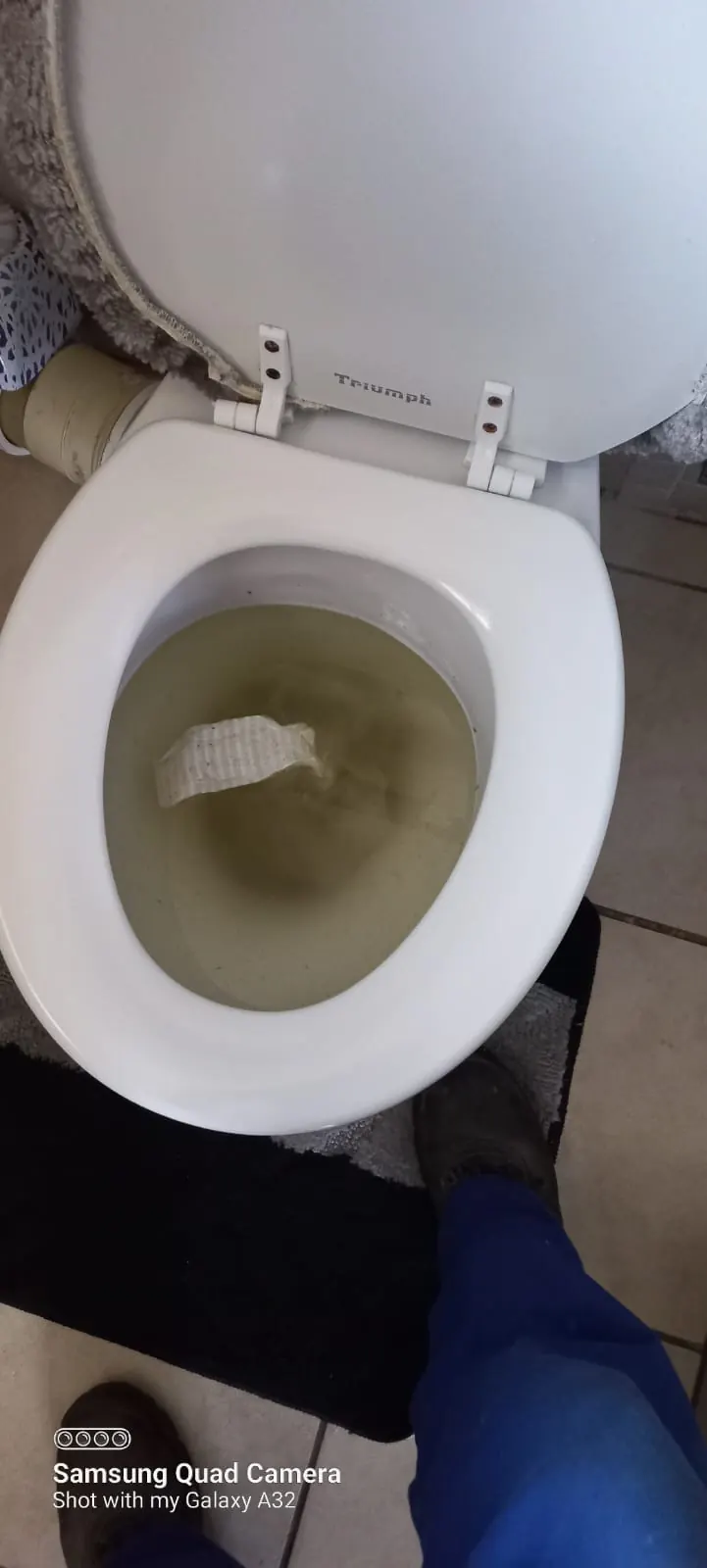
Blocked Toilet With Standing Water
This toilet had dirty standing water in the pan, which points to a blockage or poor flow that needed careful clearing before the toilet could be used again.
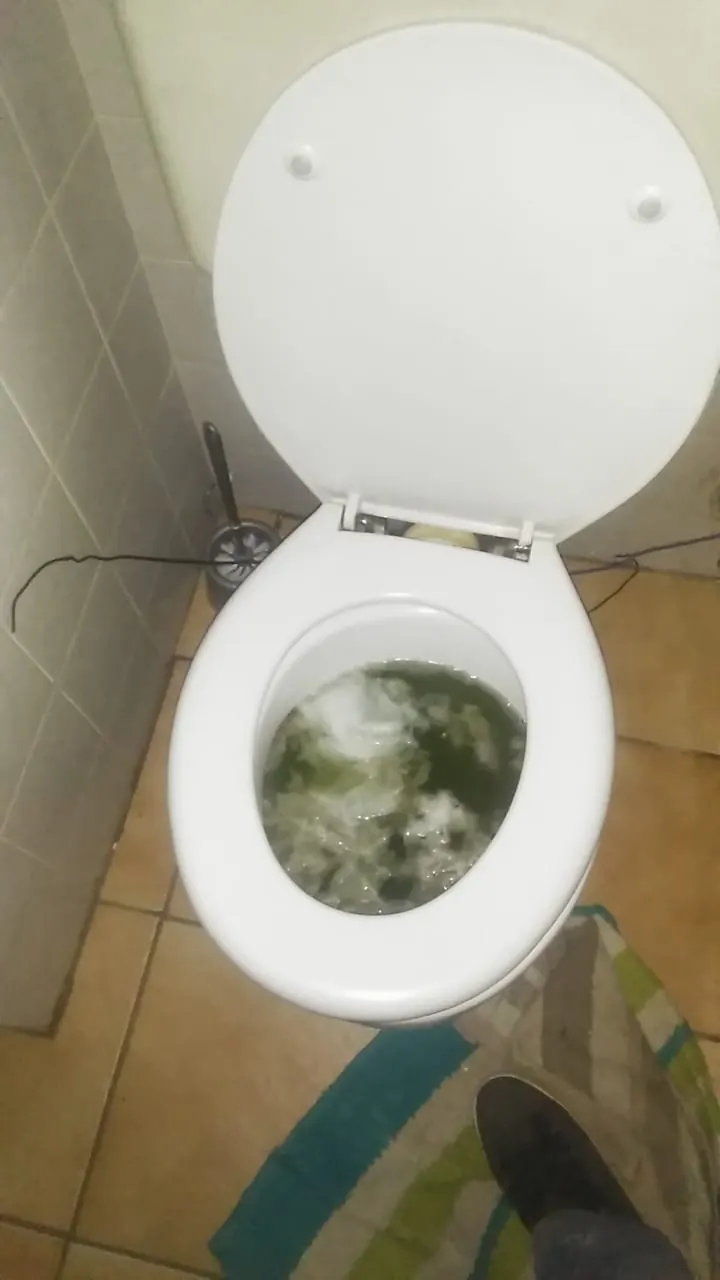
Toilet Backup During Flush
The toilet was showing wastewater movement during flushing, so the line had to be checked properly instead of repeated flushing that could cause an overflow.
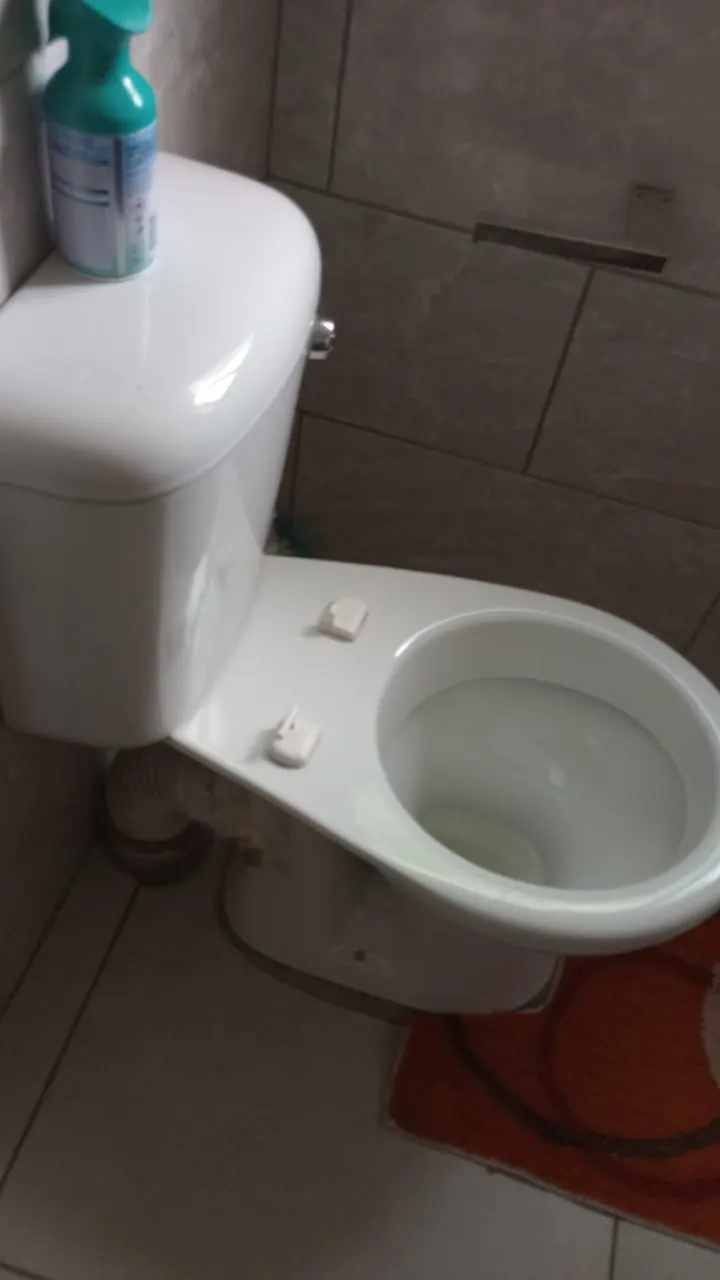
Toilet Pan And Cistern Inspection
The toilet was inspected as a complete fixture, including the pan, cistern, seat area and nearby floor, to understand where the fault was coming from.
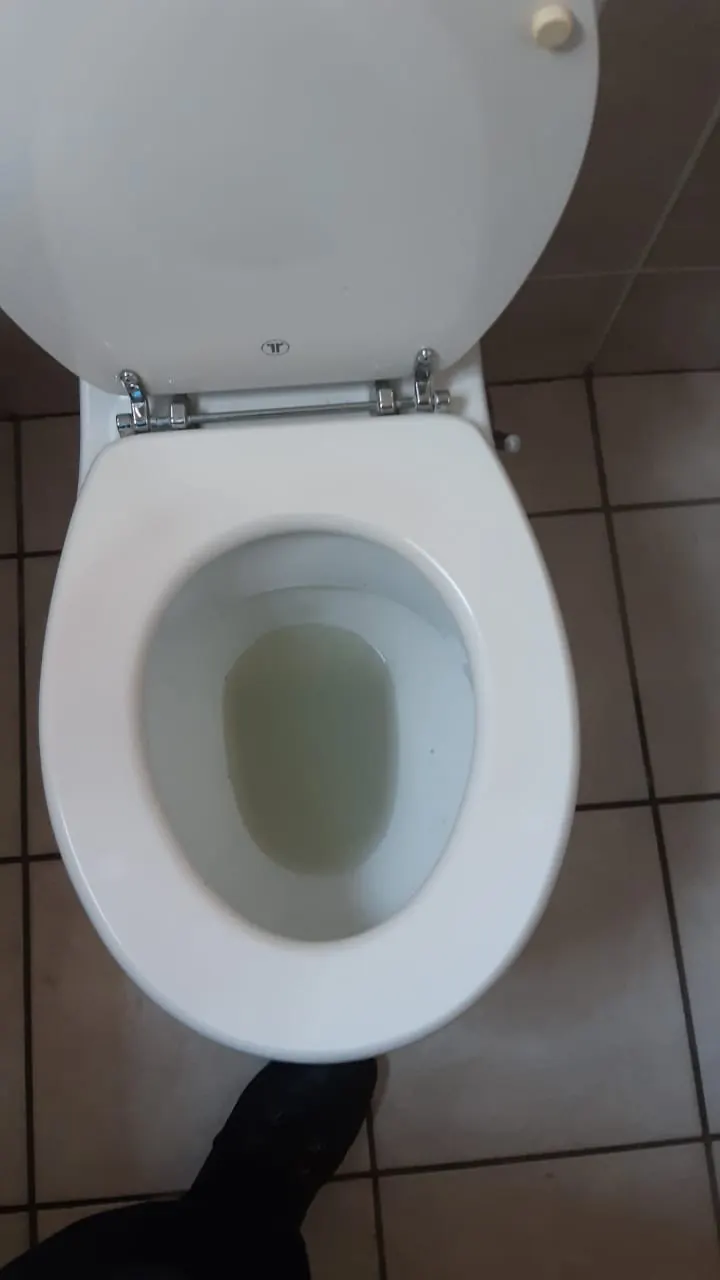
Toilet Water Level Check
The bowl water level was checked after the repair to make sure the toilet returned to a normal resting level and did not keep rising after flushing.
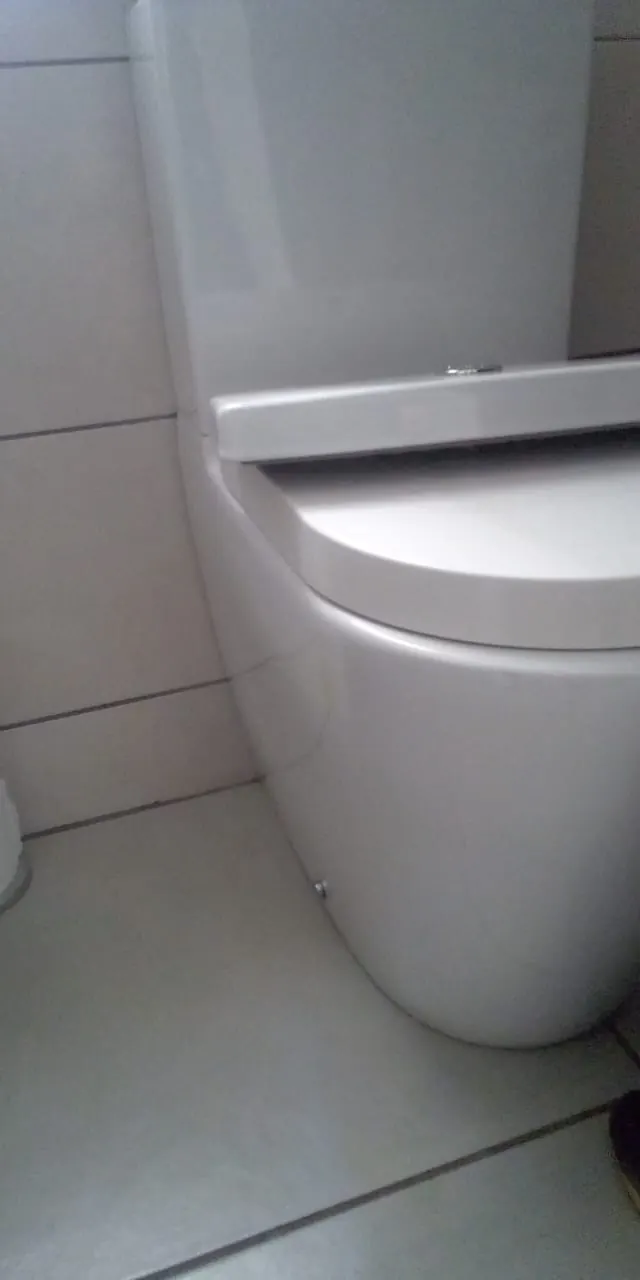
Toilet Cistern And Pan Check
The toilet body and cistern were checked together because a repair can involve both the flushing system and the way water leaves the pan.
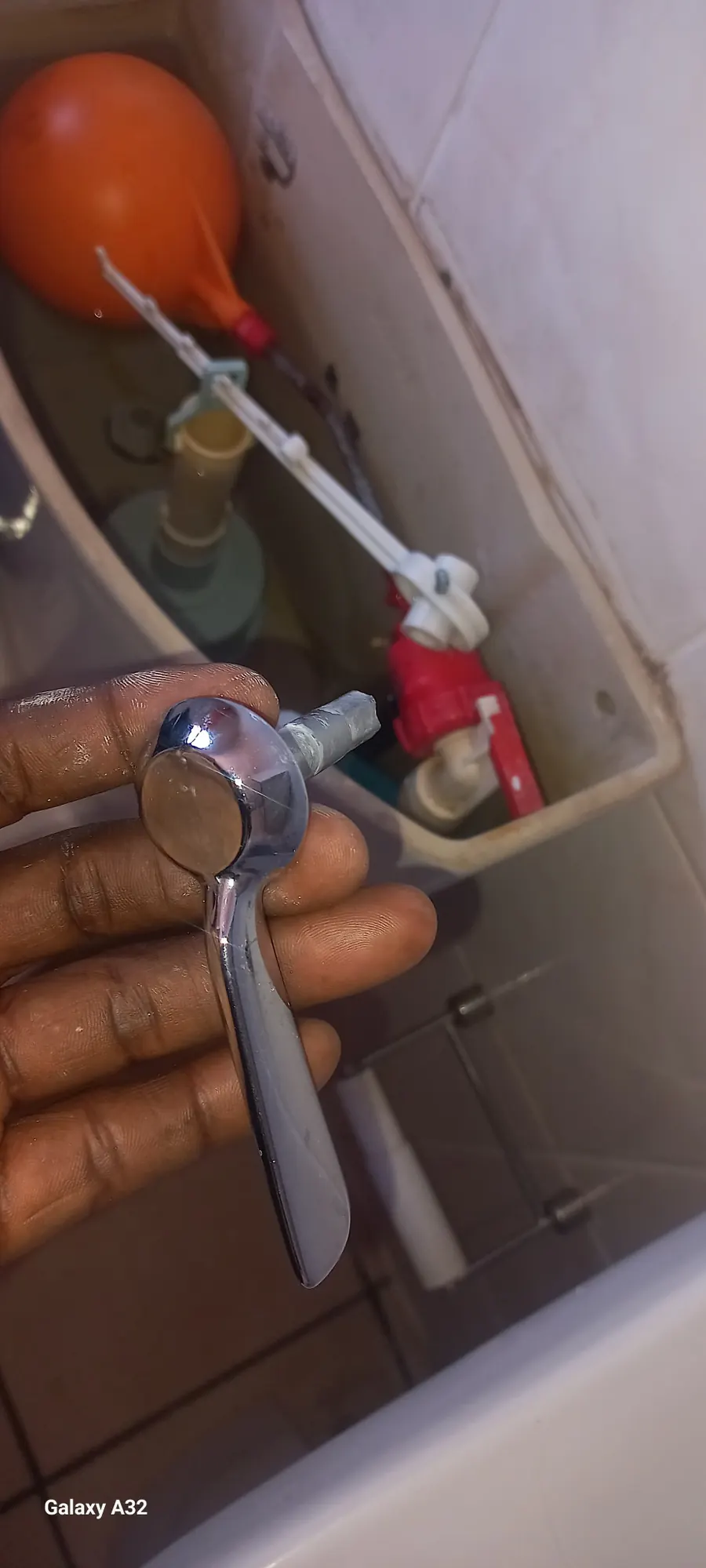
Toilet Water Level And Seat Check
The toilet was checked after service to confirm the bowl was clean, the water level was stable and the seat area was safe to use.
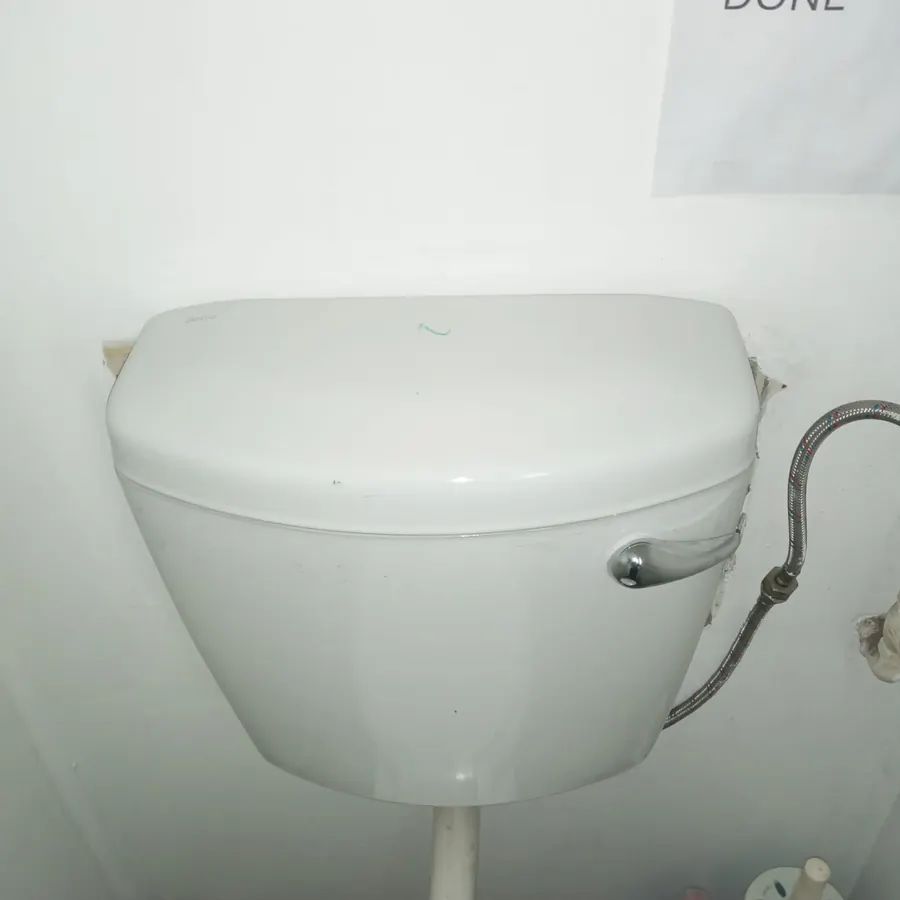
Toilet Side Panel And Base Check
The side of the toilet and base area were inspected for leaks, movement or signs that water was escaping around the fixture.
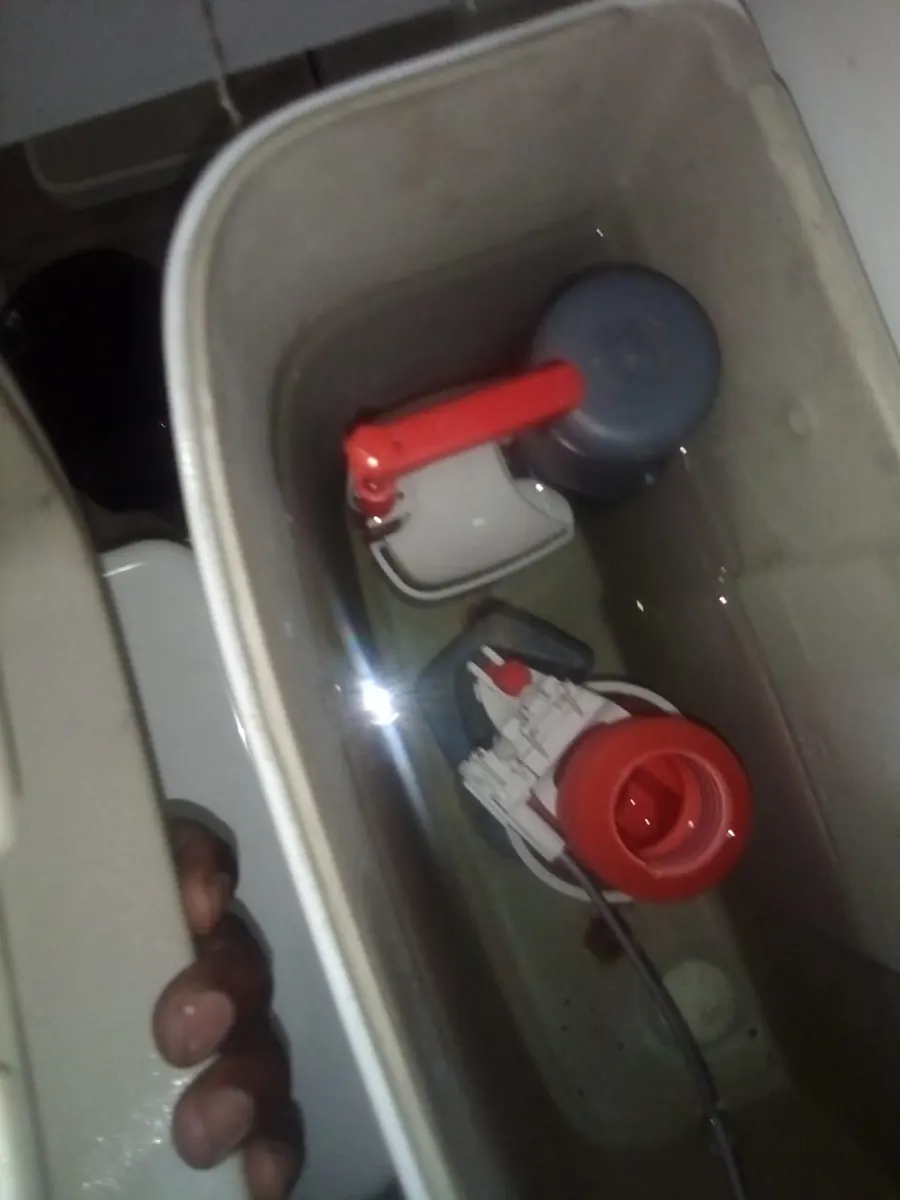
Failed Cistern Handle Repair
The broken cistern handle was removed so the flush control could be repaired and the toilet could be tested for reliable flushing again.
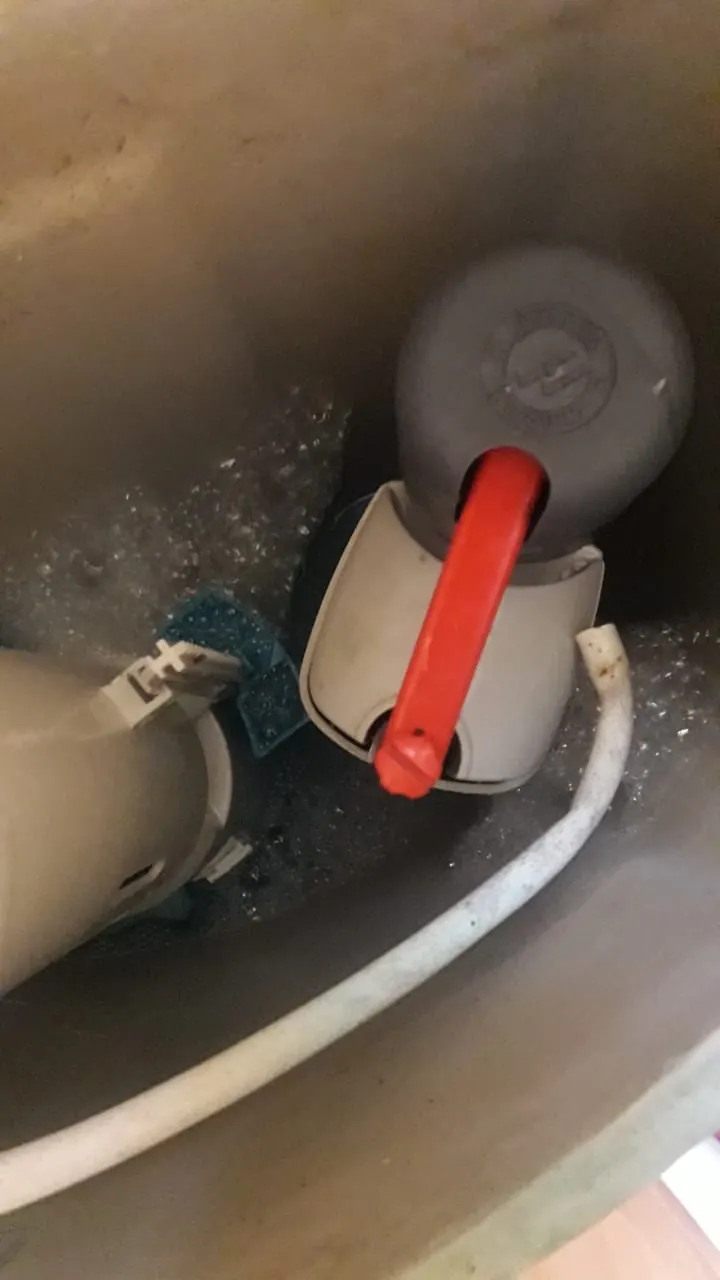
Toilet Cistern After Repair
The cistern was closed after the repair and checked with the supply connection to make sure it filled, stopped and flushed correctly.
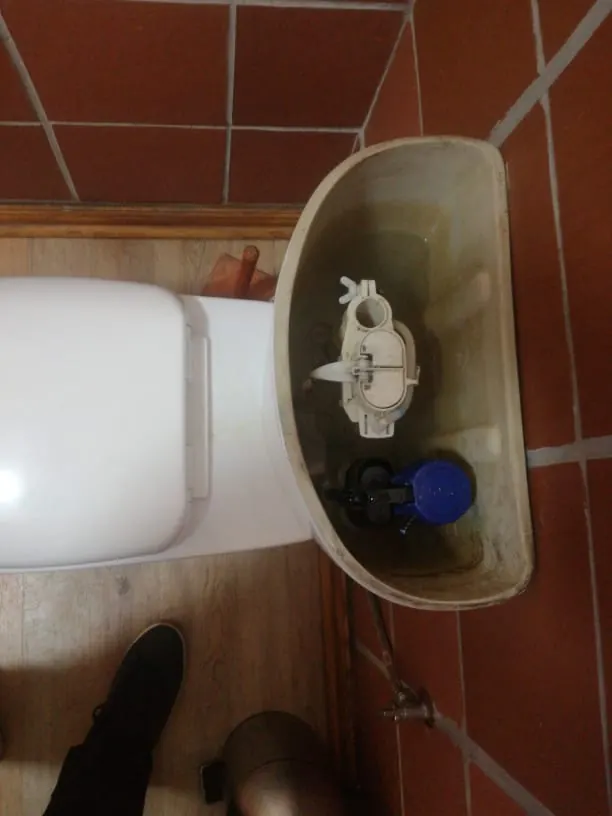
Cistern Inlet Valve Repair
The open cistern shows the inlet valve and flush parts being checked where running water, slow filling or poor flushing can start.
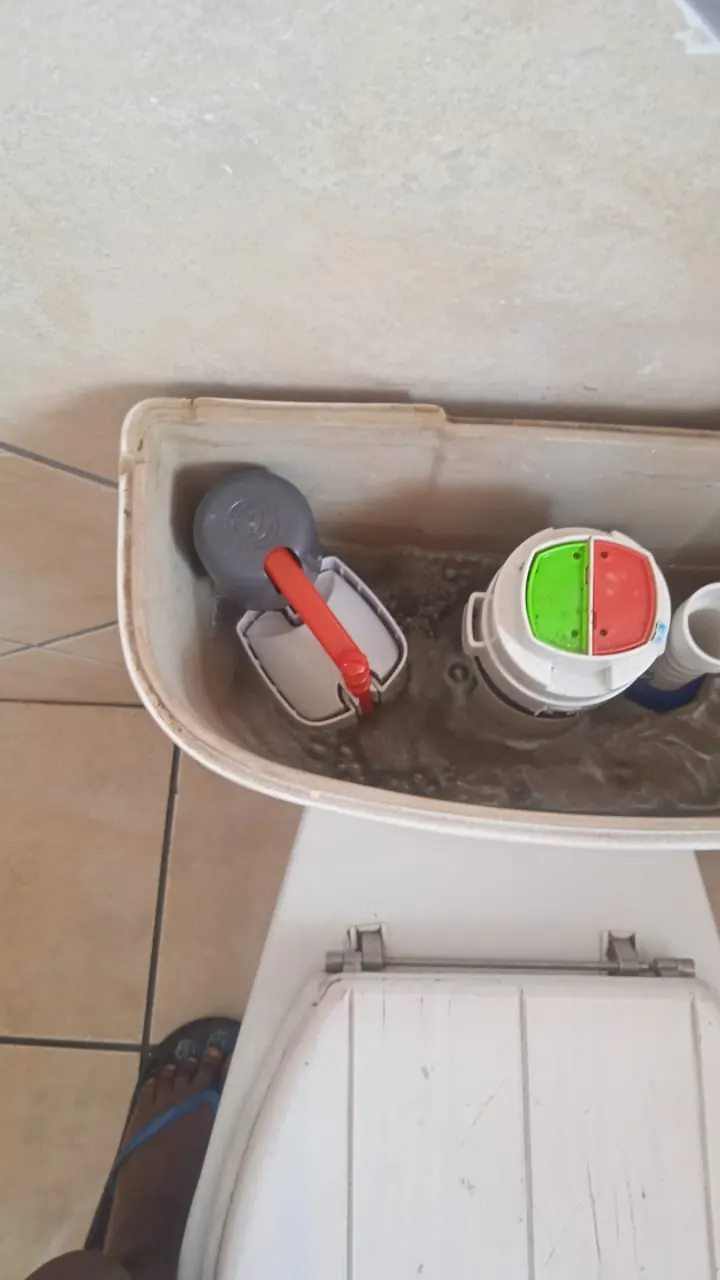
Running Cistern Water Flow
Water movement inside the cistern was checked to find whether the inlet valve, float level or flush seal was causing the toilet to keep running.
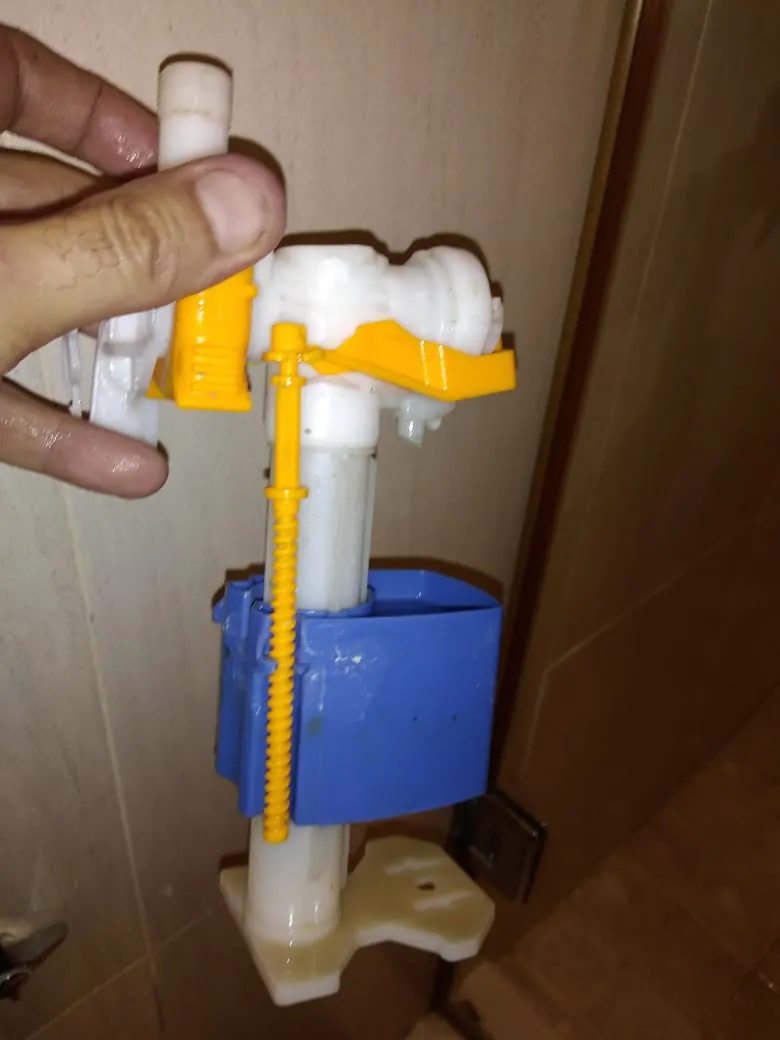
Old Cistern Internal Parts
The older cistern parts were inspected because worn valves and seals can make a toilet run constantly, flush weakly or waste water.
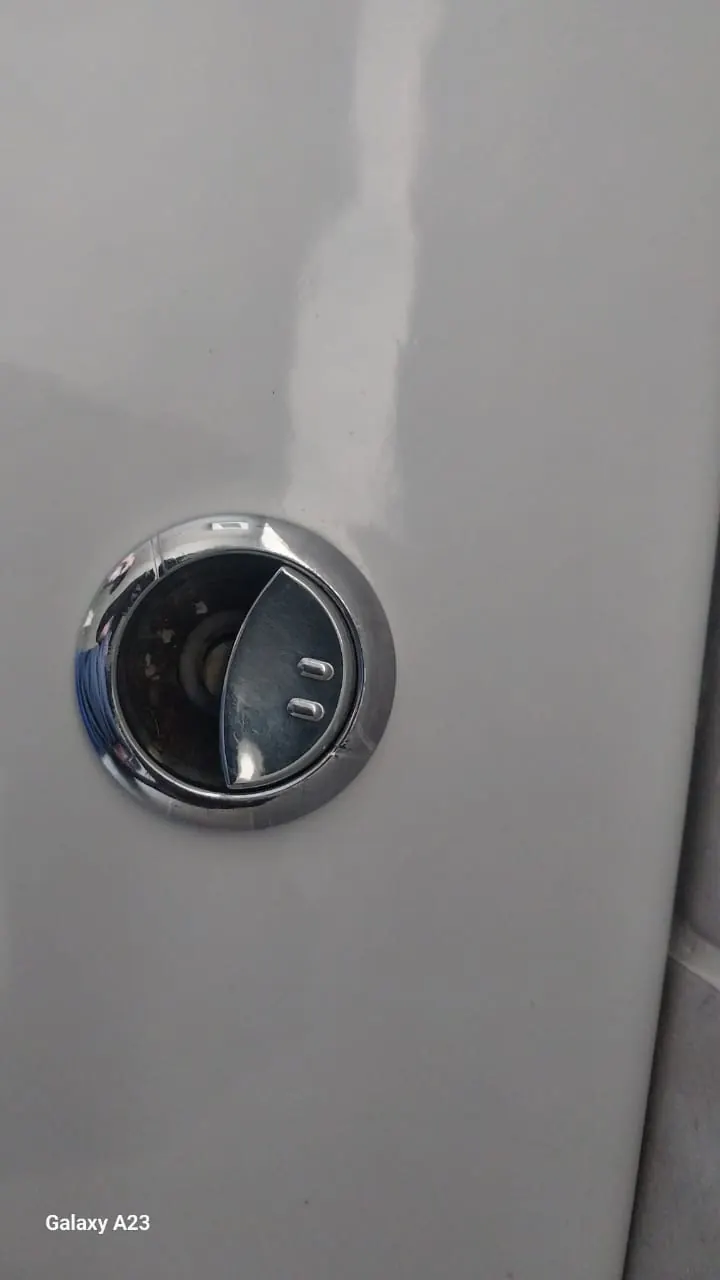
Cistern Flush Valve And Inlet Check
The flush valve and inlet valve were checked together to confirm that the cistern filled correctly and shut off without overflowing internally.
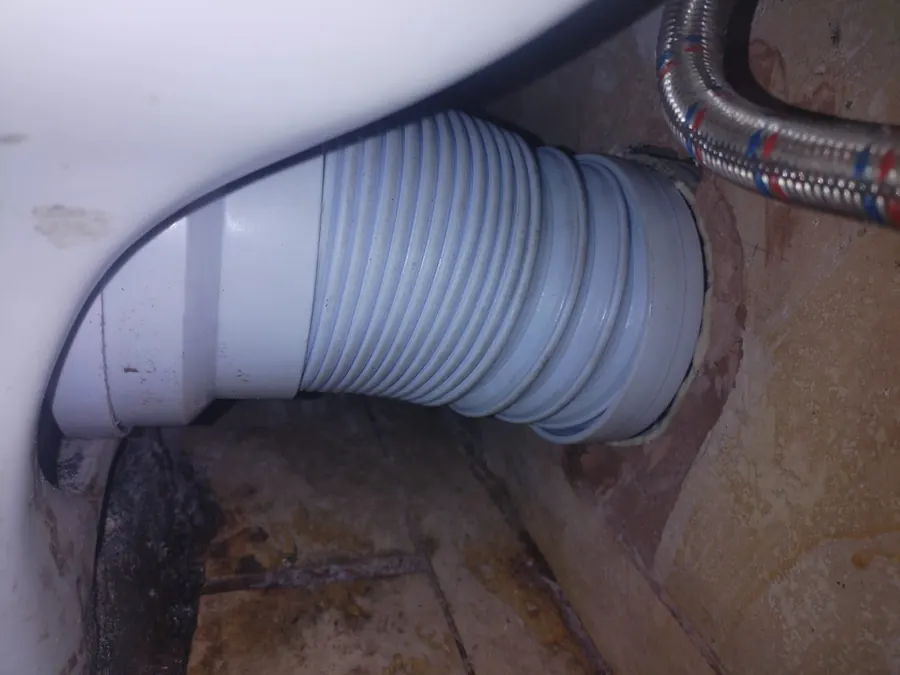
Replacement Cistern Inlet Valve
A replacement inlet valve was prepared for installation after the failed cistern part was identified as the reason the toilet was not working correctly.
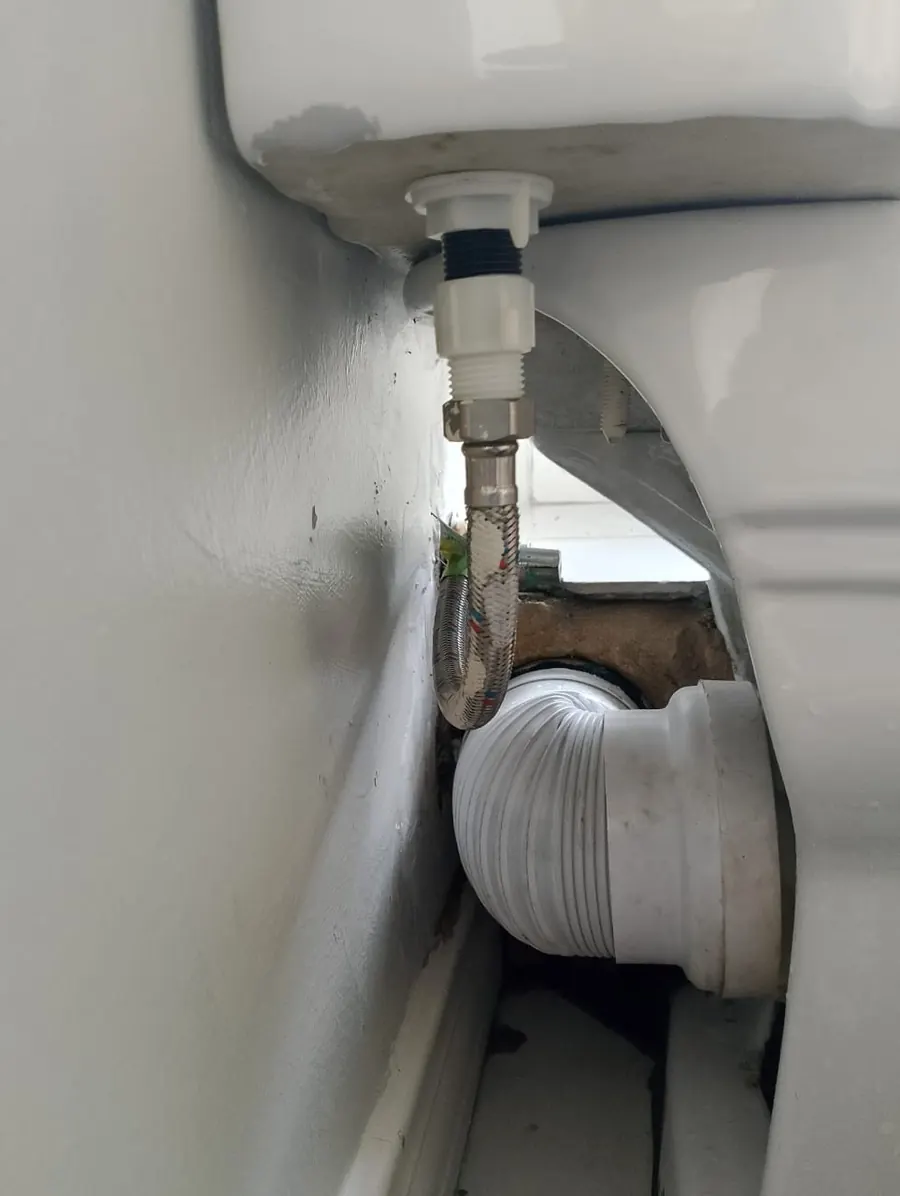
Toilet Flush Button Close Up
The flush button was checked because a stuck, loose or failed button can stop the cistern from flushing properly or make the mechanism unreliable.
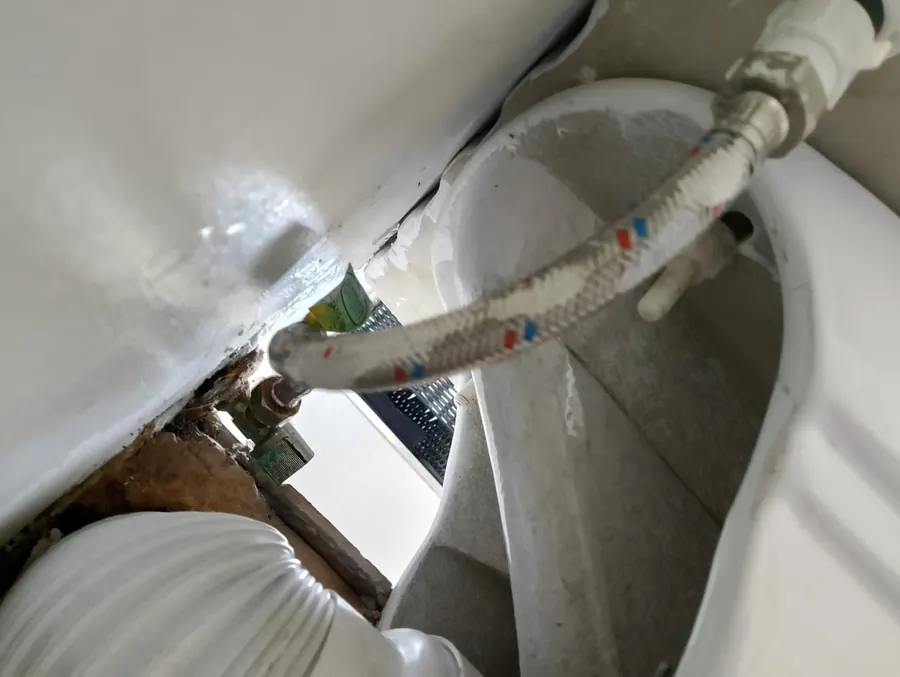
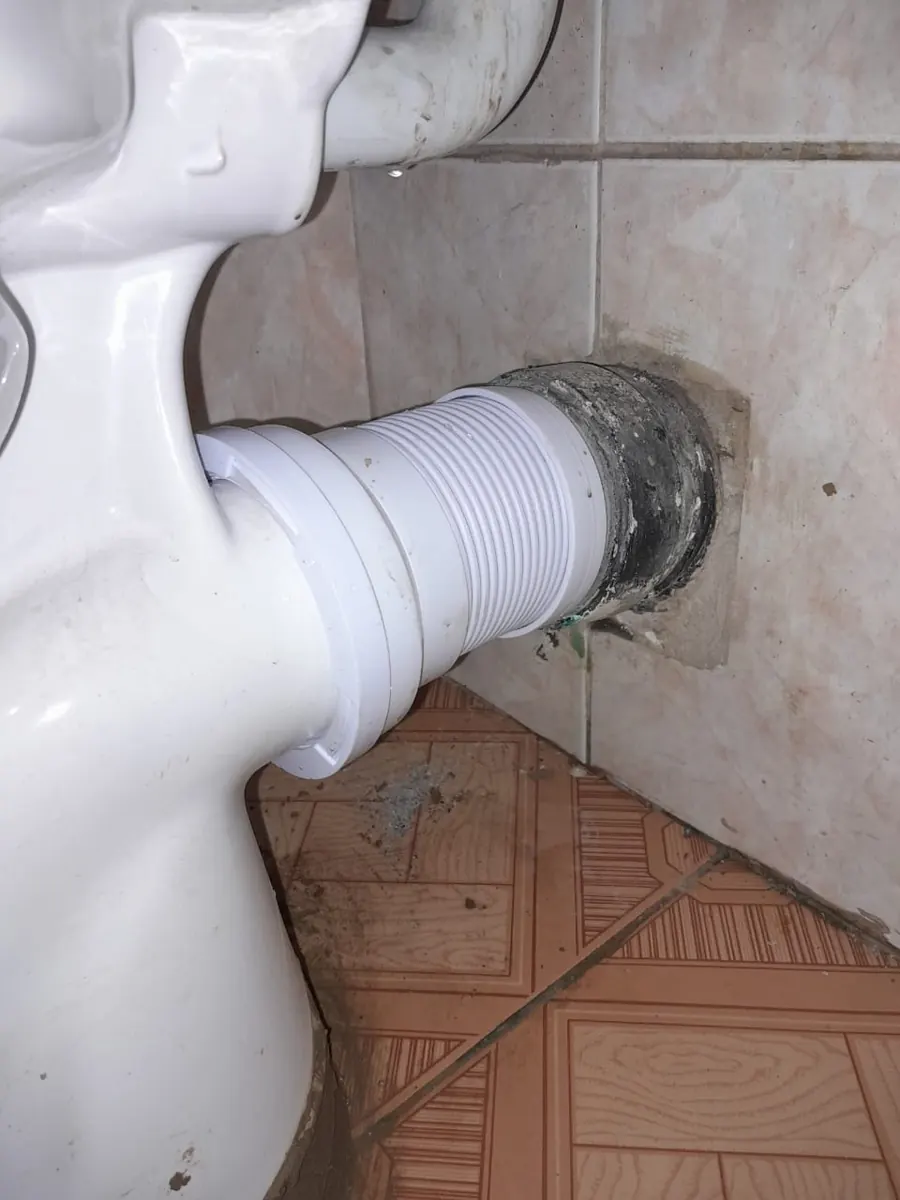
Toilet Pan Connector Behind Pan
The pan connector behind the toilet was inspected to make sure the waste connection was secure and not causing smells, leaks or poor drainage.

Toilet Supply And Pan Connector Check
The water supply hose and pan connector were checked together because toilet faults can involve both the incoming water and the waste outlet.
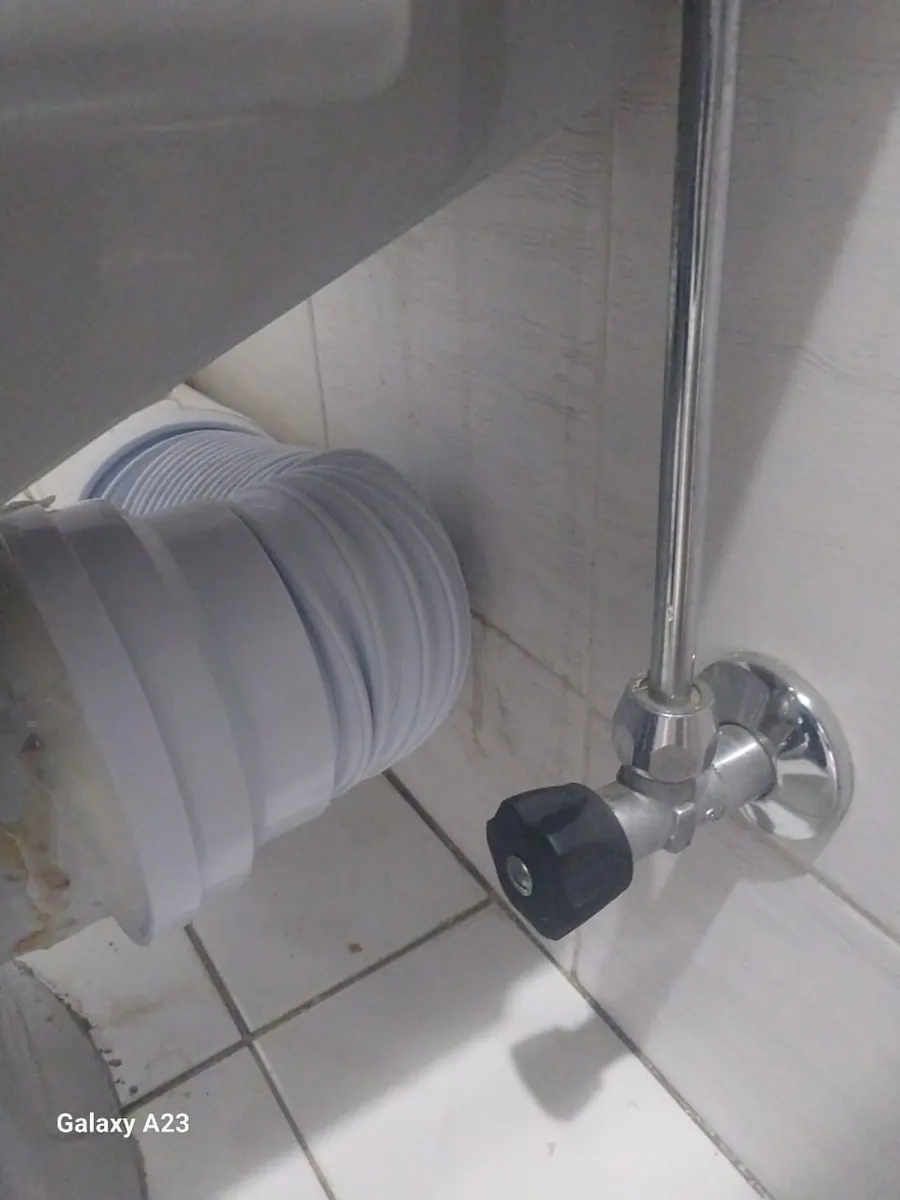
Toilet Waste Connector And Supply Hose
The rear toilet connections were checked for leaks, loose fittings and signs of water damage around the pan and wall connection.

