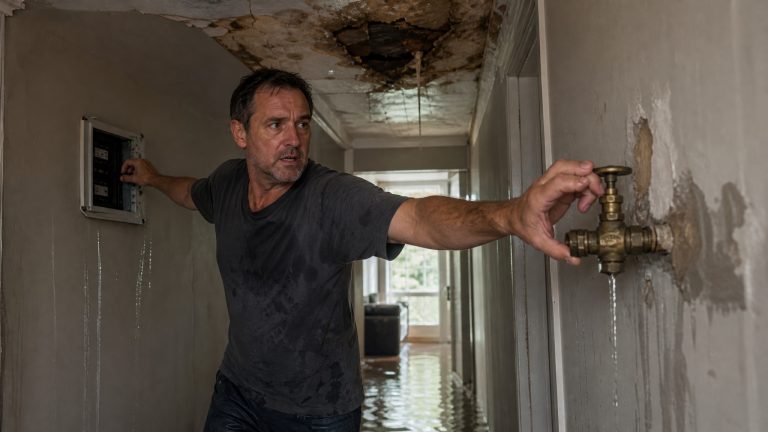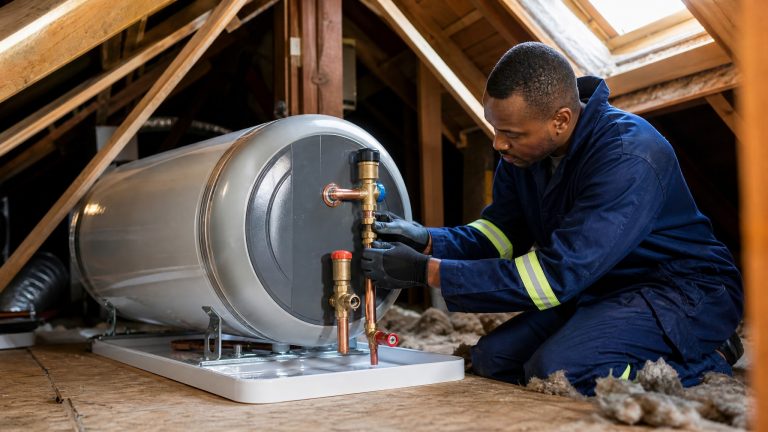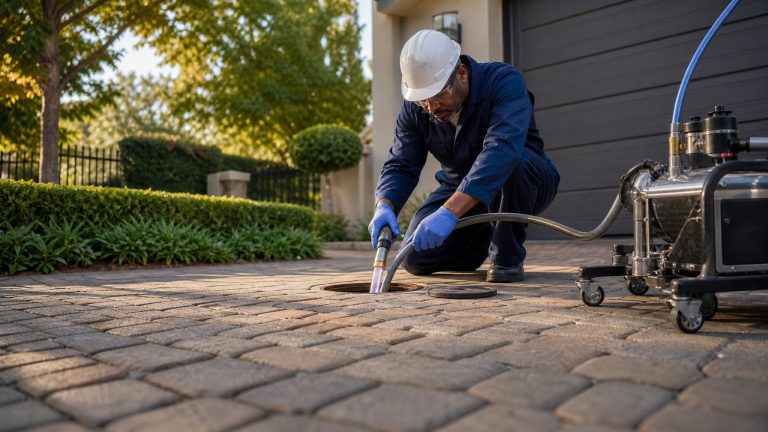

Knowing how to find a reliable plumber in South Africa is one of the most practical skills a homeowner can have, yet most people only start looking when water is already pouring through the ceiling. That urgency is exactly when bad decisions get made. This guide cuts through the noise with South Africa-specific vetting criteria, so you hire right the first time.
Why Finding a Reliable Plumber Matters More Than You Think
A botched plumbing job rarely stays cheap. A badly fitted geyser or poorly soldered joint can cause slow water damage that goes undetected for months, rotting timber, warping floors, and seeding mould. By the time it surfaces, the repair bill dwarfs what the original job cost.
The financial risk goes beyond the repair itself. Most South African home-contents and building insurers require that plumbing work is carried out by a registered tradesperson. If an unqualified plumber causes a burst pipe or flood and you can’t prove the work was compliant, your insurer has grounds to reject the claim, leaving you to cover the full cost out of pocket.
There is also a legal dimension. Substandard plumbing on a property can complicate a future sale if a compliance certificate is missing. The stakes are high enough to justify spending 20 minutes vetting a plumber before you hand over a single rand.
Plumber Credentials South Africa: What Licences and Registrations to Check
South Africa has a formal registration framework for plumbers. Understanding it takes the guesswork out of checking whether someone is qualified to do the work.
PIRB Registration: The Non-Negotiable
The Plumbing Industry Registration Board (PIRB) is South Africa’s primary body for registering plumbing professionals. A plumber who is not PIRB-registered has no recognised formal standing to practise. Full stop.
PIRB registers plumbers at different levels: apprentice, journeyman (artisan), and master plumber. A journeyman plumber has completed their trade test and can carry out standard residential and commercial plumbing work. A master plumber holds additional qualifications, can take on more complex projects, and can sign off on certain compliance documentation.
The PIRB maintains a publicly searchable online register at www.pirb.co.za. Any homeowner can verify a plumber’s registration number before work begins, a check that takes under two minutes. Ask any plumber you are considering for their PIRB number, then confirm it yourself on the portal. If they hesitate or can’t produce one, that is reason enough to keep looking.
Municipal Certification and COC Requirements
A Certificate of Compliance (COC) is legally required under South Africa’s National Building Regulations, governed by the National Building Regulations and Building Standards Act (Act 103 of 1977), whenever new plumbing is installed or altered. Without a COC, selling a property or claiming on a building insurance policy can become legally complicated.
A COC confirms that the installed or altered plumbing meets the relevant standards. Only a registered plumber can issue one. If a plumber tells you a COC is optional, unnecessary, or “something we sort out later,” treat that as a serious red flag. The document protects you legally and financially.
Some municipalities also have their own by-laws that require notification or sign-off for certain plumbing works. Ask your plumber whether local municipal requirements apply to your specific job and get confirmation in writing.
Licensed Plumber vs Unlicensed: The Real Difference in South Africa
The practical gap between a PIRB-registered plumber and an unregistered one is not just about paperwork. It affects what they can legally do, what recourse you have, and whether you are covered if something goes wrong.
A registered journeyman or master plumber has passed a formal trade test, understands the relevant South African National Standards (SANS) for plumbing installations, and is accountable to the PIRB if they do substandard work. You can lodge a complaint with the board and the plumber risks losing their registration, a real professional consequence.
An unregistered tradesperson carries none of that accountability. They may be skilled, or they may not be. There is no body to complain to, no trade test to point to, and no formal standard they are held against.
For insurance purposes, the distinction is critical. Most South African home and building insurers specify in their policy wording that repairs and installations must be carried out by a “qualified and registered” tradesperson. If an unregistered plumber installs your new geyser and it fails, causing water damage, your insurer is likely to argue the work was non-compliant and deny the claim. The saving you made on a cheaper unregistered plumber can cost you the entire claim.
How to Choose a Good Plumber: Practical Vetting Criteria
Knowing how to choose a good plumber comes down to a concrete checklist applied before any work starts. Here is what to do.
Check References and Online Reviews
Start with the PIRB portal to verify the registration number the plumber gives you. This is non-negotiable and takes less time than scrolling social media.
Next, ask for two or three references from past clients in your local area. A plumber who does good work will have satisfied customers willing to take a brief call. If they can’t or won’t provide references, move on.
For online reviews, South Africa has several useful platforms. Google Reviews attached to the plumber’s business profile are the most visible. HelloPeter is a well-established South African consumer review platform where tradespeople’s service records are publicly visible. Local Facebook community groups, neighbourhood watch pages and suburb-specific groups, have become go-to platforms for peer recommendations and warnings about unreliable tradespeople. These informal channels often surface red flags that formal directories miss.
Platforms like Plumber-Plumbers.co.za connect homeowners with vetted, PIRB-registered plumbers, applying the same registration and insurance standards this guide outlines, which means much of the upfront vetting is done for you.
Get Multiple Written Quotes
Get at least two, ideally three, written itemised quotes before committing to anyone. A quote should break out labour, materials, and any call-out fees separately, not just give a single lump-sum figure. Itemised quotes let you compare like for like and spot where one plumber is cutting costs (usually on materials or skipping compliance steps).
To judge whether quotes are reasonable, it helps to know what a burst pipe repair typically costs in South Africa so you have a realistic benchmark before the calls start.
Never accept a verbal estimate as a substitute for a written quote. Verbal estimates are unenforceable, and costs have a habit of expanding once work is underway if nothing is committed to paper.
Also confirm in writing whether the quoted price includes VAT and whether the COC, if required, is included in the fee or billed separately.
What to Ask a Plumber Before You Hire
Use these questions as a checklist before you agree to anything. A trustworthy plumber will answer all of them directly.
- Are you PIRB-registered, and what is your registration number?, Write it down and verify it on the PIRB portal yourself.
- Can you issue a Certificate of Compliance for this work?, If the job involves new installation or alteration, the answer must be yes.
- Do you carry public liability insurance?, Ask for proof. This protects you if the plumber damages your property during the job.
- What is your call-out fee structure?, Understand whether the call-out fee is deducted from the final invoice or charged on top. Get this in writing.
- Do you provide a written warranty on your workmanship?, A professional plumber should stand behind their work with a minimum warranty period. Twelve months on labour is a reasonable baseline to expect.
- Will you provide a written, itemised quote before starting?, If they resist, that tells you something important about how they operate.
These questions take five minutes to ask and can save you thousands of rands in disputes later.
South Africa-Specific Red Flags: When to Walk Away
Certain warning signs are particularly common in the South African trades market. If you encounter any of these, walk away and find someone else.
Large upfront cash deposits. A reasonable deposit for materials on a big job is normal. Demanding 50% or more in cash before a single pipe is touched, especially with no written quote, is a red flag. Cash demands also make it harder to pursue recourse later.
No physical business address or refusal to provide a written invoice. A legitimate plumber operates a real business. No address, no invoice, and no VAT number (for businesses above the registration threshold) suggests someone deliberately avoiding a paper trail.
Pressure to skip the COC. Any plumber who tells you the COC is not needed, is “just a formality,” or offers to save you money by leaving it out is either unregistered or knowingly cutting corners. Do not accept this.
Claims of “municipality approval” without paperwork. Verbal assurances of approval mean nothing. If a job requires municipal sign-off, there will be documentation.
Suspiciously low quotes that exclude materials. A quote that seems too good to be true usually is. Check whether it excludes materials, uses substandard fittings, or omits compliance steps, these costs surface later, often at inflated rates.
Under South Africa’s Consumer Protection Act (CPA), Act 68 of 2008, you have recourse against a tradesperson who delivers substandard work. A plumber who refuses to provide a written quote or invoice may be deliberately circumventing these protections. Knowing your rights under the CPA gives you leverage if a dispute arises, but the best strategy is to vet properly upfront and avoid the dispute entirely.
When you are ready to find a qualified plumber in your area, Plumber-Plumbers.co.za matches South African homeowners with PIRB-registered, vetted plumbers, so the credentials check is built into the process from the start.