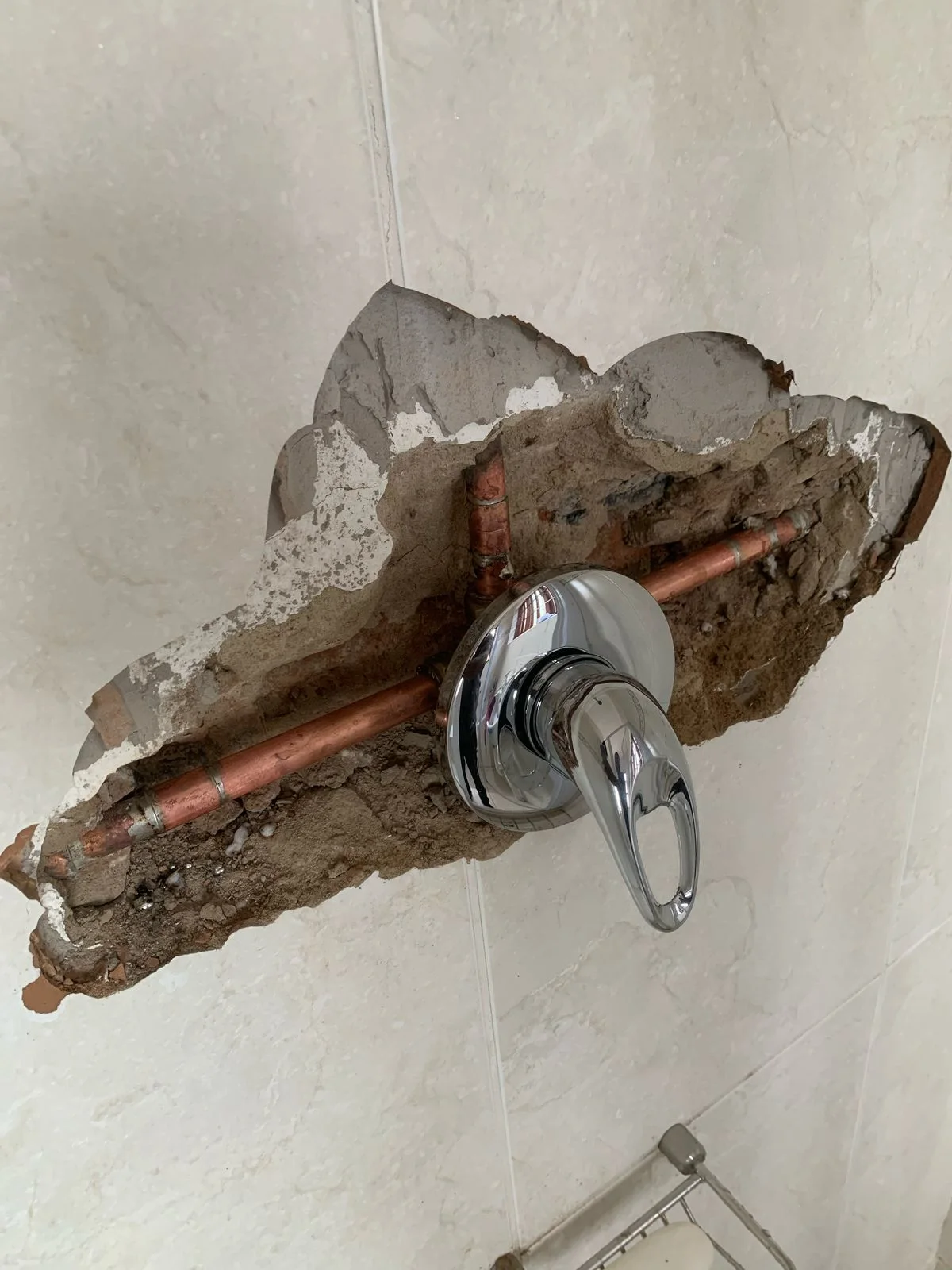
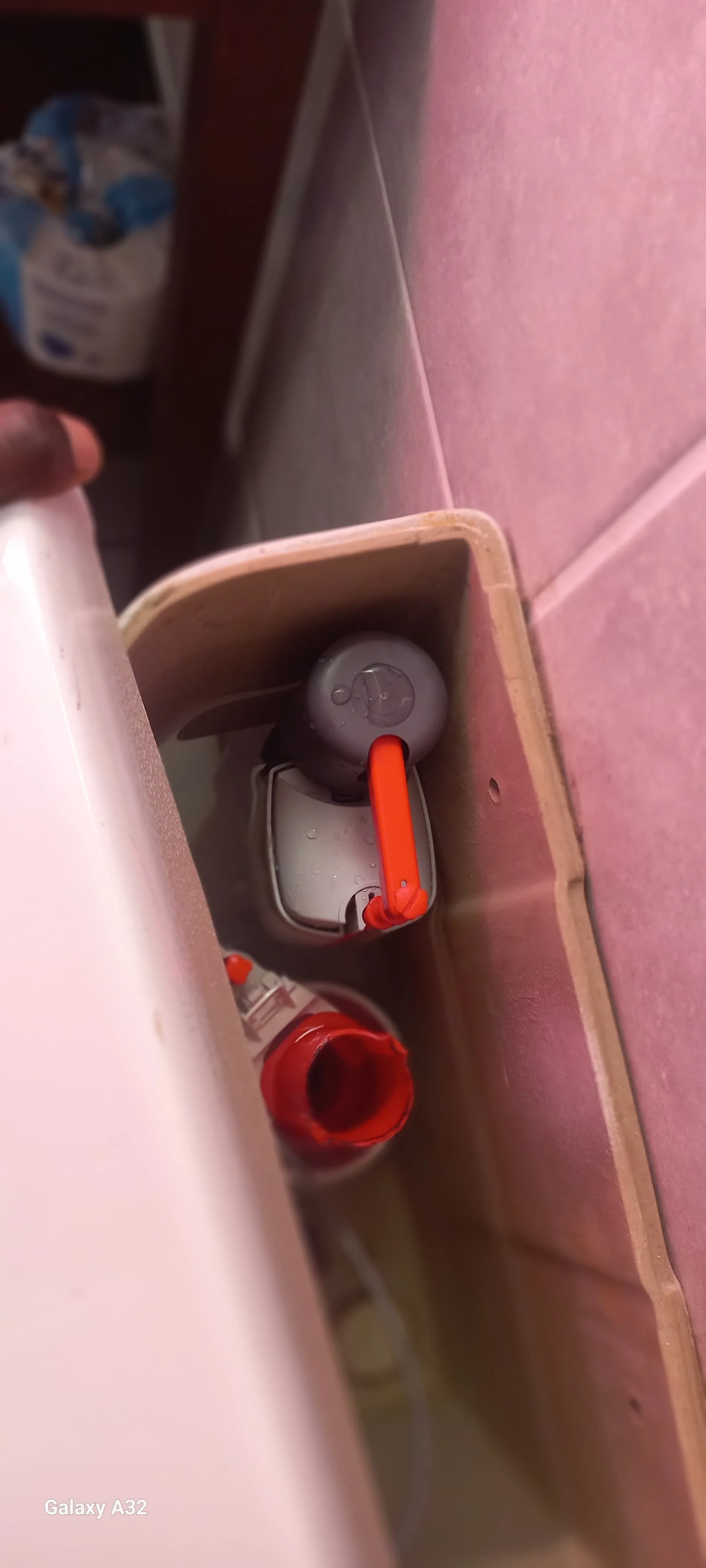
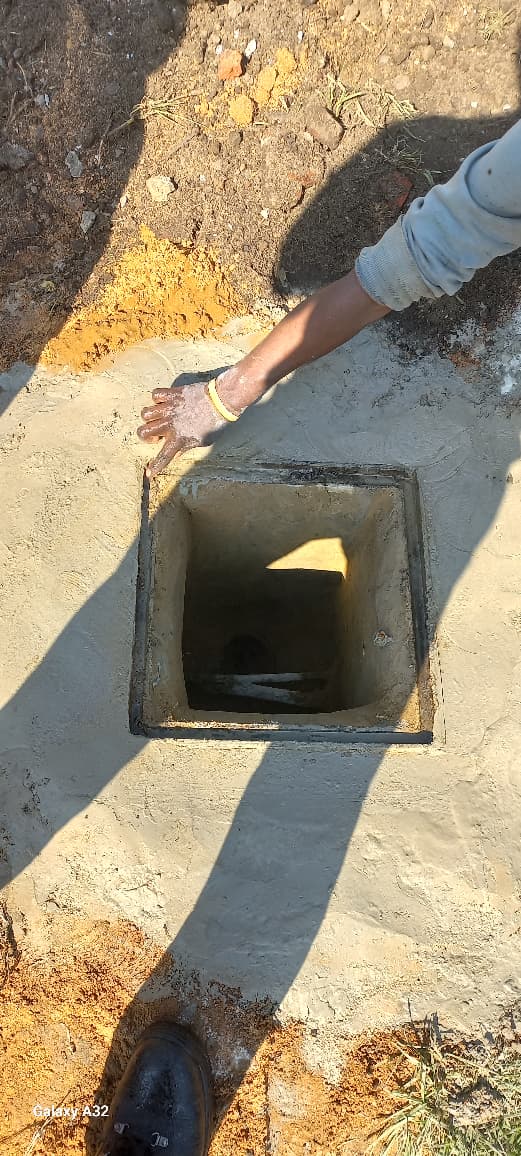
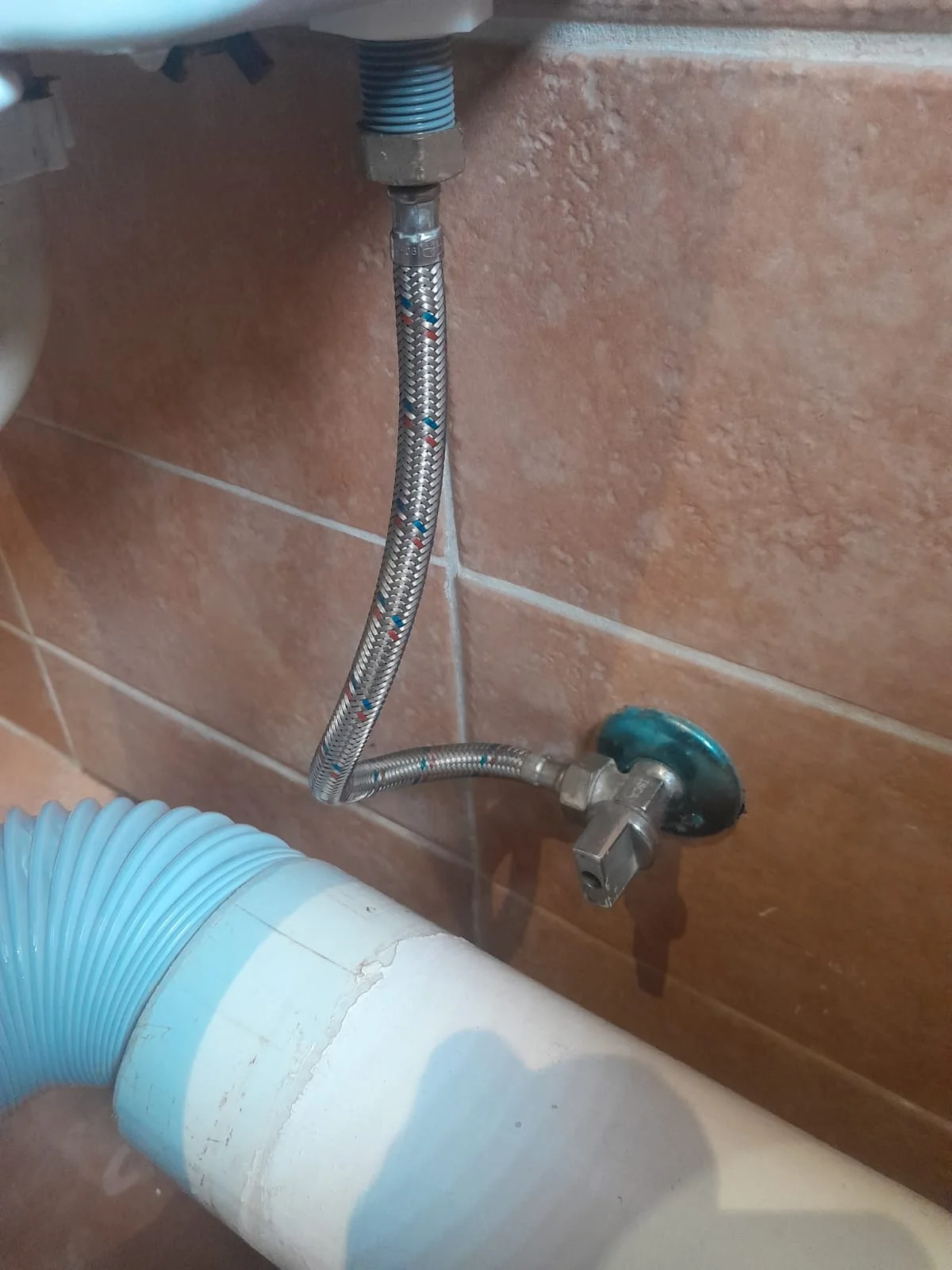
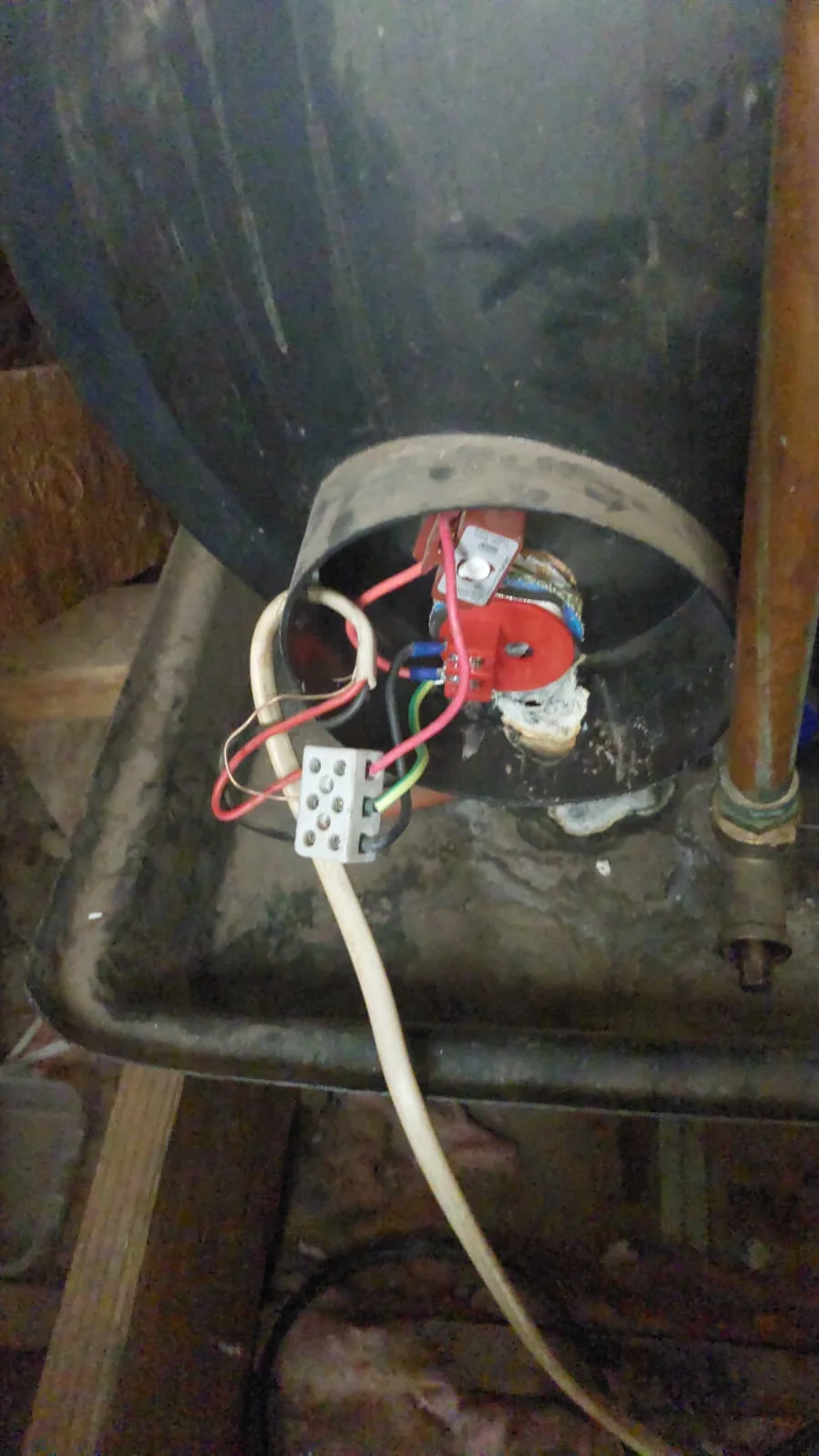
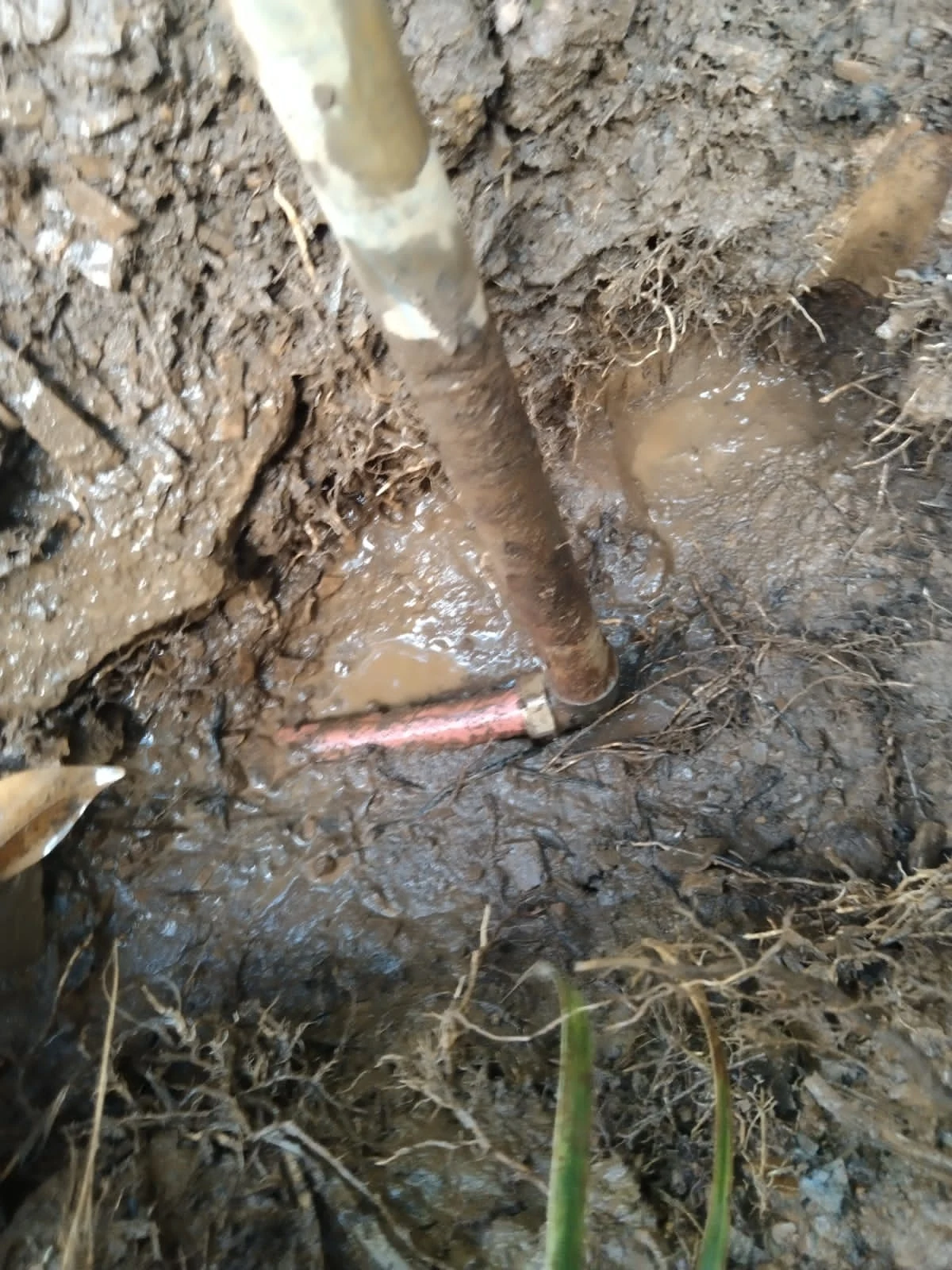
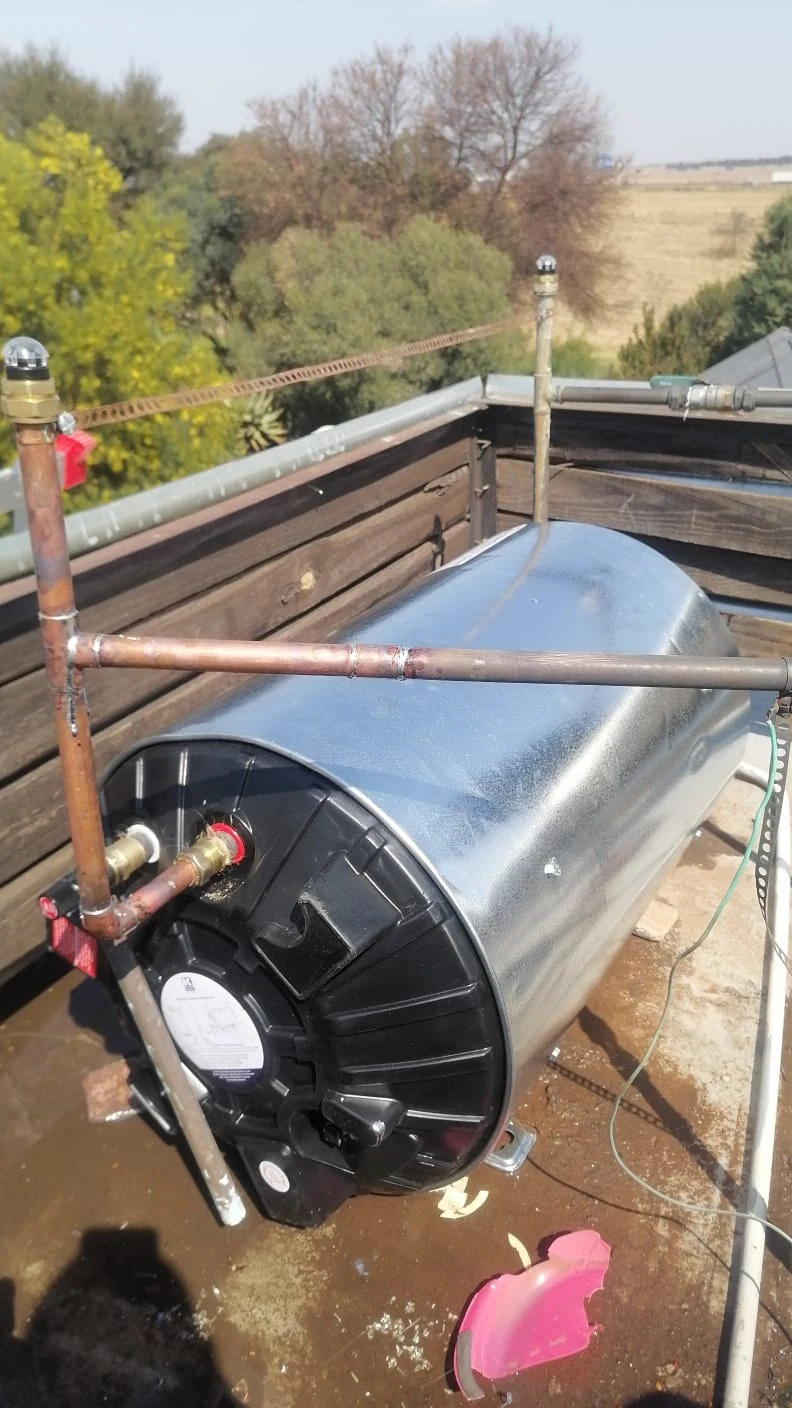
Hidden leaks in Kempton Park properties can show up as damp patches, unexplained meter movement, or a musty smell before a concealed pipe fault is directly visible. Opening finishes without a structured diagnostic basis can create unnecessary damage. If the first opening does not support the suspected route, we reassess the evidence before opening more finishes. Restoring pressure or clearing one restriction can also show a second weak joint or a downstream restriction; that extra work is quoted if it appears.
Hidden leak work in Kempton Park follows structured tracing, pressure behaviour checks, and repairs tested under normal use so the reported symptom can be checked under the conditions available during the visit.
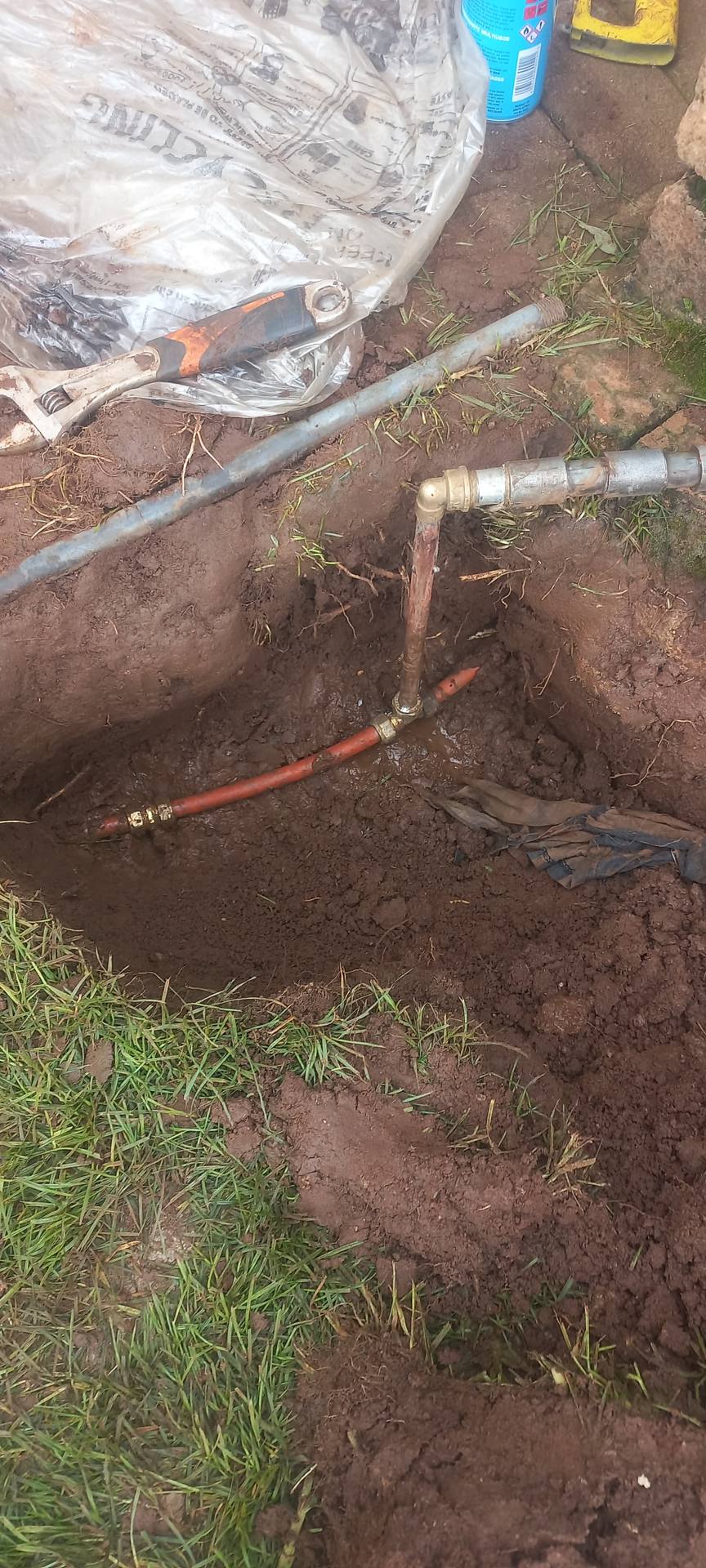
Where mixed pipe materials are present, copper transitions, polyethylene and galvanised sections can respond differently to pressure and jointing methods. The nearest wet patch is not treated as the source on its own.
When a leak has run unnoticed in Kempton Park, secondary damage can look worse than the plumbing fault itself. We separate what the pipe repair solves from what building finishes may still need drying or replacement by other trades.
Finding leaks in Kempton Park without unnecessary damage
Moisture mapping, meter tests and selective access provide a more structured basis for investigation than opening finishes without supporting evidence. We correlate what you noticed — when the meter moves, which rooms are affected, whether heating or cold lines are involved — with on-site checks. Access, shared supplies and finishes affect how far a first visit can go. Further opening is quoted if it is needed.
What a meter reading can and cannot show
Where a private meter is accessible, movement with fixtures closed can support a supply-side leak. It does not locate the leak on its own. A stationary meter also does not rule out a use-dependent waste or seal leak. Shared supply infrastructure can make a meter reading harder to interpret, not more conclusive.
- Meter still moving with outlets closed — possible pressurised supply leak.
- Damp only while a shower, appliance or geyser cycle runs — use-dependent waste or hot-water route.
- One outlet low — often a local fixture or nearby branch.
- Hot only or cold only — check that side of the system.
- Whole property, or neighbours also affected — incoming supply or pressure controls need checking.
Supply, waste or hot-water side
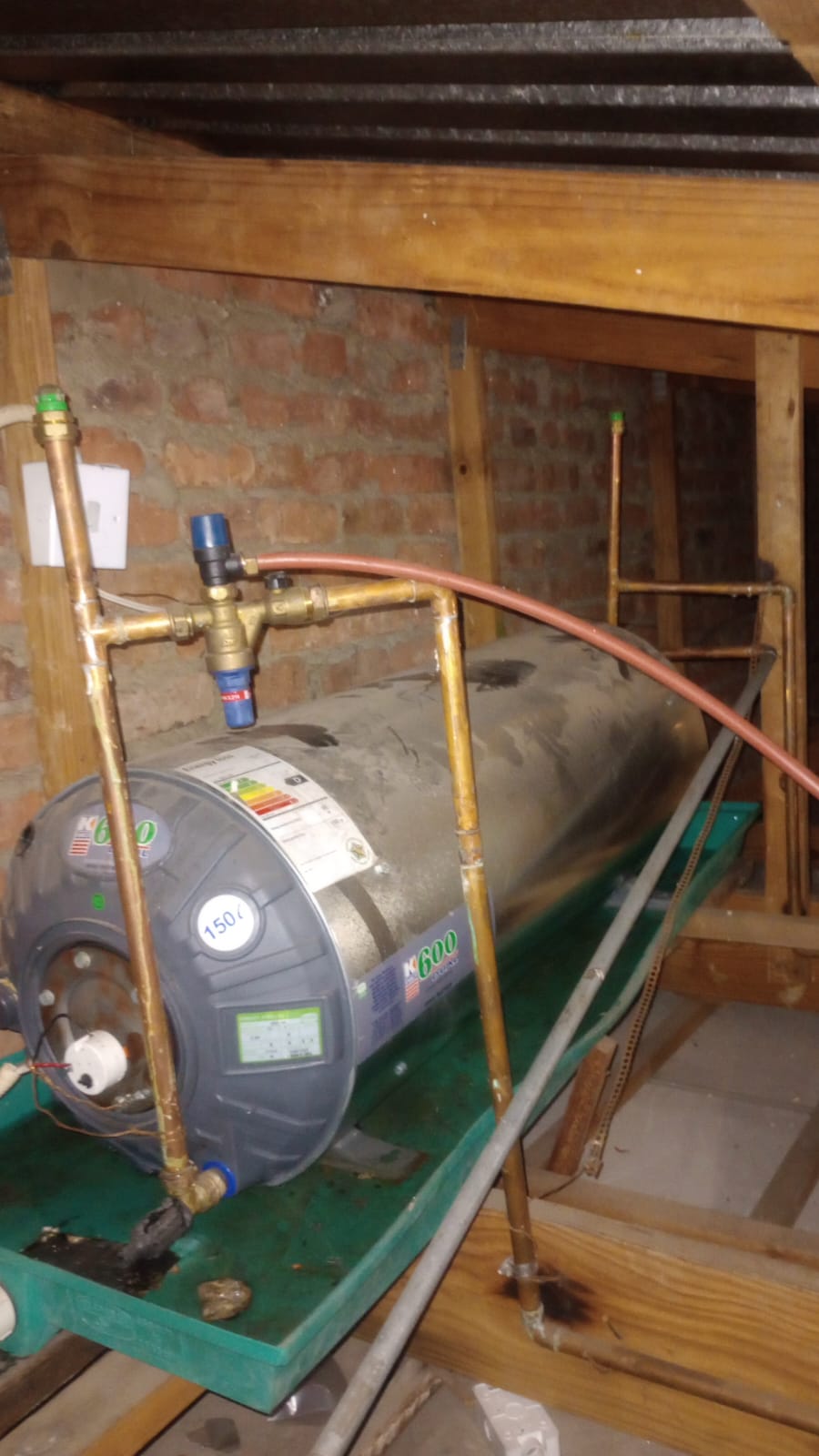
Water that continues with fixtures unused, or a moving meter, points toward a pressurised supply leak. Water that appears only while a basin, shower, toilet or appliance drains points toward waste, seals or connections. Hot-only loss, heating-cycle faults or safety-valve discharge sit on the hot-water side.
The wettest point is not automatically the source
Water can track along pipework, across ceiling board, behind tiles or out at a lower fitting.
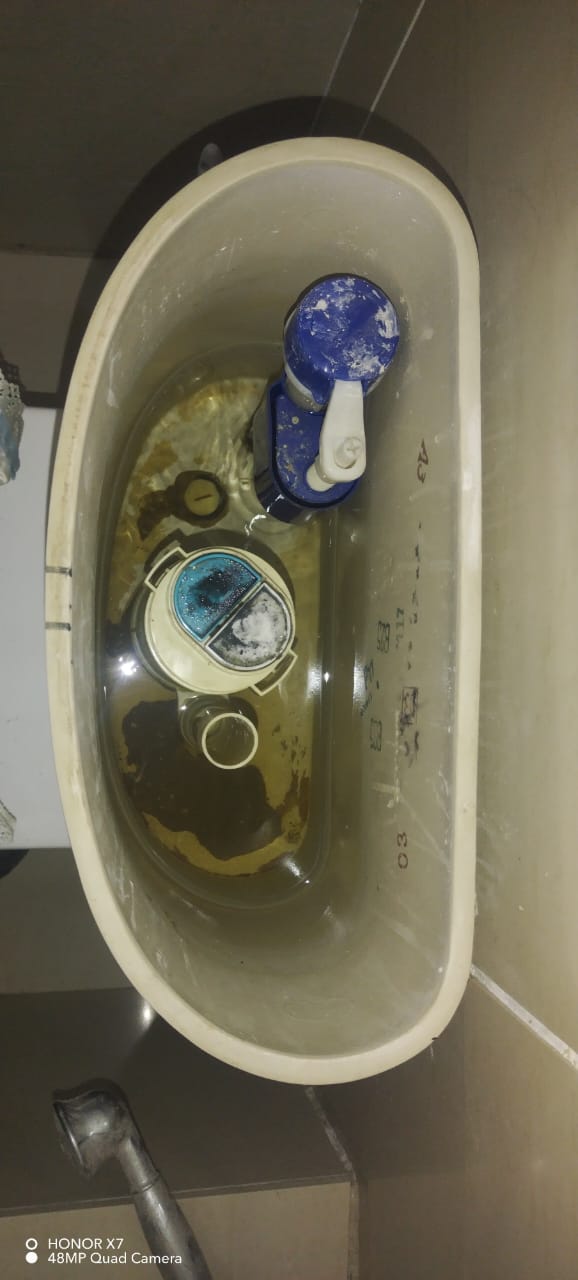
Tell us if one action causes another symptom — a toilet that gurgles when a basin drains, several drains slowing together, or several outlets losing pressure at once.
Mention what changed immediately before the problem if you know: a water outage, recent plumbing or appliance work, a valve shut and reopened, or drain clearing. Those details are context, not a diagnosis.
Property-side clues versus external supply
One outlet, hot-side only, a moving private meter or a leak after isolation more often sits on the property side. Whole-property pressure loss with neighbours affected makes an external supply issue more plausible. Those clues guide the next check; they do not settle legal responsibility.
Low-pressure patterns are covered separately in Low water pressure in Kempton Park. After a municipal supply is restored, check neighbours, whether valves were reopened, and aerators on a single weak outlet before assuming a geyser fault because hot water is slow to return.
What can change the quotation
Concealed access, a second failed component, a proprietary part, damaged adjacent pipe or shared infrastructure can change the scope. Extra work is explained before it proceeds.
Residual moisture versus a renewed leak
Residual dampness or an old stain can remain after active water loss has stopped. Still drying: the existing stain, no renewed water under the same test, moisture reducing. Needs another check: fresh water returns, the damp area expands, or the same operating condition produces the symptom again.
Repairing confirmed pipe faults
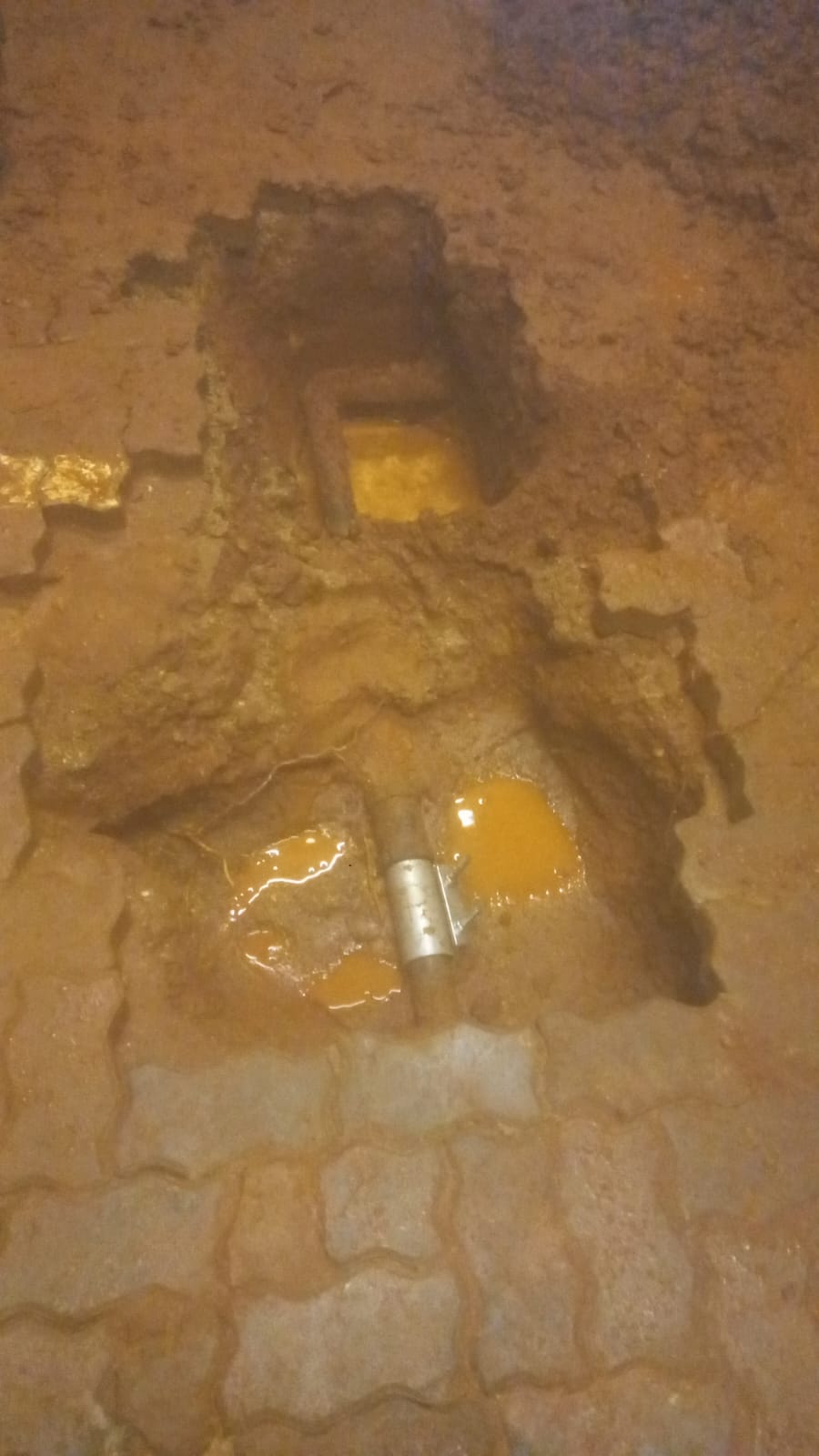
Once the source is confirmed, we match repair methods to pipe type, pressure, and accessibility. A temporary clamp is a make-safe measure, not a permanent repair. After the repair, the affected area is checked under normal operating conditions, and drying expectations are outlined if finishes were already damp.
Transparent quotations before work begins
Concealed-leak work can involve separate diagnosis, access and repair stages, so those stages are quoted separately where helpful. You then know what you are approving. If the source cannot be confirmed immediately, we document tests completed and the next diagnostic step — rather than recommending replacement work that has not yet been supported by the diagnosis.
Once the active leak is sealed in Kempton Park, we explain that drying time varies with saturation, airflow and materials, and may need separate building work so you can plan follow-up work.
Leak detection links for Kempton Park property owners
Reasons to investigate include ceiling stains, warm floor patches and unexplained water use. See leak detection for tracing methods. Booking starts with a free call-out via our contact page or WhatsApp with photos where safe in Kempton Park.
Leak-detection handover and unresolved findings
At handover, we record what was tested, what symptoms were reproduced and any limitation that could not be confirmed during the visit.
Ready for plumbing help in Kempton Park? Call 067 657 6109 for urgent faults or request a free call-out and quotation.