24/7 EMERGENCY PLUMBERS · GAUTENG
Plumb A Nator — water, drain and geyser plumbers you can verify at handover
Describe the problem. We'll explain the next step. We repair burst pipes, blocked drains, leaking geysers, leaking toilets, water leaks and general plumbing faults throughout Gauteng — including Johannesburg, Pretoria, Sandton, Randburg, Midrand, Centurion, the East Rand and West Rand. Every job starts with diagnosing the real cause before recommending the most practical repair. No call-out charge, a written quote before non-emergency work begins, and repairs tested under normal use before we leave.
No call-out chargeFree quotes24/7/365 serviceSame-day where possible
◴
Fast dispatchActive leaks and sewage back-ups are prioritised so water can be isolated quickly.
24
Available 24/7Day or night, including weekends and public holidays across Gauteng.
◇
Every repair tested before we leaveWe do not simply replace a fitting and walk away. Water pressure, drainage, joints, valves and the repaired section are checked at handover so you know the plumbing is working correctly.
GENERAL PLUMBING
Repairs, installations and planned maintenance
We repair leaking taps, toilets, burst pipes, blocked drains, geysers and general plumbing throughout Gauteng. From kitchen plumbing and bathroom work to appliance connections and landlord maintenance — we inspect the affected system, explain the proposed work in plain language, and verify the repair before handover.
View Plumbing Services ›🔧
EMERGENCY PLUMBING
When water will not stop or drains are backing up
Burst pipes, failed geysers, overflowing toilets and sudden pressure loss need isolation first — then a repair plan you can approve. We do not charge simply to attend and assess the problem on site.
Request Emergency Help ›🚨
01
Describe the faultWhat you see, hear or smell — photos and short video help when safe to capture.
02
On-site assessmentNo call-out charge for attending and establishing what is wrong.
03
Agree the scopeYou receive a clear price before non-emergency repair work begins.
04
Repair and verifyWater flow, drainage and sealing tested under realistic conditions.
CORE PLUMBING SERVICES
We match the fix to what is actually failing
A damp ceiling might be a burst supply line, a waste leak, roof ingress or a geyser overflow — the stains look similar but the repair path is completely different. We narrow the cause with meter checks, isolation tests and accessible inspections before quoting, so you are not paying to replace parts that were never the source of the problem.
Blocked drains, toilets and sewer lines
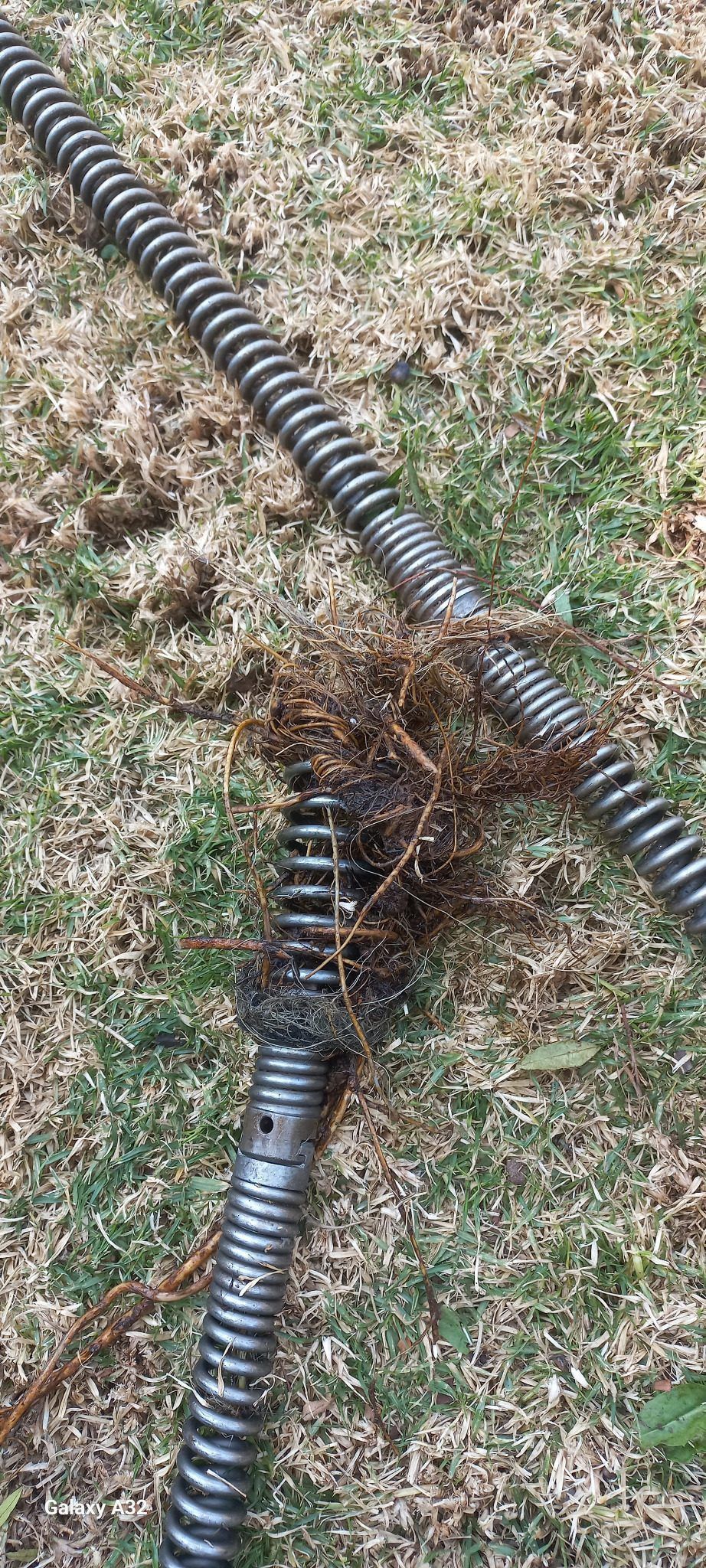
Slow basins that suddenly affect the whole house, gurgling showers before the main line blocks, and sewage odours at ground-level gullies often point beyond the trap. We clear the restriction, flow-test connected fixtures, and explain whether the fault sits in a branch line, shared stack or external sewer route — with camera inspection when the same drain keeps failing after repeated plunging.
When inspection matters: recurring blockages in older Johannesburg and East Rand suburbs frequently involve roots, settled pipework or partial collapse. Clearing alone treats the symptom; locating the restriction prevents another emergency call-out two weeks later.
Blocked drain help ›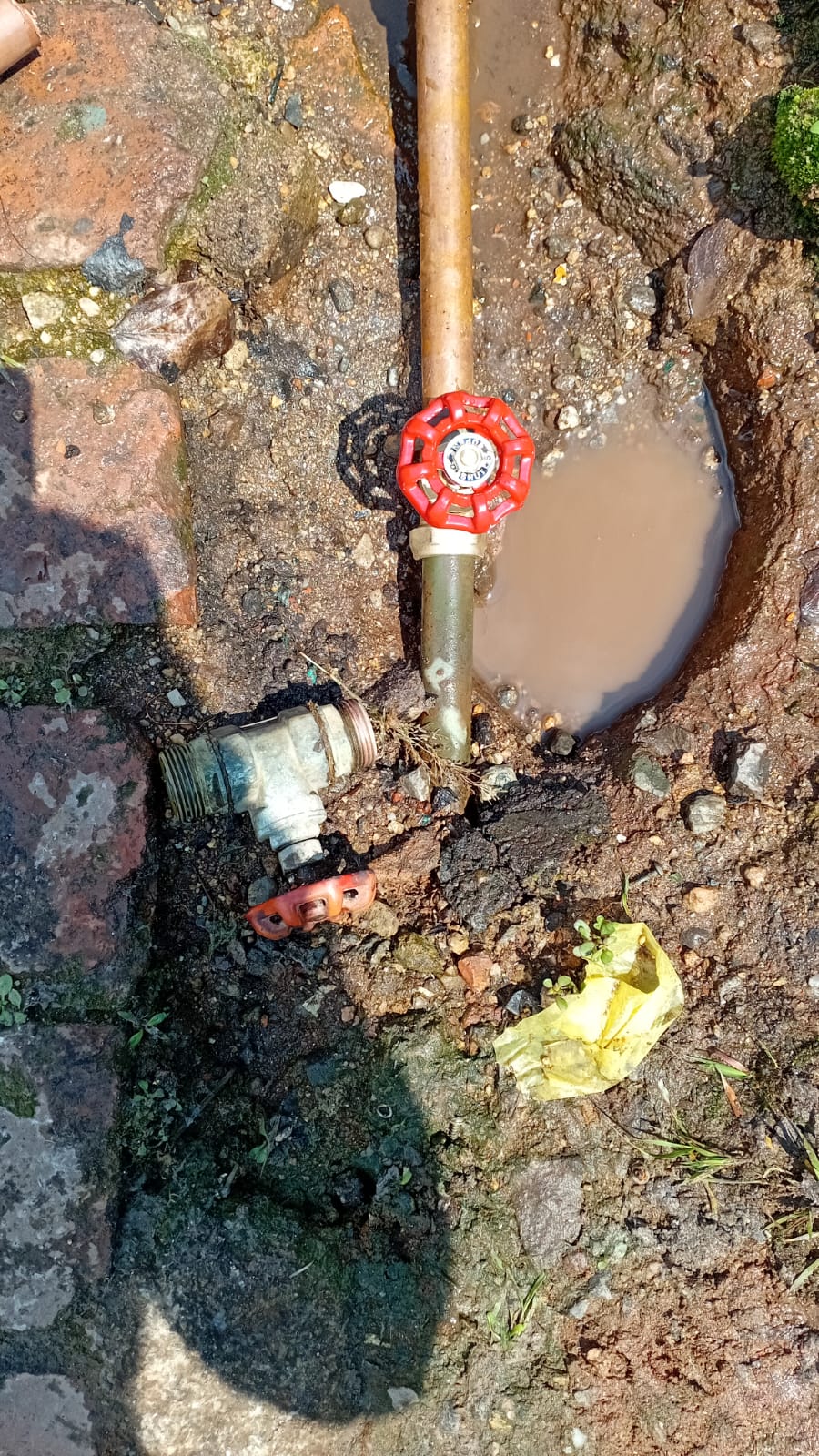
Leak detection and pipe repair
Unexplained water bills, warm patches on floors, damp skirting and wet paving with no visible burst often mean a concealed supply leak. We isolate sections methodically — not by opening random tiles — and repair the proven route after pressure-testing the line so the meter stops spinning when every tap is closed.
Repair versus replacement: a single failed fitting on sound pipework is usually worth repairing. Widespread corrosion, repeated pinholes or poor previous reinstatement may make partial or full replacement the safer long-term choice.
Leak detection help ›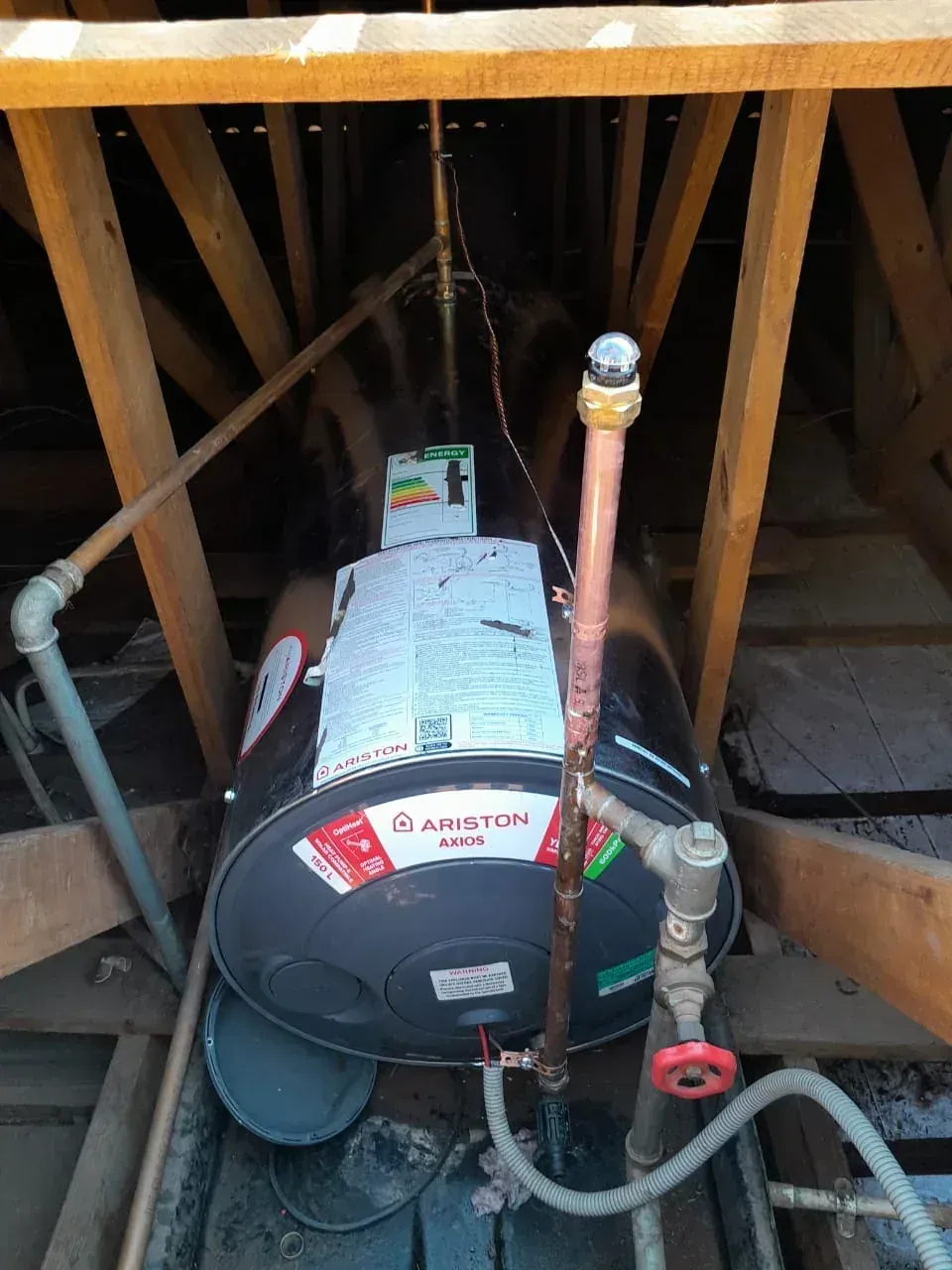
Geyser, element and hot-water systems
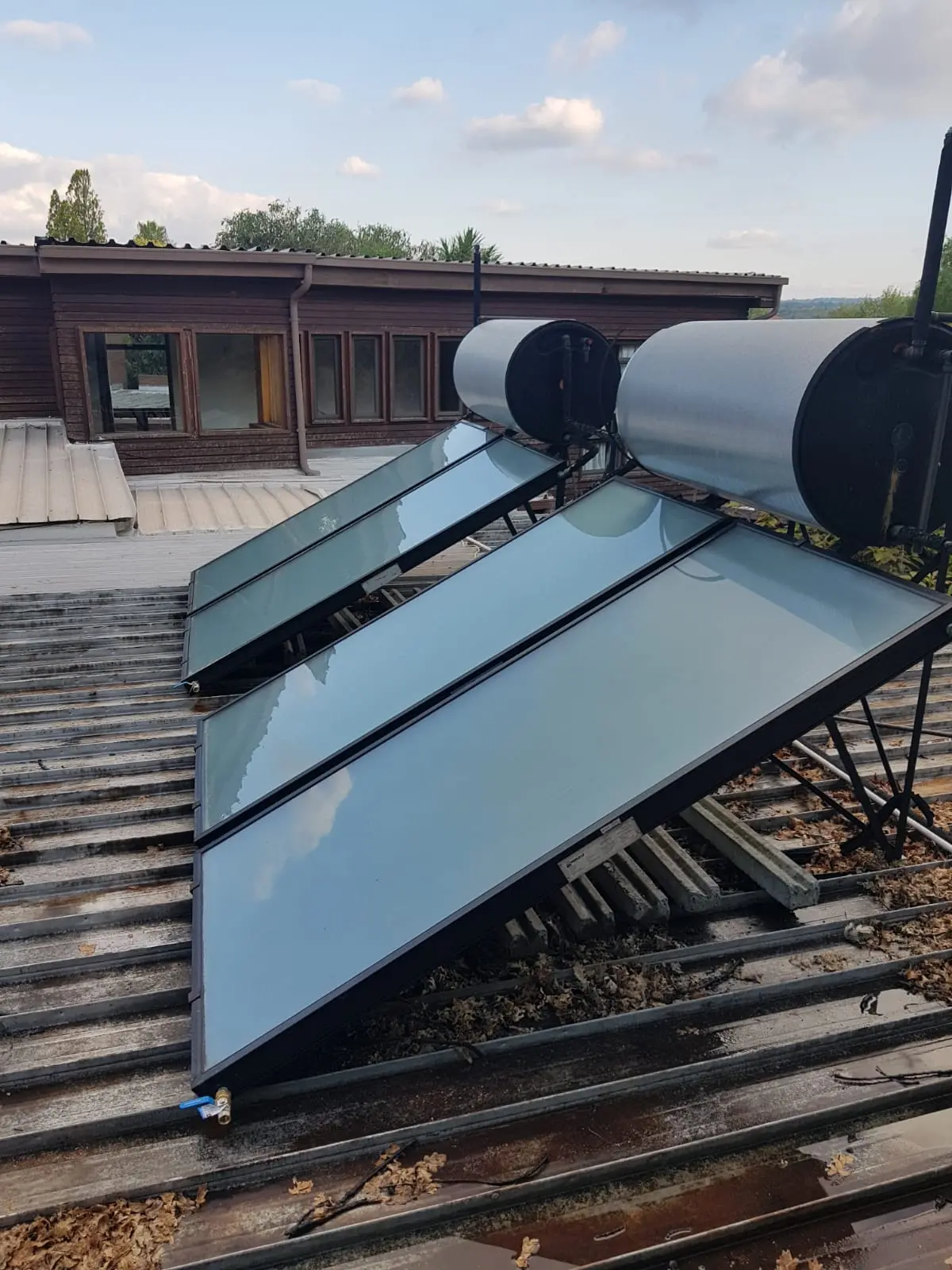
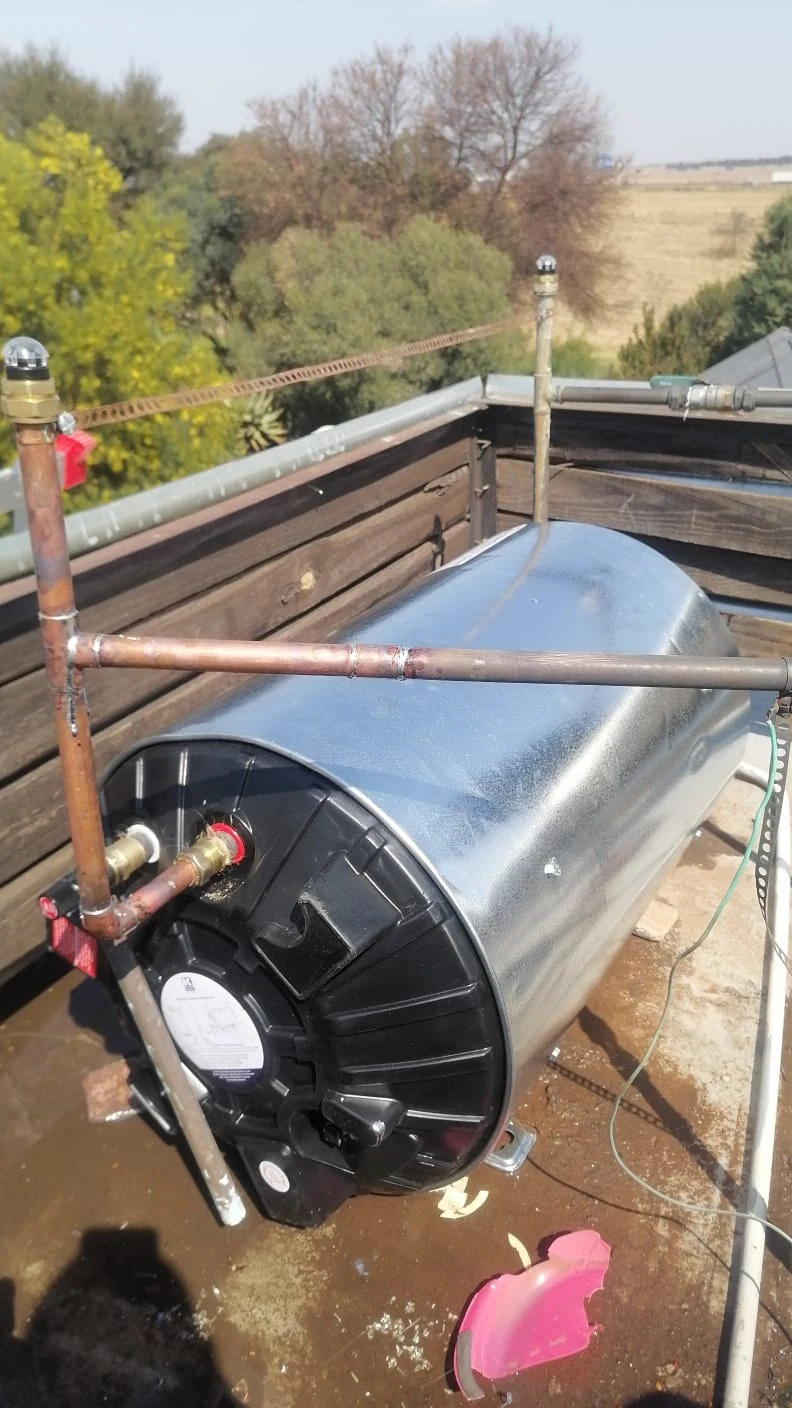
Intermittent hot water, tripping breakers, dripping safety valves and flooding cupboards are rarely solved by replacing only the element. We inspect the cylinder, thermostat, wiring, pressure behaviour and discharge pipework, then advise honestly on repair versus replacement — including solar conversion where it makes practical sense for the property.
After load-shedding: repeated power cycles stress elements and thermostats across Gauteng. If the geyser heats unevenly or trips the DB board, treat it as a full-system check — not a single-part guess.
Geyser services › View all plumbing services ›
GAUTENG PROPERTY REALITY
Plumbing problems here rarely arrive alone
In established suburbs — Brixton, Rosettenville, Turffontein, Germiston, Alberton — mixed-era pipework means a "simple" leak often sits behind decades of adaptations: original galvanised runs, later PVC branches, and estate modifications that never made it onto a plan. Our technicians expect that complexity and trace the live route rather than assuming the nearest wet patch marks the failure.
Security estates and townhouse complexes across Fourways, Midrand, Centurion and Pretoria East add another layer: access windows, parking limits, and body-corporate rules about after-hours work. Sending gate instructions, unit numbers and a reachable contact before arrival reduces standing time at the boom and keeps the quotation discussion with the person who can approve the repair.
Highveld temperature swings and thunderstorm seasons stress exposed pipework on paving, garden taps and roof-mounted geysers. A small weep at an outside angle valve can saturate soil against a wall for weeks before it shows indoors — by then the fault is larger than the fitting that started it.
What to send when you book a plumber
- Suburb, complex or estate name, unit or gate number, and the nearest major intersection or landmark.
- Whether the main stopcock, geyser isolator or fixture valve can be closed safely.
- Photos or short video of the leak, water level, damaged fitting or DB board behaviour — when safe to capture.
- Whether the fault affects one fixture, one floor, or the entire property — that distinction narrows the search quickly.
- Any recent building work, drain clearing or geyser repairs — repeat faults often trace back to the previous job scope.
BEFORE WE ARRIVE
Protect the property while help is on the way
Simple actions reduce damage and keep people safe until a plumber arrives. If you are unsure whether a situation is urgent, call the emergency line — we will advise on isolation over the phone where possible.
Active pipe or ceiling leakClose the nearest isolation valve or main stopcock if accessible. Move electronics and stored items away from the wet area. Do not poke ceiling boards that may be holding water.Burst pipe help ›
Rising drain or toilet waterStop using connected basins, showers and appliances. Do not keep flushing when water is backing up — that forces waste into other fixtures on the same line.Blocked drain help ›
Geyser leak or no hot waterSwitch off the geyser at the distribution board and close the cold-water feed where safely possible. A leaking cylinder can flood a cupboard quickly and create electrical risk.Geyser help ›
Sudden pressure dropCheck whether neighbours are affected and whether every tap or only one outlet has reduced flow — that tells us whether to look at the municipal supply, the property main, or a local restriction.Pressure help ›
HONEST DECISION SUPPORT
Temporary control versus permanent repair
Trust is built when options are explained without pressure. For active flooding or electrical risk at a geyser, call 067 657 6109 immediately. For contained faults, WhatsApp photos and a short description often let us advise on isolation before scheduling an assessment visit at no call-out charge, with a clear quotation.
✓
Repair can be the right callWhen the failed part is accessible, surrounding material is sound, and testing shows the problem is isolated — not part of a wider failing system.
?
Replacement may offer better valueWhen components are heavily corroded, repeatedly failing, or likely to cause another damaging interruption soon after a patch repair.
→
Further testing prevents guessworkPressure tests, isolation checks and drainage tracing can avoid opening walls or replacing serviceable sections that were never the source.
Completed work across Gauteng
Recent plumbing work across Gauteng
Recent completed projects from 20 main service areas across Johannesburg, Pretoria, Sandton, Randburg, Midrand, Centurion, the East Rand and West Rand. Each job was quoted before work began and tested before handover. Open any area page for more projects in that suburb.
Geyser workCompleted
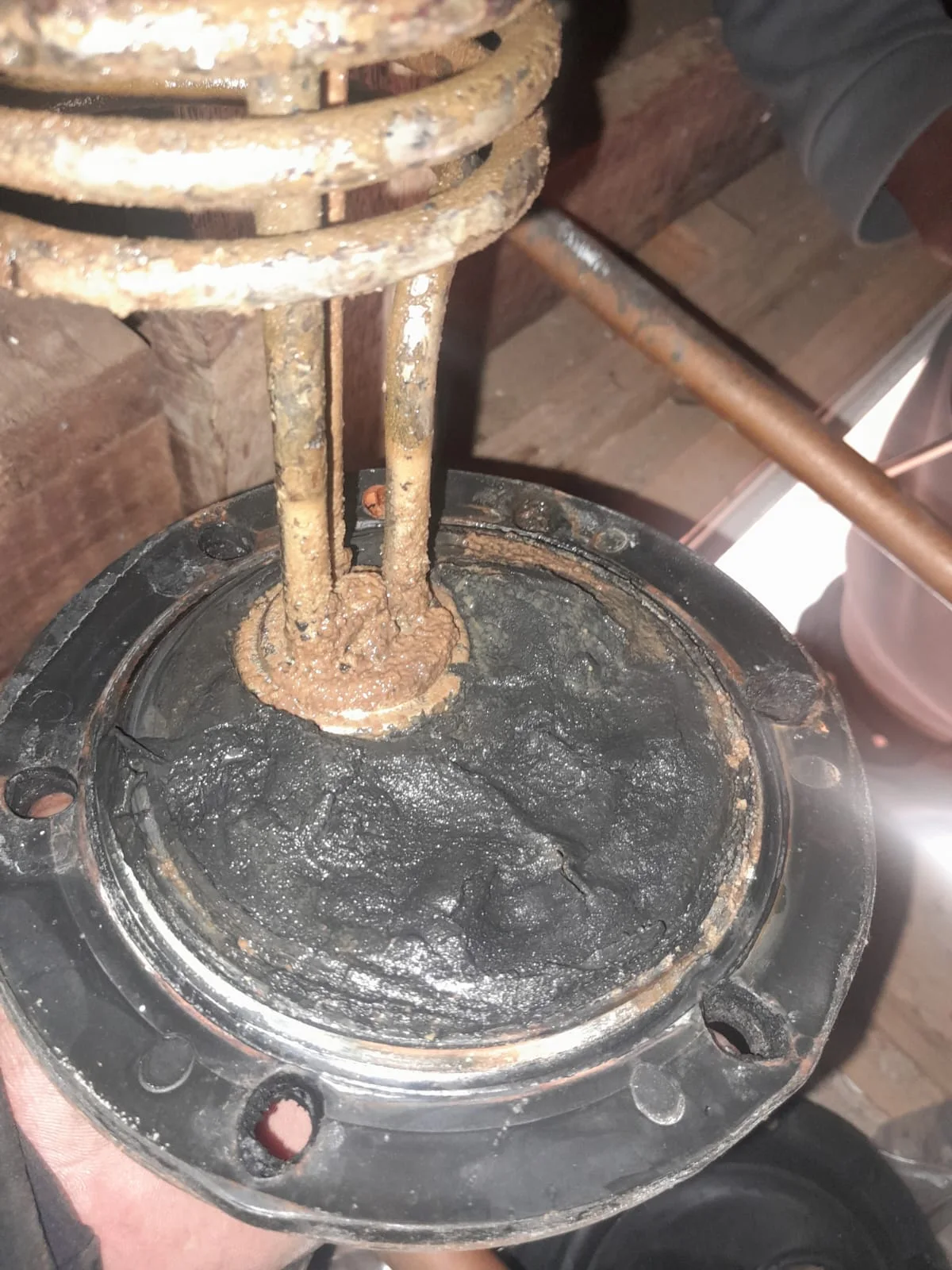
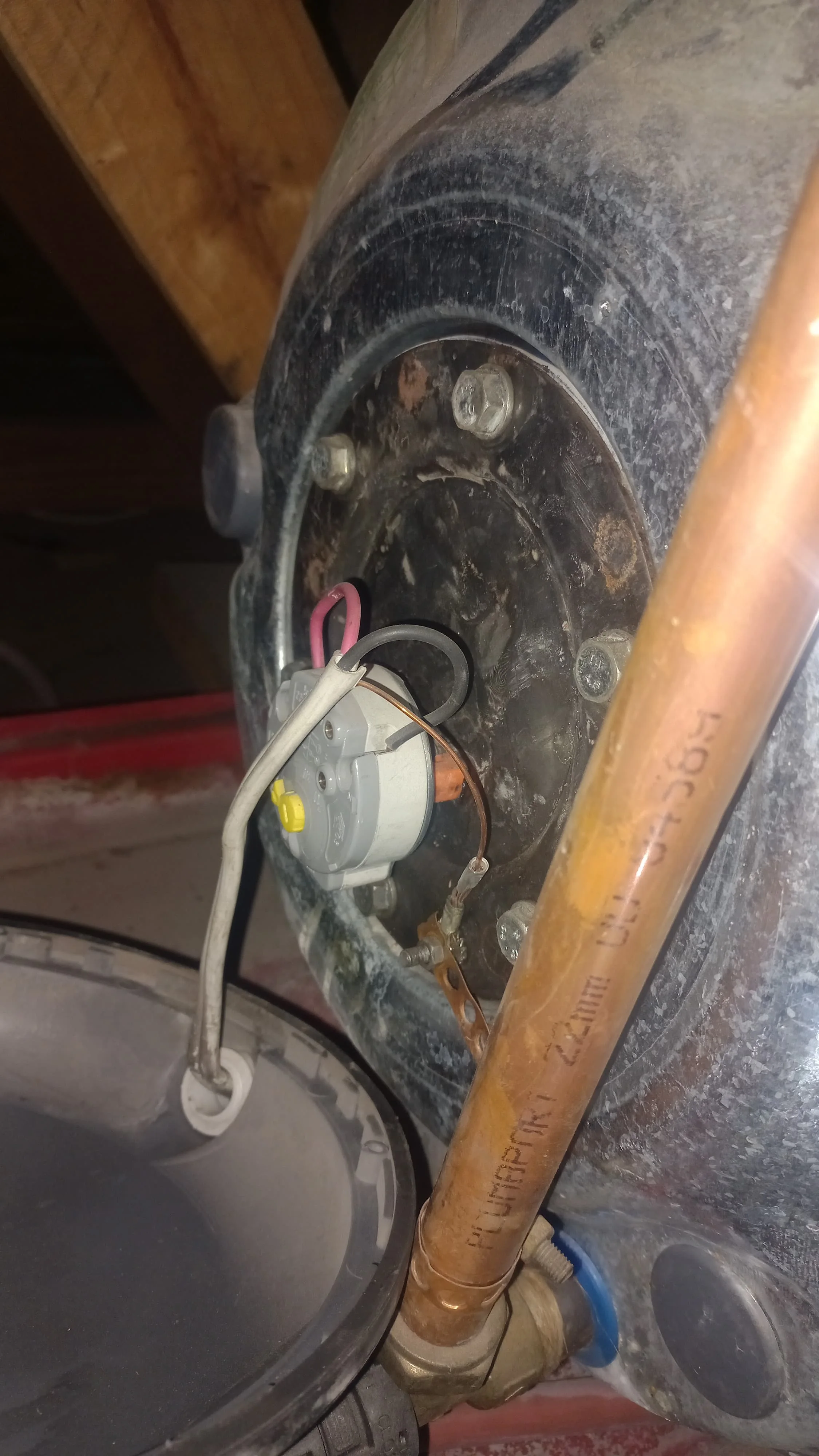
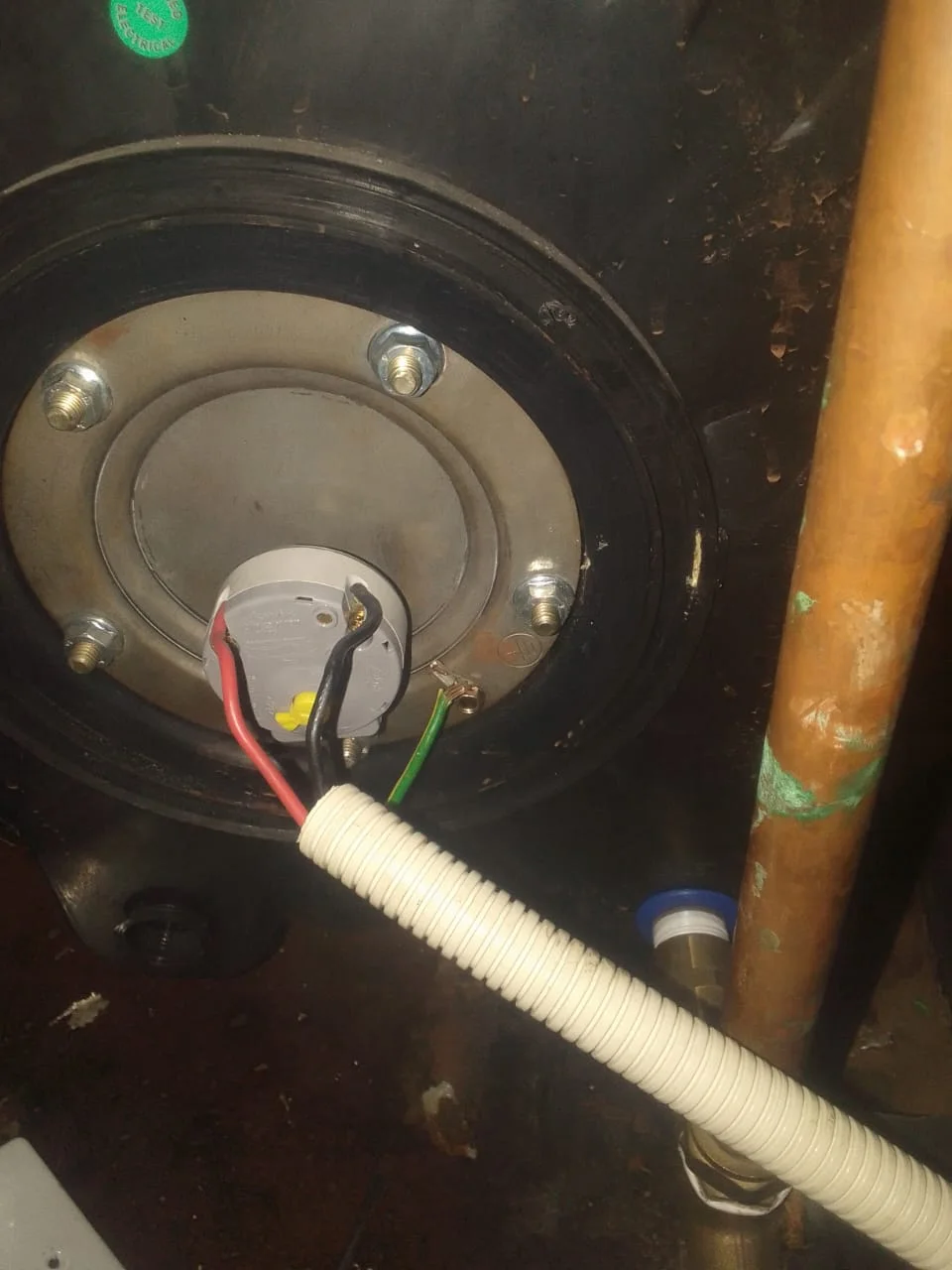
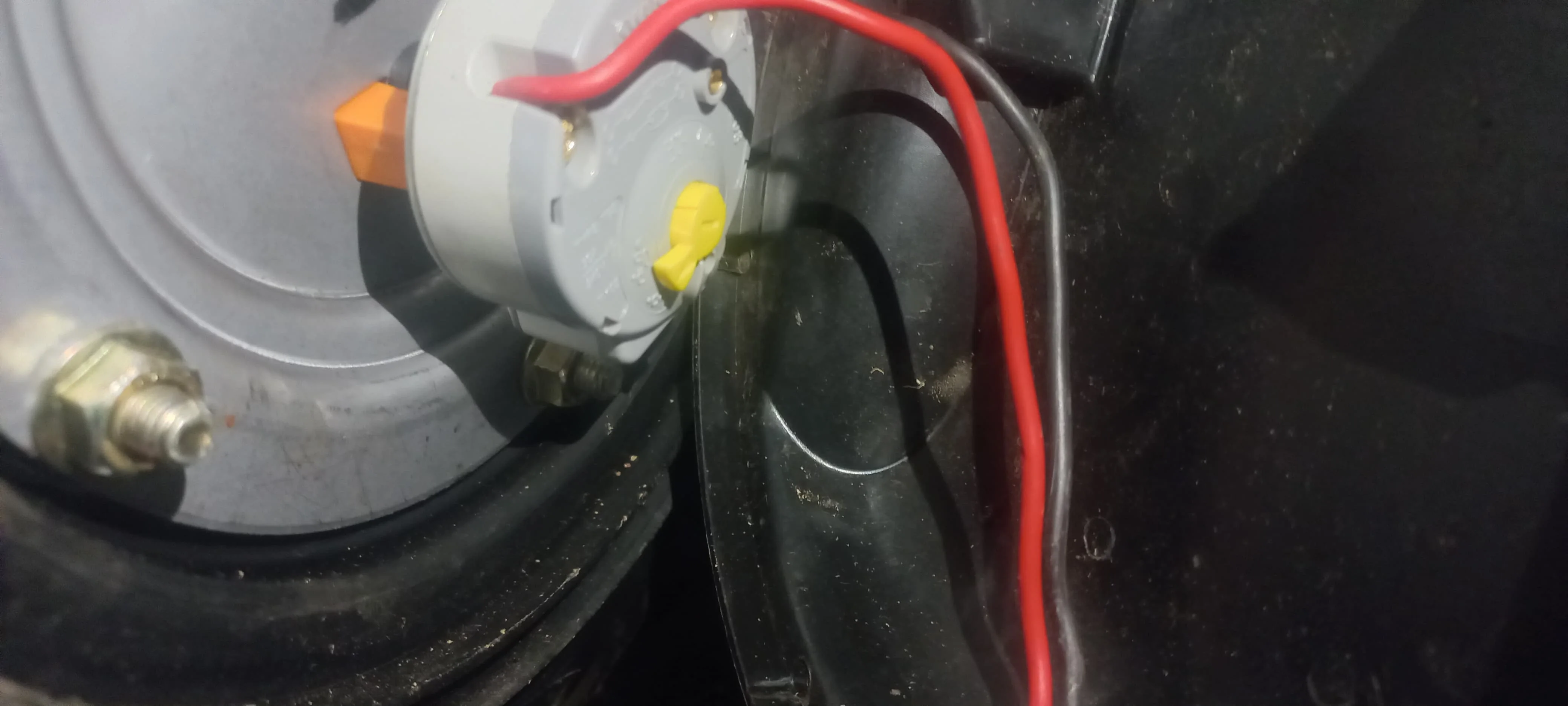
The faulty geyser element and thermostat in Sandton were replaced together with a new flange gasket. The geyser was refilled and tested to confirm reliable hot-water service before handover.
Pipe repairCompleted
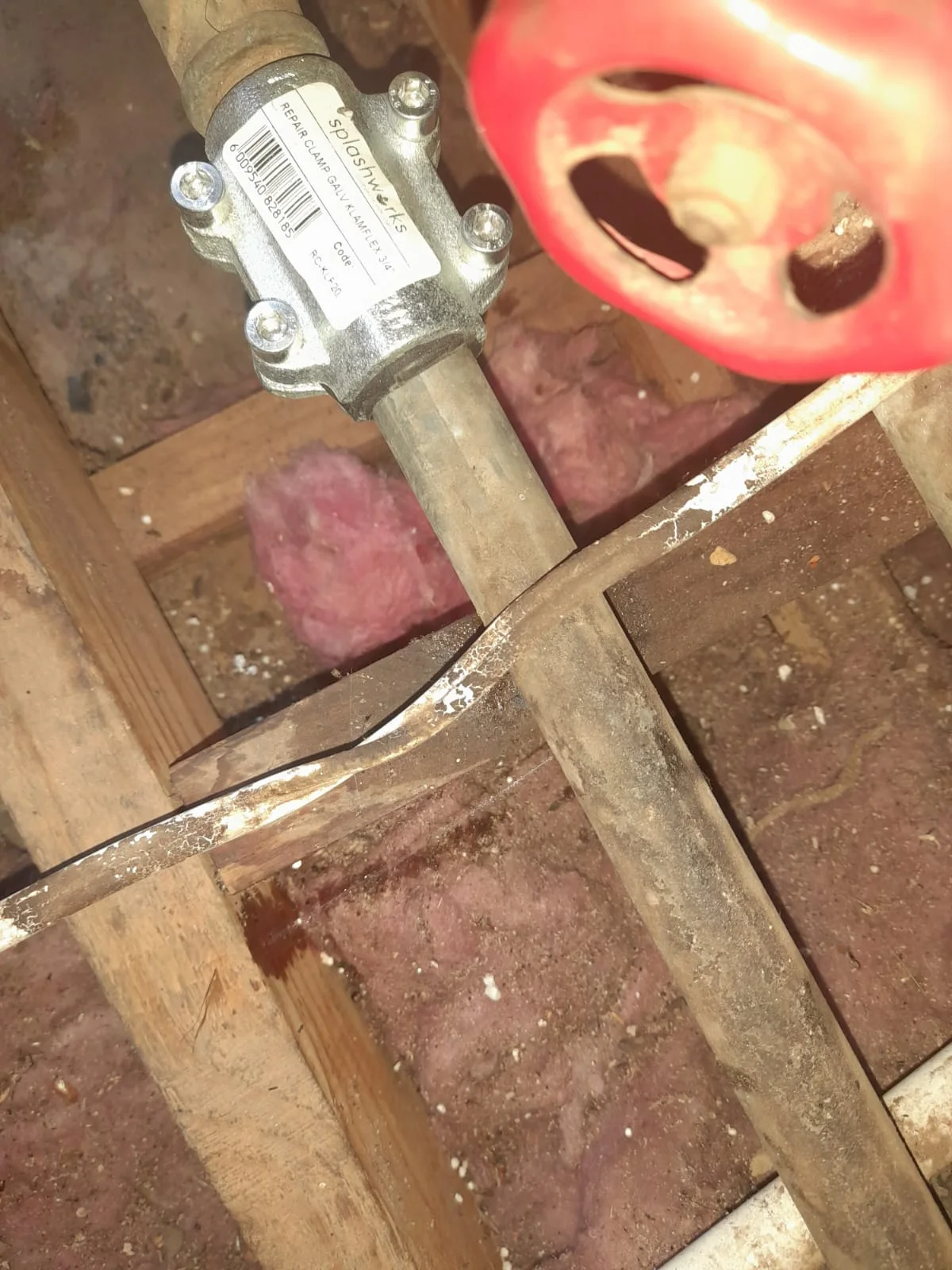
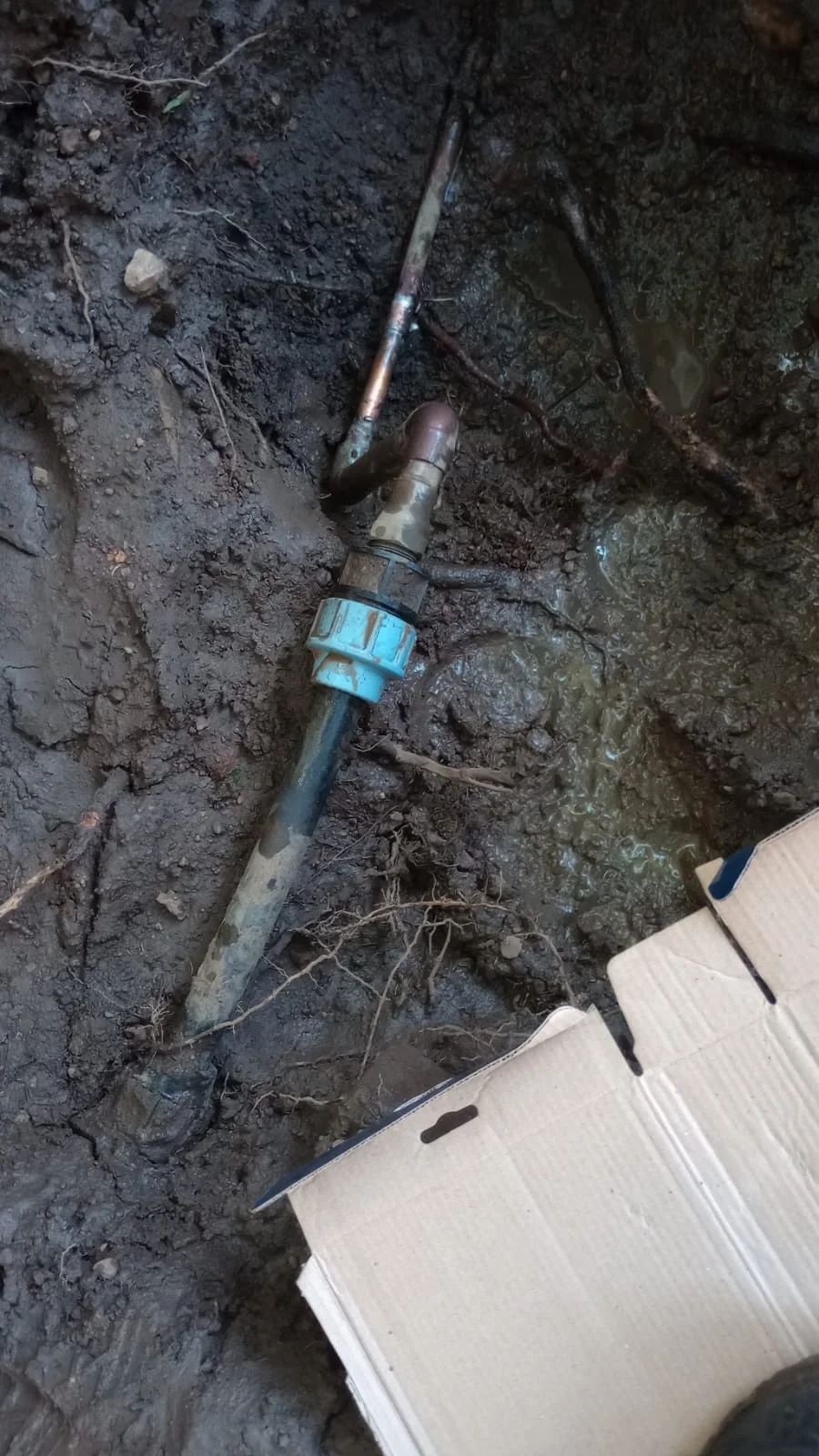
This burst pipe in Randburg was located, repaired with new fittings, and pressure-tested before the line was signed off.
Drain workCompleted
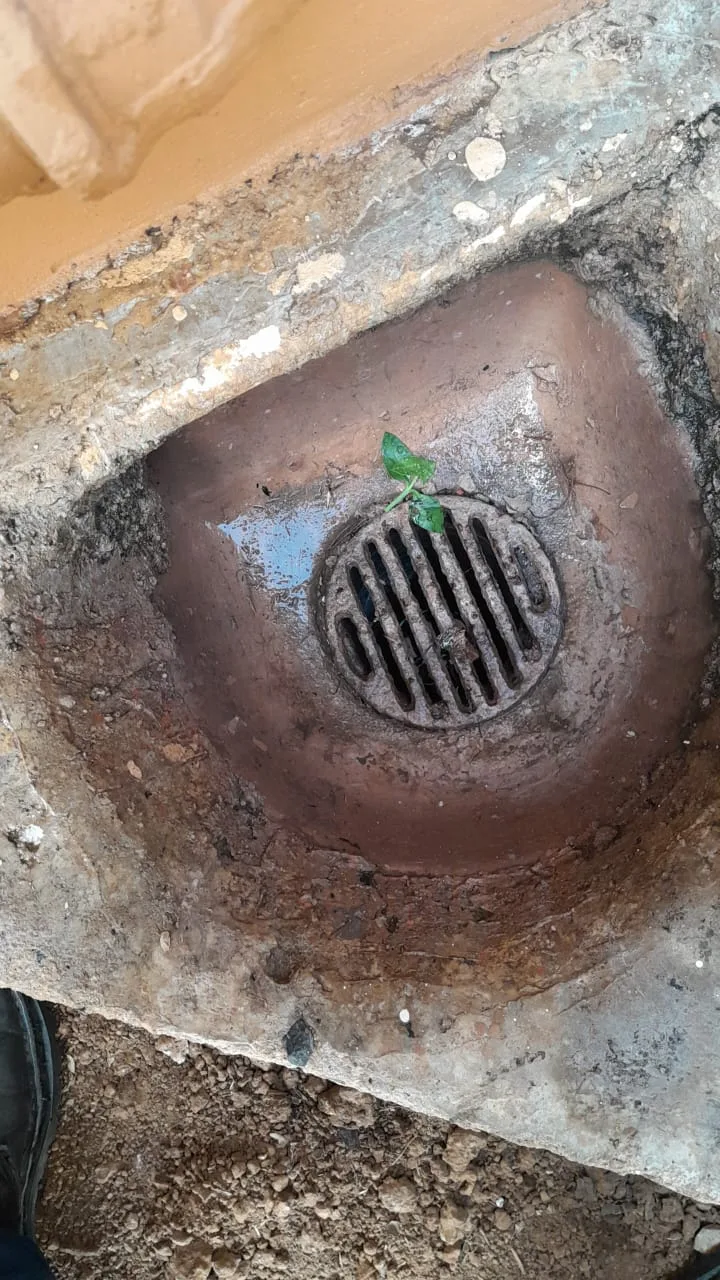
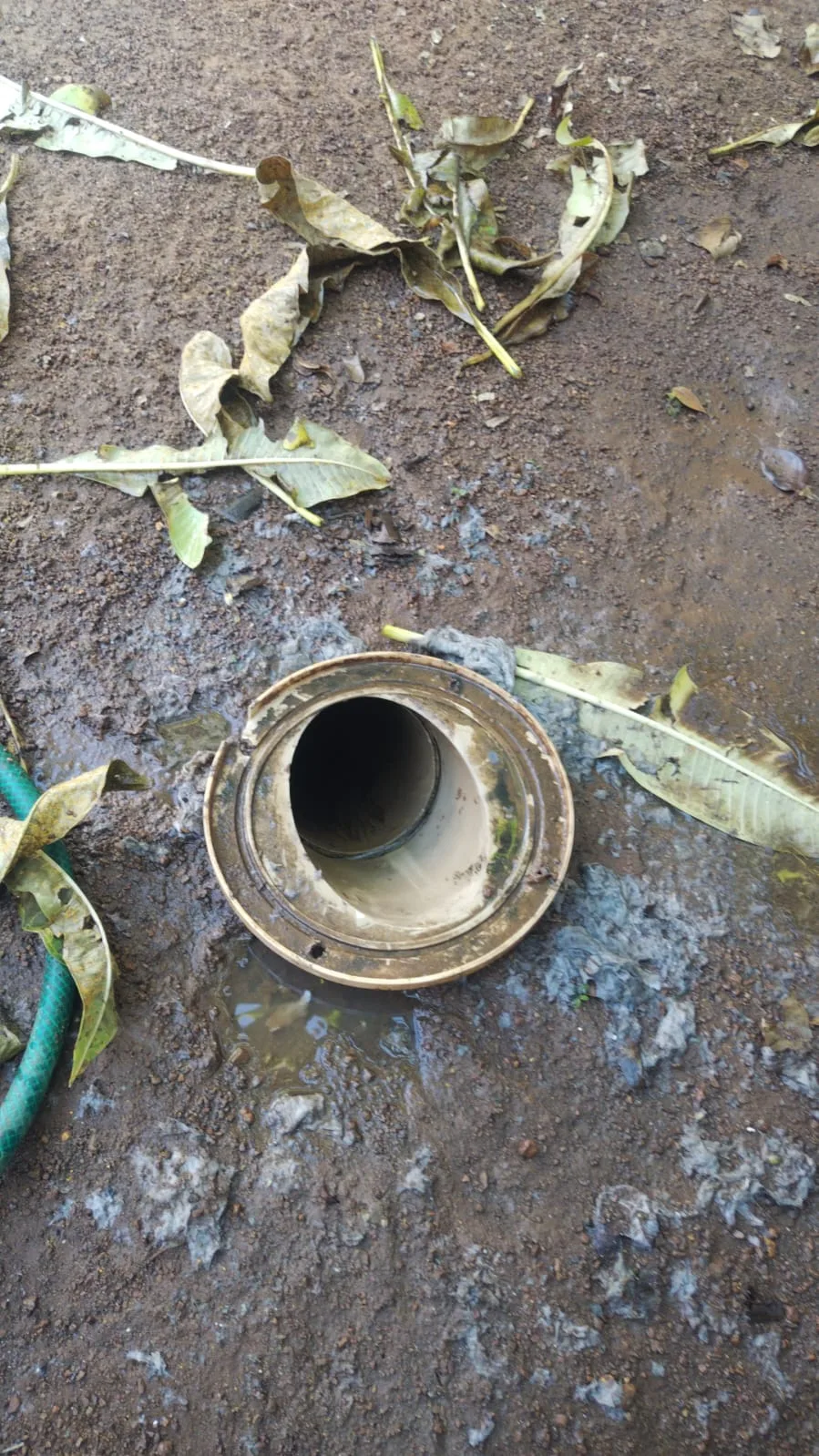
The blocked drain in Fourways was cleared after locating the affected route. Flow was tested afterward to confirm drainage was restored.
Leak repairCompleted
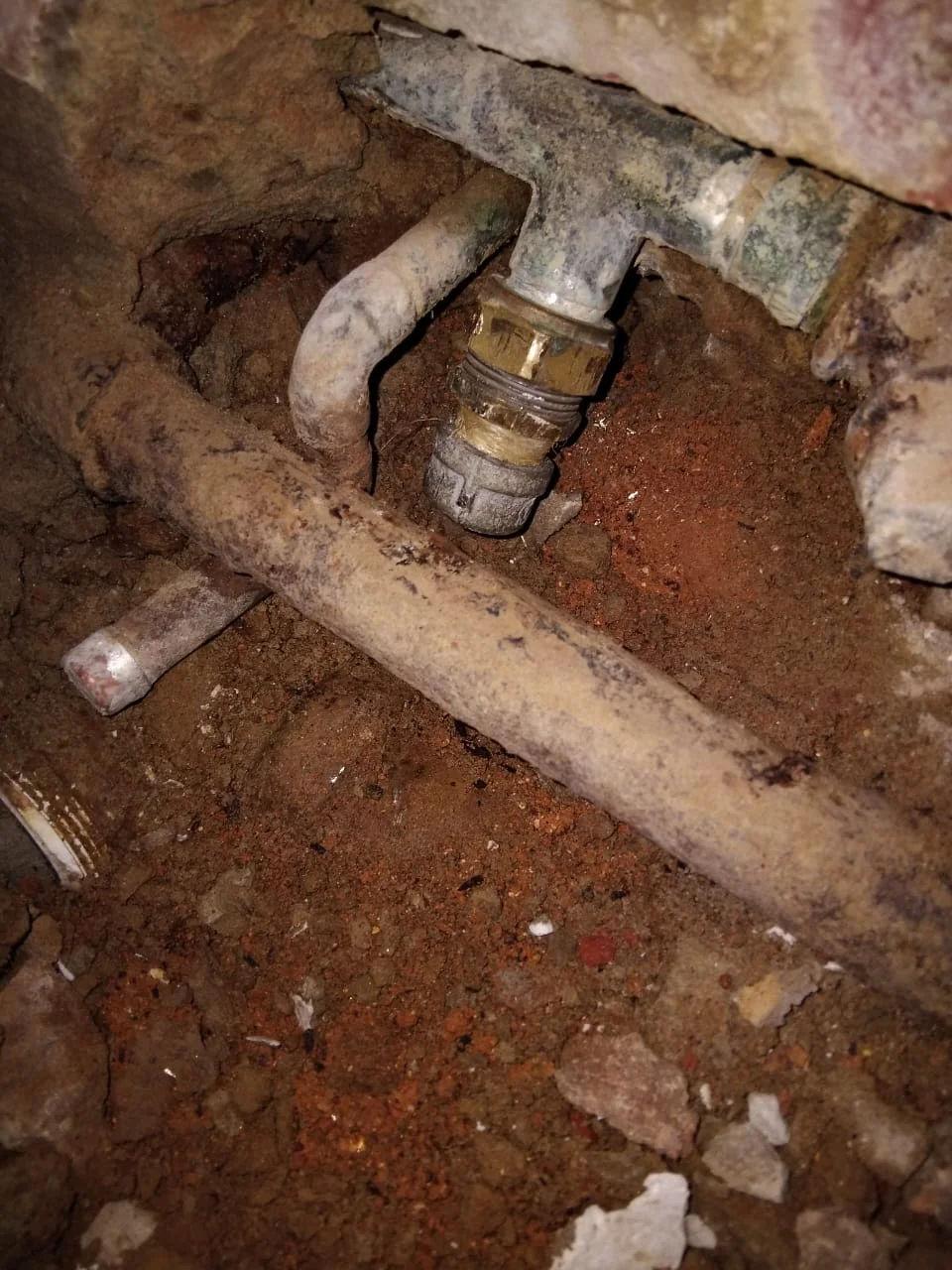
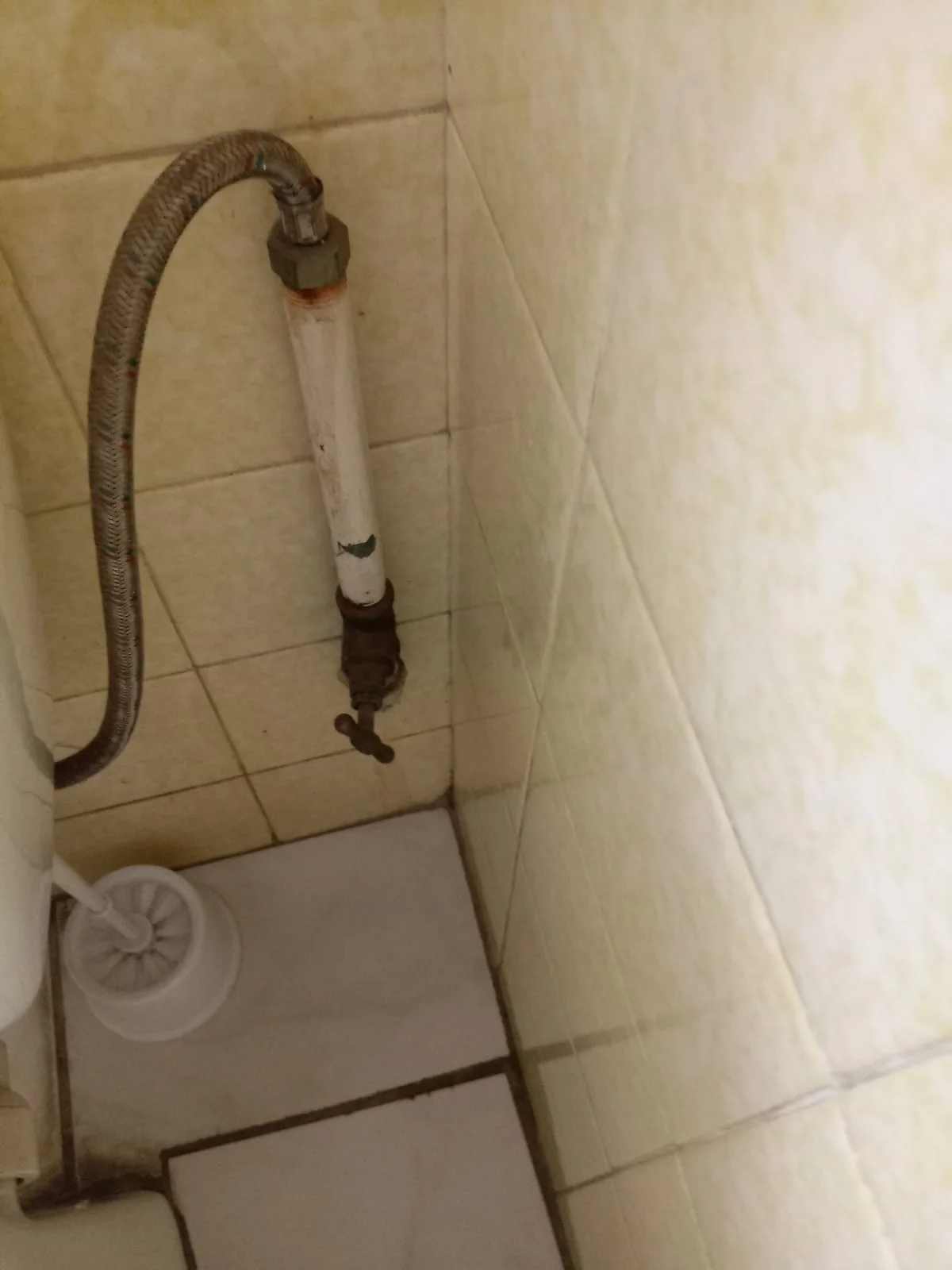
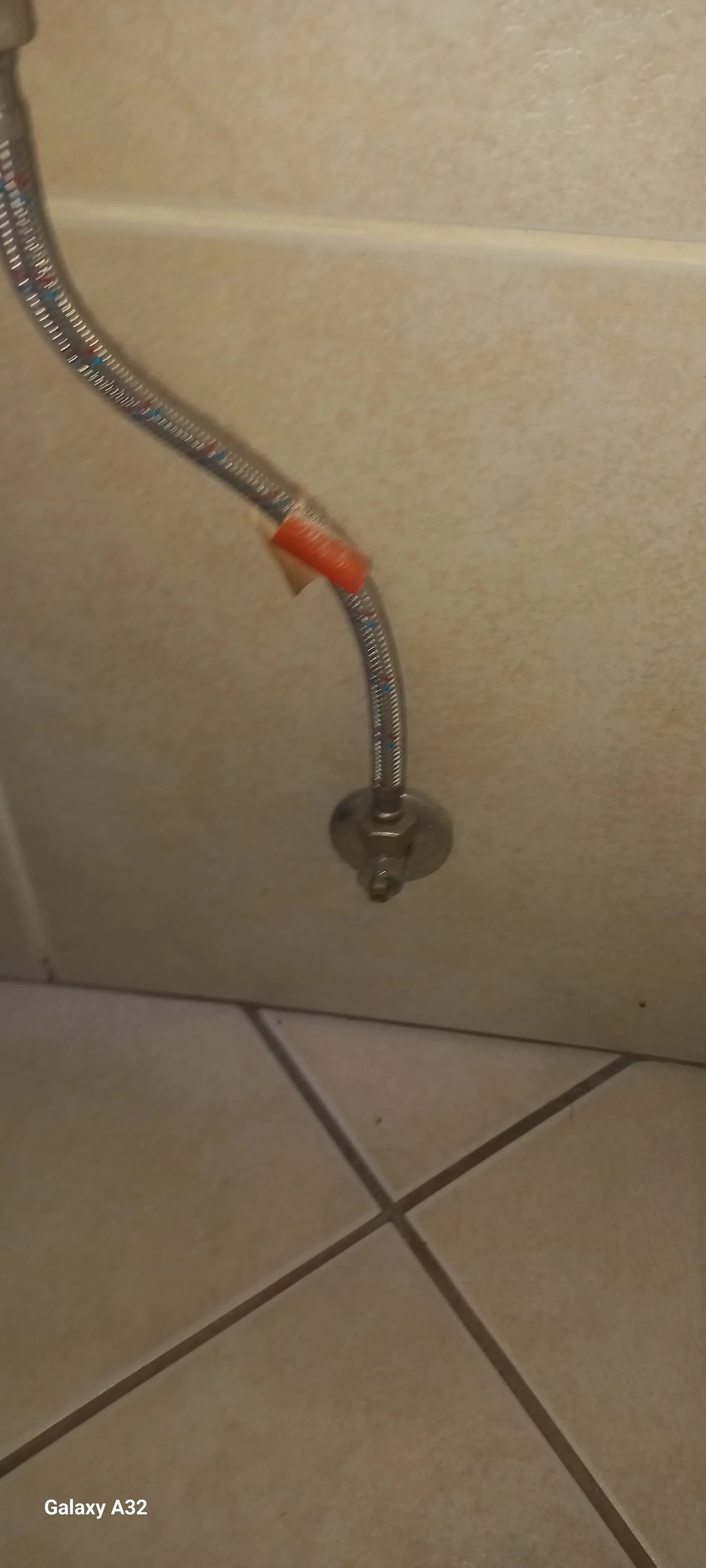
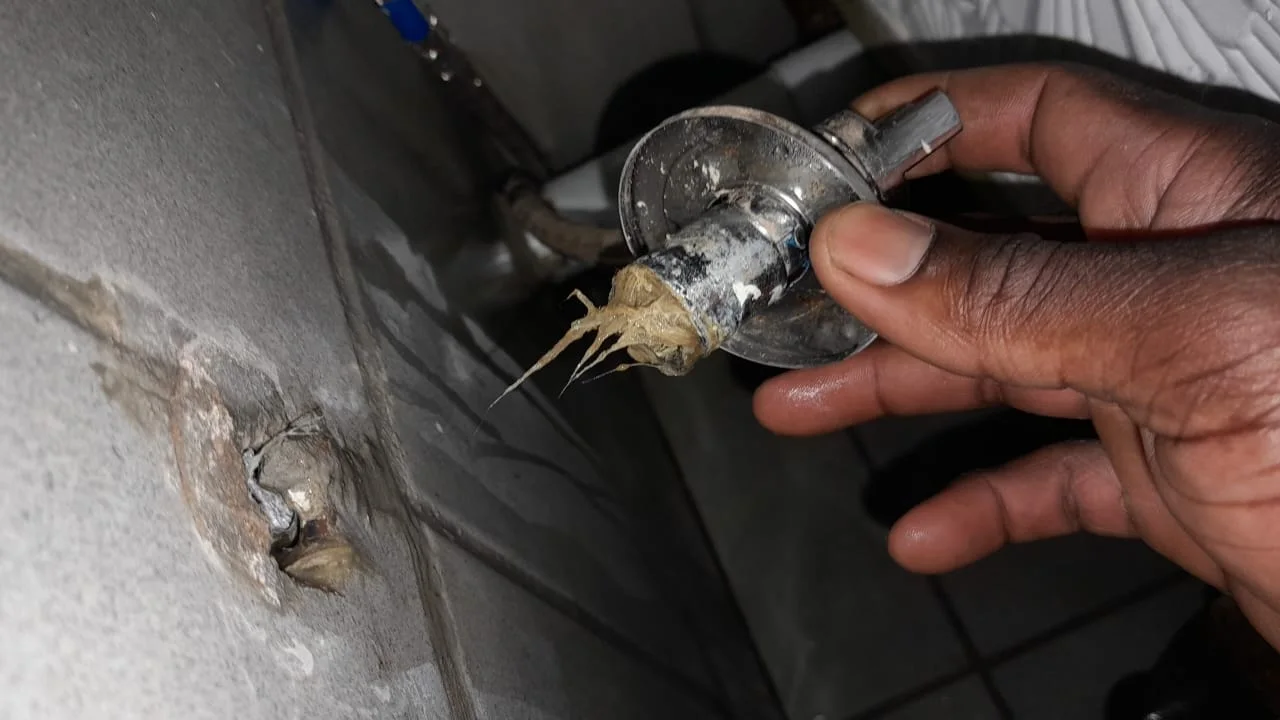
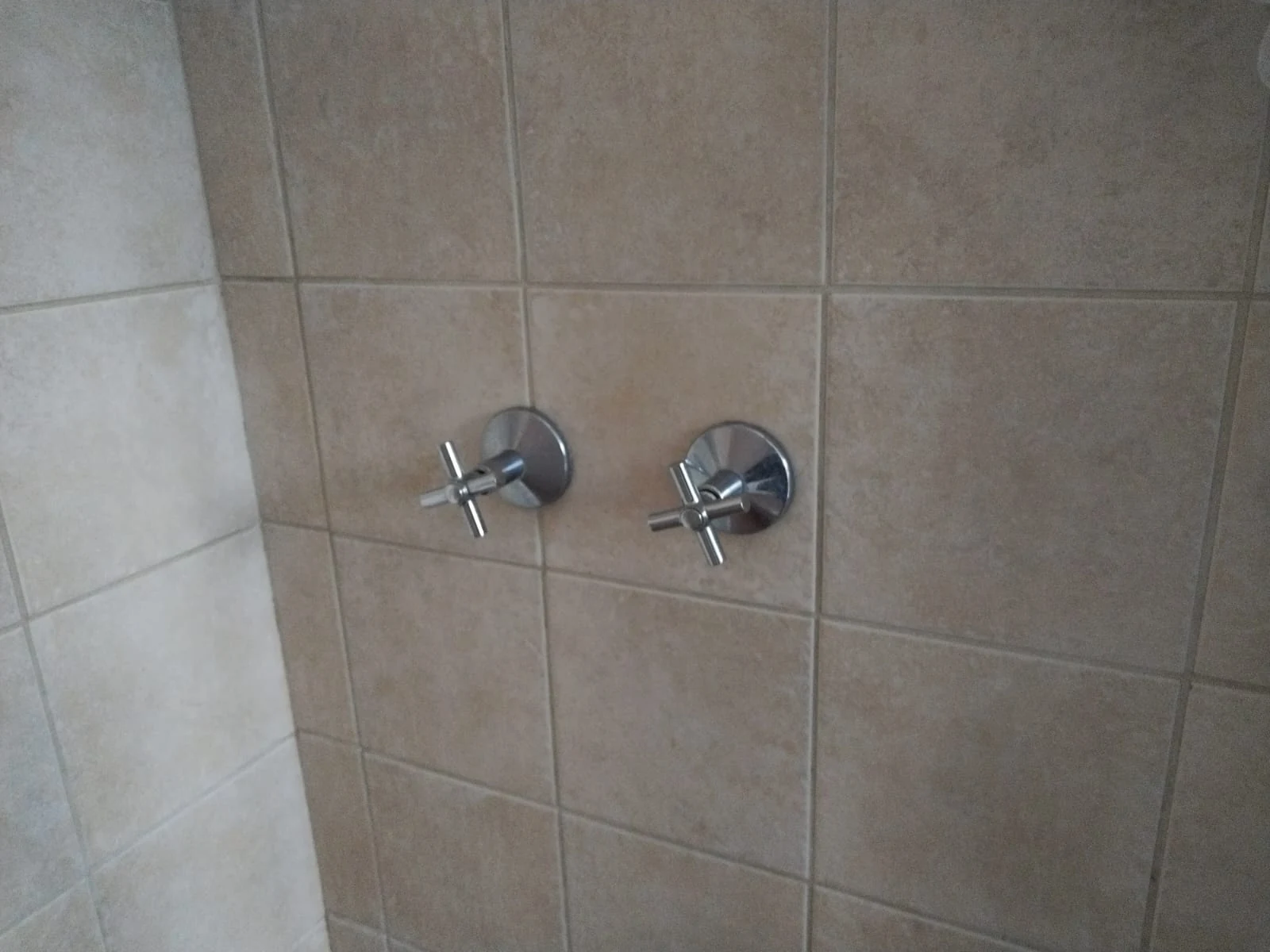
The leaking valve in Bryanston was isolated, replaced, and tested to confirm the connection was dry and secure.
Toilet workCompleted
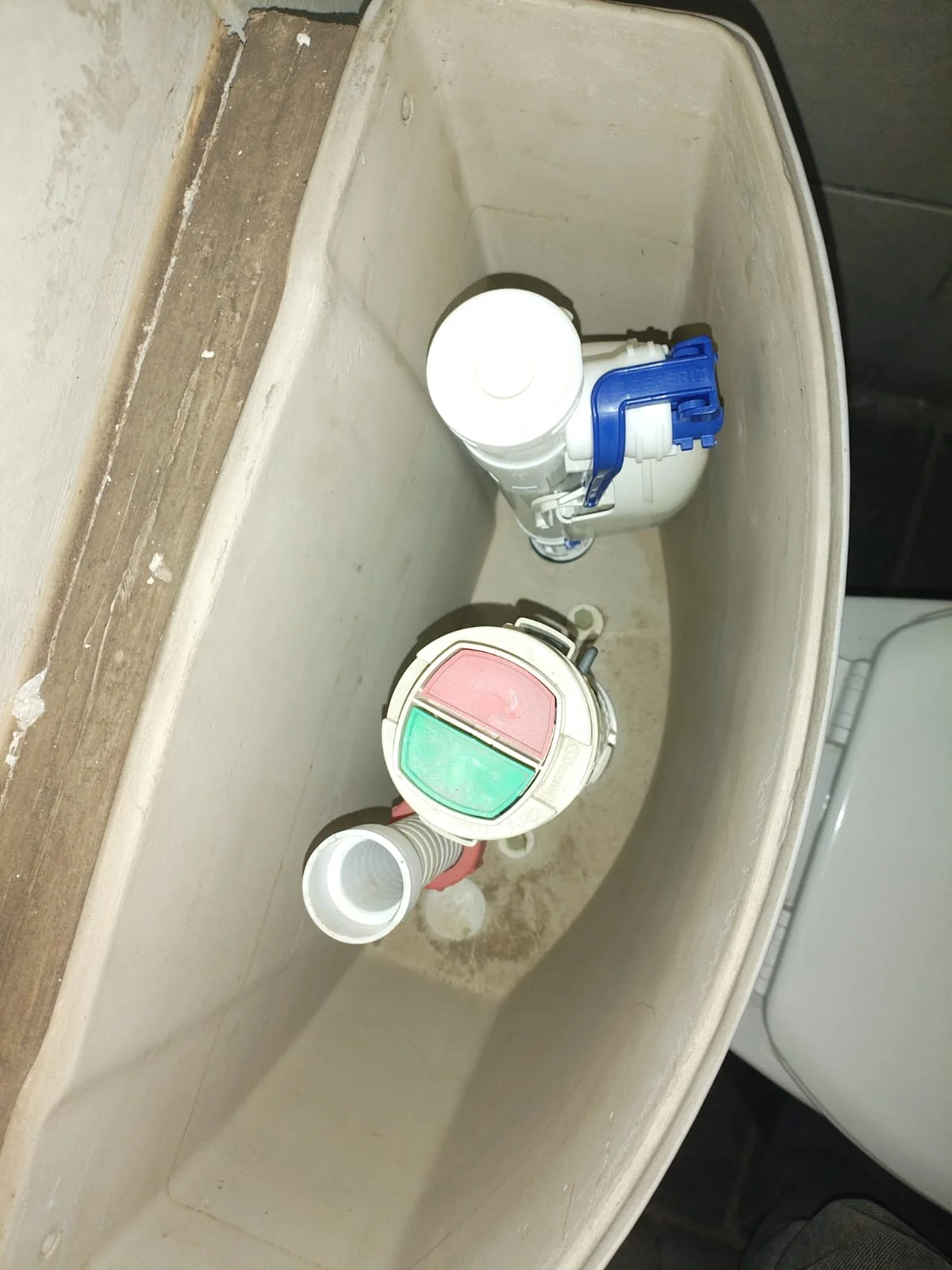
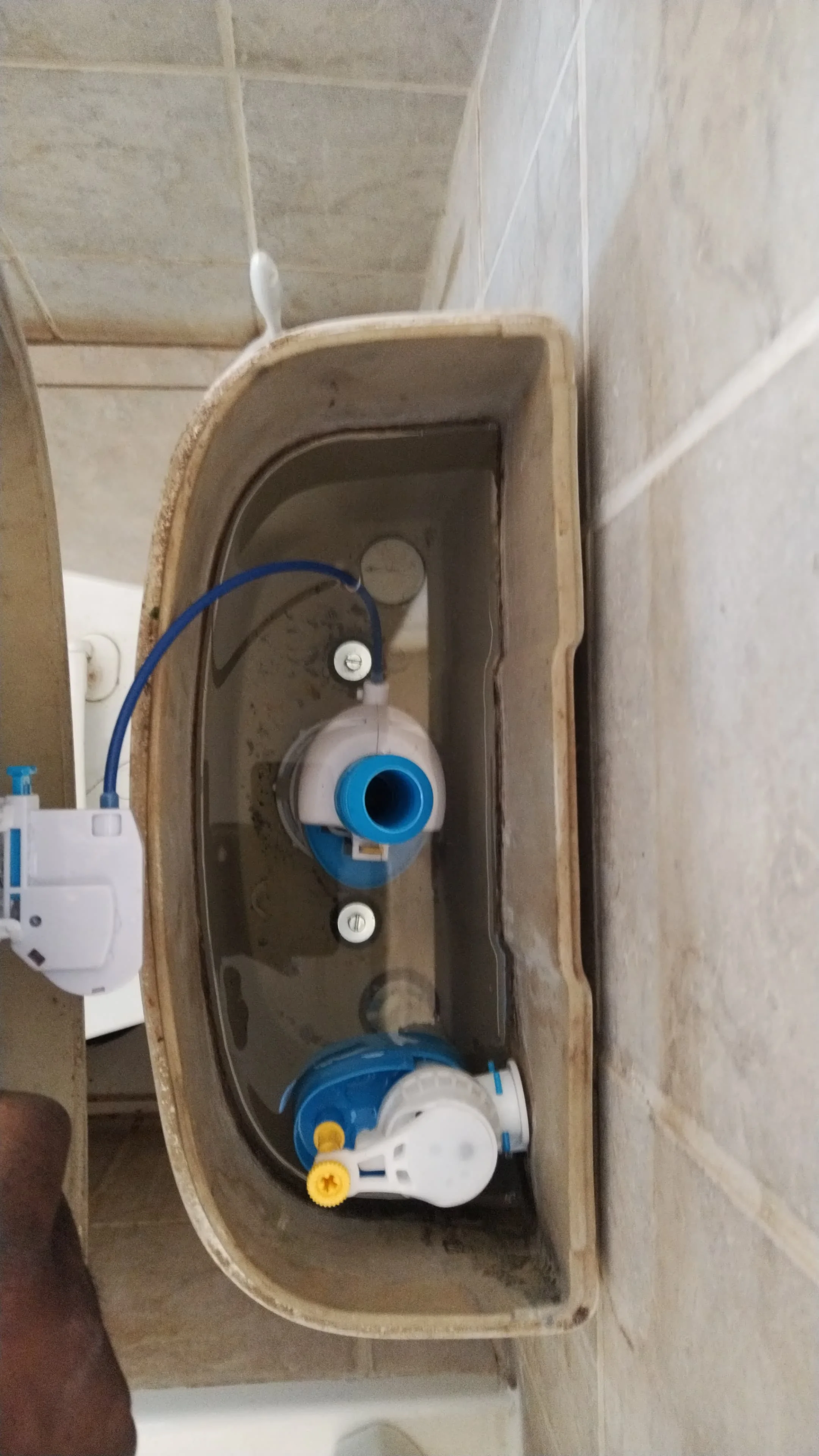
The toilet fault in Midrand was assessed at the supply, cistern, and outlet connections. Repairs were tested with fill and flush cycles to confirm the leak had stopped.
Leak repairCompleted
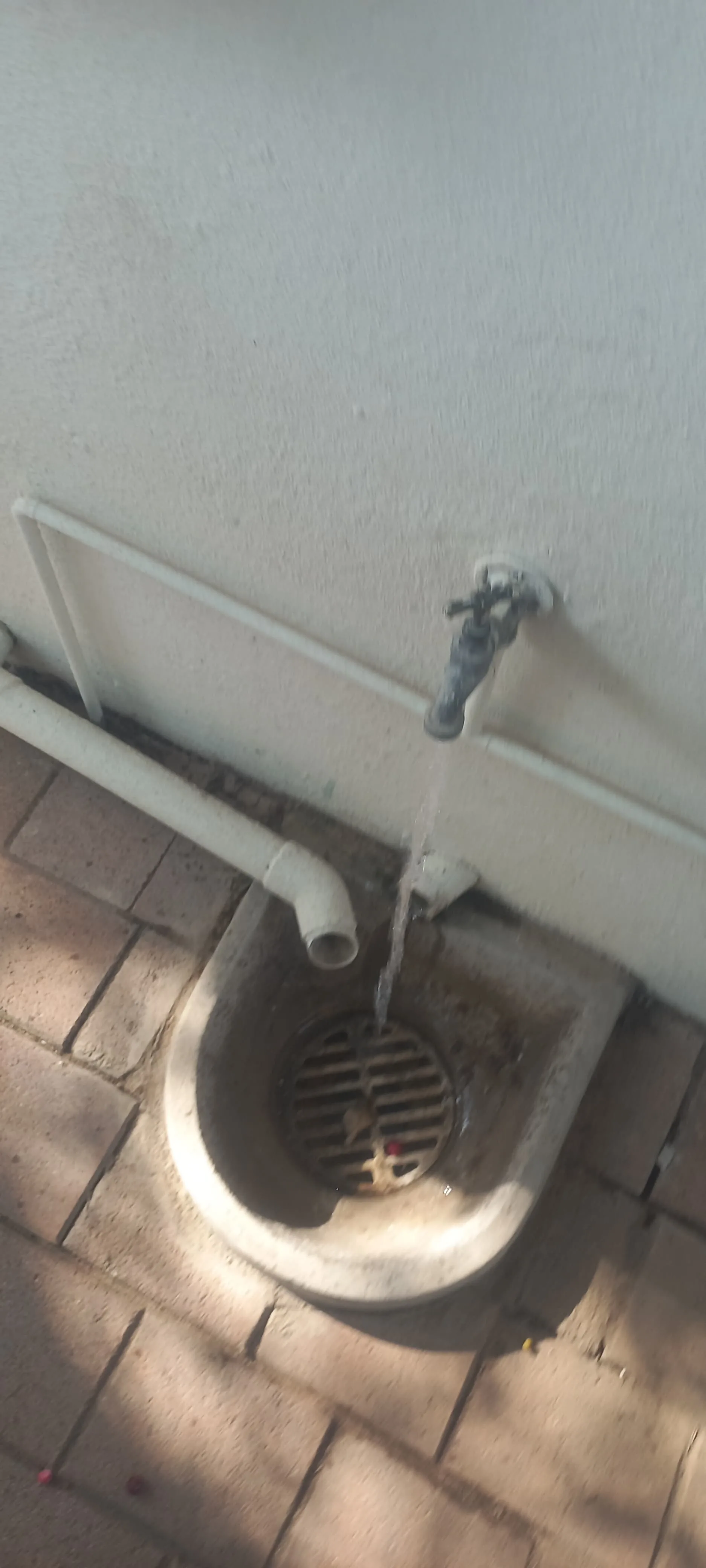
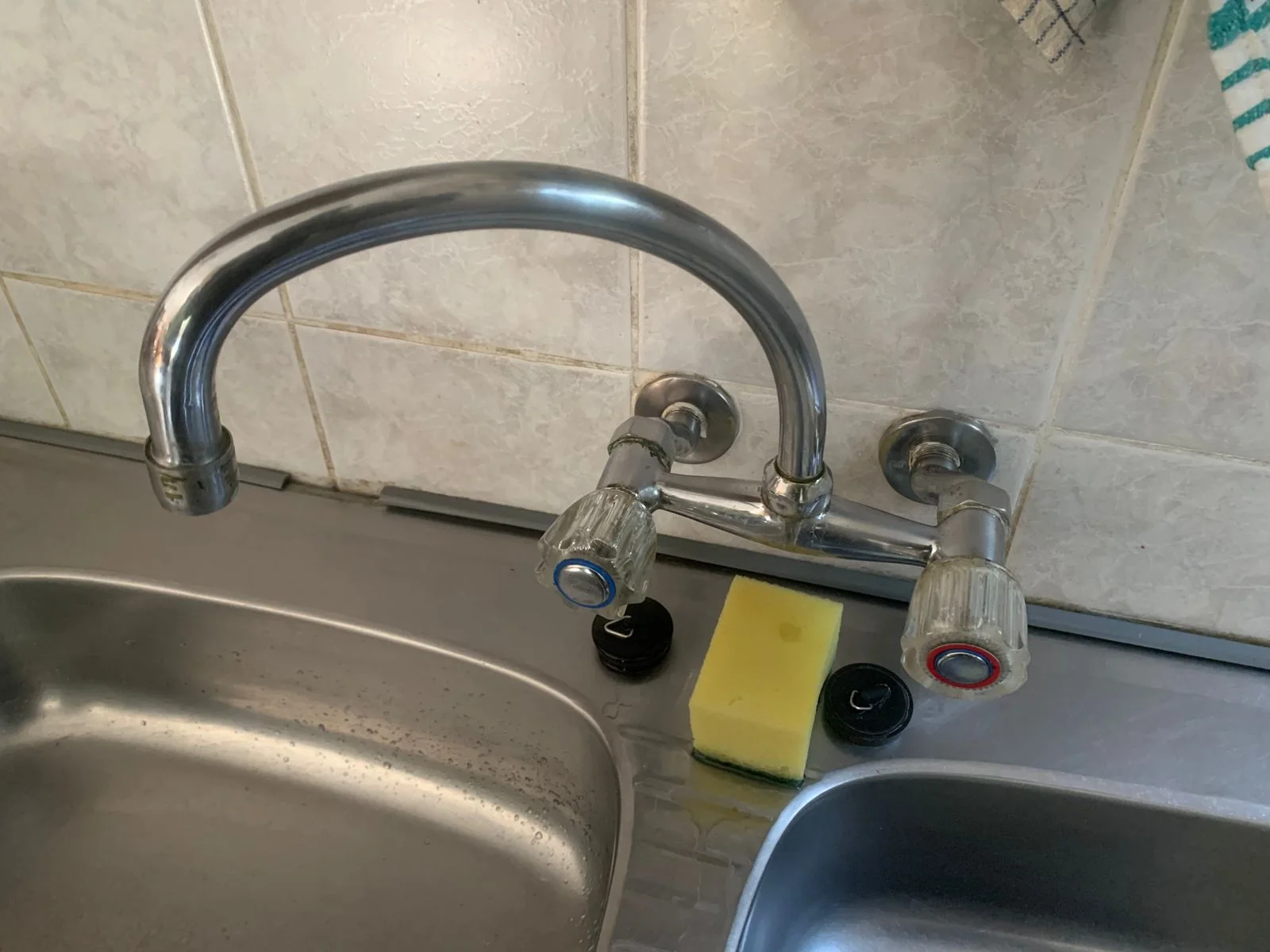
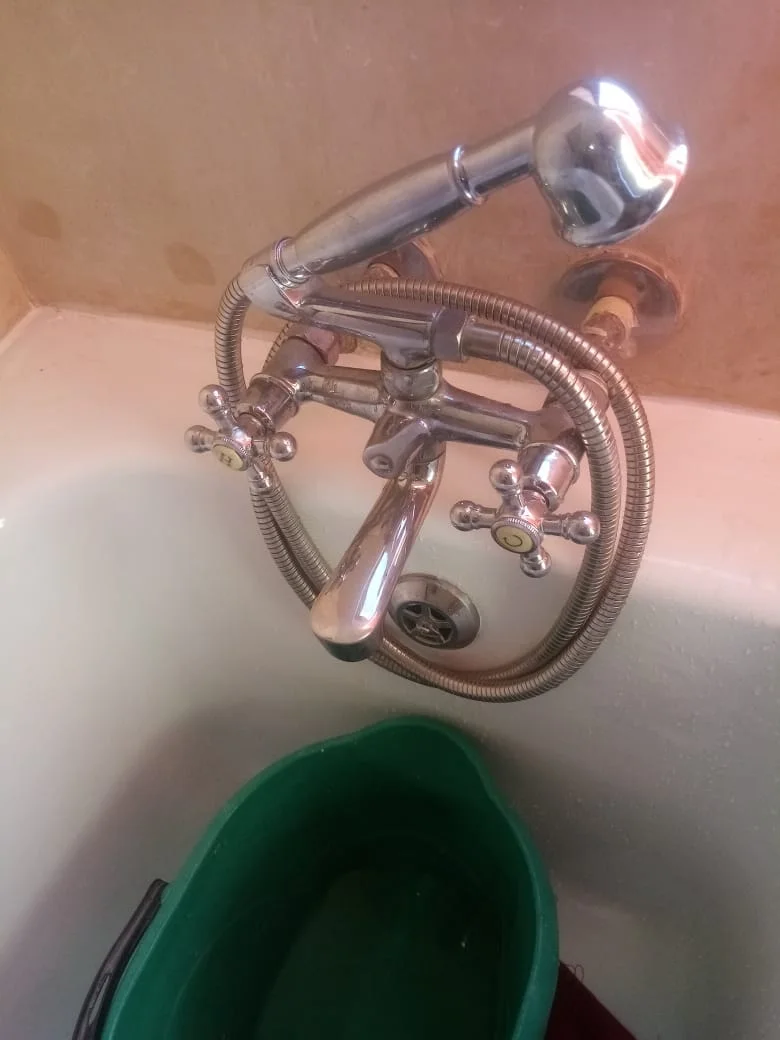
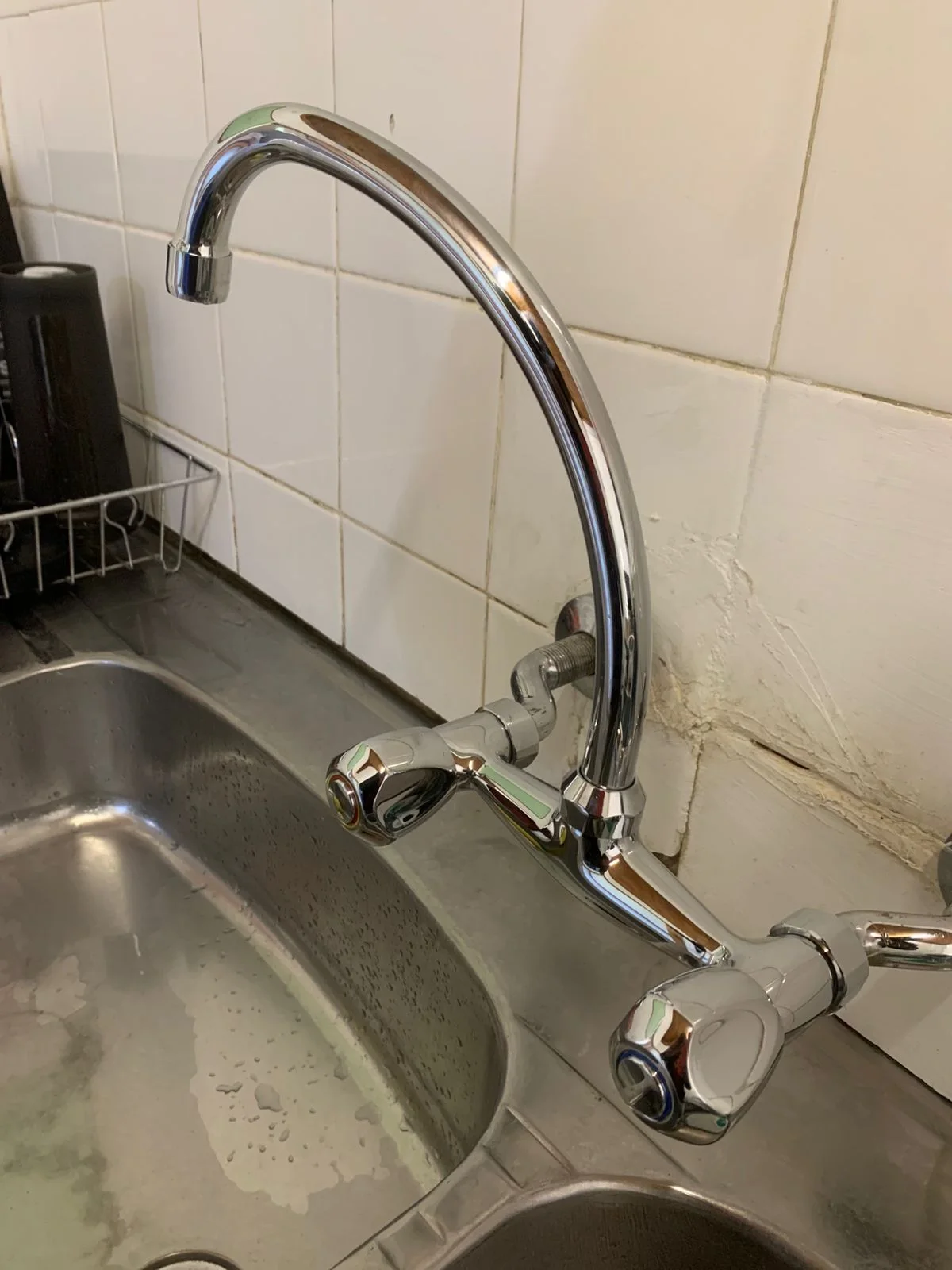
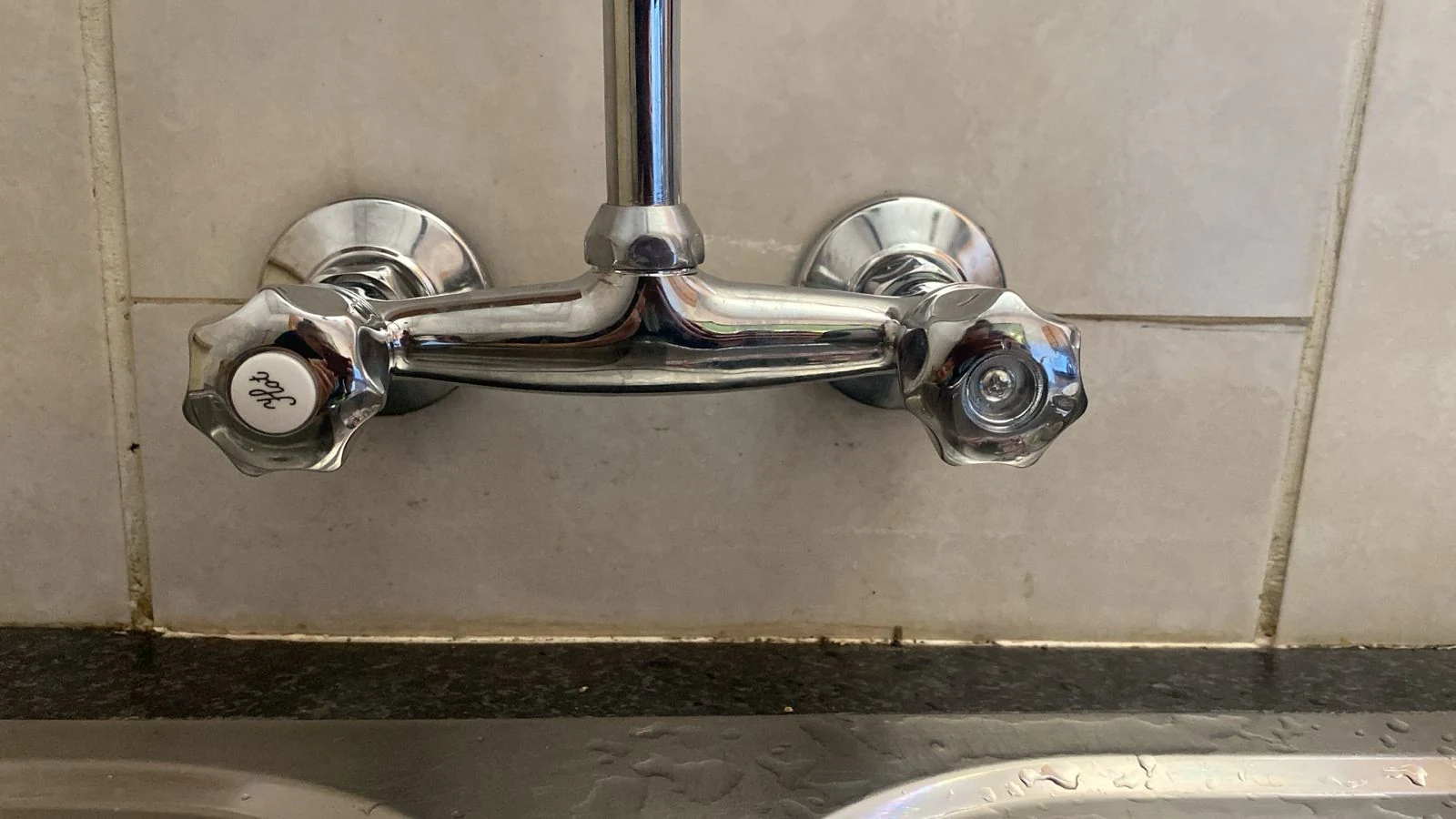
The leaking tap in Centurion was isolated, repaired or replaced, and tested to confirm the drip had stopped.
Geyser workCompleted
The faulty geyser element and thermostat in Pretoria were replaced together with a new flange gasket. The geyser was refilled and tested to confirm reliable hot-water service before handover.
Pipe repairCompleted
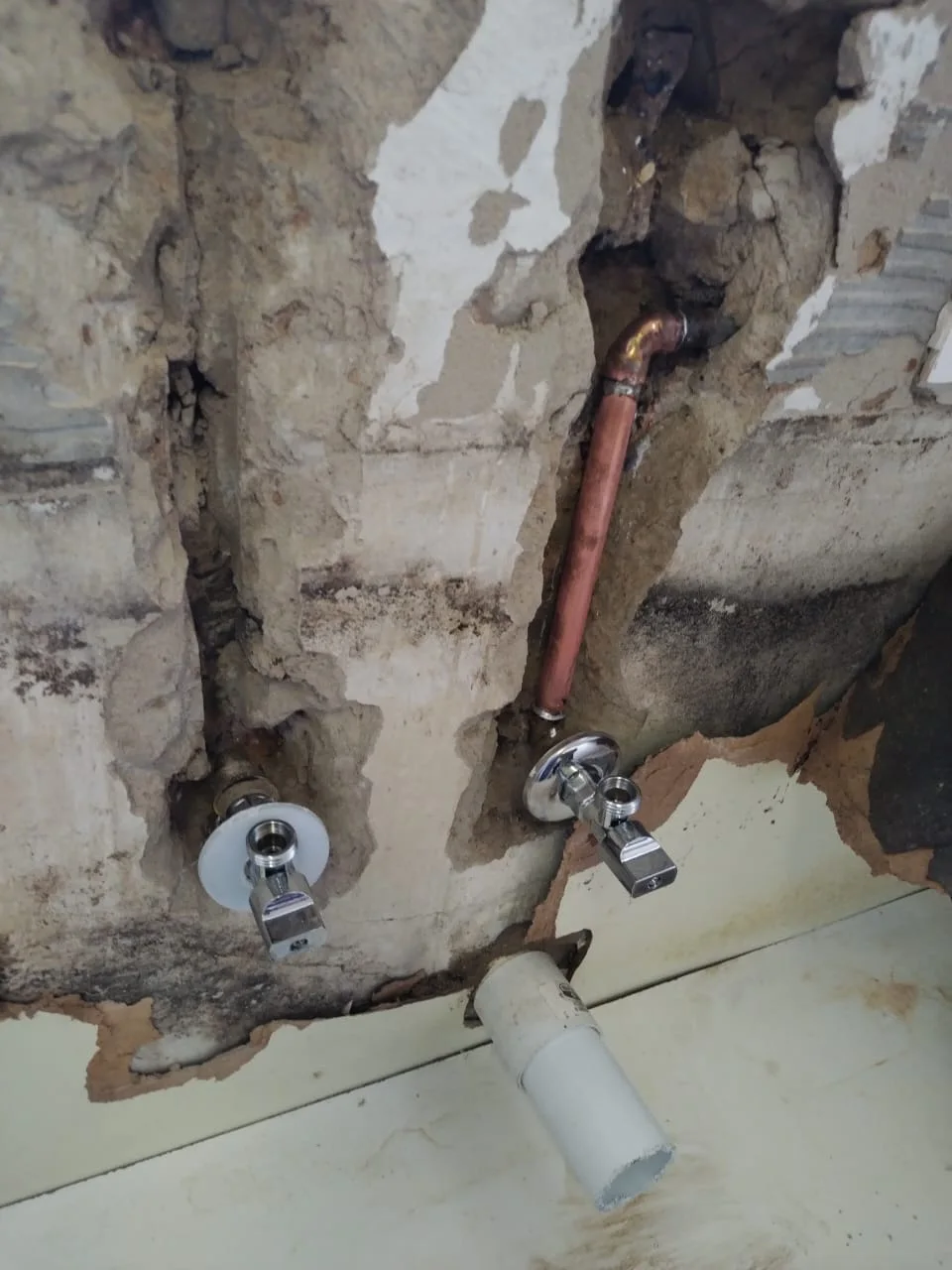
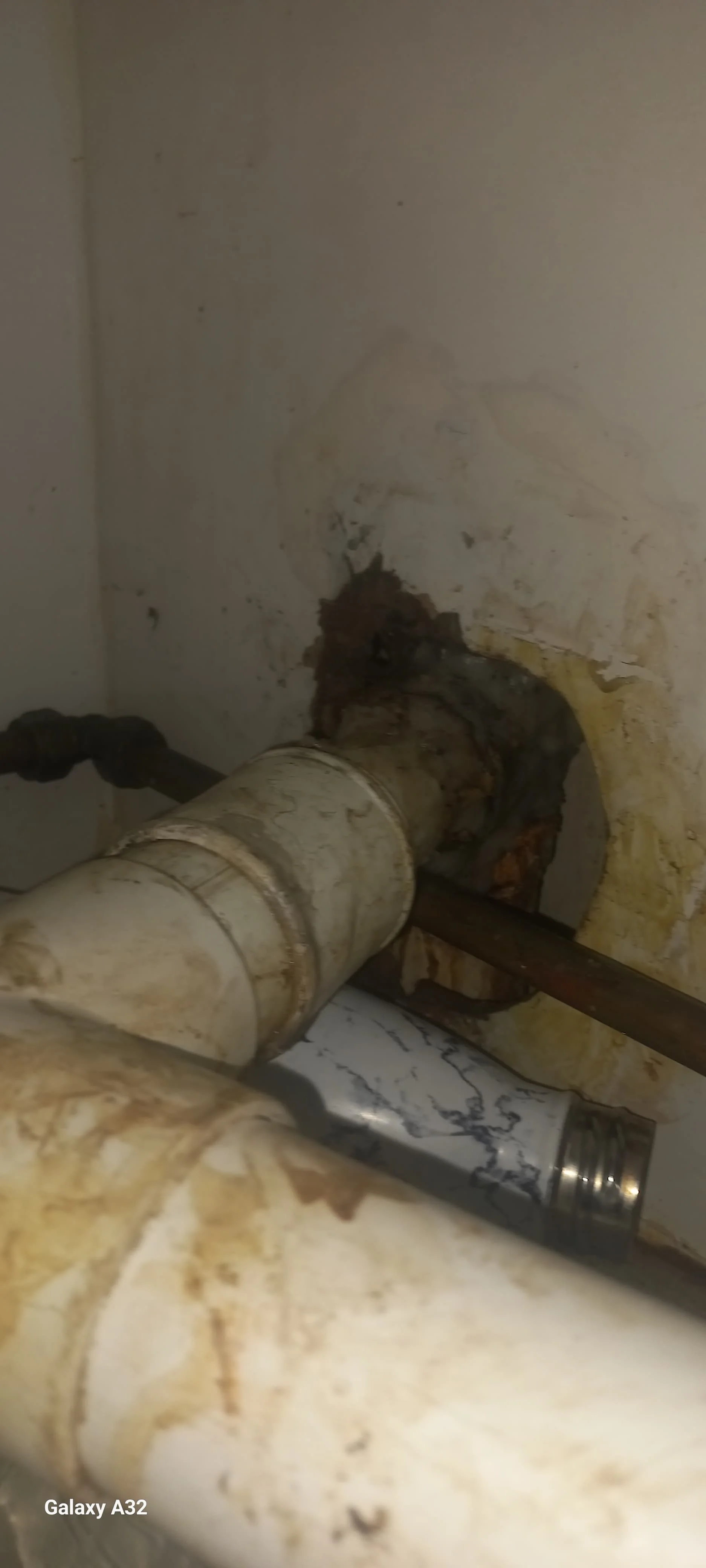
The burst copper pipe in the wall in Roodepoort was exposed, repaired with new fittings and valves, and pressure-tested before handover.
Drain workCompleted
The blocked drain in Alberton was cleared after locating the affected route. Flow was tested afterward to confirm drainage was restored.
Leak repairCompleted
The leaking valve in Benoni was isolated, replaced, and tested to confirm the connection was dry and secure.
Toilet workCompleted
The toilet fault in Boksburg was assessed at the supply, cistern, and outlet connections. Repairs were tested with fill and flush cycles to confirm the leak had stopped.
Leak repairCompleted
The leaking tap in Kempton Park was isolated, repaired or replaced, and tested to confirm the drip had stopped.
Geyser workCompleted
The faulty geyser element and thermostat in Germiston were replaced together with a new flange gasket. The geyser was refilled and tested to confirm reliable hot-water service before handover.
Pipe repairCompleted
This burst pipe in Johannesburg was located, repaired with new fittings, and pressure-tested before the line was signed off.
Drain workCompleted
The blocked drain in Edenvale was cleared after locating the affected route. Flow was tested afterward to confirm drainage was restored.
Leak repairCompleted
The leaking valve in Florida was isolated, replaced, and tested to confirm the connection was dry and secure.
Toilet workCompleted
The toilet fault in Krugersdorp was assessed at the supply, cistern, and outlet connections. Repairs were tested with fill and flush cycles to confirm the leak had stopped.
Leak repairCompleted
The leaking tap in Parkhurst was isolated, repaired or replaced, and tested to confirm the drip had stopped.
Geyser workCompleted
The geyser element and thermostat in Rosebank were replaced after safe isolation, refill, and testing confirmed reliable hot-water service.
Pipe repairCompleted
This burst pipe in Waterkloof was located, repaired with new fittings, and pressure-tested before the line was signed off.
Showing recent completed projects from 20 main service areas (189 suburbs in total). Browse the full directory on Service Areas or search your suburb directly.
COMMON QUESTIONS
Questions homeowners ask before booking
Do you charge a call-out fee?
No. We do not charge simply to attend and assess the problem. You receive a quotation for the required repair before non-emergency work begins.
Will I get a price before repair work starts?
Yes. The purpose of the assessment visit is to establish what is wrong and what is required. The quotation is discussed before repair work proceeds.
What if the cause is not obvious during the first checks?
We separate confirmed findings from possibilities. Where the cause cannot yet be proven, we explain remaining options and their likely value before additional work is authorised.
Can someone else meet the plumber at the property?
Yes, provided a responsible adult can give access, explain the problem and approve agreed work. Keep the property owner reachable by phone if decisions may be required.
Do you work at residential and commercial properties?
Yes. The diagnostic approach stays evidence-led; the work plan adjusts for homes, businesses, landlords, body corporates and managed sites.
How do I know whether a fault can safely wait?
The problem is urgent when delay may increase water damage, contamination, electrical risk or loss of essential facilities. If safe, limit the water source and keep people away from affected areas.
Can you replace damaged pipework or advise on geyser replacement?
Yes. We can replace failed sections of pipe or quote for broader replacement where needed. For geysers, we explain repair cost and whether replacement is the more practical long-term option.
Do you work at complexes and estates?
Yes. We plan around gate codes, visitor logs, body-corporate approvals and after-hours entry so the plumber reaches the correct unit. The diagnostic approach stays the same; the access plan adjusts for secured estates and commercial sites.
What assurance applies after the work is completed?
We provide a workmanship guarantee for completed work, with scope explained at handover. Product or manufacturer warranties may apply separately to supplied components.
Need a plumber you can trust across Gauteng?
When plumbing fails, you deserve fast help and honest answers. Call our emergency line or request an assessment online at no call-out charge — we explain the fault, quote clearly, and prove the repair before we leave.