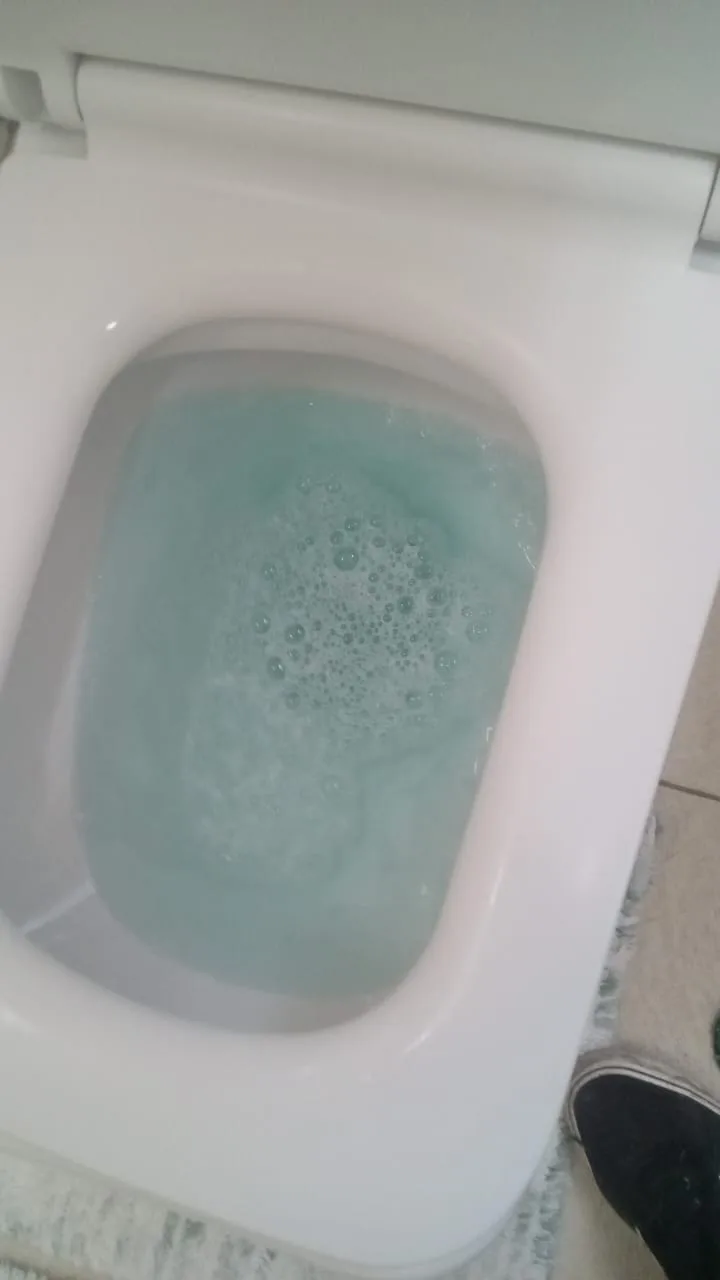
A blocked toilet can become unhygienic very quickly, especially when the pan level rises or the toilet is repeatedly flushed. The safest response is to stop adding water, isolate the fixture from use and determine whether the blockage is limited to the toilet or affects the wider drainage system.
Before you worry
Do not flush again when the pan water is high. Most toilet overflows happen because someone tests the blockage repeatedly. Give the water time to settle and keep the room closed to children and pets.
How to recognise the problem
- The pan fills higher than normal after flushing.
- Waste and paper do not clear.
- The water level drops very slowly.
- The toilet gurgles when other fixtures drain.
- An outside gully overflows when the toilet is used.
Common causes
- Excessive toilet paper.
- Wipes, sanitary products or foreign objects.
- A blockage in the toilet trap.
- A restricted branch drain or main sewer.
- Tree roots, damaged pipework or poor drainage gradient.
What you can safely check yourself
- Stop flushing immediately.
- Turn off the cistern isolation valve if accidental flushing is likely.
- Use a suitable toilet plunger only when the pan is not close to overflowing.
- Keep contaminated water away from skin and clean surfaces.
- Check whether other toilets or drains are also affected.
What you should never do
- Do not mix chemical drain cleaners.
- Do not push sharp objects into the trap.
- Do not keep adding buckets of water.
- Do not enter a manhole or exposed sewer space.
When to call a plumber
Call a plumber urgently when wastewater is overflowing, several fixtures are affected, a foreign object may be trapped, the blockage returns, or the property has only one toilet.
How professionals solve it
A plumber establishes where the restriction lies and uses suitable plunging, mechanical equipment, drain rods, hydro jetting or CCTV inspection as required. The line is tested under flow and recurring causes such as roots or pipe damage are identified.
How to prevent it happening again
- Flush only toilet paper and human waste.
- Keep wipes, toys and sanitary products away from the toilet.
- Use moderate amounts of paper per flush.
- Investigate repeated slow clearing.
- Maintain shared and outdoor drainage access points.
CUSTOMER QUESTIONS
What should I do first when the toilet is blocked?
Stop flushing. Do not add more water. If the pan is rising, turn off the cistern isolation valve if you can reach it safely, keep children and pets out of the bathroom, and avoid chemical cleaners.
Can I use a plunger on a blocked toilet?
Yes, when the water level is not near overflow. Use a flange plunger designed for toilets, seal over the outlet, and plunge with steady strokes. Stop if the level rises toward the rim.
Why should I not keep flushing a blocked toilet?
Each flush adds more water. If the trap or drain cannot clear, the pan can overflow onto the floor, spread contaminated water, and damage finishes.
Can boiling water unblock a toilet?
Very hot or boiling water can crack ceramic or stress seals and rarely clears solid objects or a sewer fault. Warm water may help soft paper only when overflow is not a risk.
When is a blocked toilet an emergency?
Treat it as urgent if wastewater is overflowing, more than one fixture is affected, sewage smell is strong, the home has only one toilet, or the blockage returns after clearing.
Can a blocked toilet affect the shower or bath?
Yes. When fixtures share a branch or main drain, a blockage downstream can push water out through the lowest open outlet, often a shower or floor gully.
What causes a toilet to block repeatedly?
A foreign object in the trap, a restricted branch line, tree roots, collapsed or poorly graded pipework, or habitual flushing of wipes and other non-flushable items.
Is it safe to use chemical drain cleaners in a toilet?
Generally no. Chemicals can damage pipes and seals, create hazardous fumes, and complicate professional clearing. Mechanical clearing is safer and more reliable for toilet blockages.
How do plumbers clear a blocked toilet?
They confirm whether the restriction is in the trap or further in the drain, then use suitable plunging, mechanical tools, rods, hydro jetting or CCTV as needed, and test flow before leaving.
How can I prevent toilet blockages?
Flush only human waste and toilet paper. Keep wipes, sanitary products and foreign objects out of the pan. Use moderate paper amounts and investigate any toilet that clears slowly more than once.
Want practical advice on blocked toilet advice?
Share what you are seeing related to blocked toilet advice and we will suggest sensible next steps.