
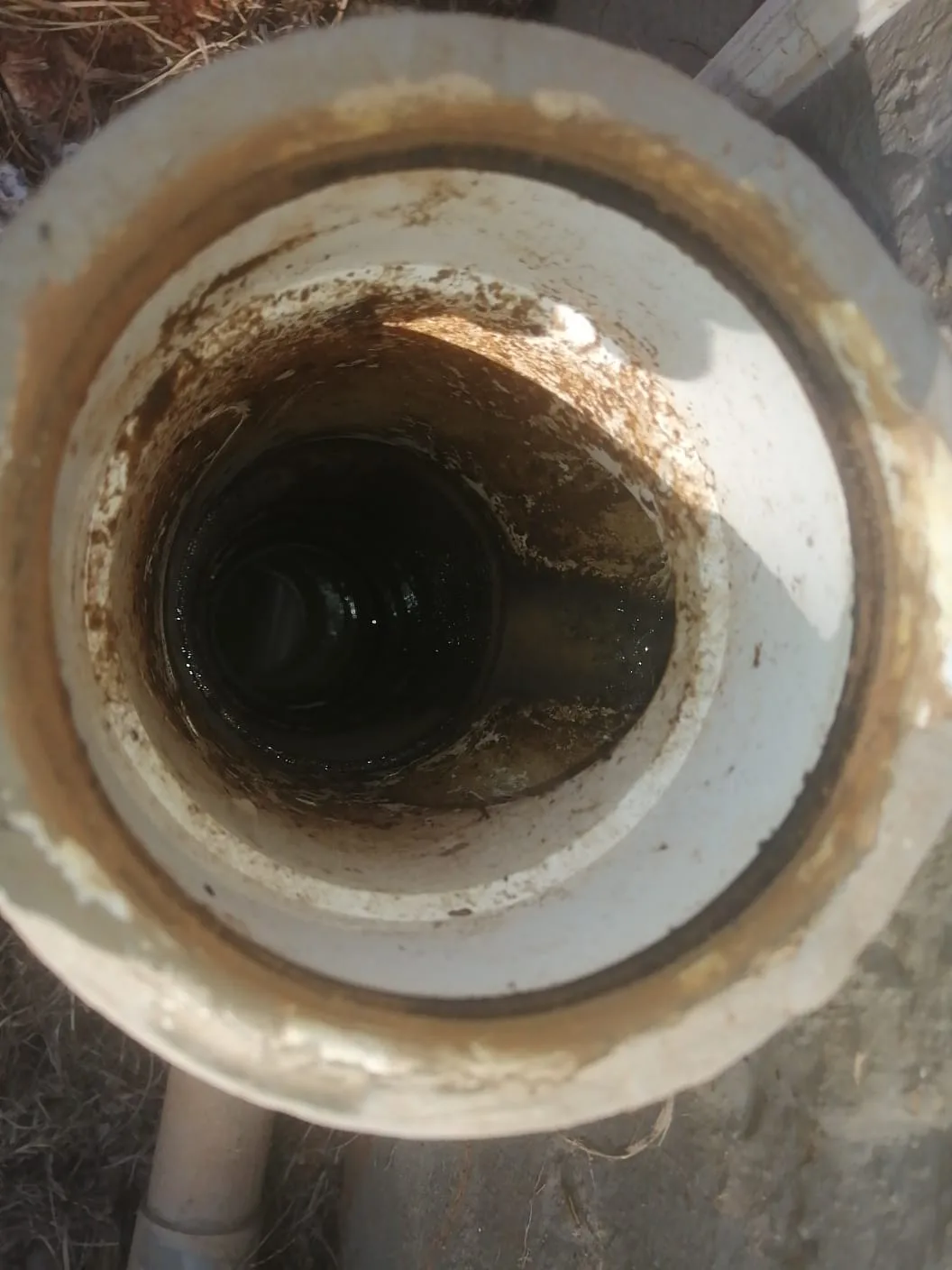
Warm cooking fat may look harmless when it leaves a sink, but it cools and sticks to the inside of the pipe. Food particles, soap and other debris then attach to the greasy layer until the opening becomes too narrow for normal flow.
Before you worry
A slow kitchen sink may be caused by the trap, a short branch line or a deeper shared drain. Note whether the washing machine, dishwasher or nearby fixtures are also affected before deciding where the problem lies.
How to recognise the problem
- The kitchen sink drains slowly.
- A stale or rancid smell comes from the waste pipe.
- Water backs up when the dishwasher discharges.
- The blockage improves briefly and then returns.
- Dark greasy residue appears in the trap or waste line.
Common causes
- Cooking oil, animal fat, butter and sauces poured into sinks.
- Food scraps passing through without a strainer.
- Soap residue combining with fat deposits.
- Long horizontal pipe runs with low flow.
- Cold sections of pipe where grease solidifies quickly.
What you can safely check yourself
- Allow grease to cool and place it in a sealed waste container.
- Clean an accessible sink strainer and trap if you can do so safely.
- Use hot tap water and ordinary dishwashing liquid only for light fresh residue, not a complete blockage.
- Stop the dishwasher if water is backing up into the sink.
What you should never do
- Do not pour additional oil or fat down the drain.
- Do not mix caustic drain products.
- Do not force a chemical-filled trap open without protective precautions.
- Do not rely on repeated boiling-water treatments for plastic fittings.
When to call a plumber
Call a plumber when the blockage is complete, recurs quickly, affects appliances, or appears deeper than the trap. Commercial kitchens and shared drain lines often need equipment capable of cleaning the full internal diameter.
How professionals solve it
The trap and branch are assessed first. A drain snake may open a local obstruction, while hydro jetting can remove grease from a longer section more thoroughly. Where the build-up is recurrent, camera inspection can reveal poor gradient or damaged pipework.
How to prevent it happening again
- Scrape plates into the bin before washing.
- Use sink strainers.
- Collect oils and fats separately.
- Run appliances according to manufacturer guidance.
- Arrange maintenance cleaning for high-use commercial kitchens.
CUSTOMER QUESTIONS
Does hot water prevent grease blockages?
It can move grease farther along the pipe, where it may cool and solidify. Keeping fats out of the drain is more effective.
Can drain chemicals dissolve grease safely?
Some products may soften deposits, but misuse can damage fittings, create hazardous reactions and leave a partially blocked line.
Why does the sink smell even when it still drains?
Grease and food residue can decompose inside the trap or waste line before the pipe becomes fully blocked.
What causes grease build-up in kitchen drains?
Warm fat cools and sticks to pipe walls. Food particles, soap and debris attach to that layer until the opening is too narrow for normal flow.
What can I safely check myself?
Cool and bin grease, clean an accessible strainer or trap if safe, use only mild hot-water and dishwashing liquid for light residue, and stop the dishwasher if water backs up.
What must I never do?
Do not pour more oil down the drain, mix caustic products, force open a chemical-filled trap without protection, or rely on repeated boiling water on plastic fittings.
When should I call a plumber?
When the blockage is complete, returns quickly, affects appliances, or seems deeper than the trap. Commercial and shared lines often need full-diameter cleaning equipment.
How do professionals clear grease build-up?
They assess the trap and branch first. A snake may open a local obstruction; hydro jetting can clean longer sections. Camera inspection helps when build-up keeps returning.
How do I stop grease blockages coming back?
Scrape plates into the bin, use sink strainers, collect oils separately, run appliances correctly, and schedule maintenance for high-use commercial kitchens.
Can Plumb A Nator help with recurring kitchen drain grease?
Yes. Contact the team for clearing, inspection and practical prevention advice across Gauteng service areas.
Need professional plumbing assistance?
Contact us with context about grease build-up explained and we will advise on inspection or repair.