
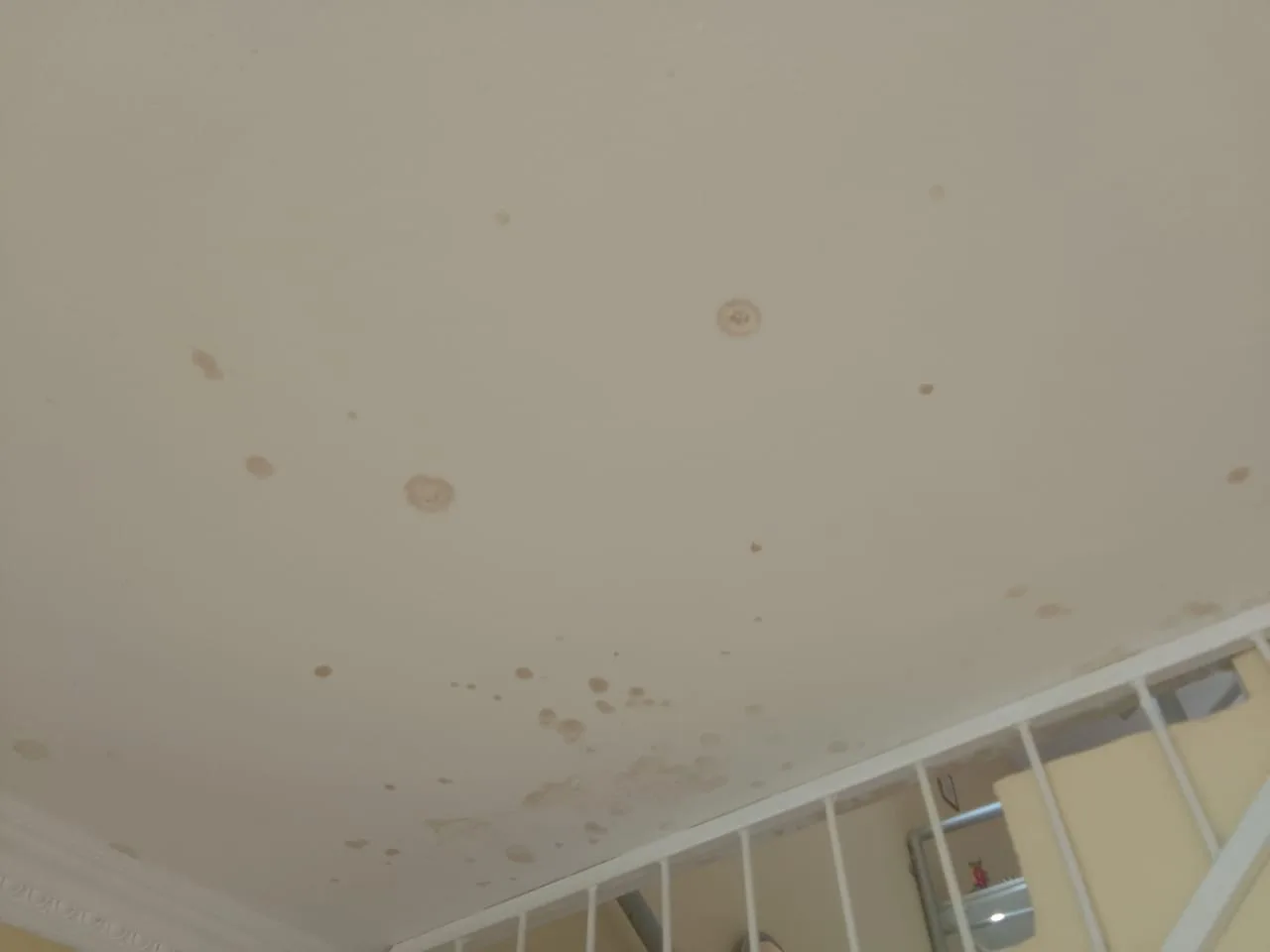
How do water leaks lead to mold and respiratory problems?
Water leaks in a home may seem minor at first, but they can quickly develop into serious health hazards if left unchecked. When water seeps into walls, floors, or ceilings, it creates the perfect environment for mold growth—especially in dark, poorly ventilated areas. Mold thrives in damp conditions and can begin growing within 24 to 48 hours after a leak occurs. Related professional help is available through Water Pressure Problems Plumbing in South Africa.
Once mold forms, it releases microscopic spores into the air. When inhaled, these spores can cause a range of respiratory issues, particularly for individuals with allergies, asthma, or weakened immune systems. Common symptoms include coughing, wheezing, nasal congestion, eye irritation, and in severe cases, long-term respiratory illness. Children and the elderly are especially vulnerable. Related professional help is available through Water Main Leaks.
Understanding how water leaks contribute to mold and respiratory problems is vital for protecting your family’s health. Early detection and prompt repair of leaks can prevent mold growth and help maintain a clean, safe indoor environment. For more background, read What are the dangers of standing water from leaks?.
How to prevent respiratory problems, by repairing water leaks pronto.
Preventing respiratory problems starts with eliminating one of the key contributors to poor indoor air quality: moisture from water leaks. When leaks are left unattended—whether from a dripping pipe, a faulty roof, or a leaking appliance—they create damp conditions that allow mold and mildew to thrive. These fungi release spores into the air, which, when inhaled, can cause or worsen respiratory issues like asthma, allergies, sinus infections, and bronchitis.
By repairing water leaks promptly, you cut off the moisture supply mold needs to grow. This helps maintain dry, clean indoor air and drastically reduces the risk of airborne contaminants. Quick repairs also prevent the buildup of dust mites and bacteria that flourish in humid conditions and can further impact respiratory health.
Prevention includes regular inspections of plumbing, roofing, and appliances, fixing leaks as soon as they’re noticed, and using dehumidifiers in moisture-prone areas. Swift action ensures a healthier environment for your family and prevents costly health and repair bills down the line. Related professional help is available through Professional Geyser Repair for Reliable Hot Water.
Signs you have a water leak.
Detecting a water leak early is crucial to avoid costly repairs and potential health issues. Several signs can alert you to a hidden leak in your home. One of the most common indicators is an unexplained increase in your water bill—if your usage hasn’t changed but the bill spikes, a leak may be to blame. You might also notice a drop in water pressure, which often points to water escaping from the pipes before reaching your tap.
Visible signs include damp spots on walls, ceilings, or floors, which may appear as stains, bubbling paint, or warping surfaces. You may also hear dripping or running water when no taps are in use. Musty odors are another warning sign, especially in areas with poor ventilation, as mold thrives in damp conditions caused by leaks.
Additionally, check for mold growth, mildew, or wet patches around fixtures and appliances. Catching these signs early can help you address the leak before it causes structural or health problems.
Preventative steps you can take to avoid a water leak
Preventing water leaks starts with proactive maintenance and awareness. One of the most effective steps is to regularly inspect your plumbing system—including taps, pipes, toilets, and appliances—for signs of wear, corrosion, or drips. Early detection allows you to fix small issues before they turn into major leaks.
Installing a pressure regulator can help prevent stress on pipes, especially in areas with high water pressure. Excess pressure often causes fittings and joints to weaken or burst. It's also important to insulate exposed pipes, particularly in colder climates, to prevent them from freezing and cracking in winter.
Avoid using chemical drain cleaners too often, as they can corrode pipes over time. Instead, use natural alternatives or physical drain-clearing methods. Ensure that appliance hoses—such as those connected to washing machines or dishwashers—are tightly secured and replaced every few years.
Lastly, know where your main shut-off valve is. In the event of a leak, you’ll be able to stop the water flow immediately, minimizing potential damage.
What we can offer you when you have a water leak
Plumbing work planned around the property
At Plumb A Nator, we understand the urgency and inconvenience that water leaks can cause in your home or business. That’s why we offer fast, reliable, and professional leak detection and repair services—available all hours, including weekends and public holidays, with no call-out fees.
Careful workmanshipWhen you call us, our licensed plumbers arrive fully equipped to locate and repair leaks efficiently, whether Its a dripping tap, a burst pipe, or a concealed leak behind walls or under floors. We use advanced leak detection tools, ensuring minimal disruption to your property while accurately identifying the source of the problem.
Our team provides transparent quotes, guaranteed workmanship, and friendly service. We don’t just fix the leak—we also offer preventative maintenance advice to help you avoid future problems. With Plumb A Nator, you get peace of mind, prompt service, and plumbing solutions you can trust—all delivered with a smile and backed by years of experience in domestic and commercial plumbing.
CUSTOMER QUESTIONS
How do water leaks lead to mould and respiratory problems?
Leaks keep materials damp. Mould can grow within 24–48 hours in dark, poorly ventilated areas and release spores that irritate airways, especially for allergy or asthma sufferers.
How quickly can mould start after a leak?
Growth can begin within a day or two if moisture and temperature allow. Prompt isolation and drying reduce the risk.
What symptoms can mould exposure cause?
Coughing, wheezing, congestion, eye irritation and worsened asthma are common. Children, elderly people and those with weak immunity are more vulnerable.
What are early signs of a hidden leak?
Unexplained bill rises, damp stains, bubbling paint, musty smells, soft floors and water sounds when nothing is running.
Does fixing the leak stop mould growth?
Stopping the moisture source is essential. Wet materials may still need drying, cleaning or specialist remediation if growth is established.
Should I ignore a small drip?
No. Continuous small leaks can wet cavities for weeks and create ideal conditions for mould before anything is obvious on the surface.
How can I reduce indoor moisture risk?
Repair leaks promptly, improve ventilation in wet rooms, know the main shut-off, and inspect pipes, taps and appliances regularly.
Is high water pressure a leak risk?
Excess pressure stresses joints and fittings and can contribute to failures. A pressure check is useful where fittings fail often.
When should I call a plumber for leak-related damp?
When stains spread, odours persist, pressure drops, the bill rises without reason, or you cannot find the source safely.
Can Plumb A Nator help find and stop leaks?
Yes. Contact the team for leak detection, isolation advice and repair so moisture—and mould risk—can be cut off early.
Need a plumber for how do water leaks lead to mold and respiratory problems??
Send details about how do water leaks lead to mold and respiratory problems? and our team will recommend the most appropriate service.