A plumbing problem at night can feel more severe because visibility is poor, occupants are tired and normal suppliers may be closed. The correct decision depends on whether the fault is safely isolated and whether damage or danger is still increasing.
Problems that should not wait until morning
- Uncontrolled water from a burst pipe or failed connection.
- Sewage backing up into bathrooms, kitchens or living areas.
- Water entering ceilings, lights, plugs or electrical equipment.
- A leaking or unsafe geyser.
- An overflowing toilet that cannot be stopped.
- No usable toilet or water in a property where this creates a health risk.
Problems that may safely wait
A contained dripping tap, a single fixture that can be isolated, or a minor leak with no spreading damage may wait until normal hours. Keep monitoring it and stop using the affected fixture.
Safe isolation at night
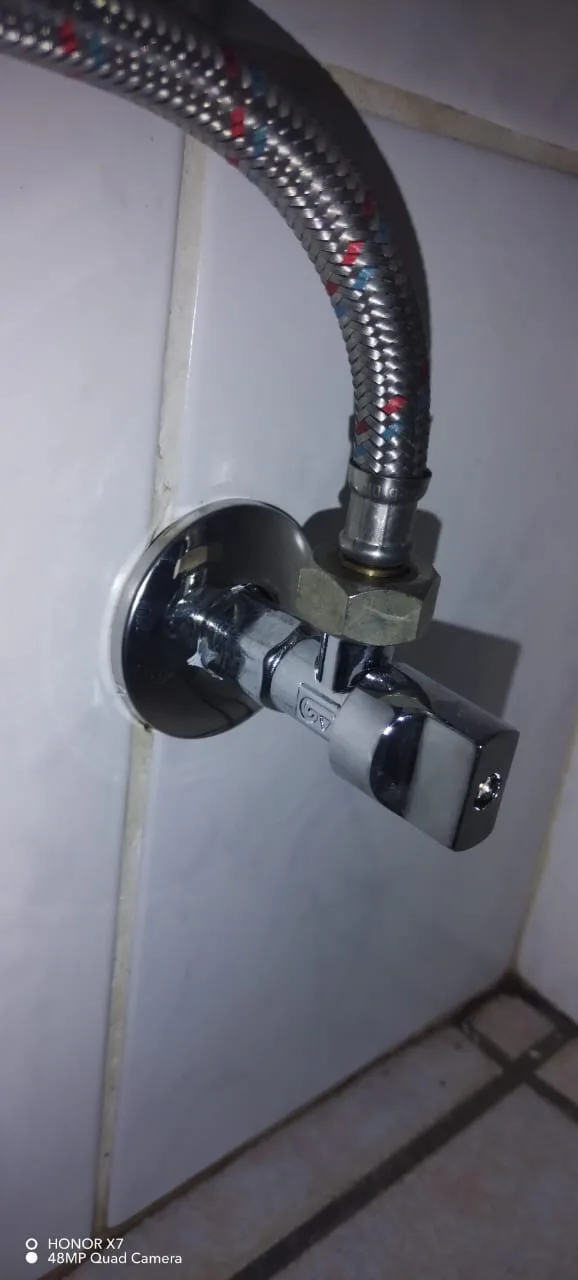
Use a torch rather than walking through dark wet areas. Close the main water valve if safe. Switch off the geyser circuit only when the board and access route are dry. Never touch electrical equipment while standing in water.
What an after-hours plumber may do first
The first objective is to remove immediate danger, stop water or sewage movement and restore essential function. The plumber may perform a permanent repair immediately or install a safe temporary solution pending daylight, drying or access to parts.
Security and access
Keep exterior lights on, provide gate instructions and confirm the technician's identity before granting access. Secure pets and ensure someone is available to explain what happened.
Reduce damage while waiting
Move belongings, place containers under drips, stop using affected fixtures and keep people away from sagging ceilings. Photograph the damage and note when the problem started.
Children and vulnerable occupants
Move children, older people and anyone with limited mobility away from wet or contaminated areas. Arrange alternative sanitation or accommodation if essential services cannot be restored safely.
CUSTOMER QUESTIONS
Is every night-time leak an emergency?
No. Call immediately when danger or damage is still increasing and the fault cannot be safely isolated.
What should I do first when water is pouring at night?
Stay clear of electrical areas, turn off the main valve if reachable, and call an emergency plumber.
Should I leave the water off overnight?
Yes if reopening would restart an uncontrolled leak. Ask the plumber before restoring supply.
Will an after-hours plumber always finish a permanent repair?
Not always. The first priority is stopping danger and damage; a temporary control may hold until parts or daylight access.
What can usually wait until morning?
A contained drip, a single isolated fixture, or a minor leak with no spreading damage — keep monitoring it.
How do I stay safe walking around a wet property at night?
Use a torch, avoid wet floors near electrics, and keep children and pets away from the affected area.
When is sewage at night an emergency?
When it is backing into living areas or bathrooms and cannot be stopped, treat it as urgent for health and contamination reasons.
Should I switch the geyser off during a night leak?
Only if the board and access path are dry. Never operate switches while standing in water.
What details help the after-hours plumber arrive prepared?
Share the fault type, isolation status, access instructions, and whether electricity is involved.
Can Plumb A Nator help after hours?
Yes. Contact the team for emergency triage and after-hours response across Gauteng.
Need hands-on plumbing support?
We can help you interpret signs linked to night-time plumbing emergencies explained and arrange service if required.