
South Africa’s water crisis is not a future problem, it is a present-tense financial and operational pressure on every household an
Before You Worry
Experiencing unpleasant sewer smells in your home can be alarming, and it’s natural to worry about what it might mean for your plumbing system. However, before jumping to conclusions or panicking, it’s important to understand that not all foul odours signal a major issue. In many cases, they can be resolved quickly and easily. This article will help you identify the source of sewer smells, understand the potential problems, and know when to take action.
Understanding the Problem
Sewer smells typically arise from the collection and breakdown of waste materials in your plumbing system. These odours can be both unpleasant and indicative of underlying issues that need to be addressed. The sewer system in your home is designed to carry waste away and keep harmful gases at bay. When something disrupts this balance, it can lead to the release of foul smells.
One of the primary functions of your plumbing system is to create a seal that prevents sewer gases from entering your living space. This is accomplished through plumbing traps, which are U-shaped pipes that hold water. If these traps become dry or damaged, it can result in sewer gas escaping into your home.
How to Recognise the Problem
Recognising the signs of a sewer smell can help you address the issue before it escalates. Common indicators include:
- Foul, rotten egg-like odours, which often indicate the presence of hydrogen sulphide.
- Smells that are particularly strong near drains, toilets, or sinks.
- Persistent odours that worsen during certain times, such as after heavy rain or periods of load shedding.
If you notice any of these signs, it’s essential to take them seriously. Ignoring sewer smells can lead to more significant plumbing issues and health risks.
Common Causes
There are several reasons why sewer smells may infiltrate your home. Understanding these causes can help you identify the issue more accurately:
- Dry Traps: As mentioned earlier, plumbing traps can dry out, especially in infrequently used sinks or floor drains. When there’s no water to create a seal, sewer gases can escape.
- Blocked Vents: Plumbing vent pipes allow sewer gases to escape outside your home. If these vents become blocked by debris, they can force gases back into your living space.
- Leaky Pipes: Cracks or leaks in your plumbing can allow sewer gases to seep into your home. This can occur in any part of your plumbing system, including under sinks or behind walls.
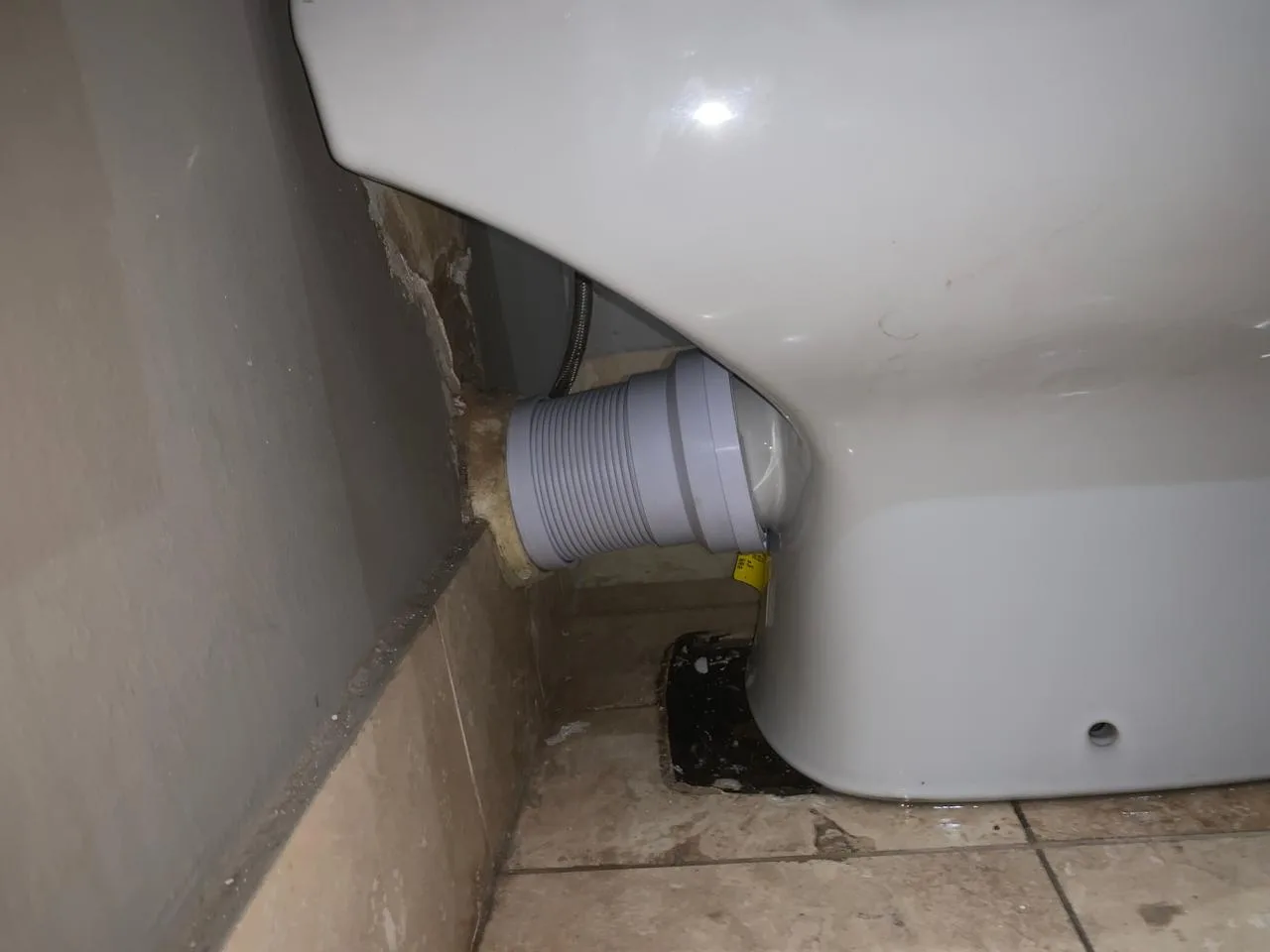
- Broken Seals: Toilets and other fixtures are sealed to prevent gas escape. If these seals are damaged, it can lead to unpleasant odours.
What You Can Safely Check Yourself
Before calling a professional, there are a few simple checks you can perform to identify the source of the sewer smell:
- Inspect Traps: Check the traps under sinks and basins to ensure they are filled with water. If a sink hasn’t been used in a while, simply running water for a few seconds can refill the trap.
- Examine Toilet Seals: Look around the base of your toilets for any signs of damage or leaks. If you notice any visible gaps, this could be the source of the smell.
- Clear Vents: If you can safely access your plumbing vent pipes, look for any blockages. This may involve climbing onto your roof, so proceed with caution.
These checks can help you identify minor issues that may contribute to sewer odours without needing to hire a professional right away.
What You Should Never Do
While there are safe checks you can perform, there are also actions you should avoid:
- DO NOT Ignore the Smell: Ignoring sewer odours can lead to more severe plumbing problems and health risks.
- DO NOT Attempt Major Repairs: If you suspect a significant plumbing issue, such as a broken pipe or extensive blockage, do not attempt to fix it yourself. This can lead to further damage and costly repairs.
- DO NOT Use Harsh Chemicals: While it might be tempting to pour chemical cleaners down the drain, these can cause damage to your pipes and the environment. Instead, opt for natural solutions or consult a professional.
When to Call a Plumber
If your DIY checks don’t resolve the issue or if you’re experiencing persistent sewer smells, it’s time to call a professional plumber. You should also reach out to a plumber if:
- The smell is particularly strong or worsening.
- You notice water pooling around your plumbing fixtures.
- You suspect a blockage in the main sewer line.
Addressing sewer odours promptly can prevent more extensive and costly plumbing issues down the line.
How Plumb A Nator Solves the Problem
At Plumb A Nator, our team of experienced plumbers is well-equipped to handle sewer smells and their underlying causes. We offer comprehensive services, including:
- Assessments: We conduct thorough inspections to identify the source of the odour, ensuring that we address the root cause rather than just masking the symptoms.
- Drain Cleaning: Our team uses advanced techniques and equipment to clear blockages and ensure your plumbing system is functioning properly.
- Pipe Repairs: If we discover leaks or damaged pipes, we’ll provide effective repairs that restore your plumbing to optimal condition.
- Preventative Maintenance: We can provide regular maintenance services to ensure your plumbing system remains in good health and to prevent future sewer smells.
Our commitment to quality service and customer satisfaction sets us apart in the plumbing industry. With our expertise, you can trust that your sewer smell problem will be resolved efficiently and effectively.
How to Prevent It Happening Again
Preventing sewer smells from returning requires a proactive approach to plumbing maintenance. Here are some simple steps you can take:
- Regularly Use All Fixtures: To keep plumbing traps filled, use all sinks, toilets, and drains regularly. This helps prevent the water in traps from evaporating.
- Clean Drains: Use natural solutions, like baking soda and vinegar, to clean your drains periodically. This helps prevent blockages and keeps your plumbing system fresh.
- Schedule Routine Inspections: Regular plumbing inspections can help catch issues before they escalate. Our team at Plumb A Nator can assist with this.
- Ensure Proper Ventilation: Make sure your plumbing vent pipes are clear and unobstructed to allow sewer gases to escape effectively.
By taking these preventive measures, you can significantly reduce the chances of sewer smells returning to your home.
CUSTOMER QUESTIONS
Why does a house suddenly smell of sewer?
Dry traps, failed fixture seals, blocked vents or leaking waste pipes allow sewer gas into living spaces.
Is sewer gas dangerous?
Prolonged exposure is undesirable. Strong hydrogen sulphide odours should be treated as a plumbing fault to fix promptly.
What is the quickest safe check?
Run water into unused basins and floor drains to refill traps, then reassess whether the smell reduces.
Can a toilet wax seal cause the smell?
Yes. A failed base seal lets gas escape around the pan. Visible rocking or staining is a warning sign.
Do blocked roof vents matter?
Yes. Restricted vents can push gas back through fixtures instead of outdoors.
Should I pour chemical cleaners into the drain?
No. They often mask symptoms, can damage pipework and do not fix dry traps or broken seals.
When must I call a plumber?
If the odour persists after refilling traps, is very strong, or is accompanied by slow drains or damp areas.
How do plumbers track the source?
They inspect traps, seals, accessible waste lines and, where needed, use camera checks on suspect branches.
How do I prevent the smell returning?
Use fixtures regularly, keep vents clear, fix leaks early and schedule maintenance if odours recur.
Can Plumb A Nator help with sewer odours?
Yes. Contact the team for diagnosis and practical repairs on Gauteng properties.
Need professional plumbing assistance?
Speak directly to our team for practical advice, a free quotation and help arranging the right plumbing service.