
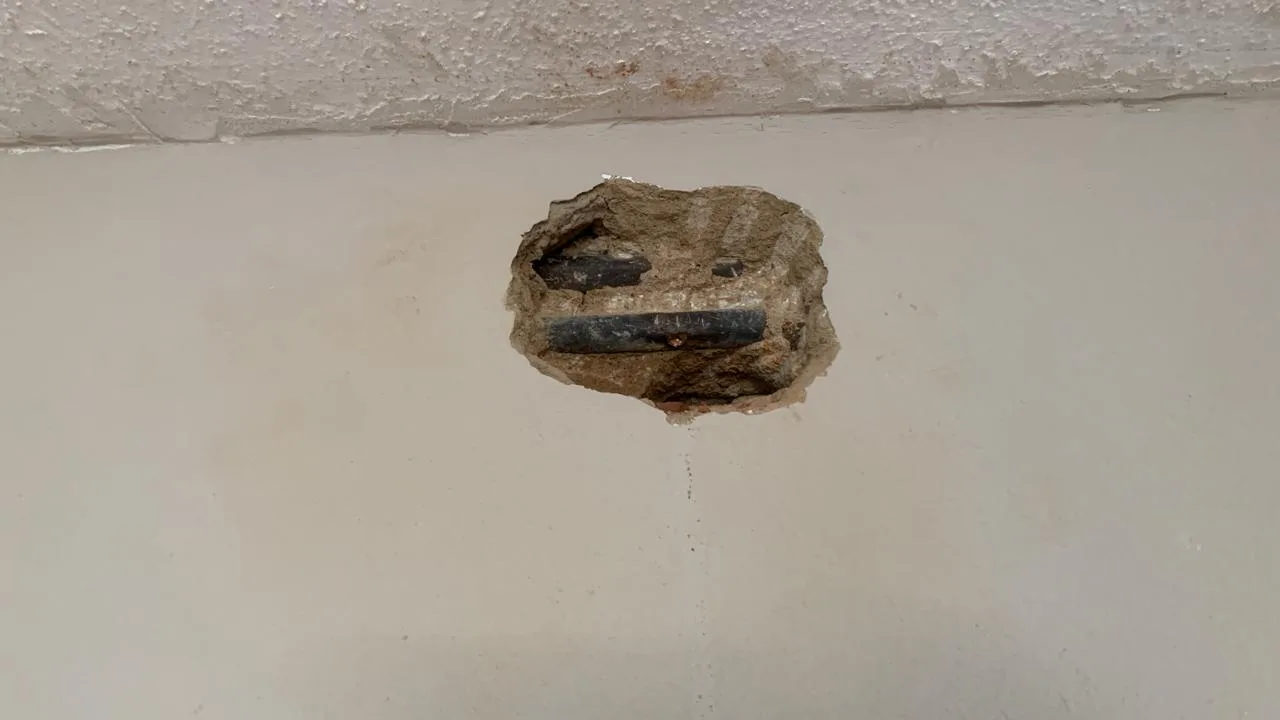
A slab leak occurs when a water pipe beneath or within a concrete floor fails. The water may travel through fill material and emerge far from the defect, making early symptoms easy to misinterpret.
Unexpectedly warm floor areas
A localised warm patch can indicate a leaking hot-water pipe below the slab. Confirm that underfloor heating, sunlight or nearby appliances are not responsible.
Damp flooring and lifting finishes
Tiles may loosen, laminate may swell and carpets may feel damp. Moisture can migrate through joints and cracks rather than appear directly above the failed pipe.
Water meter movement
A continuous meter reading while all fixtures are off suggests water is leaving the pressurised system. Isolating separate circuits helps narrow the source.
A sudden increase in water use
Slab leaks may continue continuously and can produce a substantial increase in municipal consumption. Compare actual readings rather than only the amount billed.
Reduced pressure or pump cycling
A significant leak may lower available pressure or cause a booster pump to cycle when no water is being used.
Cracks, odours and mould
Persistent moisture can affect flooring adhesives, skirtings and nearby walls. Cracks have many possible causes, but new movement combined with unexplained water loss requires investigation.
Sounds beneath the floor
Hissing or running-water sounds may be audible in quiet conditions. Sound travels through concrete, so acoustic readings must be interpreted alongside the pipe layout.
How slab leaks are located
Technicians may use meter tests, pressure isolation, acoustic equipment, thermal imaging and moisture mapping. The purpose is to identify a controlled access point rather than break the floor randomly.
Repair or reroute
Direct repair may suit an accessible isolated failure. Repeated failures, inaccessible pipework or deteriorated systems may make rerouting or replacement more practical.
CUSTOMER QUESTIONS
What is a slab leak?
A pressurised water pipe failure beneath or within a concrete floor, where water can travel through fill before becoming visible.
Can a warm floor patch indicate a leak?
Yes. Localised warmth may point to a hot-water line under the slab after other heat sources are ruled out.
Does the floor always feel wet?
No. Moisture can stay under the slab or emerge away from the actual failure point.
How does the water meter help?
Continuous movement with all fixtures off screens for unexplained pressurised loss and supports further isolation tests.
Can slab leaks raise municipal bills?
Yes. Continuous loss often shows as a sharp increase when actual meter readings are compared.
Why might pressure drop or a pump cycle?
A significant leak can reduce available pressure or trigger booster cycling when no water is being used.
Should I break the floor immediately?
No. Controlled location first reduces unnecessary damage and cost.
How are slab leaks located?
Meter tests, circuit isolation, acoustic equipment, thermal imaging and moisture mapping are commonly used together.
Repair or reroute?
Depends on access, pipe condition and whether failures are isolated or part of a wider deteriorated system.
Can Plumb A Nator investigate slab leaks?
Yes. Contact the team for practical assessment and next-step guidance in Gauteng.
Want practical advice on slab leak warning signs?
Share what you are seeing related to slab leak warning signs and we will suggest sensible next steps.