South Africa’s water crisis is not a future problem, it is a present-t
Before You Worry
It’s easy to feel overwhelmed when faced with plumbing issues, especially in the unique context of South Africa. However, it’s essential to remain calm and assess the situation before jumping to conclusions. Many plumbing problems can appear severe but may only require minor fixes or adjustments. Understanding the nuances of your plumbing system can save you time, money, and unnecessary stress. Remember, not every drip or leak means a significant repair is needed; sometimes, it’s just a matter of a loose fitting or a worn-out washer.
Understanding the Topic
South Africa faces a variety of plumbing challenges due to its distinctive climate, infrastructure, and water supply issues. From load shedding affecting water pressure to aging municipal systems that struggle to cope with demand, homeowners and businesses alike must navigate these obstacles. Common plumbing problems include burst pipes, drainage issues, leaking taps, and faulty geysers. Each of these problems can lead to further complications, including water damage, mould growth, and increased utility costs.
It's crucial to understand that plumbing standards in South Africa are governed by the South African National Standards (SANS). These regulations ensure that installations are safe, efficient, and environmentally friendly. Ignoring these standards can lead to subpar work and future headaches, so familiarity with them is beneficial for any property owner.
Common Questions
When dealing with plumbing issues, many homeowners have similar concerns. Here are some common questions:
What should I do if my geyser starts leaking?
If your geyser is leaking, it’s crucial to turn off the electricity supply to it immediately to prevent electrical hazards. Then, check the water supply and shut off the valve to stop further leakage. Contact a professional plumber, as geyser repairs can be complicated and require specialist knowledge.
How can I prevent blocked drains?
To prevent blocked drains, be mindful of what goes down your sinks and toilets. Avoid disposing of grease, coffee grounds, and large food particles in the kitchen sink, and use drain guards to catch hair and soap residue in the bathroom. Regular maintenance, such as cleaning your drains and having them inspected, can also help.
What You Can Safely Check Yourself
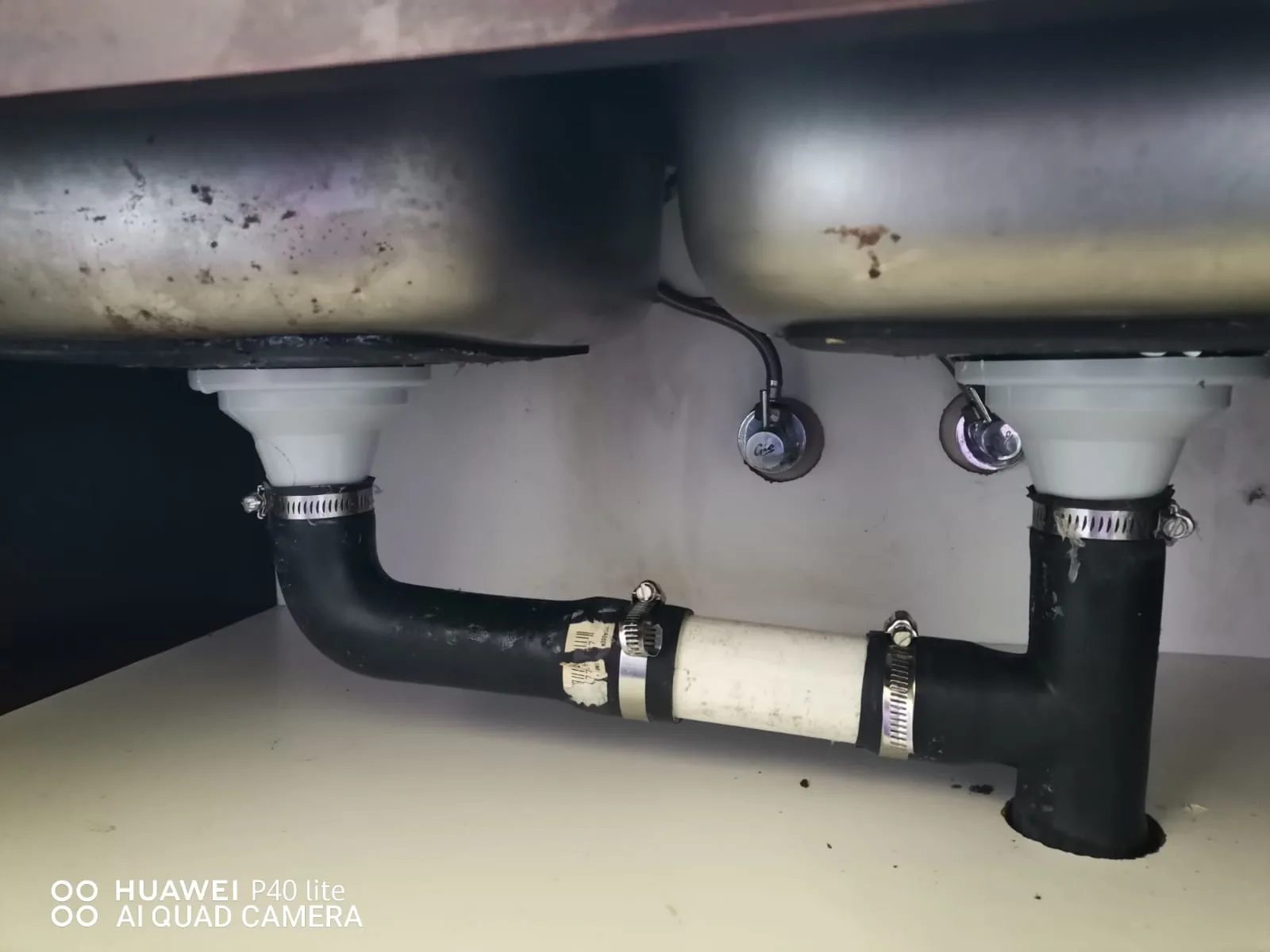
Before calling a plumber, there are a few things you can check yourself. Start by inspecting visible pipes for leaks or signs of corrosion. Ensure that all taps are tightly closed and check for any water pooling around the base. You can also look at your toilet to see if it’s running continuously, which could indicate a faulty flapper valve.
If you notice a drop in water pressure, check the aerators on your taps and showerheads for blockages. These are typically easy to clean and can often restore flow without professional assistance. Additionally, examine your geyser for any visible leaks and check the temperature settings to ensure it’s not set too high.
What You Should Never Do
While it’s good to be proactive, there are some things you should never attempt without professional help. For instance, avoid removing your toilet or attempting to fix major leaks without proper tools and experience. Incorrect repairs can lead to more significant issues down the line, including extensive water damage or injury.
Additionally, never ignore recurring plumbing problems, as they can indicate underlying issues that could worsen over time. Pushing plumbing problems aside can lead to more costly repairs and potential hazards in your home.
When to Call a Plumber
Knowing when to call a plumber can save you time, money, and frustration. If you encounter persistent leaks, recurring blockages, or any plumbing issue that seems to escalate, it’s best to enlist professional help. Other signs include a sudden increase in your water bill, an unusual smell coming from your drains, or discoloured water from your taps.
For more serious issues, like a burst pipe or a malfunctioning geyser, immediate action is necessary. These problems can not only disrupt your daily life but can also lead to significant damage if not addressed promptly. Our team at Plumb A Nator is equipped to handle emergencies, providing quick and effective solutions to restore your plumbing system.
How Plumb A Nator Helps
At Plumb A Nator, we understand the unique plumbing challenges faced by South Africans. Our experienced team is here to offer tailored solutions, whether it’s routine maintenance, urgent repairs, or installations of modern plumbing fixtures. We follow SANS guidelines to ensure that our work meets the highest safety and efficiency standards.
We also offer comprehensive plumbing inspections, helping you identify potential issues before they escalate. This proactive approach can save you significant costs and prevent disruption to your home or business. With our expertise, you can rest assured that your plumbing needs are in capable hands.
Planning Ahead
Planning for potential plumbing issues can help mitigate stress and costs in the long run. Consider scheduling regular plumbing inspections, especially in older properties or those that have experienced past issues. This proactive approach can identify problems before they become emergencies and ensure that your plumbing system remains efficient.
Additionally, investing in water-saving fixtures can significantly reduce your water consumption and lower your monthly bills. With the rising costs of municipal tariffs, this investment is not only financially savvy but also environmentally responsible. Upgrading to efficient systems, such as low-flow toilets and showerheads, can yield substantial savings over time.
CUSTOMER QUESTIONS
What plumbing problems are most common in South Africa?
Leaking taps, blocked drains, geyser faults, low pressure, burst pipes and ageing municipal supply issues are frequent.
How does load shedding affect plumbing?
Pump-dependent systems and some pressure setups can be disrupted; residual pressure problems may appear after outages.
What should I do if a geyser leaks?
Isolate power and water where safe, contain the spill and call a qualified technician—do not ignore active leakage.
How can I reduce blocked drains?
Keep grease and solids out of sinks, use strainers and act early when flow slows.
When is a plumbing issue an emergency?
Uncontrolled leaks, sewage backup, burst pipes, no water after isolation attempts, or electrical risk near water.
What can I safely check myself?
Visible drips, running toilets, aerator blockages and isolation valves. Avoid major dismantling.
Why do municipal systems matter?
Ageing networks, interruptions and pressure variation can create symptoms that look like internal faults.
Do SANS standards matter for repairs?
Yes. Competent work aligned with practical standards reduces failure risk and improves durability.
How does planning ahead help?
Routine checks, early repairs and efficient fixtures reduce emergency call-outs and water waste.
Can Plumb A Nator help with typical SA plumbing faults?
Yes. Contact the team for diagnosis and repairs across Gauteng homes and businesses.
Need professional plumbing assistance?
Speak directly to our team for practical advice, a free quotation and help arranging the right plumbing service.