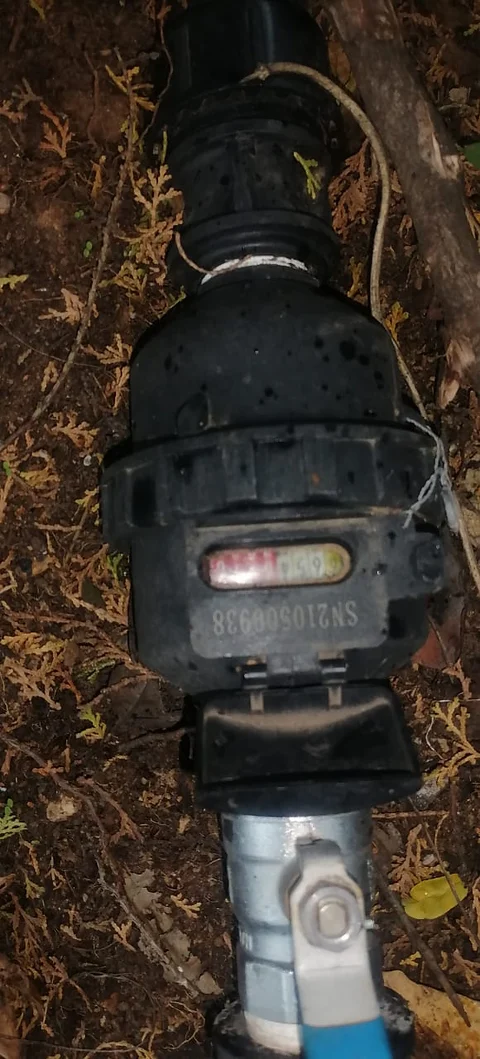
A water-meter leak test is one of the most useful first checks for a suspected hidden leak. It can show whether water continues passing through the meter when the property should be using none, but careful preparation is needed to avoid misleading results.
Find and identify the correct meter
Confirm that the meter serves your property and note whether it has digital numbers, rotating dials or a small leak indicator. Do not open sealed municipal equipment.
Stop every intentional water use
Close taps, pause washing machines and dishwashers, switch off irrigation and ensure no one flushes a toilet during the test.
Check toilets and storage systems
Toilet cisterns, water tanks, filters, ice makers and automatic filling valves can use water quietly. Isolate or monitor them so they do not create a false result.
Record the first reading
Photograph the meter and write down all digits, including decimal or red numbers where relevant. Also record the exact time.
Wait without using water
For a quick check, observe the leak indicator for several minutes. For a slower leak, leave the system unused for 30 to 60 minutes if practical.
Compare the readings
Any increase means water passed through the meter. Confirm that no legitimate appliance or fixture operated during the test before concluding that a leak exists.
Use the main shut-off to narrow the issue
Where safe, close the private main valve after the meter and observe again. Continued movement may indicate a problem between the meter and valve or a faulty meter; stopped movement suggests the leak is downstream.
What the test cannot tell you
The meter confirms flow, not the leak location. It may also miss intermittent leaks that do not occur during the observation period.
When to call a plumber
Arrange professional help when movement continues, consumption is high, damage is visible or you cannot safely isolate the system.
Frequently asked questions
How long should I watch the meter?
Several minutes can reveal a large leak. Thirty to sixty minutes without water use is better for smaller continuous leaks.
Can a toilet cause meter movement?
Yes. A leaking cistern valve is a common source of quiet continuous water use.
What if the meter moves with the main valve closed?
The leak may be between the meter and the valve, the valve may not seal fully or the meter may require municipal investigation.
Want practical advice on water meter leak test?
Send details about water meter leak test and our team will recommend the most appropriate service.