A plumbing emergency can feel overwhelming, especially when water is spreading, a toilet is overflowing or a geyser has started leaking. The safest approach is to control what you can without taking unnecessary risks, then leave the actual repair to a qualified plumber.
The steps below can help protect people, belongings and the property while assistance is on the way. Do only what is safe and practical in your situation.
Quick emergency checklist
- Stay calm and keep people away from the affected area.
- Turn off the main water supply if water is flowing continuously.
- Switch off the geyser or affected electrical circuit only when it is safe.
- Move valuables and furniture away from spreading water.
- Use buckets, towels or mops to contain water where practical.
- Stop using affected toilets, taps, drains and appliances.
- Take photographs of the source and visible damage.
- Send the plumber your address, symptoms and photographs.
1. Stay calm and assess the situation
Take a few seconds to identify what is happening before you touch anything. Check whether water is still flowing, whether the problem is becoming worse and whether electricity is close to the wet area.
Do not enter a flooded room when electrical sockets, appliances, extension leads or the distribution board may be affected. Keep children, pets and other occupants away until the area is safe.
2. Turn off the main water supply
If a pipe, fitting or appliance connection is releasing water continuously, closing the main shut-off valve can greatly reduce the damage. The valve is often near the water meter, at the boundary of the property, in a garage or where the municipal supply enters the building.
Turn a wheel-type valve clockwise until it closes. A lever valve is normally closed when the lever sits across the pipe. Do not force a seized or damaged valve. Tell the plumber immediately if you cannot isolate the supply.
3. Isolate the geyser or electricity when necessary
For a leaking geyser or hot-water-system problem, switch off the geyser circuit at the distribution board if the board and the route to it are completely dry and safe. Do not remove covers, touch exposed wiring or attempt to drain or dismantle the geyser.
Safety warning: Never walk through standing water to reach a switch, plug, appliance or distribution board. If electricity may be involved, keep clear and request professional assistance.
4. Move belongings out of harm's way
Move furniture, rugs, electronics, documents, stock and boxes away from the wet area where this can be done safely. Place waterproof containers under active drips and lift items off the floor.
Do not stand beneath a bulging ceiling. Water trapped above ceiling boards can make them collapse without warning.
5. Contain the water without attempting the repair
Buckets, towels, mops and a wet vacuum can help control minor water spread after the supply has been isolated. Open a safe floor drain if one is available and not connected to the blockage causing the problem.
A temporary container is sensible. Cutting pipes, removing fittings, applying unknown chemicals or forcing a blockage is not. These actions can worsen the damage and make diagnosis more difficult.
6. Stop using affected fixtures and appliances
Do not use a toilet, basin, bath, shower, washing machine or dishwasher connected to the affected drain or water line. Continued use may cause another overflow, send water into a damaged pipe or push sewage back into the property.
Ask everyone on the property to avoid the relevant fixtures until the plumber confirms that they are safe to use.
7. Take photographs and prepare useful information
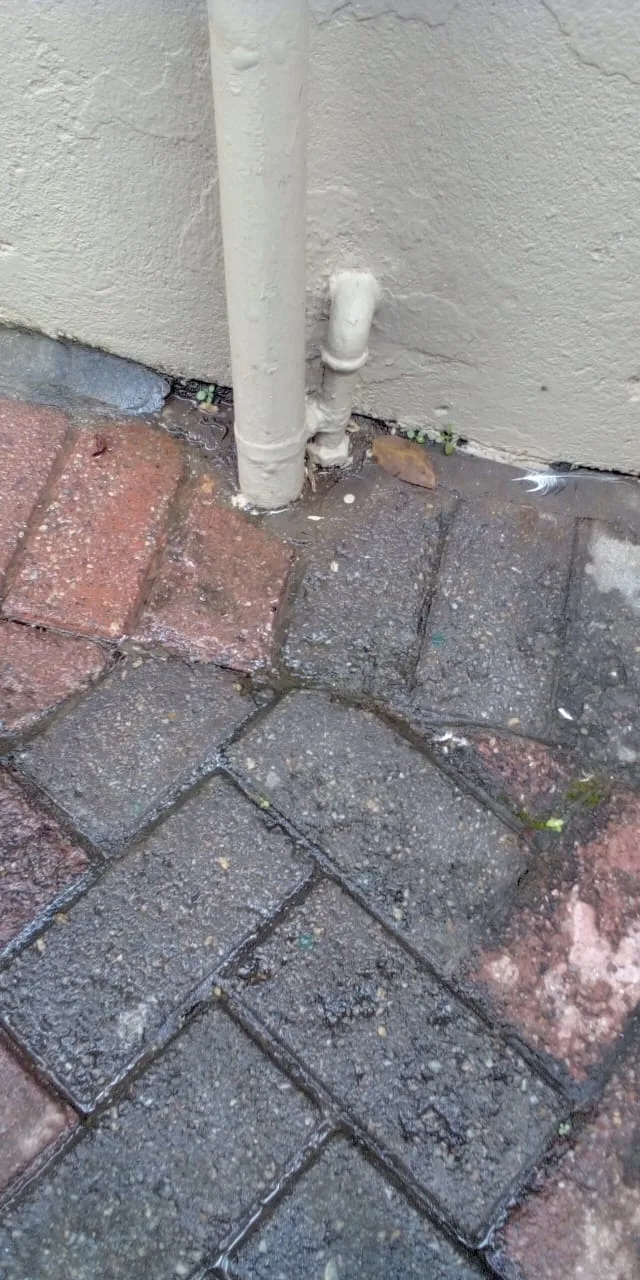
Clear photographs or a short video can help the plumbing team understand the likely fault and bring suitable equipment. Photograph the source, surrounding area, water damage and any visible pipe, valve, geyser or drain involved.
When contacting Plumb A Nator, provide:
- The full address and best access instructions.
- What happened and when it started.
- Whether water is still flowing.
- Whether the main water supply has been closed.
- Whether a geyser or electrical circuit is involved.
- Which fixtures or rooms are affected.
- Photographs or a short video where available.
8. Avoid major DIY repairs
Emergency isolation and damage control are useful. Attempting a permanent repair without the correct tools, materials or fault diagnosis can create a second leak, damage fittings or expose occupants to sewage, hot water or electricity.
Avoid cutting pipes, dismantling toilets or geysers, overtightening valves, using aggressive drain chemicals or applying sealants to unidentified faults.
When to call a plumber immediately
Request urgent professional help when you have a burst pipe, rapid flooding, water entering a ceiling, a leaking geyser, sewage backing up, an overflowing toilet that will not stop, a major drain blockage or water close to electrical equipment.
You should also call promptly when the main valve will not close, the source is hidden, the same fault keeps returning or the property has no usable water supply.
What happens when the plumber arrives?
The plumber will first confirm that the immediate risk is controlled, inspect the affected system and identify the likely cause. You should be told what has failed, what work is recommended and what the repair will cost before non-emergency work proceeds.
After the repair, the system should be tested and the affected fixtures checked before normal use resumes.
CUSTOMER QUESTIONS
What should I do before the plumber arrives?
Isolate water if safe, keep clear of electrical risk, move belongings, stop using affected fixtures and prepare photos plus address details.
Should I always turn off the main water?
Yes when supply water is flowing uncontrollably. For pure drain blockages, stop using connected fixtures instead.
Can I still use the toilet while waiting?
Not if it is overflowing, blocked or linked to a suspected sewer backup.
When should I switch off the geyser circuit?
When the fault involves the geyser or hot-water system and the board can be reached without crossing water.
Is a temporary pipe clamp recommended?
Isolation and containment are safer. Improvised clamps can fail and should not replace professional repair.
What information helps the plumber most?
Address/access, when it started, isolation status, affected rooms and clear photos or short video.
Why avoid chemical drain products?
They can damage pipes, create hazardous conditions and complicate later diagnosis.
What if the main valve will not close?
Do not force it. Report this immediately so the team can plan alternative isolation.
Should I open a ceiling that is bulging?
No. Keep clear of a saturated ceiling and let professionals manage controlled drainage if needed.
Can Plumb A Nator guide me while en route?
Yes. Call 067 657 6109 with symptoms for practical triage across Gauteng.
Ready for expert plumbing help?
We can help you prepare safely before the plumber arrives and arrange service if required.