
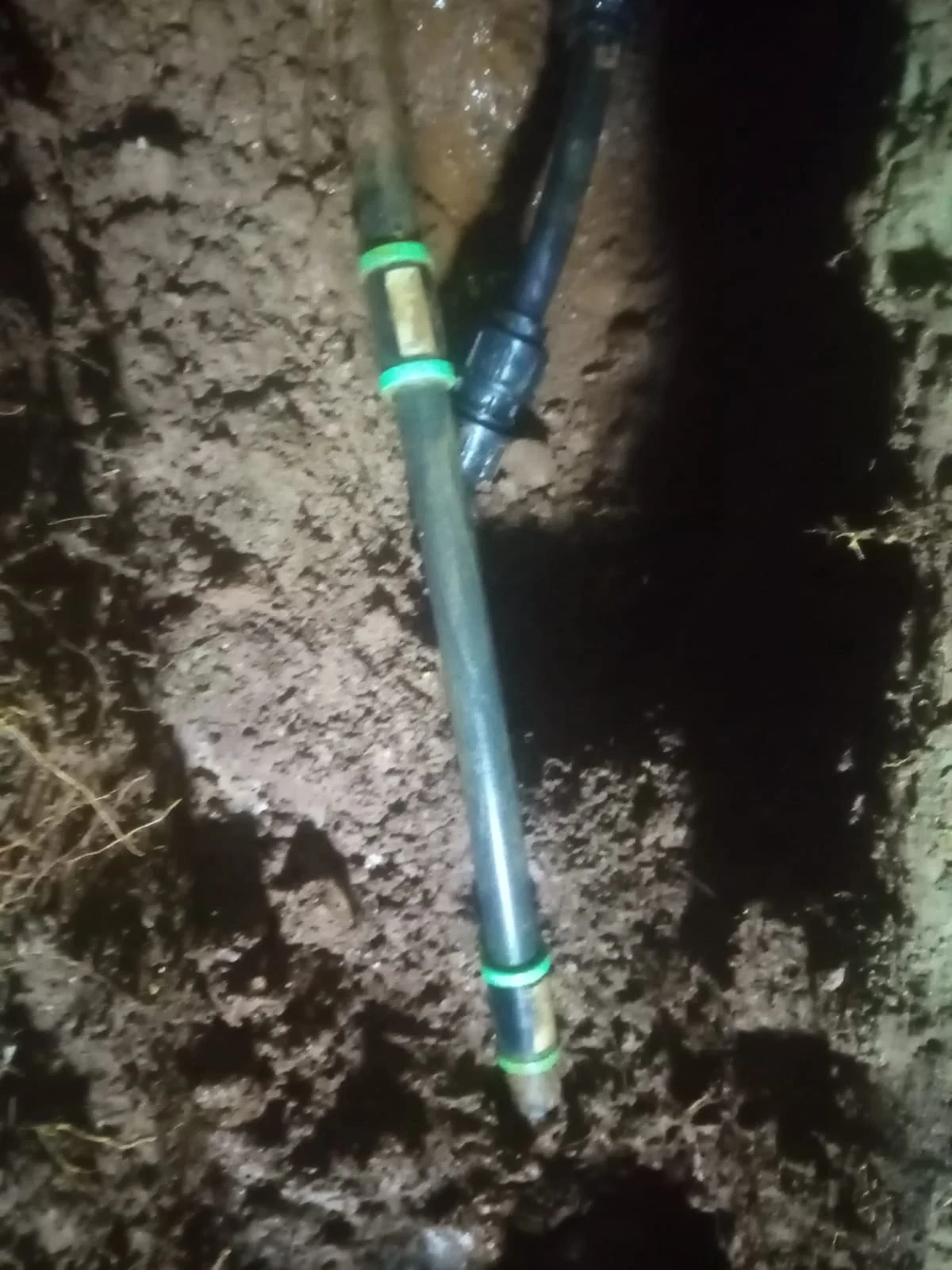
Stormwater drains are designed to move rain away from roofs, paving, driveways and buildings. Leaves, sand, roots, litter and collapsed pipework can reduce capacity until water ponds or floods during heavy rain.
Before you worry
During intense storms, even a clear drain can be temporarily overwhelmed. The warning sign of a blockage is usually localised ponding, slow drawdown or repeated overflow at the same point in ordinary rainfall.
How to recognise the problem
- Water pools around grates.
- Gutters or downpipes overflow despite being clear above.
- Driveways or yards flood in moderate rain.
- A drain empties very slowly after rainfall.
- Silt or debris repeatedly washes back from the pipe.
Common causes
- Leaves, litter and garden debris.
- Sand, soil and construction material.
- Roots entering damaged pipes.
- Collapsed or crushed underground sections.
- Insufficient gradient or undersized drainage.
- Blocked downstream municipal infrastructure.
What you can safely check yourself
- Remove loose surface debris before rain.
- Keep children away from fast-moving floodwater.
- Move vehicles and valuables from low points.
- Photograph repeated ponding locations.
- Check accessible downpipe outlets.
What you should never do
- Do not lift heavy manhole covers during flooding.
- Do not enter flowing or deep water.
- Do not connect sewage into stormwater drainage.
- Do not excavate around underground services without locating them.
When to call a plumber
Arrange professional help when water threatens the building, the pipe remains blocked after surface debris is removed, or the problem repeats. Severe flooding or suspected municipal blockage may also require the local authority.
How professionals solve it
Cleaning may involve rodding, jetting, vacuum removal and camera inspection. The plumber or drainage specialist checks whether the issue is debris, roots, structural failure, gradient or downstream capacity.
How to prevent it happening again
- Clean grates and gutters before rainy periods.
- Control soil and landscaping runoff.
- Keep building waste away from channels.
- Repair broken pipes and root entry.
- Review drainage capacity after property alterations.
Frequently asked questions
Can a plumber clear stormwater drains?
Yes, many plumbers and drainage specialists handle private stormwater lines, depending on equipment and system size.
Why does the drain block after every storm?
Debris may be entering upstream, or the pipe may have roots, collapse, poor gradient or inadequate capacity.
Should stormwater connect to the sewer?
Generally no. Incorrect connections can overload sewer systems and may contravene local requirements.
Need a plumber for blocked stormwater drains?
Describe the situation around blocked stormwater drains so we can advise whether a visit or repair is needed.