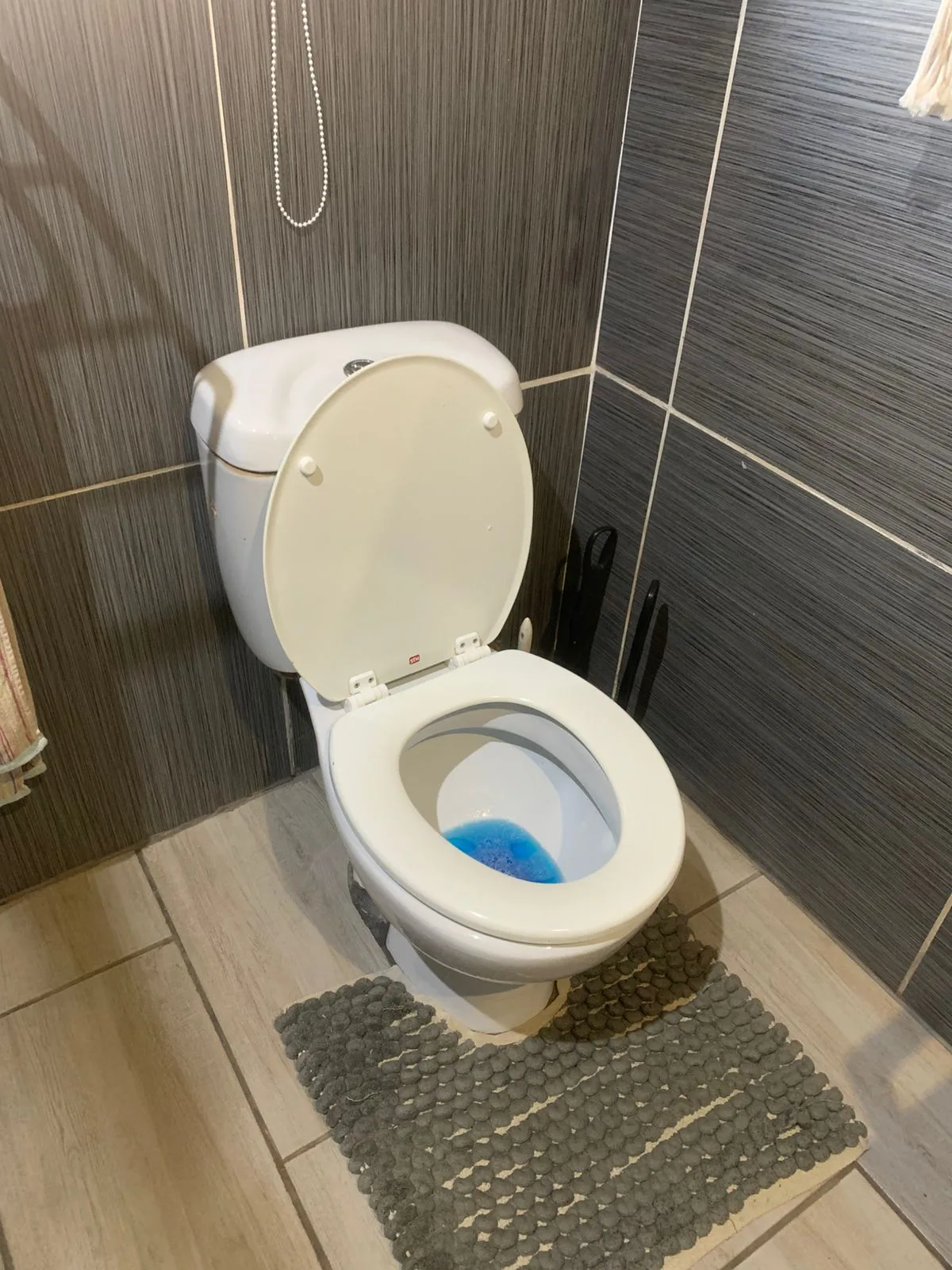
A blocked toilet is a common household issue, and when it happens, many people wonder: Can I unblock a toilet myself, or do I need a plumber? The answer depends on the severity of the blockage and the tools you have on hand. While minor clogs can often be cleared with a plunger or some basic DIY methods, more stubborn or recurring blockages may require professional help. Knowing when to try it yourself and when to call a plumber can save you time, money, and a lot of mess. In this guide, we’ll explore how to approach a blocked toilet safely and when It's best to leave it to the experts. For more background, read How can I tell if my toilet is clogged?.
How to deal with a blocked toilet When you need a plumber
If your toilet is blocked and home remedies like plunging or using hot water haven’t worked, Its time to call a professional plumber. Knowing how to manage the situation while waiting for help can minimise mess, prevent water damage, and make the plumber’s job easier. For more background, read Can flushing too much toilet paper cause blockages?.
Here’s what to do:
Turn Off the Water SupplyLocate the shut-off valve behind the toilet and turn it off to stop water from entering the tank. This helps prevent overflow during future flush attempts. For more background, read Can I fix a sewage smell myself?.
Avoid Further FlushingFlushing a blocked toilet repeatedly can cause it to overflow. Once Its clear the blockage isn’t resolving, stop flushing and call a plumber. Related professional help is available through Professional Toilet Repair.
Contain Any OverflowIf water has spilled onto the floor, mop it up quickly and use towels to contain the mess. Disinfect the area to prevent bacteria spread. Related professional help is available through Toilet Not Flushing Properly in South Africa: Causes & Solutions.
Ventilate the AreaOpen windows or switch on a fan to help with odours and keep the room aired out while waiting for the plumber. Related professional help is available through Emergency Toilet Repair.
Call a Reliable Plumbing ServiceContact a professional plumber with experience in domestic plumbing. Look for services offering free call-outs, free quotes, and guarantees on all work performed, like Plumbers, to ensure reliable and transparent service.
Don’t Use Harsh ChemicalsAvoid chemical drain cleaners—they can damage pipes and make it harder for plumbers to safely assess the problem.
By taking these steps, you protect your home from further damage and ensure a faster, more effective resolution when your plumber arrives.
Signs you need a plumber with a blocked toilet
While some toilet blockages can be cleared with basic DIY methods, others signal deeper issues that require professional attention. Knowing when to call a plumber can save you from serious damage, costly repairs, and repeated frustration. Here are the key signs you need a plumber for a blocked toilet:
Repeated BlockagesIf your toilet keeps clogging even after multiple plunging attempts, there may be a bigger issue in the drainage system.
Water Rising or OverflowingWhen flushing causes water to rise dangerously high or overflow, Its a clear sign the blockage is severe and needs expert help.
Gurgling Sounds or BubblingStrange noises from the toilet or nearby drains often indicate a blockage in the main line or vent pipe—something a plumber should inspect.
Slow Drainage Despite EffortIf you've tried plunging or using hot water and the toilet still drains slowly, the problem may be deeper in the plumbing.
Unpleasant OdoursPersistent bad smells coming from the toilet area suggest trapped waste or a blockage that’s not clearing on its own.
Water Backing Up into Other FixturesIf flushing the toilet causes water to back up in the shower, tub, or sink, you likely have a serious drainage issue that only a plumber can fix.
When in doubt, It's best to call a licensed plumber—especially if the problem recurs or worsens. Plumbing professionals like Plumbers offer fast, guaranteed service with free call-outs and free quotes, giving you peace of mind and a long-term solution.
Preventative steps you can take to avoid a using a plumber for a blocked toilet
While plumbers are always ready to help, there are several simple steps you can take to prevent toilet blockages and avoid the need for emergency plumbing services. Good habits and regular care go a long way in keeping your toilet running smoothly. Here’s how:
Only Flush Toilet Paper and WasteAvoid flushing anything else—including wipes (even “flushable” ones), sanitary products, paper towels, cotton balls, or nappies. These items don’t break down easily and can clog your pipes.
Use Toilet Paper WiselyUsing too much toilet paper in a single flush can overwhelm your system. If needed, flush more than once to help it break down and move through the pipes.
Install a Toilet Lid Lock (for Homes with Children)This prevents kids from accidentally flushing toys, tissues, or other foreign objects that could cause a serious blockage.
Educate Everyone in the HouseholdEnsure all family members and guests understand what can and can’t be flushed.
Regular MaintenanceUse a natural enzyme-based toilet cleaner or drain treatment monthly to help break down waste buildup in your pipes.
Address Slow Drains EarlyIf your toilet is flushing slowly or showing signs of struggle, act immediately. Early attention can prevent a full blockage.
By following these preventative steps, you reduce the risk of a clogged toilet and the need to call in a plumber. However, if the problem persists or worsens, it's always best to contact a professional like Plumbers, who offer free call-outs, quotes, and guaranteed work for your peace of mind.
What we can offer you when you have a blocked toilet
At Plumbers, we understand how frustrating and disruptive a blocked toilet can be—especially when it happens unexpectedly. That’s why we’re committed to providing fast, affordable, and professional solutions tailored to your needs.
Here’s what we offer when you’re dealing with a blocked toilet:
Free Call-Out FeesYou won’t pay a cent for us to come out and assess the problem. We believe in honest service with no hidden costs.
Free, Upfront QuotesBefore we begin any work, we provide a clear and detailed quote, so you know exactly what to expect.
Same-Day ServiceWe aim to respond quickly and resolve your toilet blockage on the same day, minimising disruption to your home.
Experienced, Friendly PlumbersOur team is trained, courteous, and equipped with the right tools to tackle any blockage—no matter how stubborn.
Guaranteed WorkmanshipAll our toilet unblocking services come with a guarantee for your peace of mind. If the issue returns within the guarantee period, we’ll come back and fix it at no extra charge.
As a small, family-owned plumbing business, we treat every home like our own—with care, respect, and reliable service you can trust. Whether it's a minor clog or a more serious drainage issue, Plumbers is here to help—quickly, professionally, and at no extra cost to get started.
CUSTOMER QUESTIONS
Can I unblock a toilet myself?
Yes for simple clogs: a proper flange plunger often clears toilet paper and soft waste. Stop if water rises toward overflow or nothing moves after a few careful attempts.
When do I need a plumber for a blocked toilet?
Call when plunging fails, the blockage returns, water backs into other fixtures, foreign objects are likely, or the pan is at risk of overflowing.
Is it safe to keep flushing a blocked toilet?
No. Extra flushes can overflow the bowl and flood the floor. Stop flushing once you know the line is not clearing.
Should I use chemical drain cleaners in a toilet?
Generally avoid them. Chemicals can damage seals and make later mechanical clearing harder and less safe for the plumber.
What tools work best for a DIY toilet unblock?
A toilet-specific plunger with a flange seal is the first tool. Avoid forcing rigid objects that can crack the pan or push the blockage deeper.
Why does my toilet block repeatedly?
Too much paper, non-flushable items, a weak flush, partial main-line restriction, or poor venting can all cause repeats. Recurring clogs need diagnosis.
What if water backs up in the shower when I flush?
That often points beyond the toilet trap into a shared branch or main drain. Professional clearing and inspection are usually required.
How should I prepare before the plumber arrives?
Stop flushing, contain any spill, note what was flushed if known, and keep the area clear so the plumber can work safely.
Can “flushable” wipes cause the blockage?
Yes. Many wipes do not break down like toilet paper and are a common reason toilets and sewers block.
How do I reduce future toilet blockages?
Flush only waste and toilet paper, use moderate paper amounts, educate the household, and act early on slow or weak flushes.
Need help with can i unblock a toilet myself, or do i need a plumber??
Send details about can i unblock a toilet myself, or do i need a plumber? and our team will recommend the most appropriate service.