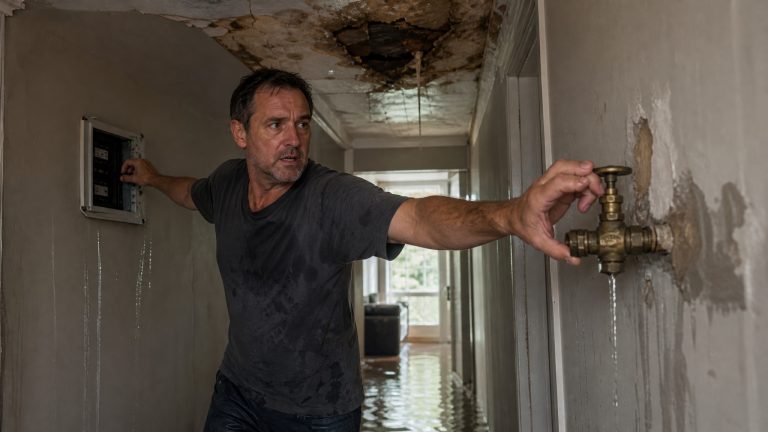
Paying for a plumber to clear a blockage, only to watch it return a few weeks later, is one of the more frustrating parts of owning a home. The recurring cost usually points to something mechanical cleaning can’t fix: a structural defect or a deep obstruction hiding further down the line. Many owners never look into it because they assume a proper visual diagnosis costs a fortune.
It doesn’t have to. Working out the cctv drain camera inspection cost in South Africa mostly comes down to one distinction: a dedicated diagnostic survey is priced differently from a standard emergency call-out, because the two do different jobs. A proper survey gives you a definitive read on your pipes, so you stop paying for guesswork and unnecessary digging.
Average CCTV Drain Camera Inspection Cost in South Africa (2026)
Diagnostic camera fees follow a different pricing model than a general plumbing call-out. The equipment is specialized and the analysis takes real technical skill, so the fee reflects that. Think of it as money spent identifying the problem, not a routine maintenance charge. What you get back is a verified picture of your drainage system, not just a temporary clear line.
Standard Residential Survey Pricing
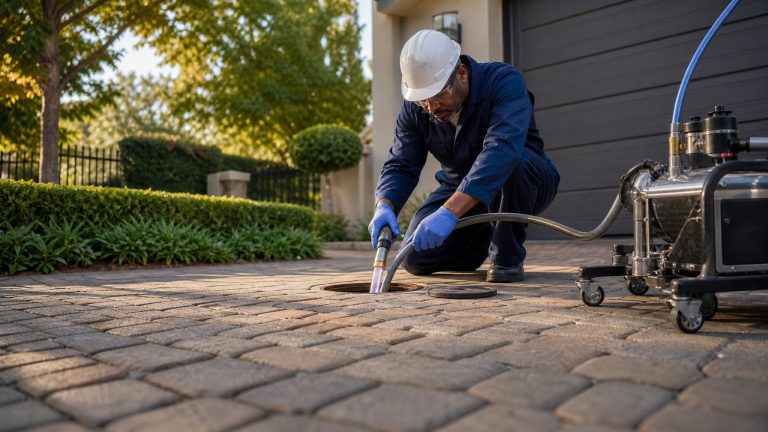
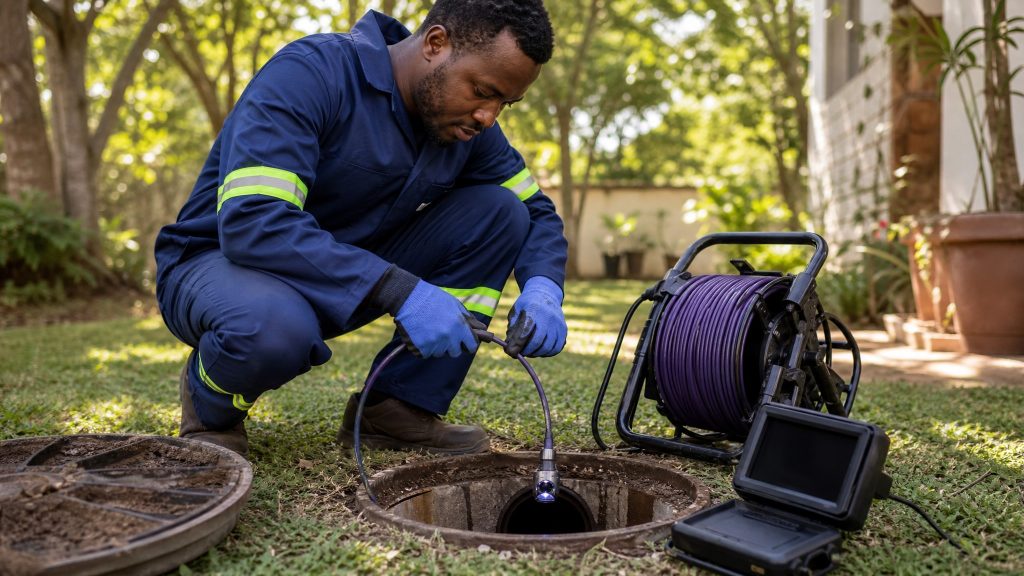
For a typical home, a technician pushes a high-resolution camera through 100mm to 150mm sewer lines using a portable push-rod rig. The price for a standard residential job generally covers time on site, the equipment, and a basic fault report. No heavy machinery, no extra crew.
Properties with easy access and short pipe runs sit at the lower end of the residential range. Homes with sprawling garden drainage or a complicated internal layout take more labour hours to map properly, and the price moves accordingly. That range is qualitative rather than fixed, because South African residential infrastructure varies a lot: an older suburb throws up different problems than a new development does.
Commercial and Industrial Inspection Rates
Commercial and industrial sites need larger crawler cameras built for 200mm to 600mm mains, and that pushes up both the operational complexity and the wear on the equipment. These jobs often run after hours to avoid disrupting a business, which adds premium labour costs on top of the base cctv drain survey cost.
Industrial sites can also require confined-space entry protocols, gas testing, and extra safety personnel before a camera goes anywhere near the line, and all of that shows up in the final quote. Commercial surveys frequently go beyond blockage detection too, covering compliance audits, asset condition assessments, and mapping for future capital planning. Comparing a commercial quote directly against a residential one rarely makes sense.
What Influences Your Drain Camera Inspection Price?
No two drainage systems are identical, and the variables in your quote reflect the physical realities of your property, not arbitrary markups. A handful of concrete factors decide whether the job takes thirty minutes or four hours: pipe diameter, pipe length, and how hard the access is. Understanding these helps you judge whether a quote is fair.
Pipe Diameter and Length Factors
Larger pipes need heavier, pricier camera equipment, and often a winching system to pull the sled through long horizontal runs without losing signal. A technician can manually feed a lightweight push-rod camera up to 60 metres through a 100mm residential line. A 300mm municipal connection is a different job entirely, needing a motorized crawler with pan-and-tilt capability that costs more to deploy and maintain.
Total linear footage tracks directly with inspection time, because every metre has to be visually examined and logged. A sprawling estate with several outbuildings will always cost more to survey than a compact townhouse unit. Equipment depreciation and calibration for the larger-format cameras add to the higher price for non-residential diameters too.
Access Point Availability and Site Conditions
Difficult access forces a technician to spend billable hours locating, digging out, or modifying entry points before the camera even goes in. Overgrown vegetation, a paved-over cleanout, or a collapsed inspection chamber all add prep time that has nothing to do with filming and everything to do with making the inspection physically possible.
Sites with heavy root intrusion or serious sediment buildup may need preliminary jetting or mechanical clearing first, just to get enough visibility for a meaningful read, effectively folding two services into one visit. If your property has no rodding eye or manhole anywhere near the suspected fault zone, the technician may have to create a temporary access point, and that adds both labour and restoration cost.
CCTV Drain Survey Cost vs. Standard Blocked Drain Call-Out
Plenty of homeowners assume calling a plumber for a blocked drain automatically includes a camera inspection. That assumption causes confusion when the invoice arrives, or when the same blockage comes back. For a detailed breakdown of how standard emergency charges work, see our guide on blocked drain call-out fees explained, which clarifies what that initial fee actually covers versus what needs a separate booking.
A standard call-out fee pays for travel, an initial assessment, and basic mechanical unblocking with hand tools or an electric eel. It does not cover the time, equipment, or expertise a video diagnosis needs.
A CCTV survey is a distinct, separately bookable service with its own pricing, because it involves specialized hardware, a trained operator, and a report afterward, well beyond simply restoring flow. A call-out treats the symptom. A camera inspection finds the cause. Blur the two together and you end up with the wrong expectations about both cost and outcome.
You pay for clearance with a call-out. You pay for certainty with a survey.
Repeated mechanical clearing of an undiagnosed structural defect wastes money that could instead fund a permanent fix, once you actually have the visual evidence to justify it.
When You Need a Sewer Camera Inspection in South Africa
Visual diagnosis becomes necessary once symptoms persist despite competent mechanical clearing, or once a property sale requires a verified read on the infrastructure. Guessing at underground problems from surface behaviour alone is a strategy that reliably produces expensive mistakes. A targeted inspection turns that uncertainty into something you can act on.
Recurring Blockages and Slow Drains
A backup that returns within weeks of professional clearing almost always points to a structural issue: an offset joint, a bellied pipe, root intrusion. None of that resolves permanently with mechanical tools alone. If your drains are slowing down gradually rather than blocking suddenly, that pattern suggests buildup or deformation, and it needs visual confirmation before anyone picks a repair method.
A sewer camera inspection in South Africa starts paying for itself once you’ve been through two or more unsuccessful unblocking attempts, since the cumulative cost of repeat call-outs soon overtakes the price of a definitive diagnosis. Chronic grease-related issues can also justify an inspection, to see how much has built up on the pipe walls. If your survey turns up FOG accumulation as the main culprit, grease buildup prevention strategies are worth reading before it happens again.
Drain Inspection Before Buying a House
A pre-purchase drain inspection can catch root intrusion, concrete pipe degradation, or an illegal connection before the transfer locks you into the repair bill. Older South African suburbs often have aging concrete or clay infrastructure that deteriorates invisibly over decades, and a building inspector working above ground has no way to detect a subsurface drainage failure.
Finding out about a collapsed sewer line after you’ve taken ownership can turn a manageable purchase into a financial mess, especially since municipalities increasingly hold owners responsible for their private lateral connections. If you’re weighing up an older property, a concrete pipe replacement guide alongside the inspection helps put any degradation you find into cost terms. This step protects your negotiating position, and it means you know what you’re actually buying before anyone signs anything.
Understanding Your Pipe Inspection Camera Report
The value of a CCTV survey sits entirely in the quality of what you’re handed afterward, not in the act of filming itself. Without proper documentation, the inspection is just a passing observation rather than a record you can use for a decision, an insurance claim, or a contractor’s quote.
Video Evidence and Defect Coding
A proper inspection produces timestamped video, annotated with distance markers and defect codes, that pins down exactly where each fault sits in the pipe network. Industry-standard coding classifies issues by type and severity, so a contractor or engineer can read the findings without rewatching hours of raw footage.
You should get both the full video file and a written summary that turns the technical notes into plain language: what was found, and where. That combination means you can hand a specific segment to a repair contractor while keeping the full record for later, or for a dispute if one comes up.
Repair Recommendations and Quotes
An accurate repair quote depends on knowing exactly where the damage is, what it is, and how bad it is, and only verified video gives you that. A speculative estimate based on symptoms alone often leads to change orders and blown budgets once the excavation reveals something different from what everyone assumed. A camera-verified scope, on the other hand, supports fixed-price contracting with some confidence behind it.
Your report should include specific recommendations for each defect it finds, whether that’s a localized patch lining, a full pipe replacement, or root cutting. When you’re comparing quotes for major drainage work, getting fair plumbing quotes in Johannesburg is worth checking, to make sure your contractor’s pricing lines up with the documented scope rather than an optimistic guess.
A camera inspection doesn’t repair anything by itself. Pay for the diagnosis without committing to the fix, and you’re left with knowledge but no solution.
Choosing a Qualified Pipe Inspection Camera Plumber
Owning a camera doesn’t automatically mean a plumber has the training or equipment standards to produce a reliable diagnosis. Checking credentials before you book saves you from paying for a substandard inspection that misses the real defect or produces footage nobody can use.
Make sure whoever you hire uses modern push-rod or crawler cameras rated for South African infrastructure, not outdated or consumer-grade gear that can’t handle local pipe specifications. Ask whether the quoted price already includes the full written report, the video files, and a post-inspection consultation to walk you through the findings, since some operators charge extra for what should be standard.
Confirm the technician holds relevant certification in drain inspection methodology and defect coding. Operating the camera is only half the job; reading what’s on screen accurately is the other half. Ask for sample reports from previous jobs before you commit. A poorly organized or incomplete report undermines the entire point of hiring a specialist.
Booking Your CCTV Drain Inspection: What to Expect
Getting a definitive diagnosis before signing off on major excavation or pipe relining is the recommended way to avoid spending on drainage repairs you didn’t actually need. The booking process usually starts with a phone or online enquiry describing your symptoms, your property type, and what you know about access, so the provider can scope and schedule the job properly.
On-site inspections typically run one to three hours, depending on how complex the system is, and you should plan to be there yourself or have someone available to grant access and answer questions about the property’s history. The technician locates and preps the access points, runs the camera, narrates findings as they go, and puts together documentation before leaving, though the formal report may take 24 to 48 hours to arrive for a more complex survey.
Clearing vegetation around the manholes, moving vehicles off the driveway, and securing pets beforehand speeds things up and cuts down on billable prep time. Once the report is in your hands, you can make real decisions about repair priorities, which contractor to use, and how to allocate your budget, based on verified conditions instead of guesswork.