
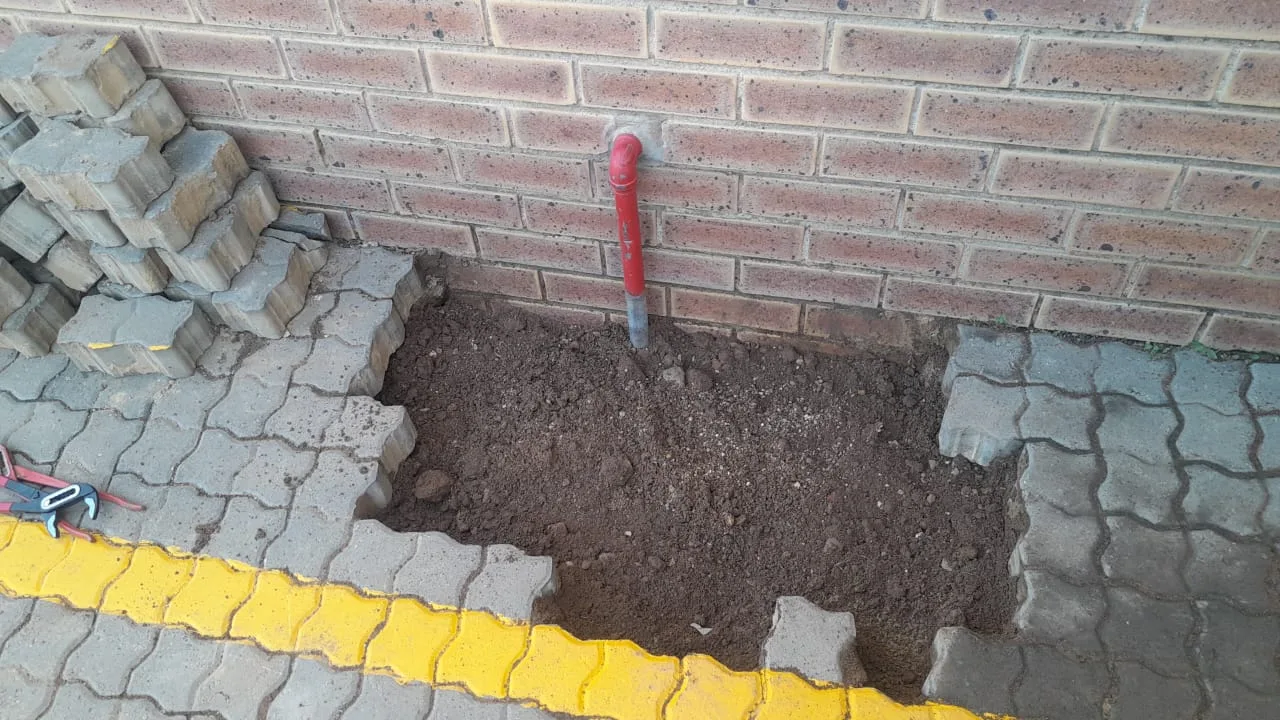
Electronic leak detection is a broad term for using instruments to identify evidence of escaping water. The equipment does not magically see through every surface; it helps a trained technician combine sound, temperature, moisture and pressure information to narrow the search area.
What electronic leak detection means
The process may include acoustic sensors, electronic listening equipment, thermal cameras, moisture meters, pressure testing and tracer methods. The correct combination depends on the pipe material, depth, pressure and building construction.
Why visual inspection comes first
Technicians first review the water bill, meter behaviour, damp patterns, pipe routes, valve positions and recent work. Instruments are most effective when used to test a well-developed hypothesis rather than scan the property without context.
Acoustic listening equipment
Pressurised water escaping from a pipe can create vibration and sound. Sensitive microphones and correlators amplify or compare these signals. Background noise, soft ground, low pressure and plastic pipes can make results more difficult.
Moisture measurement
Electronic moisture meters compare readings across surfaces and materials. They help map the extent of dampness, but high moisture does not by itself prove that a plumbing pipe is the source.
Thermal imaging
Infrared cameras show surface-temperature differences. Hot-water leaks, evaporative cooling and moisture movement may create patterns, although sunlight, appliances, insulation and air movement can produce misleading images.
Pressure and isolation testing
Sections of pipework may be isolated and monitored for pressure loss. This can confirm that a particular circuit is leaking before invasive access is considered.
Limits of the technology
No single device works perfectly in every building. Thick slabs, multiple pipe layers, very small leaks, intermittent leaks and noisy environments may require repeated tests or complementary methods.
What a useful report should contain
A professional report should describe observations, tests performed, likely leak area, limitations and recommended access or repair. It should distinguish confirmed findings from reasonable suspicion.
Why technician experience matters
The instruments produce signals and patterns; the technician must interpret them against plumbing layouts and building behaviour. Good diagnosis reduces unnecessary demolition and helps plan the repair efficiently.
CUSTOMER QUESTIONS
What is electronic leak detection?
It is the use of instruments—acoustic sensors, moisture meters, thermal cameras, pressure tests and related tools—to help locate evidence of escaping water without opening large areas first.
Is electronic leak detection completely non-invasive?
The detection stage is often non-destructive, but a confirmed leak still needs controlled access for repair.
Can it find every leak?
Not always. Intermittent, very small, unpressurised or deeply buried leaks, and noisy or multi-layer buildings, may need several methods.
Why does visual inspection come first?
Bills, meter behaviour, damp patterns and pipe routes create a hypothesis. Instruments work best when testing a focused area rather than scanning blindly.
How do acoustic tools help?
Pressurised water escaping can create vibration and sound that sensitive microphones and correlators amplify or compare along the pipe route.
What does thermal imaging show?
Surface temperature differences that may relate to hot-water leaks, evaporative cooling or moisture movement. Sunlight and appliances can also create patterns.
Does high moisture always mean a plumbing leak?
No. Roofs, waterproofing, drainage and condensation raise moisture readings. Plumbing confirmation still needs supporting tests.
What should a useful report include?
Observations, tests performed, the likely leak area, limitations, and recommended access or repair, with clear distinction between confirmed findings and suspicion.
How long does leak detection take?
Simple cases can be quick; complex layouts, multiple circuits or weak signals take longer and may need follow-up tests.
When should I book electronic leak detection?
When the meter moves with taps closed, bills rise without explanation, damp spreads without an obvious source, or invasive opening would be costly without a target area.
Want practical advice on electronic leak detection explained?
Share what you are seeing related to electronic leak detection explained and we will suggest sensible next steps.