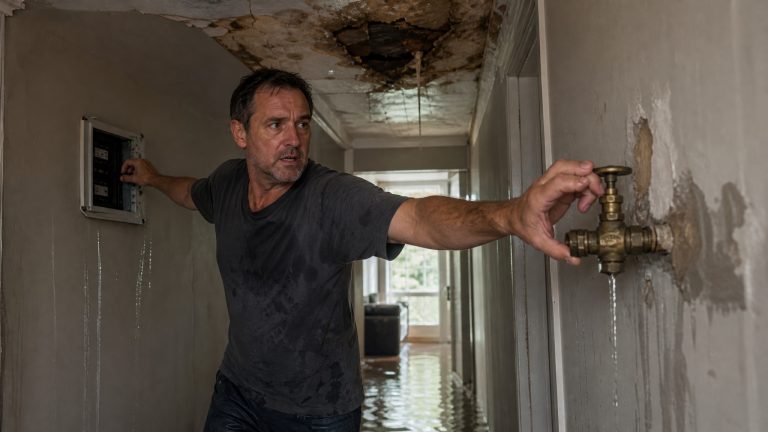
A burst geyser destroys ceilings, ruins flooring, and costs tens of thousands to repair. Yet plenty of homeowners still gamble on unqualified labor to save a few hundred rand upfront. The gap between a certified plumber and a general handyman isn’t about titles or hourly rates. It determines whether your insurance covers catastrophic water damage or rejects your claim outright. Weighing a geyser installer against a handyman means looking past the quote to the legal and financial liability that follows the work.
Why a Certified Plumber Is Required for Geyser Installation
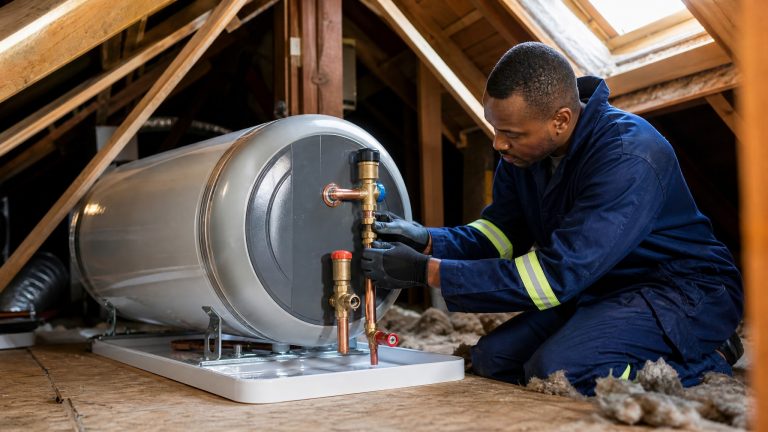
South African National Standards (SANS 10254) say only licensed plumbers may install or alter pressurized hot water storage vessels. The rule exists because a geyser is a pressure vessel under real stress: high-temperature water and electrical components, packed into a confined space, where errors turn dangerous fast. Only a trained plumber knows how to calculate pressure ratings, install expansion controls correctly, and make sure the system integrates safely with your existing plumbing.
You cannot legally hire a general maintenance worker to replace or install a pressurized hot water system in South Africa. Handymen are fine for minor repairs and fixture swaps, but geyser fitting calls for knowledge of thermodynamics and hydraulic pressure that sits outside that scope entirely. Our team regularly fixes dangerous DIY and handyman installations where incorrect valve placement created explosion hazards in people’s homes. Good intentions don’t substitute for technical competency.
Handyman Geyser Installation Risks You Cannot Ignore
The core risk is treating a pressure vessel like an ordinary water pipe. General maintenance workers often lack the equipment to test pressure relief valves or calibrate thermostats properly, and that leaves systems running dangerously close to their failure points. A certified professional tests the system under load before signing off. An unqualified worker typically just looks at it and assumes it works.
Unqualified installation is a leading cause of burst geysers, and of the insurance claim rejections that follow. The geyser might function fine at first. But improper support bracketing or misaligned pipework creates stress fractures that show up months later, once the warranty has expired and the installer is long gone. If you’re unsure whether your current unit needs professional attention or full replacement, a repair or replace decision guide can help you work out the scope before you commit to any labor.
The Scope Gap Between Maintenance and Pressure Vessel Work
Handymen are suited to tap washers and toilet cisterns. Geyser fitting is high-pressure plumbing and electrical work, and it exceeds that scope. Temperature sensors, isolation switches, and vacuum breakers all have to work together under municipal water pressure that shifts throughout the day. Fitting a low-pressure component where a high-pressure part belongs is a common mistake among unqualified installers, and it compromises the whole system.
The Compliance Certificate Geyser Requirement Explained
Every new installation or replacement legally needs a compliance certificate, issued by a registered professional. It isn’t optional paperwork. It’s a statutory declaration that the installation meets SANS 10254 and is safe to use. Without it, a property transfer can stall indefinitely, a rental agreement can be ruled non-compliant, and your insurance policy becomes effectively void on water damage.
What Makes a Certificate Valid
Only a PIRB-registered plumber can issue a valid compliance certificate, and only after physically testing the pressure relief valves and checking thermostat settings against the manufacturer’s specifications. The certificate has to include the plumber’s registration number, the inspection date, and specifics on the valves and components fitted. Digital copies or verbal assurances from unregistered workers carry no legal weight, and they give you zero protection when an insurer asks for documentation after a loss.
Why Landlords Need It for Rentals
Rental property owners carry extra liability here, because tenant safety rules require documented proof of a compliant hot water system. Insurers frequently reject water damage claims once an investigation finds the geyser was fitted without a valid compliance certificate from a registered professional, which leaves the landlord personally on the hook for structural repairs and tenant relocation costs. Keeping current certificates for every unit protects the asset and the owner’s exposure across a multi-tenant property.
Insurance Implications of Unqualified Fitting
Insurance policies carry specific exclusions for work done by unlicensed individuals. Your coverage disappears the moment an unqualified person touches the geyser. That requirement isn’t a suggestion; it’s a contractual condition tying your cover to verified professional standards. When you weigh a certified installer against a handyman, remember the cheaper labor rate comes with an implicit waiver of your insurance protection.
When Claims Get Rejected
Adjusters routinely dig into the installation history of a failed geyser before approving any payout. If they find a handyman installed or modified the unit without proper certification, they deny the claim, whether or not that installation error actually caused the failure. Homeowners in this position should look at what happens when a geyser insurance claim is rejected to understand how limited their options get from there.
The True Cost of Saving on Labor
The immediate savings from hiring a handyman typically run from a few hundred to perhaps a thousand rand against certified rates. Weigh that against uncovered structural repairs, ceiling replacement, and flooring restoration, which can easily top fifty thousand rand once insurance refuses to pay. Emergencies tempt people toward whoever picks up the phone first, but certified professionals also offer same-day geyser replacement, so you don’t have to trade compliance for speed.
Solar Geyser Conversions Require Specialized Expertise
Solar water heating adds hydraulic complexity a general handyman has no business touching. Retrofitting an existing electric geyser with solar collectors means balancing flow rates, differential pressure, and thermal stratification, all of which take specific training to get right. Apollo’s High-Pressure Solar Geyser Conversions, across the 100L to 300L range, need precise hydraulic balancing to keep the manufacturer’s warranty valid, and a bad install can void both the warranty and the insurance cover at once.
Retrofitting Existing Electric Geysers
Converting a standard electric geyser to solar-assisted heating means installing collector manifolds, circulation pumps, and electronic controllers that have to integrate cleanly with the plumbing already in place. Each part needs correct sizing against the storage capacity. Undersized collectors won’t deliver meaningful savings, and oversized arrays cause overheating and early element failure. The 200L Apollo solar geyser conversion, priced around ZAR 15,449, is a common middle-ground choice, but even this size needs a professional check against your cylinder model and roof orientation before installation.
Sizing for Household Demand
Correct sizing prevents both an undersupply of hot water and the thermal cycling that damages tank linings over time. Apollo’s retrofit range runs from the 100L conversion at around ZAR 11,825, through the 150L at around ZAR 13,451 and the 200L option, up to the 300L conversion at around ZAR 19,482, each needing a different collector area and pump setup. Guess the wrong capacity and the system tends to fail within months, which is why a professional assessment matters before any solar conversion starts.
For households wanting a complete system rather than a retrofit onto an existing tank, Alliance’s high-pressure thermosyphon range covers similar capacities: the 150L at around ZAR 16,332, the 200L at around ZAR 19,325, and the 300L at around ZAR 28,085 for larger households, guest houses, or staff housing with heavier daily hot water demand.
How to Verify a Qualified Plumber vs Handyman
Verification takes less than five minutes and settles the question of who can legally do your geyser work. Legitimate professionals hand over their PIRB registration number without being asked twice and expect you to check it. Unqualified workers tend to deflect direct questions, or point vaguely to “years of experience” instead of credentials. Do this check before anyone touches your plumbing.
Checking PIRB Registration
The Plumbing Industry Registration Board keeps a public database where you can confirm a plumber’s current registration status and what categories of work they’re licensed for. Search the registration number the contractor gives you, and check they’re active and specifically licensed for pressure vessel work, not just general drainage. An expired or suspended registration counts the same as no registration at all once an insurer looks at compliance.
Asking for Proof Before Booking
Ask for written confirmation of PIRB registration, and ask for references from recent geyser jobs, before you book anything. A reputable contractor keeps a portfolio of completed jobs with matching compliance certificates and will show you without hesitation. Anyone who resists providing verifiable credentials, or gets defensive when you ask, is telling you they can’t meet the standard your property needs.
Making the Safe Choice for Your Home
A certified installer protects your property and your financial liability in ways unverified labor never will. The compliance certificate is your legal shield against insurance exclusions, property transfer delays, and safety hazards that surface long after the handyman has been paid and gone.
Book a consultation with a licensed plumber to schedule a compliant installation, or get a professional assessment for a solar conversion sized to your household’s needs.
Frequently Asked Questions
Can a handyman legally replace my geyser if they have years of experience?
No, South African law prohibits anyone except PIRB-registered plumbers from installing or altering pressurized hot water vessels regardless of their experience level. Experience does not substitute for the legal authorization required to issue compliance certificates or validate insurance coverage. Hiring an experienced but unlicensed worker still constitutes illegal installation that voids your protection.
Do I need a new compliance certificate if I am only repairing my existing geyser?
Minor repairs like element or thermostat replacements typically do not require a new certificate unless the work alters the pressure vessel or safety valve configuration. However, any modification to pipework, valve placement, or system pressure rating triggers the certification requirement. Always confirm with your plumber whether the specific repair scope mandates fresh documentation.
What happens if my handyman-installed geyser bursts after several years of working fine?
Insurers investigate the original installation regardless of how long the system functioned before failure. Discovery of unqualified installation at any point in the system’s history provides grounds for claim rejection even if the immediate cause appears unrelated to the original workmanship. The liability attaches to the installation event itself, not the timing of the failure.
Are solar geyser conversions more complex than standard electric geyser replacements?
Yes, solar conversions add hydraulic balancing, thermal management, and electronic control systems that standard replacements do not involve. These additional systems require specialized training to size correctly and integrate safely with existing plumbing infrastructure. General plumbers without specific solar certification should not attempt these retrofits even if they handle standard geyser work competently.