
Getting a notification that your geyser insurance claim was rejected is often more stressful than the burst itself, especially with water damage spreading and no hot water in the house. Many South African homeowners assume their policy covers any catastrophic failure. Then they find out insurers draw a hard line between sudden insured events and gradual deterioration. Understanding that distinction is the first step, whether you’re trying to overturn the decision or just find a way forward without cover.
This guide focuses on what to do after a denial, moving past the standard warranty and insurance claim process into the practical realities of self-funding a replacement or disputing an assessment. Some rejections are final. Others come from thin evidence or a generic assessor report that never engaged with the technical detail of your specific failure.
Why Your Geyser Insurance Claim Was Denied
Insurers rarely reject claims out of malice. Their job is to manage risk, so they apply policy wording strictly, and that often leaves homeowners with older units stuck without recourse. You need to know the exact exclusion clause cited in your rejection letter before deciding whether an appeal is worth pursuing, or whether you should move straight to replacement.
Wear and Tear vs. Sudden Damage
South African insurers commonly exclude geyser claims where the unit is more than 5 to 7 years old and there’s no proof of recent maintenance or valve replacement. The logic: geysers are consumable items with a finite lifespan, and policies are built to cover unforeseen accidents, not inevitable end-of-life failure. A tank that corrodes slowly over a decade is wear and tear. A tank that bursts because of a verified pressure spike is sudden damage.
The burden of proof usually sits with you, to show the failure was sudden and accidental rather than cumulative. If the assessor noted rust streaks, calcification, or general degradation around the leak site, they likely filed the event as maintenance-related, no matter how suddenly the water actually appeared.
Maintenance Negligence Exclusions
Policies require you to keep the property in good working order, and missing service records give insurers an easy administrative reason to deny a claim, even when the real cause had nothing to do with maintenance. Insurers may argue that skipping safety valve replacement every three to five years counts as negligence, and void cover for the whole system on that basis. This comes up most often when the homeowner can’t produce a certificate of compliance or a recent service invoice from a qualified plumber.
A geyser burst that isn’t covered by insurance often comes down to this paperwork gap rather than the actual physical cause of the leak. Without documentation, the insurer can presume negligence and shift the financial liability onto you.
How to Appeal a Rejected Geyser Claim Successfully
Challenging a denial takes precise technical evidence that directly contradicts the assessor’s findings, not a letter expressing frustration. Successful appeals often hinge on independent plumbers pinpointing specific component failures, a seized thermostat or a jammed pressure valve, that count as sudden damage rather than gradual corrosion.
Requesting the Assessor’s Full Report
You can’t dispute a decision effectively based only on the brief rejection summary that arrived by email or SMS. Contact your broker or insurer straight away and ask for the complete assessor report: photographs, moisture readings, and the specific policy clauses applied. This document shows whether the assessor actually inspected the failed components, or just estimated the cause from the unit’s age and visual condition.
Reading through it lets you spot factual errors or gaps that become the basis of your appeal. If the assessor blamed corrosion but never tested the pressure control valve, you’ve found a real hole in their investigation.
Submitting Independent Plumber Evidence
Insurer-appointed assessors may prioritize cost containment over technical nuance, which is exactly why an independent, SANS-compliant inspection report matters so much for a fair outcome. Hire a licensed plumber to do a forensic examination of the failed unit and write up a detailed report addressing the specific exclusions cited in the original assessment. That report needs to state plainly whether the failure was sudden and accidental, and reference the relevant SANS standards and manufacturer specs.
Your independent expert is a counterweight to the insurer’s assessment: verifiable technical data instead of generalized assumptions about age. Submit this evidence formally through your broker, and the insurer has to engage with specific engineering facts instead of defaulting to the exclusion clause.
Independent Repair Quotes When Insurance Won’t Pay
Once a rejection is final, you’re navigating the private market to get hot water restored without paying more than you have to. Getting multiple quotes protects you from price gouging, but check that each contractor actually understands current SANS installation requirements too, or you’ll trade one compliance problem for another.
Getting a Fair Market Price Out of Pocket
When you’re funding a replacement yourself, transparency about labor rates and material markups matters for keeping the budget honest. Look at independent repair quote expectations in your area before you contact contractors, so you have a baseline for spotting opportunistic pricing. Ask for itemized quotes that separate the unit cost, valves, labor, and debris removal, so you can compare providers like for like.
Don’t accept verbal estimates or lump-sum figures that hide where the money actually goes. A reputable plumber gives you a written breakdown that matches current market rates and explains any premium for emergency call-outs or specialized equipment.
Repair vs. Replacement Decision Factors
Spending on a partial repair for a denied unit often throws good money after bad if the tank is near the end of its life anyway. Weigh repair versus replace decision factors carefully: the unit’s age, the cost of new safety valves, and the odds of other components failing soon after. If the repair quote runs past 40% of a full replacement and the geyser is older than seven years, a new system usually wins on long-term value and warranty protection.
Our detailed guide on geyser servicing versus replacement lays out the specific thresholds where patching stops making financial sense. It’s worth reading before you sink money into an asset insurance has already flagged as a bad bet.
Geyser Replacement Costs Without Insurance Coverage
Budgeting for a self-funded replacement means working from current pricing, not outdated averages that don’t reflect supply chain shifts. Our 2026 pricing guides reflect current market rates for self-funded geyser replacements across major SA metros, built with post-rejection budget constraints in mind, so you can plan realistically.
Standard Electric Geyser Pricing
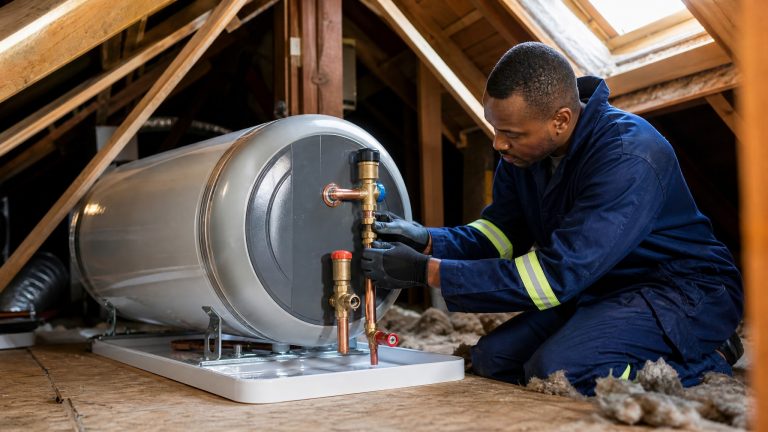
A straightforward like-for-like electric geyser replacement varies a good deal depending on capacity, brand, and how hard your roof space is to access. Budget for the complete system, including new isolation valves, vacuum breakers, and drip trays: installing just the tank violates SANS codes and voids the manufacturer’s warranty. Our geyser replacement costs without insurance breakdown gives figures tailored to your municipality and installation complexity.
Prices move with copper availability and import duties, so get fresh quotes rather than trusting numbers from six months ago. The cheapest unit often carries higher running costs and a shorter lifespan, and can end up costing more over ten years than a premium model installed properly today.
Solar and Heat Pump Upgrade Considerations
The upfront cost stings when insurance isn’t paying for any of it, but the manufacturer states that heat pump and solar thermal systems can offset that outlay over three to five years through lower electricity use. Your monthly savings start immediately and compound over the system’s lifespan. Municipal rebates or green financing may be available too, which softens the blow even when insurance contributes nothing.
Work out the payback period against your household’s actual hot water use rather than generic savings claims. High-consumption households tend to see a shorter payback period, which can make the upgrade worth it even after a rejected claim.
Preventing Future Geyser Claim Rejections
Getting covered for future incidents starts with documentation the insurer will accept, put together before anything goes wrong. Treat maintenance as insurance compliance, not optional upkeep, and keep digital records organized so you can pull them up instantly if you ever need to file.
Mandatory Maintenance Intervals
Most policies expect professional servicing every three to five years, including pressure valve testing and anode inspection where relevant. Stick to that schedule and you build a documented history that directly counters wear-and-tear exclusions on any future claim. Set calendar reminders well ahead of time, so maintenance doesn’t lapse just because life gets busy.
Skipping intervals to save money now creates real exposure later, once an insurer cites neglected maintenance as grounds for denial. Regular servicing costs a fraction of the R15,000+ you’d pay for an uncovered replacement.
Documenting Compliance for Insurers
Store service certificates, invoices, and compliance documents in cloud storage or a dedicated folder, not paper that fades or goes missing. Each document should clearly state the work done, the plumber’s license number, and the date, since vague receipts won’t hold up in a dispute. Send copies to your broker right after each service, so the record already exists in the insurer’s system before you ever need it.
Timestamped digital records are hard proof of timely maintenance, and they speed up any future claim assessment. Organized paperwork turns vague policy language into a coverage entitlement you can actually point to.
Emergency Plumbing Options During Claim Disputes
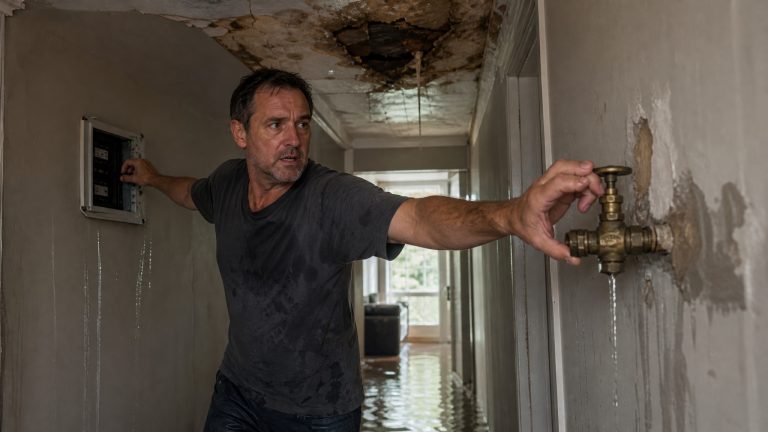
Waiting weeks for an appeal outcome while water damages your ceiling creates a second problem no policy will cover after the fact. Shut off the water supply and drain the system safely to limit damage, even if you plan to keep disputing the rejection. Delaying that to “preserve evidence” usually just makes the structural damage worse and complicates both the original claim and any renovation cover you might need later.
Look into emergency same-day replacement options so you can get functioning hot water back while the appeal runs on its own track. Many accredited plumbers can install a temporary fix or expedite a permanent replacement that meets safety standards without needing insurance sign-off first. Move quickly, and you protect the property while keeping the dispute alive through the proper channels.