Deciding between geyser servicing and replacement, and working out which is cheaper, depends on the current condition of your unit rather than a fixed price list. A standard service might cost a fraction of a new installation today. But pouring money into a corroded tank only delays an inevitable burst and doubles your eventual expense. You need a clear way to tell routine maintenance that extends lifespan apart from emergency repairs that just buy time on a failing system.
Understanding Geyser Service Cost in South Africa
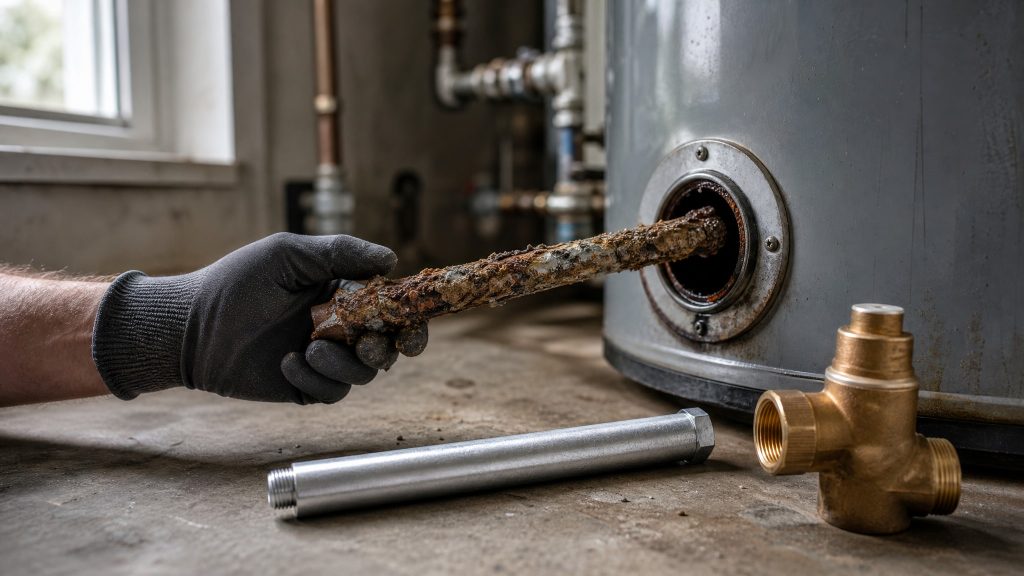
Professional maintenance goes well beyond draining sediment from the bottom of the tank. Replacing the sacrificial anode rod during a routine service prevents the tank corrosion that typically leads to premature burst geysers. This one component often decides whether your unit survives another year or fails within months.
What a Standard Annual Geyser Service Includes
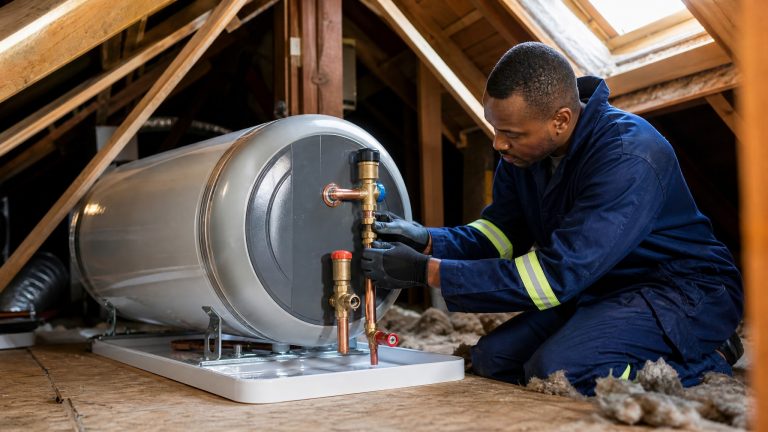
A comprehensive inspection checks the structural integrity of the vessel before any cleaning starts. Technicians test the thermostat calibration so water reaches safe temperatures without overheating elements or wasting electricity through excessive cycling. The pressure control valve gets operated by hand to confirm it releases excess pressure correctly, which prevents the dangerous buildup that can rupture pipes or damage the tank lining. Electrical connections get tightened and checked for heat damage or corrosion, since either one signals failure ahead. This systematic approach catches small faults before they turn into expensive, urgent, after-hours call-outs.
Typical Pricing for Maintenance Visits
The annual geyser service price moves with your location and how easily the plumber can reach the installation. Roof-mounted units in tight spaces often cost more in labor, because working at height with heavy components takes longer than servicing a ground-level system. Expect regional variation across South Africa too: metropolitan areas charge differently than rural towns, where travel distances push up costs. Most manufacturers recommend annual servicing to keep the warranty valid, particularly around anode replacement intervals. Skip this visit to save money now, and you may lose that coverage exactly when you need it.
When to Replace vs Repair Geyser Systems
Age is the main filter for choosing between geyser maintenance and replacement, because internal degradation speeds up unpredictably after the first decade. Units older than ten years rarely justify serious investment. The glass lining has likely deteriorated by then, and the steel shell faces active corrosion that no external repair reverses.
Repeated component failures in a short window point to the system reaching end-of-life, not isolated bad luck. Say you replaced an element six months ago and now face thermostat trouble alongside rust-colored water. That means the tank itself is failing, and further repairs stop making financial sense. Hard water regions need more frequent anode inspections, since mineral buildup there wears down elements faster. Units in these areas hit their economic endpoint sooner than identical models in soft-water zones. A corroded tank can’t be fixed, and trying wastes money that should go toward a compliant new installation instead.
Comparing Geyser Maintenance vs Replace Expenses
The immediate savings of fixing one component often hide the cumulative cost of keeping an inefficient system running past its useful life. Geysers account for roughly 30% to 50% of household electricity consumption in South African homes, so even small efficiency losses show up directly in higher monthly bills, which can erode any upfront repair savings over time.
Short-Term Savings of Component Repair
Fixing a faulty heating element or resetting a tripped safety switch costs far less than a new unit. You can see a detailed breakdown of geyser element replacement cost to check what this common repair involves and why it’s the most frequent service call. Similarly, thermostat replacement expenses stay manageable when the tank itself is still sound and under warranty. These targeted repairs make sense for units younger than eight years showing no signs of corrosion or leakage.
Long-Term Value of Full Replacement
New installations come with fresh warranties, modern insulation, and compliance with current safety regulations that older units can’t match. Investing in full geyser replacement pricing removes the uncertainty of aging components and resets the maintenance clock for another decade or more. Modern units heat water faster and hold temperature longer, which cuts daily electricity use enough to offset part of the outlay through lower bills. You also get the assurance that the system meets current building codes and insurance requirements, with no hidden liabilities inside a deteriorating tank.
Hidden Costs of Delaying Replacement
Postponing an inevitable replacement while repeatedly patching an old unit is a false economy, and it compounds with every call-out fee. Each emergency visit adds labor charges and parts markups to an asset that’s only sinking in value. Aging geysers lose thermal efficiency as scale builds on elements and insulation degrades, forcing longer cycles just to reach set temperatures. That extra runtime wears out the remaining components faster while quietly driving up your electricity bill, month after month, until the total spent on patches passes what a new installation would have cost.
Geyser Lifespan Repair Decision Factors
Your water chemistry and household usage decide how quickly the repair-or-replace decision becomes urgent, regardless of the manufacturer’s rated longevity. Two identical units installed on the same day can end up with very different remaining service lives, depending on mineral content in the local supply and how many liters run through them daily.
Impact of Water Quality and Usage Patterns
High mineral content speeds up anode depletion and scale formation, shortening the viable repair window compared with areas that have softer water. Families using a lot of hot water daily cycle the tank more often, which exposes the interior to more thermal stress and corrosive oxygen than low-usage households see. Adjust standard lifespan expectations downward if your area has hard water or your household uses more than average. Ignore these variables and you end up making optimistic repair decisions that fail early, because the underlying environmental stress was never addressed.
Warranty Status and Insurance Implications
Regular servicing keeps manufacturer warranties valid and supports insurance claims for geyser damage, since it provides documented proof of maintenance. Once the warranty expires, the financial risk shifts entirely to you, and every repair after that becomes a gamble against uncertain remaining lifespan. Insurers increasingly ask for service records before settling burst geyser claims, and gaps in that history can reduce payouts or trigger denials outright. Keep careful records. That protects your investment and keeps coverage intact if failure hits unexpectedly.
Signs Your Geyser Needs Immediate Attention
Recognizing early symptoms is what separates routine maintenance from imminent disasters that threaten property and safety. Wait for complete failure, and you lose the ability to choose between servicing and replacement. Instead you’re forced into an emergency decision, under pressure, with limited options and higher costs.
Audible Warnings and Temperature Fluctuations
Rumbling noises point to serious sediment buildup, which insulates elements from water and causes localized overheating that accelerates corrosion from below. Inconsistent heating suggests a failing thermostat or a partially burned-out element struggling to hold set temperatures despite drawing full power. These warning signs of impending failure call for immediate professional assessment before the tank ruptures or electrical components catch fire. Don’t write off strange sounds or temperature swings as normal aging. They’re active mechanical distress, and they get worse with every heating cycle.
Visible Leaks and Pressure Issues
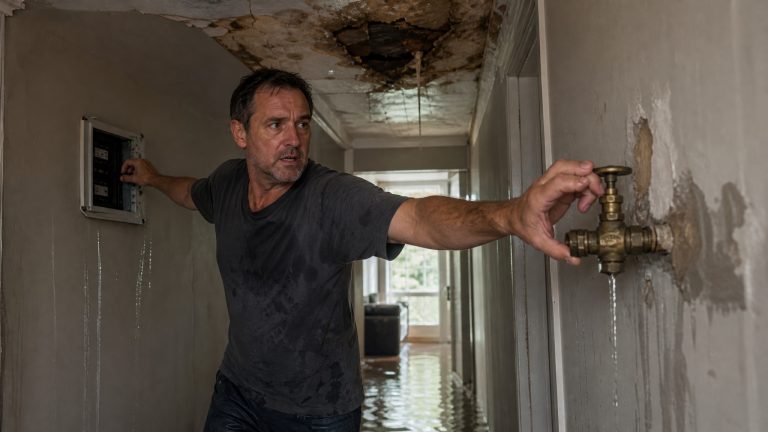
Any moisture around the base, dripping from valves, or staining on ceilings below signals an active containment failure that servicing can’t permanently fix. Rust-colored water from hot taps confirms internal corrosion has breached the protective glass lining and exposed bare steel to ongoing oxidation. Pressure relief valves that discharge constantly, or fail to seal properly, point to dangerous over-pressurization that needs immediate attention. At this stage the decision point has already passed, and continued operation risks flooding damage that far exceeds replacement cost.
Getting an Accurate Geyser Repair Quote
Transparent pricing means itemized quotes that separate labor, parts, and compliance fees, so you can compare options fairly without surprises appearing mid-job. Vague estimates that bundle everything together make it hard to compare servicing against replacement, and leave you open to upselling or incomplete work.
Questions to Ask Before Booking
Ask for confirmation that the quote includes debris removal and disposal fees, for old components or for the whole unit if replacement turns out to be necessary. Ask whether any recommended replacement includes a valid certificate of compliance, and whether the installer carries the accreditation your insurer requires. Clarify whether diagnostic fees apply separately from repair work, and whether they get waived if you go ahead with the quoted solution. These questions set clear expectations and head off disputes once the final invoice arrives.
Evaluating Service vs Replacement Recommendations
Compare the quoted repair total against replacement pricing, factoring in your unit’s age, warranty status, and recent repair history to weigh true value. A technician recommending replacement on a three-year-old unit deserves some skepticism, unless they can show photographic evidence of a manufacturing defect or installation error. Conversely, another element swap suggested for a twelve-year-old tank with visible rust should prompt you to get a second opinion from an independent professional. Trust recommendations backed by documented diagnostics rather than verbal assurances, and check that the proposed fix addresses the root cause rather than just the symptom.
Maximizing Efficiency After Service or Installation
Post-service optimization pushes out the interval before your next major decision, and cuts ongoing costs, whether you repaired or replaced. Simple upgrades pay for themselves through lower electricity use and less wear on components, protecting your investment long after the plumber leaves.
Installing timers and adding an insulation blanket cut standby heat losses substantially, especially for units in unheated roof spaces or garages. Setting the temperature to 60°C balances comfort with energy savings while cutting the scale formation that shortens element life. Regular visual checks between professional services catch minor leaks or valve drips before they turn into major problems. These habits turn reactive maintenance into predictable ownership costs, so you’re deciding on your own timeline rather than reacting to a failure.