Every geyser in South Africa loses heat, even when nobody is running a tap. The question homeowners keep asking is whether a geyser blanket is worth it, or whether it’s just another product sale dressed up as an energy tip. The honest answer depends on your geyser’s age, your tariff pressure, and whether you already have a solar setup. This guide walks through the real numbers instead of a generic checklist.
What a Geyser Blanket Actually Does (and Why South African Homes Ask This)
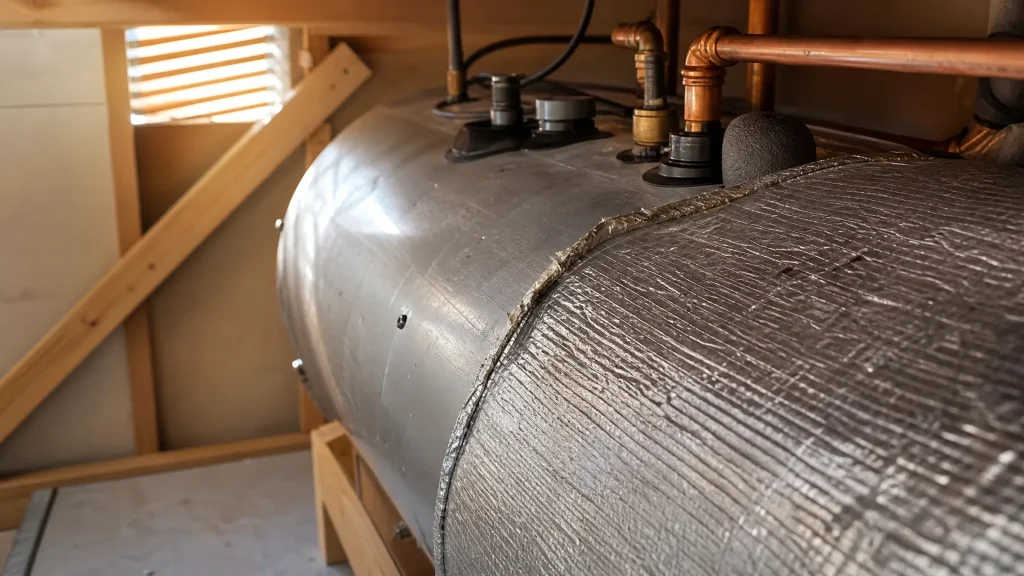
A geyser is essentially a large insulated flask sitting in a roof or cupboard, kept hot around the clock. The steel tank inside loses heat through its walls, the pipe connections, and the fittings on top. A geyser blanket wraps around the outside of that tank and slows this heat escape.
The blanket doesn’t make your geyser heat water faster or cheaper per litre. It just reduces how often the thermostat switches the element back on to top up heat that has quietly leaked away. That leak is called standby heat loss. It happens even if you never open a hot tap all day.
Electricity has become the single biggest household running cost after the mortgage or rent, which is why South African homeowners ask about this now. Eskom tariffs keep pushing upward. Any device that runs continuously in the background, like a geyser, draws more scrutiny than it used to.
How standby heat loss drives up your geyser running cost
An uninsulated geyser loses heat through its tank walls and pipework around the clock. A correctly fitted blanket typically cuts that standby heat loss by a noticeable margin. That can shave a meaningful percentage off the water-heating portion of your bill, though the exact saving depends heavily on your geyser’s age and existing insulation.
Water heating usually makes up the largest single slice of a South African home’s electricity use. So even a modest cut in standby losses can add up to a real saving on your geyser running cost over a year. The catch: the saving is proportional to how poorly insulated your tank already is. A geyser with thick factory foam has far less room to improve than an old, thinly insulated one.
Geyser Blanket Insulation: Is It Worth It in South Africa? The Real Cost-vs-Saving Numbers
The worth-it question comes down to three variables. What does the blanket cost installed? How much standby loss does it actually remove? And how fast do rising tariffs pay that cost back? None of these numbers are fixed, but you can reason through them sensibly.
Geyser blanket cost South Africa: what to budget
A basic geyser blanket kit costs little compared to almost any other home energy upgrade. Material and thickness vary, and a thicker, better-fitted blanket generally costs more than a thin generic wrap. If you pay a plumber to fit it properly, factor in a call-out and labour charge on top of the material cost.
That combined price is still modest next to bigger interventions like re-piping or replacing the geyser outright. If you’re weighing insulation against a full unit swap, it helps to compare it with the current geyser replacement cost in South Africa before deciding which route makes financial sense for your specific tank.
Does a geyser blanket save electricity, realistic payback timeframes
Yes, a geyser blanket saves electricity, but the realistic payback window varies by household. Older, poorly insulated tanks in cold-climate areas typically pay back the blanket cost fastest, sometimes within a single winter of heavy use. Well-insulated, newer tanks in mild climates pay back far more slowly, because there’s less standby loss to recover in the first place.
Eskom’s residential tariffs have climbed steadily over recent years, and with further increases expected into 2027, the payback period for a low-cost geyser blanket keeps shrinking relative to when tariffs were lower. In practical terms, a blanket that took a couple of years to pay for itself a few years ago now often pays back sooner, purely because each kWh saved is worth more today.
Load-Shedding and Heat Retention: How Long Does a Blanket Keep Water Hot
Load shedding changes the calculation. When the element can’t run during a scheduled outage, an insulated tank holds its heat longer than a bare one. That difference can matter a lot if outages stretch into hours rather than minutes.
A 10-15 year old geyser with degraded factory insulation in a Highveld home loses heat far faster during a stage 4 outage than a geyser installed in the last two to three years under current SANS 151 insulation standards. In practice, that means an older unit might drop from hot to lukewarm well before power returns, while a newer, well-insulated tank stays usable for showers hours later.
A blanket on an older geyser narrows that gap. It won’t match the performance of a genuinely new, well-insulated unit, but it slows the temperature drop enough to matter over a two- to four-hour outage.
Geyser blanket vs solar geyser during outages
A solar geyser sidesteps the load-shedding heat-retention problem in a different way. It heats water using the sun, independent of the grid, and often has its own well-insulated tank design. During outages, a solar system with decent sun exposure keeps producing hot water regardless of Eskom’s schedule.
A geyser blanket can’t replicate that. It only slows heat loss on an electrically heated tank; it doesn’t generate heat without power. If your main concern is riding out extended outages rather than trimming a bill, a solar geyser addresses the root problem. A blanket only buys you extra hours on stored heat.
When a Geyser Blanket Is NOT Worth It
This is the part most guides skip. A blanket isn’t automatically a good idea for every home. Fitting one in the wrong situation can waste money or cause problems.
New geysers with factory insulation
Geysers built to current SANS geyser installation requirements already ship with substantial built-in insulation. Wrapping one of these in an aftermarket blanket adds very little extra thermal benefit, because there isn’t much standby loss left to capture.
Worse, some manufacturers state that adding external insulation over the tank casing can trap heat around fittings in ways that void the warranty. Always check your geyser’s warranty terms before fitting anything over a unit less than a few years old.
When to replace geyser South Africa instead of insulating
A blanket can’t fix a failing thermostat, a corroding tank, or an element on its way out. If your geyser is already showing signs of trouble, spending money on insulation delays the real decision rather than solving anything.
If you’ve noticed inconsistent hot water, rust-coloured water, or rising running costs that a blanket won’t explain, it’s worth diagnosing a sudden hot water shortage before spending on insulation at all. A geyser nearing the end of its typical service life, generally somewhere past the decade mark, is often better replaced than patched. Insulating a tank you’re likely to replace within a year or two rarely earns back its cost.
DIY Geyser Blanket Installation vs Calling a Plumber
Fitting a geyser blanket looks simple on the box. In practice, a poor fit is the single biggest reason blankets underperform.
DIY installation risks
Plumbers who inspect geysers regularly report that the most common reason a blanket fails to deliver savings is poor fitting around the thermostat and element covers, not the blanket material itself. A blanket wrapped too tightly or in the wrong place can also block access panels, trap moisture against fittings, or sit too close to a flue on a gas unit. That creates a fire hazard.
There’s also the pressure relief valve to think of. A blanket fitted over or too near the PRV can obstruct it, which is a safety issue, not just an efficiency one. If your geyser has ever shown signs of pressure trouble, get that checked before adding any insulation. A badly timed obstruction can turn a minor drip into a bigger problem, similar to issues covered under geyser leaking from the pressure relief valve.
Plumber geyser inspection South Africa: what it should include
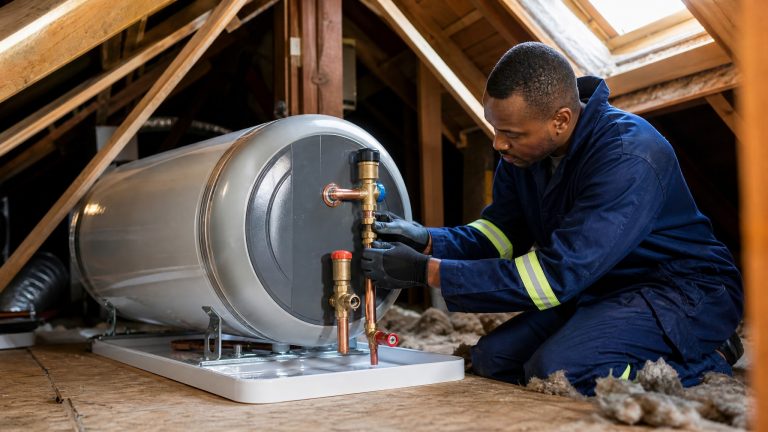
A proper plumber inspection before fitting a blanket should check the thermostat’s accuracy, the condition of the heating element, the state of the PRV, and whether the existing insulation and casing are intact. This confirms you’re insulating a healthy tank, not masking a fault that needs repair.
It also protects your warranty, since a professional will know which models permit external insulation and which don’t. If you’re unsure who to call, it helps to find a reliable plumber near you rather than trusting the first quote you get.
Complementary Energy-Saving Measures: Timer, Thermostat, and Pipe Lagging
A blanket is one piece of a bigger energy-saving picture, not a standalone fix. Combined with a few other adjustments, the savings compound.
Geyser thermostat setting South Africa
Most South African households run geysers hotter than they need to. A setting around 55-60°C is generally enough for comfortable showers and dishwashing, while staying high enough to limit bacterial growth in the tank. Dropping the thermostat from a factory default nearer 70°C down into that range cuts standby loss further, on top of whatever a blanket already saves.
Avoid going lower than the recommended minimum, since that raises health risks rather than saving meaningful electricity. If you’re not sure where your thermostat is set or how to check it safely, that’s a job worth handing to a plumber during the same visit as a blanket fitting.
Geyser timer vs blanket
A timer and a blanket solve different problems. Comparing “geyser timer vs blanket” is really a case of both, not either. A timer schedules heating for the hours you actually need hot water, avoiding wasted heating cycles overnight or while everyone is out. A blanket reduces how much heat leaks away in between those cycles.
Homes that pair a geyser blanket with a timer set to avoid heating water during peak tariff hours and unoccupied periods see compounding savings that a blanket alone can’t achieve. Add basic pipe lagging on the first metre or two of hot water pipe leaving the tank, and you close off most of the easy heat-loss points in a typical installation.
None of these steps requires guesswork if a plumber has already inspected your setup. Before buying a blanket, adjusting a thermostat, or fitting a timer, it’s worth booking a professional geyser health check. A qualified plumber can tell you, specifically for your tank’s age, condition, and warranty status, whether insulation, a timer, a thermostat tweak, or replacement is the smarter move for 2026 and beyond.