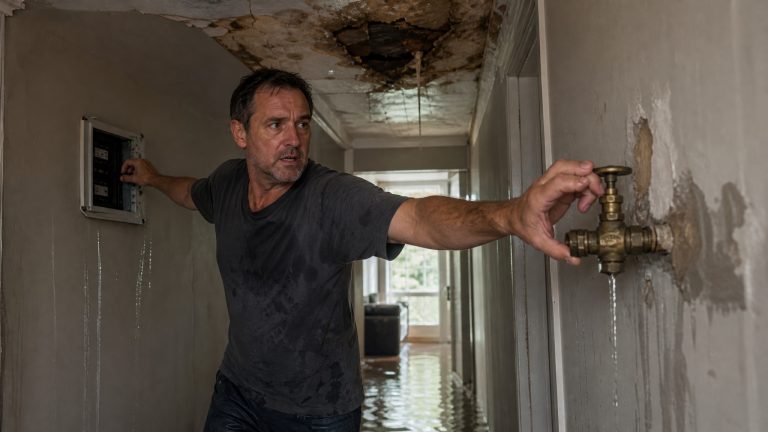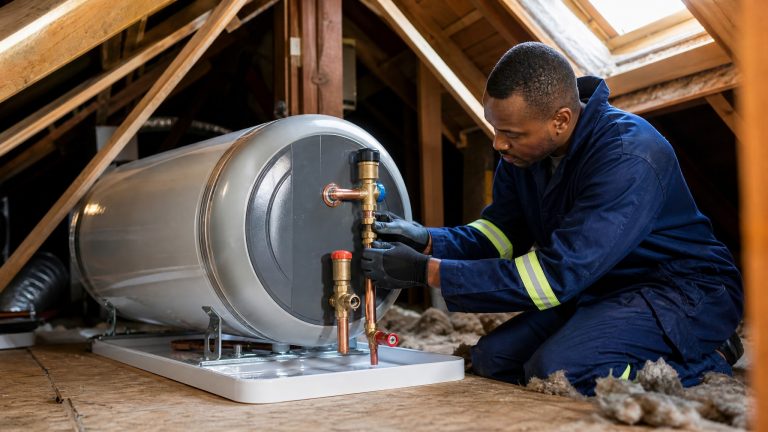
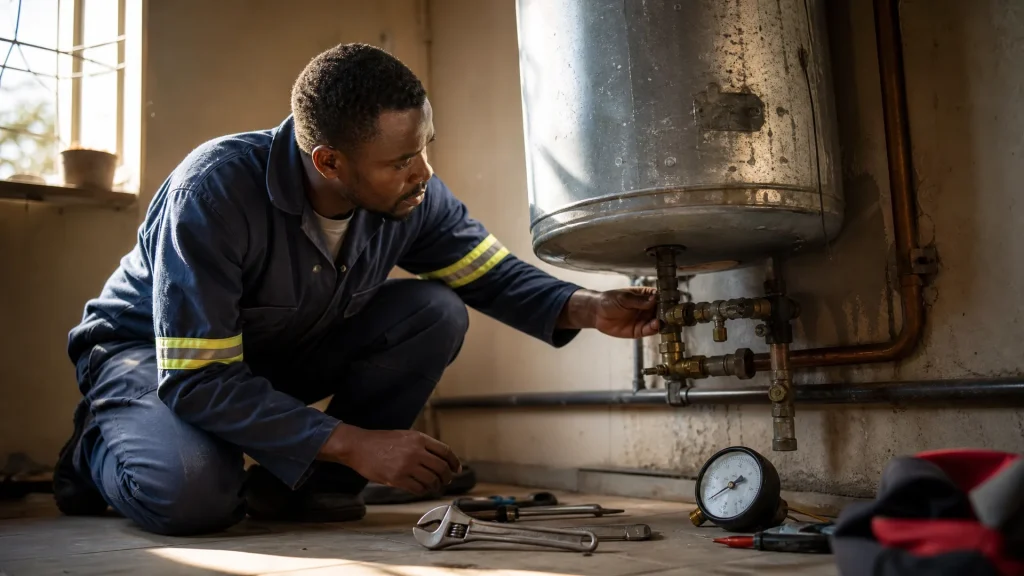
No hot water is one of the most disruptive plumbing failures a household can face, and diagnosing the cause is rarely as simple as “the geyser element has blown.” South African geysers account for roughly 40% of a typical household’s electricity bill, so a fault left unresolved costs money every day. Our plumbers’ call-out data across Gauteng and Cape Town consistently shows that a large share of “no hot water” jobs involve a geyser that is still serviceable, the real culprit is a seized mixing valve, a failed thermostat, or a pressure issue that looks and feels exactly like a dead geyser. Getting the diagnosis right before you authorise a replacement can save you thousands of rands.
Why You Have No Hot Water: The Most Common Causes
When you turn on the hot tap and nothing warm comes out, most people blame the geyser immediately. That instinct is understandable but often wrong.
The most frequent causes of no hot water in a house are:
- Failed heating element, the most common geyser fault, but not the only one
- Thermostat failure, the element may be fine; the thermostat simply isn’t signalling it to heat
- Mixing valve failure, a seized or corroded mixing valve blends cold water into the hot line and can drop outlet temperature to cold
- Tripped circuit breaker or blown fuse, power supply to the geyser interrupted
- Pressure relief valve fault, a continuously weeping relief valve bleeds hot water before it reaches the taps
- Pipe blockage or scale build-up, reduced flow that mimics a heating failure
- Partial pipe freeze, rare in South Africa but possible in colder regions
Geyser Not Heating Water vs. Other System Failures
A geyser not heating water produces one clear symptom: the water from the hot tap stays cold regardless of how long you run it, and the geyser body feels cold to the touch after several hours.
A mixing valve failure looks similar but has a tell: the geyser body is warm or hot, the pressure-relief outlet drips steam, yet the tap delivers cold or barely warm water. A faulty thermostat often causes the geyser to overheat and trip its high-limit cutout, you’ll find the circuit breaker tripped or the reset button on the thermostat popped.
Take a Johannesburg homeowner who reported no hot water for three days. Every online guide pointed to a dead element. A plumber arrived, found the geyser body too hot to touch, and diagnosed a seized mixing valve, not a dead element, saving the cost of a full replacement. Correct diagnosis, not fast parts-swapping, is what drives efficient repair.
Step-by-Step Hot Water Shortage Diagnosis
Work through these checks in order. Each one is a pass/fail gate, if you find the fault, stop and address it before moving further.
Checking Your Geyser First
1. Check the circuit breaker. Go to your distribution board and confirm the geyser breaker hasn’t tripped. Reset it and wait 30–60 minutes. If it trips again immediately, there is an electrical fault, call a plumber.
2. Check the geyser isolation valve. It should be fully open. A partially closed valve restricts supply and can prevent heating.
3. Feel the geyser body. After the circuit breaker has been on for an hour, the tank should feel warm. Cold tank = element or thermostat failure. Very hot tank = thermostat not cutting off, or mixing valve pushing cold water back.
4. Check the pressure relief valve (PRV). A small trickle of water from the PRV discharge pipe during heating is normal. Continuous flow or steam suggests the PRV is releasing too early, it may need replacement, or working pressure is too high.
5. Check the thermostat reset button. Most South African geysers have a red reset button on the thermostat housing. Press it firmly. If this restores hot water, the thermostat cut-out tripped, find out why before it trips again.
Identifying Mixing Valve and Thermostat Problems
The mixing valve (also called a tempering valve) sits on the hot water outlet line and blends cold water in to keep outlet temperature safe, typically 55–60 °C at the tap. When it seizes in the open position, it floods the hot line with cold water.
Pass/fail test: Close the cold supply to the geyser briefly (turn the inlet isolation valve off). Run the hot tap. If the water immediately becomes hot (or very hot), the mixing valve is the problem, it was diluting the output. Restore the cold supply before the tank runs low.
Thermostat faults split into two types: the thermostat fails to call for heat (water stays cold), or it fails to cut off (water gets dangerously hot and trips the safety cut-out). A plumber can test thermostat continuity with a multimeter in minutes. DIY plumbing repairs vs. calling a professional covers which tests are safe to run yourself and which require a licensed tradesperson.
Pipe freeze check (Cape Town and Highveld winter nights): In Cape Town’s colder southern suburbs, exposed copper supply pipes on the cold side of a geyser can experience partial freeze restriction during winter cold fronts, something most online guides written for warmer climates never mention. If your hot water returned by mid-morning on a cold night without any intervention, a brief freeze restriction is the likely cause. Lagging exposed pipes prevents recurrence. Understanding how pipe material affects your hot water system helps here, older copper pipes are more vulnerable to thermal stress than modern plastic systems.
Hot Water Pressure Low? Separate the Pressure Problem from a Heating Problem
Low hot water pressure and a heating failure feel similar at the tap but have completely different causes and fixes. Conflating the two leads to unnecessary repairs.
Low pressure with normal temperature means the water is hot but trickling out. Causes include:
- Scale or sediment build-up inside the geyser tank, partially blocking the outlet dip tube
- A partially closed isolation valve on the hot line
- A failing pressure-reducing valve on the mains set too low
- Partially blocked hot water pipes (common in areas with hard water)
Heating failure with normal pressure means flow is fine but the water is cold. This points back to the element, thermostat, or mixing valve checks above.
Scale build-up is particularly common in geysers older than eight years in hard-water areas. You may hear a rumbling or popping sound from the tank during heating, that is scale on the element expanding. Descaling or element replacement restores output. For a deeper look at pressure-specific faults, water pressure problems in South African homes covers the full diagnostic path.
Geyser Health Assessment: Repair or Replace?
Signs Your Hot Water System Failure Is Beyond Repair
The South African National Standard SANS 10252-1 sets a design life expectation for residential geysers of around 10–15 years. Beyond that threshold, failure rates rise sharply. Signs that replacement is the better choice:
- The tank body is visibly corroded, bulging, or actively leaking from the tank seam (not just the PRV)
- You have replaced the element or thermostat more than twice in the past three years
- Rust-coloured water is coming from the hot tap (internal tank corrosion)
- The geyser is more than 15 years old and has had any fault
Cost of Geyser Repair vs. Replacement in South Africa
As of mid-2026, typical South African plumbing call-out costs fall into these ranges:
- Element replacement: R1,200, R2,500 including labour
- Thermostat replacement: R800, R1,800 including labour
- Mixing valve replacement: R1,000, R2,200 including labour
- New 150-litre geyser (standard, supply and install): R7,500, R14,000 depending on brand, region, and access difficulty
- Solar or heat pump geyser: R15,000, R35,000 installed, with significant long-term electricity savings
If your geyser is under 10 years old with a single first-time fault, repair is almost always cheaper. If it is over 12 years old and on its second or third repair, replacement typically pays for itself within two to three years through avoided call-outs and improved efficiency. Make sure any new installation meets geyser installation requirements in South Africa, SANS 10252-1 compliance is a legal requirement and affects your insurance cover.
If you have recently bought a home, what to check in a new home’s plumbing before you buy explains how to assess geyser age and condition before problems surface.
Temporary Hot Water Solutions While You Wait for a Plumber
A plumber may not always arrive on the same day. These options keep the household running:
- Electric kettle bathing: Fill a basin or bath with kettle-boiled water mixed with cold. Inefficient but effective for one or two people.
- Camping shower bag: A black solar shower bag (20 litres) left in direct sunlight for 2–3 hours reaches a usable temperature. Widely available at outdoor retailers for R150–R350.
- Gas camp stove: Heat a large pot of water on a gas burner for washing. Keep ventilation open, never use indoors with the doors shut.
- Solar geyser bypass: If you have a solar geyser with an electric backup element, switch the system to element-only mode using the controller panel. This bypasses a faulty solar circuit and uses the backup directly.
- Gym or community facilities: Many gyms in South African cities offer day passes for R80–R150, a practical option for a multi-day wait.
For guidance on whether your situation warrants an emergency call-out or can wait for a scheduled appointment, when to call an emergency plumber vs. attempt a DIY fix gives a clear framework.
When to Call a Professional for Your Hot Water System Failure
Some hot water faults are safe to investigate yourself. Others require a licensed plumber immediately. Call a professional if:
- Basic checks (breaker, reset button, isolation valve) have not restored hot water within an hour
- The geyser is actively leaking from the tank body or ceiling rose
- You see water damage on the ceiling below the geyser
- You suspect a burst or frozen pipe
- The circuit breaker trips repeatedly after reset
- Your geyser is more than 15 years old, at this age, any fault signals the end of the unit’s safe service life
- You smell burning or see scorch marks near the geyser wiring
Attempting to replace elements or thermostat wiring without proper training risks electric shock and can void your home insurance. South African regulations require a certificate of compliance (CoC) for any electrical work on a geyser.
Getting the diagnosis right the first time saves you money. Our plumbers operate across Gauteng and Cape Town with same-day availability, arrive with the most common parts on the vehicle, and test the full system, geyser, thermostat, mixing valve, and pressure, before recommending any repair or replacement. You get an accurate fault diagnosis, not a parts-swap guess. Contact us now to book a call-out and avoid paying for a replacement you may not need.