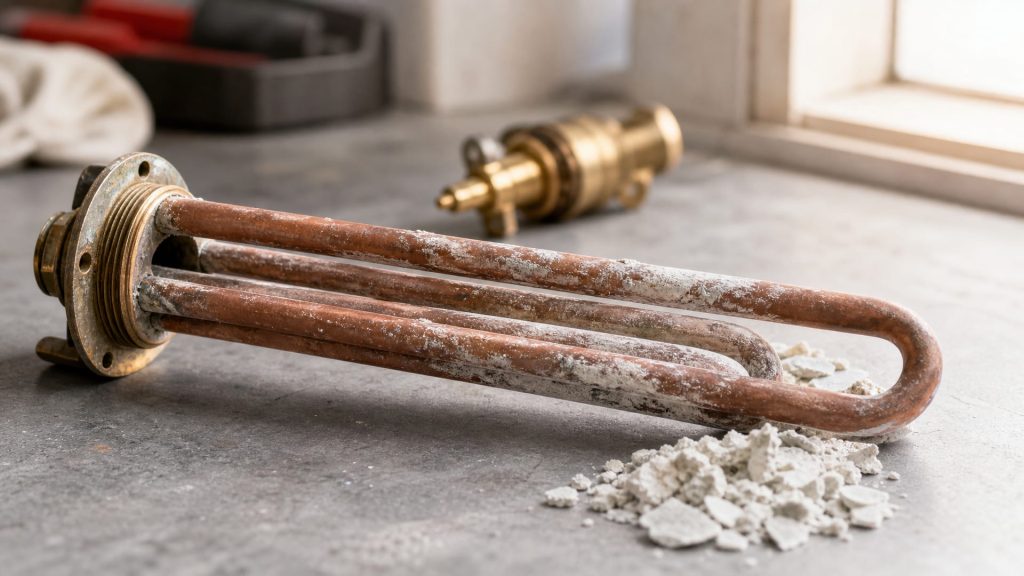
A sudden lack of hot water often triggers panic about the cost of a brand-new unit. But the geyser element replacement cost is typically a fraction of that price. Heating elements generally wear out faster than the tank itself, usually failing from limescale buildup in hard water areas long before the tank corrodes. Once you understand that distinction, you won’t authorize a full system replacement when a targeted repair gets the hot water running again. This guide breaks down current pricing, diagnostic signs, and the line items you should expect on a legitimate invoice.
Typical Geyser Element Replacement Cost Breakdown
Component pricing and labour charges are separate variables that combine to form your final bill. A 3kW copper element typically costs significantly less than a complete geyser unit, which is why repair is the first logical step for units under ten years old. Exact rand values shift with supplier stock and exchange rates, but the gap between fixing a heating component and installing a new vessel stays wide enough to justify investigating before you replace anything. Most standard residential repairs involve either a 3kW or 4kW element. The higher wattage version carries a modest premium, since it uses more material and a denser build.
Element vs Thermostat Pricing Differences
The thermostat usually costs less than the heating element because it has fewer raw materials and a simpler mechanism inside. Still, getting the diagnosis right matters more than the price gap: replace the wrong part and you’ve spent money without restoring hot water. It’s tempting to assume the cheaper part is the likely culprit, but the diagnosis should drive the purchase, not price. Copper import duties push element costs up in the South African market, while thermostats are often assembled or sourced locally at a lower logistical cost. That’s worth keeping in mind when you’re budgeting for the repair.
Labour Rates Across Major SA Metros
Labour charges for element swaps vary a lot depending on where you live, whether that’s central Cape Town, suburban Johannesburg, or a coastal town like George. Urban plumbers with higher overheads charge more for call-outs and hourly rates than independent contractors working outer suburbs or rural areas. Job complexity matters too. A ceiling-mounted geyser needs more setup time and safety rigging than one sitting in an easily accessible garage, and the labour figure follows from that. Expect your quote to reflect these geographic and physical realities rather than a flat national rate that ignores local operating costs.
How to Tell If Your Geyser Element Is Broken
Diagnosing a failed element means watching for specific symptoms rather than guessing at general water temperature issues. Many homeowners confuse electrical faults with plumbing blockages or a municipal supply interruption, which sends them down the wrong repair path and wastes a service call. Accurate identification starts with matching what’s happening in your home to known failure patterns for resistive heating components.
No Hot Water vs Lukewarm Water Symptoms
No hot water at all, while cold flow stays normal, strongly suggests total element failure or a tripped safety cutout. Lukewarm water that never reaches temperature often means partial element burnout, where only part of the coil still works, or severe limescale insulation is blocking heat transfer. Watch how long the tank takes to recover after heavy use: a healthy element reheats a depleted tank within a predictable window, while a degraded one struggles indefinitely. For deeper troubleshooting beyond these surface checks, our hot water shortage diagnosis guide covers dip tube failures and mixing valve defects too.
Tripping Electricity and Element Faults
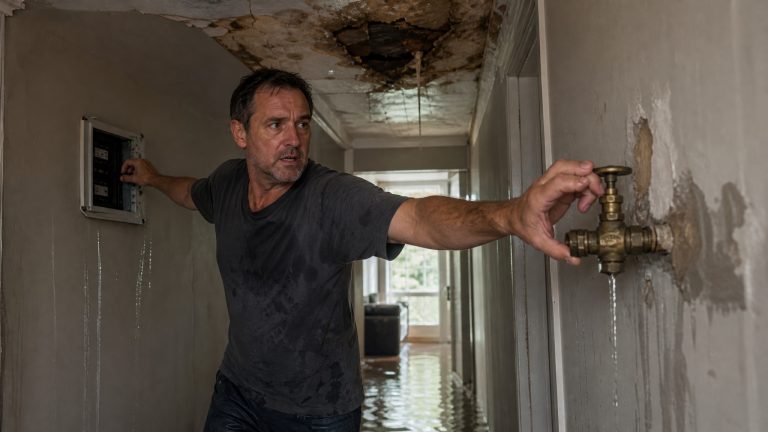
A circuit breaker that trips the moment you reset it usually points to a shorted heating element rather than a wiring problem elsewhere in the circuit. Moisture inside the element sheath creates a direct path to ground, and the earth leakage protector detects that instantly, cutting power to prevent shock. Does a tripping circuit breaker always mean a failed geyser element? Not exclusively, a faulty isolator switch or damaged cabling can produce the same symptom, but the element is still the most likely cause in an aging system. Ignore repeated tripping and you risk damage to the distribution board or worse, so professional testing becomes necessary once this symptom shows up.
Geyser Thermostat vs Element Fault Diagnosis
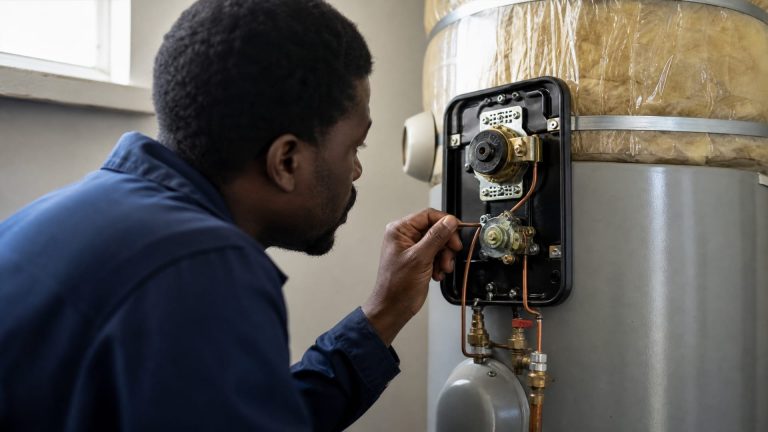
Misdiagnosis between these two components is the most common source of wasted spending in geyser repairs. Think of the thermostat as the brain that signals when heating should start and stop, and the element as the muscle that actually converts electricity into heat. When the brain fails, the muscle gets no instructions even though it’s perfectly functional. When the muscle fails, the brain keeps signaling into an open circuit. Testing requires a multimeter and proper safety protocols to isolate the real cause without exposing anyone to live voltage or pressurized steam.
Technicians measure continuity across the element terminals to confirm whether the coil is intact or broken internally. At the same time, they check thermostat voltage output during an active heating cycle to confirm it switches at the right temperature. Skip this dual check and you risk paying for parts that treat symptoms instead of the actual cause. Proper diagnosis is what makes sure the geyser element replacement cost you pay actually solves the problem.
When Element Repair Is Not Enough: Full Replacement Signs
Replacing a heating element becomes a false economy once the surrounding tank shows advanced deterioration that threatens sudden failure. Put new components into a vessel nearing the end of its life and you’re just delaying the inevitable while doubling your total outlay in a short space of time. Recognizing these boundary conditions protects your budget from the sunk-cost trap of chasing immediate savings over long-term value.
Age and Corrosion Indicators
Visible rust around the inlet or outlet fittings, or around the drain valve, signals internal corrosion that no element swap can fix. Sludge coming out during drainage means the lining is breaking down, and that will quickly destroy a newly installed element through galvanic action and sediment burial. Units past twelve years of service need careful inspection before you authorize any repair, because metal fatigue and seam degradation speed up fast past that point. Weigh the tank’s remaining useful life against the repair cost before deciding whether patching makes financial sense.
Warranty Implications for Older Geysers
Manufacturer warranties typically exclude consumable parts like elements while still covering tank leaks for a set period. Put a new element into a tank whose warranty has expired and all future risk sits with you; replace the whole unit instead and you reset the protection clock for another five or seven years. Some insurers reduce payout values for older geysers regardless of maintenance history, which makes continued investment in an aging tank increasingly questionable. Compare the full geyser replacement cost against your cumulative repair spending to find the point where renewal beats restoration.
DIY Risks vs Licensed Plumber for Element Swaps
Attempting an element replacement without proper qualifications exposes you to real electrical hazards and possible insurance claim rejections. South African regulations treat geyser electrical work as specialized plumbing, because the combination of water and mains voltage is genuinely dangerous, and it requires certified competence. Insurance providers frequently reject claims for water damage caused by DIY electrical plumbing work that lacks a certificate of compliance. Even if you install the part successfully, any flooding or fire traced back to unlicensed work can void your policy retroactively.
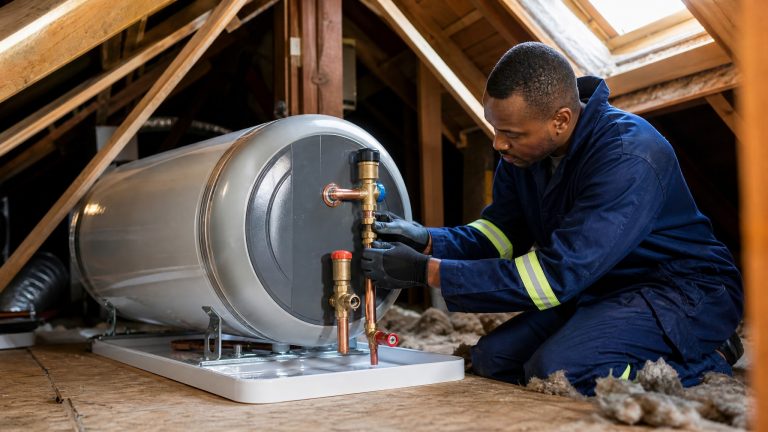
Professional installation comes with pressure testing, electrical certification, and warranty validation, none of which a DIY job can offer. Licensed plumbers also carry liability insurance covering accidental damage during the repair, so the risk sits with them, not your personal assets. Weighing labour savings against your insurability isn’t theoretical once you consider a burst tank destroying ceilings and contents below. Our comparison of emergency plumber vs DIY fix covers specific cases where unauthorized repairs turned minor problems into major losses.
Getting an Accurate Geyser Repair Quote
Transparent quoting is what separates a reputable service provider from an operator exploiting homeowner uncertainty during a crisis. You deserve itemized documentation showing exactly what you’re paying for, not a vague lump sum that hides markup and fees. Ask for a detailed breakdown upfront. That’s what gives you accountability and lets you compare bids without guessing at quality.
Questions to Ask Before Authorizing Work
Confirm whether the quoted price includes VAT, call-out fees, and disposal charges for the old component, so nothing surprises you on the final invoice. Ask about warranty terms for parts and labour separately, since some suppliers guarantee elements for twelve months while the installer only covers workmanship for ninety days. Ask too whether a diagnostic fee applies if you decline the recommended repair after the technician has looked at it, since ethical technicians absorb that cost when you go ahead with the work. Clarify these details before work starts, and the geyser not heating water cost to fix will match the budget you actually approved.
Avoiding Unnecessary Upsells
A recommendation for something like a vacuum breaker is often a genuine safety requirement under building codes, not just an upsell. That said, some contractors push premature replacement of parts that still work, citing vague code interpretations or exaggerated wear. Look up typical vacuum breaker replacement cost before you agree to anything, so you can tell fair pricing from an inflated estimate meant to subsidize a cheap element quote. Trust your judgment when a recommendation feels disconnected from what you’re actually seeing.
If you’re in Gauteng and want a transparent assessment, a geyser repair quote in Johannesburg from a licensed provider will keep the job compliant with local municipal bylaws and SANS standards.
Cheap Geyser Repair Options and Maintenance Tips
You can cut long-term ownership costs through smart timing and regular attention rather than cutting corners on quality. Replacing the thermostat and element in the same service call avoids a second call-out fee if the other component fails shortly after the first, and it’s a sound move since both parts endure similar thermal cycling stress and likely have comparable remaining lifespans, even though they fail differently.
Regular anode rod inspections extend element life a great deal, since the anode sacrifices itself to corrosive minerals that would otherwise attack the heating coil and tank lining. Flushing sediment once a year cuts the insulation layer that forces the element to work harder and hotter than it was designed for, which speeds up burnout in hard water areas. These are cheap interventions, but they add up over years to push back major expenses while keeping your hot water reliable. Cheap geyser repair, in the end, means smart maintenance, not substandard parts or unqualified labour that hands you a bigger bill later.